Pangong Lake, stretching over 134 km and shared between India and China, is one of the most stunning and surreal high-altitude lakes in the world. Located in the Union Territory of Ladakh, this lake has become a bucket-list destination for campers, bikers, and nature lovers from around the globe.
But camping near Pangong Lake is not as simple as pitching a tent by the water. Due to the lake’s remote location, environmental sensitivity, and border proximity, there are strict travel regulations, permit requirements, and limited accommodation choices. Whether you’re dreaming of watching the stars from your tent or waking up to sunrise over crystal-blue water, this complete guide will help you plan an informed and safe trip.
1. Where Is Pangong Lake and Why Is It So Popular?
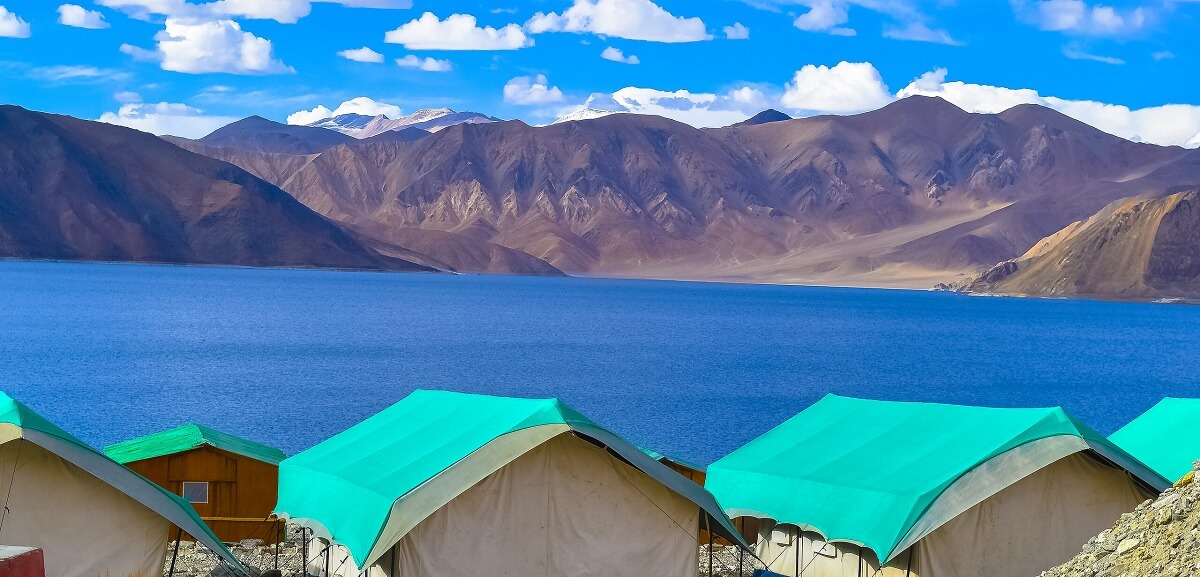
Pangong Lake is located in eastern Ladakh, around 160 km from Leh. The lake sits at an altitude of 4,350 meters (14,270 feet), making it one of the highest saltwater lakes in the world. Despite being salty, the lake freezes completely during the winter and showcases different shades of blue and green during summer.
The location gained worldwide fame after featuring in Bollywood movies like “3 Idiots” and “Jab Tak Hai Jaan”, and since then, has become a must-visit spot for adventure and camping enthusiasts.
Key Attractions:
- Crystal-clear, changing water colors
- Rugged mountain backdrops
- Amazing night skies perfect for stargazing
- Close interaction with Ladakhi culture and remote village life
2. Do You Need a Permit to Visit Pangong Lake in 2026?
Yes, Indian citizens and foreign nationals must obtain an Inner Line Permit (ILP) to visit Pangong Lake and other border areas in Ladakh.
Permit Types:
- Indian Nationals: Need an Inner Line Permit, easily available online or in Leh.
- Foreign Nationals: Must apply for a Protected Area Permit (PAP) through a registered travel agent.
Where to Get the Permit:
- Online: Visit https://www.lahdclehpermit.in
- Offline: Leh DC Office (Monday–Saturday, 10 AM – 4 PM)
You’ll need:
- A valid ID (Aadhar card or passport for Indians)
- Passport and visa copy (for foreigners)
- COVID-related health declarations (if required)
Permit Fee (Subject to change):
- ₹400 environment fee
- ₹20 per day for wildlife protection
- ₹100–₹300 per person for Red Cross donation (optional)
Important Tip: Carry multiple copies of your permit as they may be checked at various military checkpoints on the way to Pangong.
🔗 Smart internal links to other Ladakh and Leh travel content What is the Budget for a Ladakh Trip?
3. Best Time for Camping at Pangong Lake
Camping near Pangong Lake is a seasonal activity because the region is inaccessible in harsh winter months. The best time to camp is during the summer and early autumn, when the weather is relatively pleasant.
📍 Related: 10 Days Ladakh Tour from Manali
Ideal Camping Months:
- May to September: The lake is not frozen, skies are clear, and campsites are operational.
- October: Weather starts turning cold. Fewer camps, but still accessible with warm gear.
- November to April: Most campsites are shut. The region gets very cold, and roads may be blocked due to snow.
Weather Overview:
| Month | Temperature Range | Conditions |
|---|---|---|
| May–June | 0°C to 15°C | Cold nights, breezy days |
| July–August | 5°C to 20°C | Mildest, most comfortable |
| Sept–Oct | -5°C to 15°C | Cold, but clear skies |
| Nov–March | -15°C to 5°C | Severe cold, frozen lake |
4. Camping Options Near Pangong Lake
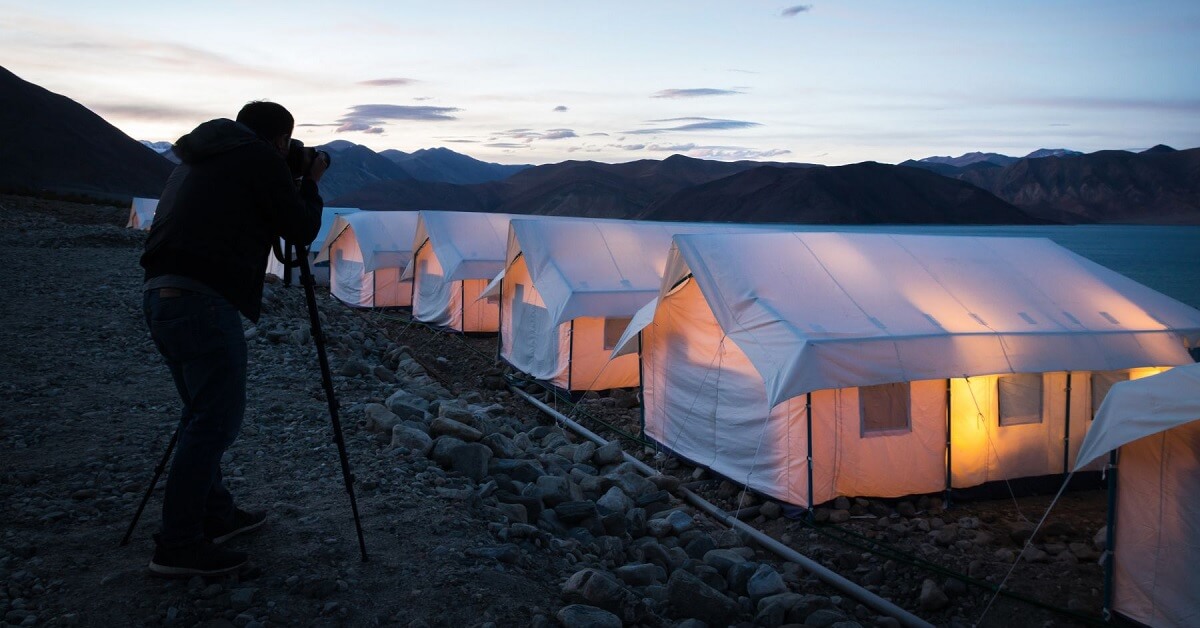
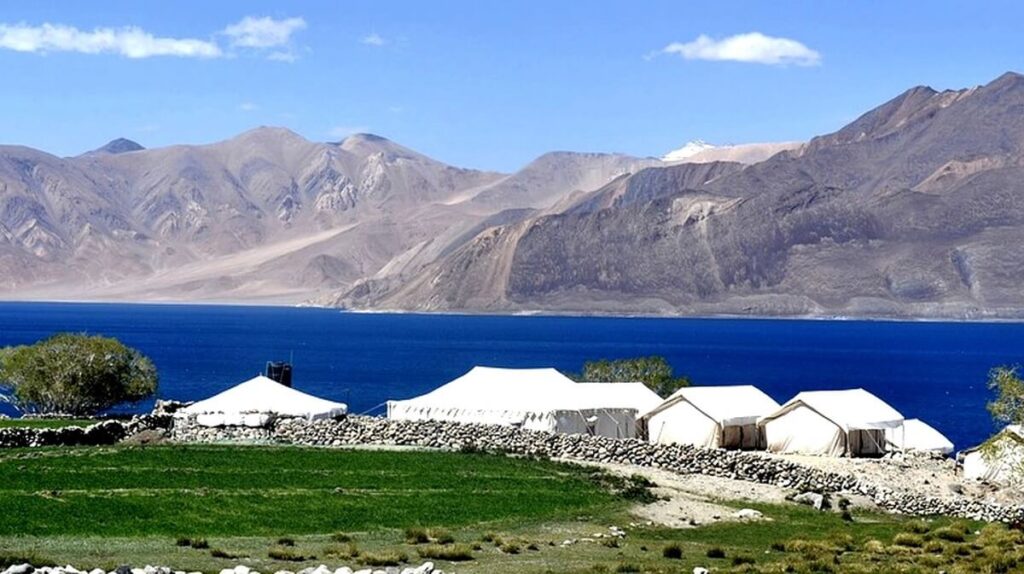
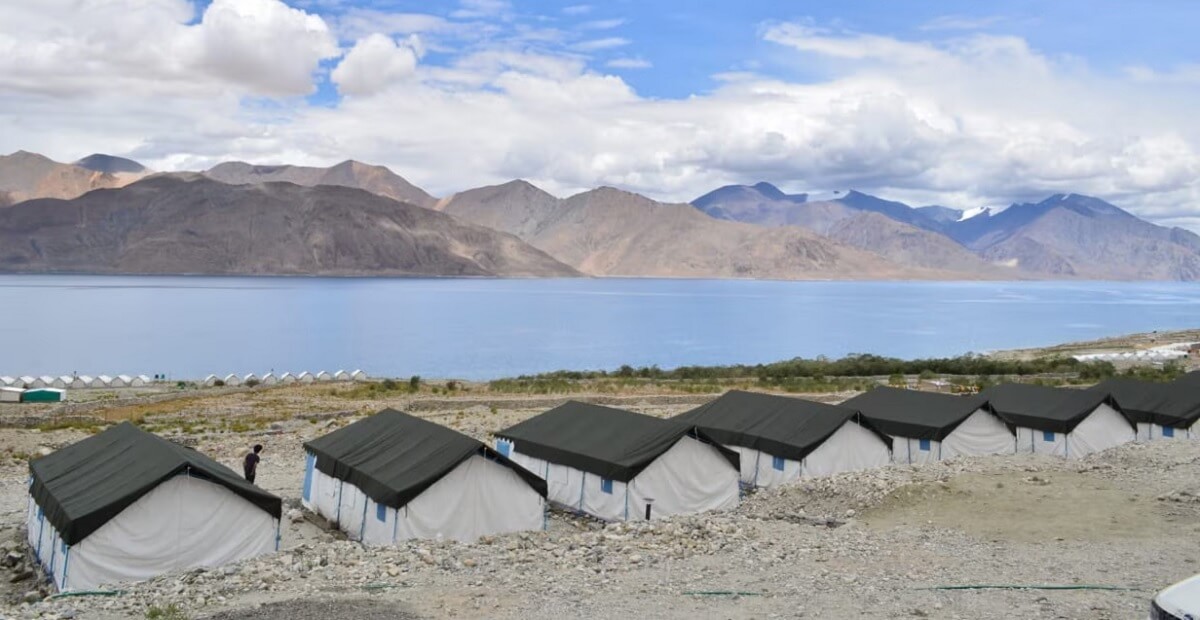
Camping near Pangong Lake is not allowed directly at the lakeshore anymore to protect its fragile ecosystem. However, eco-friendly camps, tent stays, and homestays are available nearby, particularly in areas like Spangmik, Lukung, and Man/Merak villages. 📍 Also read: 9 Days Leh, Kargil, Pangong & Nubra Valley Tour
Let’s explore your accommodation options in detail.
Eco Luxury Camps in Spangmik
Spangmik is the most popular and scenic location for camping near the lake, located just a few hundred meters from the water (not directly on the shore). 📍 Related: 15 Days North India with Ladakh Tour
Notable Camps:
- The Pangong Camp Resort
- Swiss tents with attached bathrooms
- On-site restaurant with Ladakhi and Indian meals
- Generator backup, but limited power hours
- Pangong Sarai Camp
- High-end canvas tents with mountain views
- Solar-powered hot water supply
- Bonfire evenings (weather permitting)
- Nature’s Nest Pangong
- Simple tents for budget-friendly stays
- Clean beds, local staff, and home-cooked meals
Price Range: ₹2,500–₹6,500 per night (varies by season and tent type)
Facilities to Expect:
- Limited hot water
- Mobile signal mostly unavailable (BSNL/BSNL satellite phone only)
- Solar lights or backup generators
- Basic bedding and clean washrooms
- No Wi-Fi
Homestays and Guesthouses in Man and Merak Villages
If you want a more authentic Ladakhi experience, consider staying with a local family in Man or Merak. These villages are quieter, less commercial, and offer unique cultural insights.
Pros of Homestays:
- Traditional Ladakhi food like thukpa, skyu, and butter tea
- Interaction with host families
- Warm, stone houses that hold heat well
- Budget-friendly (₹1,000–₹2,000 per night)
Note: Bathrooms may be outside the main building and not western-style. Always check amenities in advance.
Hotels in Tangtse and Lukung
If you want to avoid camping altogether but still be close to Pangong, you can stay at basic hotels in Lukung or Tangtse, which are roughly 35–50 km from the lake.
Top Picks:
- The Hermitage Hotel Tangtse
- Lukung Pangong Hotel
These offer:
- Cemented rooms with heating
- In-house meals
- 24×7 electricity (limited in some places)
Good for families or elderly travelers needing more structure and amenities.
5. What to Pack for Camping at Pangong Lake
Pangong’s altitude and remoteness demand serious planning, especially when it comes to packing. Weather changes quickly, and nights can be freezing—even in summer.
Essential Items to Carry:
Clothing
- Thermal innerwear (tops and bottoms)
- Windproof and waterproof jacket
- Fleece sweater or down jacket
- Warm gloves, woolen cap, and socks
- Sunglasses with UV protection
- Scarf or neck gaiter
- Comfortable trekking shoes or waterproof boots
Personal Items
- Lip balm, sunscreen (SPF 50+), and moisturizer
- Toilet paper and wet wipes
- Power bank and torch/flashlight
- Quick-dry towel and biodegradable soap
- Prescription medicines + altitude sickness tablets (Diamox, if prescribed)
Camping Accessories (if self-camping)
- Sleeping bag rated for sub-zero temps
- Lightweight tent with groundsheet
- Portable gas stove and fuel
- Instant food/snacks (Maggie, soup, protein bars)
- Reusable water bottle with purifier tabs
Important Tip: Oxygen levels are low at Pangong. If you’re prone to altitude sickness, carry portable oxygen canisters (available in Leh) and stay hydrated. Related: 10 Days Kashmir with Ladakh Tour Package
6. How to Reach Pangong Lake from Leh
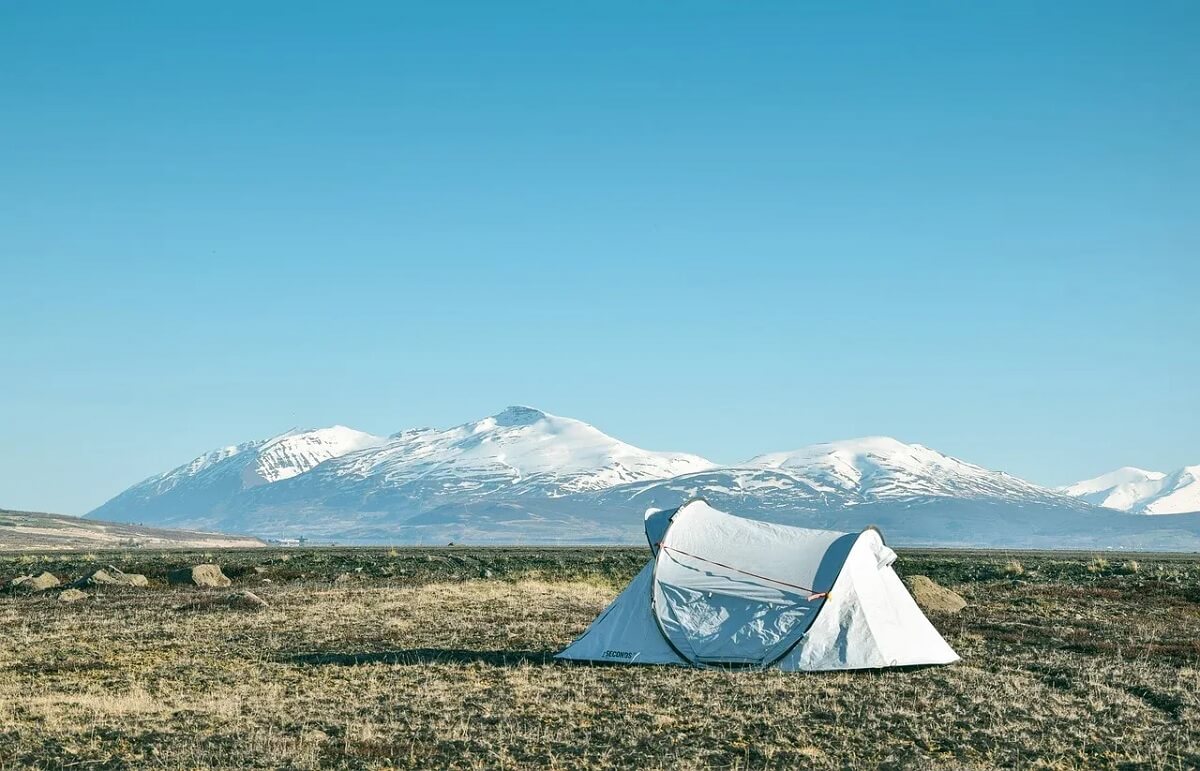
There are two main routes from Leh to Pangong Lake. Your choice depends on road conditions and personal preference. Travel typically begins early in the morning and takes 5–7 hours.
A. Leh – Chang La Pass – Pangong Lake (via Karu and Tangtse)
Distance: 160 km
Travel Time: 5–6 hours
This is the most popular and scenic route, taking you over the Chang La Pass, one of the highest motorable passes in the world.
B. Leh – Nubra Valley – Pangong (via Shyok route)
Distance: ~280 km (two-day journey)
Ideal if you’re visiting Nubra Valley first, then continuing to Pangong. The road conditions can vary but offer incredible views.
Modes of Transport:
- Self-drive car or bike (4×4 recommended)
- Private taxi from Leh (₹7,000–₹10,000 one way)
- Shared taxis or tempo travelers
- Guided group tours
Travel Tip: Always fuel up in Leh. There are no petrol pumps near Pangong Lake. Related: 6 Nights 7 Days Leh Ladakh Tour
7. Food and Toilet Facilities at Pangong Lake
While camping has its charm, it’s important to be realistic about basic facilities near Pangong.
Food Options:
- Most campsites serve simple vegetarian meals, such as dal-chawal, sabzi, roti, and Maggi noodles.
- Tea, coffee, and soup are usually available.
- In homestays, you might enjoy Ladakhi home-cooked meals.
- Carry your own dry snacks (biscuits, fruit, protein bars).
Toilets:
- Campsites offer attached or common western-style toilets, depending on your tent type.
- Water may be cold or limited. Some camps offer bucket hot water on request.
- Homestays may have dry compost toilets or Indian-style bathrooms.
Tip for Families: Bring disinfectant wipes, hand sanitizer, and a small toiletry bag for emergencies.
8. Safety and Health Tips for Camping at High Altitude
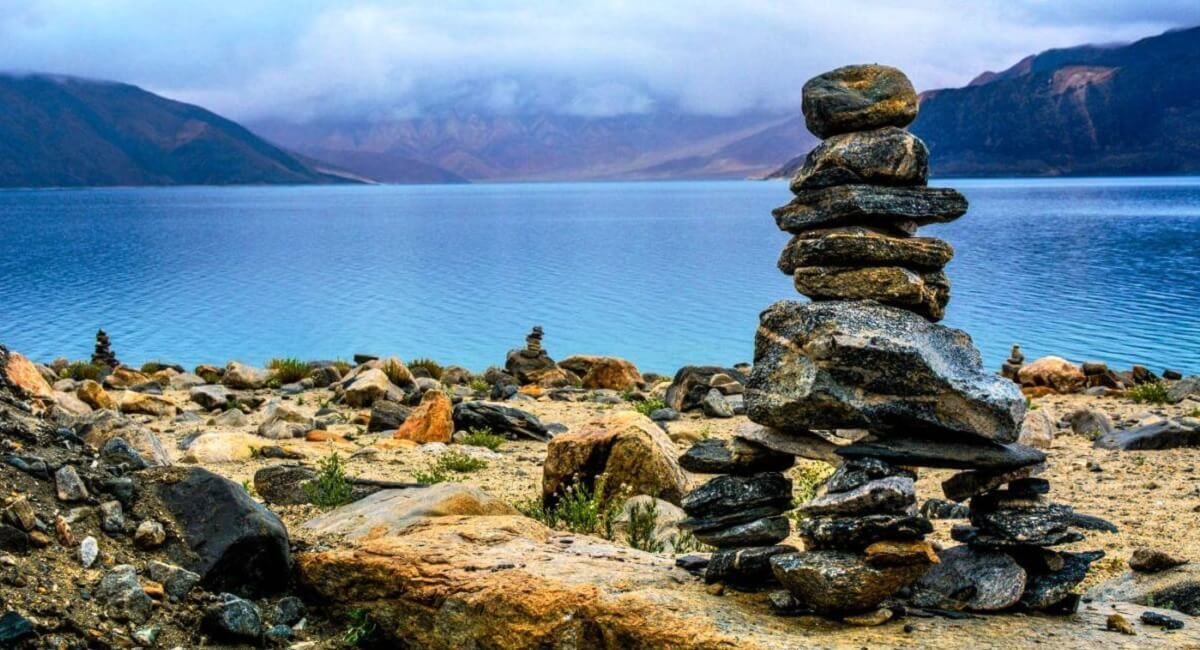
Staying at over 14,000 feet comes with challenges. Understanding altitude-related health issues is key to a safe camping trip.
Common Concerns:
- Acute Mountain Sickness (AMS): Symptoms include headache, nausea, dizziness, and fatigue.
- Hypothermia: Due to freezing night temperatures.
- Dehydration: Can worsen AMS and fatigue.
How to Stay Safe:
- Acclimatize in Leh for at least 2 nights before heading to Pangong.
- Drink plenty of water, even if you’re not thirsty.
- Avoid alcohol and smoking at high altitudes.
- Don’t over-exert. Keep walking slow and rest often.
- Sleep in layers and keep warm at night.
- Travel insurance that covers high-altitude trekking and emergency evacuation is strongly recommended.
If symptoms of AMS persist or worsen, descend immediately to a lower altitude.
9. Sample 2-Day Itinerary for Pangong Lake Camping
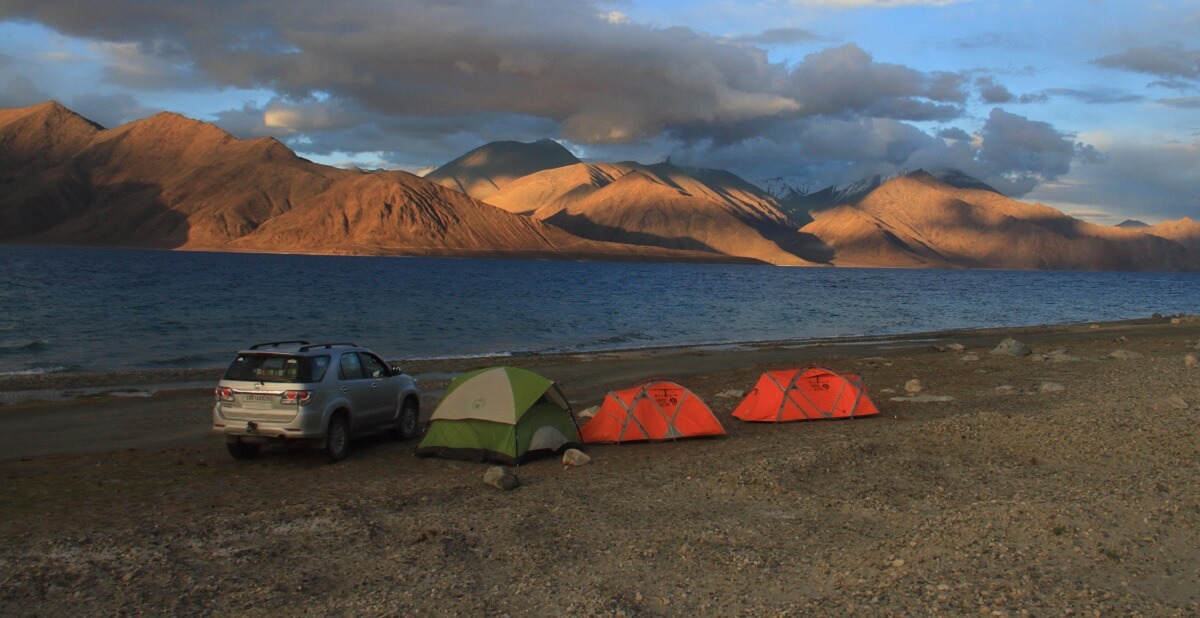
Here’s a suggested itinerary for travelers starting from Leh.
Day 1: Leh to Pangong
- Start early (by 6:30 AM) from Leh
- Stop at Chang La Pass for photos (brief stop only)
- Lunch at Tangtse or Durbuk
- Arrive at Pangong by 2–3 PM
- Settle in your camp or homestay
- Walk along the lake in the evening, enjoy stargazing
Day 2: Return to Leh or Continue to Nubra
- Watch the sunrise over the lake
- Light breakfast at camp
- Visit local villages or explore Merak
- Return to Leh (via same route) OR
- Drive to Nubra Valley (via Shyok road)
10. FAQs: Camping at Pangong Lake
Q. Can I camp anywhere near the lake?
No. Wild camping right on the lakeshore is not allowed. Use registered campsites or homestays in nearby villages like Spangmik, Man, or Merak.
Q. Are permits mandatory for Indians too?
Yes, Indian citizens need Inner Line Permits, which are easy to obtain online or in Leh.
Q. Are children safe at Pangong?
Traveling with kids is possible, but children under 6 may struggle with the altitude. Always check with a pediatrician first.
Q. Is it safe for solo travelers and women?
Yes. Ladakh is considered safe. Just follow basic precautions, avoid wandering at night, and stay in registered camps.
Q. Will I get a mobile signal or internet at Pangong?
Very limited. Only BSNL postpaid works sporadically. No Wi-Fi is available in most areas.
Q. Are there medical facilities at Pangong?
No hospitals at the lake. The nearest medical help is in Tangtse or Leh. Carry your own first-aid kit and necessary medications.
Summary Table: Quick Guide to Camping at Pangong Lake
| Topic | Details |
|---|---|
| Best Time to Visit | May to September (July–August ideal) |
| Permit Needed | Yes (ILP for Indians, PAP for foreigners) |
| Camping Areas | Spangmik, Man, Merak, Lukung |
| Accommodation Types | Eco camps, homestays, guesthouses |
| Price Range | ₹1,000 – ₹6,500 per night |
| Travel Time from Leh | 5–7 hours (one-way) |
| Toilet & Food Facilities | Basic; limited hot water, vegetarian meals |
| Safety Tip | Acclimatize before going; carry oxygen if needed |
| Packing Essentials | Warm clothes, meds, torch, sunscreen, power bank |
| Mobile Connectivity | Very limited (BSNL postpaid only) |
Final Thoughts
Camping near Pangong Lake is not just about witnessing natural beauty—it’s about embracing a remote, peaceful lifestyle in one of the most breathtaking corners of the Himalayas. With its clear skies, silent mornings, and surreal water views, it offers an unforgettable experience for those willing to plan thoughtfully.
If you’re ready for adventure, solitude, and star-filled nights, Pangong will leave you mesmerized.
You Might Also Like:
- Ladakh in July 2026: Weather, Routes & Best Attractions
- Top Instagram-Worthy Places to Visit in Ladakh
- Stok Kangri Trek Guide: Challenge Yourself in Ladakh
- Avoid AMS in Ladakh: Easy Tips for a Safe Trip
- How to Travel to Ladakh from Major Indian Cities (2026)
- Magnetic Hill in Ladakh: Science, Myths & Experience
- What to Expect at Pangong Lake: Tips, Permits
- Ladakh Trip Budget Guide: How Much Will It Cost?
- Ladakh Permits: Areas, Rules & How to Apply
- Ladakh in May: Weather, Festivals & Travel Advice
- Apricot Blossom Festival Ladakh 2025: Complete Guide
- Discover Ladakh’s Silk Route: History & Best Places
- Ladakh in April 2025: Weather, Things to Do & Tips
- Unraveling Magnetic Hill Ladakh: Location & Mystery
- Plan Your First Ladakh Trip: Step-by-Step Travel Guide
- Leh-Ladakh in January 2026: Weather & Top Activities
- Pangong Lake: Best Time to Visit and How to Reach
- August in India: Top 10 Things to See & Do
- 15 Best Places to Explore in India This September
- Explore North India in September: 12 Must-Visit Places
- Hemis Festival 2026: All You Need to Know
- Why India Is Known for Peace & Spirituality