Because the Himalayas are best seen when the sky is honest and the air is still.
From the icy silhouettes of Nanda Devi to the golden ridges of Trishul at sunrise, Uttarakhand offers some of India’s most majestic Himalayan panoramas. But let’s be honest—catching those clear, camera-worthy views isn’t always about luck. It’s about timing.
So when is the best time to visit Uttarakhand for clear mountain views? We’ve broken it down by season, so you can plan like a pro and wake up to those jaw-dropping vistas.
October to Early December – The Post-Monsoon Clarity Window
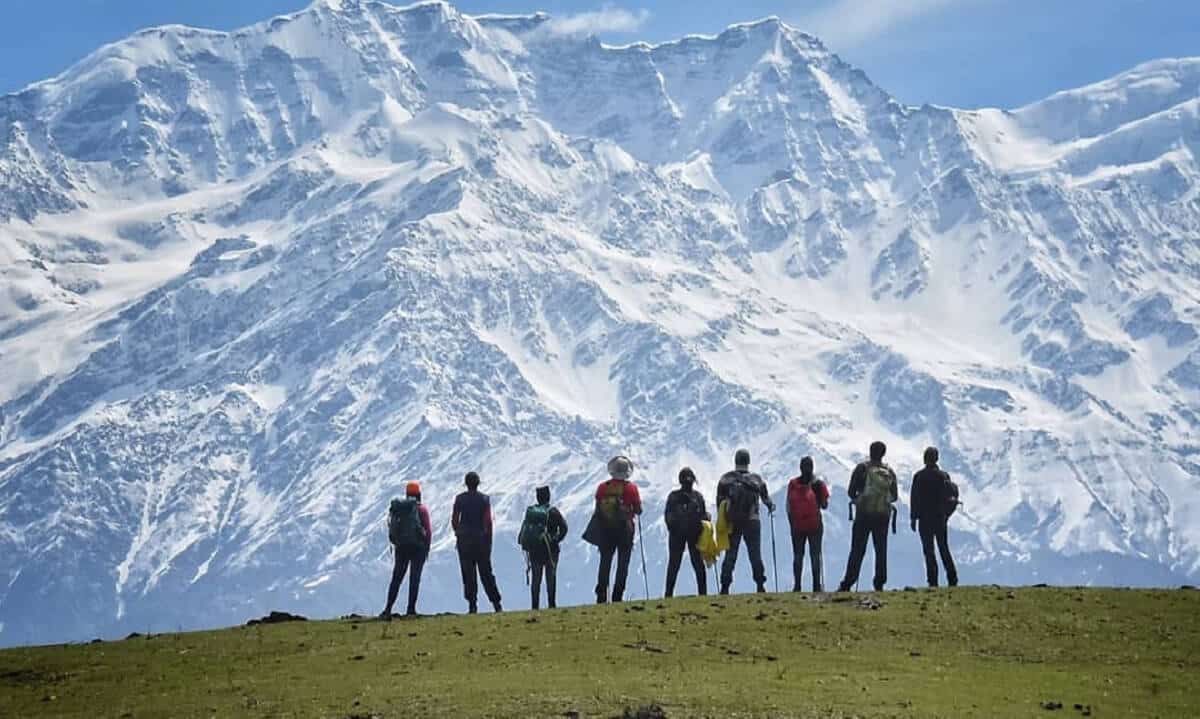
If you’re looking for postcard-perfect mountain views, this is the golden window.
As the monsoon retreats by late September, the skies open up in dramatic fashion. October ushers in clear, crisp days, low humidity, and endless visibility—perfect conditions for gazing across miles of untouched Himalayan terrain.
You’ll find the best visibility in years during this period. The atmosphere is fresh, the mountain air cool but not biting, and the landscapes are still painted in green thanks to the recent rains. There’s something deeply grounding about sipping chai on a hilltop in Kausani or Mukteshwar, with snow peaks stretching endlessly before you.When’s the Best Time to Visit Kausani, Uttarakhand?
Where to Go:
- Auli – for wide-angle views of Nanda Devi
- Chopta – especially from Tungnath or Chandrashila
- Kausani – called the ‘Switzerland of India’ for a reason
- Munsiyari – for the Panchachuli peaks
Why You’ll Love It:
- Best chance of catching sunrise-to-sunset visibility
- Mild weather: 10–20°C in most hill towns
- Great for long stays, road trips, and serious photography
Travel Tip: Bring a good pair of binoculars or a zoom lens—you’ll want a closer look at those peaks.
Uncover Scenic Day Trips Near Rishikesh – Plan Your Itinerary!
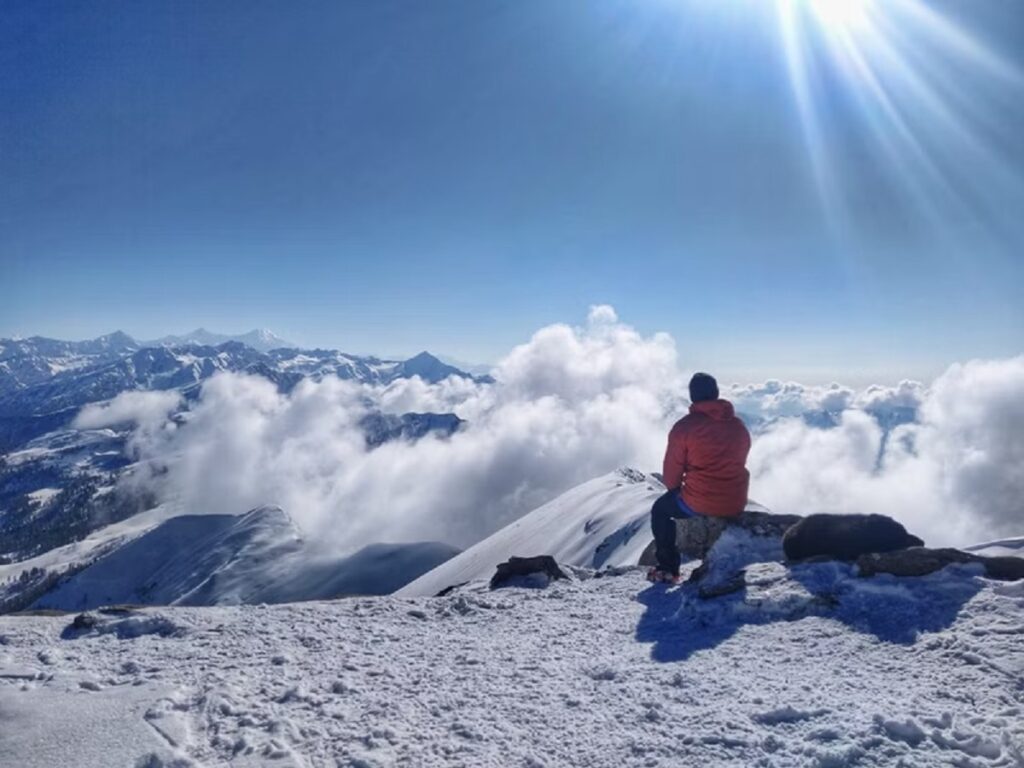
Late December to February – For Snow-Capped Spectacles
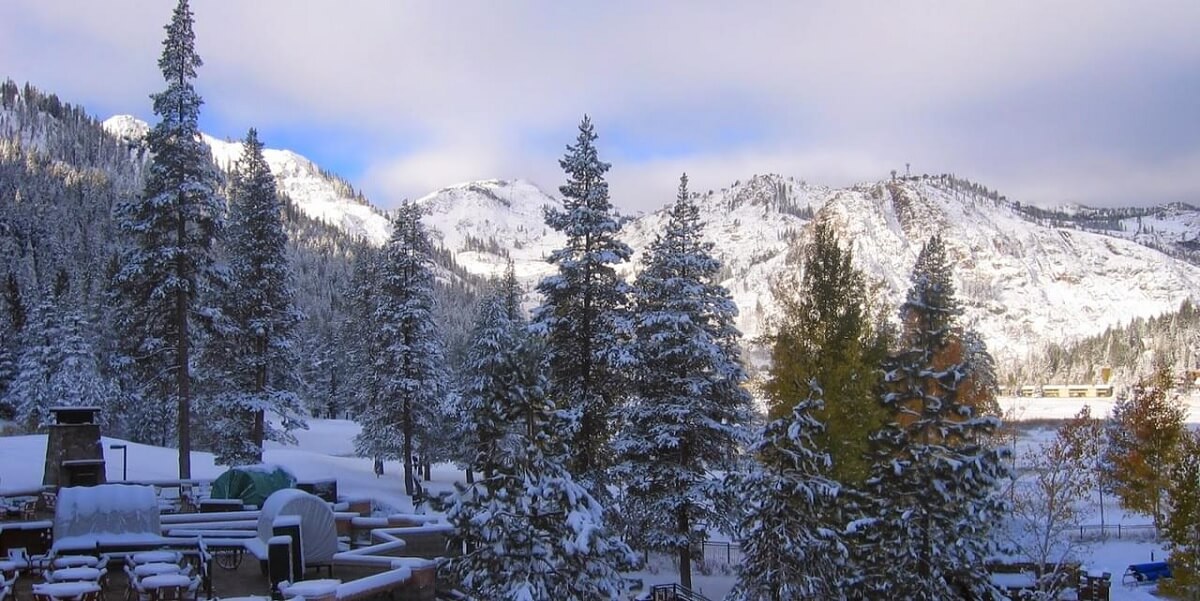
When the Himalayas turn white, the sky often turns blue.
Winter is when Uttarakhand’s peaks truly show off. The snowy season transforms the landscape into something magical: clean blue skies, shining white ridges, and pine forests frosted with snow. For travelers hoping to see snow-covered mountains in all their glory—this is your season.
Sure, it’s cold—but that’s what gives you the clearest, most dramatic views. After a fresh snowfall, skies often clear up within hours, giving you crystal-clear Himalayan vistas framed by frozen valleys. It’s especially rewarding in places like Auli, which doubles as India’s top skiing destination. Auli in June – Complete Travel Guide for First-Time Visitors
Where to Go:
- Auli – ride the cable car over snowy slopes
- Dhanaulti – quiet, scenic, and less commercial
- Binsar – stay in a forest retreat and watch sunrises from Zero Point
- Chakrata – untouched, peaceful, and panoramic
Why You’ll Love It:
- Skiing, snow treks, and cozy cabin stays
- Dramatic contrast: white peaks against a deep blue sky
- Great for honeymoons and winter photo ops
What to Pack:
- Thermal layers, gloves, waterproof boots, and camera batteries (they drain faster in cold)
Travel Note: Check for road closures—snowfall can temporarily block access to some towns, especially in January.
Ready for a Spiritual Trip? Visit Devprayag from Rishikesh Today!
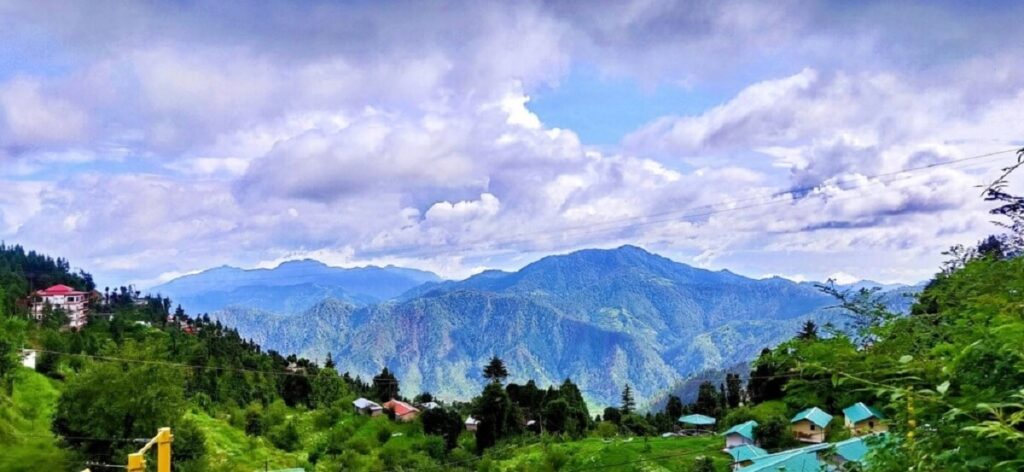
March to Mid-April – The Himalayan Spring Awakening
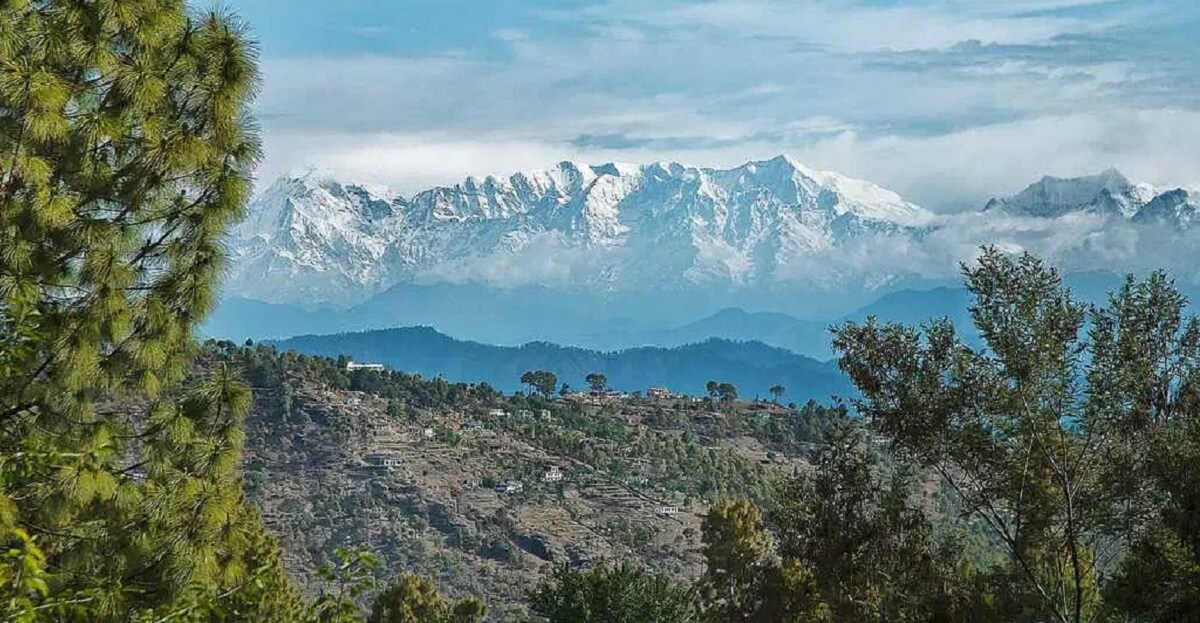
Spring is when Uttarakhand puts on her softest colors and clearest skies.
If you’re not a fan of the harsh cold but still want clean views of the Himalayas, spring is your sweet spot. As snow melts and the meadows begin to bloom, Uttarakhand transforms into a peaceful green-and-white canvas. The mornings are brisk, the afternoons are sunny, and visibility is reliably good—making it a favorite for both trekkers and spiritual travelers.
You’ll see rhododendrons in bloom, alpine trails opening up, and mountaintops still capped with snow. It’s also a great time to combine sightseeing with short treks—especially to temples like Tungnath or Kartik Swami. Plus, the crowds are thinner than in May–June. 11 Must-Visit Shiva Temples in Sawan for Pilgrimage and Blessings
Where to Go:
- Chopta-Tungnath – for blooming forests and peak views
- Almora & Binsar – for golden hour over Trishul range
- Lansdowne – misty mornings and tranquil hills
- Bhimtal & Naukuchiatal – lakeside calm with mountain backdrops
Why You’ll Love It:
- Mix of pleasant weather (12–20°C) and clear skies
- Great for short hikes and sunrise points
- Fewer tourists = peaceful travel
Pro Tip: Stay in eco-cottages or forest lodges to really connect with the natural vibe.
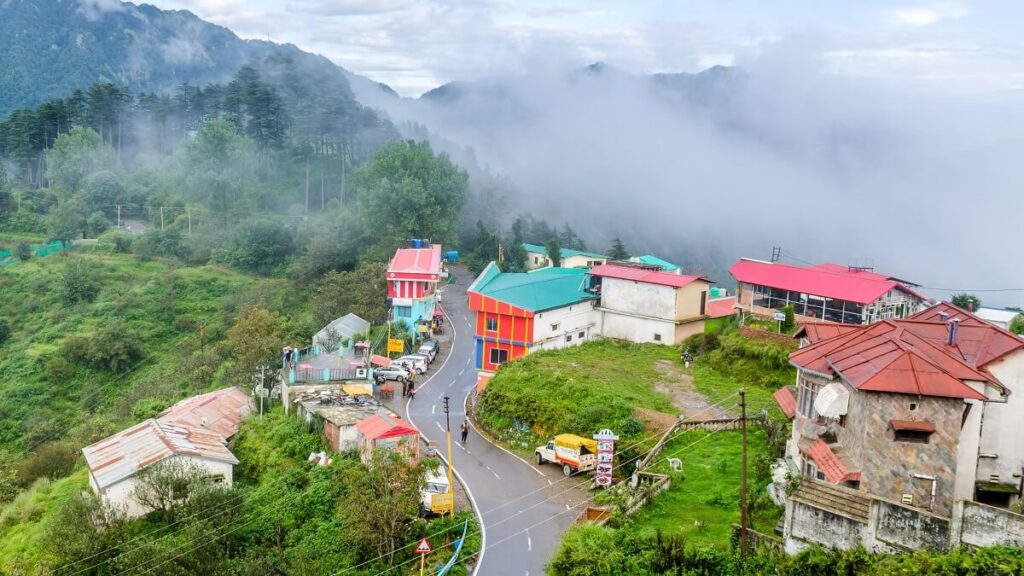
July to Early September – Monsoon: Lush, But Clouded
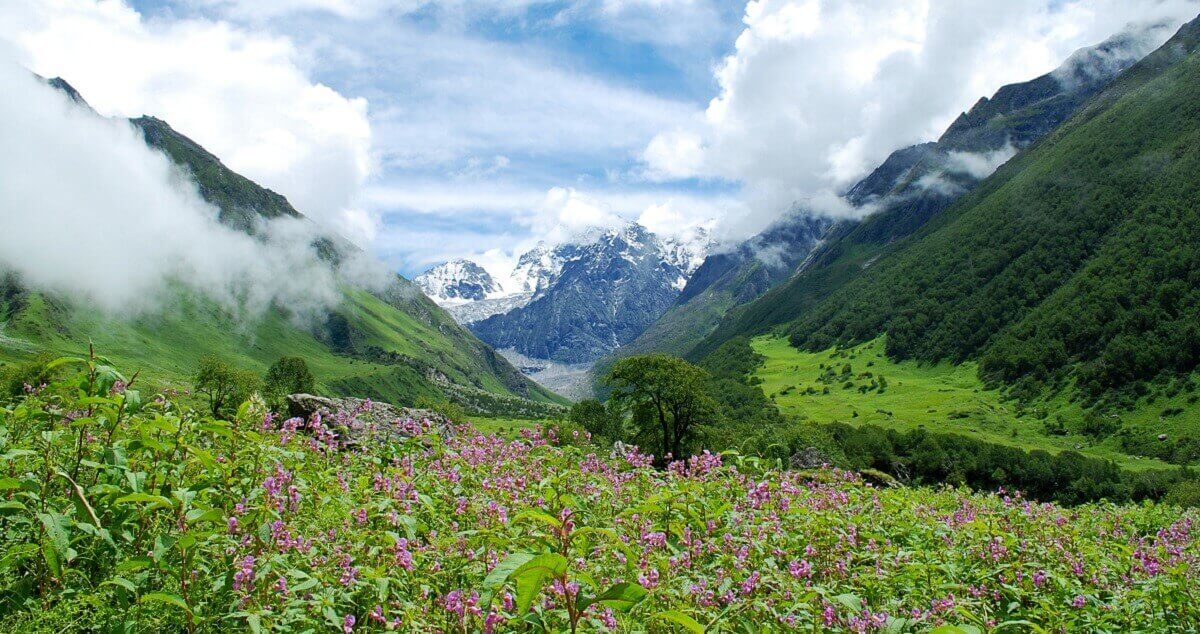
Gorgeous? Yes. Great for mountain views? Not really.
Monsoon paints Uttarakhand in 50 shades of green. Waterfalls gush, rivers roar, and the forests feel alive. But for clear Himalayan views? This is the least reliable time.
Cloud cover and heavy mist often hide the mountain peaks, especially in higher elevations like Chopta or Auli. While you might catch the clouds parting for a few minutes of magic, don’t count on it. That said, if you’re after peaceful scenery, solitude, or monsoon trekking (carefully), this season has its own dreamy appeal. How to Reach Chopta from Delhi: A Complete Travel Guide
Where to Go (if you still want to explore):
- Valley of Flowers – in full bloom from July to August
- Lansdowne – a charming escape even when it rains
- Tehri – for misty lake views and quiet drives
Why You’ll Still Enjoy It:
- Off-season rates and almost zero crowds
- Best for writers, monsoon lovers, and slow travelers
Caution: Landslides are a real concern during heavy rain. Always check forecasts and avoid night travel.
🔗 Related Reads:
- Romantic Monsoon Escapes – 10 Hidden Honeymoon Spots
- 💖 Plan a Romantic September Getaway for Couples in India
- Explore 12 Breathtaking Hill Stations This September!
- Travel Off the Beaten Path – 8 Offbeat September Spots
- Top 10 Beaches in India to Visit This September
- Plan a September Escape to Karnataka’s Best Places
- Discover the 15 Best Places in India for a September Trip
- North India in September – 12 Must-Visit Destinations
- Plan Kedarnath Yatra in September – Tips & Travel Guide
- Spot Wildlife in September – Top 20 Reserves to Visit
- What to Do in Rajasthan This September – Events & Ideas
- Book Top 5-Star Hotels in Uttarakhand with Mountain Views
- Hoi An Lantern Festival 2025 – Know Dates & Travel Tips
- Celebrate Ganesh Chaturthi 2025 in Mumbai – Rituals & Pandals
- Explore 11 Sacred Shiva Temples in Sawan – Visit Now!
- Celebrate Onam in Kerala – 2025 Travel & Festival Guide
- Attend the Hemis Festival 2025 – Dates, Rituals & More
- Don’t Miss the Malabar River Festival 2025 – Full Guide
- Join the Sacred Saga Dawa Festival 2025 in Sikkim
- Top 7 Monsoon Festivals to Witness in India – 2025 Picks
- Plan Your India Trip Around Festivals – Travel Smart!
- August in India:10 Best Attraction to See & Do
- 7 Budget-Friendly International Destinations to Visit in August Under ₹50,000
- Mechuka in Winter vs. Summer: Choosing the Best Season
- Experience Rishikesh at Its Best – Check When to Visit Here!