Ujjain — a city steeped in ancient mythology, spiritual energy, and timeless tradition — has long drawn pilgrims, seekers, and curious travelers from across the globe. Nestled on the banks of the sacred Shipra River, this eternal city of Madhya Pradesh is not just about temples; it is an experience in itself.
From the celestial rituals at Mahakaleshwar Jyotirlinga to the quiet ghats echoing with hymns at dawn, Ujjain promises a journey that connects you to something far beyond time. But to truly experience the rhythm and sanctity of Ujjain, timing is everything.
Choosing the best time to visit Ujjain is about more than just avoiding the heat. It’s about aligning your travel with the weather, festivals, river rituals, and the kind of experience you’re seeking. Here’s a season-wise breakdown that will help you plan your trip better — whether you’re heading there for devotion, culture, or calm.
Winter (October to March): The Best Time to Visit Ujjain
Temperature: 10°C to 28°C
Weather: Pleasant days, cool nights, minimal humidity
Why It’s the Best Time:
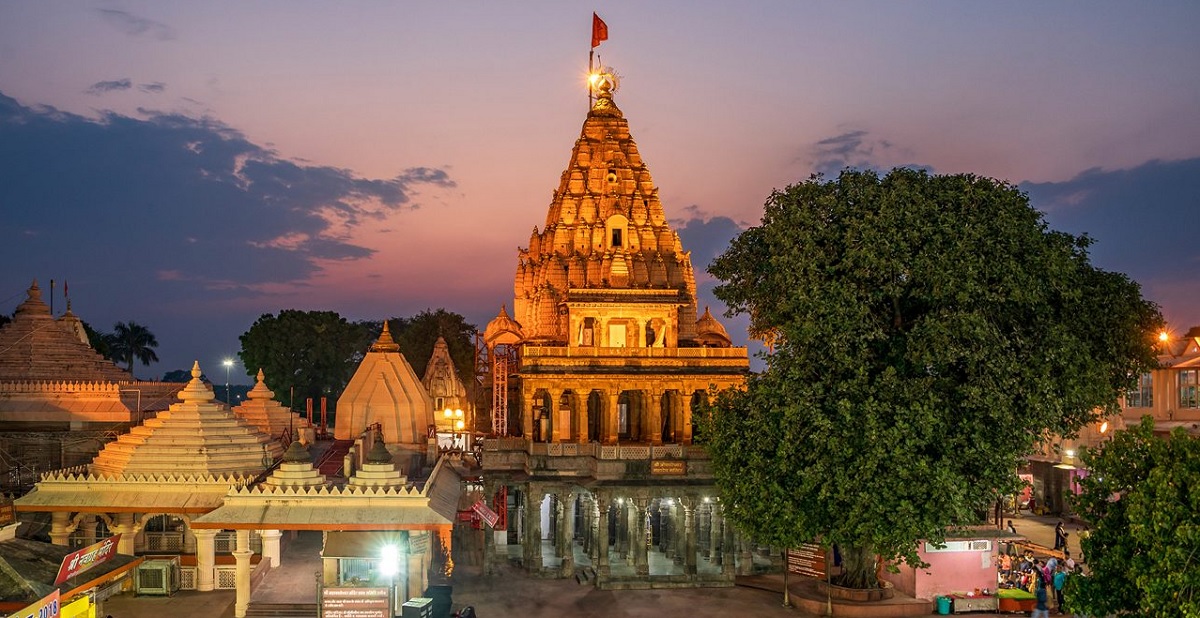
This is when Ujjain comes alive for travelers. The weather is at its most agreeable — neither too hot nor too cold — making it ideal for temple visits, heritage walks, evening aartis, and boat rides on the Shipra. The Mahakaleshwar Temple sees an increase in footfall, especially during Shravan and Kartik months, when the rituals are deeply symbolic and spiritually vibrant. Visit Madhya Pradesh in April – Weather, Attractions & Travel Tips
Highlights of Visiting in Winter:
- Attend the early morning Bhasma Aarti at Mahakaleshwar (starts before sunrise)
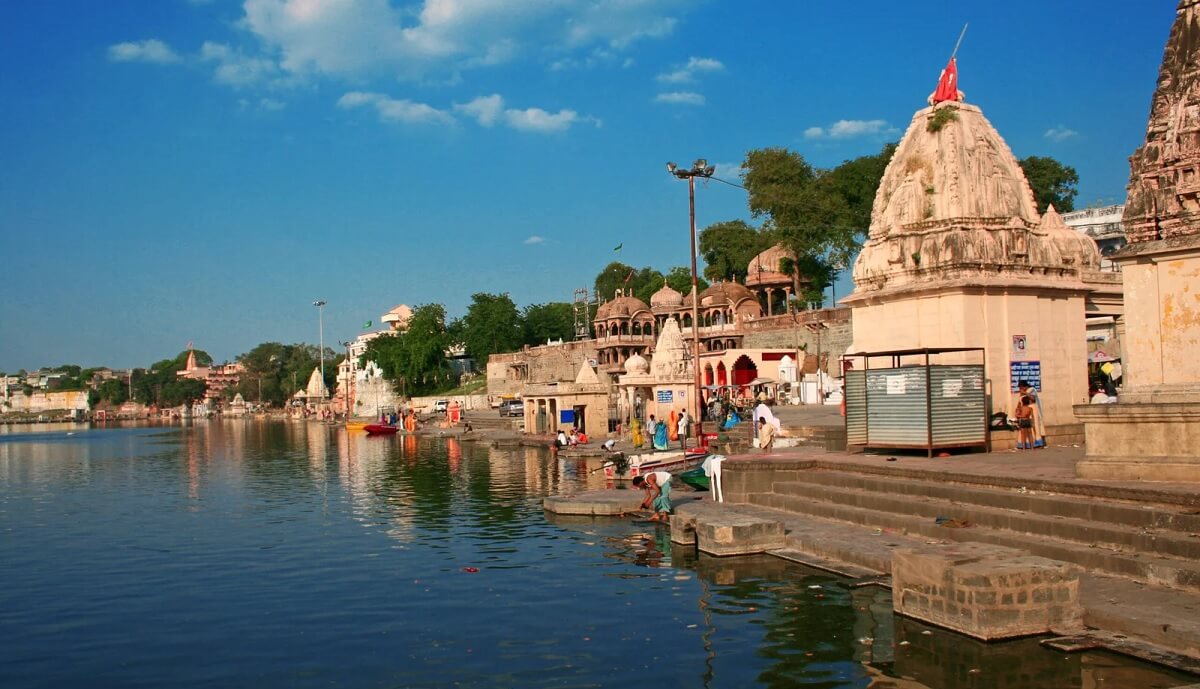
- Enjoy boat rides at Ram Ghat during calm, misty mornings
- Explore Ujjain’s narrow lanes, temples, and local food without sweating
- Festivals like Diwali, Navratri, and Makar Sankranti are celebrated with grandeur
“We visited Ujjain in late November, and the mornings were perfectly crisp. Watching the sunrise over the Shipra while sipping hot poha-jalebi was a spiritual experience in itself.”
Summer (April to June): For the Devoted and the Brave
Temperature: 28°C to 42°C
Weather: Dry, hot, and intense afternoons
What to Expect:
Summer in Ujjain is intense, especially during the peak months of May and June. However, many pilgrims still choose to travel during this time, especially for religious reasons — including the sacred Akshaya Tritiya, Ganga Dussehra, and Mahashivratri if it falls in this period. Explore Madhya Pradesh in December – Top Places & Weather Info
How to Navigate:
- Plan your temple visits early in the morning or after sunset
- Wear cotton clothes, stay hydrated, and use sunscreen
- Consider staying near the ghats or riverside areas, where it’s marginally cooler
“Despite the heat, the spiritual pull of the Mahakaleshwar Temple doesn’t let you feel the weather for long. We visited in early April and stuck to a sunrise-to-noon schedule.”
Not Recommended For:
Leisure travelers, elderly individuals sensitive to heat, or families with young children. The midday sun can be harsh, and exploring during afternoons is generally uncomfortable.
Monsoon (July to September): Ujjain in its Mystical Form
Temperature: 22°C to 32°C
Weather: Humid with moderate to heavy rainfall; lush surroundings
A Season of Contrast:
Monsoon paints Ujjain in deep greens and misty grays. The ghats look mystical, the river swells with energy, and temple rituals take on an added emotional depth. The air smells of wet earth, incense, and devotion. However, rain showers can be unpredictable, and outdoor travel can be affected. Uncover 20 Hidden Monuments in India – Must-Visit Historic Gems
Ideal For:
- Those seeking a more intimate, quiet spiritual experience
- Photographers, writers, and seekers wanting to experience Ujjain in its raw monsoon beauty
- Witnessing river rituals during Shravan month, one of the most important times for Lord Shiva devotees
Travel Tips:
- Carry a light raincoat or umbrella
- Choose centrally located hotels to minimize walking in the rain
- Wear waterproof footwear and carry extra clothing
- Expect some mud and slippery paths near temples and ghats
“It rained just as we arrived at Ram Ghat, and yet the aarti continued in full spirit — priests chanting, flames flickering under umbrellas, and the river reflecting it all. That single moment made our entire trip worth it.”
Ujjain During Festivals: When Spirituality Peaks
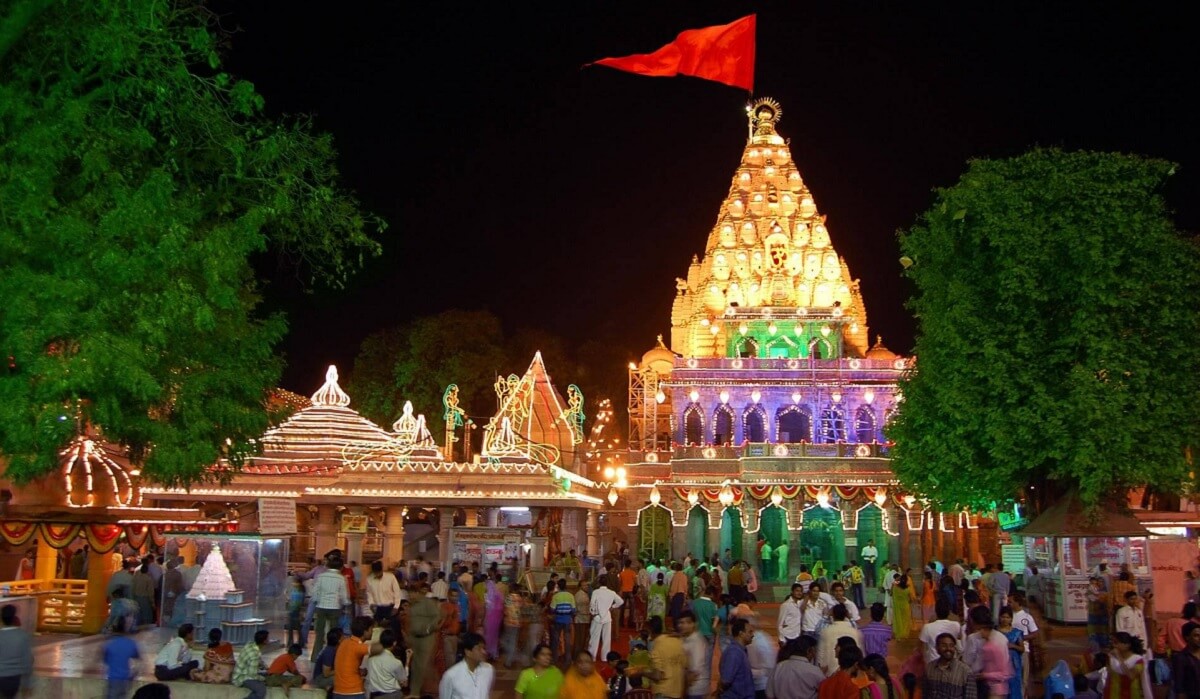
If you’re open to experiencing spiritual India at its most intense and celebratory, plan your visit around one of the major Hindu festivals:
1. Mahashivratri (March)
- The biggest celebration at Mahakaleshwar Temple
- All-night vigils, decorated temples, and chants of “Har Har Mahadev”
- Ideal for those with deep spiritual interest
2. Kartik Purnima (November)
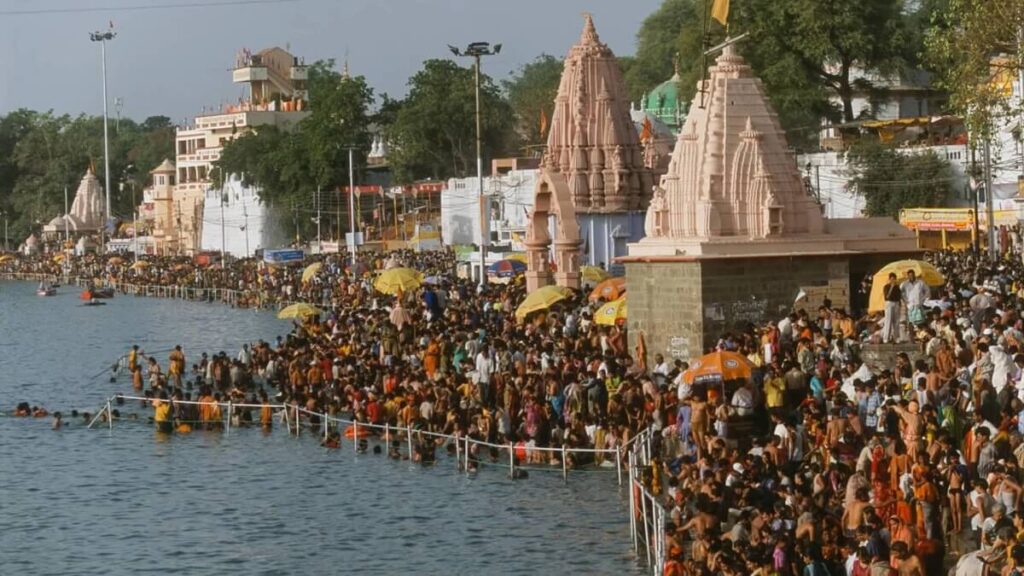
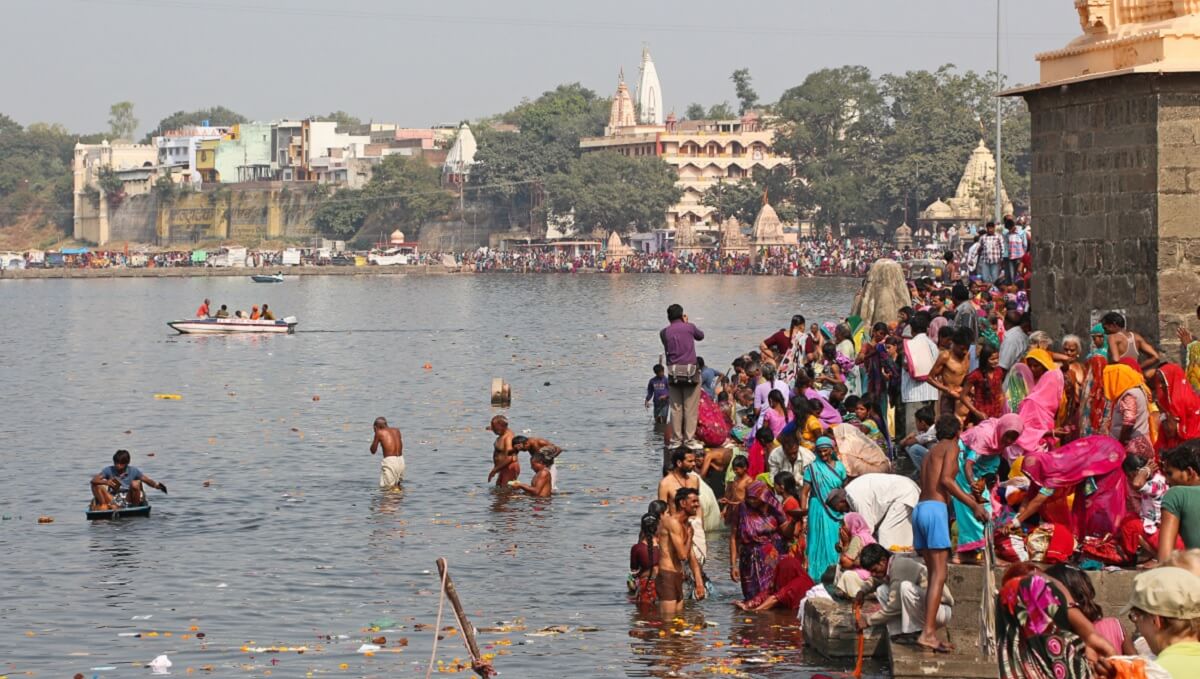
- Massive gathering along the Shipra River
- Holy dip, lamps floated into the river, and a truly divine ambience
3. Simhastha Kumbh Mela (Next in 2028, every 12 years)
- One of the largest spiritual gatherings on earth
- A must-visit if you wish to witness India’s cultural soul
Note: During festivals, accommodations should be booked months in advance as crowds swell significantly. Discover Offbeat Spiritual Trails in India – Go Beyond the Usual
Quick Seasonal Summary: Best Time to Visit Ujjain
| Season | Month Range | Weather Summary | Recommended For |
|---|---|---|---|
| Winter | Oct – Mar | Cool, pleasant, dry | All travelers, pilgrims, families |
| Summer | Apr – Jun | Hot, dry, exhausting | Devotees, religious festivals only |
| Monsoon | Jul – Sept | Rainy, lush, atmospheric | Spiritual seekers, slow travelers |
Travel Tips for Visiting Ujjain in Any Season
- Clothing: Lightweight cottons for summer; layered woolens for winter; waterproof attire for monsoon
- Footwear: Comfortable walking shoes or sandals with grip — ghats and temple grounds may be slippery
- Hydration: Always carry a reusable water bottle, especially in warmer months
- Etiquette: Dress modestly in temples; photography is restricted in Mahakaleshwar sanctum
- Stay Options: Choose accommodation near Mahakaleshwar Mandir or Ram Ghat for convenience Explore Must Best Places to Visit in Karnataka in September (2025)
Final Word: So, When Should You Visit Ujjain?
If you’re looking for comfort, spirituality, and rich cultural experiences, the winter season (October to March) is undoubtedly the best time to visit Ujjain. However, if you’re drawn to rituals, festivals, or the raw spiritual intensity of India’s sacred cities, monsoon or early summer can also offer unforgettable moments — if you’re prepared.
Ujjain is not just a place on the map — it’s an awakening, a place where ancient time meets the divine present. Choose your season, prepare well, and let the city show you why it’s called one of the seven sacred Moksha cities of India.
You Might Also Like:
- Get to Ujjain from Delhi – Complete 2025 Travel Guide by Train, Air & Road
- Explore the 11 Best Places to Visit Near Indore (Within 400 KM)
- Kedarnath Yatra in September 2025 – Travel Guide Tips
- Discover Why India Is the Ultimate Destination for Peace & Spirituality
- Omkareshwar Temple Puja Timings Rituals – Complete Guide
- Plan a February Trip to Omkareshwar Jyotirlinga – Weather & Travel Tips
- Omkareshwar Jyotirlinga Temple: History, Significance Travel Insights
- 10 Famous Buddha Statues in the World
- 11 Must-Visit Shiva Temples in Sawan for Pilgrimage and Blessings
- How to Perform Rituals at Rameshwaram Ramanathaswamy Temple Wells
- Explore Best Places to Visit in September in India (2025)
- Must Explore Best Places to Visit in North India in September
- Explore Best Places to Visit in September in India (2025)
- Must Explore Best Places to Visit in North India in September
- Don’t Miss This Spiritual Route – Ujjain to Omkareshwar Travel Tips