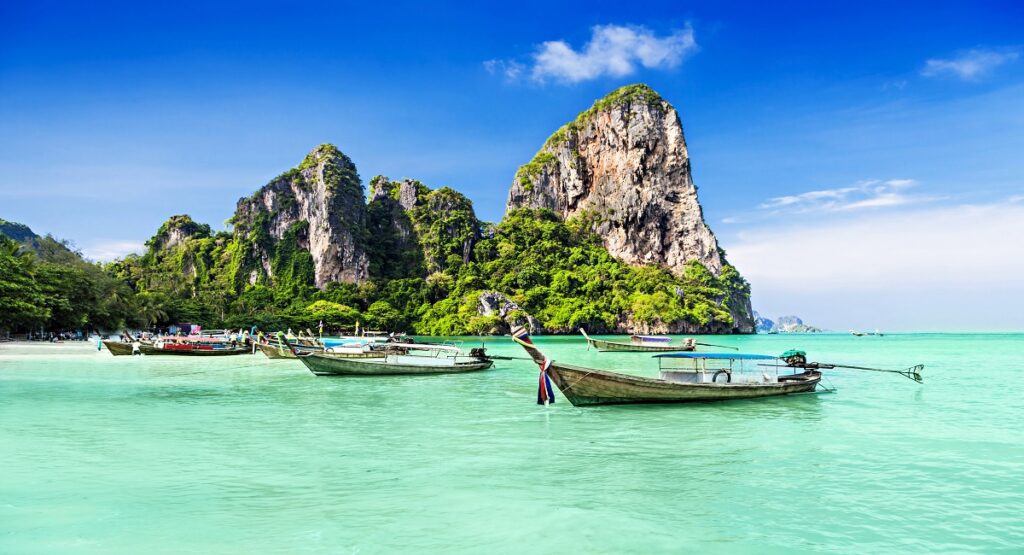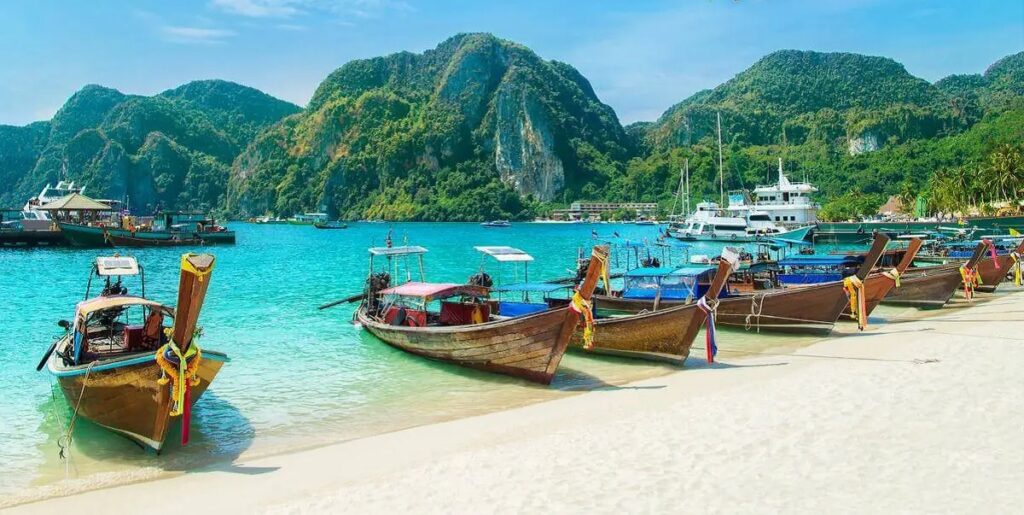
The Andaman and Nicobar Islands are among India’s most beautiful tropical destinations, with turquoise seas, white-sand beaches, coral reefs, mangrove forests, historic landmarks, and some of the country’s best opportunities for scuba diving and snorkeling. Yet choosing the best time to visit Andaman and Nicobar Islands can make a major difference to your holiday.
Unlike many mainland destinations, weather in the Andaman Islands affects much more than sightseeing. Ferry journeys, diving conditions, snorkeling visibility, boat excursions, beach visits, and even travel between islands can depend on the sea and rainfall. A sunny morning can be ideal for a trip to Elephant Beach, while strong winds or rough water may result in changes to boat schedules.
For most travelers, October to April is the most comfortable period to visit the Andaman Islands, while May can still be worthwhile for those who do not mind heat and humidity. The southwest monsoon generally makes June to September wetter and less predictable.
However, there is no single “perfect month” for everyone. Honeymooners may prefer February, scuba divers may choose January to April, families often favor December or January, and travelers hoping to avoid peak-season crowds may find October, November, March, or early April especially attractive.
This month-by-month Andaman travel guide explains what you can expect throughout the year and helps you decide when to plan your island holiday.
If you are already planning your trip, explore the available Andaman tour packages for ideas covering Port Blair, Havelock Island, Neil Island and other popular attractions.
Best Time to Visit Andaman and Nicobar Islands at a Glance
The year in the Andaman Islands can broadly be divided into three travel periods.
| Season | Months | General Conditions | Best For |
| Peak/dry season | November to February | Pleasant, relatively dry and comfortable | Families, couples, beaches, sightseeing |
| Shoulder/warmer season | March to May | Hotter and more humid, generally suitable for travel | Diving, snorkeling, fewer crowds |
| Monsoon season | June to September | Frequent rain, wind and less predictable seas | Budget stays, slow holidays |
| Transition month | October | Improving weather and tourist services | Value seekers, couples, early-season trips |
Prime Travel Season: November to March:
If this is your first trip and you want the safest all-round choice, November through March offers an excellent combination of relatively pleasant weather, accessible sightseeing and favorable conditions for island hopping.
Best time for scuba diving: roughly October to May
Underwater conditions vary from day to day, but the generally drier months offer better opportunities for scuba diving and snorkeling than the height of the monsoon.
Best time for honeymooners: November to March
These months combine comfortable evenings, beach-friendly days, attractive sunsets and a wide choice of island activities.
Best period for lower crowds: October, November, March and April
These shoulder periods can provide a better balance between weather and tourist numbers, although holiday weekends can still become busy.
For beach ideas before choosing your dates, read this guide to the best beaches in Andaman.
Andaman Weather and Travel Month by Month:
Andaman in January: One of the Best Months
January is easily one of the best months to visit Andaman. The combination of relatively comfortable temperatures, lower rainfall and generally favorable sea conditions attracts honeymooners, families and adventure travelers.
Days are warm enough for beaches without feeling as oppressive as the late-summer months. Early mornings and evenings are particularly pleasant, making January ideal for combining sightseeing with outdoor activities.
Popular experiences during January include:
- Swimming at Radhanagar Beach
- Snorkeling near Elephant Beach
- Scuba diving around Havelock Island
- Visiting Cellular Jail
- Exploring Neil Island
- Boat excursions around Port Blair
- Sunset watching at Laxmanpur Beach
Because January falls within the main tourist season, popular ferry sectors and well-rated hotels may sell out earlier than expected. Booking inter-island ferry tickets and accommodation before arriving is sensible.
January is particularly suitable for travelers visiting Andaman for the first time because most classic experiences can usually be combined comfortably in one trip.
You can find more seasonal details in the Andaman Islands January travel guide.
Best for: families, honeymooners, beach holidays, sightseeing and diving
Crowd level: high
Verdict: Excellent
Andaman in February: Excellent for Couples and Water Sports
February continues the excellent travel conditions of January and is arguably one of the finest months for couples.
Humidity is generally more manageable than during late spring, while sunny intervals and comparatively calm conditions make it easier to plan outdoor activities.
Havelock Island, officially Swaraj Dweep, is particularly appealing in February. You can divide your time between Radhanagar Beach, Kalapathar Beach and snorkeling or diving excursions.
Neil Island, officially Shaheed Dweep, provides a quieter contrast with Bharatpur Beach, Laxmanpur Beach and the Natural Bridge.
February is also a strong choice if photography is important to you. Clearer skies, tropical vegetation, blue water and softer morning or evening light create attractive conditions around the islands.
Couples planning a romantic holiday can combine beach resorts, sunset walks, boat excursions and a few adventure activities without making the itinerary too hectic.
Best for: honeymooners, couples, photographers, divers and beach lovers
Crowd level: moderate to high
Verdict: Excellent
Andaman in March: Great Weather With Slightly Fewer Crowds
March is an underrated month for an Andaman holiday.
Temperatures begin rising, particularly during the afternoon, but conditions are still favorable for swimming, snorkeling, scuba diving and island hopping. Travelers who want good weather without the Christmas and New Year rush may prefer March.
The sea around Havelock and Neil often remains suitable for recreational water activities, although all marine excursions remain weather-dependent.
Start sightseeing early and reserve the hottest part of the afternoon for lunch, your resort or a shaded beach.
A practical March itinerary could include:
Port Blair → Havelock Island → Neil Island → Port Blair
Spend at least two nights on Havelock if you want time for both Radhanagar Beach and a water activity rather than treating the island as a rushed stop.
For detailed seasonal planning, see the Andaman Islands in March travel guide.
Best for: couples, water sports, photographers and travelers avoiding peak crowds
Crowd level: moderate
Verdict: Very good
Andaman in April: Warm but Still Worth Visiting
April marks a noticeable rise in heat and humidity, but it remains a good time to visit Andaman, particularly during the first half of the month.
Beach mornings can be beautiful, and water-based activities become one of the most enjoyable ways to escape the heat. Scuba diving, snorkeling, boat rides and swimming can all fit naturally into an April itinerary when conditions permit.
The key to enjoying Andaman in April is adjusting your daily schedule.
Plan outdoor sightseeing in the morning, take a relaxed break around midday and return outside later in the afternoon.
Lightweight cotton clothing, sun protection, sunglasses, a hat and adequate hydration become particularly important.
April can suit couples and younger travelers who are comfortable with tropical heat and would rather avoid the busiest winter-season period.
Best for: diving, beach stays, couples and value-conscious travelers
Crowd level: moderate
Verdict: Good to very good
Andaman in May: Hot, Humid and Increasingly Unpredictable
May is a transition month.
The first part of May can still provide enjoyable holiday conditions, but humidity increases and showers become more likely as the islands move toward the monsoon period.
This does not mean you cannot visit. In fact, travelers willing to accept changing weather may enjoy fewer tourists and potentially better accommodation deals than in winter.
You should, however, keep your itinerary flexible.
Avoid planning critical ferry journeys immediately before your return flight. Leaving some buffer between an inter-island transfer and your flight home can reduce stress if weather affects transport.
Water activities may still operate when conditions are suitable, especially earlier in the month, but availability should never be assumed.
Read the dedicated Andaman and Nicobar weather in May guide if you are considering a late-spring trip.
Best for: flexible travelers, budget-conscious couples and quieter stays
Crowd level: low to moderate
Verdict: Good with flexibility
Andaman During the Monsoon
Andaman in June: Beginning of the Wet Season
By June, southwest monsoon conditions become much more influential.
Rainfall can be frequent, skies may remain cloudy for longer periods and sea conditions can become rough. Boat-based sightseeing and water sports can therefore become less predictable.
The islands are certainly still beautiful. In fact, the rainforest and tropical vegetation look incredibly lush during this time. The problem is not that it rains every minute of every day, but that a short holiday becomes harder to plan reliably.
If scuba diving, snorkeling and extensive island hopping are your main reasons for traveling, June would not be the first month to choose.
On the other hand, someone looking for a peaceful resort holiday, with sightseeing as a secondary priority, may still appreciate the quieter atmosphere.
Best for: slow travel and uncrowded stays
Crowd level: low
Verdict: Not ideal for a first visit
Andaman in July: Heavy Monsoon Conditions
July generally falls within the heart of Andaman’s monsoon season.
Expect high humidity, regular rain and a greater possibility of rough seas. Boat departures may be changed according to conditions, and certain water activities can be temporarily unavailable.
This is therefore not the best month for a tightly scheduled island-hopping holiday.
Travelers who do visit should build flexibility into every day. Rather than planning a sequence of non-refundable outdoor activities, keep alternatives such as museums, local restaurants and historical sightseeing available.
Cellular Jail in Port Blair becomes especially useful as part of a wet-weather itinerary, although outdoor sections can naturally be affected by rain.
July may offer attractive room rates, but the cheapest month is not automatically the best-value month if poor weather prevents you from enjoying the experiences you traveled for.
Best for: budget travelers who accept weather uncertainty
Crowd level: very low
Verdict: Generally avoid for a classic beach holiday
Andaman in August: Green, Quiet and Rainy
August remains firmly within the monsoon season.
The islands become intensely green, creating beautiful scenery for travelers who enjoy tropical landscapes. There are also fewer visitors than during winter.
However, beach conditions can change quickly. Seas may be rough, ferry schedules can become more weather-sensitive and underwater visibility may not match the clearer months.
If your dream Andaman holiday includes scuba diving at Havelock, snorkeling near Elephant Beach and daily ferry trips, August is risky.
If your idea of a holiday is slower and you do not mind spending part of the day at your resort while showers pass, it can still have appeal.
The most important consideration is itinerary length. A three- or four-day trip leaves almost no room for weather disruptions. A longer and more flexible stay works better during the monsoon.
Best for: quiet resorts, greenery and low-season travelers
Crowd level: very low
Verdict: Below average for general tourism
Andaman in September: Monsoon Begins to Ease
September is another transitional month.
Rain can still be significant, especially earlier in the month, but conditions gradually begin moving toward the more popular post-monsoon travel season.
Travel experiences in September are therefore highly dependent on the actual weather during your dates.
Travelers attracted by fewer tourists should consider the second half of September rather than the beginning, but should still prepare for rain.
A September trip is better for people who have visited Andaman before or travelers whose plans are flexible. First-time visitors wanting picture-perfect beaches and a predictable island-hopping schedule are usually better off waiting until October or November.
Best for: repeat visitors and off-season travelers
Crowd level: low
Verdict: Improving toward month-end
Post-Monsoon Season
Andaman in October: A Great Shoulder-Season Choice
October is when the travel season begins improving significantly.
Rainfall can still occur, particularly in the early part of the month, but tourist activities gradually return to a more predictable rhythm. The islands remain wonderfully green after the monsoon, while visitor numbers are usually lower than in December and January.
This creates an attractive balance for travelers who want scenic landscapes, relatively good weather and fewer peak-season crowds.
October is also a good month to begin planning water activities again, although individual operators will always make decisions based on local sea conditions.
Havelock and Neil should be given enough time rather than squeezed into day trips. If you have six or seven days, a comfortable route is:
Port Blair → Havelock → Neil Island → Port Blair
If you need inspiration, Ease India Trip’s 5-day Andaman itinerary provides a useful starting point that can be extended with extra nights.
Best for: couples, first-time visitors and travelers seeking value
Crowd level: low to moderate
Verdict: Very good, particularly later in the month
Andaman in November: One of the Best Overall Months
November is perhaps the most balanced month for visiting the Andaman Islands.
The main monsoon has usually retreated, tourism infrastructure is operating actively, and peak Christmas crowds have not yet arrived.
Days are warm but generally comfortable for a tropical island destination. Conditions become much better suited to beach visits, sightseeing, snorkeling and diving.
November works particularly well for travelers planning a longer holiday that combines:
- Port Blair
- Cellular Jail
- Netaji Subhas Chandra Bose Island
- Havelock Island
- Radhanagar Beach
- Elephant Beach
- Neil Island
- Bharatpur Beach
- Laxmanpur Beach
If you have seven days, you can enjoy these destinations without turning every day into a transfer day.
November can also offer more attractive resort availability than the late-December holiday period.
Best for: almost everyone
Crowd level: moderate
Verdict: Excellent
Andaman in December: Beautiful Weather and Peak Demand
December brings some of the most popular holiday conditions in Andaman.
Pleasant winter temperatures in mainland India coincide with comfortable tropical weather in the islands, making Andaman a major Christmas and New Year destination.
Beaches are lively, resorts are busy and ferries between Port Blair, Havelock and Neil can fill quickly.
December is excellent for:
- Honeymoons
- Family vacations
- Christmas holidays
- Beach stays
- Snorkeling
- Scuba diving
- Island hopping
- Sunset photography
The drawback is demand.
Travel during the second half of December can be noticeably more expensive, particularly for flights and quality beach resorts. If possible, travel during the first two weeks of the month to enjoy many of the same seasonal advantages with slightly less festive-period pressure.
For more detailed information, see the Andaman and Nicobar in December travel guide.
Best for: families, honeymooners and festive holidays
Crowd level: high to very high
Verdict: Excellent, but book early
Best Time to Visit Andaman for Scuba Diving
Scuba diving is one of the main reasons people travel to the Andaman Islands.
Havelock Island and Neil Island are particularly popular because their surrounding waters offer coral reefs and rich marine life.
Broadly, October to May provides the better diving window, with the most dependable period usually falling outside the main monsoon months.
January, February and March are particularly attractive because travelers can combine diving with favorable beach conditions.
Beginners do not necessarily need previous scuba experience for introductory dives conducted by qualified operators. Certified divers can choose more advanced sites depending on local conditions and operator availability.
Remember that diving is weather-dependent even during the best season. Visibility and currents change, so local professionals should make the final decision.
For more ideas beyond diving, explore 50 unique experiences in Andaman.
Best Time to Visit Andaman for a Honeymoon
For a romantic trip, November to March is the safest recommendation.
The comfortable weather allows couples to spend more time outdoors, enjoy beaches during the day and dine outside in the evening.
A honeymoon should not be overpacked. Five to seven days is usually better than trying to see every island.
Consider:
2 nights Port Blair + 2 or 3 nights Havelock + 1 or 2 nights Neil Island
Havelock offers the strongest combination of upscale resorts, beaches and activities, while Neil Island has a quieter atmosphere that suits couples wanting slower days.
February is particularly appealing for honeymooners because it falls outside the Christmas/New Year rush while retaining excellent seasonal conditions.
Best Time for Families With Children
December to March works especially well for family trips.
Children can spend more time outside without the intense humidity associated with May or the prolonged rain possible during monsoon season.
Parents should still leave spare time in the itinerary because inter-island travel takes effort.
A family visiting for six nights could consider:
Day 1: Arrive Port Blair
Day 2: Port Blair sightseeing
Day 3: Ferry to Havelock
Day 4: Havelock sightseeing
Day 5: Havelock to Neil Island
Day 6: Neil Island to Port Blair
Day 7: Departure
This schedule provides enough time to enjoy each stop without constantly packing and unpacking.
Best Time to Visit Andaman for Fewer Crowds
If avoiding crowds matters more than getting the absolute driest conditions, consider:
October to mid-November or March to April.
March is particularly useful because it retains many of the advantages of peak season but generally feels less intense than late December.
October provides attractive post-monsoon greenery, although travelers should expect slightly more weather variability.
Avoid Christmas, New Year and major holiday periods if quiet beaches are your priority.
Best Time for Andaman on a Budget
Travel prices vary constantly according to flights, hotels, holidays and demand, but the shoulder periods generally provide better value than the peak festive weeks.
Consider:
- October
- Early November
- March
- April
- Early May
The monsoon can produce even lower hotel rates, but saving money is less worthwhile if rain prevents you from taking the ferry or enjoying the activities that motivated your trip.
The goal should be good value, not simply the lowest possible room price.
How Many Days Are Enough for Andaman?
For first-time visitors, 5 to 7 days is an ideal range.
4 days
Focus on Port Blair and Havelock.
5 days
Cover Port Blair, Havelock and possibly Neil Island with careful ferry planning.
6 to 7 days
Best for a comfortable first trip covering Port Blair, Havelock and Neil.
8 to 10 days
Suitable for slower travel or adding excursions such as Baratang and other accessible areas.
You can compare trip ideas and route lengths on the main Andaman tour packages page.
How to Reach Andaman
Most tourists arrive by air at Veer Savarkar International Airport in Port Blair.
Flights connect Port Blair with several major Indian cities, with routes and frequencies changing according to airline schedules.
Passenger ships also connect the islands with mainland ports, but they take considerably longer and are not the usual choice for travelers with limited holiday time.
If you are traveling from the capital, this Delhi to Andaman travel guide explains the main route options.
Once in Port Blair, ferries are the primary way to reach popular islands such as Havelock and Neil.
Always schedule your return from the outer islands with enough time before your flight home. Weather can affect sea transport, so returning to Port Blair a day before an important early flight can be a sensible precaution.
What to Pack for an Andaman Holiday
Your packing list changes slightly with the month, but several items are useful year-round:
- Lightweight cotton or quick-dry clothing
- Swimwear
- Comfortable sandals
- Sunglasses
- Sun hat
- High-SPF sunscreen
- Mosquito repellent
- Reusable water bottle
- Small waterproof bag
- Waterproof phone pouch
- Personal medication
- Motion-sickness medicine if you are sensitive to boat travel
- Light rain jacket, especially from May to October
- Copies of identification and travel bookings
Avoid carrying too much. Moving between islands is far easier with manageable luggage.
Which Month Should You Choose?
If you want the simplest answer:
Choose January or February for excellent overall conditions.
Choose November for a great combination of weather and somewhat lower peak-season pressure.
Choose March if you want good water activities with slightly fewer tourists.
Choose October if you prefer a greener landscape and shoulder-season feel.
Choose April or early May if heat does not bother you and you want fewer crowds.
Choose June to September only if you are comfortable with rain, flexibility and possible changes to sea-based activities.
Important Note About Andaman and Nicobar
Although the official territory is called the Andaman and Nicobar Islands, the standard tourist circuit is concentrated in the Andaman group around Port Blair, Havelock, Neil, Baratang and nearby permitted areas.
Many parts of the Nicobar group and protected tribal areas are restricted and are not part of ordinary tourist itineraries. Travelers should respect all access rules and never attempt to enter protected tribal reserves or prohibited areas.
Responsible tourism is especially important here because the islands contain sensitive ecosystems and protected communities.
FAQs About the Best Time to Visit Andaman
1. What is the best month to visit Andaman?
January and February are among the best months overall because the weather is pleasant and conditions are generally favorable for beaches, sightseeing and water activities. November and March are also excellent alternatives.
2. What is the best time to visit Andaman for scuba diving?
October to May is generally the preferred diving season, with January through April especially popular. Actual diving conditions depend on currents, visibility and daily weather.
3. Is Andaman good to visit in May?
Yes, especially during early May, but the weather becomes hotter, more humid and increasingly unsettled as the monsoon approaches. Keep your schedule flexible.
4. Should I visit Andaman during the monsoon?
You can, but June to September is not ideal for a first-time sightseeing and water-sports holiday. Rain and rough seas can affect ferries and marine activities.
5. Is December a good time to visit Andaman?
Yes. December offers excellent holiday weather and is popular with families and honeymooners. The Christmas and New Year period is also one of the busiest times, so early bookings are advisable.
6. How many days are enough for Andaman?
Five to seven days works well for most first-time visitors. A six- or seven-day trip provides enough time for Port Blair, Havelock and Neil Island without rushing every transfer.
7. Which is better for Andaman, November or December?
Both are excellent. November generally has fewer festive-season crowds, while December offers classic peak-season conditions but higher demand around Christmas and New Year.
Final Thoughts
The best time to visit Andaman and Nicobar Islands ultimately depends on what you want from the trip, but for most travelers the period between November and March provides the most reliable combination of comfortable weather, beach time, sightseeing and water-based activities.
January and February are excellent for a first visit. November is particularly attractive for travelers wanting strong weather without the year-end rush, while March offers a nice balance between favorable conditions and fewer crowds. October and April are worthwhile shoulder-season alternatives.
The monsoon months from June through September reveal a greener, quieter side of the islands, but they also require much more flexibility. If scuba diving, snorkeling, ferries and beach hopping are essential parts of your holiday, traveling during the drier season makes considerably more sense.
Above all, avoid turning your Andaman holiday into a race between islands. Spend enough time on Havelock to enjoy its beaches, slow down on Neil Island, explore the history of Port Blair and leave a little room in your itinerary for the weather.
With sensible timing and a relaxed schedule, an Andaman journey offers far more than a tropical beach break. It combines marine adventures, rainforest landscapes, history, island life and some of the most memorable coastal scenery in India.