February is that sweet spot for photography in India. The light is softer, skies are clearer, and most places feel comfortable for long walks with a camera in hand. From golden desert frames in Rajasthan to snow scenes in the Himalayas, and from iconic monuments to wildlife safaris, this is one of the best months to bring home images that look “postcard perfect” without heavy editing.
This guide is built for real search intent: where to go, what to shoot, best time of day, what lens helps, and how to plan your route without wasting days in transit.
Why February works so well for photographers
- Cleaner skies and lower haze in many regions compared to peak summer.
- Comfortable daytime temperatures in heritage cities, deserts, and central India, so you can shoot longer.
- Snow + winter landscapes still possible in higher Himalayas.
- Festivals and cultural events add movement, colour, and storytelling opportunities.
- Better wildlife viewing in many parks (less heat, animals more active).
If your trip is theme-based (heritage, wildlife, snow, festivals), February lets you build a tight itinerary without fighting weather extremes.
Before you go: practical photography tips for February in India
1) Chase the golden hours, not the noon hours
In February, sunrise and sunset light can be exceptionally flattering. Plan your monument shots early morning and late afternoon.
2) Carry a dust plan (especially for deserts and forts)
A simple blower, microfibre cloth, and a zip pouch do more than extra gear.
3) Lens combo that covers 90% of India in February
- Wide (16–35mm or equivalent) for architecture, landscapes, temples
- Standard zoom (24–70mm) for street, portraits, travel details
- Telephoto (70–200mm or 100–400mm) for wildlife and compression landscapes
4) People photography: ask, smile, show the photo
In markets and rural areas, quick permission makes portraits warmer and more natural.
5) Keep a festival-ready setup
One body, one fast lens (35mm/50mm), ISO auto with a reasonable limit. Festivals move fast.
Best Photography Destinations in India in February
1) Jaisalmer: desert gold, forts, and festival colours
Jaisalmer is a dream in February because the Thar Desert light turns warm and cinematic. You get sandstone textures, long shadows in narrow lanes, camel silhouettes, and night skies that feel open and clean.
What to shoot
- Golden Fort layers and carved facades
- Sunrise from dunes with camel lines
- Blue-hour cityscapes and rooftop frames
- Desert portraits with natural window light
Don’t miss (photography spots)
- Jaisalmer Fort streets in early morning
- Patwon Ki Haveli details (look for repeating patterns)
- Sam or Khuri dunes for silhouettes and wide landscapes
Best time of day
- Sunrise for dunes, late afternoon for architecture
- Blue hour for rooftops and skyline
Extra February advantage
The Jaisalmer Desert Festival (Maru Mahotsav) is scheduled January 30 to February 1, 2026, which is perfect for cultural shots: costumes, folk artists, and lively scenes.
If Rajasthan is part of your route, check pacakges: Rajasthan
2) Udaipur: reflections, heritage, and soft romantic light
Udaipur in February is all about reflections, calm water, and warm-toned palaces. It’s a great destination if you like “slow photography”: doors, windows, symmetry, and evening glow.
What to shoot
- Lake reflections, boat silhouettes
- Palace corridors, arches, and framed views
- Street scenes in the old city
Best time
- Sunrise for lakeside calm
- Sunset for warm palace light
Quick composition idea
Use arches as frames, and wait for a subject (boatman, couple, local passerby) to enter the frame.
3) Jaipur: colour, geometry, and street life
Jaipur gives you bold colour palettes and strong architectural geometry, especially in winter light. February weather is comfortable enough to explore early, pause midday, and shoot again late afternoon.
What to shoot
- Hawa Mahal morning street scenes
- Amber Fort textures and wide courtyards
- Markets, block prints, jewellery, bangles
Tip
For Hawa Mahal, don’t only shoot the facade. Mix it with foreground life: scooters, vendors, people crossing.
4) Kutch (White Rann): minimalism, full moon magic, and wide landscapes
If you love minimal frames and dramatic sky, the White Rann in February is a top pick. The white salt desert creates clean negative space, and the cultural ambience adds story.
What to shoot
- Minimal silhouettes on white salt
- Night sky and long exposures
- Folk crafts, textiles, and portraits in soft shade
Timing advantage
Rann Utsav season runs October 23, 2025 to March 4, 2026, and it includes full moon dates in early February that are especially photogenic.
Gujarat tour planning: Gujarat
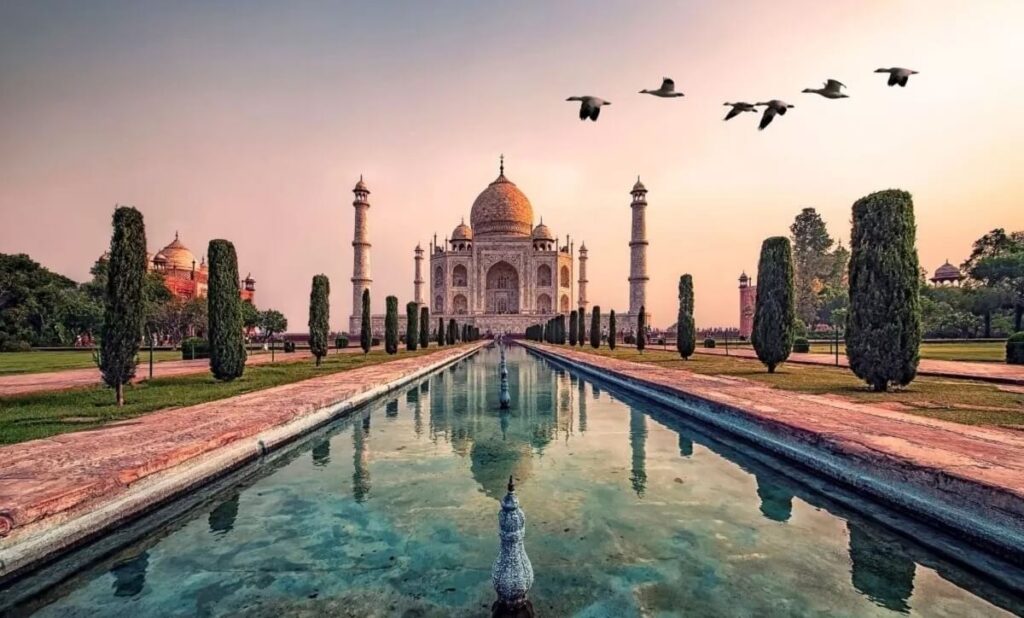
5) Agra: iconic Taj shots plus festival energy
Agra is not just the Taj Mahal postcard. February is excellent for softer light, and if you plan well, you can also cover nearby heritage and craft culture.
What to shoot
- Taj Mahal at sunrise (soft light, fewer harsh shadows)
- Symmetry, reflection pools, and detail shots
- Street scenes: marble inlay work, markets, local food
February cultural highlight
Taj Mahotsav is scheduled February 18–27, 2026 near the Taj Mahal area (Shilpgram). Great for crafts, performances, and candid culture shots.
Find more about: Uttar Pradesh
6) Varanasi: sunrise rituals, stories, and dramatic light
Varanasi is for photographers who enjoy human stories: faith, motion, emotion, and atmosphere. February mornings can be misty, which actually helps make frames moody and layered.
What to shoot
- Sunrise ghats (wide + silhouettes)
- Boat scenes, lamps, reflections
- Street portraits (ask politely)
Tip
Go early, stay quiet, and observe first. You’ll get better frames when you anticipate moments instead of chasing them.
7) Goa: lively carnival frames + coastal sunsets
Goa in February is perfect for travel photographers who want movement and colour: beaches, old churches, Portuguese lanes, and festivals.
What to shoot
- Sunset beach silhouettes
- Fontainhas lanes (colourful facades)
- Seafood, shacks, and lifestyle frames
Festival bonus
Goa Carnival 2026 is announced for February 13–17, 2026, offering parade floats, music, costumes, and high-energy street scenes.
8) Kerala: backwaters, culture, and “green” photography
Kerala is a strong February choice if you want softer nature tones and slow, cinematic scenes: backwaters, village life, temples, and coastal stretches.
What to shoot
- Backwater reflections and boat life
- Tea plantations (if you extend towards hill areas)
- Local markets and food scenes
Tip
Use a polariser for water reflections when light is strong, but don’t overdo it. Natural is best.
Check out itinerary: Kerala
9) Ranthambhore / Central India parks: tigers and golden grass
February is a strong month for wildlife photography: light is warm, grass is golden, and animal activity can be rewarding.
What to shoot
- Tigers (if lucky), deer, birds, landscapes
- Dust trails and backlit scenes in evening safaris
Gear tip
A telephoto helps a lot, but even a 70–200mm can work if you focus on behaviour, habitat shots, and storytelling frames.
10) Ladakh
Ladakh in February is for serious winter travel and dramatic landscapes. If you’re prepared, it offers minimalism, mountains, frozen scenes, and a completely different palette than the rest of India.
What to shoot
- Stark mountain lines, monasteries in snow
- Frozen river/lake textures (only with safe, local guidance)
- Night sky (exceptional when conditions allow)
See More: Ladakh
11) Kashmir: snow valleys and postcard winter scenes
Kashmir in February is still winter, which means snow landscapes, pine forests, and valley views that look unreal in soft light.
What to shoot
- Snow-covered valleys, wooden architecture
- Gondola/ropeway scenes (where accessible)
- People in winter settings (strong storytelling)
See Packages: Jammu & Kashmir
12) Uttarakhand: hill frames, forests, and clean skies
Uttarakhand offers a mix: hill stations, forest roads, temples, and mountain views. February is good for crisp air and long scenic drives.
What to shoot
- Layered mountain ridges at sunrise
- River scenes and suspension bridges (where relevant)
- Forest light beams in early morning
Find Packges: Uttarakhand
13) Sikkim + North East: clouds, valleys, and unique cultural frames
If you want a more “different India” visual story, North East states are excellent. February can give you clean mountain views and quieter roads in some pockets.
What to shoot
- Monasteries, prayer flags, mountain roads
- Local markets, traditional homes, and nature trails
Checkout : North East India Tours and Sikkim
FAQs:
Which place is best for photography in India in February?
If you want deserts and forts, go for Jaisalmer and Jaipur. For iconic monuments, Agra is best. For snow landscapes, Kashmir or Ladakh works. For minimal landscapes, Kutch White Rann is outstanding.
Is February a good month for travel photography in India?
Yes. February gives comfortable weather, cleaner skies in many regions, and soft light for monuments, landscapes, and street photography.
Where can I see snow and do photography in February in India?
You can try Kashmir, parts of Himachal, Uttarakhand higher areas, and Ladakh (for serious winter landscapes). Snow depends on altitude and local weather conditions.
Which is better for photography: Rajasthan or Goa in February?
Rajasthan is better for forts, culture, desert light, and heritage frames. Goa is better for festivals, lifestyle, beach sunsets, and street events like Carnival (mid-February in 2026).
What is the best time to click photos in India during February?
Early morning and late afternoon. Sunrise is best for calm scenes and soft shadows; sunset is best for warm tones and silhouettes.
Is Taj Mahotsav worth visiting for photographers?
Yes, especially for candid culture shots, crafts, performances, and colour. In 2026, it is scheduled from February 18 to 27 in Agra.
What is special to photograph in Goa in February?
Goa Carnival parades, colourful streets, beach sunsets, and Portuguese heritage lanes. Goa Carnival 2026 is announced for February 13–17.
Is the White Rann of Kutch good in February for photos?
Yes. The white salt desert creates clean frames and dramatic skies. Rann Utsav season runs until early March 2026, and early February has full moon dates listed on official festival sites.
What should I pack for photography in India in February?
A light jacket, comfortable shoes, dust protection for gear, extra batteries, and a small day bag. For mountains, pack proper winter layers and gloves.
Which camera lens is best for India travel photography?
A standard zoom (24–70mm equivalent) covers most scenes. Add a wide lens for architecture and a telephoto if you’re doing wildlife or mountains.
Is street photography allowed in India?
Generally yes in public places, but be respectful and avoid sensitive locations. For portraits, it’s better to ask. In some monuments, tripods may require permission.
Which places are best for sunrise photography in February?
Varanasi ghats, Taj Mahal area, Udaipur lakes, desert dunes near Jaisalmer, and hill viewpoints in Uttarakhand or Sikkim.
How many days are enough for a photography trip in February?
7–10 days is ideal for one region. If you try to cover too many states, you’ll lose time in transit and miss the best light.