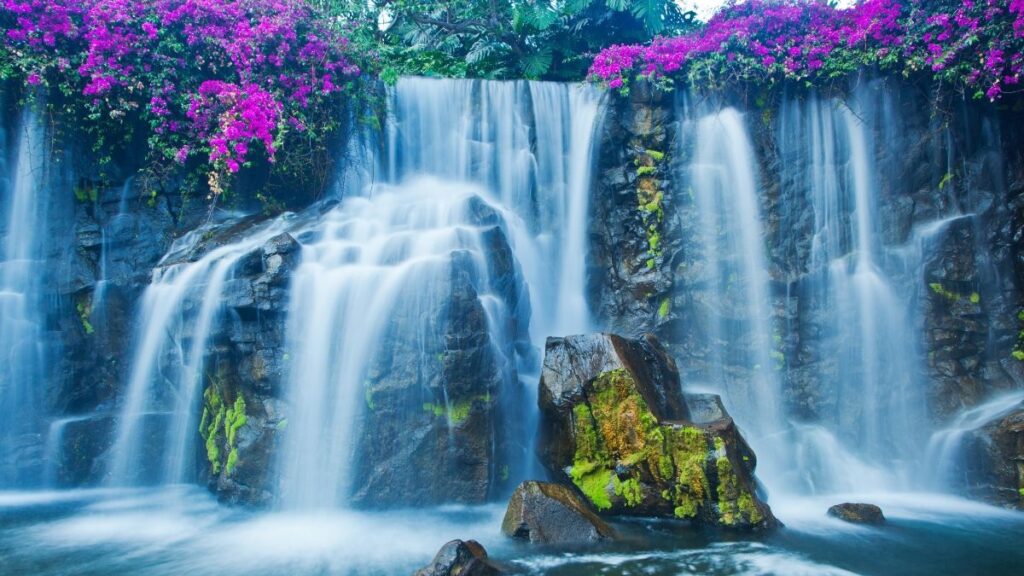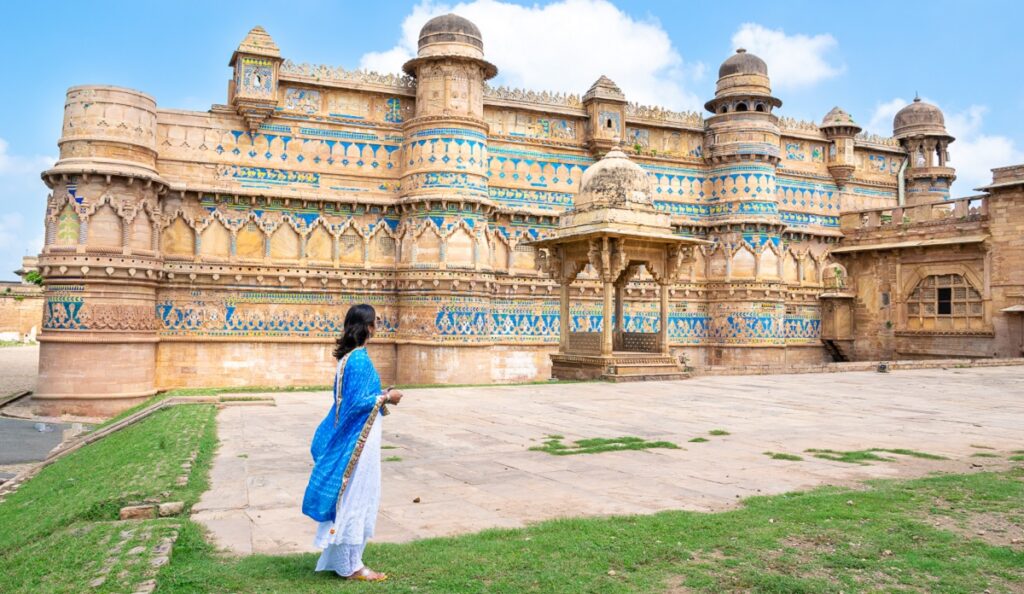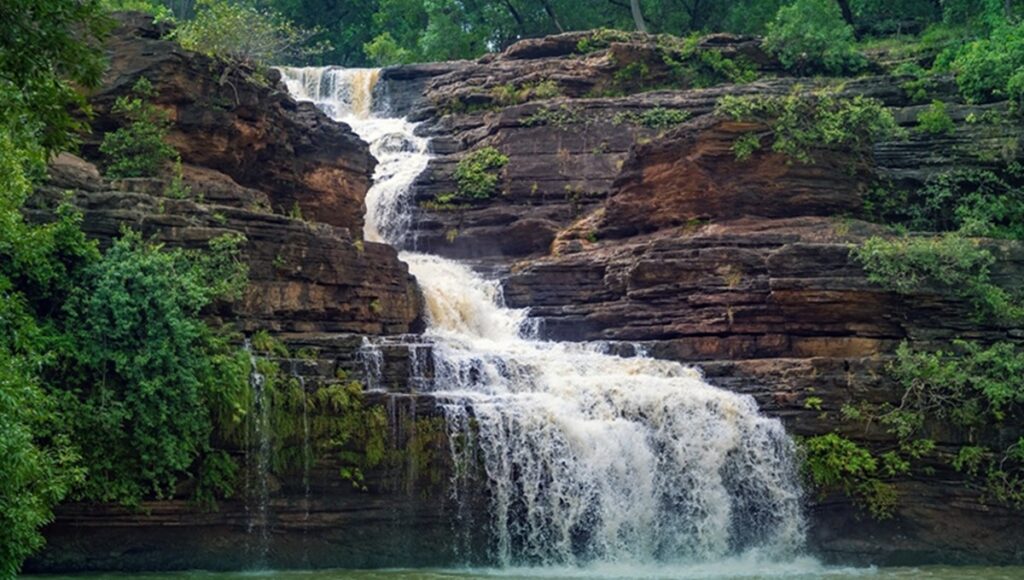
Madhya Pradesh is better known for temples, forts, and tigers, yet some of its most refreshing experiences are waterfalls tucked inside forests and rocky plateaus. The Narmada, Tamsa, Ken, and many seasonal streams tumble over basalt cliffs to form misty curtains, plunge pools, and canyons of colorful rock. If you love short treks, picnic spots with a view, or that first cool splash on a hot day, this state delivers.
This guide rounds up the most popular waterfalls in Madhya Pradesh, tells you when to visit, and shares easy planning tips. I will also link helpful resources so you can mix waterfalls with nearby heritage sites, hill stations, and wildlife parks. For example, if you are comparing seasons across India, bookmark this handy primer on India weather by month and best places to visit. If you want a quiet autumn break, you might also like these less crowded places to visit in October.
Let’s start with why MP’s waterfalls are special, then jump into the big names like Dhuandhar, Bee Falls, and Patalpani.
Why waterfalls in MP are worth your time
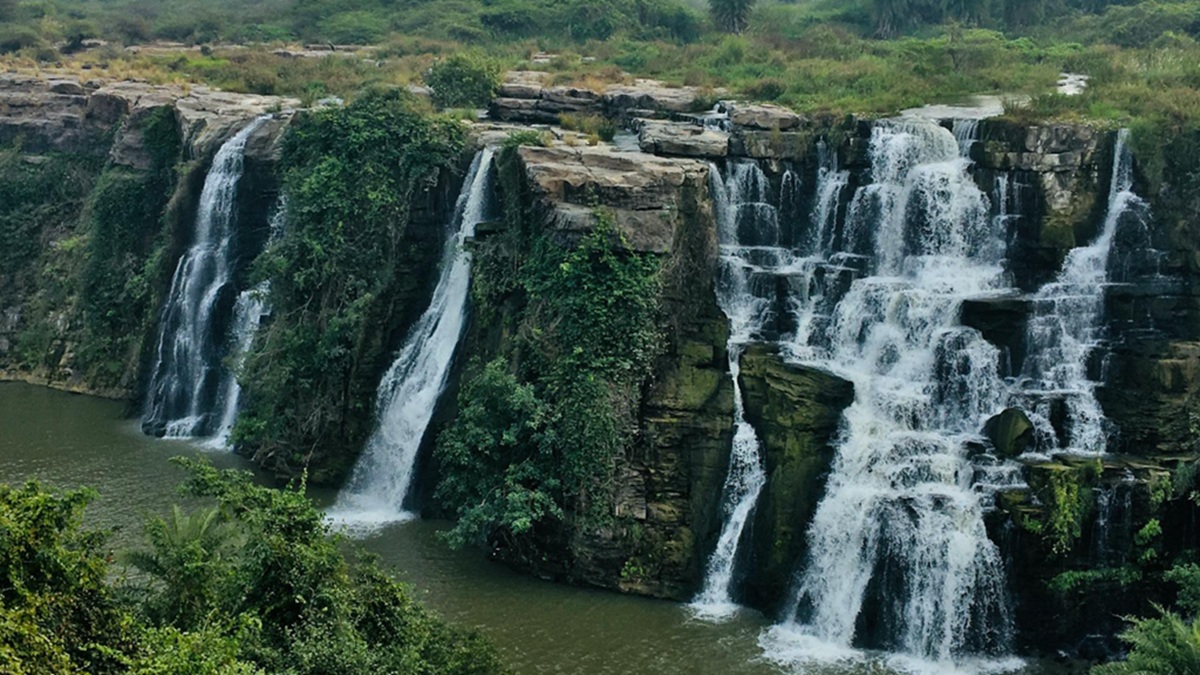
- Variety in one state. From the smoke-like spray of Dhuandhar in Jabalpur to the green amphitheater around Bee Falls in Pachmarhi, the settings change fast.
- Easy add-ons. Most falls sit close to famous attractions. You can pair Dhuandhar with marble-rock boat rides, Raneh with Khajuraho’s temples, or Kapildhara with Amarkantak’s pilgrim circuit. If heritage is on your mind, save this overview of UNESCO World Heritage sites and monuments in Madhya Pradesh.
- Good year-round mix. Monsoon and post-monsoon bring power and spray. Winter adds crisp air and clear views. Even in summer, a few perennial cascades keep flowing, and the crowds thin out.
If you are pairing waterfalls with hill weather, check these seasonal lists too: Hill stations to visit in India in August and safe offbeat travel post monsoon.
Best time to visit waterfalls in Madhya Pradesh
- Monsoon, July to September. Spectacular volume, dramatic photos, slippery paths. Follow local advisories and keep a safe distance from edges.
- Post-monsoon, October to February. The sweet spot. Water is still strong, weather is pleasant, visibility is great. This is also a good time to add safaris, since many wildlife reserves reopen in September.
- Summer, March to June. Flow reduces at some sites, yet mornings and late afternoons are peaceful. If you like uncrowded trips in shoulder season, this Madhya Pradesh in April guide helps with weather and ideas.
If you travel in December, combine crisp air with festivals and heritage circuits. These roundups are useful for planning: Places to visit in Madhya Pradesh in December, Top places to visit in December in Central India, and a broader India weather in December guide.
Dhuandhar Falls, Jabalpur
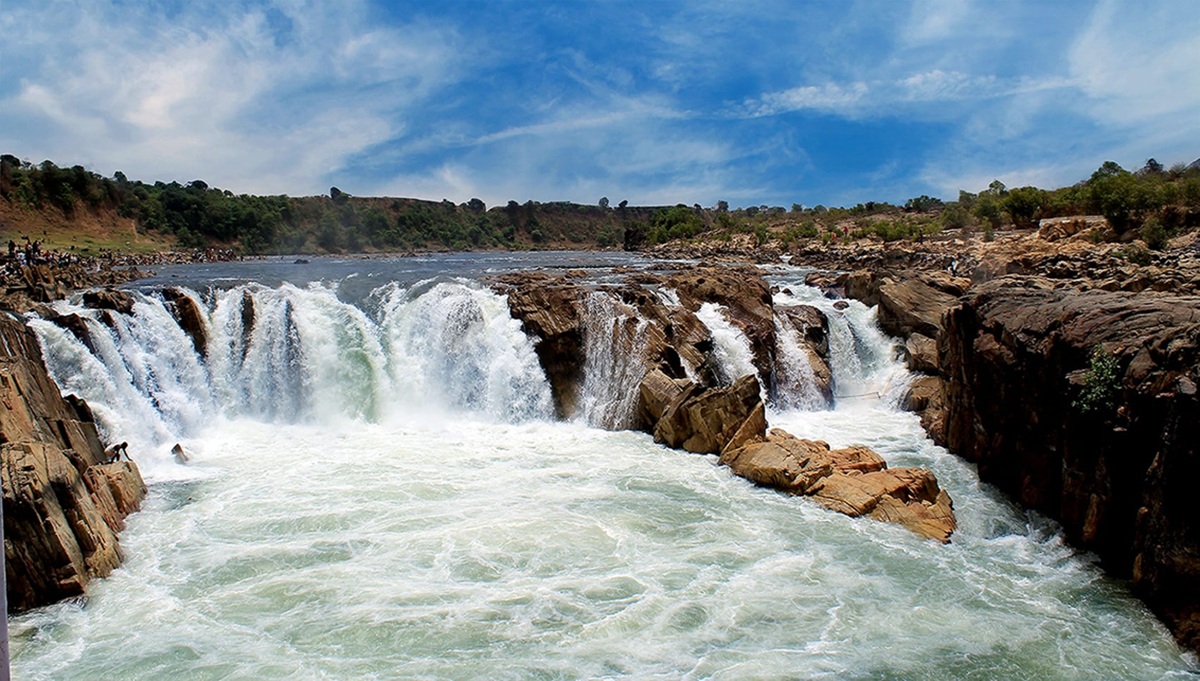
Why it is famous: The Narmada squeezes through the marble rocks at Bhedaghat, then drops in a broad curtain. The fall kicks up a white mist that looks like smoke. That is how it got the name Dhuandhar, which loosely translates to a “smoky cascade.”
Highlights
- Ropeway ride. It glides over the river and gives a head-on view of the gorge and the fall.
- Marble rock boating. Upstream of the falls, boatmen navigate the tall, striated cliffs. Late afternoon light makes the rocks glow.
- Viewpoints. There are multiple platforms on both banks. The roar is part of the experience.
Practical tips
- Plan for an hour at the viewpoints, and another hour if you add the ropeway.
- Wear shoes with good grip if the spray is heavy.
- Combine your day with a marble-rock boat ride and street snacks on the ghats.
Good to pair with: Jabalpur heritage walk, Madan Mahal Fort, and winter trips around Central India. See top places to visit in December in Central India for ideas.
Bee Falls, Pachmarhi
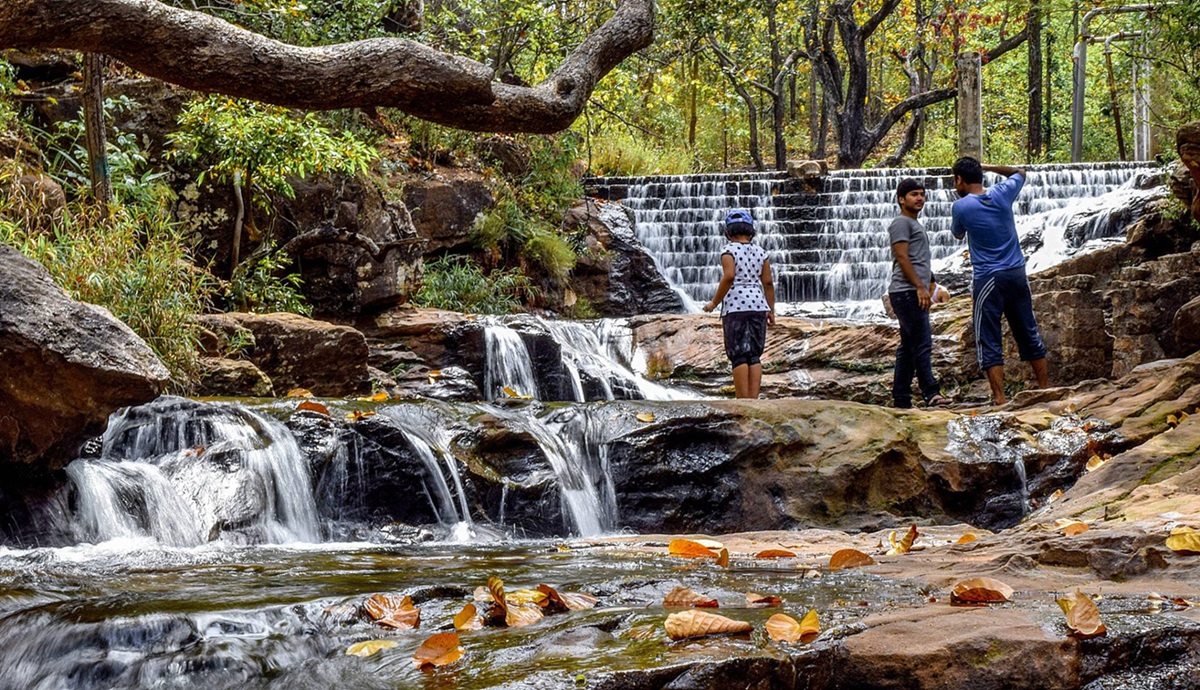
Why it is famous: Locals call it Jamuna Prapat, but most travelers know it as Bee Falls, a perennial cascade that supplies water to Pachmarhi town. The setting is classic Satpura, green steps of rock and a natural pool where people dip their feet and cool off.
Highlights
- Family friendly vibe. Short hike, designated viewpoints, vendors selling tea and snacks at the top.
- Natural pool. In lower flow months, people sit by the edge and relax. Use caution during monsoon.
- Photo spots. Multiple terraces allow safe angles without getting too close to the edge.
Practical tips
- Go early to avoid crowds. Paths can be slick after rain.
- Carry a towel, quick-dry clothing, and a small trash bag to keep the area clean.
Good to pair with: Other Pachmarhi sights like Rajat Prapat, Duchess Falls, Pandav Caves, and viewpoints. Use this detailed list of best places to visit in Pachmarhi to plan a two night loop. If you are building a quiet autumn itinerary, these less crowded October destinations can help you extend the trip.
Patalpani Falls, near Indore
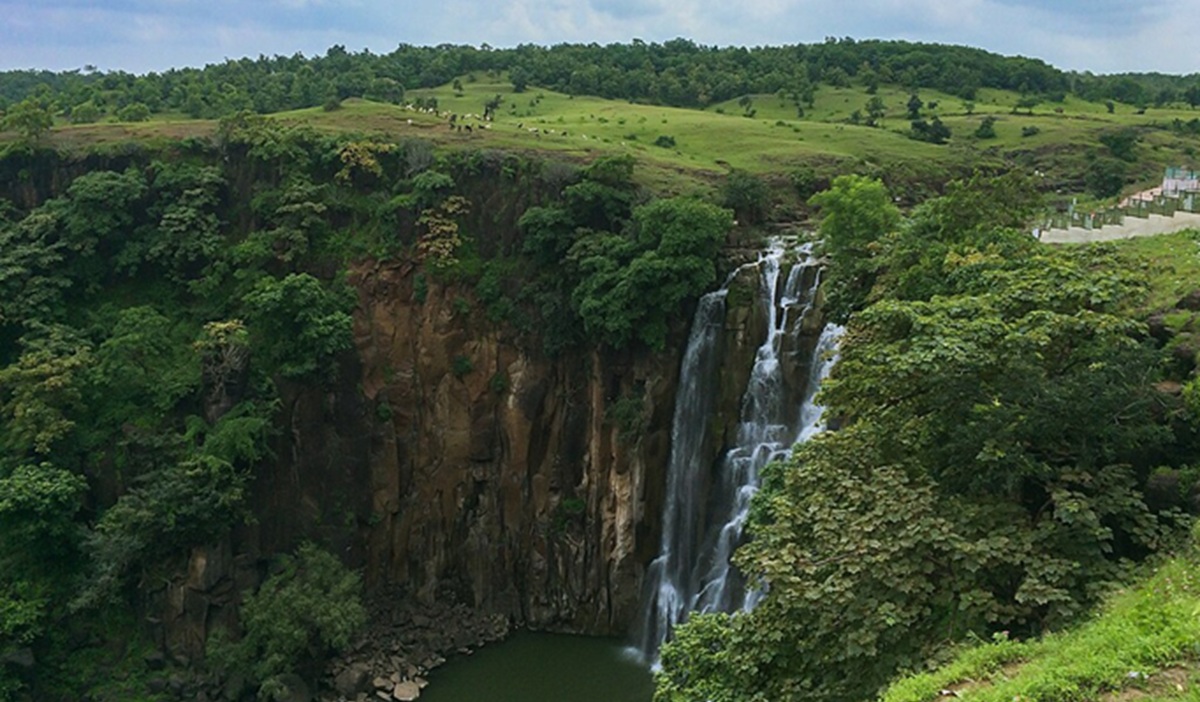
Why it is famous: A dramatic drop in a rocky ravine, about an hour from Indore city. In the rains it turns fierce. In winter it calms down and becomes a classic picnic and photo stop.
Highlights
- Easy day trip. You can combine Patalpani with places like Choral Dam and Kalakund railway section.
- Monsoon drama. The roar is strong and the spray travels far. View from marked points only.
- Sunset frames. The valley catches warm light late in the day.
Practical tips
- Respect safety rails. During heavy rain, keep a generous distance.
- Carry water and snacks. Shade is limited on the approach trail.
Good to pair with: Historic and natural loops around the city. This list of best places near Indore is a great planner. You can also string a bigger circuit with day trips from Ujjain, Omkareshwar, and Mandu. If forts in the rains excite you, bookmark historical forts in India for the monsoon and add Mandu or Asirgarh.
Tincha Falls, Indore region
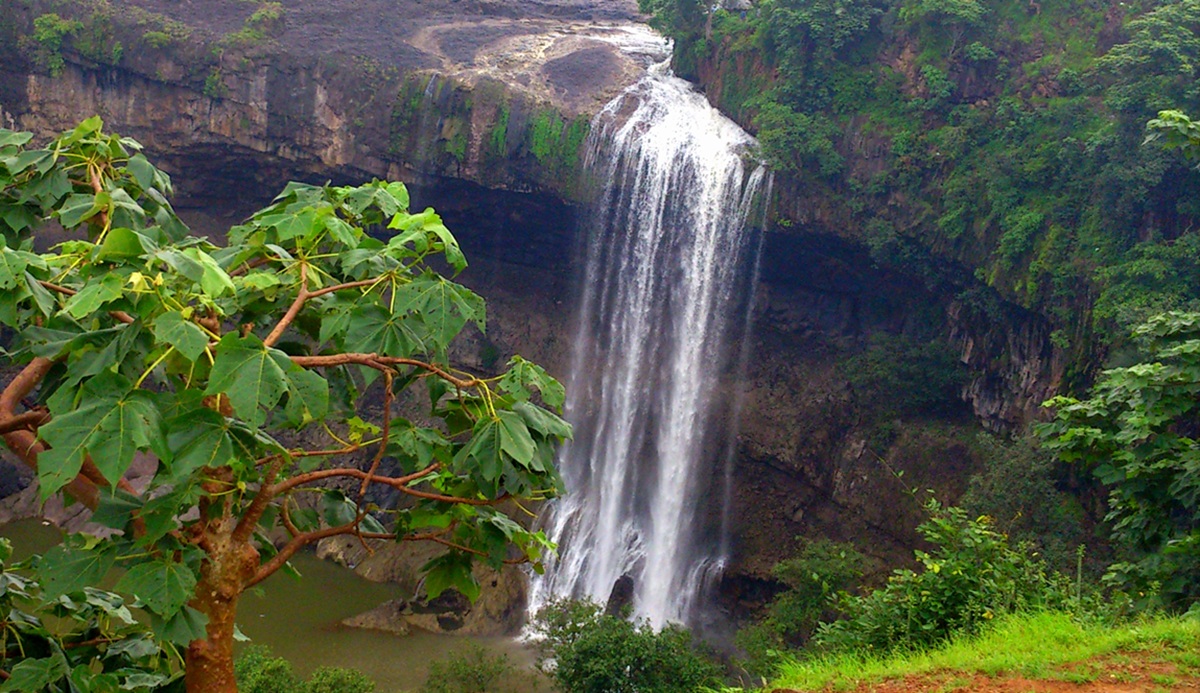
Why it is famous: A seasonal beauty that comes alive in the monsoon and stays photogenic into early winter. The approach includes short walks across farm paths and viewpoints that look straight into the valley.
Highlights
- Close to the city. This is one of Indore’s easiest weekend waterfall escapes.
- Picnic friendly. On clear days, families spread out on the plateau near the edge, away from the drop.
- Photo angles. The creek meanders before plunging, which gives you nice leading lines for wide shots.
Practical tips
- Check local flow conditions before going, especially in late winter and summer.
- Do not attempt to descend to the base in the rains. The slopes are crumbly and dangerous when wet.
Good to pair with: Patalpani on the same day if you start early, or a Mandu heritage loop the next morning. For shoulder season ideas, look at popular offbeat and less crowded places to visit in India in May. If you are building a couples trip in spring, here are some romantic places in India for April.
Chachai Falls, Rewa region

Why it is famous: Among the tallest in the state, Chachai sits on a stark, rocky escarpment where a tributary of the Tamsa drops in a clean sheet. After the rains it becomes a powerful plume that you can admire from cliff-top viewpoints.
Highlights
- Height and drama. The fall is impressive when fed by the monsoon. Winds can push the spray sideways, which is great for photos.
- Raw landscape. The approach road cuts through open country, then ends at a cliff edge with railings and a wide panorama.
Practical tips
- Visit with daylight to spare. Rural stretches are best avoided after dark.
- Bring a hat and water. There is little shade near the viewpoints.
Good to pair with: The Rewa waterfall circuit that includes Keoti and Purwa. After your nature loop, consider a culture detour to Khajuraho. This primer on Khajuraho entry fees and activities for foreign travelers and the broader UNESCO guide for MP will help.
Keoti Falls, Rewa district
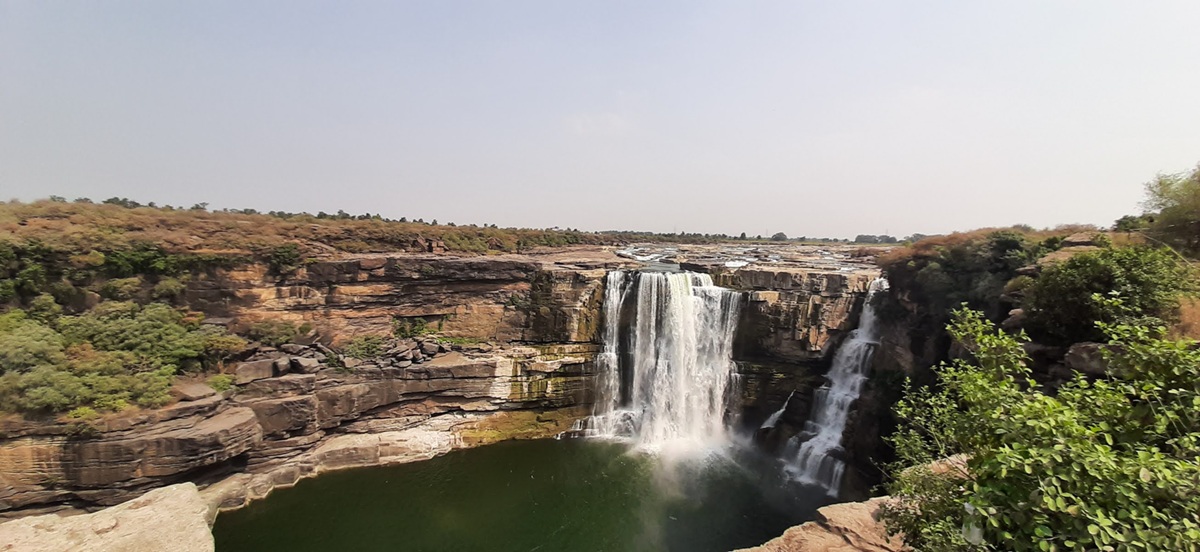
Why it is famous: Another showstopper on the Rewa plateau, Keoti pours down a stepped cliff with a long plume of mist. In peak flow you hear it before you see it.
Highlights
- Layered drop. The segmented fall creates terraces where mist hangs and light breaks beautifully.
- View platforms. Multiple fenced areas let you see it from different angles.
Practical tips
- Shoes with grip are essential. Do not cross barricades for selfies.
- In low season, confirm flow conditions with locals before driving out.
Good to pair with: Chachai and Purwa in a long day or with an overnight in Rewa. If you plan a winter run through Central India, you can dovetail with these December trip ideas for the region and a temple art day in Khajuraho.
Purwa Falls, near Rewa
Why it is famous: A straight plunge in a rugged canyon on the Tamsa river system. Local lore connects this landscape with scenes from the Ramayana, which gives the stop a cultural layer along with the scenery.
Highlights
- Rim views. The best vantage is from the rim, looking across the chasm at the water column.
- Monsoon theatre. In high flow the spray rises up the canyon face like steam.
Practical tips
- Edges can be crumbly. Keep well behind safety lines.
- Carry snacks and water. Facilities are simple.
Good to pair with: Keoti and Chachai on a driving loop. If you are stretching the circuit across seasons, compare options with places to visit in India in December and where to go in January with family.
Great! Let’s continue with the next section of the blog (~1600 words). This part covers Raneh, Kapildhara, Pandav, and other notable waterfalls, plus activities, comparison, FAQs, and conclusion with natural interlinking.
Raneh Falls, Khajuraho Region
Why it is famous: Raneh is not only about water—it’s about the canyon of volcanic rocks carved by the Ken River. The river drops in a series of falls, and the gorge reveals multicolored granite—pink, red, and grey—that make the setting unique.
Highlights
- Volcanic canyon. Stretching for 5 km, with cliffs over 30 meters deep, it feels different from any other waterfall in Madhya Pradesh.
- Ken Gharial Sanctuary. The nearby protected area is home to gharials (fish-eating crocodiles), birds, and deer.
- Best season. Monsoon and post-monsoon when the Ken River is full.
Practical tips
- Carry binoculars for spotting birds along the river.
- Combine your visit with Khajuraho’s temples. Here’s a useful primer on Khajuraho entry fees, activities, and tips for foreign travelers.
- Entry to the falls may be restricted during peak floods for safety—check with local guides.
Good to pair with: A two-day heritage + nature loop in Khajuraho. This also ties into the UNESCO World Heritage monuments of MP.
Kapildhara Falls, Amarkantak
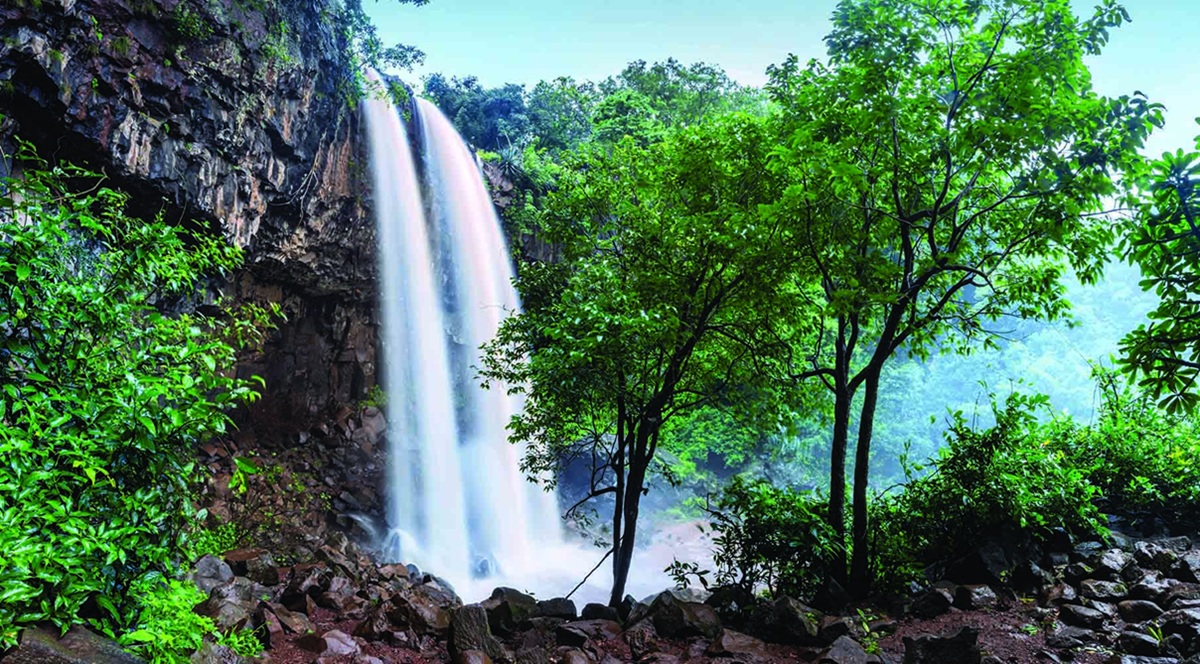
Why it is famous: At Amarkantak, where the sacred Narmada River begins, it flows down as Kapildhara Falls, dropping about 30 meters through dense forest. Named after sage Kapil, it is a mix of pilgrimage and nature.
Highlights
- Religious aura. Pilgrims bathe in the waters, believing it purifies the soul.
- Green surroundings. The forest backdrop makes it feel like a hidden shrine of nature.
- Nearby temples. Amarkantak town has many shrines linked to Narmada worship.
Practical tips
- Early morning is serene, before pilgrims crowd the site.
- Stay overnight in Amarkantak for sunrise walks and temple visits.
- Carry light clothing and footwear, as the approach involves a short forest path.
Good to pair with: A Narmada Parikrama or road trip through Central India. For seasonal planning, check India weather by month and Madhya Pradesh in April guide for off-season insights.
Pandav Falls, Panna
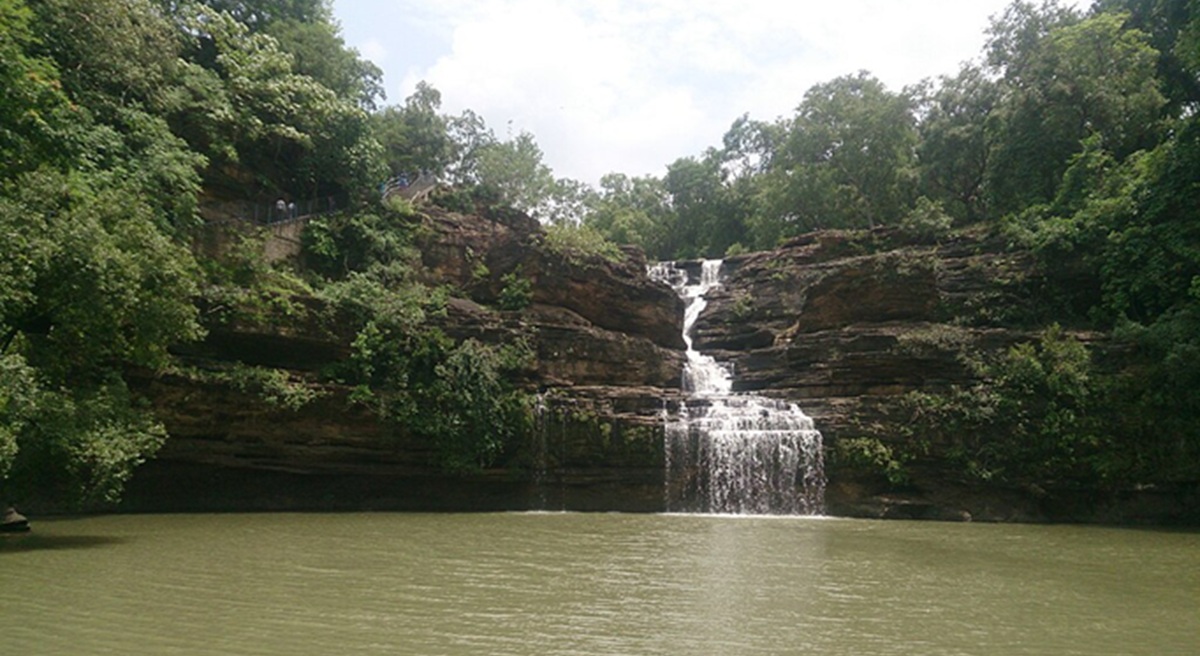
Why it is famous: Named after the Pandavas of the Mahabharata, this fall near Panna National Park is both scenic and historic. The stream cascades into a pool surrounded by caves, which local tradition associates with the Pandavas’ exile.
Highlights
- Natural + mythological. The caves and pool give it a storybook feel.
- Wildlife link. The fall sits close to Panna’s tiger reserve, making it easy to combine safari and scenery.
- Best time. Post-monsoon for good water levels and tiger safari opportunities.
Practical tips
- Carry a packed lunch; food options are limited outside Khajuraho or Panna town.
- Respect cave sites—some are fragile.
- Book your Panna safari early, especially in winter.
Good to pair with: Khajuraho temples and UNESCO sites in Madhya Pradesh. You can also use the safe offbeat post-monsoon travel guide if you’re seeking quieter circuits.
Other Notable Waterfalls in Madhya Pradesh
Rajat Prapat (Silver Falls), Pachmarhi
- One of the tallest falls in the state, dropping about 351 feet.
- Looks like a silver ribbon in the forest, hence the name.
- Best seen from a distance, especially in monsoon.
Duchess Falls, Pachmarhi
- Multi-tiered cascade requiring a trek through Satpura forest.
- Less crowded compared to Bee Falls.
- Great for adventurers seeking quiet corners.
Bahuti Falls, Rewa
- Considered the tallest waterfall of MP (~145 meters).
- Located on the Odda River.
- Best viewed during rains; access is limited in summer.
Ajaygarh Falls, Panna region
- Scenic seasonal waterfall near Ajaygarh Fort.
- Pair with fort exploration for a heritage + nature day.
- Ideal for offbeat explorers.
For deeper trip planning, you might also like this list of historical forts in India during monsoon, which includes many MP gems like Ajaygarh and Mandu.
Activities Around the Waterfalls
- Trekking & Hiking: Falls like Duchess and Chachai require short treks. Combine with hill walks in Pachmarhi.
- Photography: Dhuandhar’s smoky spray and Raneh’s canyon colors are top spots.
- Picnics: Tincha, Patalpani, and Bee Falls are family favorites.
- Birdwatching: Raneh (Ken Sanctuary) and Kapildhara forests host eagles, kingfishers, and migratory birds.
- Heritage Combos: Add Khajuraho, Mandu, or Amarkantak temples to enrich your journey.
If you’re designing a full-season plan, read top places to visit in December in Central India or these offbeat and less-crowded May destinations.
Planning notes and easy itineraries
Here are simple ways to plan a waterfall-first trip that still feels balanced.
Indore weekend loop, 2 days
- Day 1. Patalpani and Tincha. Add Choral Dam for sunset.
- Day 2. Heritage day in Mandu or temple visit in Omkareshwar. This guide to day trips from Ujjain, Omkareshwar, and Mandu via Indore helps you choose.
Pachmarhi hill break, 3 days
- Day 1. Bee Falls and Rajat Prapat.
- Day 2. Duchess Falls and viewpoints.
- Day 3. Relaxed walks and café time in town. Use this Pachmarhi attractions list to fill the gaps.
Jabalpur and the Narmada, 2 days
- Day 1. Dhuandhar Falls and ropeway. Marble rocks boat ride by sunset.
- Day 2. City highlights and a nature walk. For winter, scan Central India ideas for December.
Rewa waterfall circuit, 2 days
- Day 1. Keoti and Purwa.
- Day 2. Chachai and a heritage detour toward Khajuraho. Read Khajuraho essentials for visitors before you go.
If you love folding wildlife into your plans, look at reserves that open in September and pick a park near your route.
Quick safety and etiquette checklist
- Keep a safe distance during high flow. Do not cross barriers for photos.
- Wear shoes with grip. Rocks are polished smooth by water and can be slick.
- Pack out all trash. Avoid plastic near the water.
- Confirm local conditions in summer. Some seasonal falls reduce to a trickle.
- During monsoon, respect closures. The current becomes unpredictable.
- Support small vendors near parking lots and viewpoints. It keeps the local economy healthy.
Comparison: Which Waterfall Should You Choose?
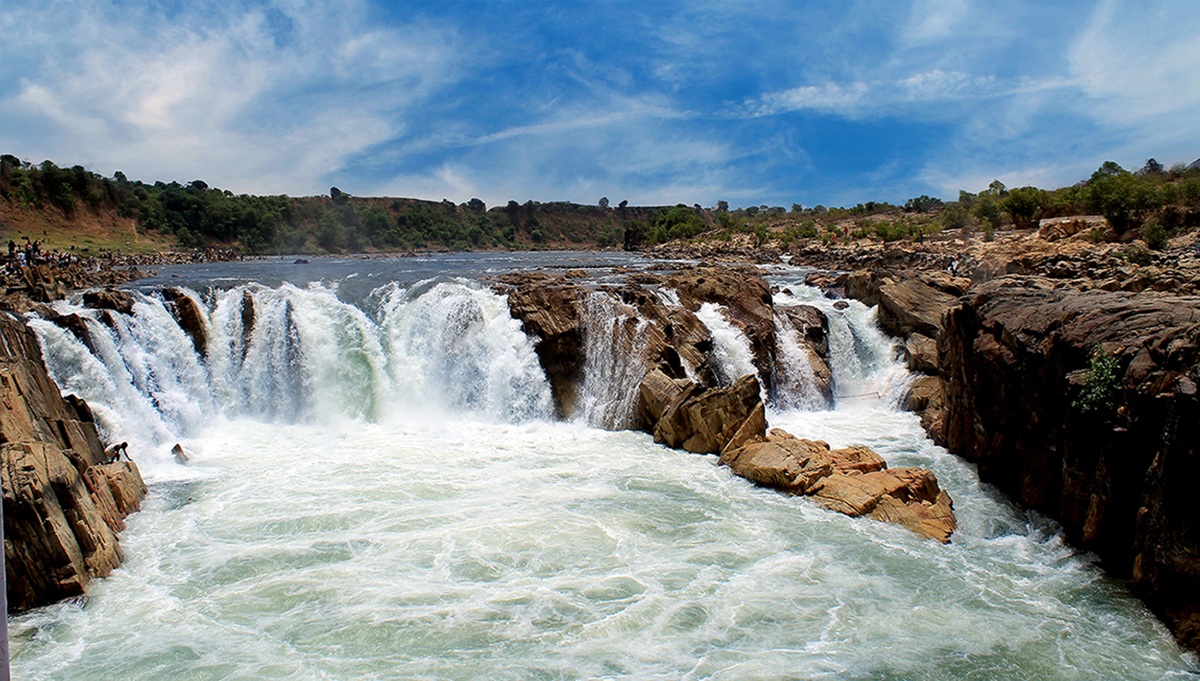
- Tallest: Bahuti (Rewa) and Rajat Prapat (Pachmarhi).
- Most Photogenic: Dhuandhar (for mist), Raneh (for canyon colors), Bee Falls (green amphitheater).
- Family Friendly: Bee Falls, Patalpani, Tincha.
- Spiritual: Kapildhara (Amarkantak), Purwa (Ramayana link), Pandav Falls.
- Adventure: Duchess Falls (trek), Chachai & Keoti (rugged cliff edges).
- Best Wildlife Combo: Raneh with Ken Sanctuary, Pandav with Panna Tiger Reserve.
FAQs About Waterfalls in Madhya Pradesh
Which is the highest waterfall in Madhya Pradesh?
Bahuti Falls in Rewa, dropping around 145 meters, is considered the highest.
Which waterfall is best for families near Indore?
Bee Falls (if you are willing to drive to Pachmarhi) and Patalpani near Indore are both popular for day trips. See best places near Indore for more weekend ideas.
Can I visit MP waterfalls in December?
Yes, December is a great time. Flows reduce but the weather is crisp and perfect for treks. See places to visit in Madhya Pradesh in December.
Are waterfalls in MP safe for swimming?
Swimming is not recommended in monsoon due to strong currents. In winter and summer, some like Bee Falls pools are safe, but always check with locals.
Which waterfalls are near Pachmarhi?
Bee Falls, Rajat Prapat (Silver Falls), and Duchess Falls are the main trio. You can also explore smaller seasonal cascades while hiking.
Conclusion
Madhya Pradesh may be known for Khajuraho’s temples and Bandhavgarh’s tigers, but its waterfalls add a fresh dimension to travel in the “Heart of India.” From the smoky roar of Dhuandhar to the green charm of Bee Falls, from Raneh’s volcanic canyon to Kapildhara’s sacred plunge, each site blends nature, culture, and story.
Travelers can design circuits around Indore, Pachmarhi, Jabalpur, Rewa, or Khajuraho, mixing waterfalls with forts, wildlife, and temples. Whether you want a quick picnic, a monsoon adventure, or a spiritual river trail, Madhya Pradesh waterfalls deliver.
When you plan, consider the season: monsoon for drama, winter for balanced treks, summer for quiet breaks. And always check the India weather month-by-month guide to sync your trip with nature.
So next time you crave the sound of rushing water and cool mist on your face, don’t just think of the Himalayas or Kerala. Think of Madhya Pradesh, where the waterfalls are waiting to surprise you.
You May Also Like:
- Discover the Winner: Dudhsagar Waterfalls vs Jog Falls Adventure
- Plan a Scenic Escape to the Best Waterfalls Near Chandigarh
- Explore the Top 5 Chikmagalur Waterfalls for Your Next Nature Trip
- Drive to These 7 Stunning Waterfalls Near Chennai This Weekend
- Unwind at the Best Waterfalls Near Mumbai for a Refreshing Getaway
- Discover 12 Gorgeous Waterfalls Near Delhi Within 100–300 KM
- Escape to the Top Waterfalls Near Bangalore Within 200 KM
- Explore India’s Most Hidden and Untouched Waterfalls