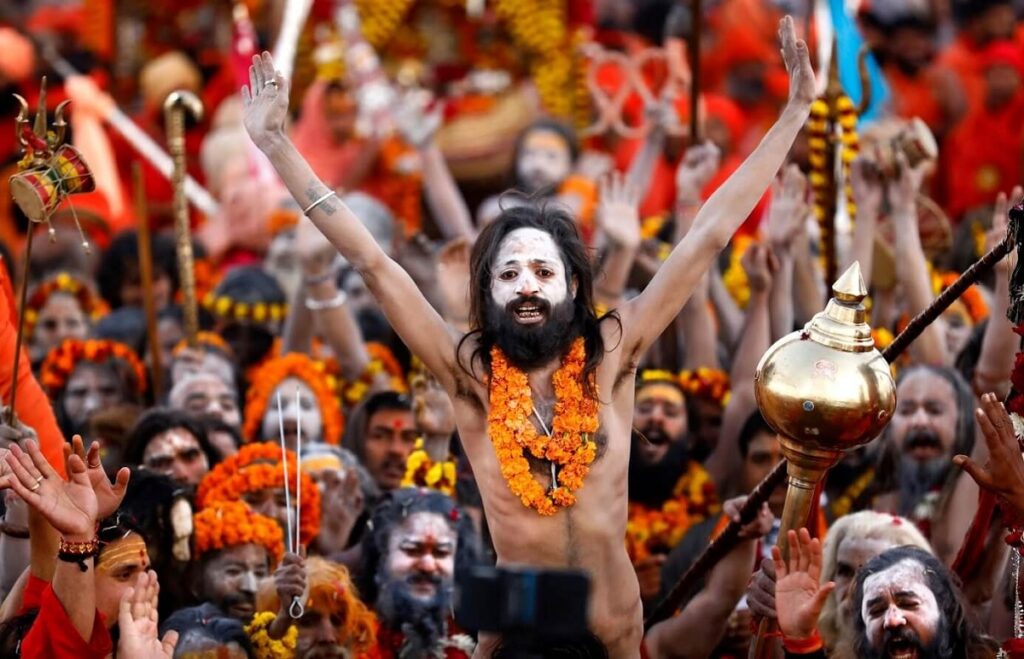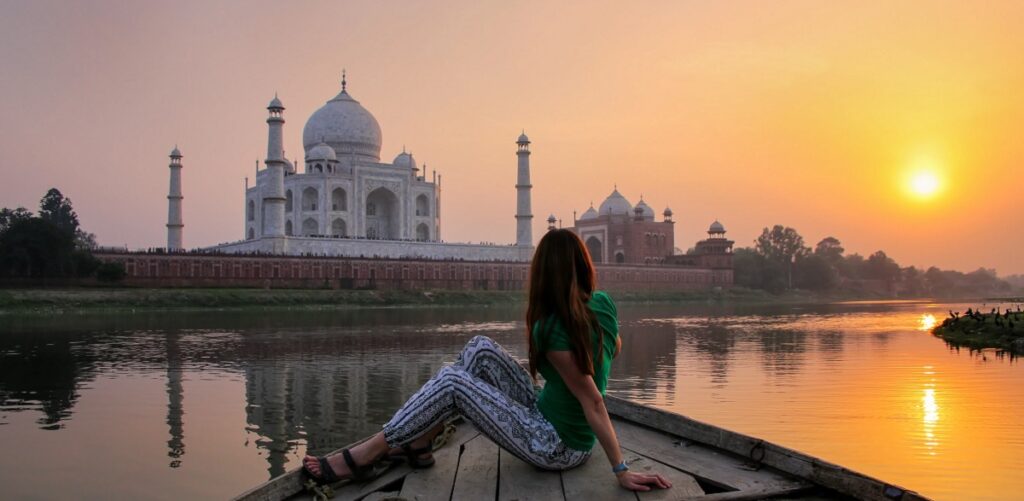
When most people think of Vrindavan, they imagine crowded temples, pilgrims chanting Radhe Radhe, and tour buses lined along the Yamuna. That is one side of Vrindavan. But as someone who has spent years guiding travelers here, I can tell you: the real Vrindavan begins once you leave the tourist trail.
It’s in the twisted trees of Nidhivan, the quiet steps of Chir Ghat at sunrise, the taste of hot kachoris on a misty morning, and the devotion in a local woman’s bhajan group in a hidden courtyard. This is Vrindavan through the eyes of a local, where every alley hides a story and every corner breathes centuries of devotion.
Let me take you on that journey.
The Ghats: Where the River Tells Stories
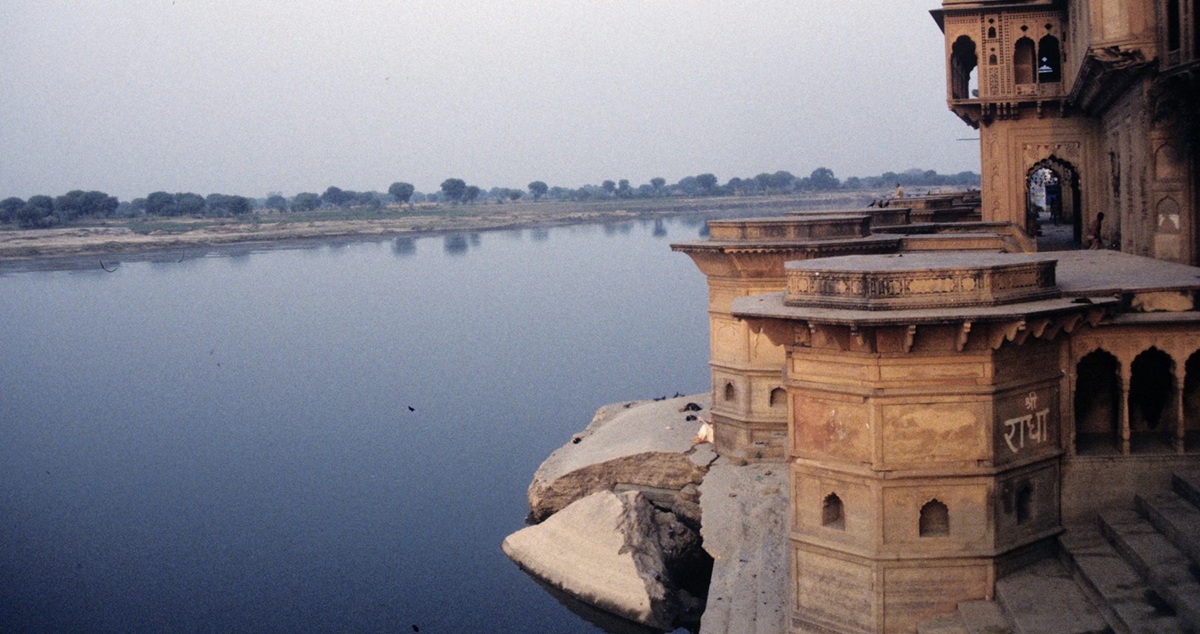
Kesi Ghat – Mornings of Gold
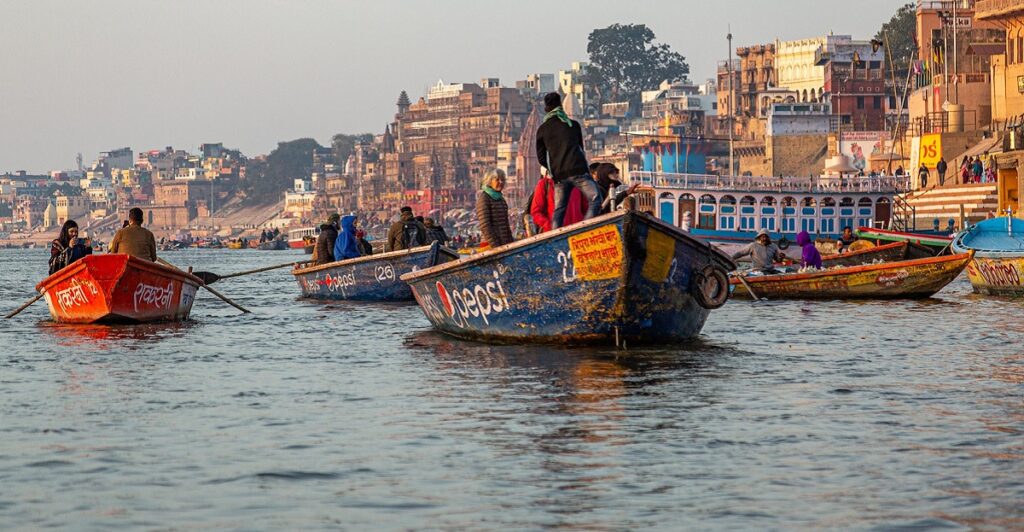
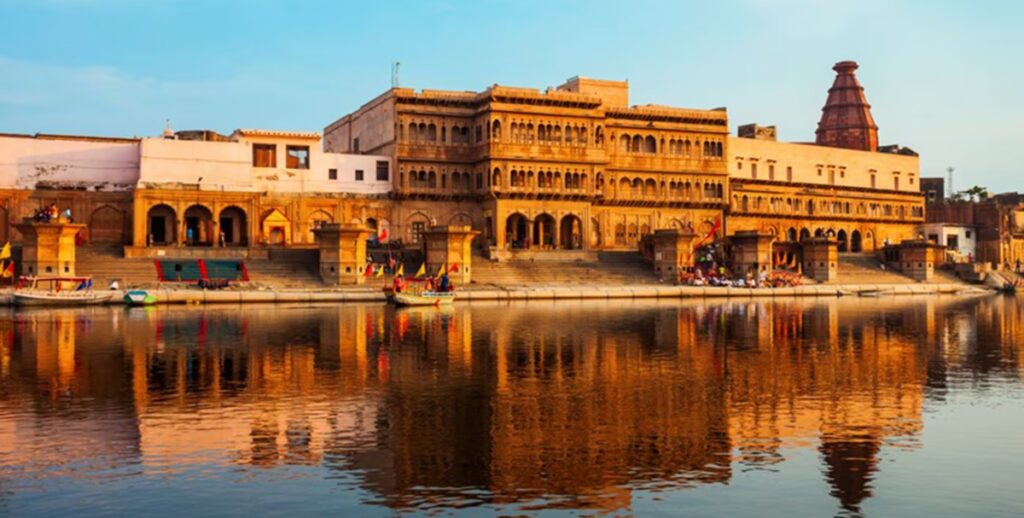
Kesi Ghat is the most photographed spot in Vrindavan, yet very few people experience it in the morning. By 5:30 AM, the Yamuna glows with the first rays of sunlight, priests softly chant mantras, and peacocks sometimes dance nearby. This is where Krishna is believed to have killed the Kesi demon horse, and the spiritual energy is palpable.
- What locals do: Offer small oil lamps (diyas) in the Yamuna at sunrise for blessings.
- Tip for travelers: Skip the evening rush and go early. Take a simple boat ride—your boatman will often share folk stories passed down generations.
Chir Ghat – Krishna’s Mischief Lives On
Just a short walk from Kesi Ghat lies Chir Ghat, where Krishna playfully stole the clothes of the Gopis. Unlike Kesi, it’s quieter, almost tucked away. Locals gather here in small circles, sipping tea, retelling Krishna’s playful tales, and singing bhajans.
- Why it matters: It’s not about grandeur—it’s about intimacy. Chir Ghat shows you how stories remain alive in daily life.
Find Out more Also: Premanand Ji Maharaj: Life Story, Teachings & Legacy
Temples That Don’t Make the Guidebooks
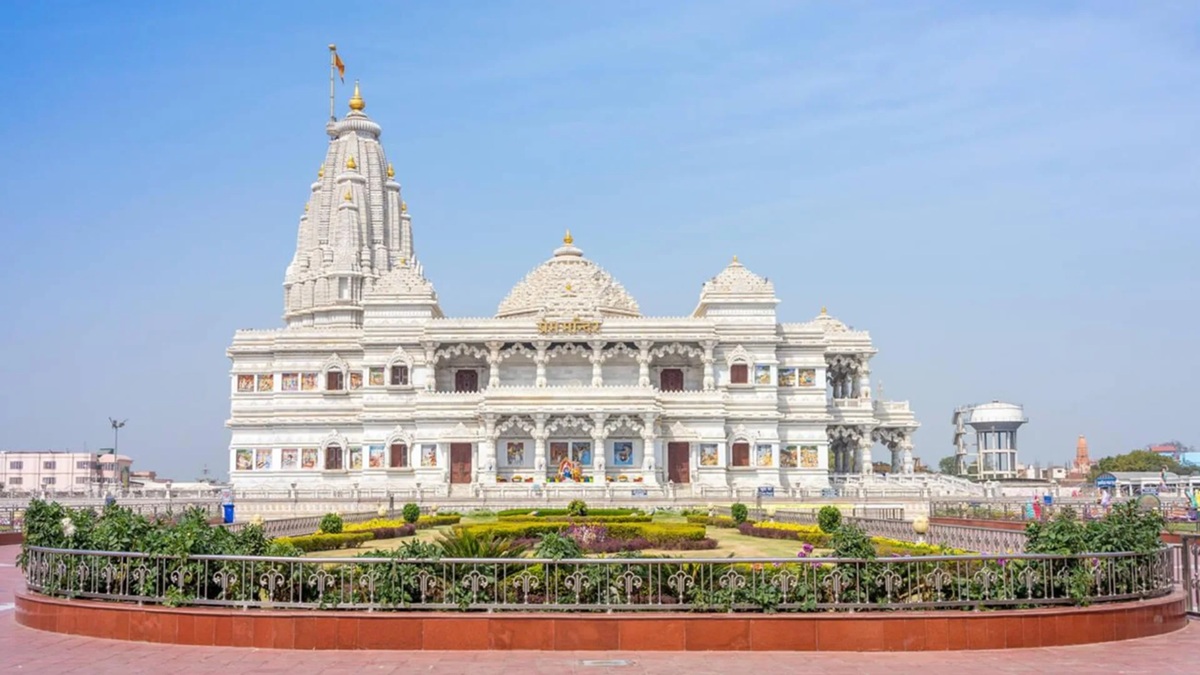
Everyone visits Banke Bihari Temple and ISKCON, but the hidden gems are where you’ll actually feel Vrindavan’s heart.
Radha Raman Temple
One of the oldest temples in Vrindavan, Radha Raman houses a self-manifested deity said to have appeared from a shaligram shila (sacred stone). Unlike Banke Bihari, where darshan can feel rushed, Radha Raman offers a more personal connection.
- Local advice: Visit during Mangala Aarti in the early morning. The atmosphere is soft, devotional, and deeply moving.
Madan Mohan Temple
Perched on a hillock near Yamuna, this is Vrindavan’s oldest surviving temple. Its simple red sandstone architecture stands in contrast to the ornate shrines elsewhere. From the top, you get sweeping views of Vrindavan’s ghats and rooftops.
- Insider tip: Ask a priest here to tell you the story of Sanatan Goswami and how this temple shaped the Gaudiya Vaishnav tradition.
Nidhivan – The Enchanted Grove
Nidhivan is perhaps Vrindavan’s most mysterious spot. Locals believe Krishna and Radha still come here every night to dance with the Gopis. At dusk, the temple shuts, and no human dares remain inside. Trees here are bent and twisted as though they’ve witnessed divine ras leelas.
- Why it’s unforgettable: Standing in Nidhivan at sunset gives you goosebumps. Whether you believe the legends or not, the silence here is unlike anywhere else.
Make Your Holiday Memorable in: Best Day Trips from Delhi: Scenic & Refreshing Getaways
Walking the Hidden Alleys
Vrindavan is best explored on foot. Forget taxis—wander the lanes like locals do.
- Wall Murals: Many alleys are painted with colorful depictions of Krishna’s childhood. These murals are part devotion, part street art.
- Hidden Courtyards: Peek into old havelis where families still sing bhajans every evening.
- Chai Corners: The humble kulhad chai (earthen cup tea) is an experience. Locals often invite you to sit, share tea, and chat about the city’s stories.
- Monkey Tales: Vrindavan’s monkeys are mischievous—locals will advise you to keep glasses, hats, and phones safe. Some even offer food to monkeys as part of daily rituals.
Food in Vrindavan: Eat Like a Local
Food here is not just about taste—it’s about tradition. Most dishes are sattvic (without onion or garlic) and carry a devotional character.
Breakfast Secrets
- Kachori Sabzi at Brijwasi Mithaiwala: Spicy potato curry with fluffy kachoris—an early morning favorite.
- Jalebi with Hot Milk: A traditional pairing, especially in winter but equally loved in monsoon mornings.
Midday Treats
- Govindas (ISKCON): Pure vegetarian thalis, affordable and filling.
- Street Snacks in Loi Bazaar: Try samosas and peda (a milk sweet).
Evening Must-Haves
- Kulhad Lassi: Thick lassi topped with cream, served in clay cups.
- Chaat Corners: Tangy aloo tikki and papri chaat are Vrindavan staples.
Local tip: Don’t judge eateries by their size. The best flavors often come from small, family-run stalls.
Plan Your Journey with This Itinerary: Same Day Agra Mathura Tour by Road
Experiences Tourists Rarely Try
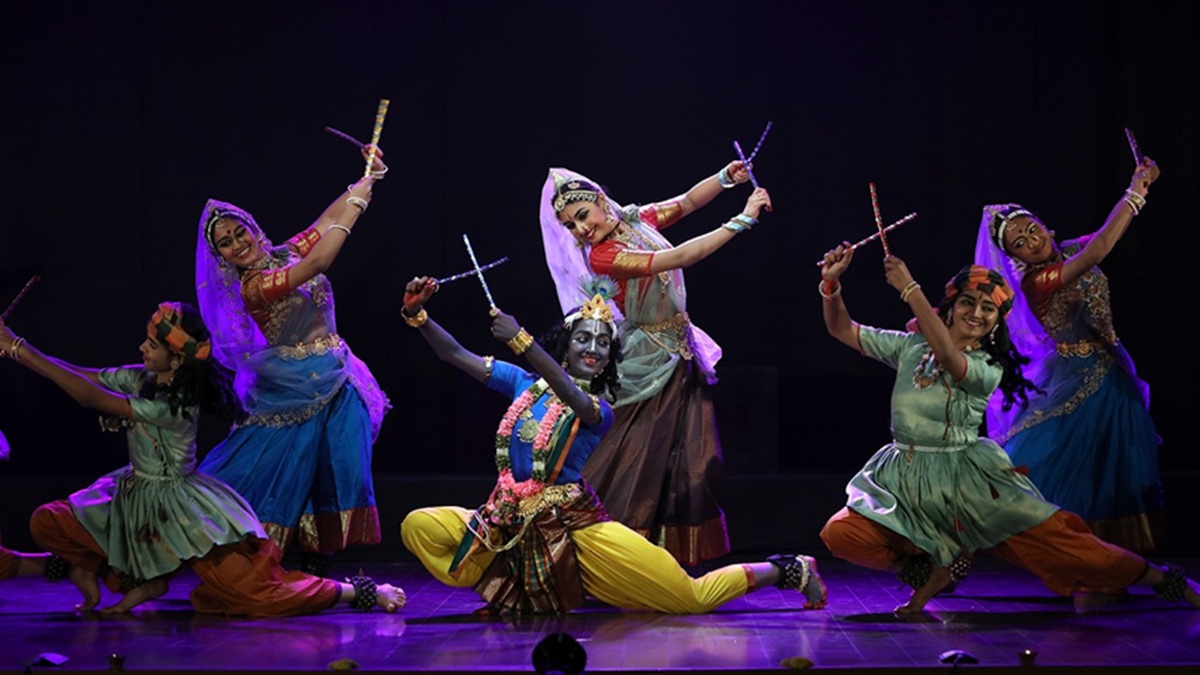
1. Ras Leela Performances
Every evening, especially during festival seasons, locals enact Krishna’s stories through dance and drama. These aren’t tourist shows—they’re acts of devotion, often staged in open courtyards.
- Why go: It feels like stepping into Vrindavan 500 years ago.
2. Artisan Workshops
Vrindavan still supports small families making brass diyas, wooden toys, and temple décor. Visiting a workshop is both educational and a way to support local livelihoods.
- Where to look: Ask around Loi Bazaar or smaller lanes near Radha Raman Temple.
3. Gaushalas (Cow Shelters)
Cows are revered in Vrindavan. Visiting a gaushala gives you a sense of how locals see cow service (seva) as part of devotion.
- Tip: Volunteers are always welcome—you can spend an hour feeding cows and learning from caretakers.
Plan Your Trip to: Anant Chaturdashi 2025: Puja Vidhi, Rituals & Celebration
Festivals the Locals Love
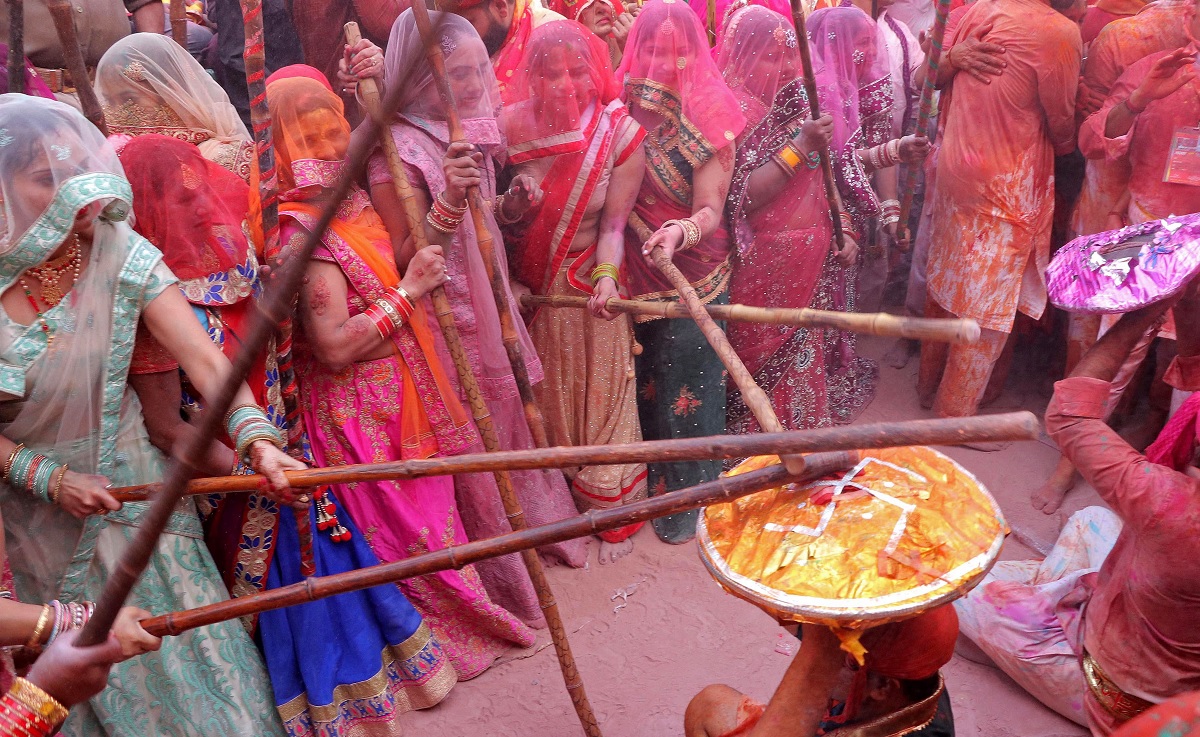
Holi in Vrindavan
It’s not just color—it’s a spiritual carnival. Locals celebrate with songs, dances, and rituals that last days. Barsana’s Lathmar Holi (nearby) is also worth experiencing.
Find Out Why Travelers Love: Mathura Vrindavan Holi 2025 Guide: Celebrate the Festival of Colors
Jhulan Yatra
In monsoon months, idols of Radha-Krishna are placed on swings decorated with flowers. The atmosphere is joyful, and local families decorate swings in their courtyards too.
Kartik Month (October–November)
Locals consider this the holiest time of year. Lamps are lit every evening, ghats glow, and bhajans echo into the night.
Plan Your Trip to: Radha Ashtami 2025 Guide: Date, Puja Rituals & Significance
Shopping in Vrindavan: Treasures Beyond Souvenirs
Most visitors pick up basic souvenirs like beads or printed scarves, but Vrindavan’s markets hide much more if you explore with local eyes.
Loi Bazaar – The Beating Heart of Local Trade
This bustling bazaar is a maze of small shops. At first, it looks chaotic, but locals know where to go for authentic finds.
- What to buy:
- Tulsi malas (sacred basil beads) made by hand.
- Brass diyas and bells for puja.
- Traditional sweets like peda and khurchan.
- Insider tip: Don’t hesitate to bargain politely. Shopkeepers expect it, and it’s part of the culture.
Bengali Ghat Market
Tucked near the riverside, this market specializes in items used for daily rituals. From handwoven flower garlands to pure ghee for lamps, it feels less touristy.
- Best time to visit: Early morning, when locals buy offerings for temples.
Krishna Nagar Street Shops
While a bit more modern, these shops offer textiles, kurtas, and lightweight cotton clothes ideal for Vrindavan’s climate.
- Why locals shop here: Good quality at reasonable rates, without tourist markups.
Seasonal Experiences You Shouldn’t Miss
Vrindavan changes with the seasons. If you return at different times, you’ll see entirely different faces of the city.
Spring – The Season of Color and Play
- Holi: From Phoolon Wali Holi (flowers instead of colors) at Banke Bihari to Lathmar Holi in Barsana, spring is electrifying.
- Tip: Book accommodation months in advance—locals host relatives, and guesthouses fill up fast.
Monsoon – Romantic and Musical
- Jhulan Yatra: Flower swings in temples and homes create a playful, romantic vibe. Locals sing songs of Radha-Krishna’s rainy-season pastimes.
- Experience: Evenings at Seva Kunj during monsoon feel magical—flowers, music, and cool breezes.
Winter – Calm, Cool, and Devotional
- Kartik Month: Thousands of lamps light up ghats and lanes. Locals say even a single evening aarti during Kartik equals years of blessings.
- Bonus: Food is richer in winter—hot jalebis, warm milk, and ghee-laden sweets everywhere.
Places to Stay: Where Locals Recommend
Vrindavan has every type of stay, from pilgrim lodges to boutique guesthouses. Here’s how locals guide travelers:
Budget & Pilgrim-Friendly Options
- Dharmshalas: Simple, clean, and affordable, often attached to temples. Perfect if you’re here for devotion over luxury.
- Guesthouses near ISKCON: Small family-run stays where you’ll be treated like a guest, not a customer.
Mid-Range Choices
- MVT Guesthouse (near ISKCON): Popular among international devotees; serene gardens and sattvic meals.
- Boutique Guesthouses in Raman Reti: Quieter, away from the crowds, with comfortable amenities.
Premium Stays
While Vrindavan isn’t known for luxury, newer boutique resorts near Yamuna banks are emerging. They’re ideal if you want peace, nature, and longer stays.
Discover the Beauty of: Famous Temples Near Delhi for a Peaceful Getaway
Excursions Around Vrindavan: Hidden Day Trips
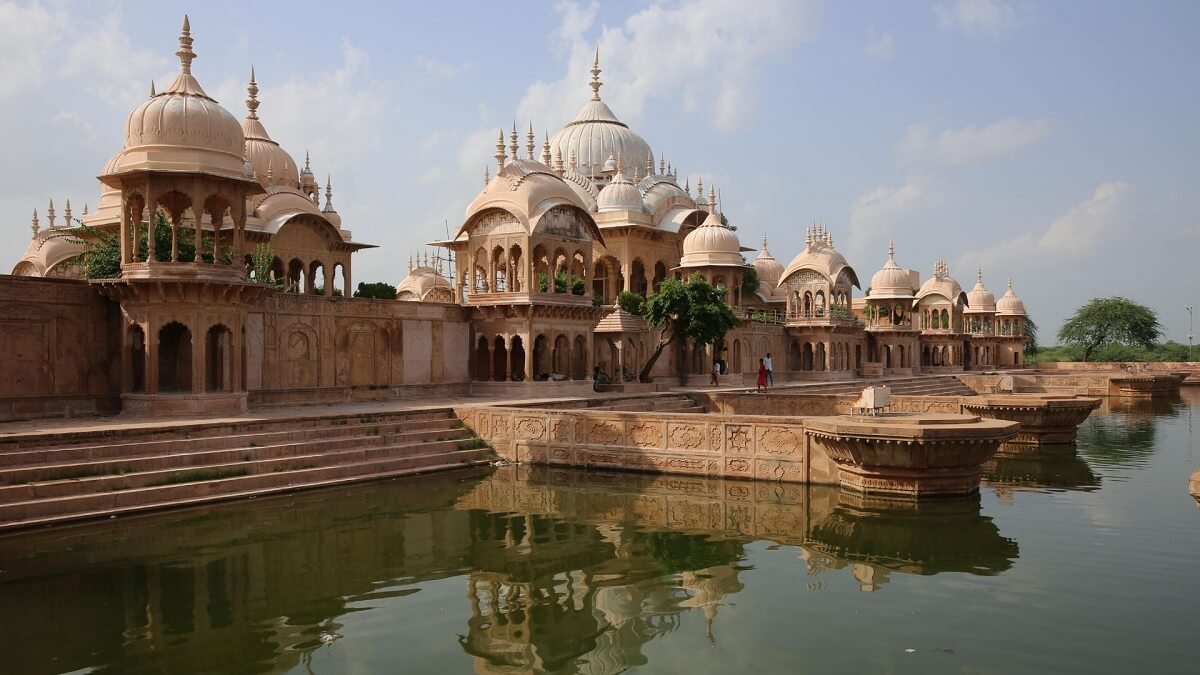
Locals often combine Vrindavan with nearby spiritual towns. These excursions are not just side-trips—they’re part of the Braj experience.
Barsana – The Village of Radha
- Highlight: The Lathmar Holi festival, where women playfully hit men with sticks.
- Why visit: Barsana’s Radha Rani Temple offers panoramic views and a sense of Radha’s central role in Vrindavan’s stories.
Govardhan – The Sacred Hill
- Experience: Walk the 21 km parikrama around Govardhan Hill, barefoot, like locals do. It’s demanding yet deeply spiritual.
- Tip: Start early morning and carry water. The path is dotted with small shrines and stalls.
Gokul – Krishna’s Childhood Home
Just across the Yamuna, Gokul is quieter, less visited, but holds stories of Krishna’s childhood mischief.
- Hidden Gem: Raman Reti sand gardens, where locals say Krishna once played with his friends.
Follow This Perfect Travel Route: 13 Days Uttar Pradesh Tour Itinerary & Highlights
Extended Itineraries for a Deeper Experience
Many travelers only give Vrindavan a day, but locals say you need at least 3–5 days to understand its rhythm.
3-Day Immersive Itinerary
- Day 1: Sunrise at Kesi Ghat, Banke Bihari Temple, Loi Bazaar shopping, evening Ras Leela.
- Day 2: Nidhivan at dawn, Radha Raman Temple, artisan workshops, evening aarti at ISKCON.
- Day 3: Excursion to Barsana and return for night aarti at Kesi Ghat.
5-Day Pilgrim & Explorer Itinerary
- Day 1: Local ghats + hidden alleys.
- Day 2: Old temples (Madan Mohan, Radha Raman).
- Day 3: Excursion to Govardhan parikrama.
- Day 4: Explore food trails + workshops + shopping.
- Day 5: Nidhivan, Chir Ghat, and farewell sunset boat ride.
Spiritual Dimension: What Locals Believe
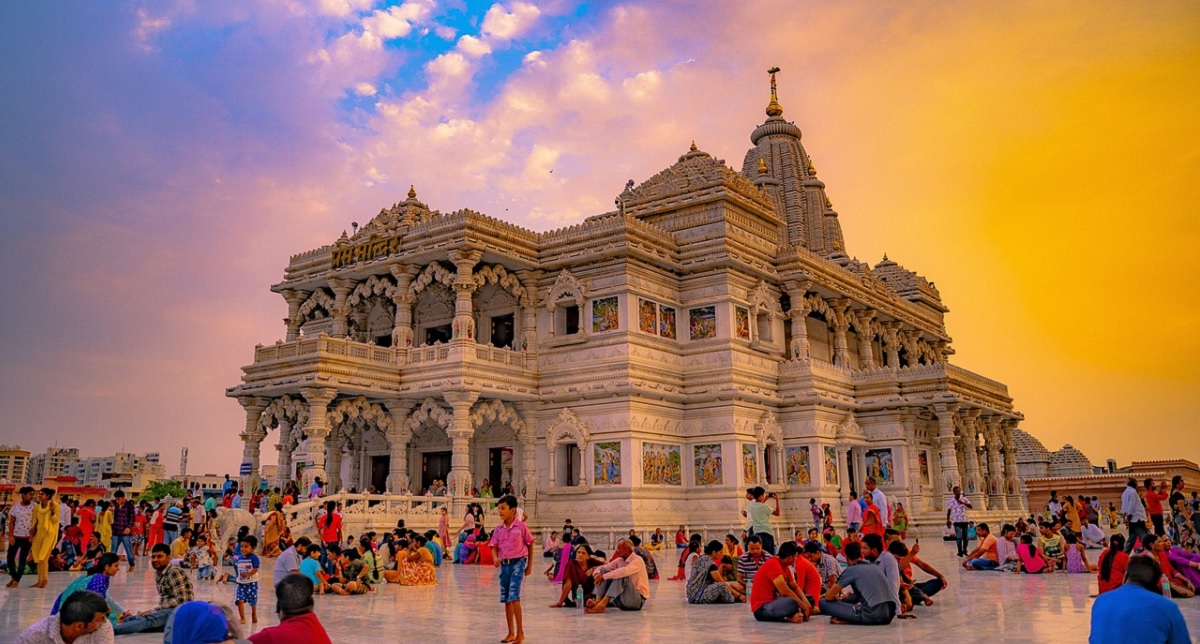
Vrindavan isn’t just a town—it’s a living energy. Locals see it as a place where Krishna’s presence is eternal.
- Daily Life: Many families structure their entire day around temple aartis.
- Songs & Music: Every street corner has someone singing bhajans. Music isn’t performance—it’s prayer.
- Belief in Miracles: From Nidhivan’s mysteries to stories of divine protection during floods, faith runs deep.
Takeaway for travelers: Approach Vrindavan with humility. Locals believe the town reveals itself to those with an open heart.
Start Exploring with This Itinerary Guide: 7 Days Uttar Pradesh Pilgrimage Tour Package
FAQs – Practical Guide
Q. How do I reach Vrindavan?
A. The nearest airport is Agra (~75 km) and Delhi (~150 km). Mathura Junction (12 km away) is the closest railway station. From Mathura, rickshaws and taxis easily connect to Vrindavan.
Q. How many days are enough?
A. For temple hopping, 1–2 days. For a deeper local experience, 3–5 days.
Q. Is Vrindavan safe for solo travelers?
A. Yes, but always dress modestly, avoid isolated lanes at night, and be cautious of monkeys snatching items.
Q. What should I wear?
A. Modest clothing covering shoulders and knees. Light cottons in summer, layers in winter.
Q. Can I take photos inside temples?
A. Not in all. Banke Bihari, for example, restricts photography. Always ask before clicking.
Q. Is food only vegetarian?
A. Yes, strictly vegetarian and often without onion/garlic. Alcohol and non-veg food are completely prohibited in Vrindavan.
Conclusion: Vrindavan, A City That Lives in You
Walking through Vrindavan as a local shows you more than temples—it shows you devotion woven into life. It’s in the woman offering flowers at dawn, the shopkeeper humming bhajans while weighing sweets, the child running barefoot with a flute in hand.
Vrindavan teaches that spirituality isn’t locked in rituals or stone walls. It’s in the air, in the people, in the Yamuna breeze.
So, when you come here, don’t just visit—live Vrindavan. Let its hidden gems open themselves to you, and you’ll carry the city long after you’ve left.
- Varanasi to Mathura Travel Guide: Best Routes & Tips
- Ayodhya to Mathura Journey: How to Reach Easily
- Spiritual Benefits of Living in Vrindavan: Top 10 Reasons
- Top 10 Places to Visit in Uttar Pradesh in June
- Barsana Travel Guide 2025: Best Tourist Attractions
- Start Your Mathura Adventure from Varanasi – Learn How to Get There!
- Discover How to Travel From Ayodhya to Mathura – Let’s Go!