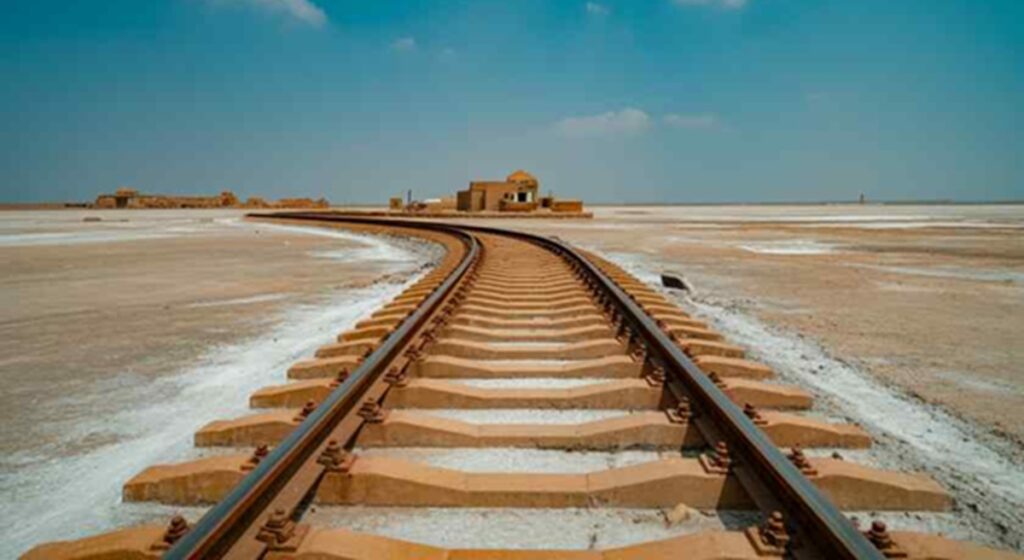
In a significant move to promote cultural tourism and regional development, the Indian government has greenlit a transformative railway project in the Kutch region of Gujarat. Valued at ₹12,328 crore, this infrastructure initiative is designed to improve accessibility to some of western India’s most culturally rich and historically significant destinations, including the Rann of Kutch, Harappan site of Dholavira, Koteshwar Temple, Narayan Sarovar, and Lakhpat Fort.
This project is more than a transportation development—it is a strategic investment aimed at enhancing heritage tourism, regional economy, and national pride. Let’s explore what this railway project means for travelers, the local community, and India’s broader tourism strategy.
Project Overview
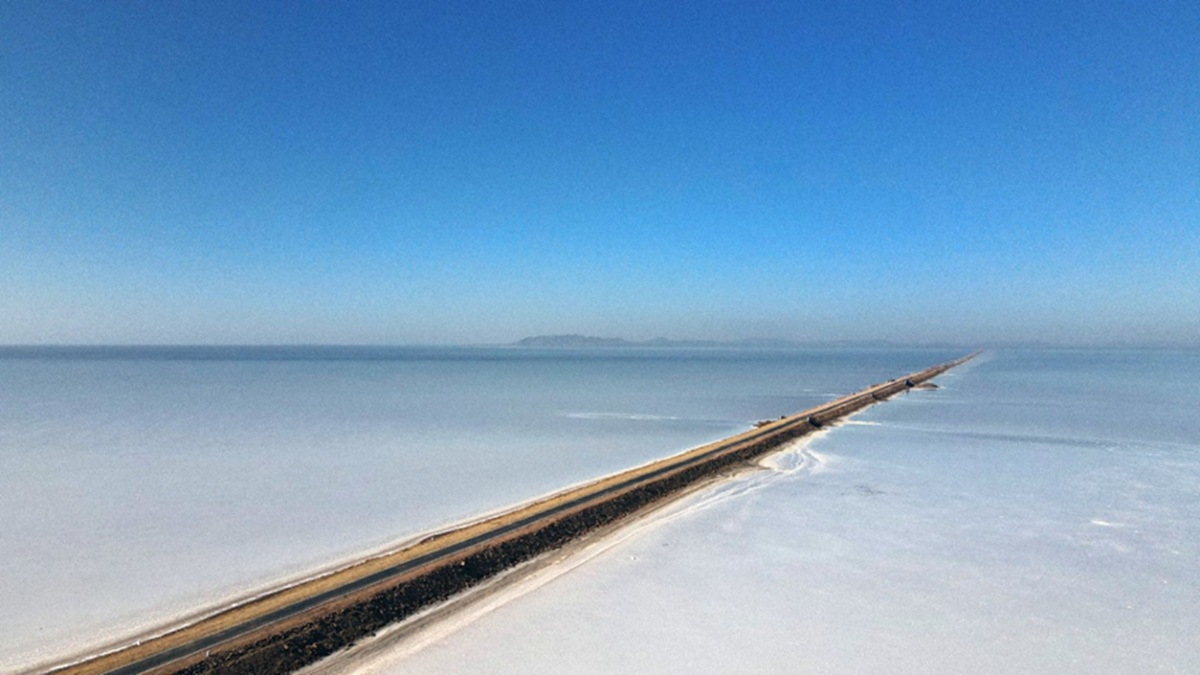
The proposed railway line will significantly enhance connectivity across the Kutch district, an arid yet culturally vibrant region known for its ancient civilizations, religious shrines, and natural wonders.
Key Highlights of the Project:
- Total Investment: ₹12,328 crore
- Project Scope: Construction of new rail routes and upgrades to existing lines
- Region Impacted: Kutch district, Gujarat
- Primary Objective: Enhance connectivity to heritage and cultural sites for both domestic and international tourists
This initiative aligns with the central government’s vision of promoting infrastructure-led tourism growth, particularly in underexplored but high-potential regions like Kutch.
Start Exploring with This Itinerary Guide: 6 Days Gujarat with Diu Holiday Package
Why Kutch? Understanding the Cultural and Historical Importance
1. Rann of Kutch
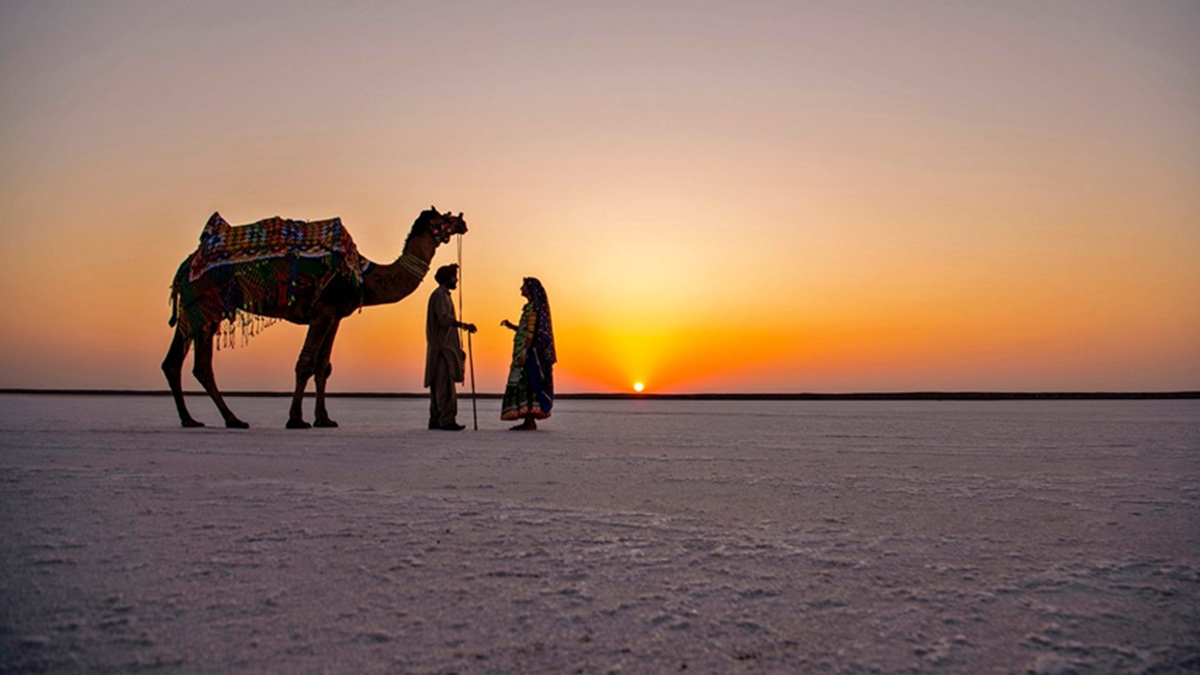
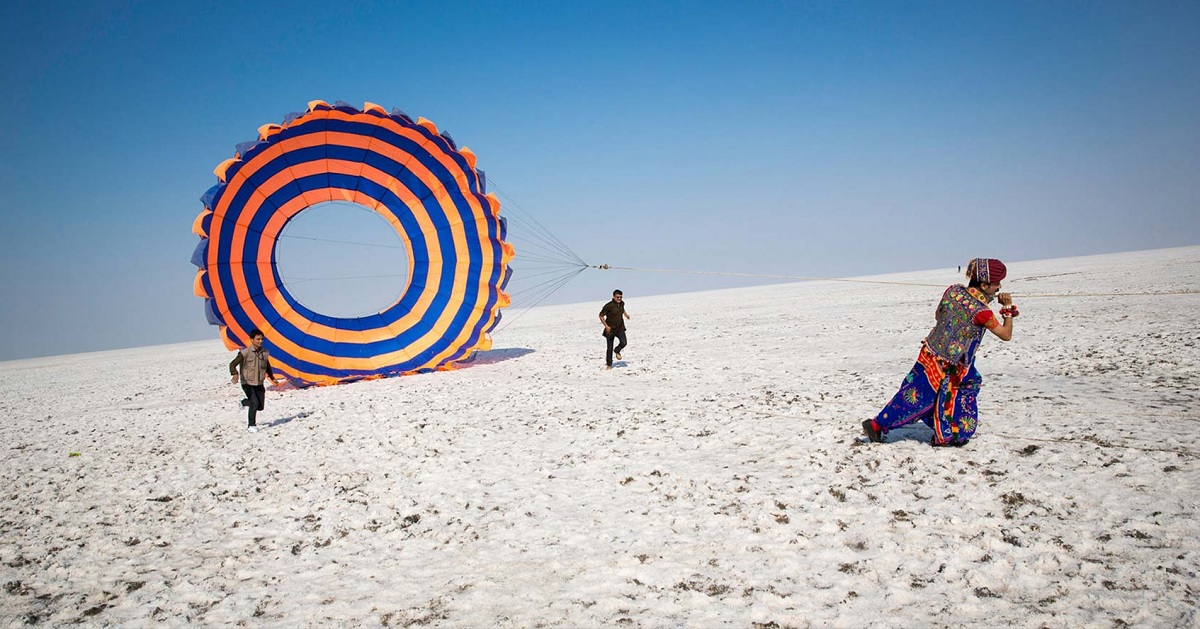
Famous for its white salt desert, the Rann of Kutch is a surreal landscape that draws thousands of tourists every year, especially during the Rann Utsav, a festival that celebrates Gujarati music, dance, art, and cuisine. However, access to the region has traditionally been limited due to poor transportation options.
2. Dholavira – The Harappan Gem
Recognized as a UNESCO World Heritage Site, Dholavira is one of the five largest cities of the ancient Indus Valley Civilization. Its unique water management system, grid-based town planning, and stone architecture offer visitors an extraordinary glimpse into one of the world’s oldest urban cultures.
3. Koteshwar Temple
Located at the westernmost tip of India near the Indo-Pak border, the Koteshwar Mahadev Temple is a revered site for Hindu pilgrims. The temple’s dramatic seaside setting also makes it a visually stunning destination.
4. Narayan Sarovar
One of the five sacred lakes in Hinduism, Narayan Sarovar holds deep spiritual significance. Situated near Koteshwar, it draws pilgrims and nature lovers alike, thanks to its proximity to the Narayan Sarovar Sanctuary, a haven for desert wildlife.
5. Lakhpat Fort
An architectural relic from the 18th century, Lakhpat Fort once served as a bustling port town. Today, it offers panoramic desert views and a peek into Gujarat’s maritime and military history.
Expected Impact on Tourism
This rail project is anticipated to revolutionize tourism in Kutch by:
A. Improving Accessibility
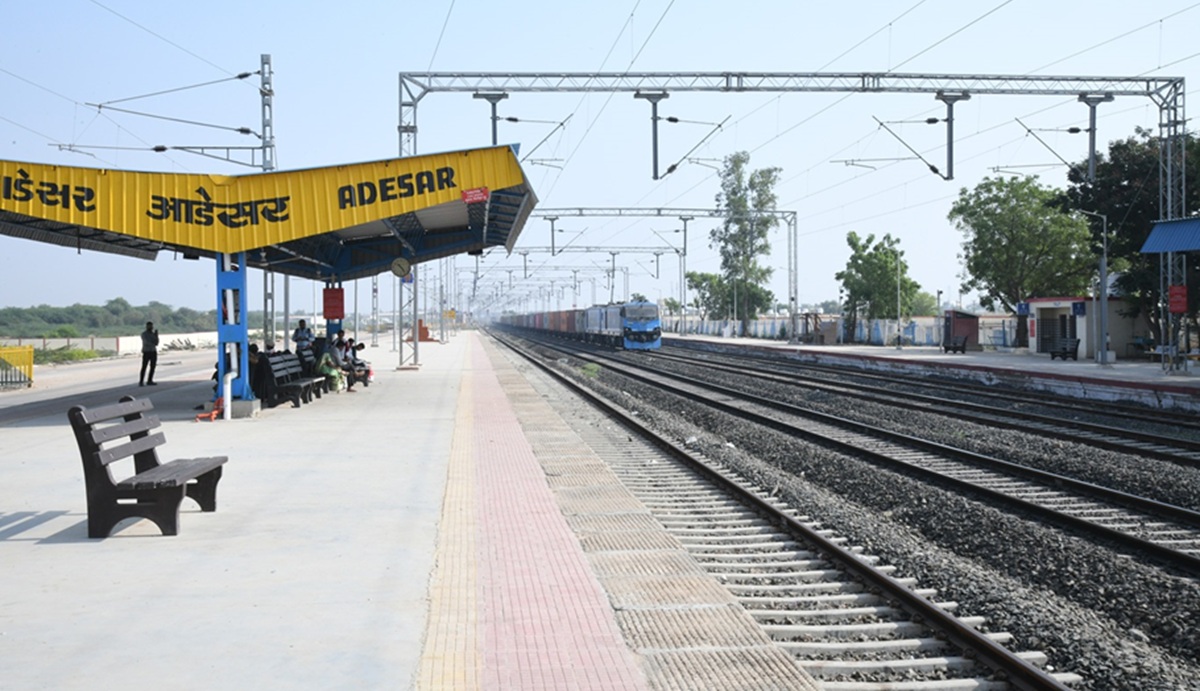
Until now, many of Kutch’s iconic sites have been reachable only via long road journeys or limited bus services. The new railway line will cut travel time, improve comfort, and allow for better travel planning, especially for families and international tourists.
B. Boosting Regional Tourism
Smaller towns and lesser-known attractions in the Kutch region stand to benefit from increased footfall. This could foster a more equitable distribution of tourist income, extending economic benefits beyond the primary hotspots.
C. Encouraging Thematic Tourism
The railway route allows the government and private tour operators to create heritage circuits that package multiple cultural sites together. This model has been successful in other regions and helps extend average tourist stays.
D. Strengthening Festival Tourism
Events like the Rann Utsav will see increased participation from tourists across India, including those who previously avoided the region due to logistical hurdles. A smoother journey translates to higher attendance, better experience, and stronger word-of-mouth promotion.
Plan Your Journey with This Itinerary: 6 Nights 7 Days Gujarat Travel Package
Economic and Social Benefits
The railway line isn’t just about tourism—it is expected to fuel the local economy, generate jobs, and empower communities.
- Employment Generation: Thousands of skilled and unskilled jobs will be created during the construction phase, followed by permanent roles in operations, maintenance, and tourism services.
- Local Handicraft Revival: Kutch is renowned for its handwoven textiles, embroidery, and pottery. Increased tourist inflow will rejuvenate demand for these crafts, encouraging artisans and preserving cultural heritage.
- Rural Development: Better connectivity can also facilitate improvements in healthcare, education, and logistics for remote villages along the railway line.
Choose the Ideal Package for Your Trip: 15 Days Complete Gujarat Tour Itinerary Package
Environmental Considerations
While infrastructure development is necessary, it must balance ecological preservation—especially in ecologically sensitive zones like the Rann and Narayan Sarovar Sanctuary.
Authorities have stated that environmental impact assessments (EIA) will be carried out, and mitigation measures will be incorporated. These may include:
- Elevated tracks in flood-prone or desert wildlife areas
- Noise control measures near sanctuaries
- Sustainable construction practices and waste management systems
Customize Your Tour Package Today: 7 Nights 8 Days Gujarat with Diu Tour Itinerary
Integration with National Tourism Policies
This project supports the Swadesh Darshan Scheme and Dekho Apna Desh initiative, which aim to promote domestic tourism and develop world-class tourism infrastructure across thematic circuits in India.
Gujarat has already been identified as a key state for heritage and eco-tourism, and this rail link will serve as a model for future tourism-focused infrastructure projects in India.
Challenges to Consider
- Timely Execution: Delays in large infrastructure projects are common. Strict adherence to deadlines will be crucial to ensure the project delivers on its promises.
- Heritage Conservation vs. Development: Care must be taken to protect ancient sites from over-tourism and structural damage.
- Community Involvement: Inclusion of local voices in planning and development will be vital to ensure sustainable and culturally respectful tourism growth.
Conclusion
The newly approved rail link to Kutch represents a visionary step forward in India’s tourism and infrastructure strategy. By connecting some of the nation’s most spiritually and historically significant locations through a modern transportation network, the project promises to transform Kutch into a major heritage tourism hub.
For travelers, this means easier access to spectacular destinations that once felt remote and challenging to reach. For locals, it offers the potential for economic upliftment and cultural preservation. And for India, it’s a stride toward inclusive, experience-rich, and sustainable tourism.
Whether you’re an adventure seeker, a history buff, a spiritual pilgrim, or simply a curious traveler, Kutch is calling—and soon, you’ll be able to answer with a train ticket in hand.
Explore These Topics:
- Top 10 Offbeat Places in Gujarat You Must Visit
- 14 Famous Temples in Gujarat with Travel Guide
- How to Reach Rann of Kutch by Air, Train & Road
- Rann Utsav Kutch 2024–2025: Dates, Highlights & Travel Tips
- 12 Best Hill Stations in India to Visit in September 2025
- Delhi to Jaipur One Day Trip by Train – Travel Guide
- 8 Days Rann of Kutch & Sasan Gir Tour Package