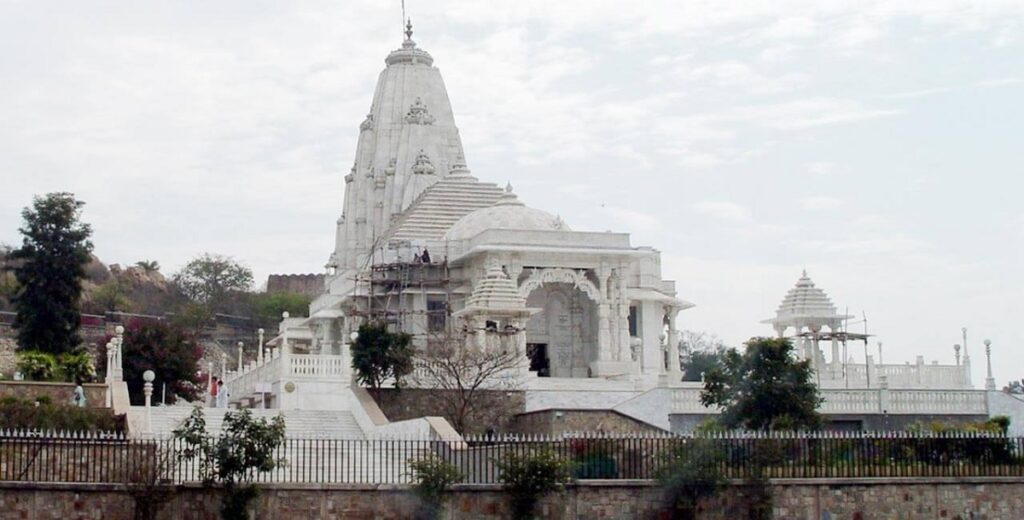
Jaipur, known as the Pink City of India, is dotted with majestic forts, royal palaces, and sacred temples. Among its iconic landmarks, Birla Mandir Jaipur stands out for its serene beauty, gleaming white marble architecture, and spiritual significance. Also called the Laxmi Narayan Temple, it is dedicated to Lord Vishnu (the preserver) and Goddess Lakshmi (goddess of wealth). Built in the 20th century by the Birla industrial family, the temple represents devotion blended with artistic grandeur.
This temple is not only a center of faith but also an architectural marvel that attracts pilgrims, historians, photographers, and tourists from across the world. Whether you want to meditate in peace, admire its marble carvings, or experience the evening aarti, Birla Mandir offers an unforgettable experience.
In this detailed guide, you will learn about the temple’s history, architecture, rituals, best visiting times, entry guidelines, and essential etiquette to make your visit meaningful.
History of Birla Mandir Jaipur

The Birla temples are a series of shrines built across India by the Birla family, one of the country’s most prominent business houses. The Jaipur temple was constructed in 1988 on land gifted by the Maharaja of Jaipur for a symbolic sum of one rupee.
Unlike centuries-old temples, this modern shrine blends tradition with contemporary design. The temple was envisioned as a place open to all, regardless of caste or creed, and as a monument symbolizing unity and devotion.
The Birlas chose white Makrana marble, the same stone used for the Taj Mahal, giving the temple its luminous appearance. Over the decades, Birla Mandir has become one of Jaipur’s must-see attractions.
Read: Here we explore Famous Temples in Rajasthan You Must Visit
Architecture: A Marble Marvel
The most striking feature of Birla Mandir is its gleaming white marble structure. Designed in a modern architectural style with influences from traditional Hindu temple design, it exudes purity and elegance.
Key Highlights of the Architecture
- Marble Domes: The temple has three domes, each symbolizing different religious approaches and beliefs, showcasing inclusivity.
- Intricate Carvings: The outer walls depict mythological scenes from the Ramayana, Mahabharata, and Puranas, while the inner walls feature inspiring quotes from saints, philosophers, and historical figures.
- Glass Windows: Beautiful stained-glass windows illustrate Hindu deities and stories.
- Idols: The main sanctum houses idols of Lord Vishnu and Goddess Lakshmi, sculpted in marble and adorned with traditional attire.
- Surrounding Gardens: Lush green lawns around the temple provide a calm atmosphere and perfect photography spots.
The temple glows beautifully under sunlight during the day and looks enchanting when lit up at night.
Read Also: Must explore Top 5 Temples in Jaipur for a Spiritual Visit
Religious Significance
Birla Mandir is not only admired for its architecture but also holds deep spiritual value. Lord Vishnu and Goddess Lakshmi symbolize preservation and prosperity. Devotees believe that offering prayers here blesses them with wealth, peace, and harmony in family life.
The temple is also significant as it welcomes people of all religions. Quotes of great figures like Buddha, Socrates, Christ, and Confucius engraved on the walls highlight the temple’s universal outlook.
Check out the Jaipur itinerary: 2 Nights 3 Days Jaipur Tour Package
Rituals and Spiritual Practices
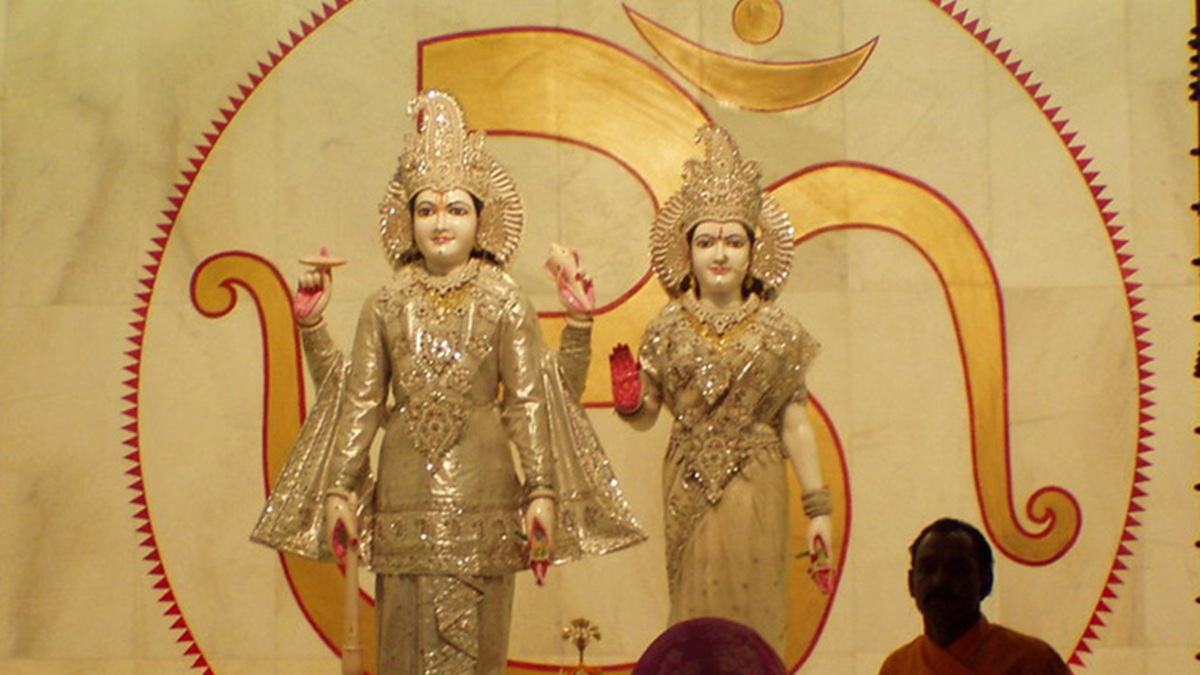
Birla Mandir follows daily Hindu rituals with simplicity and devotion.
- Morning Aarti: Begins around sunrise, when priests perform offerings with lamps, flowers, and chants.
- Evening Aarti: A special highlight, with devotional songs and glowing diyas filling the temple with divine energy.
- Festivals: Major Hindu festivals like Janmashtami, Diwali, and Makar Sankranti are celebrated with grandeur. Thousands of devotees gather, making the temple vibrant with lights and decorations.
- Prasadam: After rituals, devotees receive sanctified food as blessings.
Read Also: Attractions Near Khatu Shyam Ji Temple – Travel Guide
Best Time to Visit Birla Mandir Jaipur

Jaipur’s climate plays a big role in planning your visit.
- Winter (October to March): The best season, with pleasant weather ideal for exploring.
- Monsoon (July to September): The temple surroundings look fresh, but humidity can be high.
- Summer (April to June): Days are extremely hot; evening visits are preferable.
Best Time of Day
- Early Morning: For a peaceful darshan and to witness morning rituals.
- Evening: The temple glows under lights, and the evening aarti is a mesmerizing experience.
Read This Itinerary: Jaipur Bikaner Tour 3 Nights 4 Days
Visiting Hours and Entry Information
- Opening Hours: 6:00 a.m. – 12:00 p.m. and 3:00 p.m. – 9:00 p.m. (timings may vary on festival days).
- Entry Fee: Free for all visitors.
- Photography: Allowed in temple premises, but not inside the sanctum.
- Facilities: Shoe stands, drinking water, and a small shop selling devotional items are available.
Read: Rajasthani Culture – Traditions, Heritage & Lifestyle
Temple Etiquette: Dos and Don’ts
Respecting temple rules ensures a smooth and spiritual experience.
Dos
- Wear modest clothing covering shoulders and knees.
- Remove footwear before entering.
- Maintain silence inside the temple.
- Join aarti respectfully if present.
- Use designated areas for photography.
Don’ts
- Avoid carrying leather items inside.
- Do not litter in the premises.
- Avoid loud conversations and mobile phone usage inside.
- Do not touch idols or enter restricted areas.
Read Also: Family-Friendly Resorts in Rajasthan with Kids Activities
Attractions Near Birla Mandir Jaipur
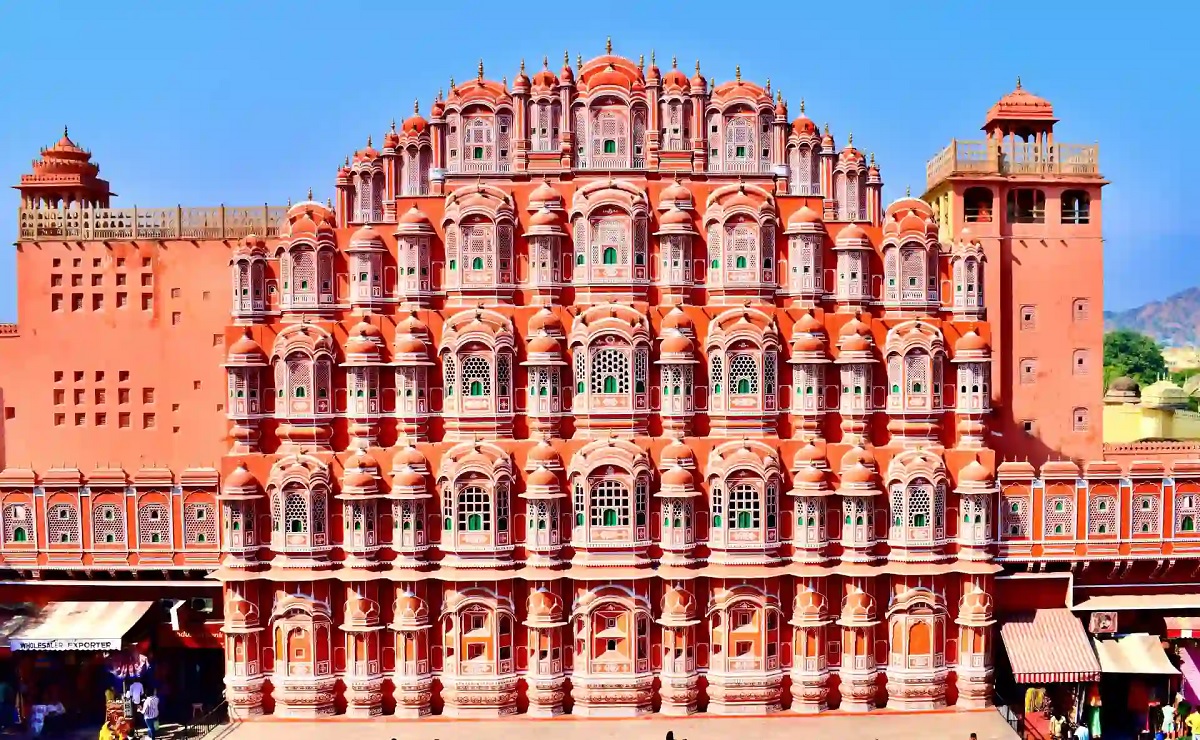
Combine your visit with nearby attractions:
- Moti Dungri Fort: A historic fort adjacent to the temple, once home to Jaipur’s royals.
- Ganesh Temple (Moti Dungri Ganesh Mandir): Popular shrine dedicated to Lord Ganesha, located nearby.
- Albert Hall Museum: Showcasing Rajasthan’s art, history, and culture.
- Hawa Mahal: The iconic “Palace of Winds,” about 5 km away.
- City Palace and Jantar Mantar: Architectural gems at the heart of Jaipur.
Explore Also: Rajasthan in September – Best Things to Do & Events
Festivals Celebrated at Birla Mandir
- Janmashtami: The biggest celebration, when the temple is decorated with flowers, lights, and special rituals.
- Diwali: The temple glows with thousands of diyas, creating a breathtaking sight.
- Makar Sankranti: Devotees gather in large numbers for prayers.
- Holi: Celebrated with cultural programs and bhajans.
These festivals showcase the temple’s lively spirit and devotion.
Plan for visit: Rajasthan in August – Monsoon Destinations & Travel Tips
How to Reach Birla Mandir Jaipur
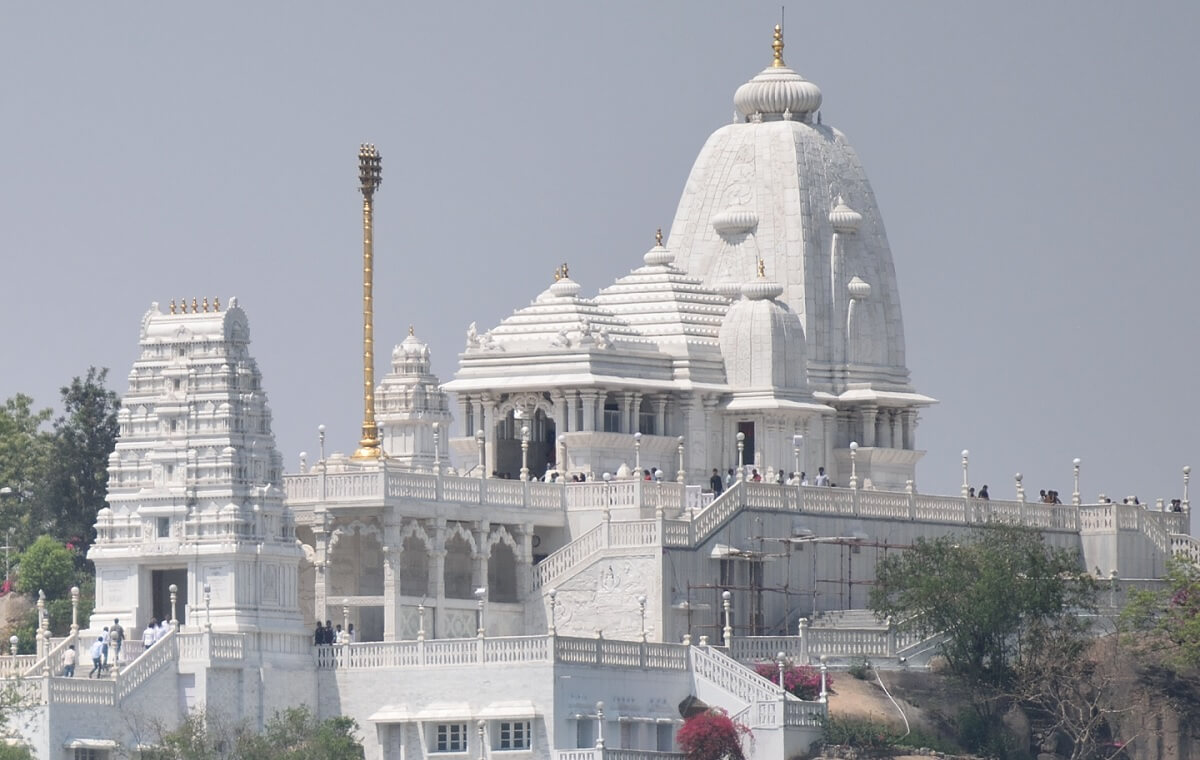
- By Air: Jaipur International Airport (12 km away) is the nearest airport.
- By Train: Jaipur Railway Station (5 km) connects the city to major Indian cities.
- By Road: Jaipur is well-connected by highways; buses, taxis, and autos are available.
- Local Transport: Auto-rickshaws, cabs, and cycle rickshaws can take you directly to the temple.
Read Also: Neemrana Fort Palace Rajasthan – History, Stay & Travel Guide
Travel Tips for Visitors
- Plan your visit in the morning or evening for the best experience.
- Carry water, especially in summer months.
- Respect local customs and avoid overfeeding animals.
- For festival visits, arrive early as the temple gets crowded.
- Stay nearby if you want to enjoy evening aarti without rush.
Check out: Jaipur Ajmer Pushkar Tour 4 Days
Conclusion
Birla Mandir Jaipur is more than a temple—it is an experience of peace, devotion, and architectural brilliance. Its white marble beauty, spiritual atmosphere, and welcoming nature make it one of Jaipur’s most cherished landmarks. Whether you are a devotee seeking blessings, a tourist exploring the Pink City, or a photographer chasing perfect frames, this temple offers something unique for everyone.
A visit here not only connects you with faith but also leaves you with an appreciation for India’s cultural richness and harmony.
FAQs
Q. What is the history behind Birla Mandir Jaipur?
Birla Mandir Jaipur, also known as Laxmi Narayan Temple, was built in 1988 by the Birla family, one of India’s leading industrial houses. The land for the temple was donated by the Maharaja of Jaipur for a symbolic sum of one rupee. Constructed entirely of white Makrana marble, the temple was designed to be open to all faiths and castes. Its aim is to spread a message of spiritual harmony while honoring Lord Vishnu and Goddess Lakshmi.
Q. Why is Birla Mandir Jaipur famous?
Birla Mandir Jaipur is famous for its dazzling white marble architecture, intricate carvings of mythological stories, and the peaceful atmosphere it provides in the middle of the bustling Pink City. Its three domes symbolize different religions, emphasizing inclusivity. The evening aarti is a major attraction, when the temple glows with diyas and chants, creating a serene spiritual experience. Tourists also love the temple gardens and the illuminated beauty of the structure at night.
Q. What are the visiting hours of Birla Mandir Jaipur?
The temple is open every day of the week. Timings are from 6:00 a.m. to 12:00 p.m. in the morning and 3:00 p.m. to 9:00 p.m. in the evening. Morning hours are ideal for a peaceful darshan, while evenings are popular for witnessing the beautifully lit temple and the evening aarti. Timings may extend slightly during major festivals when thousands of devotees gather to participate in special rituals.
Q. Is there an entry fee to visit Birla Mandir Jaipur?
No, entry to Birla Mandir Jaipur is completely free for all visitors. The temple was built with the intention of being accessible to everyone, regardless of background. You can explore the temple complex, gardens, and admire the marble architecture without paying any fee. Small donations are voluntary and used for temple maintenance and charitable activities.
Q. What is the best time to visit Birla Mandir Jaipur?
The best time of year to visit is between October and March, when Jaipur enjoys pleasant weather. Summers can be extremely hot, so mornings and evenings are preferable in those months. The best time of day is early morning for peaceful darshan or evening during the aarti, when the temple looks enchanting with lights and devotional music. Festivals like Janmashtami and Diwali are especially beautiful times to visit, but be prepared for large crowds.
Q. What should visitors wear at Birla Mandir Jaipur?
Visitors should wear modest and respectful clothing when entering Birla Mandir. Outfits covering shoulders and knees are recommended for both men and women. Avoid short skirts, shorts, or sleeveless tops. Comfortable footwear is advisable, as shoes must be removed before entering the temple premises. Light cotton clothing works well during summer, while a shawl or light jacket may be useful in winter evenings.
Q. What are the nearby attractions to Birla Mandir Jaipur?
Several important attractions are located near Birla Mandir. The Moti Dungri Fort, which overlooks the temple, is a historic landmark. The famous Moti Dungri Ganesh Temple is also nearby, attracting large numbers of devotees. Within 4–5 km you can explore the Albert Hall Museum, Hawa Mahal, Jantar Mantar, and the City Palace. These nearby sites make it easy to combine your temple visit with a cultural sightseeing tour of Jaipur.
Q. How do you reach Birla Mandir Jaipur?
Birla Mandir is located on Jawahar Lal Nehru Marg, about 5 km from Jaipur Railway Station and 12 km from Jaipur International Airport. You can easily reach the temple by taxi, auto-rickshaw, or app-based cab services like Ola and Uber. City buses also run on this route. If you are visiting other attractions in the city center, the temple can be conveniently added to your itinerary as it is close to major landmarks like Moti Dungri and Albert Hall Museum.
Continue Your Journey Here:
- Elephant Festival Jaipur 2025 – Events & Highlights
- How to Reach Ranthambore from Jaipur
- Holi Festival 2025 in Jaipur – Colors & Traditions
- Famous Temples to Visit in Jaipur
- Bapu Bazaar Jaipur – Best Shopping Guide
- Things to Do in Jaipur with Kids & Family
- Jaipur Monuments – Entry Fees & Travel Info
- Rajasthani Cooking Classes in Jaipur
- Jaipur Literature Festival 2025 – Dates & Venue
- Ranthambore Safari Tickets & Booking Guide
- Ranthambore Fort – History & Visitor Guide
- Jhalana Leopard Safari – Timings & Entry Fee
- Albert Hall Museum Jaipur – Visitor Guide
- Abhaneri Stepwell – History & Travel Guide
- Rajasthan Travel Guide & Festival Celebrations
- Chand Baori Stepwell – Visitor Guide
- Chokhi Dhani Jaipur – Attractions & Activities
- Patrika Gate Jaipur: Ultimate Instagram Guide
- Birla Mandir Jaipur Guide – History, Best Time & Travel Tips
- Govind Devji Temple Jaipur – Timings, Rituals & Visitor Guide
- Ready for a Fort Getaway? Take the Delhi to Neemrana Tour!
- Ready for a Day-Getaway? Go from Delhi to Jaipur by Train Now!