India is full of amazing places that tell stories of kings, gods, and ancient builders. While many travelers know about Hampi, there are nearby places that are just as incredible—but less crowded. The Chalukyan sites of Badami, Aihole, and Pattadakal are perfect examples. These places were once the heart of a great kingdom and are filled with rock-cut cave temples, stone sculptures, and old stories. This blog is your friendly and simple guide to these hidden gems of Karnataka. Get ready to discover secrets carved in stone!
1. The Chalukyan Dynasty: Builders of a Golden Age
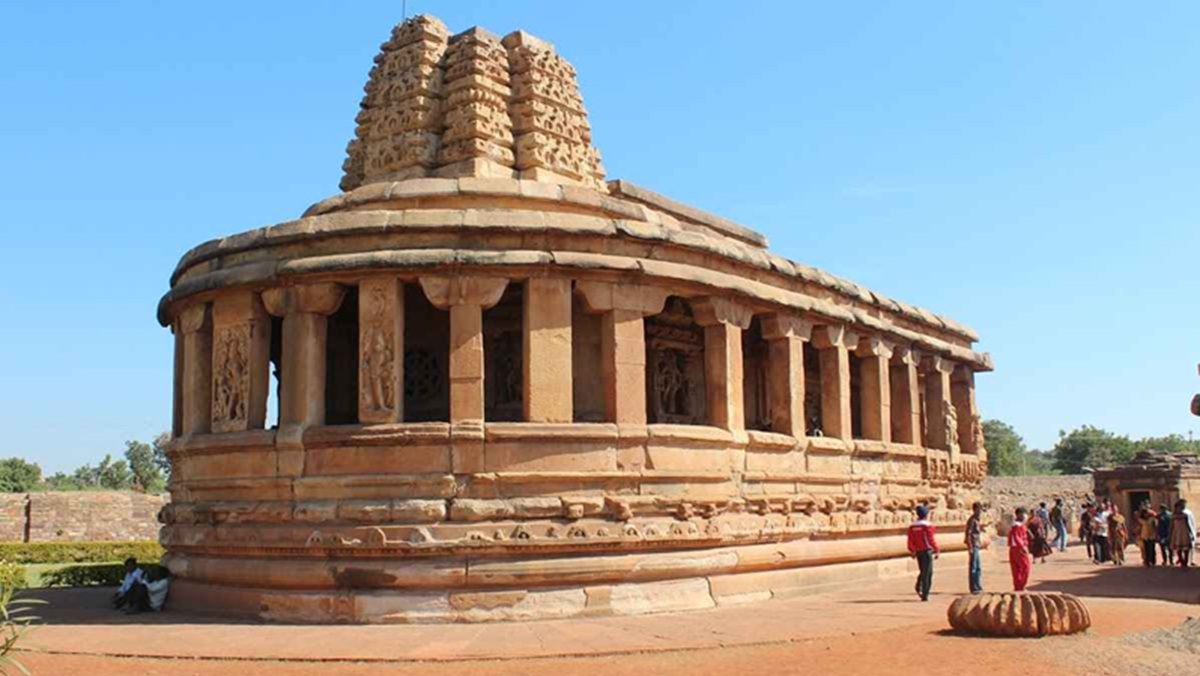
The Chalukyan dynasty ruled parts of South India from the 6th to the 12th century. They were known for their love of art, culture, and architecture. Under their rule, many beautiful temples and rock-cut caves were built.
Unlike some kings who focused only on war, the Chalukyas encouraged learning and creativity. Their temples are not just places of worship—they are also like history books in stone. The carvings show scenes from Hindu epics like the Ramayana and Mahabharata. You’ll also see images of gods, dancers, animals, and daily life.
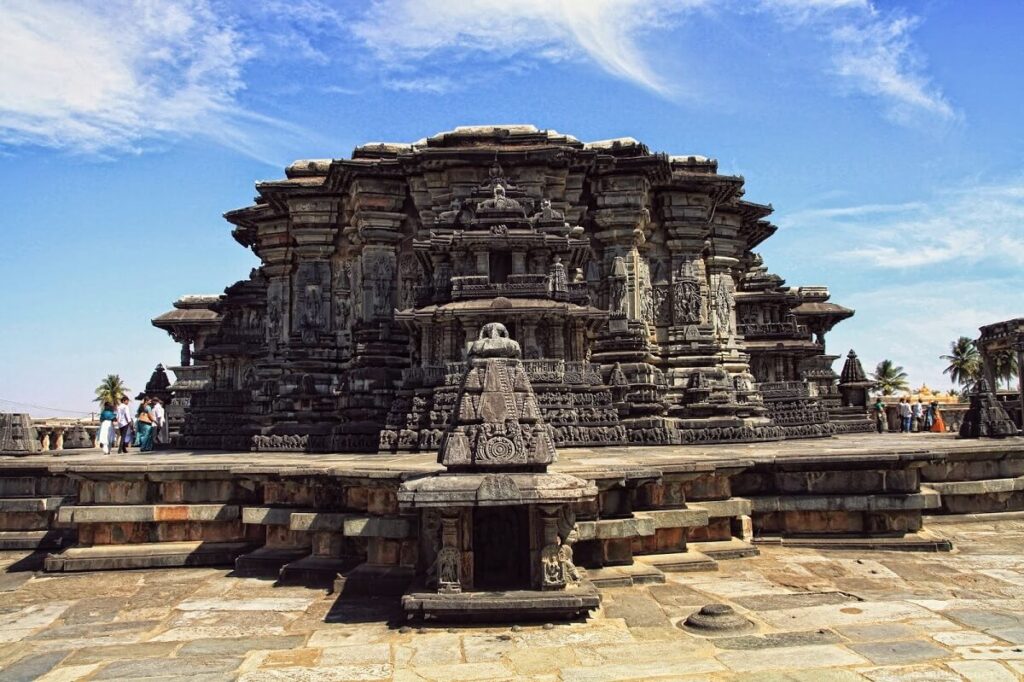
Most of these temples are made from sandstone, a soft rock that allowed artists to carve detailed images. The Chalukyan builders experimented with different styles. You’ll see both North Indian (Nagara) and South Indian (Dravida) temple features, and sometimes a mix of both. How to Reach Hampi: Road, Rail & Air Travel Guide
These temples are spread across Badami, Aihole, and Pattadakal. Visiting them is like going on a time-travel adventure.
2. Badami: The Cliffside Caves of Gods and Myths
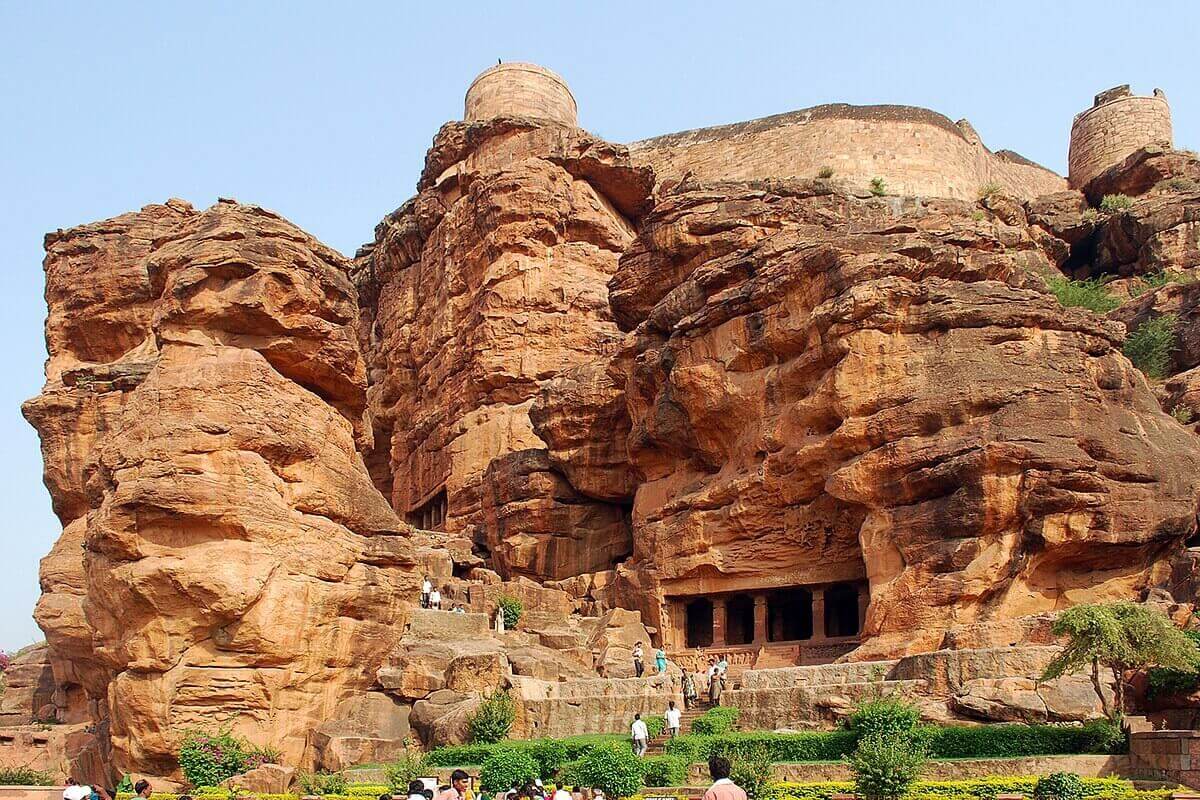
Badami was once the capital of the Chalukya kings. It is surrounded by red sandstone cliffs and a calm lake called Agastya Lake. The most famous attractions here are the rock-cut cave temples.
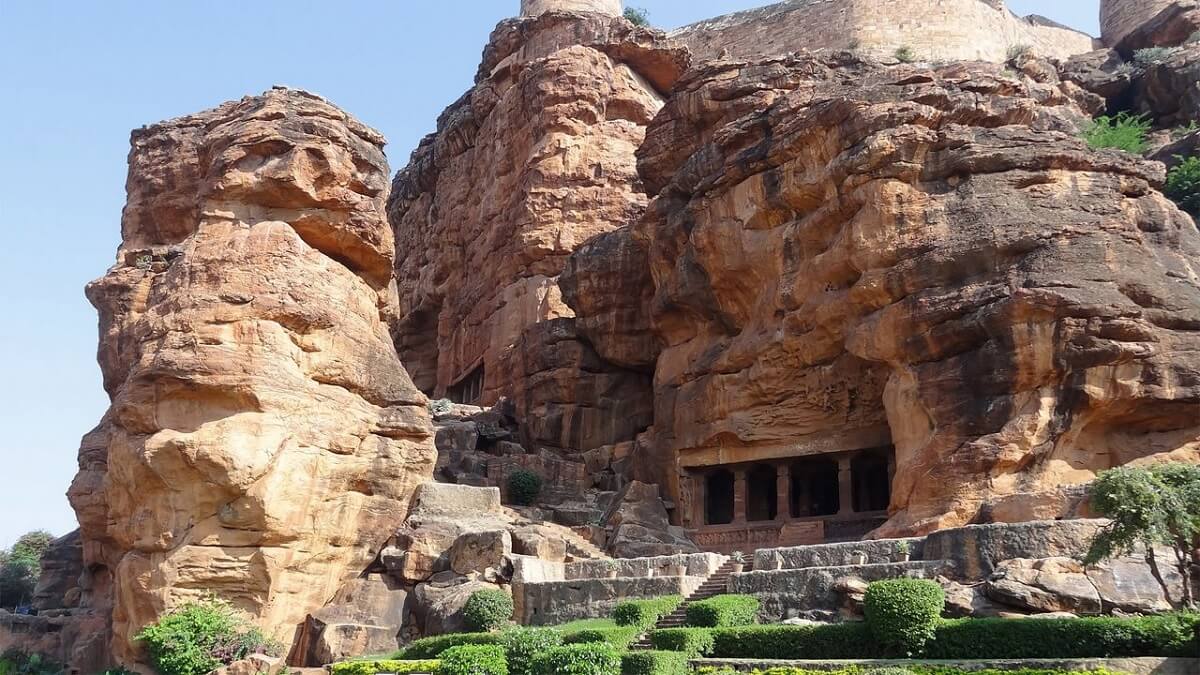
There are four main caves at Badami, carved into the side of a cliff. Each cave has its own beauty and story:
- Cave 1 is dedicated to Lord Shiva. You’ll see a large carving of Nataraja, the dancing form of Shiva, with 18 arms!
- Cave 2 and Cave 3 are devoted to Vishnu. In Cave 3, there’s a massive statue of Vishnu as Trivikrama, taking a giant step across the universe.
- Cave 4 is a Jain cave. It has carvings of Jain Tirthankaras like Mahavira.
The caves are cool inside, and the carvings are full of tiny details. If you look closely, you’ll see jewelry, hairstyles, and even emotions carved into stone.
Climb to the top of the cliff for a stunning view of the town and lake. Sunrise and sunset make the red rocks glow beautifully. 20 Stunning Heritage Towns in India to Explore
Badami is a peaceful town. You can walk around easily and talk to locals who are proud of their history.
3. Aihole: The Cradle of Indian Temple Architecture
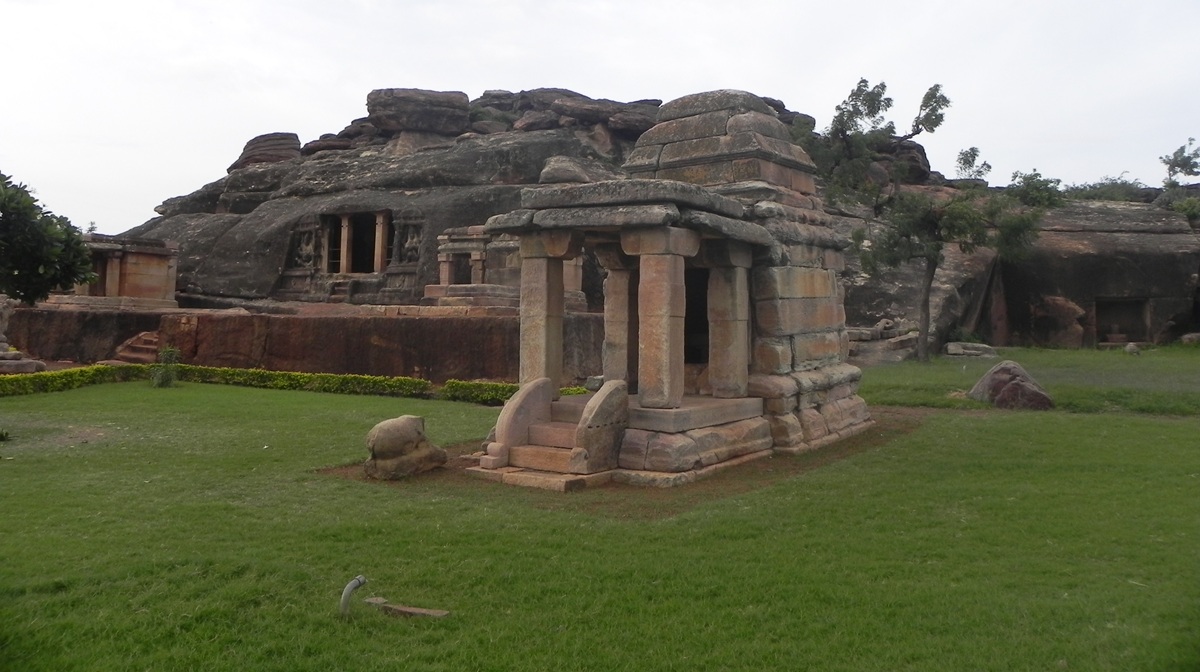
Aihole is often called the “school of Indian temple architecture.” It has over 120 temples, many of them built during the early Chalukyan period.
Here, artists tested different ways of building temples. You’ll find square shrines, round shrines, stepped roofs, and curved walls. It’s like an open-air museum of temple design.
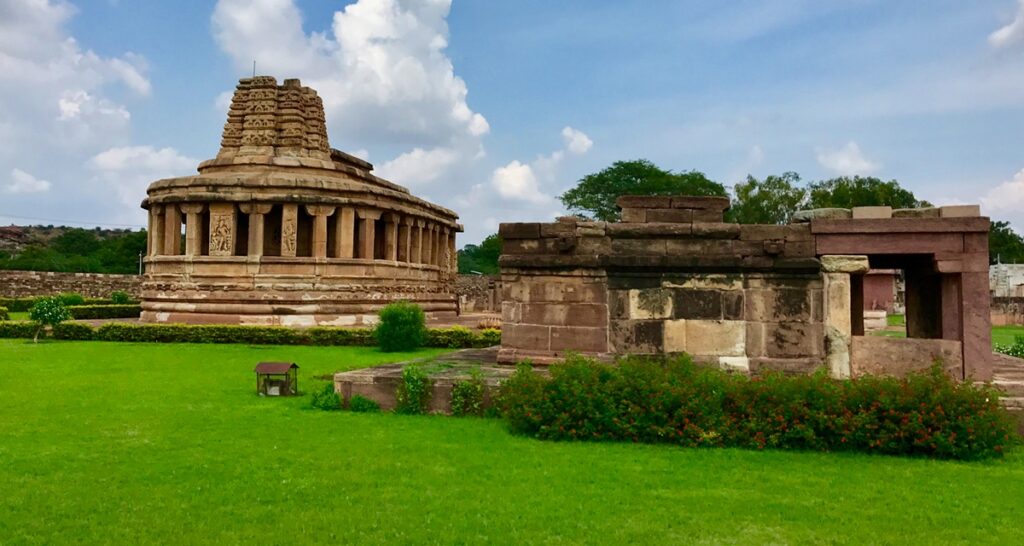
The most famous temple in Aihole is the Durga Temple. It has a curved shape like a horseshoe and beautiful columns. Don’t be confused—it’s not dedicated to Goddess Durga. The name comes from “Durg,” meaning fort, because the temple was once near a fort wall.
Other must-see temples include:
- Lad Khan Temple: One of the oldest in Aihole, it looks more like a house than a temple.
- Hucchimalli Temple: It has a unique tower that shows early signs of later Dravidian styles.
As you walk through the town, you’ll find temples in the middle of fields, near houses, and even next to schools. It feels like the past and present live together here.
Aihole is also a great place to learn about temple planning. Each temple shows how builders used geometry, art, and faith to create something special. Hidden Gems of South India You Must Visit
4. Pattadakal: A Crown Jewel of Chalukyan Art
Pattadakal is a UNESCO World Heritage Site. It was once a royal place for coronation ceremonies. Kings came here to be crowned and to build temples that showed their power and devotion.
What makes Pattadakal special is its mix of North and South Indian temple styles. You can see both types side by side, and sometimes even in the same temple! Cultural Sites to Explore in India This August
Important temples to explore:
- Virupaksha Temple: Built by Queen Lokamahadevi to celebrate her husband’s victory in battle. It has beautiful carvings from the Ramayana.
- Mallikarjuna Temple: Built by another queen! It’s a bit smaller but just as detailed.
- Papanatha Temple: This temple blends both Dravidian and Nagara styles in a single building.
As you walk around Pattadakal, you’ll notice scenes of daily life carved into the stones—people playing music, dancing, cooking, and celebrating.
The temples are set in a peaceful garden area. It’s a quiet place where you can sit, relax, and imagine what life was like 1,300 years ago. Lepakshi Temple Guide: History, Highlights & Tips
5. Why These Sites Matter Today
Badami, Aihole, and Pattadakal are more than just old stones. They tell the story of a time when art and faith went hand in hand. The Chalukyan kings didn’t just build to show off—they built to teach, to celebrate life, and to honor the gods.
These sites also show how India’s different cultural styles came together. You’ll see Hindu, Jain, and even Buddhist influences. You’ll also notice how temple art is connected to storytelling, music, and dance.
Today, these places are helping local communities through tourism. When you visit, you support local guides, artists, and small businesses.
They are perfect for travelers who enjoy history, art, and calm surroundings. And since they are not as crowded as major tourist spots, you get more time and space to enjoy and reflect. Explore 42 UNESCO Heritage Sites in India: State-by-State
6. Planning Your Visit: Tips for Young Travelers
If you’re thinking about exploring these sites, here are some simple tips:
- Best time to visit: October to February. The weather is cooler and great for walking.
- How to get there: The nearest big town is Bagalkot. You can take a train or bus from major cities like Bengaluru or Hyderabad.
- What to bring: Comfortable shoes, a hat, water bottle, and maybe a sketchbook or camera!
- Where to stay: Small guesthouses and eco-stays are available in Badami and nearby towns.
Try to hire a local guide. They can tell you stories you won’t find in books. And don’t forget to try local food like jowar roti and spicy curries. Top 12 Places to Visit in Karnataka in September
Most importantly, be respectful. These are sacred places for many. Don’t touch the carvings or climb on the temples.
7. Conclusion: A Journey Through Time
The rock-cut caves of Badami, the experimental temples of Aihole, and the royal stones of Pattadakal are like pages from an ancient storybook. Each carving, each pillar, and each stone has something to say.
They may not be as famous as Hampi, but they are just as magical. Visiting these sites helps us connect with India’s rich past—and reminds us that art and history live on in every corner of the country.
So, pack your curiosity and sense of wonder. The secrets of the Chalukyan dynasty are waiting to be discovered.
And now you know where to begin: Chalukyan dynasty architecture—a guide to the rock-cut cave temples of Badami and beyond!
You Might Also Like:
-
- Bhaja Caves Travel Guide: History, Timings & Tips
- Ellora Caves Guide: Entry Fees, Timings & Travel Info
- Ajanta Caves Guide: Entry Charges, Hours & Visitor Tips
- How to Reach Ajanta Caves from Mumbai: Best Routes & Tips
- Borra Caves Araku: Timings, History & Travel Guide
- Elephanta Caves Travel Guide: Best Time & How to Visit
- Ajanta & Ellora Caves Guide: Must-See Highlights
- Top Places Near Rishikesh: A Local’s Travel Guide
- August in Maharashtra: Where to Go & What to Do
- Top Festivals in Maharashtra in August: Travel Tips Inside