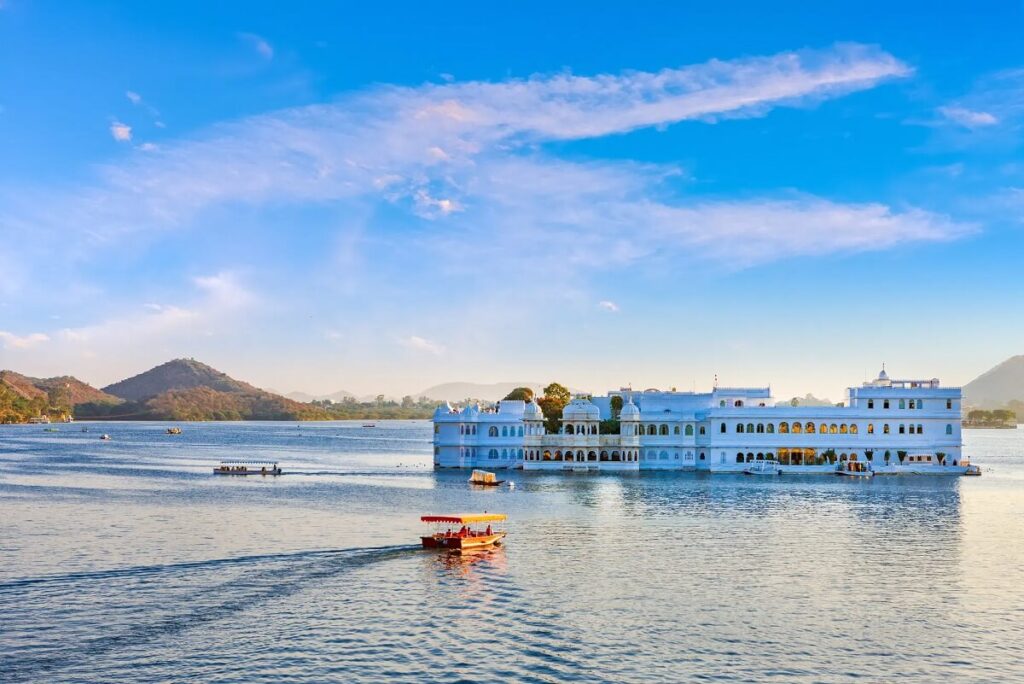
Pushkar, a sacred town nestled in the Aravalli hills of Rajasthan, is best known for its holy lake, vibrant ghats, and its rare Brahma Temple—one of the very few temples in the world dedicated to Lord Brahma, the creator in the Hindu trinity. A visit to Pushkar feels like a journey into mythology, devotion, and timeless spirituality. And right at the heart of this sacred atmosphere stands the iconic Brahma Temple.
If you’re planning a spiritual retreat, a cultural escape, or a photography tour, the Brahma Temple should be high on your Pushkar itinerary. This detailed guide answers all your questions—from what makes the temple so special to when and how to visit.
Why is the Brahma Temple in Pushkar Famous?
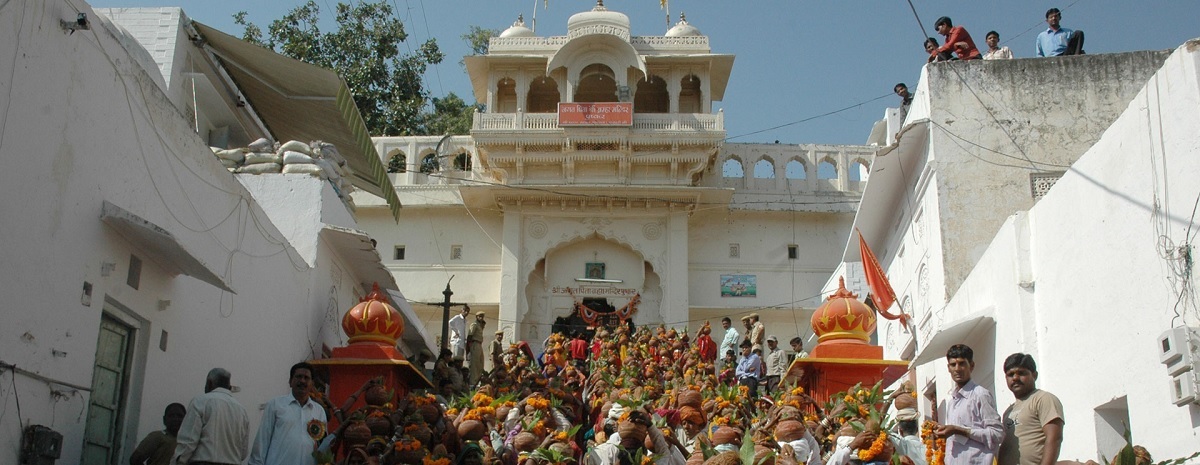
The Brahma Temple in Pushkar is famous for being one of the very few temples in the world dedicated solely to Lord Brahma, the Hindu god of creation. According to legend, Lord Brahma chose Pushkar to perform a yajna (sacred fire ritual), and when his consort Saraswati couldn’t be present, he married another goddess, Gayatri, to complete the ritual. Enraged by this act, Saraswati cursed Brahma so that he would not be widely worshipped on Earth—except in Pushkar.
The temple’s sanctity is heightened by its location next to the Pushkar Lake, believed to have been formed from a lotus dropped by Brahma himself. Devotees believe that visiting the Brahma Temple and bathing in the lake can wash away sins and complete the cycle of pilgrimage.
Its architectural beauty, mythological legacy, and spiritual energy make it a must-visit for seekers, travelers, and culture lovers alike. 11-Day Rajasthan Tour Plan – Culture, Forts & Desert Fun
History: The Brahma Temple Through the Ages
The origins of the Brahma Temple date back more than 2,000 years, though the current structure is believed to have been built in the 14th century. It has undergone multiple restorations, especially under the patronage of the Maharajas of Ratlam. Despite its significance in Hindu mythology, it remains one of the very few temples dedicated to Lord Brahma in the world, due in part to the legend surrounding Saraswati’s curse.
The temple has served as a spiritual anchor for Pushkar’s growth and identity. During the Mughal period, many temples were destroyed, yet the Brahma Temple endured. Over the centuries, saints, poets, and pilgrims have visited the site, writing hymns and verses in its praise. Today, it continues to attract not only devotees but also history lovers and architectural enthusiasts. 4-Day Jaipur Tour with Ajmer & Pushkar – Best Itinerary
What is the History and Architecture of the Brahma Temple?
Originally built in the 14th century, the current structure of the Brahma Temple is believed to have been restored and maintained by Maharaja Jawat Raj of Ratlam. The temple is constructed using marble and sandstone and features a distinctive red shikhara (spire) and a hamsa (swan) symbol—Brahma’s divine vehicle—at the entrance.
Inside the sanctum lies a four-faced idol of Lord Brahma seated on a lotus, symbolizing creation and the four Vedas. The interiors are adorned with silver coins and marble flooring, while the temple walls are etched with images of Brahma and his consort Gayatri.
Pilgrims from across India and abroad visit this temple during Kartik Purnima, when Pushkar hosts its famous camel fair and spiritual rituals. 12-Day Rajasthan Tour Package – Explore the Royal State
Where is the Brahma Temple Located?
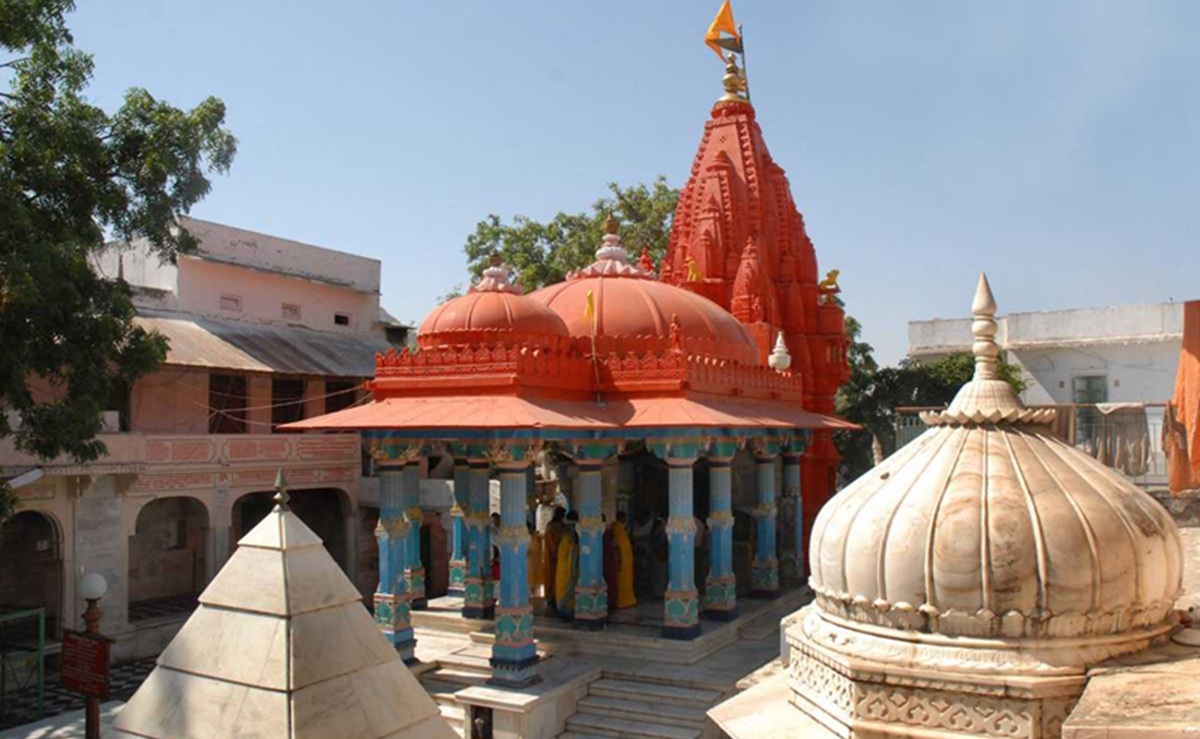
The Brahma Temple is located in the heart of Pushkar, just a few minutes’ walk from Pushkar Lake and the main market area. The nearest city is Ajmer, which is about 15 km away. Pushkar is well-connected by road and is accessible via:
- By Train: Ajmer is the nearest railway station.
- By Air: Kishangarh Airport (40 km) or Jaipur Airport (150 km).
- By Road: Buses and taxis run regularly from Ajmer, Jaipur, and other nearby towns.
The temple sits on a slight elevation, and visitors must climb a few steps to reach the main courtyard. Ajmer & Pushkar One Day Itinerary – Top Attractions & Travel Tips
What are the Brahma Temple Timings?
- Morning Opening Hours: 5:30 AM to 1:30 PM
- Evening Opening Hours: 3:00 PM to 9:00 PM
The temple is open all days of the week. The morning aarti (prayer) is a beautiful and serene experience, with chants and incense filling the temple complex.
Tip: Visit early morning or just before sunset to avoid crowds and soak in the spiritual ambiance. Pushkar Camel Fair Guide – Events, Tips & Best Time to Visit
Is There an Entry Fee for the Brahma Temple?
- Entry Fee: Free for all visitors
- Photography: Not allowed inside the inner sanctum, but you may take pictures of the temple exterior and surroundings.
Donations are welcome and go towards temple maintenance. Rajasthan in August – Monsoon Destinations & Travel Guide
What is the Best Time to Visit the Brahma Temple?
- Ideal Season: October to March
- The weather is pleasant, perfect for walking and exploring Pushkar.
- Special Occasions: Visit during Kartik Purnima (usually in November) when the temple and town are at their most vibrant and devotional.
- Avoid: May to July, as temperatures soar and the heat can be overwhelming.
Pushkar becomes particularly vibrant during the Pushkar Fair, a week-long cultural and religious festival. Accommodations should be booked in advance if visiting during this period. 10 Days North India Travel Plan – Must-See Places & Itinerary
Beyond the Temple: What to See Nearby
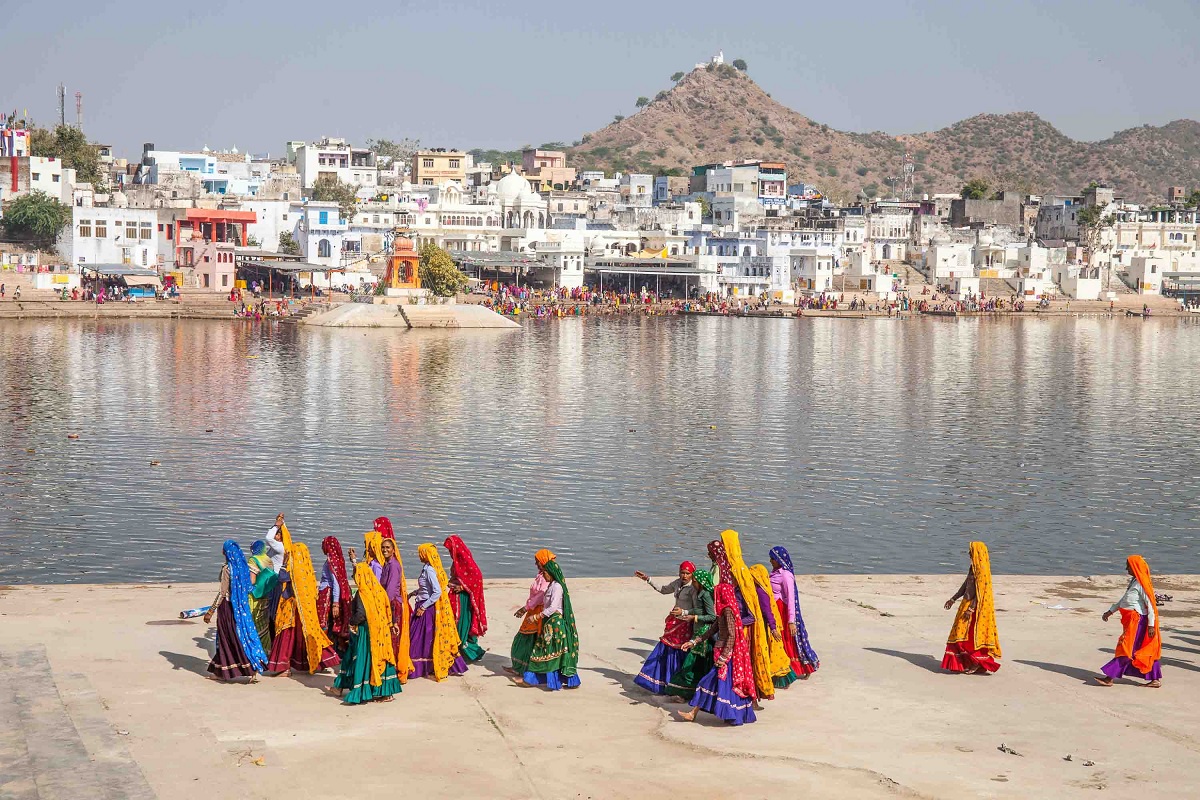
Pushkar has more to offer than just the Brahma Temple. The town is compact yet culturally rich, with spiritual, natural, and shopping attractions that suit all types of travelers. Many sites are within walking distance, allowing for an immersive day trip or extended spiritual retreat. 10 Days North India Travel Plan – Must-See Places & Itinerary
Pushkar Lake: The Sacred Lake and Its 52 Ghats
Just a short walk from the Brahma Temple lies the holy Pushkar Lake. Surrounded by 52 bathing ghats, this sacred body of water is central to the spiritual life of the town. Pilgrims believe a holy dip in the lake during Kartik Purnima can absolve sins and lead to salvation. The lake is also a serene spot to sit, reflect, and watch locals perform rituals.
The evening aarti at the lake is a mesmerizing experience—with ringing bells, oil lamps, and sacred chants echoing across the water. It’s a photographer’s and seeker’s delight.
Savitri Temple: Hilltop Views and Spiritual Energy
Dedicated to Goddess Savitri, the consort of Brahma, this temple sits atop Ratnagiri Hill and offers sweeping views of Pushkar and the surrounding desert. You can reach the temple by climbing a series of steep steps or by using the more recent ropeway, which makes the ascent quicker and easier.
The panoramic views from the top are breathtaking, especially during sunrise or sunset. The spiritual aura, coupled with natural beauty, makes this temple a rewarding experience for both devotees and adventure seekers.
Pushkar Main Bazaar: A Vibrant Shopping Experience
Pushkar’s main market is a treasure trove for shoppers. The narrow lanes are lined with shops selling everything from silver jewelry and embroidered textiles to incense sticks and camel leather goods. It’s a great place to pick up souvenirs, boho-style clothes, and Rajasthani crafts.
Don’t forget to try local snacks like malpua or sip on some herbal chai from a street-side vendor. The market is also known for musical instruments, especially the Rajasthani sarangi.
Other Temples to Visit
Pushkar is home to over 500 temples, and while the Brahma Temple is the most famous, a few others are worth exploring:
- Varaha Temple: Dedicated to Lord Vishnu’s boar incarnation, it is one of Pushkar’s oldest temples.
- Rangji Temple: Known for its South Indian-style architecture and a blend of Vaishnavite traditions.
These temples offer a quieter, less crowded alternative for those interested in history and spirituality.
Camel Safari: Explore the Desert Charm
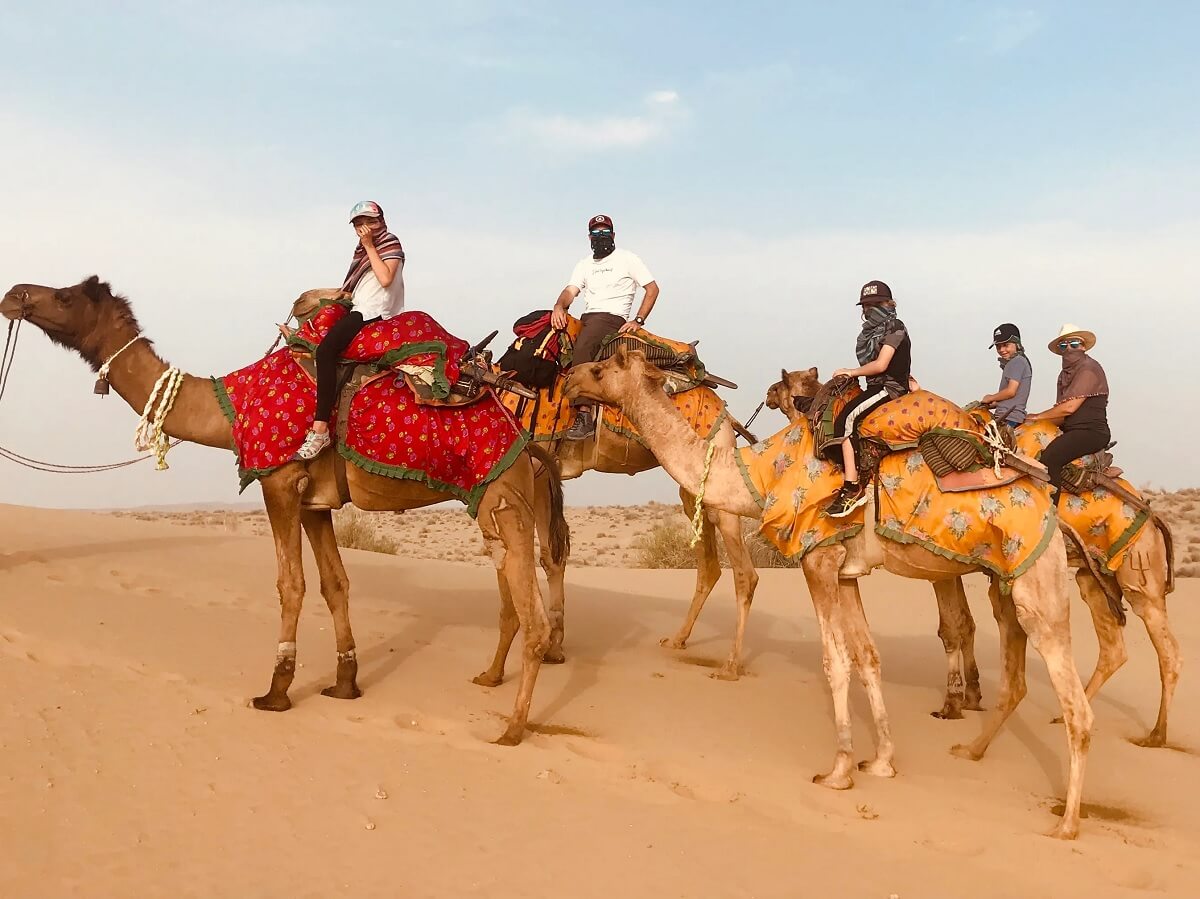
For a taste of Rajasthan’s desert heritage, take a camel safari into the nearby dunes. These safaris, usually organized in the early morning or evening, let you experience the rustic beauty of the Thar Desert and surrounding villages.
Some tours also include folk performances, traditional Rajasthani meals, and overnight camping options for those seeking a deeper cultural experience.
Final Thoughts
The Brahma Temple in Pushkar is more than just a place of worship—it’s a spiritual cornerstone of one of India’s oldest pilgrimage towns. Whether you’re drawn by mythology, architecture, or the deep sense of peace that pervades the space, your visit here will leave you moved and inspired.
Take your time, explore beyond the temple, and let the divine energy of Pushkar guide your journey into Rajasthan’s sacred heart.
You Might Also Like:
- Rajasthan in August: Monsoon Travel Tips & Places
- Kerala in August: Best Attractions & Travel Advice
- Goa in August 2025 – Monsoon Travel Guide
- Cultural Sites to Explore in India This August
- 6 Amazing Beach Destinations to Visit in August
- Top 6 Beach Getaways in India This August
- 9 Best Hill Stations to Explore in August
- Darjeeling in August: Weather, Tips & Activities
- Uttarakhand or Himachal – Where to Go in August?
- Kedarnath in August 2025: Weather & Travel Tips
- Top Budget Indian Destinations Under ₹50K – August
- Top 10 Attractions to Visit in August in India
- Ayodhya Trip in August: Weather, Attractions, Festivals, and Events
- Is August the Ideal Month for Visiting North East India’s Scenic Spots?
- Nainital in August- A Complete Travel Guide
- Things to Do in Mussoorie in August: Weather & Travel Guide
- Lansdowne in August: A Quiet Monsoon Escape in the Hills
- Top Hill Stations Near Delhi for August Visits: A Complete Travel Guide
- Explore Maharashtra in August: Top Destinations
- Local Festivals and Events in Maharashtra in August
- Udaipur in August : A Magical Monsoon Travel Guide to the City of Lakes