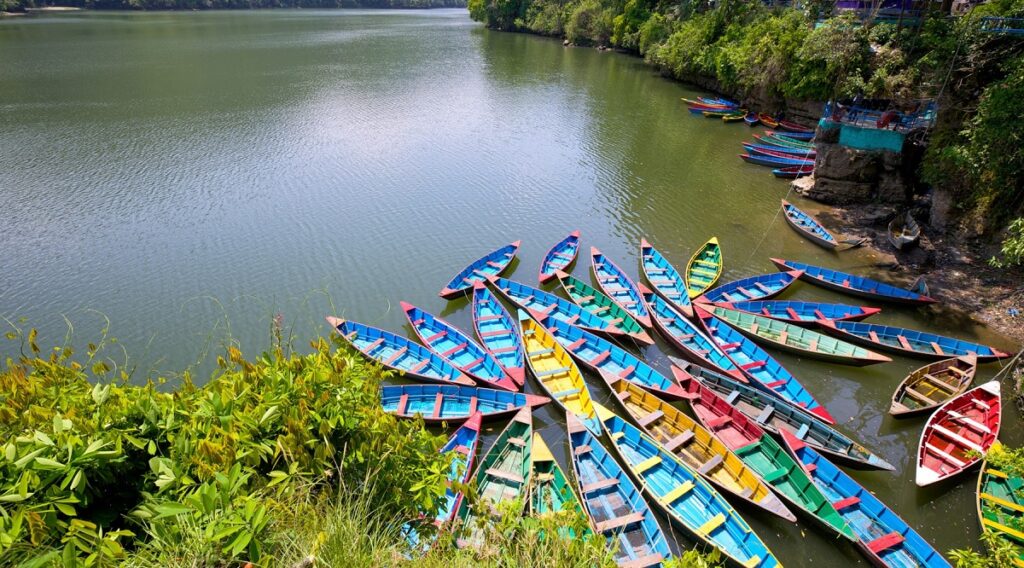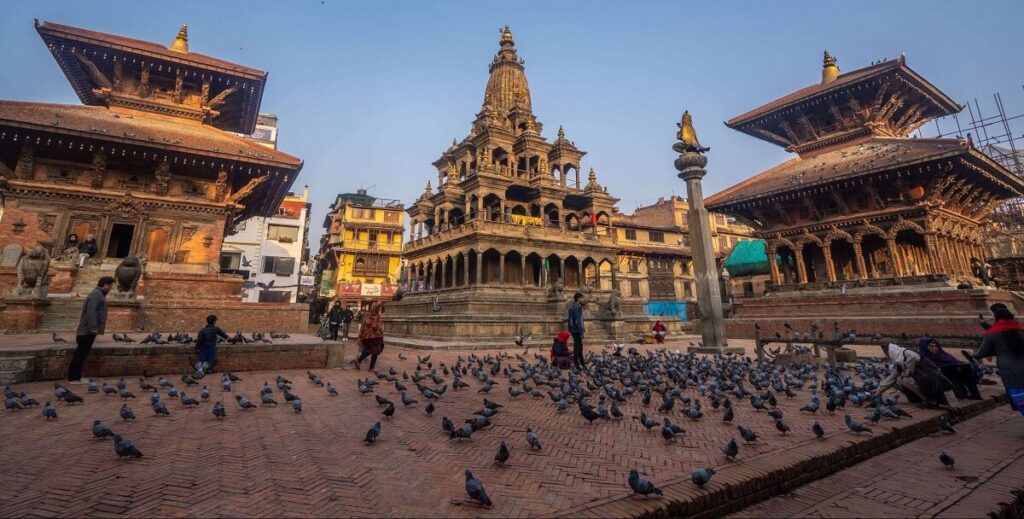
Nepal, nestled in the lap of the Himalayas, is not just about mountains and treks. It’s also a deeply spiritual land, home to some of the most important and ancient Hindu temples in South Asia. From towering pagodas in bustling Kathmandu to serene shrines hidden in the mountains, each temple in Nepal tells a story — of faith, mythology, culture, and centuries-old traditions.
Whether you’re a devotee seeking divine blessings or a traveler curious about history and architecture, these Hindu temples in Nepal offer an unforgettable journey into the heart of Nepali spirituality.
Here’s a carefully curated list of the top Hindu temples in Nepal that you should definitely include in your itinerary.
1. Pashupatinath Temple, Kathmandu
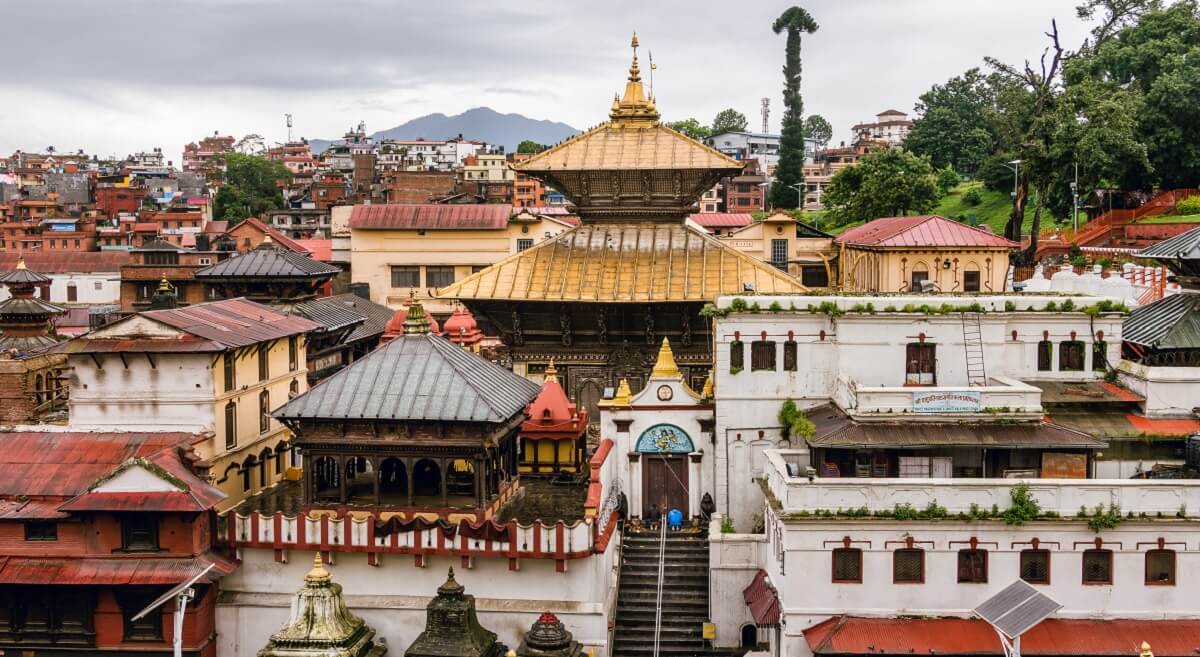
One of the most sacred temples dedicated to Lord Shiva, Pashupatinath Temple is located on the banks of the Bagmati River in Kathmandu. Recognized as a UNESCO World Heritage Site, this temple draws thousands of devotees and pilgrims every year, especially during the festival of Maha Shivaratri.
Built in the Nepali pagoda style, the temple’s golden spire and silver-covered doors make it an iconic landmark. The inner sanctum houses a lingam of Lord Shiva known as Pashupati, believed to be one of the oldest Shiva forms worshipped in South Asia.
While non-Hindus are not allowed to enter the main sanctum, visitors can explore the temple complex, which includes hundreds of smaller shrines, sadhus meditating, and cremation ghats along the river. It’s a place that combines reverence with raw spiritual energy. Top Hindu Temples in Singapore You Must Visit for a Spiritual Experience
Why Visit:
- Witness live rituals and evening aarti on the riverbanks
- Observe traditional Hindu funeral rites (from a respectful distance)
- Capture the powerful atmosphere where ancient traditions continue to thrive
Best Time to Visit: February (Maha Shivaratri) or early mornings for peaceful darshan
Entry Fee for Foreigners: ₹300–₹500 (for outer premises only)
Location: 3 km east of central Kathmandu
2. Muktinath Temple, Mustang
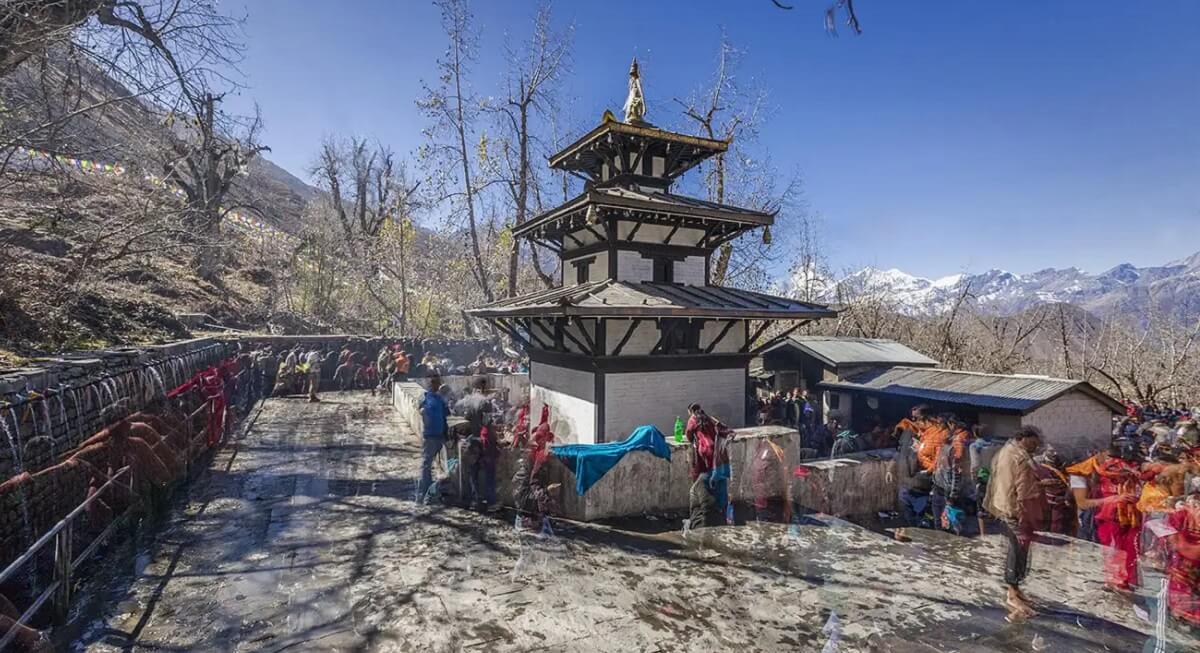
Set high in the Mustang region of Nepal, Muktinath Temple is one of the most remote and spiritually significant temples in the country. At 3,800 meters above sea level, it is part of the Char Dham for Hindus and holds equal reverence for Tibetan Buddhists.
The main shrine is dedicated to Lord Vishnu, and devotees believe that bathing under the 108 sacred water spouts (called Muktidhara) and two ponds brings moksha (liberation) from the cycle of birth and death. Pilgrims trek or fly to Jomsom, followed by a jeep ride or walk to the temple, making the journey just as rewarding as the destination.
The temple is simple yet serene, surrounded by snow-capped peaks and quiet valleys. It’s one of the rare places where Hindu and Buddhist traditions co-exist peacefully — with a Buddhist monk often overseeing the daily rituals alongside Hindu pujaris.
Why Visit:
- Experience spiritual tranquility in the heart of the Himalayas
- Take a dip in the sacred waters for purification
- Admire the unique blend of Buddhist and Hindu traditions
Best Time to Visit: March to June and September to November
How to Reach: Fly to Pokhara → Jomsom → Drive or trek to Muktinath
Note: Weather can be unpredictable, so check flight and road status in advance
3. Janaki Mandir, Janakpur
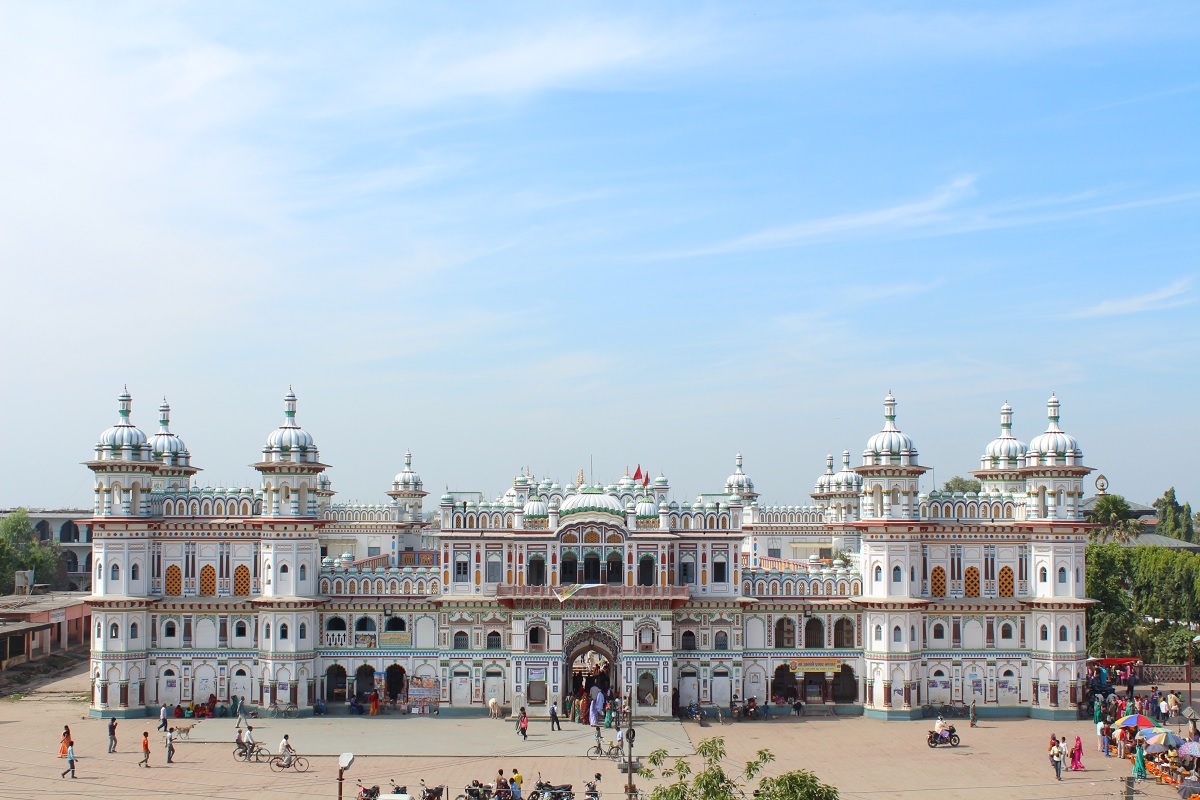
Located in southern Nepal near the Indian border, Janaki Mandir is one of the most important shrines dedicated to Goddess Sita (Janaki), the consort of Lord Rama. The temple is believed to stand at the exact spot where Sita was born and found in a furrow by King Janak.
Built in Mughal-Rajput architecture with white marble, domes, and intricately carved archways, Janaki Mandir is unlike any other temple in Nepal. The three-story building is stunning, especially when lit during festivals like Vivah Panchami (celebrating the wedding of Ram and Sita).
Inside, you’ll find idols of Ram, Sita, Lakshman, and Hanuman, drawing devotees from both Nepal and India. The temple also hosts daily rituals, bhajans, and wedding reenactments, offering a cultural and spiritual spectacle.
Why Visit:
- Connect with the Ramayana in a deeply symbolic place
- Explore the vibrant Mithila culture and art
- Witness the grand celebrations during Vivah Panchami (November–December)
Best Time to Visit: October to February for festivals
Location: Janakpur, ~220 km from Kathmandu (accessible by bus/train)
4. Guhyeshwari Temple, Kathmandu
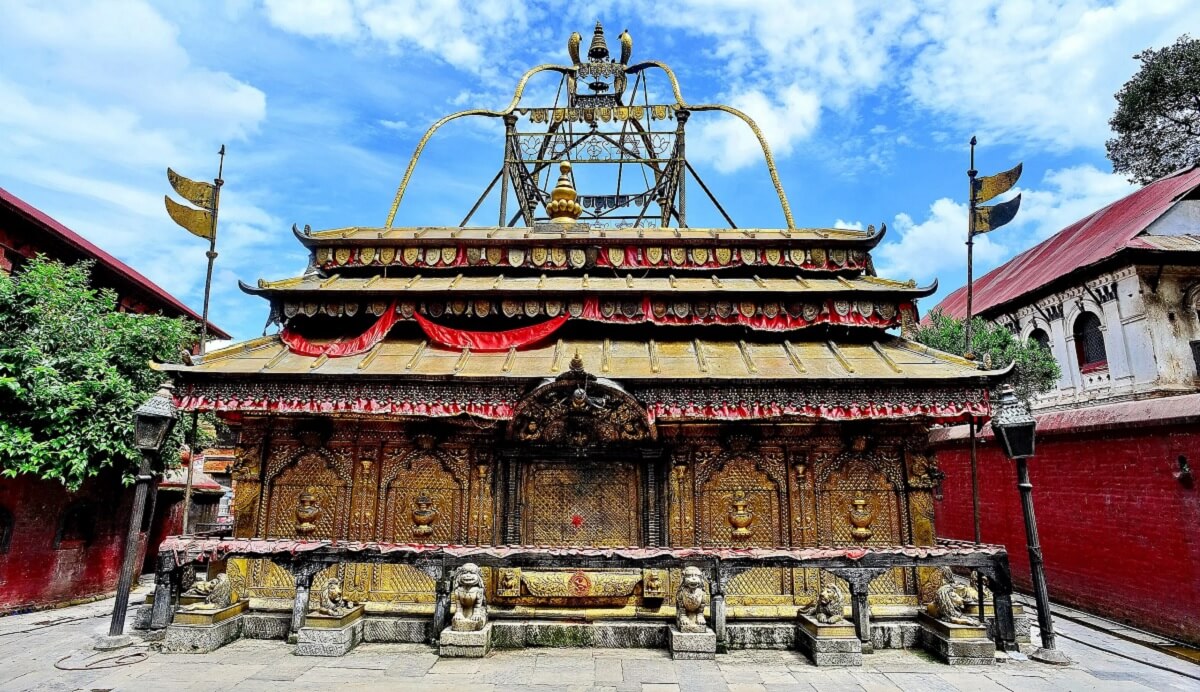
Situated near the Pashupatinath Temple, Guhyeshwari Temple is an ancient and powerful shrine dedicated to Goddess Parvati. It is considered one of the 51 Shakti Peethas, where the parts of Sati’s body are believed to have fallen during Shiva’s Tandava.
Guhyeshwari holds immense spiritual value for devotees of Shaktism and Tantra traditions. The temple is modest in size but known for its intense energy and sacredness. It is especially revered during Dashain and Navratri, when pilgrims gather in large numbers.
The temple’s name comes from the Sanskrit “Guhya” (secret) and “Ishwari” (goddess), symbolizing the mysterious and powerful aspect of the divine feminine. The shrine is built in the traditional pagoda style, and only Hindus are allowed to enter.
Why Visit:
- Seek blessings at one of the sacred Shakti Peethas
- Explore the feminine energy aspect of Hinduism in Nepal
- Combine with a visit to nearby Pashupatinath for a holistic pilgrimage
Best Time to Visit: October (Dashain festival), Navratri, or early mornings
Location: Walking distance from Pashupatinath in Kathmandu
5. Doleshwar Mahadev Temple, Bhaktapur
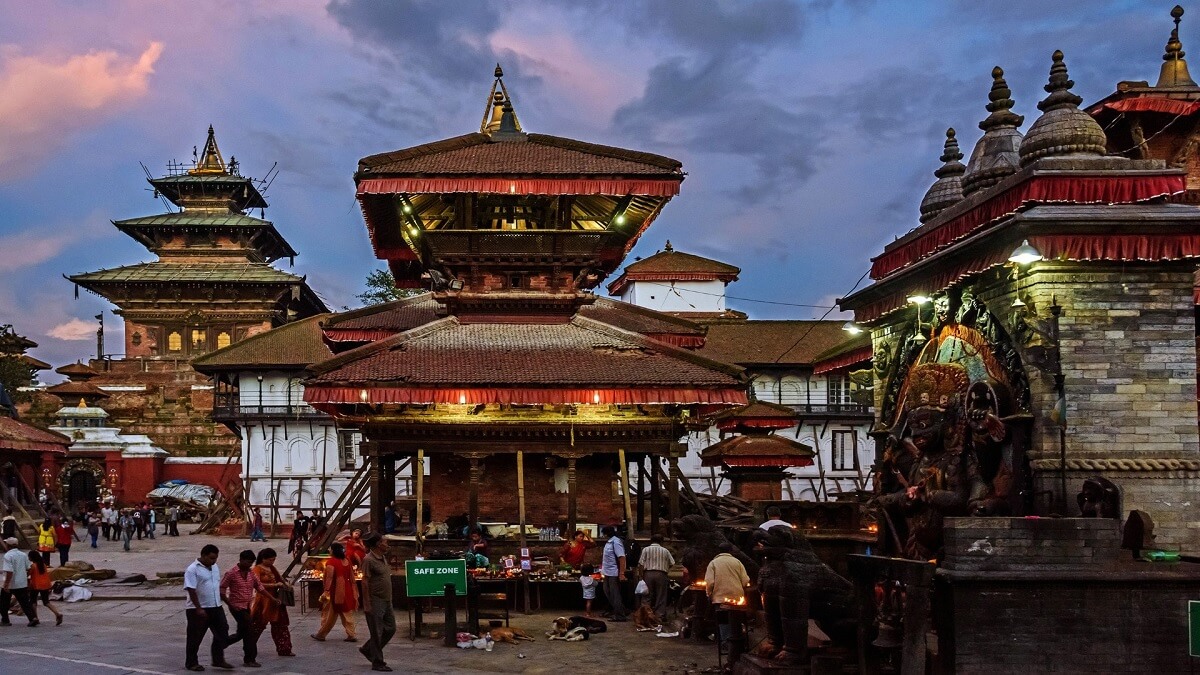
For pilgrims who revere the Char Dham of India, Doleshwar Mahadev Temple holds a powerful connection. Located in Bhaktapur, near Kathmandu, this temple is believed to be the head of Lord Shiva’s Kedarnath form, while the body lies in Uttarakhand, India. This spiritual link was officially recognized by priests from Kedarnath in 2009.
Dedicated to Lord Shiva, Doleshwar Mahadev is a peaceful temple surrounded by green fields and traditional Newari villages. Unlike the busy energy of Pashupatinath, Doleshwar offers a more serene and personal devotional experience. The black stone lingam here is worshipped as the sacred head of the deity and attracts many during Maha Shivaratri, Teej, and other festivals.
It’s a particularly meaningful stop for devotees completing the Panch Kedar pilgrimage, as many believe their yatra is incomplete without a visit to Doleshwar. Besides the spiritual aspect, the temple’s location makes it a perfect day trip from Kathmandu.
Why Visit:
- Connect to the sacred legend of Kedarnath in Nepal
- Experience spiritual calm in a rural Newari setting
- A lesser-known gem for those interested in deeper Shiva traditions
Best Time to Visit: Year-round, especially during Shivaratri
Location: 20 km from Kathmandu, in Sipadol, Bhaktapur
How to Reach: Taxi or private car from Kathmandu (45–60 mins)
6. Taleju Bhawani Temple, Kathmandu Durbar Square
Standing tall in Kathmandu Durbar Square, the Taleju Bhawani Temple is one of the most important and historic temples in the city. Built in the 16th century by King Mahendra Malla, this temple is dedicated to Goddess Taleju, a form of Durga and the royal deity of the Malla dynasty.
The temple is an architectural marvel with its three-tiered roof, golden finials, and richly carved wooden doors. It is generally closed to the public and opens only once a year during the Dashain festival, when thousands of devotees come to seek blessings. Taleju Bhawani is considered a protective goddess, and even today, many locals pay their respects from outside the gates.
While visitors can’t always enter the temple, walking around its grand structure gives you a sense of its historical and spiritual importance. It’s also closely associated with the Kumari, the living goddess of Nepal, whose residence lies nearby.
Why Visit:
- Witness royal-era architecture in the heart of Kathmandu
- Feel the mystique of a temple only opened once a year
- Connect your temple tour with a visit to the Kumari Ghar and Durbar Square
Best Time to Visit: October (Dashain), or any time to view the exterior
Location: Kathmandu Durbar Square (UNESCO World Heritage Site)
7. Manakamana Temple, Gorkha
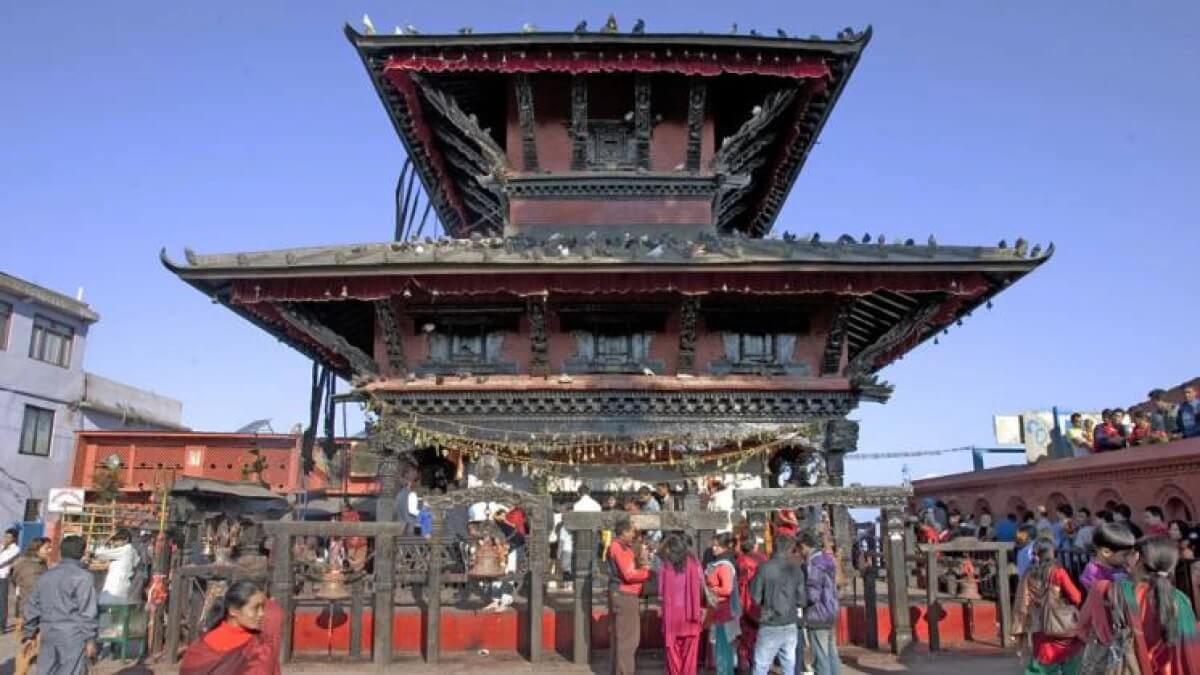
Perched on a hilltop in Gorkha district, Manakamana Temple is one of Nepal’s most visited pilgrimage sites. Dedicated to Goddess Bhagwati, a manifestation of Durga, it is believed that devotees’ wishes (manas) come true (kamana) when they pray with devotion.
What makes this temple unique is not just its spiritual reputation, but also the scenic cable car ride that takes you from Kurintar to the temple in just 10 minutes, offering stunning views of the Trishuli River and the surrounding valleys. For those seeking a traditional experience, a 2-hour uphill trek is also an option.
Inside the temple, devotees offer red hibiscus flowers, vermillion powder, and even animals in traditional sacrifice rituals (optional). On busy festival days like Navratri or Dashain, the temple attracts long queues of pilgrims.
Why Visit:
- Pray for your wishes to come true at this revered Shakti shrine
- Enjoy a picturesque cable car ride or trek through forests
- Experience local rituals and vibrant crowds during festivals
Best Time to Visit: October to April for pleasant weather and clear views
How to Reach: Drive to Kurintar (3.5 hrs from Kathmandu), then take cable car
8. Bindhyabasini Temple, Pokhara
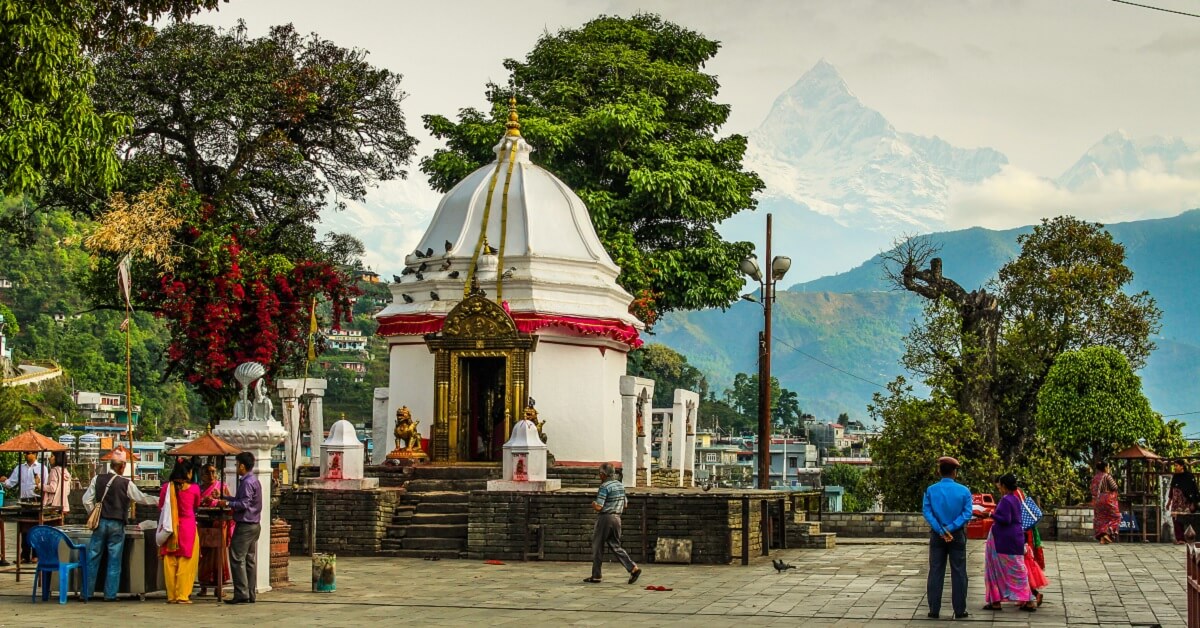
Located on a hilltop in the beautiful city of Pokhara, Bindhyabasini Temple is one of the oldest and most important Hindu temples in western Nepal. Dedicated to Goddess Durga (Bindhyabasini), this temple is deeply revered by both locals and visitors.
The white pagoda-style temple is small, but its location is spectacular. From the top, you get panoramic views of Pokhara city, the Fewa Lake, and on clear days, the snow-capped peaks of the Annapurna range. The temple complex is always filled with activity — local families praying, priests performing rituals, and vendors selling flowers and offerings.
Devotees come here to offer animal sacrifices (mostly goats) during festivals and life milestones. The temple is particularly busy during Dashain, when thousands line up to seek blessings.
Why Visit:
- A powerful spiritual site in one of Nepal’s most scenic cities
- Great sunrise or sunset views over mountains and lakes
- Easily accessible and popular among both locals and tourists
Best Time to Visit: Year-round; combine with your Pokhara sightseeing
Location: 3 km from Lakeside Pokhara (easily walkable or short taxi ride)
9. Budhanilkantha Temple, Kathmandu
Located at the base of the Shivapuri Hills in northern Kathmandu, Budhanilkantha Temple is one of the most striking and spiritually significant temples in Nepal. It’s famous for its giant black stone statue of Lord Vishnu lying on a bed of serpents in a pond — a form known as Jalasayana Narayan.
The 5-meter-long statue dates back to the 7th or 8th century and is carved from a single basalt rock. What makes Budhanilkantha truly unique is not just its scale and artistry, but also the belief that no reigning monarch of Nepal can visit the site, due to an ancient prophecy that claims it would bring about their death.
The temple is open-air and welcomes both locals and tourists. It becomes especially lively during Haribodhini Ekadashi, when thousands of devotees gather for overnight prayers and rituals. The peaceful setting and spiritual atmosphere make it a refreshing stop, even if you’re not on a religious tour.
Why Visit:
- Witness one of the largest reclining Vishnu statues in the world
- Enjoy a tranquil spiritual site away from Kathmandu’s chaos
- Discover local legends and centuries-old myths
Best Time to Visit: October–November during Haribodhini Ekadashi
Location: 10 km north of Kathmandu city center
Entry Fee: Free for all visitors
10. Dakshinkali Temple, South of Kathmandu
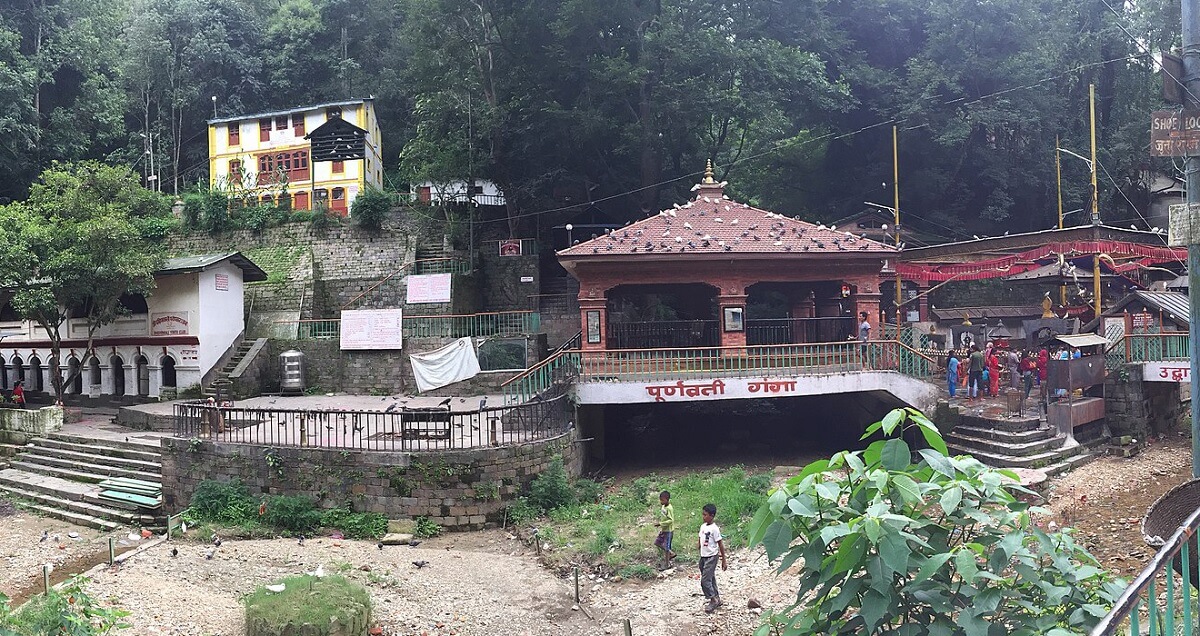
Located about 22 km from Kathmandu in a wooded valley, Dakshinkali Temple is dedicated to Goddess Kali, one of the fiercest forms of Shakti. This powerful shrine is particularly known for its animal sacrifices, especially on Saturdays and during Dashain, when devotees bring goats and roosters as offerings.
The temple is built in traditional Nepali style and sits below a steep hill, surrounded by forests and flowing streams. While the rituals may be intense for some visitors, they are part of deeply rooted traditions that reflect Nepal’s rich Tantric and folk beliefs.
Dakshinkali is a major pilgrimage spot for those seeking strength, protection, or resolution of personal challenges. The atmosphere here is raw and charged, unlike the calm serenity of most other temples in Nepal.
Why Visit:
- See a fierce, living tradition of Shakti worship
- Combine spirituality with a scenic day trip from Kathmandu
- Understand the folk side of Nepalese religious customs
Best Time to Visit: During Dashain festival or early on Saturdays
How to Reach: Drive or taxi from Kathmandu (approx. 1 hour)
FAQs: Visiting Hindu Temples in Nepal
Q1. Do I need to be Hindu to enter all temples in Nepal?
Not necessarily. Most temples are open to everyone, but a few, like Pashupatinath and Guhyeshwari, restrict entry to Hindus only. Non-Hindus can still explore the outer complexes.
Q2. What should I wear while visiting temples in Nepal?
Dress modestly: long pants, covered shoulders, and closed-toe shoes are preferred. Always remove your shoes before entering the temple premises.
Q3. Is there an entry fee for temples?
Many temples are free, but heritage-listed ones (like Pashupatinath and Janaki Mandir) may charge a small fee for foreigners.
Q4. Are animal sacrifices common in Nepal’s temples?
Yes, especially at temples like Dakshinkali and Manakamana, where goats and chickens are traditionally sacrificed. These rituals are culturally significant but not mandatory for all visitors.
Q5. What’s the best time to visit temples in Nepal?
Morning hours (6 AM – 9 AM) are best for a peaceful darshan. Major festivals like Maha Shivaratri, Dashain, and Teej offer rich cultural experiences but may be crowded.
Travel Tips for Temple Tourism in Nepal
- Carry cash, especially in smaller temple towns. ATMs are limited and sometimes offline.
- Respect local customs—don’t touch idols, step over offerings, or take photos in restricted areas.
- Hire a local guide at heritage temples like Pashupatinath or Janaki Mandir to get deeper insights.
- Combine your temple visits with nearby attractions like Durbar Squares, lakes, or mountain viewpoints.
- If you’re trekking to temples like Muktinath, give yourself time to acclimatize.
Final Thoughts
Nepal is not only a country of natural wonders but also a sacred land with thousands of years of spiritual heritage. These top Hindu temples in Nepal are more than places of worship — they are windows into Nepal’s soul. Whether you seek blessings, peace, or a cultural connection, a temple trail across Nepal will leave you spiritually richer and deeply inspired.
From the towering shrines of Kathmandu to the quiet hills of Mustang and the sacred waters of Janakpur, Nepal’s temples invite you to explore not just a destination but a way of life — timeless, vibrant, and beautifully divine.
You Might Also Like:
- Top 10 Reasons to Choose Nepal for Your Next Vacation
- Nepal Trip Cost from Delhi – Full Budget Guide 2025
- Solo Travel in Nepal – Complete Guide for First-Time Visitors
- Best Domestic Airlines in Nepal for Easy Travel
- When is the Best Time to Visit Nepal? Seasonal Guide
- Nepal in February – Weather, Places & Travel Tips
- Kathmandu Travel Tips – Public Transport Guide for Tourists
- How to Travel from Kathmandu to Pokhara – Easy Travel Options
- Getting Around Kathmandu for Tourists: Smart Travel