Tucked away in the far northeastern corner of India, Nagaland is one of the country’s most culturally distinctive and least-explored states. Often called the “Land of Festivals”, it is home to more than 17 major tribes, each with its own language, customs, dance, clothing, food, and traditions. The result is a land where community life pulses through age-old rituals, celebrations, and a fierce pride in heritage.
From warrior headgear and tribal tattoos to bamboo homes and smoked pork stews, Nagaland presents a culture that is both ancient and evolving. Whether you’re a history buff, a culture explorer, or a traveler seeking something truly different, this guide will take you deeper into the living traditions, warrior roots, festivals, food, and scenic landscapes that define Nagaland.
Ancient Origins: The Story of the Naga People
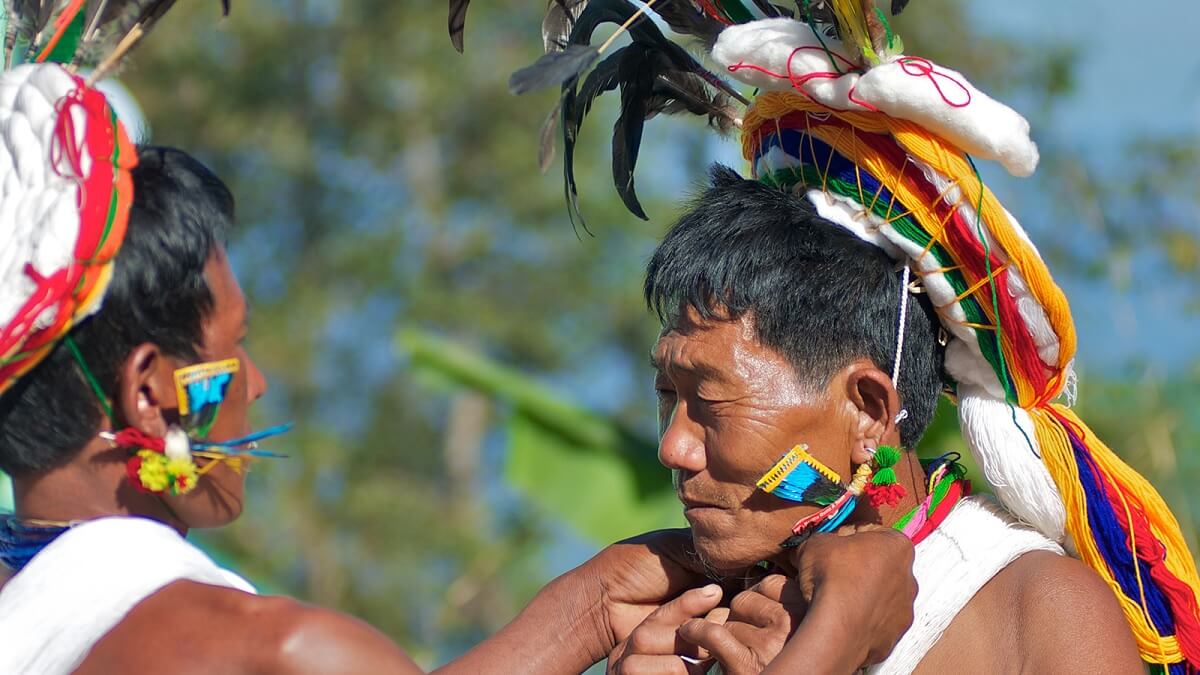
The origins of the Naga people are still wrapped in mystery. Linguistic and anthropological studies suggest that the various Naga tribes are of Indo-Mongoloid stock, with waves of migration likely arriving from Southeast Asia through Myanmar. Over time, these communities settled in the rugged hills and deep valleys of what is now Nagaland, establishing independent village republics governed by unwritten laws, local customs, and strong kinship structures.
Unlike many parts of India, pre-colonial Nagaland did not have a central king or unified political rule. Instead, each tribe maintained its own territory, often fortified by wooden gates and protected by warriors. Villages were autonomous, proud, and protective of their identity.
This fiercely independent spirit made early contact with the British in the 19th century difficult. What followed was a period of both conflict and transformation. Head-hunting — a deeply symbolic practice tied to social status, victory, and ritual — was feared and misunderstood by outsiders. Yet it was central to Naga identity for centuries.
The colonial period also saw the arrival of Christian missionaries, whose efforts brought Western education and Christianity into the region. This shift had a profound effect — while some traditional practices faded, others survived and adapted, leading to a unique cultural fusion that continues to define Nagaland today.
A Land of Tribes: Understanding Naga Identity
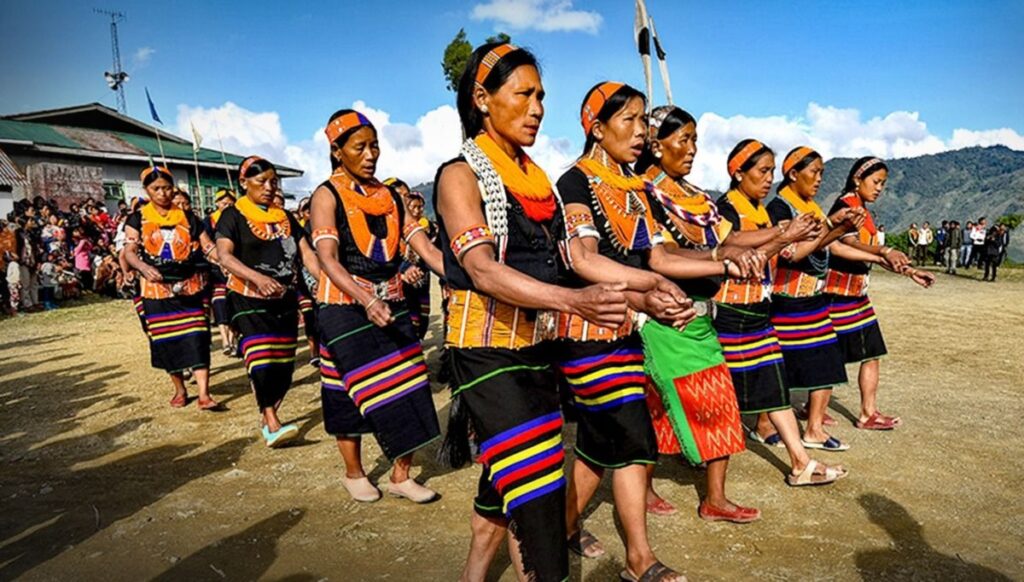
Nagaland is home to 17 officially recognized tribes and several sub-tribes. Each tribe speaks a distinct dialect, wears its own traditional attire, and celebrates unique festivals. Some of the major tribes include:
- Angami (around Kohima)
- Ao (in Mokokchung)
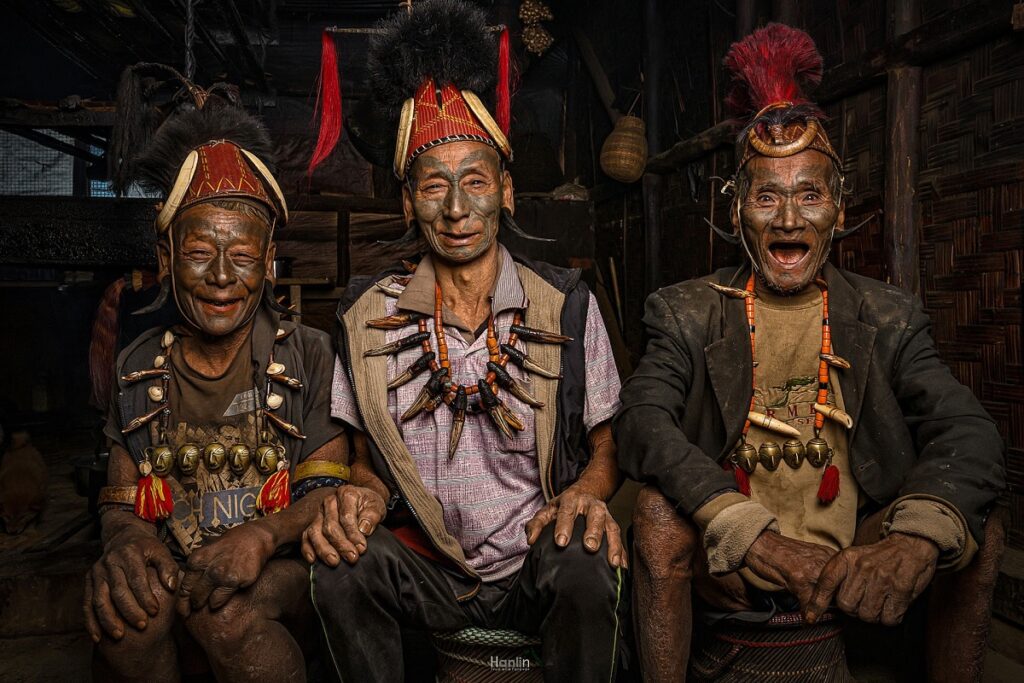
- Konyak (Mon district; known for their warrior tattoos)
- Lotha
- Sumi
- Chakhesang
- Chang
- Phom
- Rengma
- Yimkhiung
- Zeliang
- Kuki
- Mao
- Maram
- Khiamniungan
- Sangtam
- Pochury
Each of these tribes has its own language, religious beliefs, food traditions, dance styles, and social systems. Despite the adoption of modern ways of life, tribal identity remains a deeply rooted force, guiding everyday decisions from marriage and land ownership to community festivals and governance.
Visitors who engage respectfully with locals can witness this cultural richness in festivals, homes, markets, and village gatherings.
Festivals: The Heartbeat of Naga Culture
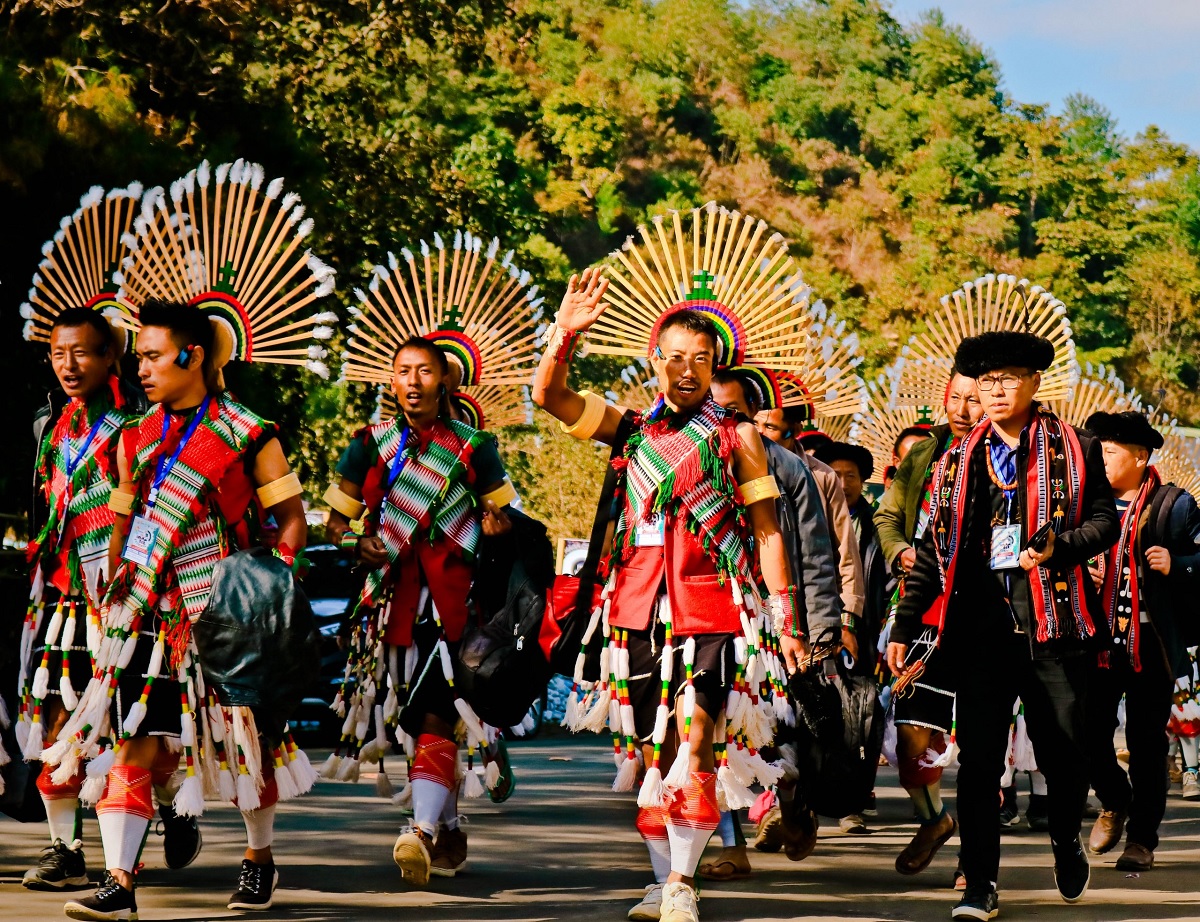
Festivals are not just seasonal events in Nagaland — they are the core of cultural expression, social bonding, and intergenerational learning. Every tribe celebrates its own festival, often based on the agricultural cycle or religious rituals. These celebrations involve traditional dances, chants, food feasts, and community rituals that can last several days.
Some key festivals include:
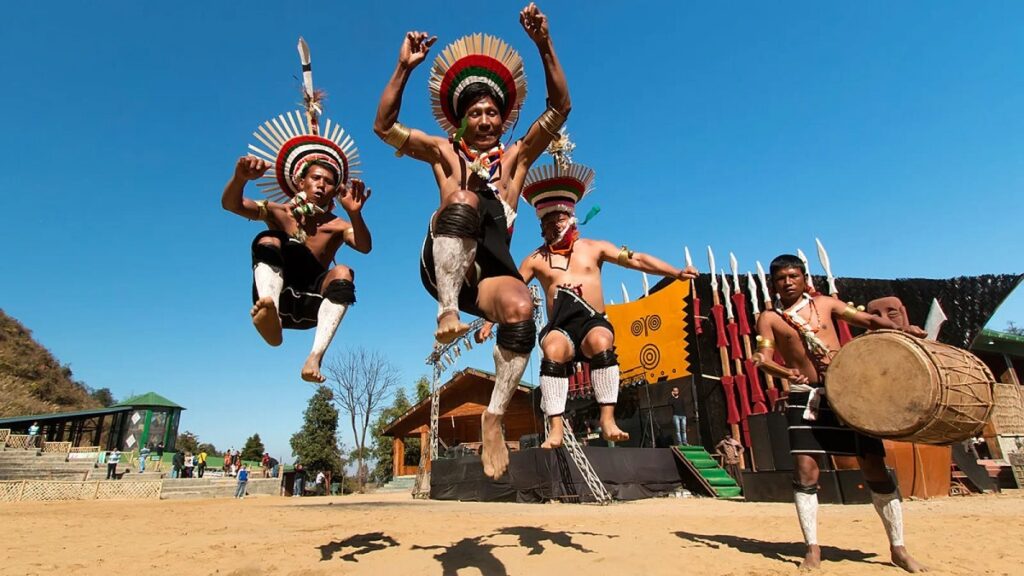
- Hornbill Festival (December) – The biggest cultural event in Nagaland, held near Kohima. All tribes come together to showcase their traditions in one space — from warrior dances and folk songs to indigenous sports and handicrafts.
- Moatsu Mong (Ao tribe) – Held after sowing crops, this festival is full of joy, feasting, and community bonding.
- Sekrenyi (Angami tribe) – A ten-day purification festival marked by rituals, cleaning, and new beginnings.
- Tokhu Emong (Lotha tribe) – A harvest festival featuring gifts, food, and storytelling.
- Aoleang Monyu (Konyak tribe) – Celebrated in April, this festival marks the new year and the arrival of spring.
Attending a Naga festival is the best way to witness tribal attire, traditional dances, handcrafted jewelry, and the powerful rhythm of the log drum — an instrument used to communicate across villages.
Tradition and Warrior Heritage
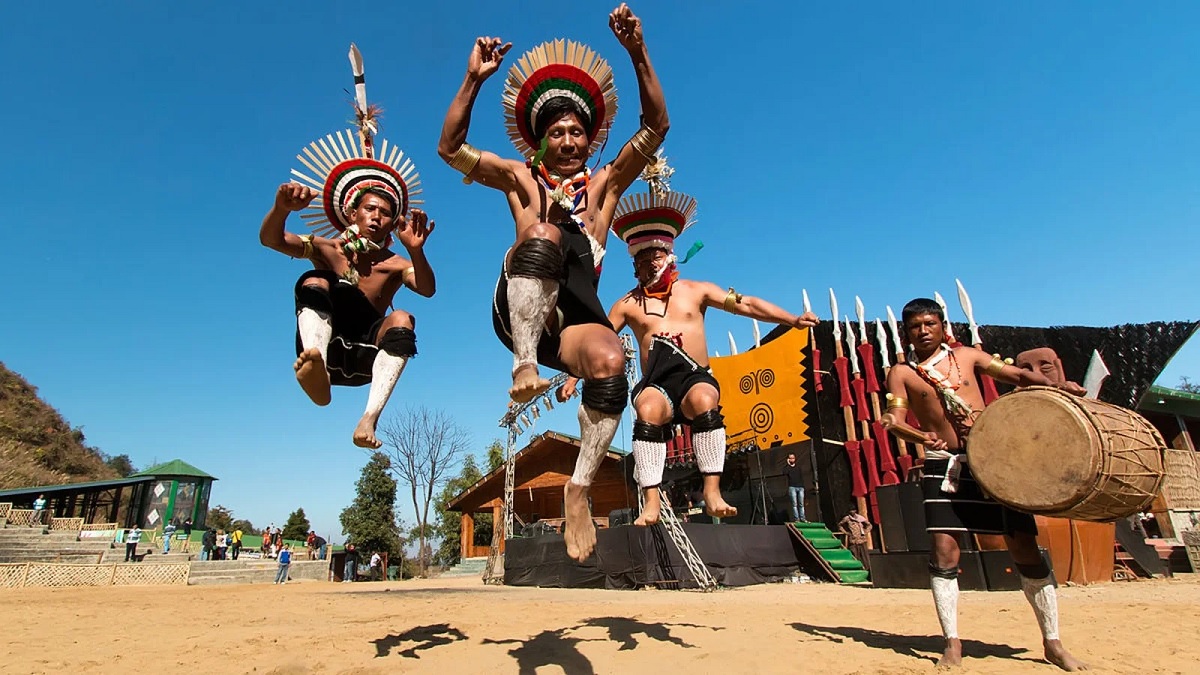
Traditional Naga life revolved around community, kinship, and warrior code. The most symbolic institution in traditional society was the morung — a bachelor’s dormitory and training ground for boys. Here, young men learned tribal history, customs, folk tales, hunting techniques, dance, and martial arts.
In earlier times, head-hunting was more than warfare — it was a complex cultural practice tied to masculinity, honor, and fertility. Warriors who brought back enemy heads were respected in the community and marked with symbolic tattoos, ornaments, and status.
Though these practices ended with colonial and post-independence reforms, the warrior spirit is still evident in dance performances, oral histories, attire, and local leadership systems.
Art, Craft, and Traditional Skills
Naga art is rooted in nature, storytelling, and function. Every tribe has its own signature styles of:
- Weaving – Shawls, skirts, and belts are handwoven, often with tribal motifs. The patterns tell stories of the wearer’s clan, marital status, or achievements.
- Wood carving – Seen in elaborate village gates, totem poles, and morungs.
- Beadwork and ornaments – Necklaces, earrings, and headgear are made from shells, bone, boar tusks, and brass. Each piece has meaning.
- Basketry and tools – Everyday items are crafted from cane, bamboo, and wood, showcasing resourcefulness and skill.
Visitors can shop for these in local markets or artisan centers in Kohima, Mokokchung, or Tuensang — and often meet the makers behind the work.
Naga Cuisine: Fermented, Smoked, and Fiery
Food in Nagaland is both bold and simple — built on indigenous ingredients and age-old techniques. The cuisine reflects the mountain lifestyle and an ethos of sustainability and flavor.
Signature elements include:
- Smoked pork – Often cooked with bamboo shoots, dried herbs, or fermented soybean (akhuni)
- Fermented bamboo shoot – Used in curries or stews for its tangy flavor
- Raja mircha (ghost chili) – One of the hottest chilies in the world
- Sticky rice and black rice – Staples served with meat, greens, or chutneys
- Local brews – Rice beer (zutho) is part of most social gatherings
If you want to eat like a local, visit village homes or community-run food stalls during festivals. Urban areas like Kohima and Dimapur also have restaurants offering modern takes on traditional recipes.
Nagaland’s Landscape: Forests, Hills, and Hidden Valleys
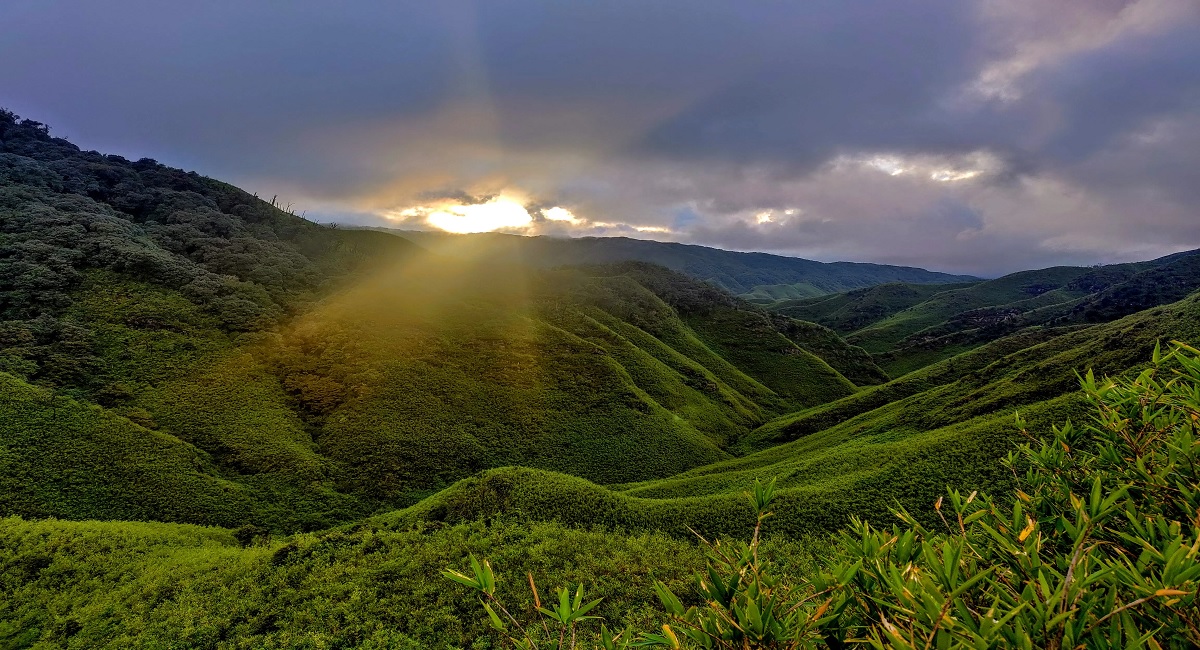
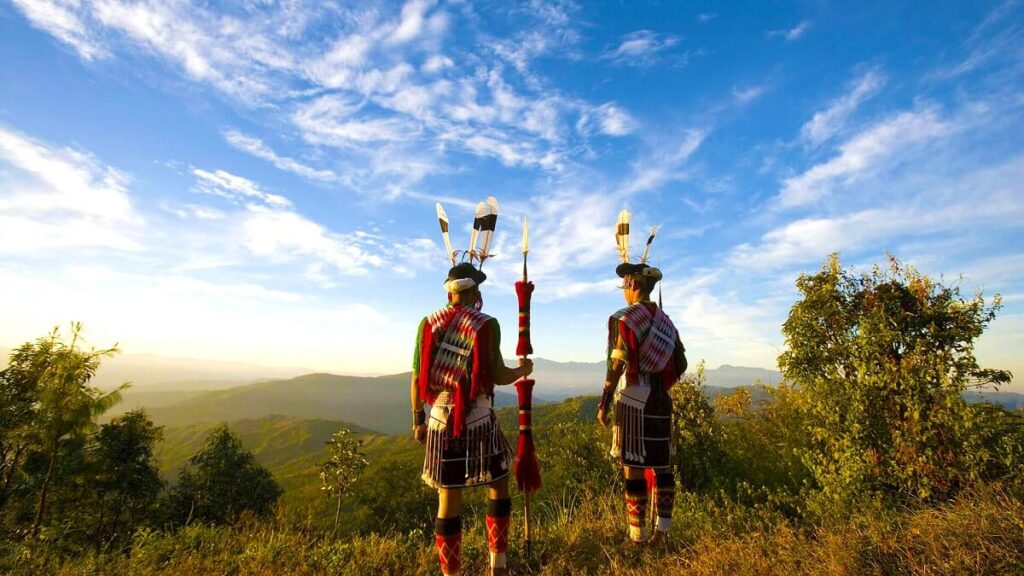
The geography of Nagaland is rugged, green, and full of mystery. The land itself has shaped the culture — hilltop villages, terraced farms, and forest traditions form the physical and spiritual landscape.
Some highlights include:
- Dzukou Valley – Known for its rolling meadows, rare flowers, and cool climate. Ideal for trekking from Kohima or Viswema.
- Mount Saramati – The highest peak in Nagaland, located near the Indo-Myanmar border.
- Mokokchung hills and Mon region – Traditional tribal areas with intact village architecture and customs.
- Touphema Tourist Village – A model village developed to introduce travelers to Naga culture in an immersive yet respectful way.
Eco-tourism is growing in Nagaland, offering visitors a chance to stay in bamboo cottages, learn about local plants, and trek through tribal regions with community guides.
Final Thoughts: Why Nagaland is a Cultural Treasure
Nagaland is not a place you pass through — it’s a place that draws you in. The resilience of its people, the beauty of its traditions, and the stories behind its dances and crafts make it unlike any other destination in India.
Whether you’re attending the Hornbill Festival, hiking in the hills of Mon, learning about textile patterns in Mokokchung, or sharing a meal in a bamboo hut, you’re not just a tourist — you’re a student of one of the world’s most unique cultural identities.
More Explore:
- Plan Your August Journey to Kedarnath – Weather Tips
- Explore 14 Budget-Friendly Trips in India This August
- Don’t Miss These 10 Best Attractions in India in August
- Celebrate India’s August Festivals – Know the Dates
- Plan a Rainy Getaway – Hill Stations Near Delhi in August
- Book Your 15 August Getaway from Indian Cities
- Visit 10 Sacred Shiva Temples in Delhi NCR This Sawan
- Know When to Visit Tungnath – Weather & Temple Guide
- Explore Himachal in July – Complete Travel Plan
- Discover Offbeat Villages of Himachal Pradesh
- Learn the Best Route from Manali to Sethan Valley
- Plan a Rainy Weekend Trip from Delhi in July
- Check Out All Major Festivals of August in India
- See the Top Places to Visit in India This September
- Visit These Amazing North Indian Spots in September
- Travel North India in July – Plan with Our Full Guide
- Plan Your Summer Escape to Uttarakhand’s Top Destinations
- Explore 11 Powerful Shiva Temples to Visit This Sawan
- 14 Best Places to Visit in Himachal in September
- 14 Best Places to Visit in Uttarakhand in September
- Exploring Assam’s Unique Culture: An Inside Look at Northeast Indian Life