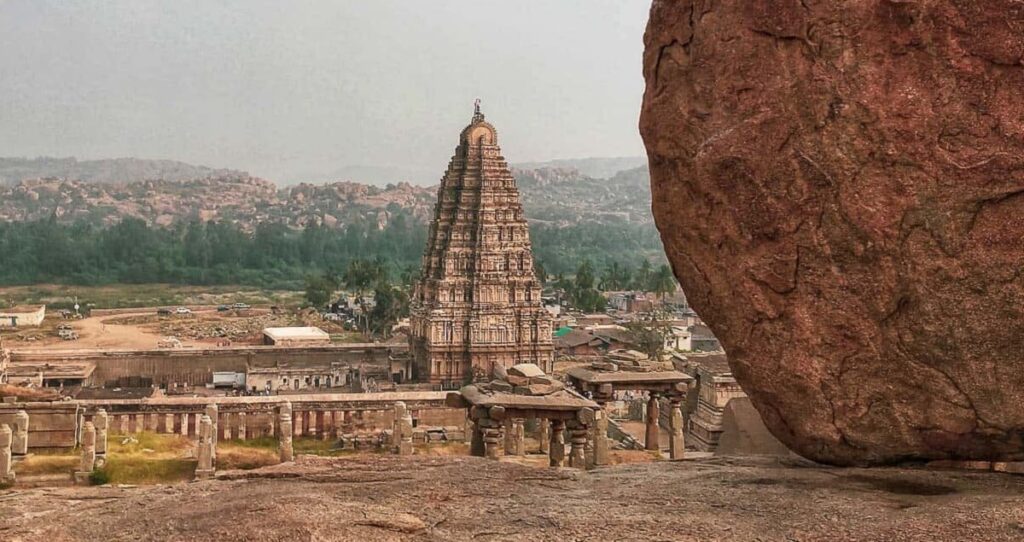
India, with its millennia-old civilization, is home to some of the most extraordinary cultural, natural, and mixed heritage sites. As of 2025, India proudly holds 42 UNESCO World Heritage Sites, which include ancient temples, forts, cities, forests, mountains, and more. Each site is recognized for its “outstanding universal value”, and collectively, they represent the grandeur of Indian history, biodiversity, art, and architecture.
This guide is organized state-by-state, offering practical travel tips, the best times to visit, site highlights, and why each UNESCO site deserves a spot on your itinerary.
What is a UNESCO World Heritage Sites?
UNESCO World Heritage Sites are special places chosen by the United Nations because they are very important for history, culture, or nature. These places are protected because they are unique and should be saved for future generations.
India has 42 UNESCO World Heritage Sites (as of 2025), and each one tells an exciting story about our past, nature, or achievements. This guide will help you explore these sites state by state, with simple details to help you plan your visit.
Jammu & Kashmir
- Great Himalayan National Park
- Type: Natural (Nature Site)
- Why Visit: Beautiful mountain valleys, rivers, and forests. You can see animals like snow leopards and blue sheep.
- What to Do:
- Go trekking in the peaceful mountains
- Stay in eco-friendly villages nearby
- Best Time to Go: May to October
- Important Tip: You need a permit to enter. Only go with a guide if you are trekking.
Himachal Pradesh
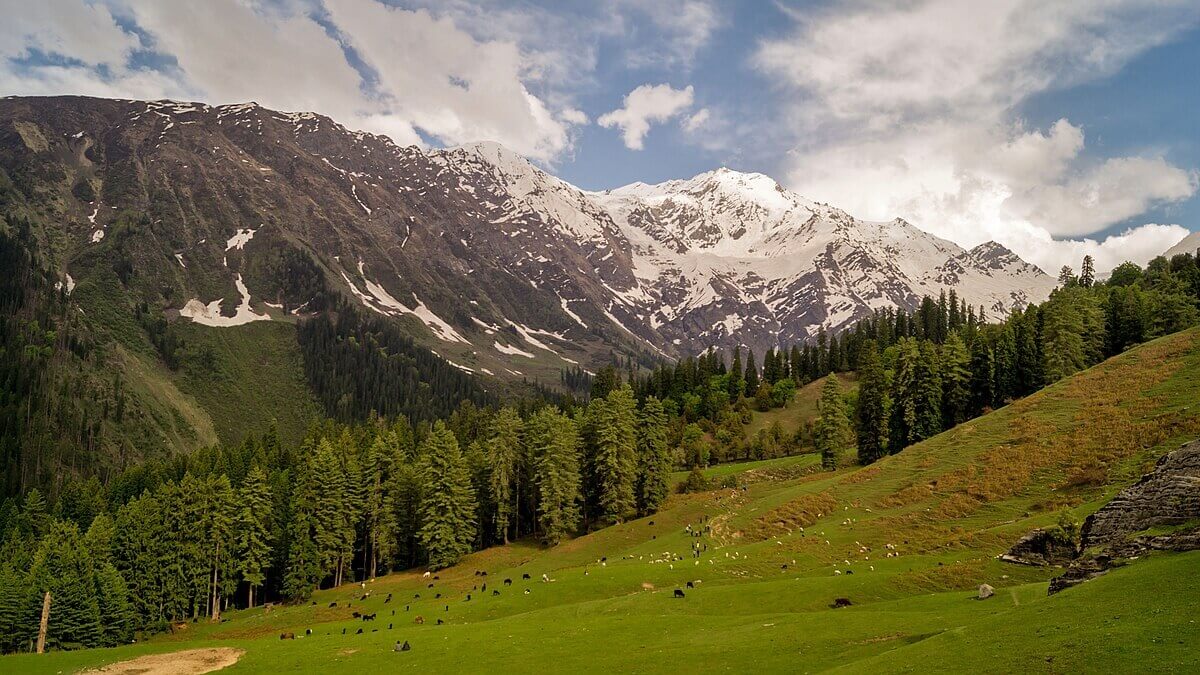
Great Himalayan National Park (GHNP)
- Type: Natural
- Why Visit: It’s full of wildlife and amazing views. You can see rare birds and plants.
- Top Things to Do:
- Trek in Tirthan or Sainj Valley
- Spot rare animals like the Western Tragopan (a colorful bird)
- Nearest City: Kullu (about 60 km away)
- How to Reach: By road, then by walking or trekking inside the park.
Punjab
Punjab does not have any UNESCO site yet, but it is famous for the Golden Temple in Amritsar. It is one of the most important religious places in India and may be added to the UNESCO list in the future.
Haryana
Haryana also has no UNESCO site, but it has some interesting places like:
- Kurukshetra – An important place from the Mahabharata
- Sultanpur Bird Sanctuary – Good for bird lovers
Delhi
Delhi has three UNESCO World Heritage Sites. These are amazing historical monuments that show India’s past.
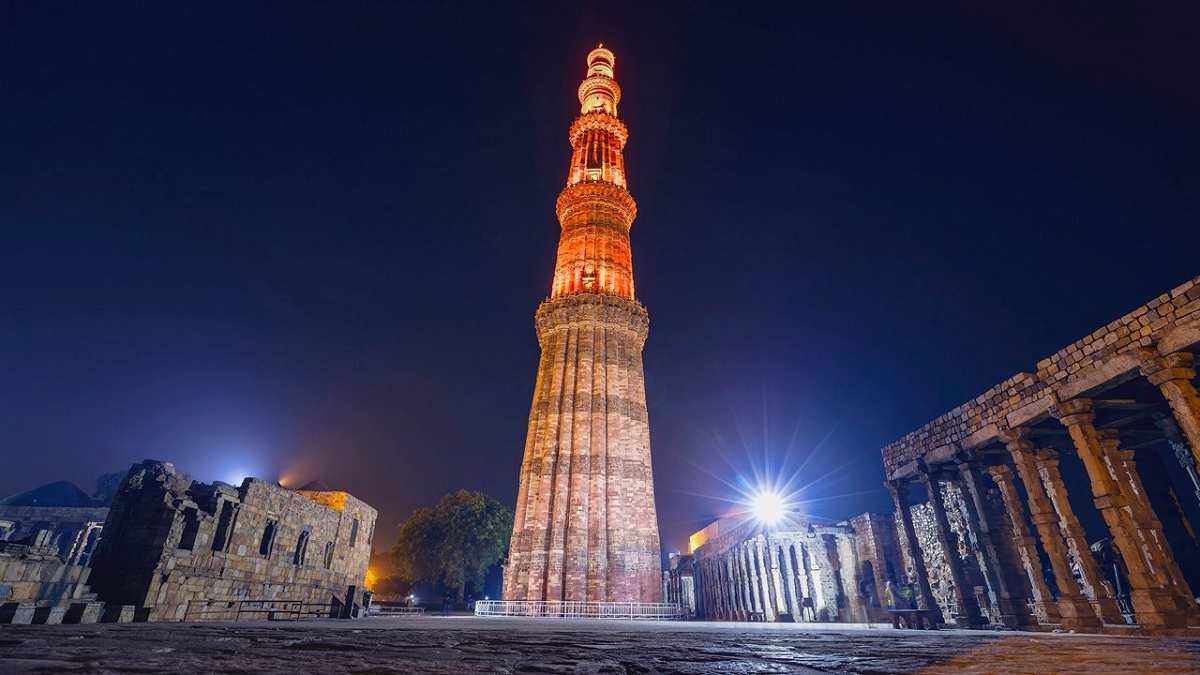
Facts You Didn’t Know About Qutub Minar in Delhi
Qutub Minar and Its Monuments
- Type: Cultural (Historical)
- Why Visit: Qutub Minar is the tallest brick tower in the world.
- What You’ll See:
- The Iron Pillar (which hasn’t rusted in 1600 years!)
- Beautiful carvings on old stone walls
- Tips: Come early to avoid crowds. Take pictures during sunrise or sunset.
Humayun’s Tomb
- Why Visit: This tomb was the inspiration for the Taj Mahal.
- What’s Special:
- Garden-style layout (called Charbagh)
- Mughal architecture with red sandstone and white marble
- Nearby: Lodhi Garden is close and good for a peaceful walk.
Red Fort Complex
- Why Visit: A famous fort where India’s Prime Minister gives the Independence Day speech.
- What to Explore:
- Beautiful buildings inside the fort
- Museums with things from British and freedom struggle times
- Extra Tip: Don’t miss the light and sound show at night!
Uttar Pradesh
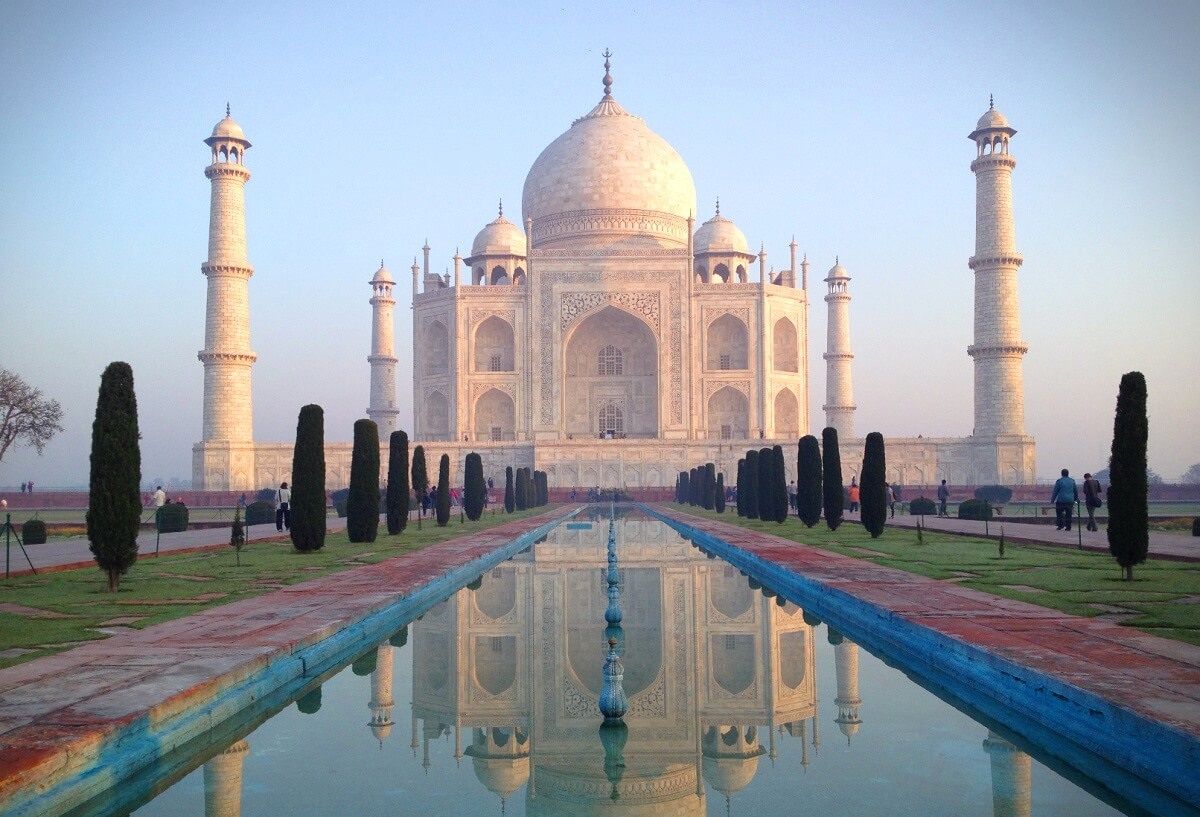
Uttar Pradesh is home to India’s most famous monument, the Taj Mahal.
Taj Mahal, Agra
- Type: Cultural
- Why Visit: One of the New 7 Wonders of the World. Built by Shah Jahan for his wife Mumtaz.
- Top Things to Do:
- See it at sunrise or during the full moon
- Look at the beautiful marble inlay designs
- Travel Tip: Buy your ticket online and go with a guide.
Agra Fort
- Why Visit: A strong red sandstone fort where Mughal emperors lived.
- What You’ll See:
- Big gates and halls
- A special place from where Shah Jahan saw the Taj Mahal
Fatehpur Sikri
- Why Visit: A city made by Emperor Akbar.
- Top Attractions:
- Buland Darwaza – The tallest gateway in the world
- Tomb of Salim Chishti – A peaceful white marble tomb
- Tip: Wear comfortable shoes. It’s a big place to walk around.
Hidden Places in Agra: Explore Beyond the Taj Mahal
Rajasthan
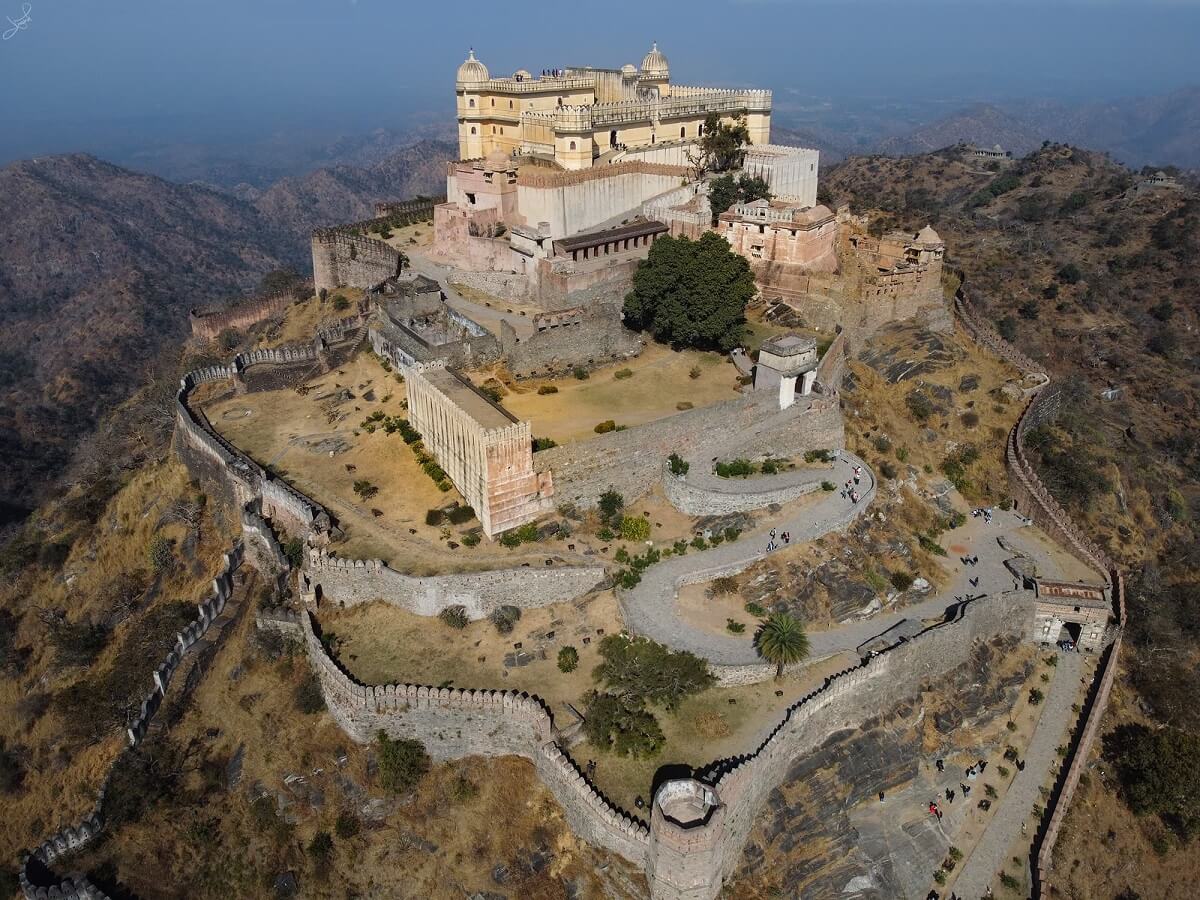
Rajasthan has six large forts that are together called the Hill Forts of Rajasthan. They are full of history and royal stories.
Hill Forts of Rajasthan (Group Site)
Includes:
- Amber Fort – Near Jaipur, famous for elephant rides and a mirror palace
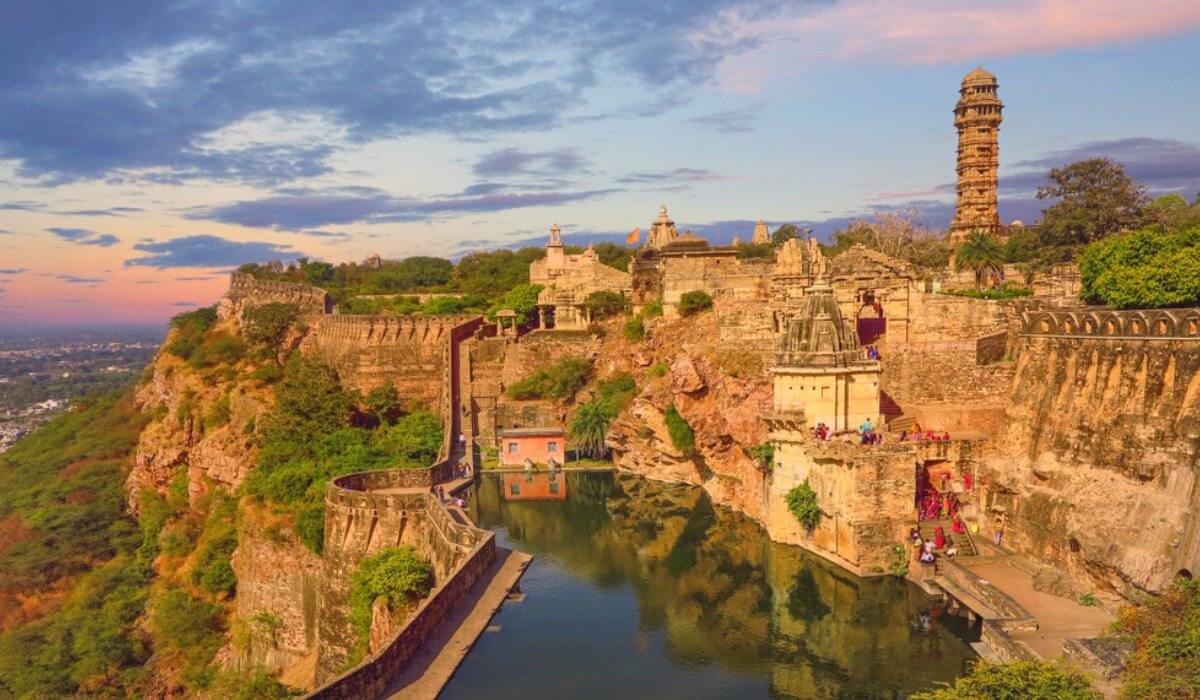
- Chittorgarh Fort – Stories of bravery and sacrifice
- Kumbhalgarh Fort – Has a wall 36 km long (2nd longest in the world!)
- Jaisalmer Fort – A living fort where people still live
- Ranthambore Fort – Inside a tiger reserve
- Gagron Fort – Surrounded by rivers on three sides
Best Time to Visit: October to March
Travel Tip: Some forts are on hills. Be ready to climb or walk a bit.
Uttarakhand
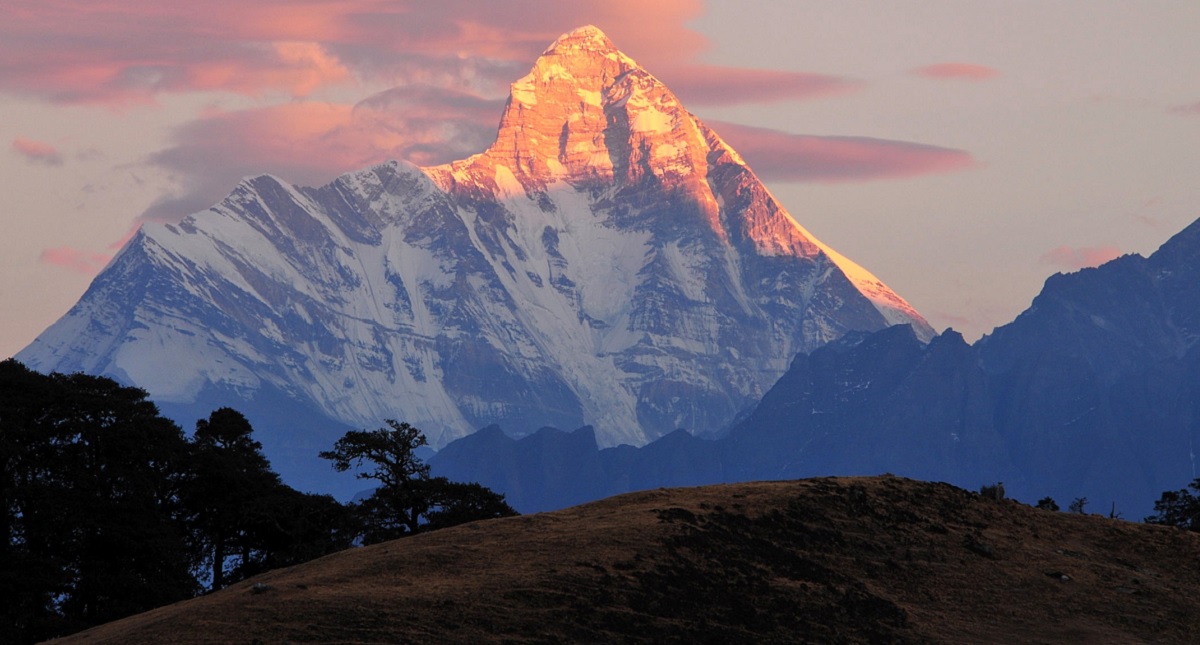
Nanda Devi and Valley of Flowers National Parks
- Type: Natural
- Why Visit: A beautiful Himalayan valley full of flowers and high snowy mountains.
- When to Visit: July to September is best to see flowers.
- Top Things to Do:
- Trek through the colorful valley
- Visit Hemkund Sahib, a nearby Sikh temple
- Tip: Be ready for a long but beautiful trek!
Bihar
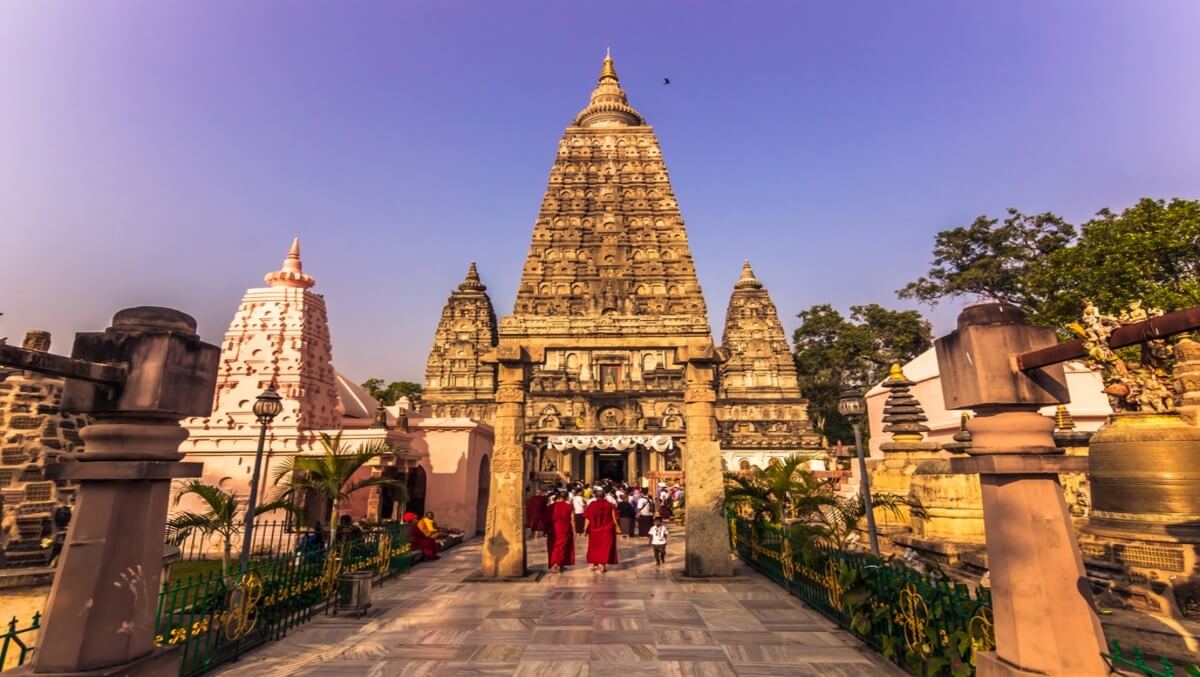
- Mahabodhi Temple, Bodh Gaya
- Type: Cultural
- Why Visit: This is where Lord Buddha got enlightenment under the Bodhi Tree.
- Must-See:
- The big Mahabodhi Temple
- The Bodhi Tree
- Peaceful meditation areas
- Nearby: Visit temples built by different countries like Japan, Thailand, and Bhutan.
- Best Time: October to March for good weather.
Madhya Pradesh (Part 1)
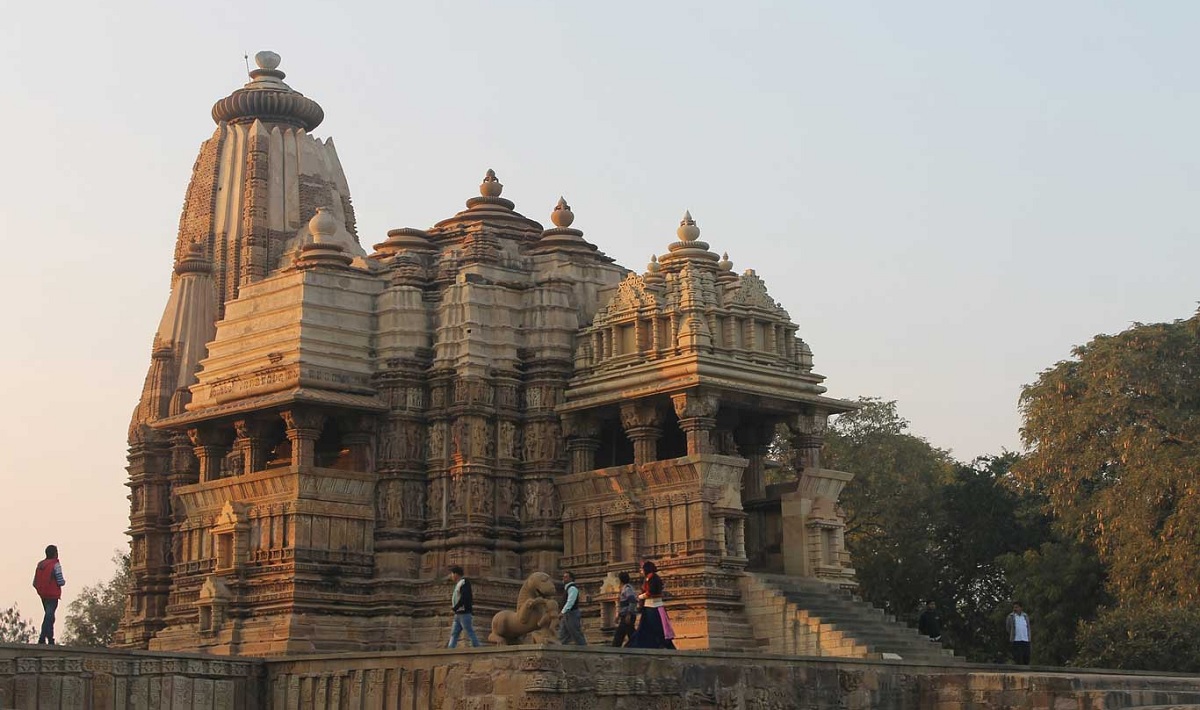
- Khajuraho Group of Monuments
- Type: Cultural
- Why Visit: These temples are famous for beautiful carvings, including some that show dance, daily life, and love.
- What to See:
- Kandariya Mahadeva Temple – the biggest temple
- Light and sound show in the evening
- Travel Info:
- Closest town: Khajuraho
- You can also visit Panna Tiger Reserve nearby
Madhya Pradesh (Part 2)

Here Madhya Pradesh has more UNESCO sites full of history, temples, and nature.
Buddhist Monuments at Sanchi
- Type: Cultural
- Why Visit: Sanchi is one of the oldest Buddhist sites in the world.
- Top Highlights:
- Great Stupa (a big dome-shaped building)
- Stone carvings of Buddha’s life
- Peaceful surroundings for meditation
- Best Time to Go: October to February
- Tip: Don’t miss the Sanchi Museum nearby.
Rock Shelters of Bhimbetka
- Type: Cultural
- Why Visit: These are prehistoric rock paintings, over 30,000 years old!
- What to See:
- Cave drawings of animals, hunting, and dancing
- Nature trails around the caves
- Travel Tip: Wear good shoes. Some caves are on rocky paths.
Maharashtra
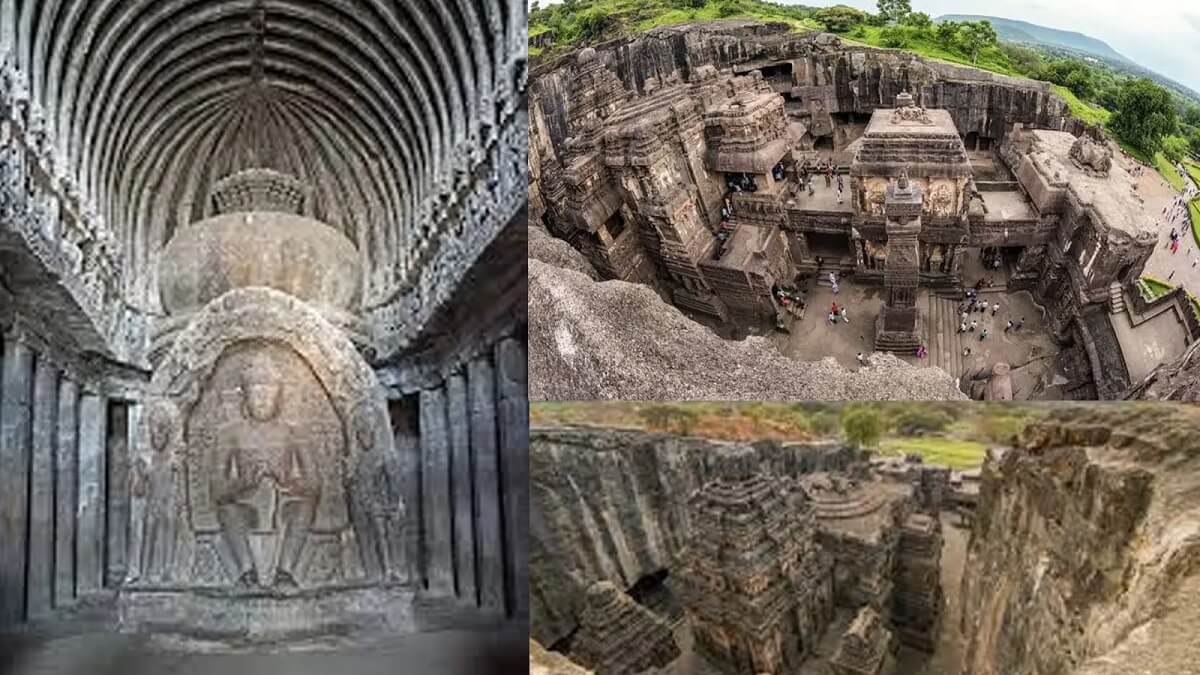
Ajanta Caves
- Type: Cultural
- Why Visit: These ancient caves have beautiful Buddhist paintings and sculptures.
- Highlights:
- Paintings of Buddha’s life
- Calm cave interiors with artistic detail
- Best Time to Visit: November to March
- Fun Fact: These caves were hidden for centuries and rediscovered by accident in 1819.
Ellora Caves
- Type: Cultural
- Why Visit: These caves have temples of three religions – Hinduism, Buddhism, and Jainism.
- Top Attraction: Kailasa Temple – a huge temple carved out of one rock.
- How to Go: Ellora is close to Aurangabad city.
Elephanta Caves
- Type: Cultural
- Why Visit: Located on an island near Mumbai, these caves have Hindu stone sculptures.
- Don’t Miss: The big 3-headed statue of Lord Shiva (Trimurti)
- How to Reach: Take a ferry from Mumbai’s Gateway of India.
Gujarat
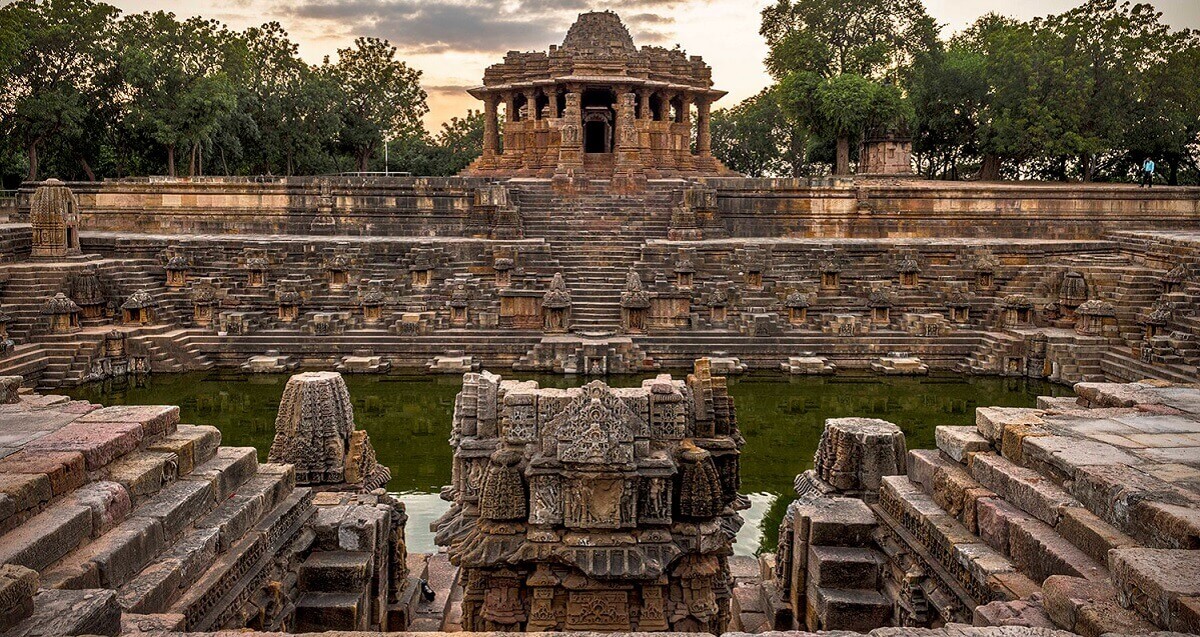
Rani ki Vav (The Queen’s Stepwell)
- Type: Cultural
- Why Visit: A beautiful underground stepwell built by a queen in the 11th century.
- Highlights:
- Carvings of gods and goddesses
- A deep well with many steps
- Where: Patan, Gujarat
- Best Time: November to February
Champaner-Pavagadh Archaeological Park
- Type: Cultural
- Why Visit: A mix of Hindu, Jain, and Muslim architecture in one place.
- Things to Explore:
- Ancient mosques
- Temples on Pavagadh Hill
- Old city ruins
- Travel Tip: You can take a ropeway to the top of the hill.
Dholavira – A Harappan City
- Type: Cultural
- Why Visit: One of the most well-planned cities of the Harappan (Indus Valley) Civilization.
- Top Things to See:
- Ancient water tanks
- City walls and planning
- Museum with artifacts
- Where: Rann of Kutch, Gujarat
- Tip: Visit during the Rann Utsav festival for more fun.
Rajasthan (Additional Site)

Jantar Mantar, Jaipur
- Type: Cultural
- Why Visit: A group of giant scientific instruments made to study stars and time.
- What to See:
- World’s largest stone sundial
- Tools to measure planets and stars
- Where: In Jaipur, near the City Palace
- Best Time: October to March
Odisha
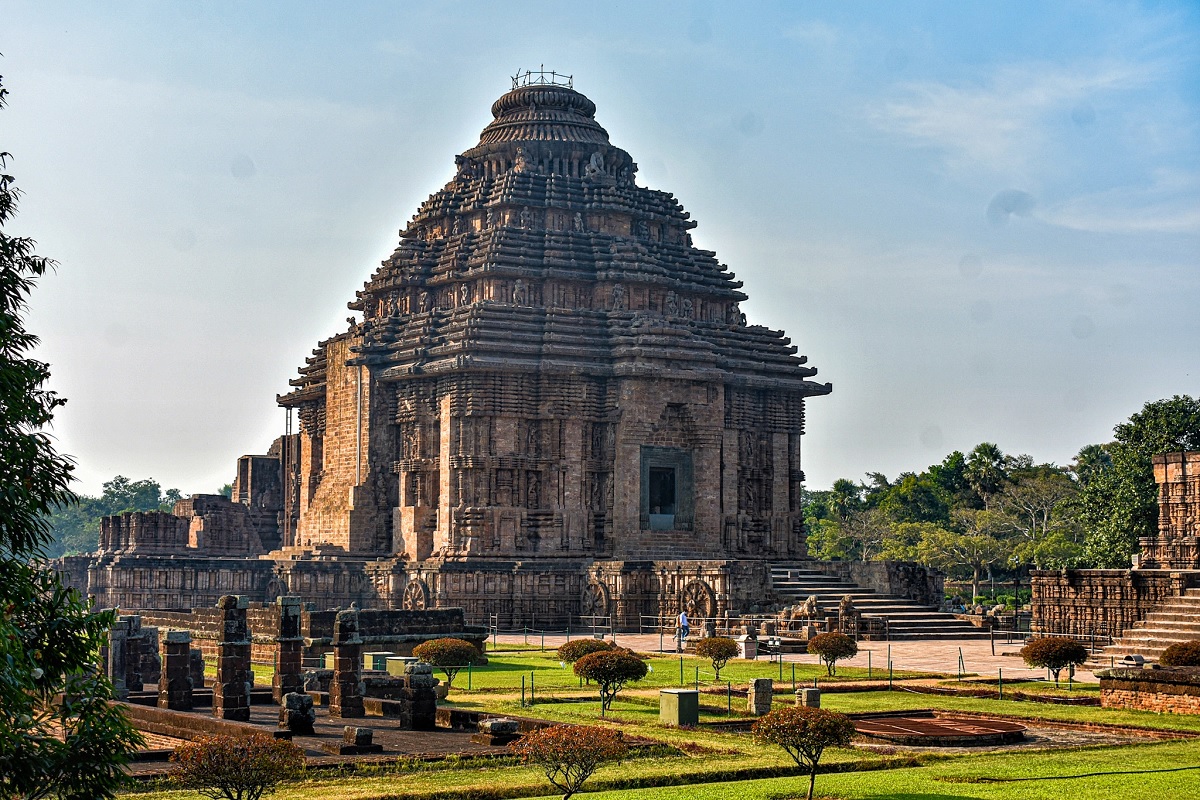
Sun Temple, Konark
- Type: Cultural
- Why Visit: A huge temple shaped like a chariot of the sun god.
- Top Features:
- 24 wheels carved with art
- Stunning stone sculptures
- Where: Konark, near Puri
- Best Time to Visit: October to February
- Tip: Also attend the Konark Dance Festival held every year.
Chhattisgarh
As of now, Chhattisgarh does not have a UNESCO site, but the Sitabenga Rock Shelters and Bastar tribal culture are being considered for the future.
West Bengal
- The Sundarbans National Park
- Type: Natural
- Why Visit: This is the largest mangrove forest in the world, and the home of the Royal Bengal Tiger.
- What You’ll See:
- Unique mangrove trees
- Crocodiles, deer, and rare birds
- Boat safaris through the river channels
- Best Time: November to February
- Travel Tip: Book boat tours in advance; take a local guide.
24. Mountain Railways of India – Darjeeling Himalayan Railway
- Type: Cultural
- Why Visit: A toy train that goes through mountains, tea gardens, and forests.
- Why It’s Special:
- Built over 100 years ago
- Runs on steam engine
- Top Spot: The Batasia Loop – a round track with great views of Kanchenjunga mountain
- Best Time to Ride: October to April
Tamil Nadu
Great Living Chola Temples
- Type: Cultural
- Why Visit: These are grand temples built by the Chola kings over 1000 years ago.
- Temples Included:
- Brihadeeswarar Temple, Thanjavur – known as the “Big Temple”
- Airavatesvara Temple, Darasuram
- Gangaikonda Cholapuram Temple
- Highlights:
- Stone carvings
- Tall temple towers (gopurams)
- Amazing old architecture
- Best Time: November to March
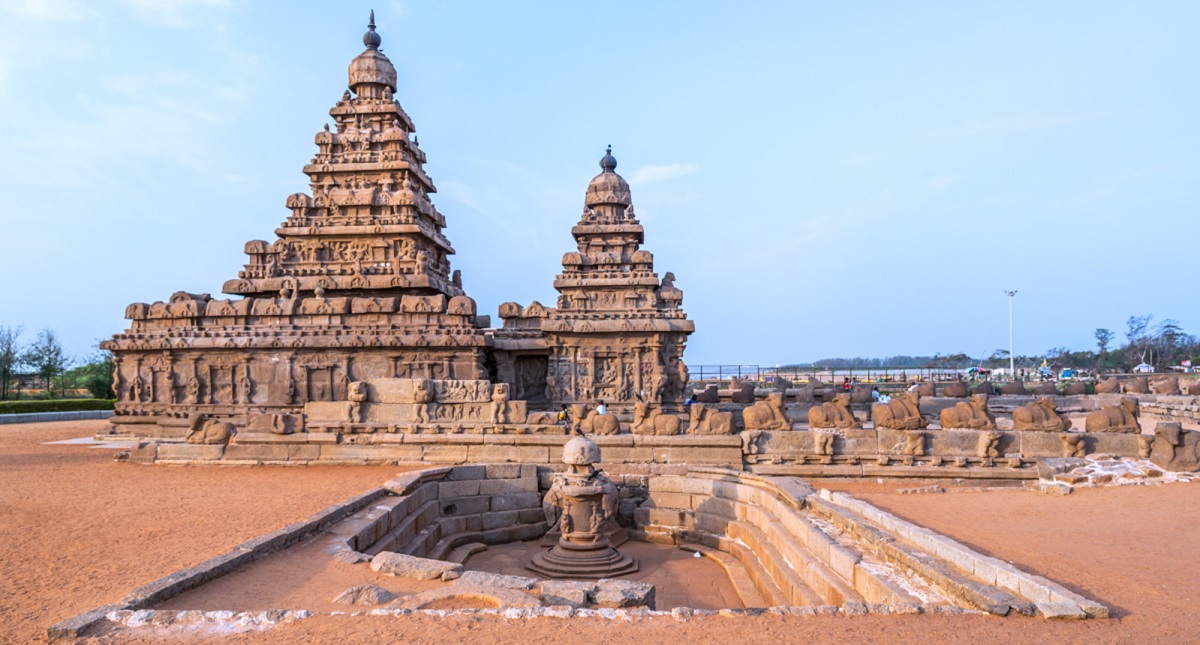
Group of Monuments at Mahabalipuram
- Type: Cultural
- Why Visit: Ancient temples and rock-cut sculptures near the sea.
- Top Attractions:
- Shore Temple – close to the beach
- Arjuna’s Penance – a giant wall carving
- Five Rathas – chariot-shaped temples
- Nearby City: Chennai (about 60 km)
- Tip: Go early morning or late evening to avoid heat.
Karnataka
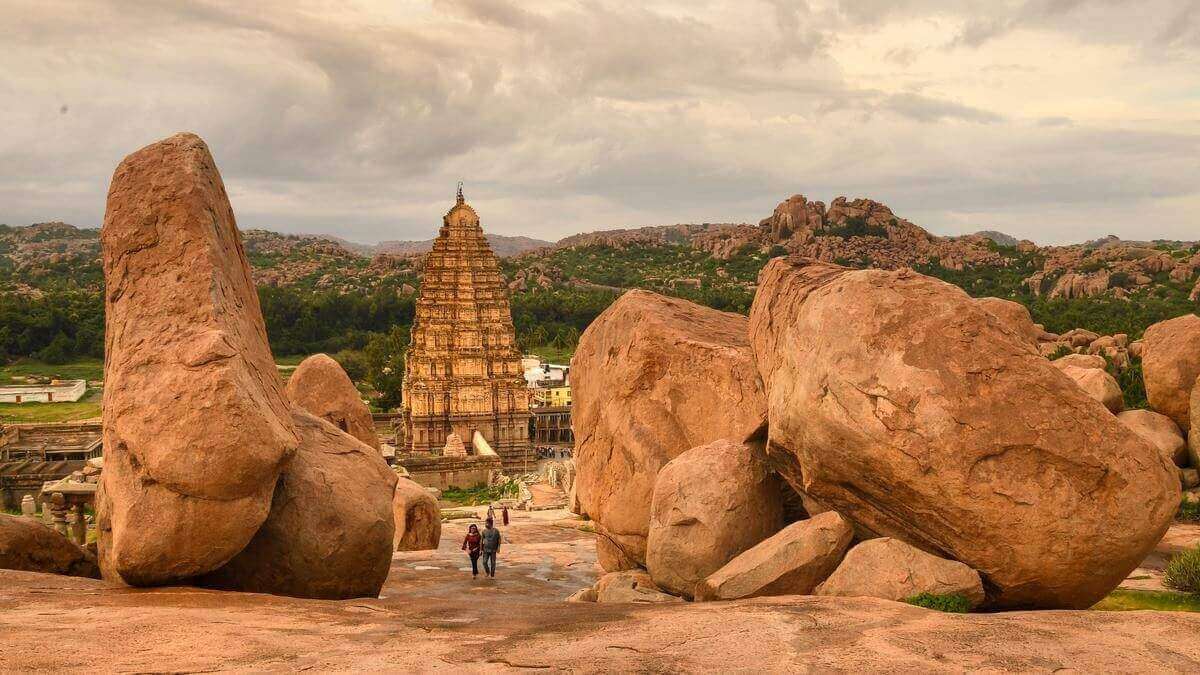
Group of Monuments at Hampi
- Type: Cultural
- Why Visit: Hampi was once the capital of the Vijayanagara Empire.
- What to See:
- Virupaksha Temple
- Stone chariot at Vittala Temple
- Ancient markets, palaces, and temples
- Best Time: October to February
- Fun Tip: Rent a cycle or take a coracle boat ride on the river!
Group of Monuments at Pattadakal
- Type: Cultural
- Why Visit: A small place with beautiful old temples from both North and South Indian styles.
- Best For: Students of history and architecture lovers
- Nearby Sites: Aihole and Badami – also full of ancient temples
- Travel Tip: You can cover Pattadakal, Aihole, and Badami in one trip.
Kerala
Western Ghats (Shared across several states)
- Type: Natural
- Why Visit: This is a biodiversity hotspot with forests, rivers, and wildlife.
- Covered Areas in Kerala:
- Silent Valley National Park
- Periyar Tiger Reserve
- Wayanad Wildlife Sanctuary
- Top Experiences:
- Jungle safaris
- Nature walks and bird watching
- Best Time: October to March
Goa
Churches and Convents of Goa
- Type: Cultural
- Why Visit: Built during Portuguese rule, these churches are beautiful and peaceful.
- Top Churches:
- Basilica of Bom Jesus (houses the body of St. Francis Xavier)
- Sé Cathedral
- Best Time: November to February
- Tip: Visit during Christmas for festive lights and celebrations.
Assam

Kaziranga National Park
- Type: Natural
- Why Visit: Home to two-thirds of the world’s one-horned rhinoceroses.
- Other Animals: Tigers, elephants, swamp deer, and lots of birds
- Top Experience: Jeep safari and elephant ride
- Best Time: November to April
Manas Wildlife Sanctuary
- Type: Natural
- Why Visit: A mix of forest and grassland, rich in rare animals like the golden langur.
- Adventure:
- Boat rides
- Forest camping
- UNESCO Status: Also a Project Tiger reserve and a Biosphere Reserve.
Meghalaya
Living Root Bridges (Tentative)
- Not a UNESCO site yet, but very likely to be in the future.
- These are natural bridges made from tree roots, found in Cherrapunji and Mawlynnong
Andaman & Nicobar Islands
The Great Nicobar Biosphere Reserve (Tentative List)
- Type: Natural (Tentative)
- Why It’s Special: Dense rainforests, rare birds, and marine life.
- Why Visit:
- Untouched nature
- Coral reefs and sea turtles
- Important Note: Entry to Nicobar is restricted. You need special permission.
Future Hope: Cellular Jail in Port Blair may also be added to the UNESCO list because of its historical importance in India’s freedom struggle.
Ladakh (Union Territory)
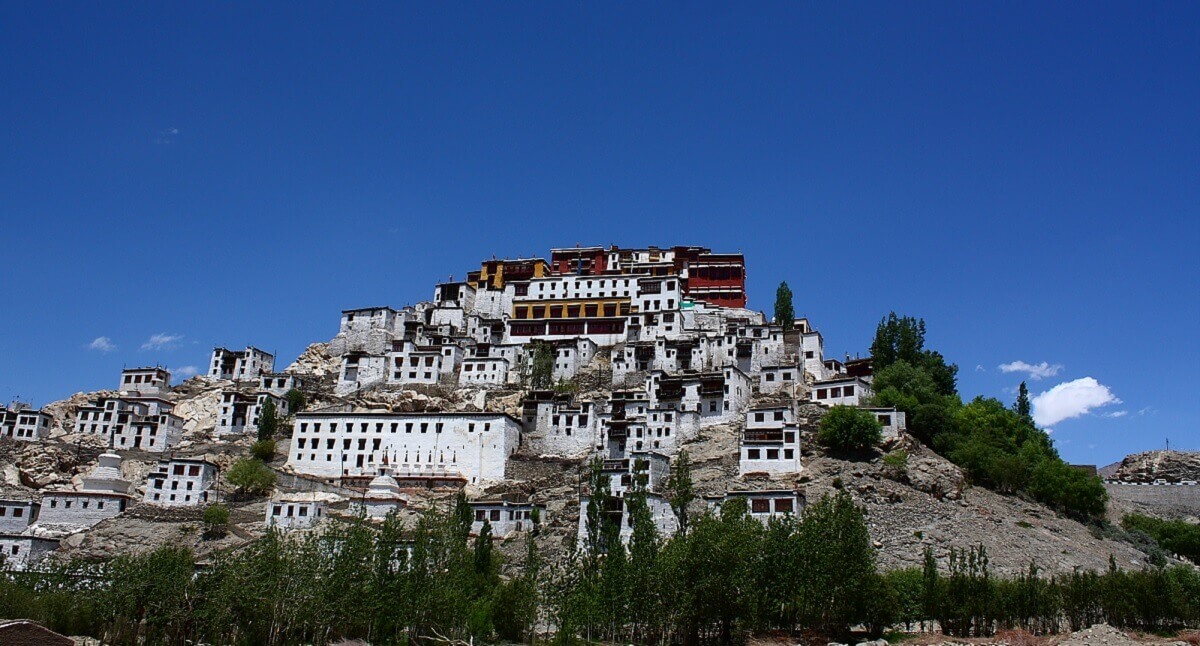
Tserkarmo Monastery & Cultural Landscape (Tentative)
- Type: Cultural (Tentative)
- Why Visit: A peaceful place showing Buddhist heritage in Ladakh.
- What’s Special:
- Traditional monasteries
- Unique art and architecture
- Tip: Visit during summer (May to September)
India’s Mixed UNESCO Sites
Khangchendzonga National Park (Sikkim)
- Type: Mixed (Natural + Cultural)
- Why Visit: A rare site that combines nature and culture.
- Highlights:
- Views of Mt. Kanchenjunga (3rd highest peak in the world)
- Sacred mountains and stories in local culture
- Best Time: March to May and September to November
- Tip: You need a permit to visit. Trekking is common here.
Other Important Mentions (Tentative Sites)
These are not UNESCO sites yet, but they might be added soon:
- Majuli River Island (Assam) – World’s largest river island, known for monasteries.
- Sacred Ensembles of the Hoysala (Karnataka) – Now included as a UNESCO site in 2023!
- Gwalior Fort and Orchha (Madhya Pradesh) – Historic towns with palaces and temples.
- Bhedaghat (Marble Rocks) – Known for its natural beauty and river views.
- Temples of Bishnupur (West Bengal) – Famous for terracotta art.
Final Travel Tips for Visiting UNESCO Sites in India
Plan Ahead
-
- Check if the site needs permits (some national parks do).
- Book safaris and guides early in peak season.
Go With a Local Guide
-
- They help explain the story behind the place.
- Support local communities by hiring certified guides.
Respect the Rules
-
- No touching carvings or statues.
- No littering in parks or heritage zones.
- Dress modestly in temples or sacred areas.
Pack Right
-
- Wear comfortable shoes.
- Carry water, sunscreen, and a hat.
- Use eco-friendly bags and avoid plastics.
Full Summary – UNESCO World Heritage Sites by State (2025)
Here’s a quick view of the number of UNESCO sites by region:
| Region | States/UTs | UNESCO Sites |
| North India | Delhi, Rajasthan, Uttar Pradesh, HP | Qutub Minar, Taj Mahal, Hill Forts etc. |
| Central India | MP, Chhattisgarh | Khajuraho, Sanchi, Bhimbetka |
| West India | Maharashtra, Gujarat, Goa | Ajanta, Ellora, Rani ki Vav, Churches |
| South India | Tamil Nadu, Karnataka, Kerala | Hampi, Chola Temples, Mahabalipuram |
| East India | Odisha, West Bengal, Bihar | Konark, Sundarbans, Mahabodhi Temple |
| Northeast India | Assam, Sikkim | Kaziranga, Manas, Kanchenjunga Park |
| Islands & Others | Andaman, Ladakh (tentative sites) | Biosphere Reserve, Cultural Landscapes |
List of UNESCO Sites by Site Name, Location and Type:
| Site Name | State/Location | Type |
| Agra Fort | Uttar Pradesh | Cultural |
| Ajanta Caves | Maharashtra | Cultural |
| Ellora Caves | Maharashtra | Cultural |
| Taj Mahal | Uttar Pradesh | Cultural |
| Sun Temple, Konârak | Odisha | Cultural |
| Group of Monuments at Mahabalipuram | Tamil Nadu | Cultural |
| Kaziranga National Park | Assam | Natural |
| Manas Wildlife Sanctuary | Assam | Natural |
| Keoladeo National Park | Rajasthan | Natural |
| Churches and Convents of Goa | Goa | Cultural |
| Fatehpur Sikri | Uttar Pradesh | Cultural |
| Group of Monuments at Hampi | Karnataka | Cultural |
| Khajuraho Group of Monuments | Madhya Pradesh | Cultural |
| Elephanta Caves | Maharashtra | Cultural |
| Great Living Chola Temples | Tamil Nadu | Cultural |
| Group of Monuments at Pattadakal | Karnataka | Cultural |
| Sundarbans National Park | West Bengal | Natural |
| Nanda Devi and Valley of Flowers National Parks | Uttarakhand | Natural |
| Buddhist Monuments at Sanchi | Madhya Pradesh | Cultural |
| Humayun’s Tomb, Delhi | Delhi | Cultural |
| Qutb Minar and its Monuments, Delhi | Delhi | Cultural |
| Mountain Railways of India (Darjeeling, Nilgiri, Kalka) | West Bengal, Tamil Nadu, Himachal Pradesh | Cultural |
| Mahabodhi Temple Complex at Bodh Gaya | Bihar | Cultural |
| Rock Shelters of Bhimbetka | Madhya Pradesh | Cultural |
| Chhatrapati Shivaji Terminus (formerly Victoria Terminus) | Maharashtra | Cultural |
| Champaner-Pavagadh Archaeological Park | Gujarat | Cultural |
| Red Fort Complex | Delhi | Cultural |
| The Jantar Mantar, Jaipur | Rajasthan | Cultural |
| Western Ghats | Maharashtra, Karnataka, Kerala, Tamil Nadu | Natural |
| Hill Forts of Rajasthan | Rajasthan | Cultural |
| Rani-ki-Vav (The Queen’s Stepwell) | Gujarat | Cultural |
| Great Himalayan National Park | Himachal Pradesh | Natural |
| Archaeological Site of Nalanda Mahavihara | Bihar | Cultural |
| Khangchendzonga National Park | Sikkim | Mixed |
| The Architectural Work of Le Corbusier | Chandigarh | Cultural |
| Historic City of Ahmedabad | Gujarat | Cultural |
| Victorian Gothic and Art Deco Ensembles | Maharashtra | Cultural |
| Jaipur City | Rajasthan | Cultural |
| Dholavira: A Harappan City | Gujarat | Cultural |
| Ramappa Temple (Rudreshwara) | Telangana | Cultural |
| Santiniketan | West Bengal | Cultural |
| Sacred Ensembles of the Hoysalas | Karnataka | Cultural |
Conclusion: Why You Should Visit UNESCO Sites in India
Each UNESCO sites in India tells a unique story – from ancient temples to wild forests, from royal forts to sacred mountains. These places help us understand India’s rich past, diverse culture, and natural beauty.
Whether you love history, nature, adventure, or art — there is a UNESCO sites waiting for you. Start planning, explore with care, and be proud of these treasures that belong to all of us.
You Might Also Like:
- Explore India’s Top Wildlife Reserves to Visit This September
- Discover the Best Things to Do in Rajasthan – September 2025 Guide
- Unlock 20 Hidden Monuments in India You Must Explore
- Book the Best Family Resorts in Rajasthan with Kids’ Activities
- Plan a Monsoon Getaway Near Mumbai This August
- Relax at South India’s Best Beach Resorts for Families
- Experience Alleppey in July – Weather, Things to Do & More
- Visit Darjeeling in July – Complete Travel & Weather Guide
- Enjoy a July Trip to Mahabaleshwar – Attractions, Weather & Tips