Discover the living heritage of God’s Own Country through its sacred performances and cultural expressions Artforms of Kerala
Kerala is not just a land of scenic backwaters and coconut groves—it’s also a living museum of ritualistic and traditional artforms. From age-old temple performances and vibrant festival rituals to mesmerizing dance dramas and tribal expressions, the cultural heartbeat of Kerala is felt most vividly through its art. These aren’t just shows for entertainment—they are sacred, symbolic, and spiritual performances embedded in everyday life.
In this guide, we’ll take you on a journey through Kerala’s most celebrated ritual artforms and traditional performances—exploring their origins, significance, where to see them, and how they form an essential thread in Kerala’s identity. Whether you’re a traveler, student, or cultural enthusiast, this guide will enrich your understanding of how Kerala celebrates the divine through movement, rhythm, and tradition.
1. Theyyam: The Sacred Dance of the Gods
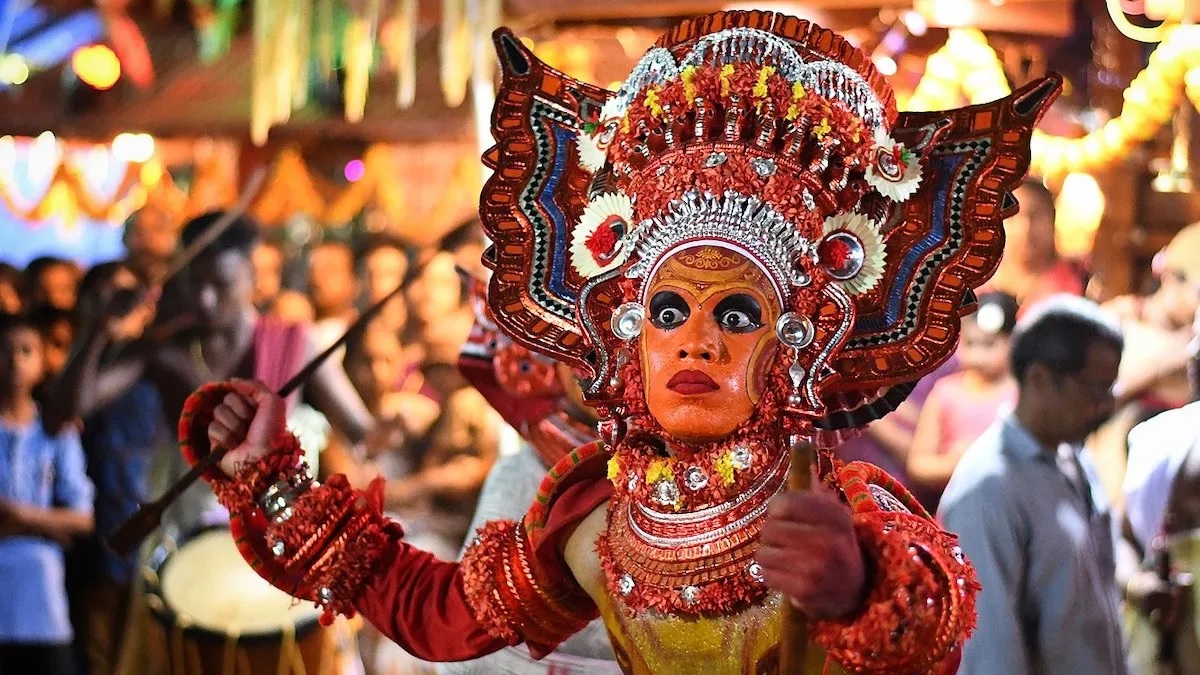
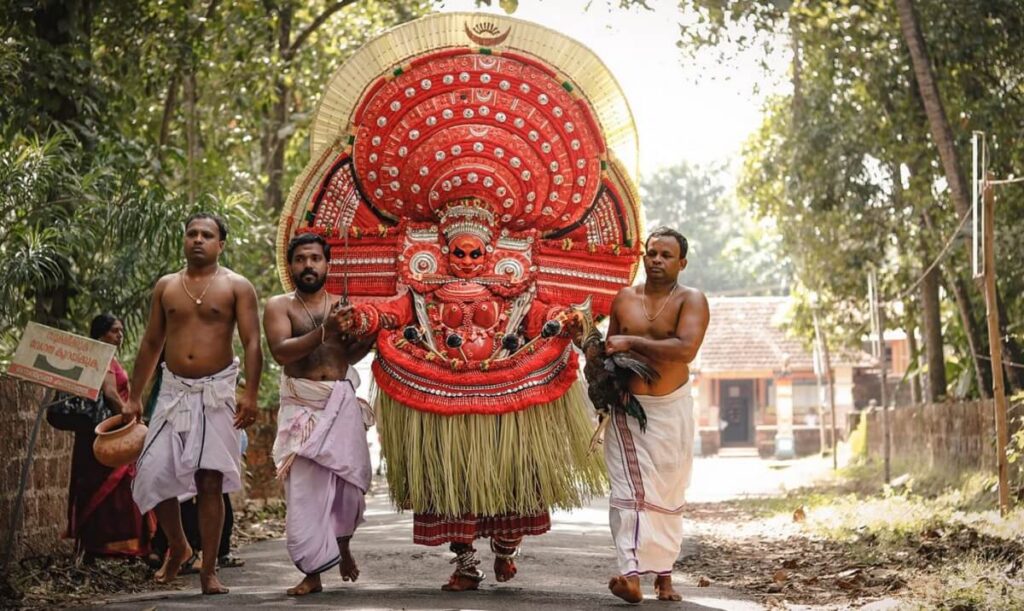
One of Kerala’s most visually stunning and spiritually charged artforms, Theyyam is a ritual performance rooted in the Malabar region, especially in Kannur and Kasaragod districts.
Origins & Meaning
Theyyam means “deity” and is a living representation of godly spirits. In these performances, local men from specific communities (such as Malayan, Vannan, or Velan) don elaborate makeup, towering headdresses, and vibrant costumes to transform into divine beings.
Performed in front of shrines, groves, or ancestral homes, Theyyam is both ritual and performance, often involving self-torture, fire-walking, or trance-like states where the performer is believed to embody the deity.
Key Features:
- Season: November to May
- Duration: Ranges from a few hours to overnight
- Accompaniment: Chenda drums, folk chants, and ritualistic recitations
- Popular Types: Vishnumoorthi Theyyam, Gulikan, Chamundi, Muchilottu Bhagavathi
Where to See:
- Kannur: Parassinikadavu, Karivellur
- Kasaragod: Pilikode, Nileshwar
- Villages often announce Theyyam programs ahead of time—ask locals or check cultural tourism calendars.
2. Koodiyattam: Sanskrit Theatre with a Ritual Soul

Recognized by UNESCO as a Masterpiece of the Oral and Intangible Heritage of Humanity, Koodiyattam is Kerala’s traditional form of Sanskrit theatre performed in temple theatres called Koothambalams.
Origins
Dating back over 2,000 years, Koodiyattam is one of India’s oldest living theatrical traditions. The name means “acting together,” as it combines Chakyar (actor), Nangiars (female artists), and drummers (Nambiars).
The performances are based on classical Sanskrit plays, enriched with mudras (hand gestures), facial expressions, and deeply codified rituals. Exploring the Heritage and Culture of Gwalior
Performance Traits:
- Performed by: Traditionally Chakyar community
- Duration: A single act may be enacted over multiple nights
- Language: Sanskrit verses with Malayalam explanations
- Instruments: Mizhavu drum, Edakka
Where to See:
- Kuthiramalika Palace, Thiruvananthapuram
- Margi Theatre, Thiruvananthapuram
- Kerala Kalamandalam, Cheruthuruthy
Many temples in Thrissur and Palakkad districts host annual Koodiyattam events, especially during festivals. Best Time to Visit Kerala for Houseboat Tours: A Complete 2025 Guide
3. Kathakali: Kerala’s Classical Dance-Drama
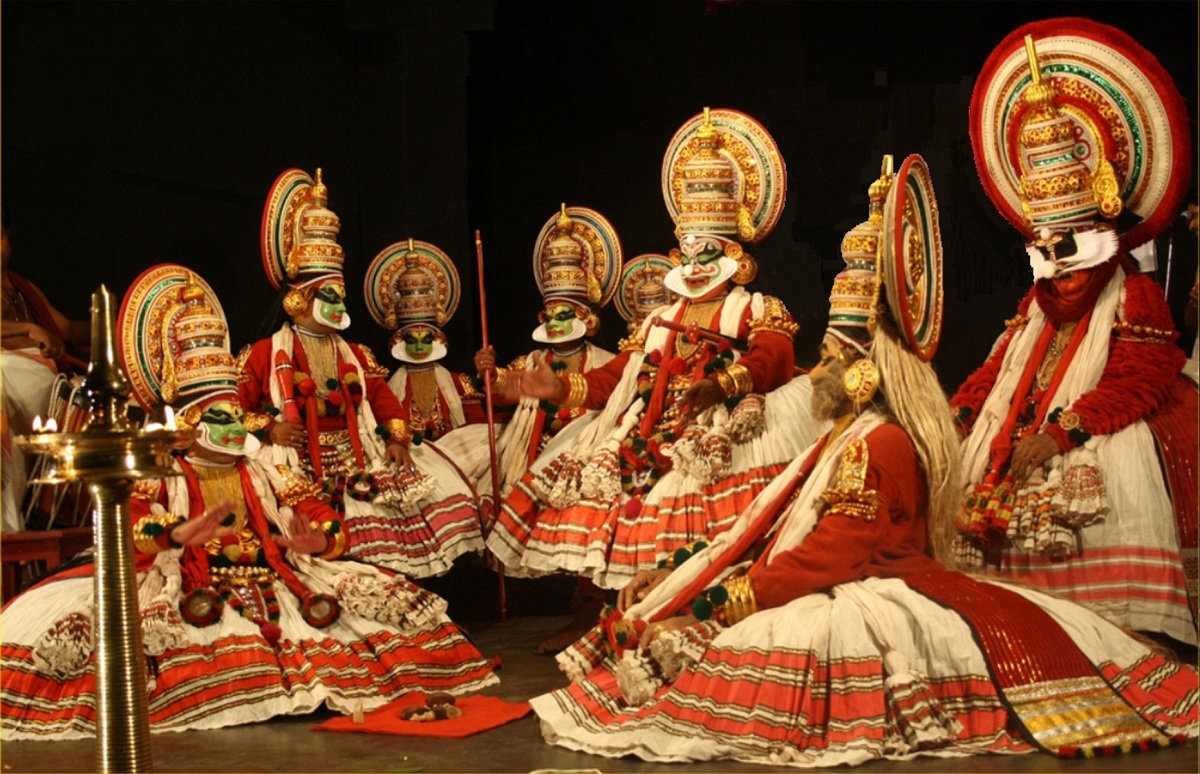
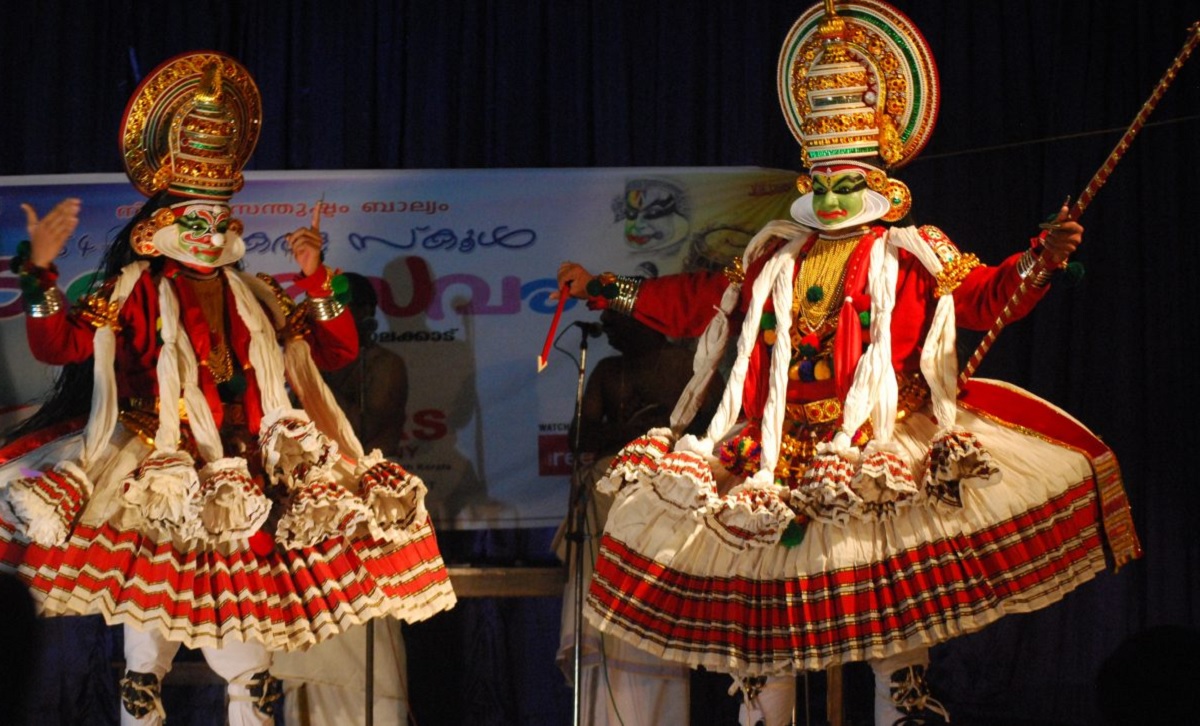
One of the most iconic artforms of Kerala, Kathakali is a classical dance-drama known for its elaborate costumes, colorful face makeup, and stylized storytelling.
The Essence of Kathakali
Kathakali means “story play.” It draws themes from the Ramayana, Mahabharata, and Puranic tales. Performers go through years of training to master facial expressions (Navarasas), hand gestures (mudras), and movement.
A Kathakali performance is a visual spectacle, starting with the lighting of a lamp (nilavilakku) and accompanied by percussion and vocals. A Guide to Hyderabad’s Rich History and Culture
Highlights:
- Makeup Types: Pacha (noble hero), Kathi (villain), Kari (demoness), Thadi (bearded characters)
- Duration: Ranges from 1 hour (tourist-friendly shows) to overnight traditional plays
- Instruments: Chenda, Maddalam, Chengila, Ilathalam
Where to Experience:
- Kerala Kathakali Centre, Kochi
- Kerala Kalamandalam, Cheruthuruthy
- Margi Kathakali School, Thiruvananthapuram
- Temple festivals across Kerala
Visitors are encouraged to arrive early to witness the makeup ritual, which is an art in itself. Mamallapuram Dance Festival: A Complete Guide
4. Ottamthullal: Satirical Solo Performance with Social Punch
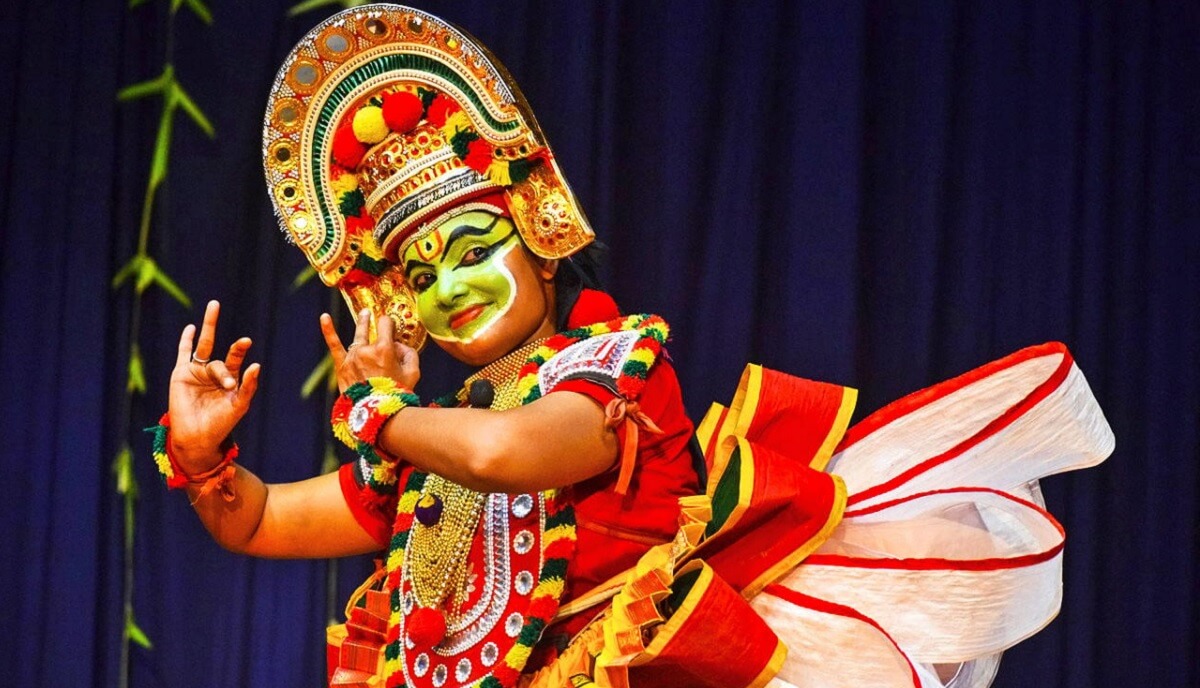
Ottamthullal is a vibrant, fast-paced solo dance-drama that stands out for its humor, rhythm, and accessible storytelling. Created by poet-performer Kunchan Nambiar in the 18th century as a response to the elite artforms of the time, Ottamthullal was meant for the common people, often using satire to critique social evils, corruption, and hypocrisy.
Performance Highlights
- The performer wears a green face paint, colorful headgear, and a bright costume with waist frills and ankle bells.
- Stories are narrated in simple Malayalam, using verses that combine folklore, epics, and contemporary themes.
- The performer sings, dances, and enacts characters, backed by a single vocalist and percussionist playing the mridangam and idakka.
Themes:
- Episodes from the Ramayana, Mahabharata, or Puranas with a humorous twist.
- Often includes current political or societal references, making it lively and relevant.
Where to See:
- Cultural centers in Thiruvananthapuram, Thrissur, and Ernakulam
- School festivals, temples, and regional events like Onam celebrations
Ottamthullal remains one of Kerala’s most crowd-friendly and energetic artforms, especially loved by younger audiences and learners. Things You Should Know About South India Culture
5. Mohiniyattam: The Dance of the Enchantress
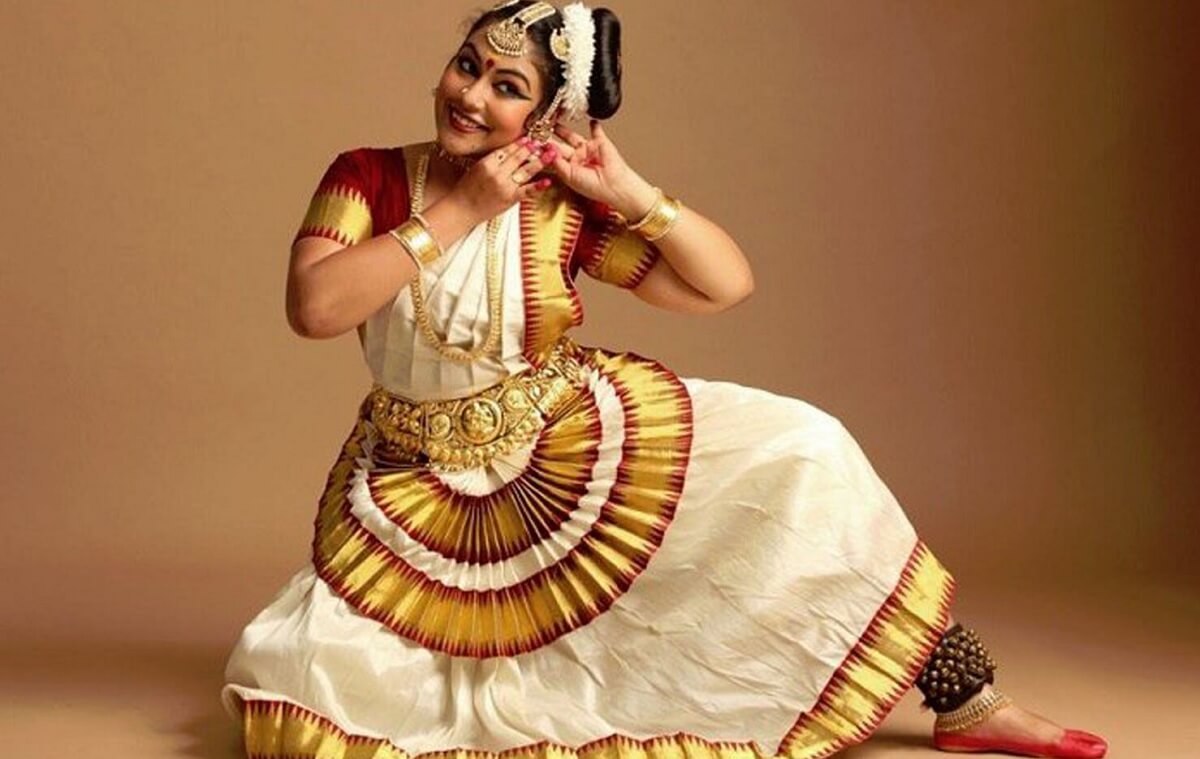
Mohiniyattam is Kerala’s classical dance form known for its graceful movements, soft expressions, and feminine elegance. The name translates to “dance of the enchantress,” referring to the mythical figure Mohini—an incarnation of Vishnu.
Unlike Kathakali’s elaborate masculinity, Mohiniyattam is all about lasya, the softer, emotive aspect of dance. Traditionally performed by women, it celebrates themes of love, devotion, and nature.
Key Characteristics:
- Attire: White or off-white sari with golden borders (kasavu), and jasmine flowers adorning the hair
- Movements: Circular steps, gentle eye expressions, subtle hand gestures (mudras)
- Accompaniment: Vocal Carnatic music, mridangam, edakka, flute, and veena
- Language: Lyrics are in Malayalam or Sanskrit
Where to Learn or Watch:
- Kerala Kalamandalam – the leading institution for Mohiniyattam
- Kerala Sangeetha Nataka Akademi and Margi Theatre
- Often performed at temples during festivals, especially in central Kerala
Today, Mohiniyattam is gaining global recognition for its meditative rhythm and deep emotional appeal.
6. Padayani: Ritual Theatre of Central Kerala
Padayani is one of Kerala’s most powerful ritual artforms that blends dance, music, theater, and divine possession. It is performed annually in temples of central Kerala, especially in Pathanamthitta and Kottayam districts, during the Bhagavathi (goddess) festivals.
Derived from the word ‘Pada’ meaning military, Padayani is a ritualistic dance of warriors offered to the goddess as an act of devotion, purification, and protection against evil spirits.
Performance Features:
- Large kolams (masks) made from areca palm, hand-painted with natural colors
- Themes: Mythological episodes of Bhadrakali, Shiva, and demons
- Artists perform in circles with rhythmic drumming (chenda) and chanting
- Some performances include trance states, where performers are believed to be possessed by the deity
Signature Kolams:
- Bhairavi
- Kaalan
- Yakshi
- Pakshi
When & Where:
- Kadammanitta Devi Temple (April–May) during Vishu season
- Other key Padayani temples: Neelamperoor, Kurampala, Kottangal
Padayani is not only visually stunning but also spiritually intense—where sacred art becomes living devotion. Things You Should Know About Rajasthani Culture
7. Temple Rituals and Festivals of Kerala: Where Art Meets Worship
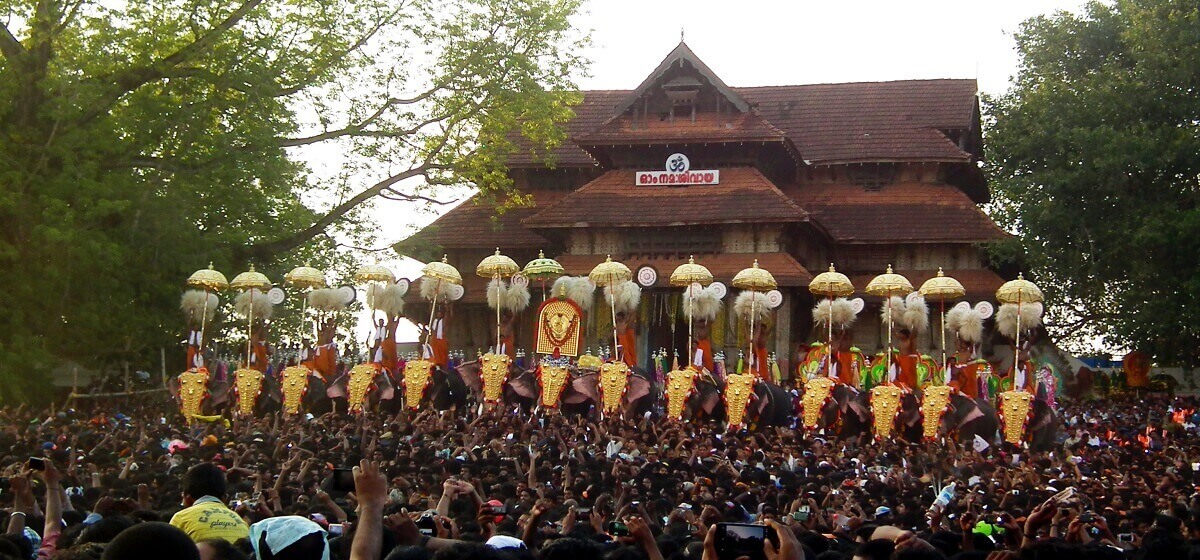
Kerala’s cultural identity is inseparable from its temple festivals, many of which include ritual artforms as part of their spiritual program. These festivals are large-scale community events involving processions, music, fire rituals, and offerings.
Key Ritual Festivals Featuring Traditional Art:
Thrissur Pooram
- Held at Vadakkunnathan Temple in Thrissur
- Famous for its elephant processions, chenda melam (drum ensemble), and nighttime fireworks
- A visual extravaganza with cultural performances
Aarattu Festival
- Held in Padmanabhaswamy Temple, Thiruvananthapuram
- Includes ceremonial bathing of idols in the sea or rivers, traditional chants, and temple music
Utsavams at Guruvayur Temple
- Includes Krishnanattam (another temple dance-drama) and performances of classical and ritual arts for 10 days
Ritualistic Artforms in Festivals:
- Thayambaka: Percussion solo with chenda
- Panchavadyam: Ensemble of five instruments
- Kavadiyattam: Devotee dance during pilgrimage to Subramanya temples
- Pulikali: Tiger dance performed during Onam, combining folk art and street performance
Kerala’s temple festivals are cultural capsules where art, music, religion, and community merge.
8. Folk Artforms of Kerala: Expressions of the Common People
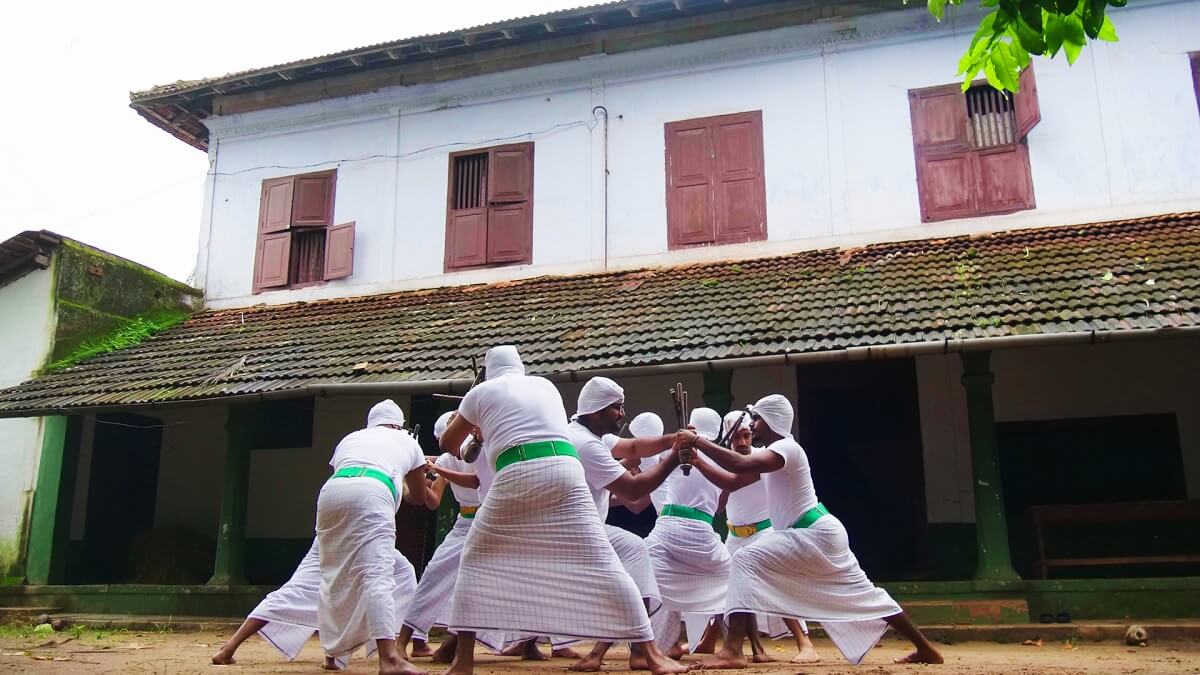
Beyond temple rituals and classical dance, Kerala boasts a rich spectrum of folk art traditions rooted in the lives and stories of everyday people. These are performed during local festivals, harvest seasons, weddings, and social events.
Duffmuttu
- Performed by the Muslim community of Malabar
- Involves rhythmic movements with duff (a shallow drum), chanting praises of Islamic heroes and saints
- Popular during Ramadan, Eid, and weddings
Kolkali
- A group folk dance performed by men with small wooden sticks
- Accompanied by rhythmic clapping and chanting
- Reflects martial arts influence and community harmony
- Seen in school events and temple festivals
Oppana
- A graceful dance performed by Muslim women during weddings
- Involves singing, clapping, and slow circling around the bride
- Lyrics usually praise the bride’s beauty and express good wishes
Margamkali & Parichamuttukali
- Traditional Christian dance forms of Kerala
- Based on the life of St. Thomas and martial dance sequences
- Performers wear white dhoti with red borders and dance in synchronized steps
These folk arts showcase Kerala’s religious diversity, regional identity, and oral traditions, many of which are still practiced today with great enthusiasm.
9. Where to See Kerala’s Traditional Artforms: Cultural Centers, Villages & Festivals
Experiencing Kerala’s traditional and ritual artforms firsthand is one of the most authentic ways to connect with its spiritual and cultural soul. While some artforms are seasonal or festival-specific, others are performed year-round at cultural centers and institutions across the state.
Here’s a breakdown of the best places and experiences to witness these incredible traditions:
Cultural Centers & Training Institutions
These are perfect for travelers who want to see performances, attend workshops, or interact with artists:
- Kerala Kalamandalam (Cheruthuruthy, Thrissur):
Premier center for Kathakali, Mohiniyattam, Koodiyattam, and more. Offers public demonstrations and campus visits. - Kerala Kathakali Centre (Fort Kochi):
Daily evening shows of Kathakali, Kalaripayattu, and Theyyam (seasonal), with makeup sessions and cultural lectures. - Margi Theatre (Thiruvananthapuram):
Known for preserving Koodiyattam and Kathakali with traditional temple theater ambiance. - Folklore Theatre (Thevara, Kochi):
Offers curated performances of Theyyam, Padayani, and Oppana for small audiences.
Villages & Local Experiences
If you’re visiting during temple festival season (November to May), ask locals or guides about:
- Theyyam Villages in Kannur and Kasaragod:
Almost every night a Theyyam is performed in some village shrine. Check with local homestays or tourism offices for schedules. - Pathanamthitta (Padayani Hotspot):
Kadammanitta and Neelamperoor temples host some of the most dramatic and elaborate Padayani rituals. - Backwater Homestays (Kumarakom, Alappuzha):
Some families host Oppana or Duffmuttu performances during Onam or Eid. - Christian Syrian Churches (Central Kerala):
Witness Margamkali and church-centered folk dances during parish feasts.
Not-to-Miss Festivals Featuring Ritual Art:
| Festival | Location | When | Featured Arts |
|---|---|---|---|
| Thrissur Pooram | Thrissur | April–May | Panchavadyam, Processions |
| Theyyam Season | Kannur, Kasaragod | Nov–May | Theyyam |
| Padayani Festival | Pathanamthitta | Feb–April | Padayani |
| Onam | Statewide | Aug–Sep | Pulikali, Folk Arts |
| Guruvayur Temple Utsavam | Guruvayur | Feb–Mar | Krishnanattam, Chenda Melam |
Always check local calendars, tourism boards, or consult with local hosts to align your trip with these mesmerizing events.
10. Final Thoughts: Why Kerala’s Ritual Arts Still Matter Today
In a rapidly modernizing world, where attention spans shrink and traditional ways often fade, Kerala stands apart—rooted deeply in ritual, art, and community memory. The state’s commitment to preserving its ritualistic artforms not only keeps history alive but also allows visitors to witness culture as a living, breathing entity.
These performances are not just visual spectacles. They are spiritual offerings, social commentaries, and acts of preservation. When a Kathakali dancer spends hours applying his makeup or when a Theyyam performer enters a trance after fasting for days—it’s not just theater, it’s transcendence.
So the next time you plan your visit to Kerala, look beyond the beaches and backwaters. Seek out the village shrines, temple festivals, and hidden performance halls where gods dance, drums speak, and tradition lives on—just as it has for centuries.
You Might Also Like:
- Recharge at Kerala’s Best Monsoon Ayurveda Retreats – July Detox Guide
- Discover 15 Must-Visit Places Near Athirapally – Plan Your Trip Now
- Explore Top 9 Hiking Trails in Kerala – A Nature Lover’s Guide
- Thinking of Visiting Kerala in June? Read This Complete Travel Guide
- Plan a Trip to Kerala in June 2025 – Weather, Tips & Highlights
- Plan the Perfect 1-Week Kerala Itinerary – Don’t Miss This Guide
- Know Kerala Weather Better – Monthly Climate & Travel Seasons Guide
- Goa vs Kerala for Honeymoon – Choose the Right Destination for You
- First Time in Kerala? Use This Easy Step-by-Step Travel Planner
- Visit Kerala in March 2026 – Weather, Attractions & Travel Tips
- Taste Authentic Kerala Food in Kochi – 5 Must-Try Culinary Stops
- Top 10 Boat Races in Kerala You Can’t Miss in 2026 – Plan Ahead!
- Malabar River Festival Travel Guide 2025: Everything You Need to Know
- How to Reach Kerala by Sea? A Complete Guide
- All You Need to Know About Begur Wildlife Sanctuary in Kerala
- Monsoon Breaks Near Mumbai Are Special in August
- Valley of Flowers vs Kaas Plateau
- South India Travel in August 2025
- Top 20 Wildlife Reserves Open in September in India
- What to Do in Rajasthan in September 2025
- Plan Your Kerala Escape – Read the September Travel Guide Today
- Get Kerala’s October Weather Update – Prepare Your Journey!