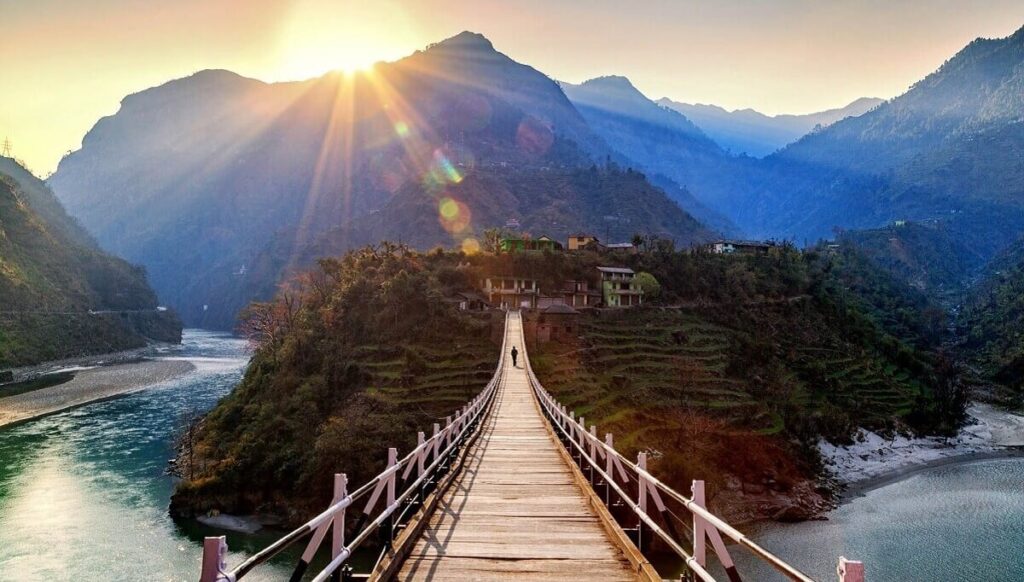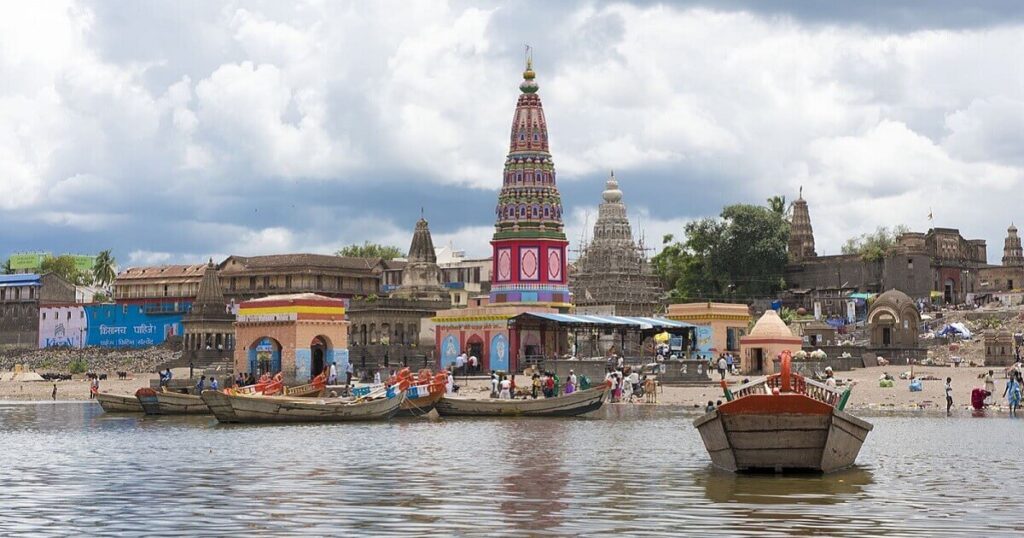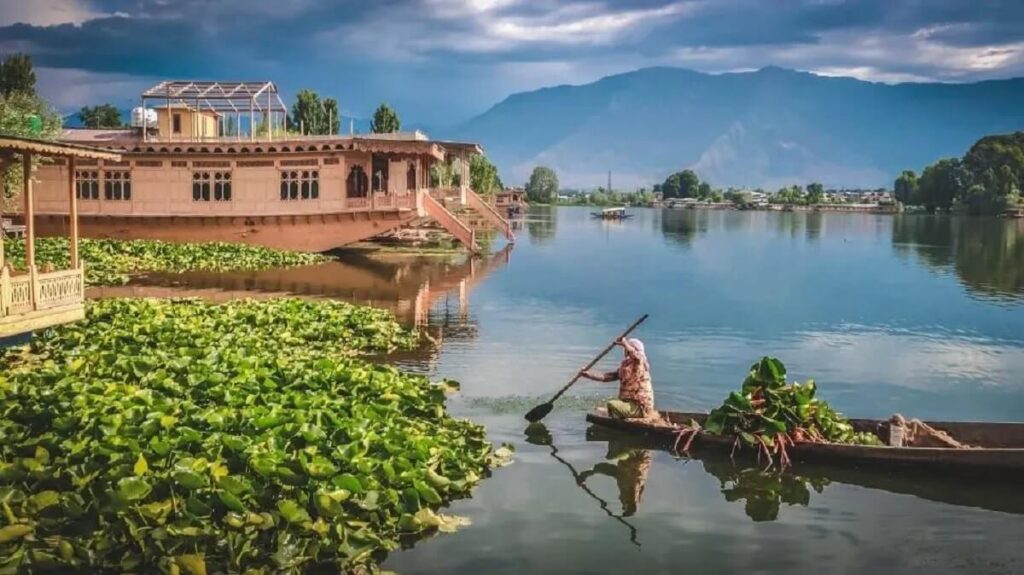
Is July a good time to explore North India? For many travelers, the monsoon season may seem like an unpredictable time to pack your bags—but for the discerning explorer, July opens the door to a lush, rain-washed landscape, fewer crowds, and authentic local experiences.
North India in July offers a unique blend of monsoon freshness and spiritual richness. The Himalayan foothills are bursting with greenery, rivers swell to life, and hill towns become cozy retreats. While the plains experience moderate to heavy rainfall, many regions—particularly hill stations—become a haven for peace-seekers, couples, and nature lovers. July also coincides with Shravan Maas, an important month in Hindu spirituality, bringing many festivals and pilgrimage opportunities.
However, travel in July requires preparation. Rains can lead to temporary road blockages in certain regions, especially in Uttarakhand and Himachal Pradesh. It’s important to check weather advisories, be flexible with your plans, and opt for destinations that remain accessible despite the rain.
This travel guide covers it all—weather updates, top destinations, festivals, must-do activities, and regional tips—to help you plan a smooth and memorable trip to North India in July 2026.
Recommended Read: Planning a high-altitude monsoon trip? Don’t miss our Kedarnath Weather in July guide for practical insights and yatra planning.
Weather in North India in July 2026
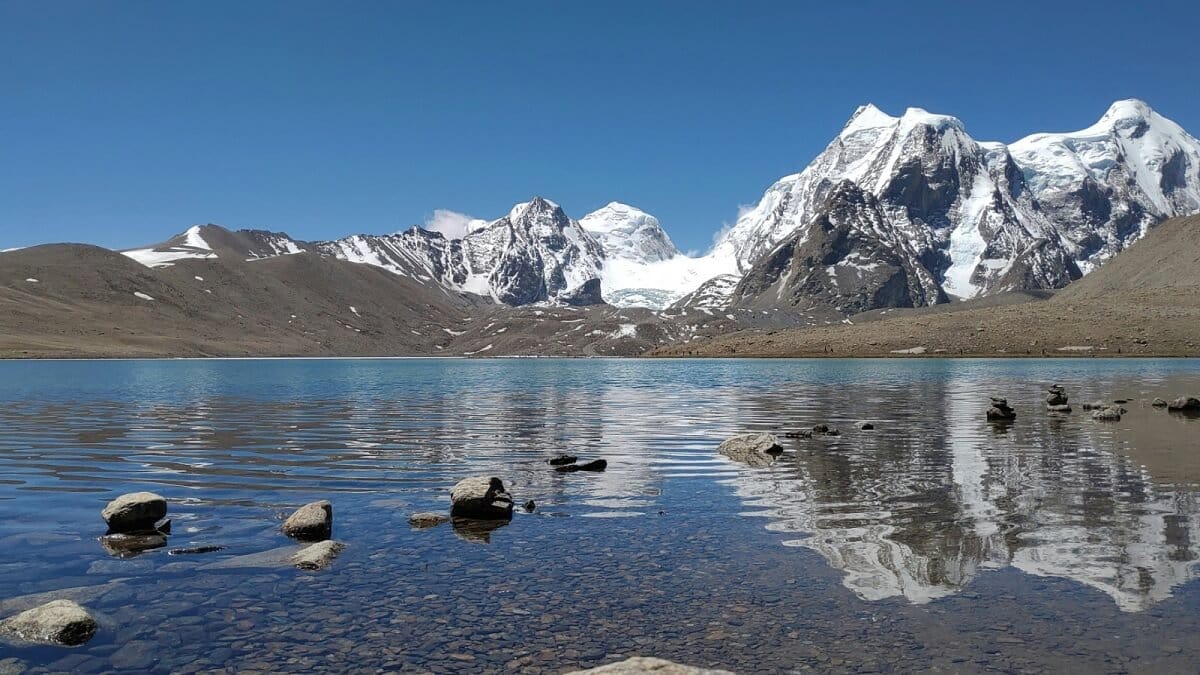
The weather in North India during July varies dramatically based on geography. While Delhi, Punjab, and Uttar Pradesh see regular monsoon showers with rising humidity, the hill states—like Himachal Pradesh, Uttarakhand, and Jammu & Kashmir—are relatively cooler and experience misty rains and lush growth.
Here’s a general breakdown of weather by region:
- Delhi, Agra, Jaipur: Temperatures range between 26°C to 35°C. Humidity is high, but periodic showers bring relief.
- Shimla, Manali, Mussoorie: Pleasant temperatures (15°C to 25°C), intermittent rains, and vibrant green hills. Roads may be slick; plan travel times carefully.
- Leh-Ladakh: July is among the best times to visit Ladakh. The roads from Manali and Srinagar are open, and weather is mostly dry with daytime highs of 20°C to 27°C.
- Rishikesh and Haridwar: Monsoon arrives in full force, adding power to the Ganges but also making some trekking paths risky.
Pro tip: Always carry waterproof jackets, reliable shoes, and a dry bag for valuables. Weather apps can help, but local knowledge is key—ask hoteliers and taxi drivers about conditions before setting out.
Related Read: Explore Monsoon Destinations from Delhi if you’re seeking short getaways this season.
Top Places to Visit in North India in July 2026
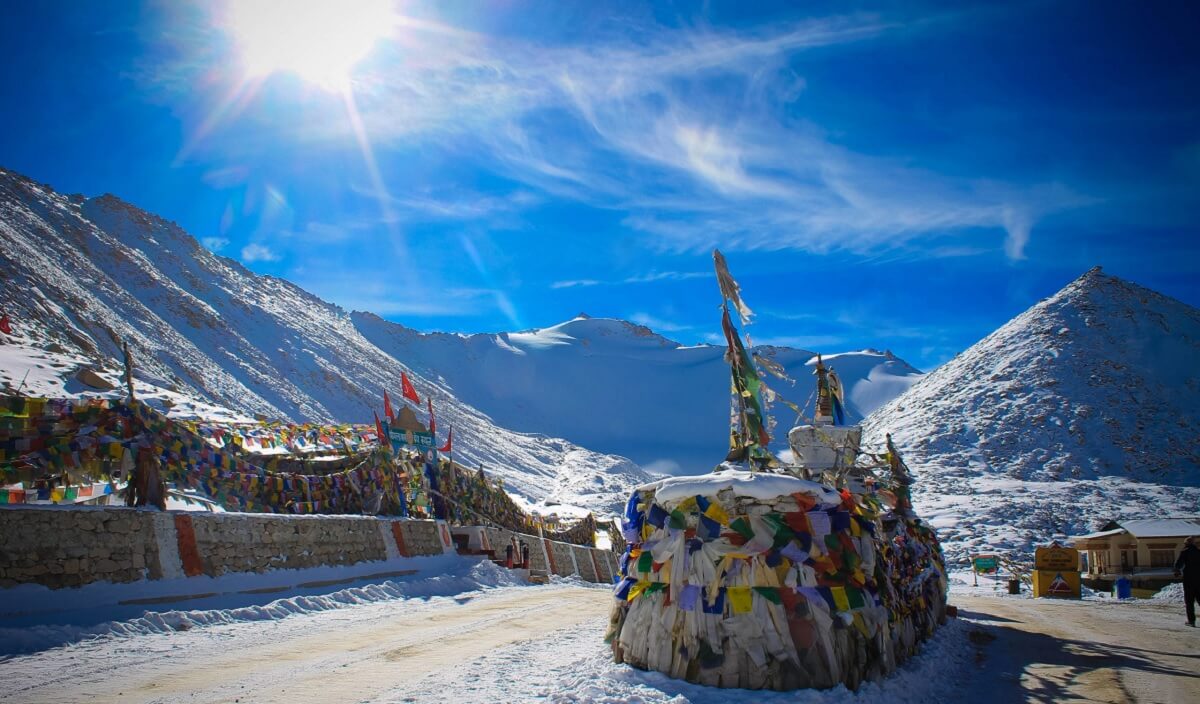
July might be part of the monsoon season, but it’s far from being off-season—especially in North India, where some destinations come alive in the rain. From mist-covered temples to rain-drenched meadows and spiritual riverside ghats, here are the best places to explore in North India in July:
Nainital, Uttarakhand
Nainital in July offers a quiet escape with lush surroundings. The monsoon transforms Naini Lake into a glistening mirror, and the town is surrounded by dense green hills. You can enjoy off-season hotel rates, paddle boating, and cable car rides to Snow View Point. Just be aware that heavy rain may cause short-term disruptions on the Nainital–Kathgodam road.
Related Read: Planning a road trip? Here’s your full guide on Delhi to Nainital in July.
Leh–Ladakh, UT of Ladakh
While other Himalayan regions may experience landslides, Leh–Ladakh is dry, dramatic, and ideal in July. With roads from Manali and Srinagar fully operational, this is prime time for bike trips, high-altitude treks, and sightseeing around Pangong Tso, Nubra Valley, and monasteries like Thiksey and Hemis.
Pro Tip: July also hosts the Hemis Festival, a two-day celebration of Ladakhi culture and Buddhist traditions. July Road Trip in Ladakh? See Weather Tips & Top Places to Visit!
Dharamshala & McLeodganj, Himachal Pradesh
The Tibetan town of McLeodganj, near Dharamshala, is lush, foggy, and peaceful in July. It’s an ideal base for exploring Bhagsu Waterfall, Namgyal Monastery, and the Triund trek (weather permitting). Fewer tourists mean easier access to meditation centers, budget hotels, and cafes.
Related Read: Seeking quiet escapes? Check our blog on Unexplored Villages in Himachal Pradesh.
Rishikesh, Uttarakhand
Though rain may disrupt some activities like rafting, Rishikesh in July offers a different charm—riverfront cafes, yoga retreats, and misty views of the Ganges. It’s a great time to visit Neelkanth Mahadev Temple or attend a quieter version of the Ganga Aarti at Triveni Ghat.
Bonus Tip: Check out monsoon retreats or yoga centers that offer detox packages during this season.
Best Hill Stations to Escape the Heat in July 2026
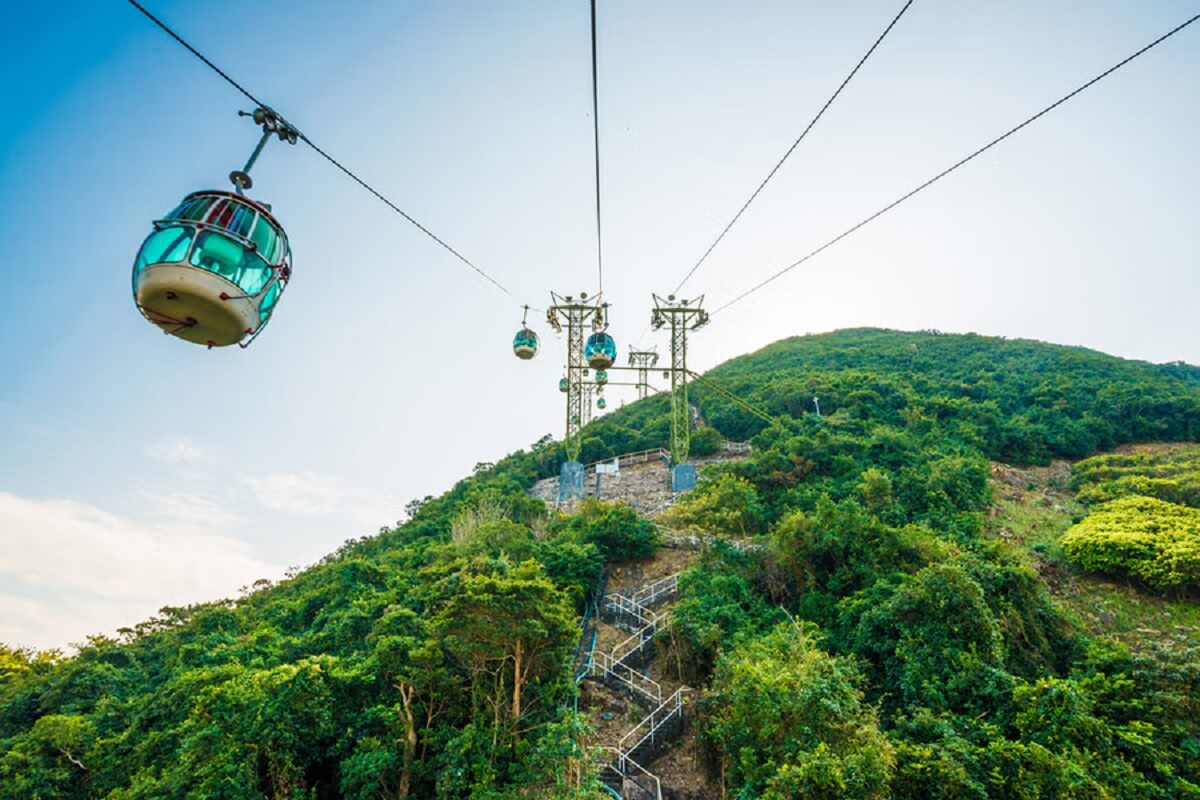
For many travelers in North India, July’s sweltering lowland humidity makes the hills a natural escape. The region is home to an abundance of hill stations that not only cool the body but also refresh the soul—especially during the monsoon, when the air is clean, the foliage lush, and the crowds thinner.
Here are some of the most rewarding hill stations to visit in North India during July:
Mussoorie, Uttarakhand
Often called the “Queen of the Hills,” Mussoorie offers misty trails, cool breezes, and panoramic Himalayan views in July. While the town center around Mall Road gets some rainfall, sites like Cloud’s End, Kempty Falls, and Camel’s Back Road are lush and romantic.
The monsoon also means fewer tourists, allowing visitors to experience the old colonial charm and forested surroundings at a more relaxed pace.
Related Read: Discover more quiet escapes in our blog Weekend Trips from Delhi to Enjoy July Rains.
Khajjiar, Himachal Pradesh
Nicknamed “Mini Switzerland of India,” Khajjiar near Dalhousie is an emerald-green paradise in July. The meadows are dewy and fresh, surrounded by dense cedar forests. This time of year, the rolling grasslands appear almost surreal in the post-rain glow.
You can also take easy hikes around the Khajji Nag Temple and enjoy horseback rides on the plateau—ideal for couples and families seeking solitude.
Chail, Himachal Pradesh
Less crowded than Shimla, Chail is one of Himachal’s best-kept secrets. The former summer capital of the Maharaja of Patiala, it’s home to the highest cricket ground in the world, peaceful pine forests, and scenic viewpoints like Kali Ka Tibba.
July’s rain transforms Chail into a quiet retreat where you can spend your mornings walking through forest trails and your evenings beside a warm fire.
Binsar, Uttarakhand
For travelers looking to escape crowds and embrace wilderness, Binsar is a top pick. Located in the Kumaon region, this sanctuary town offers sweeping views of the Nanda Devi range and trails through Binsar Wildlife Sanctuary.
July brings thick clouds and a mysterious mist that cloaks the pine forests, creating a fairy-tale atmosphere. It’s an excellent time for nature photography and long walks.
Related Read: Want more remote getaways? Visit our post on Offbeat Hill Stations in Uttarakhand.
Cultural & Religious Festivals in North India in July
Despite the rains, July is spiritually rich across North India. The month marks the onset of Shravan Maas, considered one of the most sacred months in the Hindu calendar. Alongside this are vibrant local festivals that offer a peek into regional culture, folklore, and traditional rituals. If you’re traveling to North India in July, timing your trip with these celebrations can add a whole new layer of depth to your journey.
Shravan Maas (July–August)
The month of Shravan, dedicated to Lord Shiva, is widely observed in Uttarakhand, Uttar Pradesh, Bihar, and parts of Himachal Pradesh. Devotees visit Shiva temples every Monday, especially Kedarnath, Haridwar, Varanasi, and Baijnath. You’ll witness men in saffron clothes (called Kanwariyas) carrying holy Ganga water to offer to Lord Shiva.
Temples in Rudraprayag, Rishikesh, and Kashi Vishwanath remain active with special rituals, bhajans, and aarti. The spiritual energy in towns like Haridwar during this period is deeply immersive—ideal for those interested in faith-based travel.
Related Read: Discover more about Pilgrimage Sites to Visit in July across India.
Hemis Festival, Ladakh
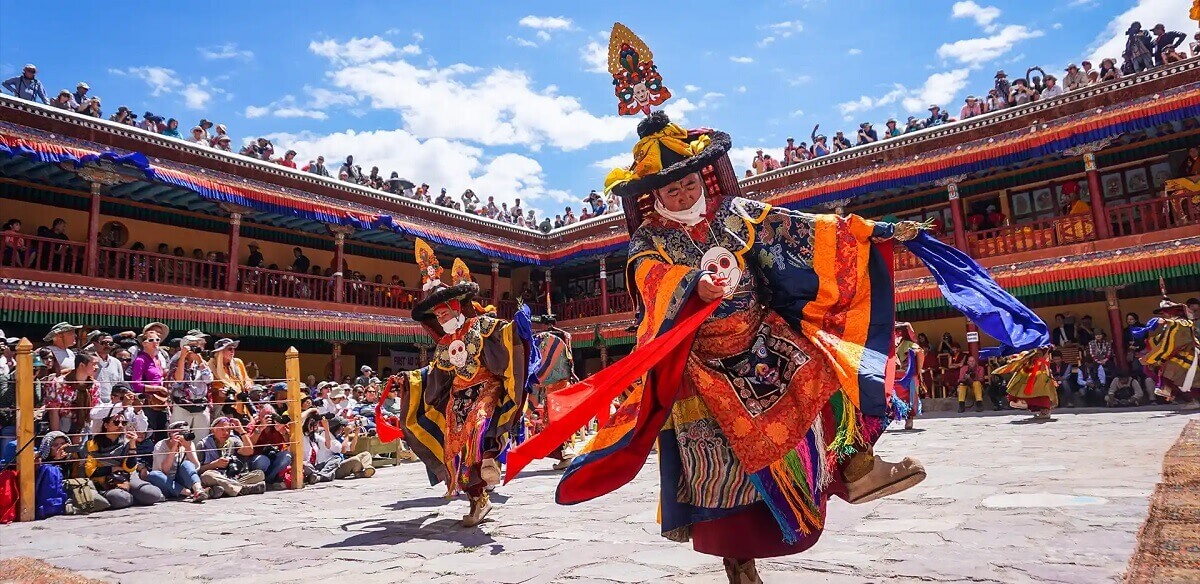
This two-day festival in Leh-Ladakh, held in the courtyard of Hemis Monastery, celebrates the birth anniversary of Guru Padmasambhava. Expect colorful traditional dances, vibrant masks, and chants performed by monks, set against the backdrop of the Himalayas.
Hemis Festival in July is one of the few major cultural events in Ladakh and draws both domestic and international tourists. Since the roads to Leh are open in July, combining a visit to the festival with a road trip from Manali or Srinagar can create a thrilling cultural and scenic experience.
Pro Tip: Book your accommodations in advance if visiting Leh during the festival, as rooms fill quickly.
Guru Purnima (mid-July)
This pan-Indian celebration honors spiritual and academic teachers and is particularly important in the hill towns of Rishikesh, Dharamshala, and Sarnath. Ashrams and yoga retreats often organize special events, satsangs, and meditation workshops around this time.
In Rishikesh, for example, Parmarth Niketan Ashram and Sivananda Ashram host elaborate pujas and discourses, making it a wonderful time to experience Indian spiritual traditions in a serene setting. Budget-Friendly Places to Visit in July Outside India
Adventure Activities and Nature Trails in July in North India
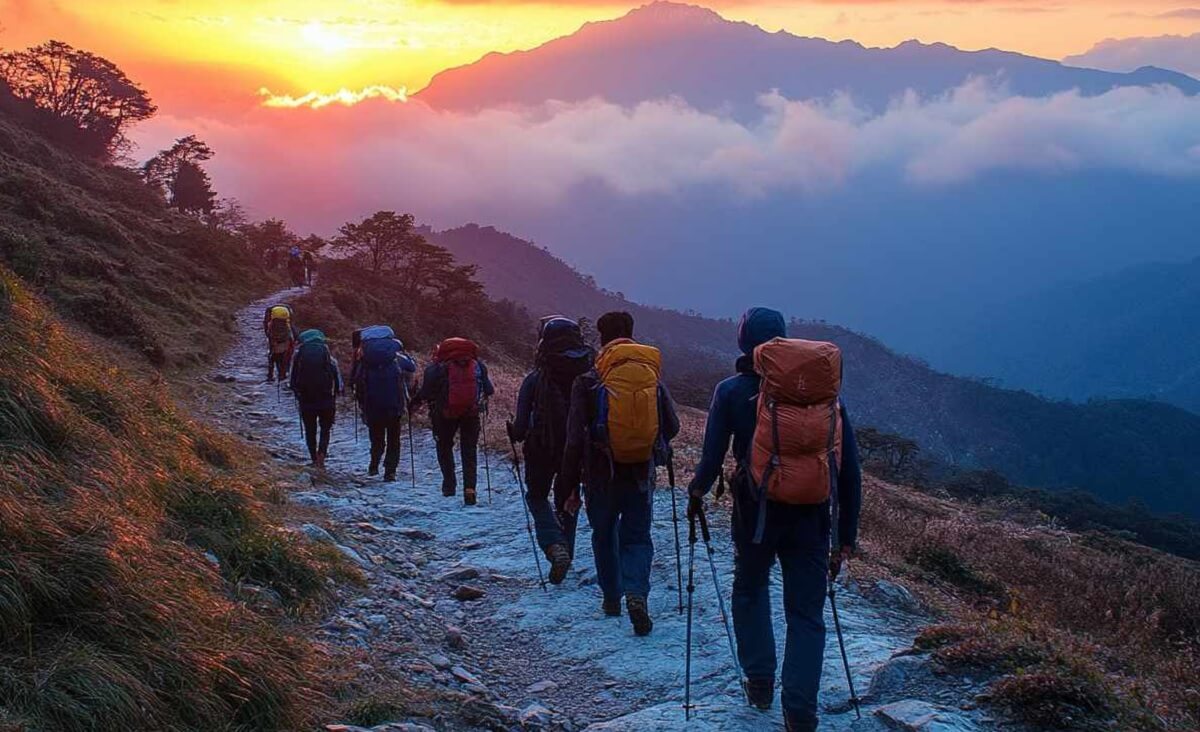
If you enjoy the outdoors, July can be a refreshingly different time to engage in adventure activities across North India. While monsoon rains limit high-altitude expeditions in some areas, they also breathe life into forests, valleys, and waterfalls, making the region perfect for soft adventures, nature trails, and low-altitude treks.
Trekking in Himachal and Uttarakhand
While many treks in the Himalayas are risky during July due to landslides and slippery paths, some lower-altitude treks are still accessible. For instance:
- The Triund Trek near McLeodganj remains popular, offering moderate trails and panoramic views of the Dhauladhar range. Expect misty conditions and forested sections glowing in post-rain greenery.
- In Uttarakhand, Binsar Wildlife Sanctuary and the trails around Chopta (sometimes called the mini Switzerland of India) are excellent for monsoon trekkers.
Related Read: Discover serene trails in our post on Best Hiking Trails in Uttarakhand.
River Rafting in Rishikesh (with Caution)
Although rafting in Rishikesh is mostly suspended during the peak monsoon (due to increased water levels), certain sections of the Ganges are sometimes reopened under strict safety conditions and monitoring. It’s important to check with certified operators and local authorities before planning any water sport.
If rafting is unavailable, consider cliff jumping, forest walks, or riverside camping—many riverside camps offer monsoon deals.
Paragliding in Bir Billing (Weather Permitting)
Bir Billing in Himachal Pradesh is considered one of the top paragliding spots in Asia, but July comes with restrictions. Flights are available on clear days between showers, and it’s crucial to book with operators who prioritize safety and monitor weather closely.
When the skies are clear, flying over the rain-kissed Kangra Valley offers unparalleled views and an exhilarating experience.
Wildlife Photography and Nature Walks
Monsoon season is one of the most visually striking times to visit wildlife sanctuaries and eco-lodges near Corbett National Park, Rajaji National Park, or Chail Wildlife Sanctuary. While core zones may be closed, buffer zones often remain open for nature walks, bird watching, and peaceful retreats in the forest.
Related Read: Explore unique accommodations in our blog on Top Forest Resorts in India.
Travel Tips for Visiting North India in July 2026
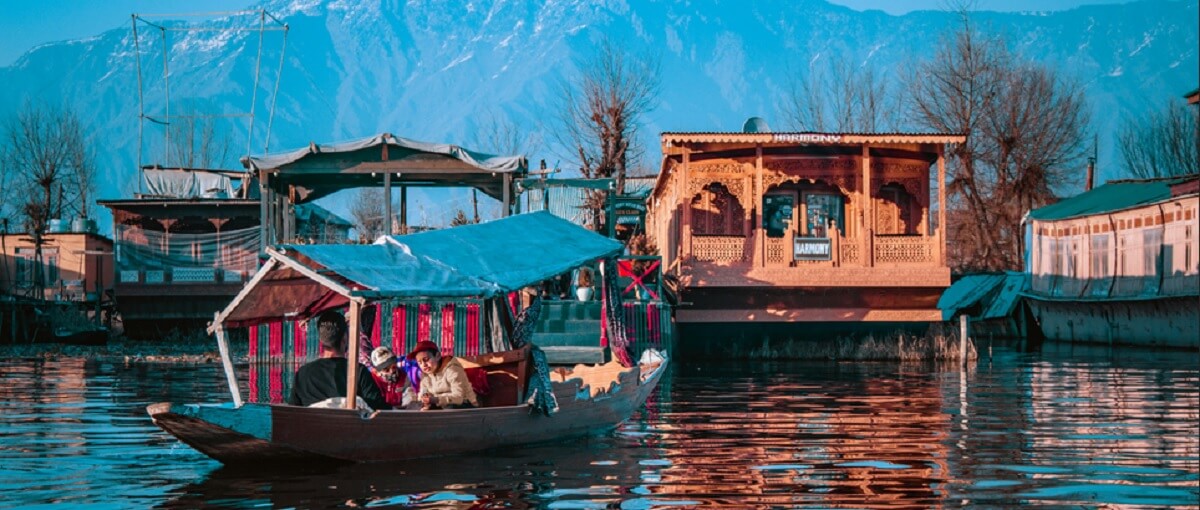
Traveling in July across North India can be a magical experience—but only with a little preparedness. The monsoon adds a layer of unpredictability, and while it enhances the beauty of destinations, it also calls for extra caution and planning. Here are some essential travel tips:
- Always check the weather forecast, especially if you’re heading to Uttarakhand, Himachal Pradesh, or Ladakh. Rain-induced landslides or flash floods are possible in mountain zones.
- Pack waterproof clothing and sturdy footwear. Lightweight rain jackets, waterproof bags for gadgets, and quick-dry clothes are essential.
- Start your day early. Many attractions close earlier in the rainy season, and afternoons tend to bring more intense showers.
- If you’re trekking or exploring nature trails, let locals know your route and expected return time. Avoid remote treks without a guide in July.
- Carry cash in remote hill areas. While UPI and digital payments are common in major towns, some villages still rely on cash.
- Avoid night travel in the hills during monsoon due to limited visibility and slippery roads.
Related Read: Discover Offbeat Hill Stations in Uttarakhand in Monsoon for quiet escapes with safer access.
Packing Guide for North India in July
Your packing list for North India in July should be a blend of comfort, protection from rain, and preparedness for varied terrain. Here’s what you should include:
Clothing:
- Quick-dry t-shirts and bottoms
- Full-sleeve layers for hill regions (it can get cool in places like Binsar or Khajjiar)
- Waterproof jackets or ponchos
- Comfortable walking shoes with grip
Essentials:
- Umbrella and lightweight raincoat
- Waterproof backpack covers or dry bags
- Power bank (especially for travel to remote locations)
- Travel towel and basic first aid kit
Optional (but useful):
- Binoculars for bird watching and wildlife spotting
- Torchlight for areas with power outages
- Small travel umbrella or cap with visor
Pro Tip: Always carry a set of emergency snacks and water, especially on road trips to places like Mussoorie, Lansdowne, or McLeodganj.
Related Blog: Need itinerary ideas for long weekends? Explore Long Weekend Getaways for Independence Day.
FAQs About Traveling North India in July 2026
Q1: Is July a safe month to travel in North India?
Yes, but with caution. Weather conditions can affect transportation, especially in the hills. Stick to well-connected destinations and check for weather advisories.
Q2: Are hotels cheaper during the monsoon?
Absolutely. Many hotels and homestays offer off-season rates in July, especially in Uttarakhand and Himachal. Booking in advance can fetch great deals.
Q3: Is river rafting possible in July?
River rafting in Rishikesh is generally suspended during peak monsoon due to safety concerns. Check with local operators for real-time updates.
Q4: Are wildlife sanctuaries open in July?
Core zones in many national parks are closed. However, buffer zones and eco-resorts remain open in places like Chail and Binsar.
Related Blog: Don’t miss our guide to Wildlife Sanctuaries Open in July.
Conclusion: Why North India in July is Worth It
July in North India may not be everyone’s first choice, but for those seeking serenity, natural beauty, and deep cultural immersion, it’s one of the most rewarding times to visit. The landscapes are lush, the temples are alive with devotion, and the rains add a poetic rhythm to everything—from quiet forest trails to the ghats of Rishikesh.
With the right planning, you can explore quieter hill stations, spiritual circuits, low-altitude treks, and cultural festivals that offer an authentic experience. The monsoon brings a kind of raw, untamed charm that no other season can match.
So, if you’re looking to beat the crowds, travel deeper, and witness North India at its most refreshing and reflective best—July is your month.
Related Reads:
- Romantic Rainy Getaways in India for Couples in July
- Where to See the Best Waterfalls in India This July
- Monsoon Train Journeys in India That Feel Like a Movie Scene
- 25 Best Places to Visit in North India in June 2026
- Best Places to Visit in North India in May
- 24 Best Places to Visit in North India in April 2026
- Places to Visit in North India in March 2026
- 25 Most Famous Temples to Visit in North India
- 16 Best Places to Visit in North India in January 2026
- How to Plan a North India Trip of 10 Days: A Detailed 2026 Guide