Is Kedarnath Safe and Worth Visiting in July 2026?
Planning a trip to Kedarnath in July 2026 and wondering what the weather, conditions, and travel experience will be like? July falls right in the middle of the Indian monsoon, raising many questions for pilgrims and trekkers alike: Will the temple be open? Are roads accessible? What about landslides or rainfall?
The answer lies in preparation. While July is not the ideal month from a weather perspective, it is spiritually significant. It coincides with the Hindu calendar’s Shravan month, when thousands of devotees seek Lord Shiva’s blessings despite rain and harsh terrain. If you’re considering this journey, know that it requires physical stamina, mental flexibility, and a high level of preparedness.
This comprehensive blog will guide you through what to expect in Kedarnath during July 2026. We’ll cover the weather forecast, road conditions, temple status, packing essentials, transport options, and tips to travel safely. We also include destination highlights and nearby spots to explore if the weather cooperates.
Kedarnath is more than a temple—it’s an experience wrapped in divinity and challenge. This guide will help you decide if it’s the right time for you, and how to make your journey safe and meaningful.
Related Read: Planning Char Dham this year? Check our blog on Char Dham Yatra Opening and Closing Dates.
Kedarnath Weather in July 2026: What to Expect
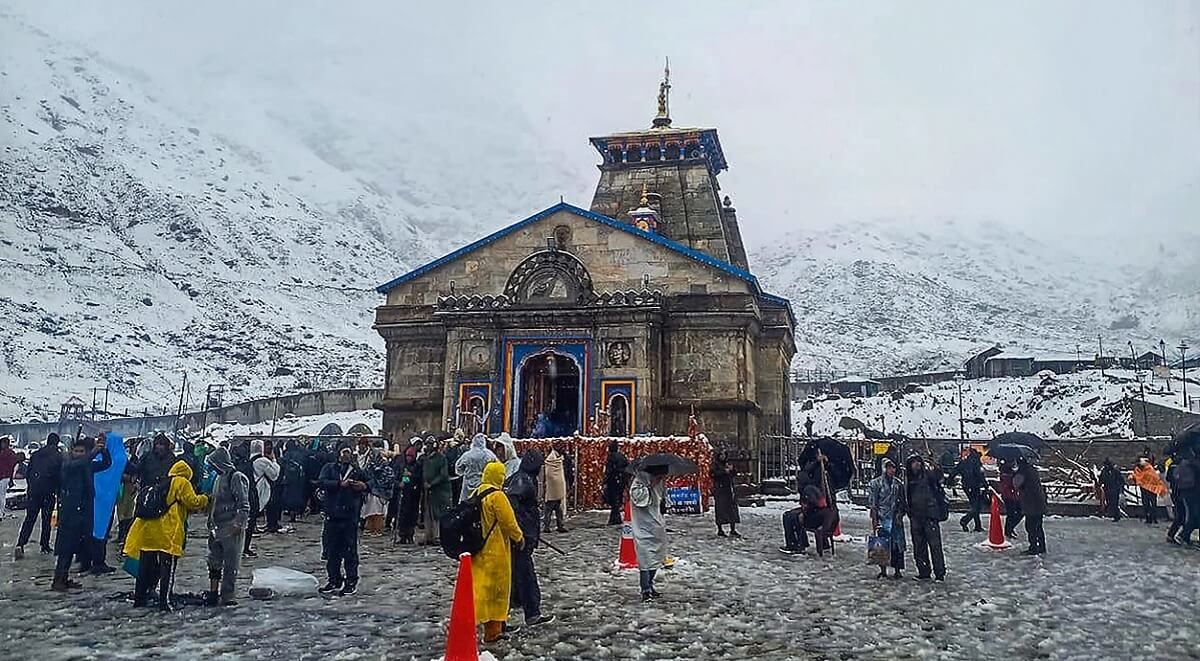
July in Kedarnath is dominated by the Indian southwest monsoon, bringing substantial rainfall, misty mornings, and limited sunshine. Though temperatures are moderate, the presence of rain significantly alters travel logistics, trail safety, and visibility.
Daytime temperatures in Kedarnath hover between 12°C to 16°C, while nights can dip as low as 4°C. Rainfall averages between 400 mm and 500 mm for the month, making the area prone to landslides and flash floods, especially on the route from Rudraprayag to Sonprayag and Gaurikund.
Expect cloud cover, muddy trekking trails, and intermittent breaks of sunshine. Visibility may be poor at times due to fog and mist, which can delay helicopter services or halt treks temporarily. However, the rain transforms the valley into a surreal landscape with cascading waterfalls and lush green slopes. For photographers and monsoon lovers, it’s visually rewarding—if you’re willing to embrace the uncertainty.
Humidity levels remain high, and wet clothes can cause discomfort and increase the risk of cold or fever. Leech presence is minimal due to altitude, but slippery paths are a real hazard. Be cautious if traveling with children or senior citizens.
Bottom line: If you’re visiting in July 2026, check the weather daily, stay flexible with your schedule, and carry rain gear and waterproof bags.
Is Kedarnath Temple Open in July 2026?
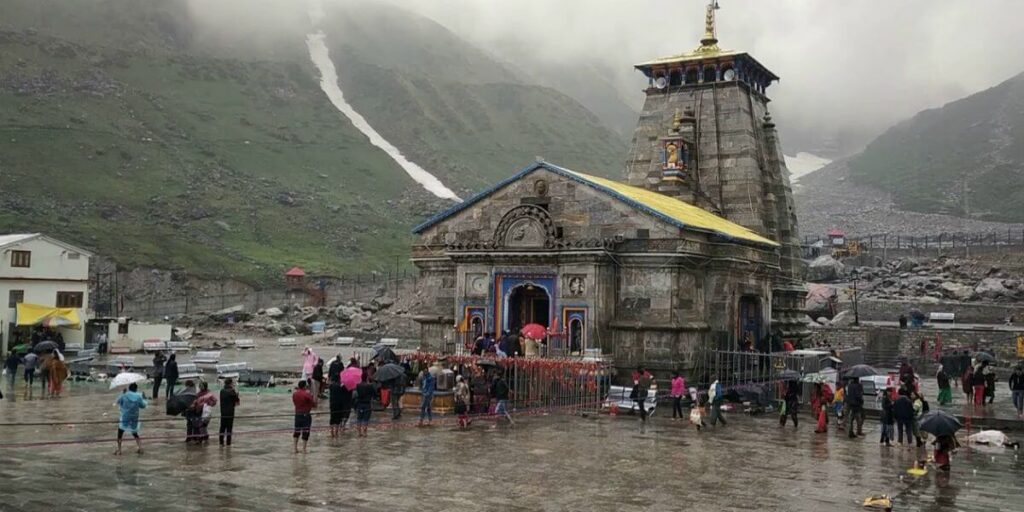
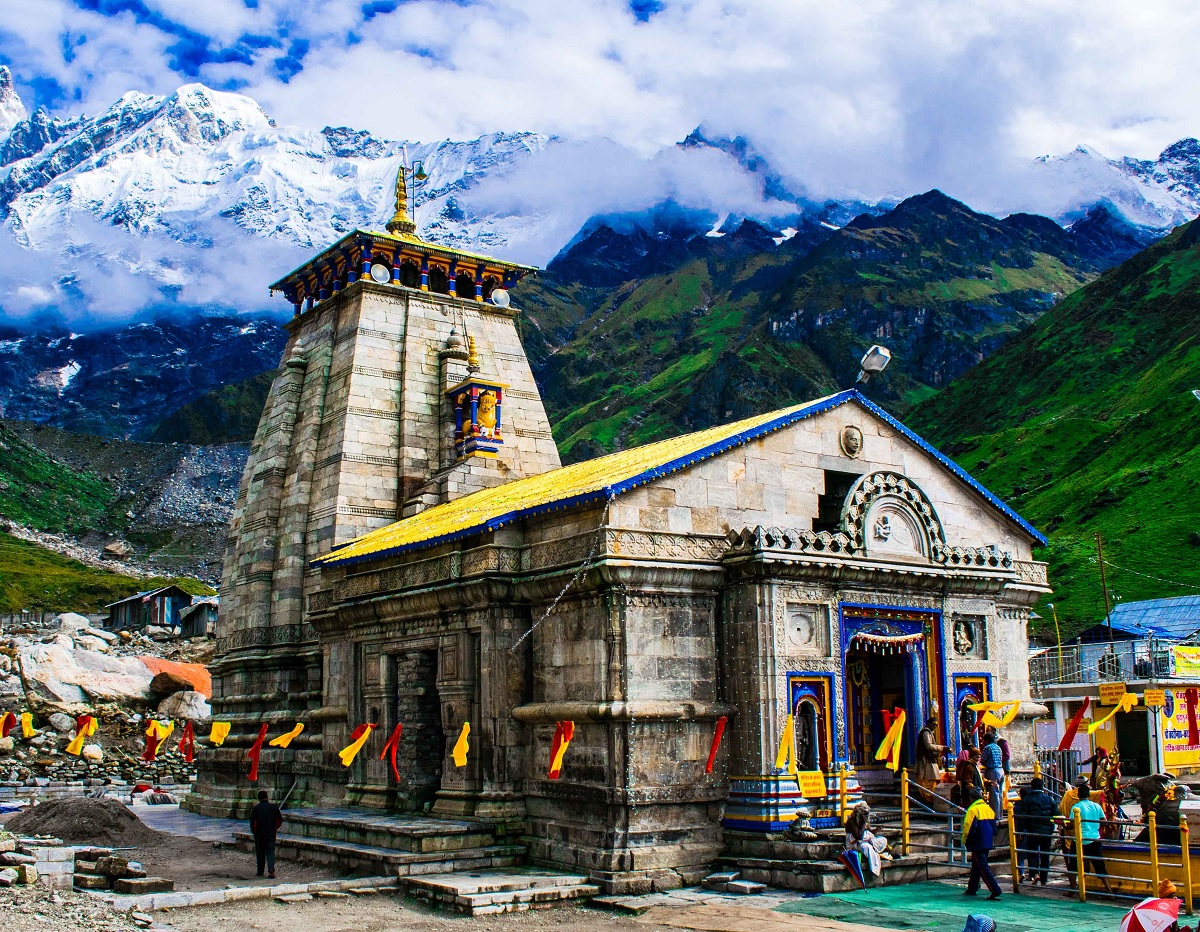
Yes, Kedarnath Temple remains open in July 2026, but travelers should proceed with caution. The Char Dham Yatra typically begins in May and ends around October or early November, depending on weather conditions. July, however, is one of the most unpredictable months due to heavy monsoon rainfall in the region. This doesn’t mean you can’t visit—it simply means you must be more prepared and informed before making the trip.
Despite the rains, thousands of pilgrims continue their yatra in July, particularly because it overlaps with the holy Shravan month, which holds deep significance in Lord Shiva worship. During this time, the temple is especially vibrant with rituals, special prayers, and a stronger sense of devotion among yatris.
However, travel disruptions are frequent. Landslides can block roads, and helicopter services may be grounded for days due to poor visibility. On certain days, the administration restricts entry beyond Sonprayag or Gaurikund when weather conditions deteriorate. Temple timings may also be altered temporarily based on cloud cover and safety advisories.
It is essential to register for the yatra in advance through the official Char Dham portal or app. You must also carry valid ID and stay updated through the Uttarakhand Tourism Board’s weather alerts, which are posted daily.
In short, the temple is accessible in July, but only for those who are willing to plan flexibly and prioritize safety. Check road updates from local authorities and avoid solo treks during uncertain weather.
Related Read: Explore more high-altitude Himalayan temples in our blog Places to Visit from Gaurikund to Kedarnath.
How to Reach Kedarnath in July 2026
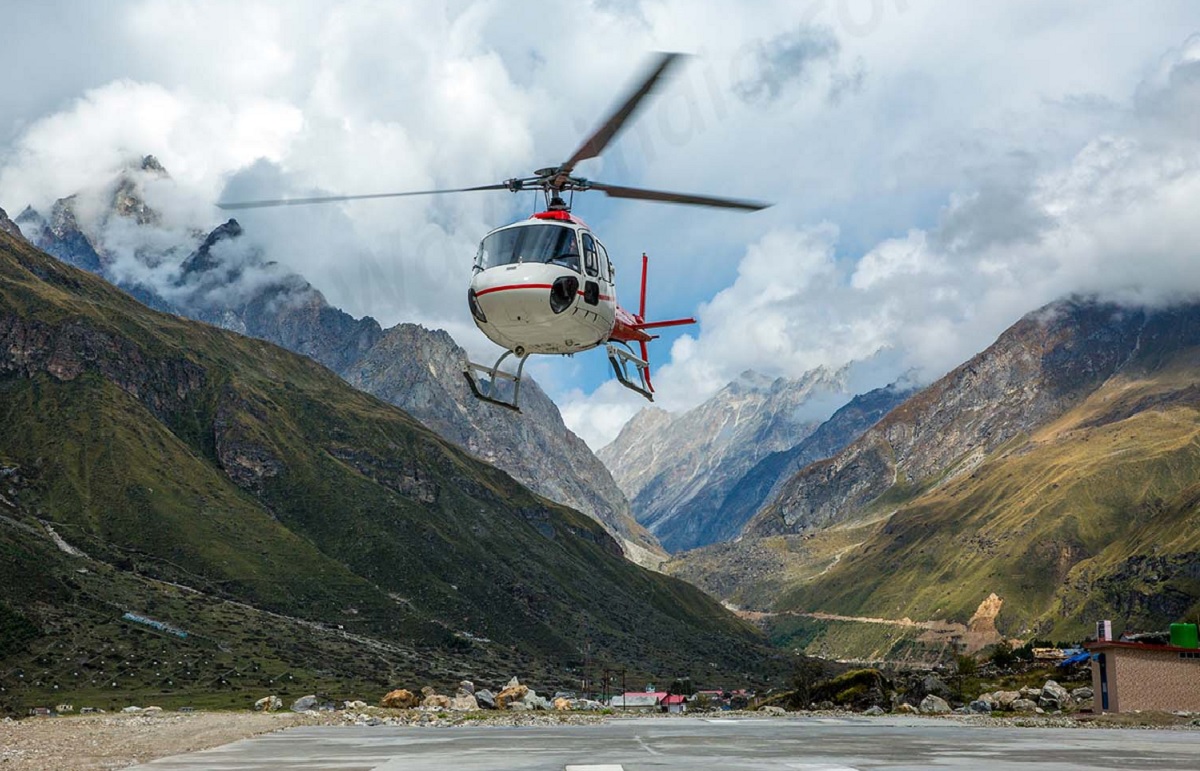
Reaching Kedarnath in July involves careful route planning and real-time monitoring of weather and road conditions. You have three primary options: by road (and trek), by helicopter, or a combination of rail and road.
- By Road + Trek
The most common route is:
Delhi → Haridwar → Rishikesh → Rudraprayag → Guptkashi → Sonprayag → Gaurikund
From Gaurikund, the 16 km trek to Kedarnath begins. In monsoon season, this trek becomes challenging due to slippery slopes, temporary path closures, and overflowing rivulets.
Travel Tips:
- Trek starts early morning; be at the Sonprayag checkpoint before 5:00 AM
- Carry ponchos, waterproof gear, and trekking poles
- Always check if the Gaurikund-Kedarnath stretch is open (local authorities can close it after 12 PM if rain intensifies)
- By Helicopter
Helicopter services operate from Phata, Guptkashi, Sersi, and Sitapur. In July, weather cancellations are frequent due to fog and rain. Booking in advance is necessary, but be ready for rescheduling or refunds.
Read More: Check our guide to Char Dham Yatra from Mumbai for planning tips from major cities.
- By Rail
The nearest railway station is Rishikesh (YNRK), approximately 215 km from Gaurikund. From there, buses or shared taxis are available, but schedules are irregular during rain. It’s best to book private taxis for better control.
Tips: In July, choose routes that allow flexibility. Avoid traveling late evening, and keep extra buffer days in your itinerary in case of delays. Budget-Friendly Places to Visit in July Outside India
Best Travel Tips for Visiting Kedarnath in Monsoon
Traveling to Kedarnath in July requires not just spiritual devotion but also practical preparedness. The monsoon season introduces unique challenges—muddy trails, low visibility, and high rainfall—that can make or break your trip. Here are the most important tips to help you travel smarter, safer, and with more peace of mind. Ready for North India in July? Get the Ultimate Travel Guide!
- Start the Trek Early in the Day
Rainfall typically intensifies in the afternoon hours, so beginning your trek from Gaurikund by 4:30–5:00 AM is crucial. The check post at Sonprayag regulates timing, and you may be denied entry after a certain hour if the weather turns.
Early treks also mean fewer crowds and a better chance to secure darshan before visibility drops. You’ll also get more hours to return or find shelter if conditions worsen.
- Pack Smart for Wet and Cold Weather
You’ll be dealing with cold rains, strong winds, and unpredictable weather. Essentials include:
- Poncho or raincoat
- Waterproof trekking shoes with good grip
- Woolen socks, quick-dry clothes
- Power bank and headlamp
- Zip-lock pouches for electronics and important papers
- A waterproof bag cover
Even if you’re taking a helicopter, carry essentials in case of sudden delays.
- Hydration and Altitude Awareness
Though it’s wet, dehydration and altitude sickness (AMS) are still risks. Drink bottled or filtered water, avoid alcohol and heavy meals during the ascent, and take short breaks.
- Health and Emergency Tips
Carry basic medicines for fever, cold, and nausea. Consult your doctor about Diamox or natural AMS prevention. Also, travel insurance that covers medical evacuation is strongly recommended. North India in July: A Complete Travel Guide
Where to Stay Near Kedarnath During July 2026
Accommodations in and around Kedarnath range from government guesthouses to private lodges, but availability during July can be affected by the rains. It’s important to book in advance, keep contact numbers handy, and be prepared for basic amenities due to remote location and unpredictable weather.
- GMVN Guest Houses (Garhwal Mandal Vikas Nigam)
These are government-run guesthouses in Gaurikund, Sonprayag, Linchauli, and Kedarnath base. They offer:
- Dorms or simple double rooms
- Basic meals (rice, dal, chapati)
- Attached or shared washrooms
- Reasonable pricing: ₹600–₹1200 per night
Advance bookings can be made on the GMVN official portal, but weather-related delays may affect check-ins. It’s wise to call a day before arriving.
- Private Lodges and Tented Camps
- Sitapur and Guptkashi have more premium options
- Shivalik Valley Resorts
- Hotel Kedar River Retreat
- Tents and dharamshalas are available closer to Kedarnath, though monsoon can impact comfort.
During July, tents may feel damp, so look for stone or wood-based structures for better insulation. Many hotels in Sonprayag offer parking, hot water, and food services, but Wi-Fi and electricity may be inconsistent.
- Booking Tips
- Ask about refund policies in case of weather delays
- Carry cash, as digital payments may fail
- Don’t rely solely on online listings—call and confirm actual conditions
Related Read: Heading through Rishikesh? Check out our blog on Top Hotels in Rishikesh for pre-yatra stays.
Nearby Places to Visit from Kedarnath

While Kedarnath itself is the spiritual highlight, the surrounding Garhwal region is filled with beautiful, lesser-visited gems that are worth exploring if weather and time permit. These places offer stunning Himalayan views, cultural depth, and peace away from the main pilgrimage crowd—perfect for those extending their trip.
- Triyuginarayan Temple
Just 12 km from Sonprayag lies this mythical wedding site of Lord Shiva and Parvati. The temple is ancient and features an eternal flame said to have been burning since the celestial marriage. Surrounded by forests and streams, it’s a serene detour with fewer tourists.
The route is partly motorable, but a short trek may be needed in July due to slippery paths. Make sure to check local guidance before visiting.
- Guptkashi
On your way to or from Kedarnath, Guptkashi offers a relaxing stop. Known for the Ardhanarishwar Temple and Vishwanath Temple, this town has scenic valley views and better accommodation options than Gaurikund. It’s a good place to rest before or after your trek.
- Chopta (If Weather Permits)
About 70 km from Guptkashi, Chopta is often referred to as the “Mini Switzerland of India.” It’s the base for the Tungnath-Chandrashila trek, the highest Shiva temple in the world.
In July, road conditions can be unpredictable, but if you’re an adventurous traveler with buffer time, Chopta is worth the risk. The meadows, dense deodar forests, and occasional clear skies offer an unforgettable post-yatra detox.
Related Post: Explore more quiet Himalayan getaways in our blog Unexplored Villages in Himachal Pradesh.
Sawan Month 2026: Spiritual Significance of July Visit

July 2026 falls during the Shravan Maas (Sawan Month)—a highly revered period in the Hindu calendar, especially for Lord Shiva devotees. The entire month is marked by ritual fasting, temple visits, and a sharp increase in pilgrimages to Jyotirlingas, of which Kedarnath is a part.
Visiting Kedarnath during Sawan adds a deeper layer of spiritual energy to your journey. Pilgrims believe that darshan during this month brings blessings equivalent to multiple visits. The temple rituals become more elaborate, including special aartis, Rudrabhishekams, and Shiv Chalisa chanting across the day.
There’s also an influx of Kawad Yatris, who walk barefoot carrying holy Ganga water to offer to Shiva temples. Though not directly part of the Kedarnath trek, their devotion mirrors the spirit of July pilgrims.
However, the divine energy is balanced by practical challenges. Due to the rains, the yatra becomes more demanding—testing physical endurance and inner patience. Pilgrims often describe it as a test of faith, where every step taken through mud, mist, and uncertainty feels sacred.
For spiritual seekers, July in Kedarnath is not just a trip—it’s a soul-deep experience wrapped in resilience.
Related Read: Explore more sacred circuits in our blog Spiritual Circuits Beyond the Famous Temples.
FAQs About Kedarnath in July
Here are answers to some of the most commonly asked questions from travelers planning a visit to Kedarnath during the monsoon season in July.
- Is it safe to visit Kedarnath in July 2026?
Safety in July depends heavily on the weather conditions, which can be unpredictable. Monsoon rains increase the risk of landslides, slippery trekking trails, and road blockages. If you’re planning a trip this month, it’s best to keep buffer days, follow real-time updates from Uttarakhand Tourism, and avoid traveling during or immediately after heavy rainfall.
- Is Kedarnath Temple open during the monsoon?
Yes, the temple remains open in July unless there is an emergency closure due to extreme weather. Check the official Char Dham Yatra portal for updates on temple timings and any temporary shutdowns.
- Can I trek to Kedarnath in the rain?
The Gaurikund to Kedarnath trek becomes more challenging during rain. The path is well-defined, but you should be prepared for muddy trails, fog, and slippery rocks. It is advisable to wear waterproof trekking gear and start the trek early in the morning.
- Are helicopter services available in July?
Helicopters do operate, but they are highly dependent on clear skies. Delays or cancellations are common. Bookings can be made online through approved portals, but always confirm before travel.
- Are accommodations open in Kedarnath during July?
Yes, accommodations such as GMVN guesthouses, dharamshalas, and private hotels remain operational. However, heavy rain can sometimes affect water supply, electricity, and sanitation, especially in the upper areas. Always book in advance and carry essentials.
Related Resource: If you’re planning your first Char Dham visit, read Must-Know Travel Tips for First-Time Pilgrims to prepare fully.
Final Thoughts: Should You Visit Kedarnath in July 2026?
Visiting Kedarnath in July is not for everyone. The monsoon season brings magnificent green landscapes, a mystical atmosphere, and an undeniable spiritual magnetism. But it also brings weather unpredictability, increased travel time, and logistical challenges.
If you’re a seasoned trekker, spiritual seeker, or a monsoon lover ready to adapt to rain and delays, July can offer a deeply meaningful and memorable experience. The lesser crowds during this month also mean a more peaceful darshan at the temple and a rare chance to witness the Himalayas in their raw, rain-washed beauty.
However, if you are traveling with elderly companions, children, or require strict itineraries, it may be better to visit in the post-monsoon period, such as September or early October, when the weather stabilizes, yet the region remains lush.
Ultimately, Kedarnath in July is a test of both devotion and preparation. With the right mindset and gear, it can become a journey you’ll never forget—one that blends faith, adventure, and the powerful rhythm of the monsoon-washed Himalayas.
More to Explore:
- Plan Your Trip: How to Reach Badrinath from Dehradun
- Explore Now: Top Monsoon Spots Near Nainital
- Discover Now: Best Pilgrimage Places to Visit in July
- Visit Gaurikund: Scenic Gateway to Kedarnath Awaits
- Start Your Journey: How to Reach Kedarnath from Ahmedabad
- Don’t Miss Out: Kedarnath Opening & Closing Dates 2026
- Reach Kedarnath from Dehradun – Easy Travel Tips Inside
- Follow the Path: Kedarnath Dham Route Map Guide
- Travel Smart: How to Reach Kedarnath from Delhi
- Explore Offbeat: Hidden Spiritual Trails in India
- Visit Now: Top 6 Pilgrimage Sites for July
- Embark on Panch Kedar Yatra – Visit 5 Sacred Shiva Temples
- Plan Your Summer: Road Trip to Haridwar, Rishikesh & Mussoorie
- Escape the Crowd: 7 Offbeat Hill Stations in Uttarakhand