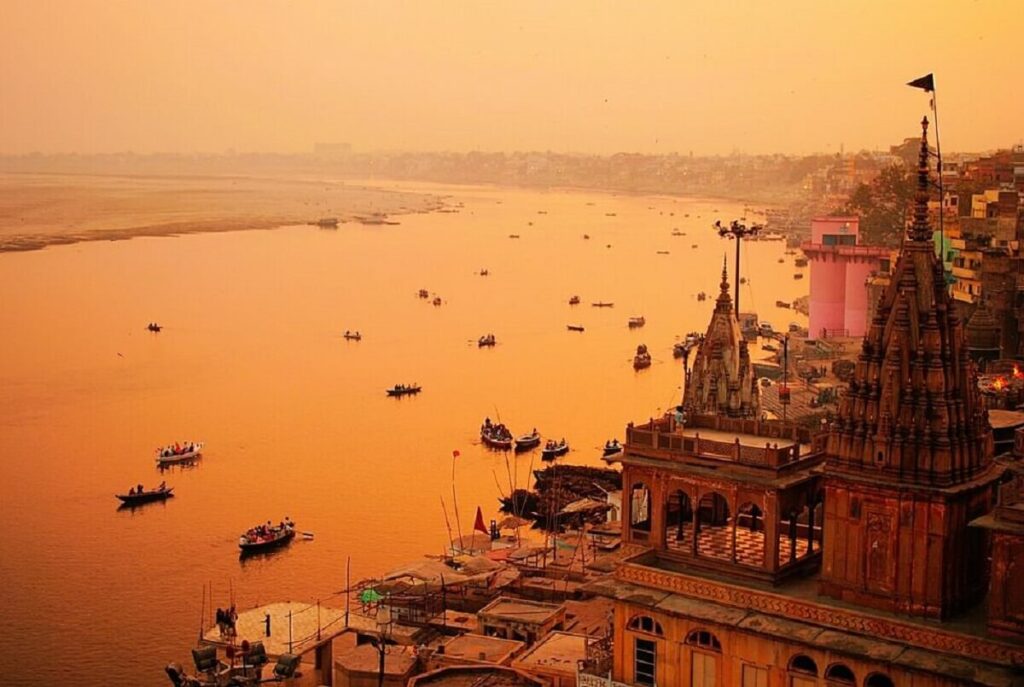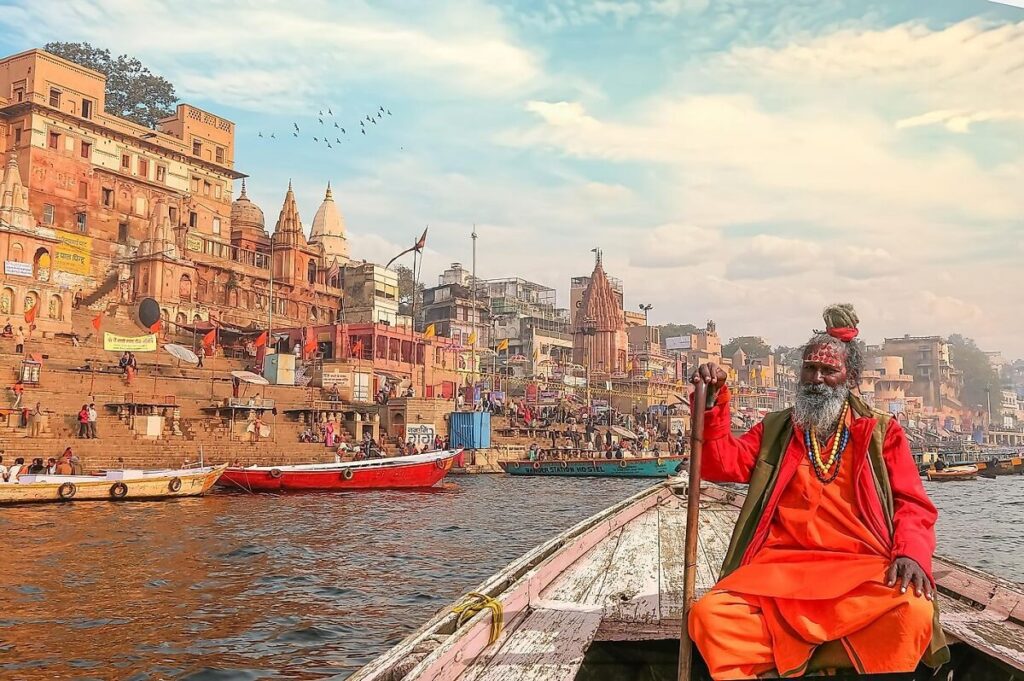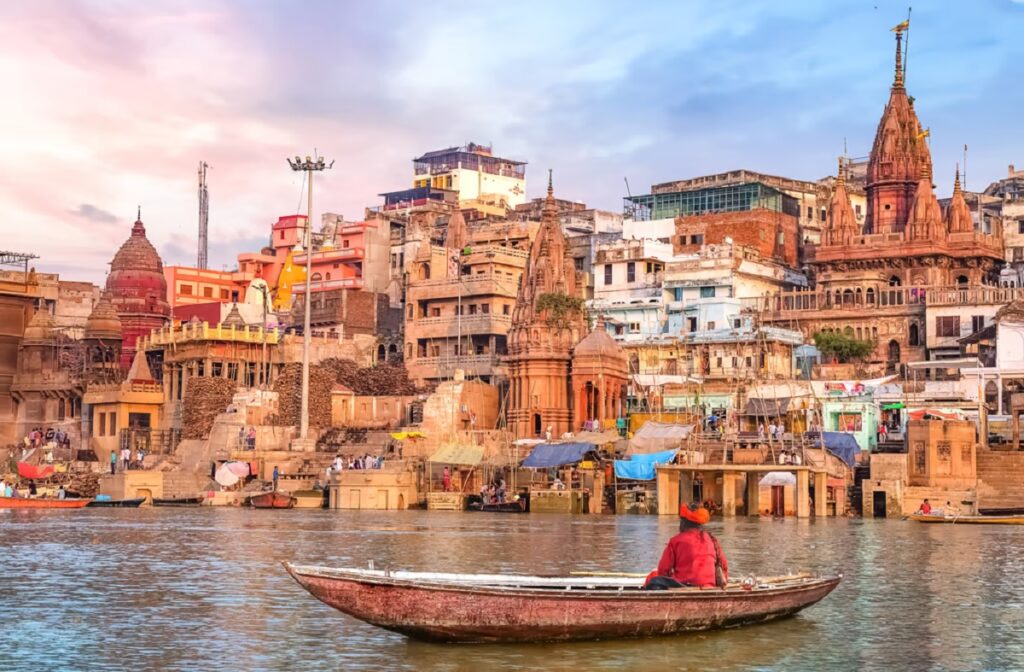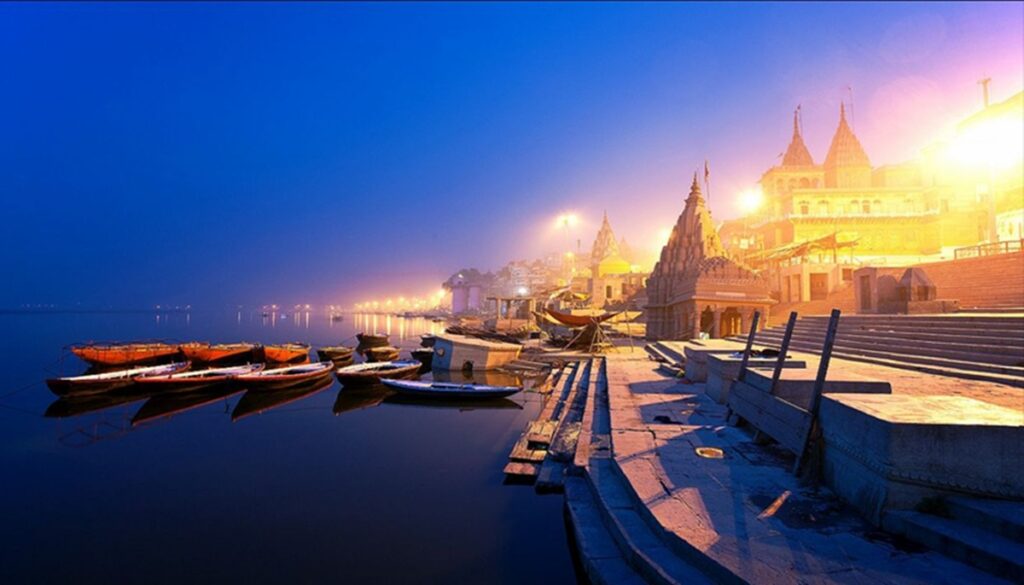
Varanasi is one of those cities that can overwhelm and enchant you at the same time. It’s chaotic, colorful, and deeply spiritual. But October brings a kind of balance. The monsoon has washed the ghats clean, the river runs full, and the heat of summer has given way to milder days and cooler nights. Add to that the energy of Navratri and Dussehra, and the city feels like it’s beating with a louder, more vibrant heart.
If you’ve been hesitant about when to plan your first trip to Varanasi, October 2026 is a sweet spot. You’ll see the city in festival mode but without the harsh extremes of weather that can make exploring uncomfortable.
The Weather Varanasi in October 2026

- Daytime: Warm but pleasant, around 30–32°C (86–90°F).
- Evenings: Cooler, often dropping to 18–20°C (64–68°F).
- Humidity: Lower than the muggy monsoon, making walking the ghats far more comfortable.
- Skies: Clearer than previous months, great for photography and evening boat rides.
Book 7 Days Varanasi, Ayodhya & Lucknow Heritage Tour
What to Pack:
- Light cotton clothes for daytime exploration.
- A shawl, scarf, or light jacket for evenings on the river.
- Comfortable shoes or sandals—ghats mean climbing stairs and uneven steps.
- A small waterproof bag if you plan to carry a camera or phone on boat rides.
On my last October trip, I remember sitting in a boat at sunrise. A slight chill lingered in the air, and the mist rose from the Ganga as priests chanted mantras. The scene felt dreamlike—warm light, temple bells ringing, and the city slowly waking up. That combination of cool mornings and festive nights is what makes October so special here.
First Impressions of the Ghats in Varanasi in October
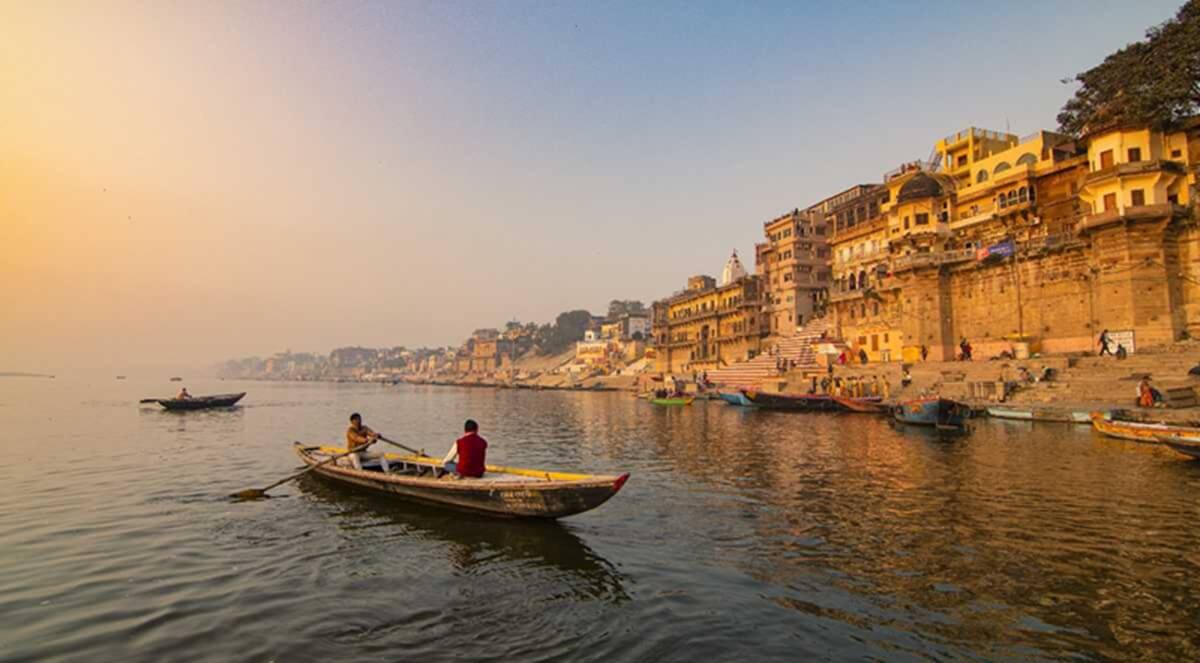
Arriving at the ghats for the first time is like stepping into a living story. You’ll see women in bright saris offering flowers to the river, sadhus sitting in quiet meditation, and children laughing as they splash into the water. The ghats are not just stone steps—they’re stages where daily life and deep spirituality meet.
In October, everything feels heightened. The evenings are full of lamps, chants, and devotional music because of Navratri. During Dussehra, the banks glow with the light of celebrations. Travelers often describe the city as overwhelming, but October somehow makes it more welcoming. You can join the crowds when you want, and step back to simply observe when you need space.
October Festivals: Navratri & Dussehra
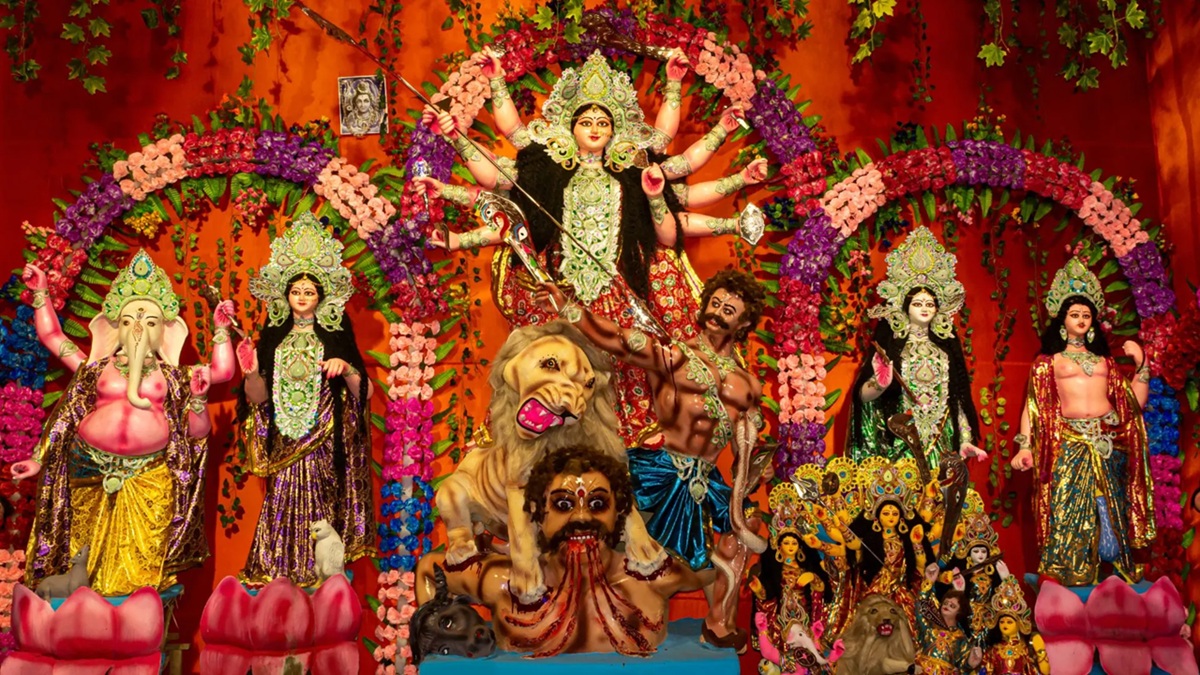
- Navratri (29 September – 7 October 2026): Temples dedicated to Goddess Durga are decorated with flowers, lights, and daily rituals. You’ll hear devotional songs echoing across the ghats. Book Your Navratri Getaway 2026 – Top Festive Destinations in India
- Dussehra (8 October 2026): The dramatic burning of Ravana effigies is not just a spectacle but a spiritual reminder of the victory of good over evil. The Ramnagar Ramlila across the river is one of India’s most famous open-air plays, and October 2026 will see thousands gather there every evening. Understand the Difference Between Diwali and Dussehra – Festival Insights
For travelers, this means you don’t just visit Varanasi—you participate in its living traditions. Whether you’re Hindu or not doesn’t matter. Standing on the ghats during aarti or watching the river glow with hundreds of lamps will leave you feeling part of something larger than yourself. Know the Date & Significance of Karwa Chauth in October 2026
Exploring the Ghats – Where Life Meets the River
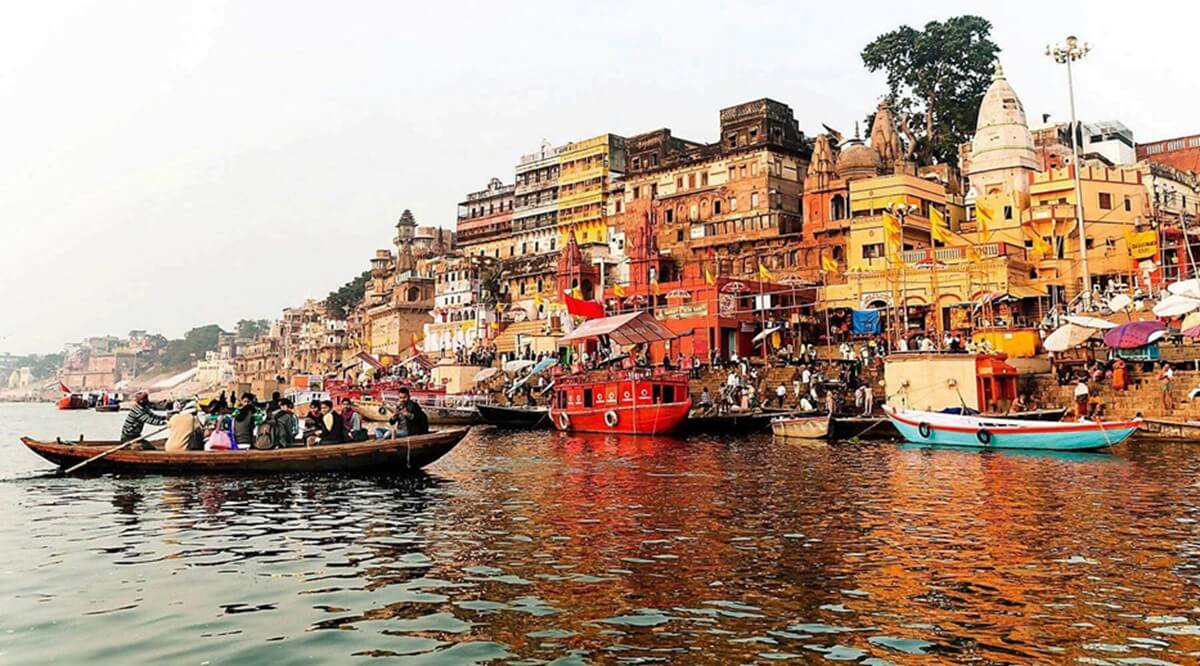
The ghats of Varanasi are not just steps leading into the Ganga—they are living theatres of devotion, life, and transition. Each ghat has its own story, and visiting them in October is like watching a city-wide performance unfold with the river as its eternal backdrop. The cooler mornings and festive evenings make this the ideal month to wander from one ghat to another, taking in rituals, sights, and sounds that feel timeless.
Dashashwamedh Ghat: The Grand Stage
If there’s one ghat that embodies the energy of Varanasi, it’s Dashashwamedh Ghat.
- Why visit: This is the main site of the evening Ganga Aarti, where priests perform a choreographed ritual with fire lamps, conch shells, and chants.
- October experience: With Navratri and Dussehra, the scale doubles—more priests, larger crowds, and a dazzling riverfront lined with lamps.
- Travel tip: Get there at least an hour early to secure a spot. If you prefer less crowding, hire a boat—floating just off the ghat during the aarti is magical.
I once watched the ceremony from a boat in October. The river reflected hundreds of flickering lamps, and the chants echoed across the water. Around me, fellow travelers sat in silence, some with closed eyes, as if meditating. It wasn’t a performance—it felt like we were all part of a spiritual current.
Manikarnika Ghat: Where Time Stands Still
Perhaps the most profound ghat in Varanasi, Manikarnika is the main cremation ghat.
- Why visit: To witness the city’s most unflinching spiritual truth—the celebration of death as liberation.
- October experience: The atmosphere is even more intense during festival days, as pilgrims believe cremation here during sacred times ensures moksha (freedom from rebirth).
- Travel tip: Go with sensitivity. Photography is considered disrespectful, so simply observe. A guide can quietly explain the symbolism and customs.
It’s not an easy place for every traveler, but standing there, you understand Varanasi’s essence: life and death exist side by side, openly, without fear.
Assi Ghat: The Cultural Hub

Assi Ghat offers a softer introduction to Varanasi.
- Why visit: It’s popular among locals, students, and international travelers. Yoga sessions, cultural programs, and devotional music often take place here.
- October experience: During Navratri, Assi Ghat becomes lively with nightly performances and extra decorations.
- Travel tip: Great cafés nearby make it a good spot to relax between explorations. It’s also less crowded than Dashashwamedh, especially in the mornings.
One morning in October, I joined a yoga session here. The sun was rising, the river glowed gold, and the instructor led us through gentle poses. Around us, locals were offering flowers to the Ganga. It felt like being part of the city’s rhythm, not just a visitor.
Harishchandra Ghat: The Quieter Reflection
Another cremation ghat, but less crowded than Manikarnika.
- Why visit: To see rituals in a quieter, less overwhelming setting.
- October experience: Families often gather here after Dussehra to perform post-festival rites.
- Travel tip: It’s more approachable for those who want to understand Varanasi’s funeral traditions without the intensity of Manikarnika. Plan Your Trip to Varanasi in September – Weather, Festivals & Travel Tips
Panchganga Ghat: Where Five Rivers Meet
- Why visit: Believed to be the confluence of five holy rivers, this ghat holds mythological importance.
- October experience: The ghat is quieter, with fewer crowds, making it a perfect spot for photography. In October mornings, the temples cast long shadows across the steps, creating striking visuals.
- Travel tip: Bring your camera early in the morning. The soft autumn light here is ideal for capturing the beauty of old stone temples.
Smaller but Memorable Ghats
- Scindia Ghat: Known for its leaning Shiva temple partly submerged in the Ganga. Best seen from a boat.
- Tulsi Ghat: Linked with poet-saint Tulsidas, who wrote the Ramcharitmanas here.
- Chet Singh Ghat: A historical ghat with a fort-like structure, less crowded and atmospheric.
Explore Spiritual India: 5 Days Ayodhya, Prayagraj & Varanasi Journey
Walking the Ghats in October
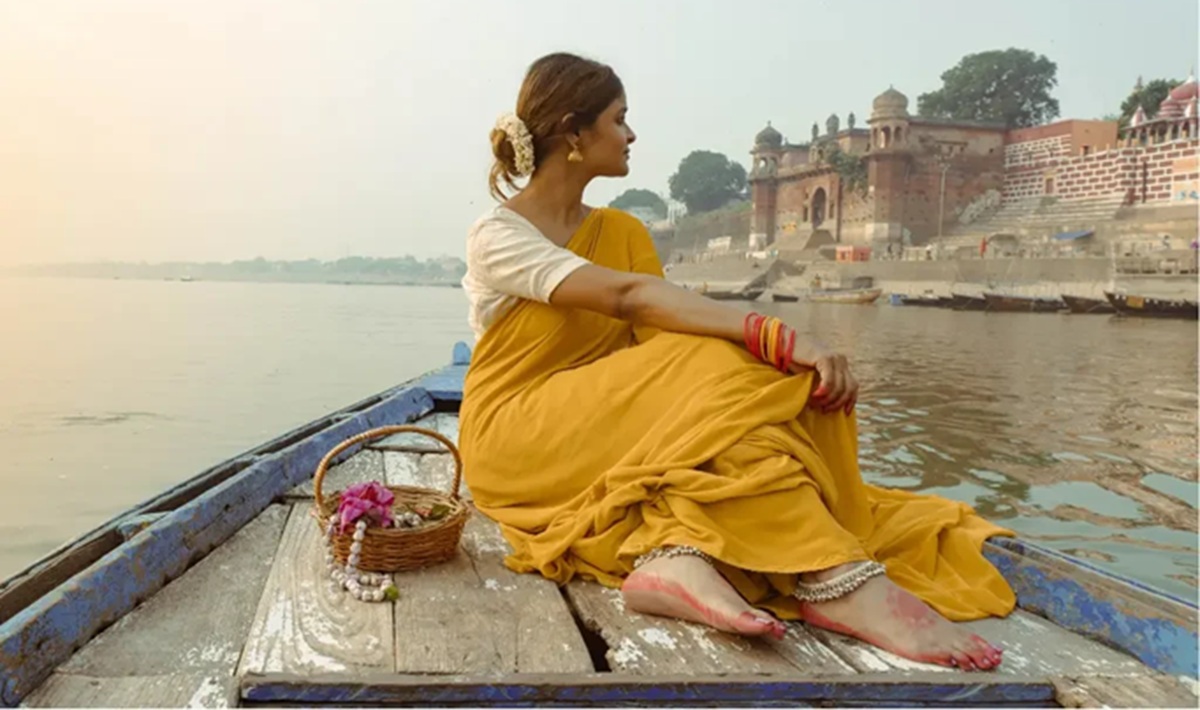
The magic of October is that you can actually spend long stretches walking from ghat to ghat without being drained by the sun. Pilgrims bathe, musicians play sitar by the water, and sadhus bless travelers. Every few steps, the scene shifts—like walking through chapters of an endless book.
If you’re an international traveler, this walk is essential. Take your time, pause for chai at a roadside stall, and let the ghats guide your pace. Discover Why Varanasi Is the Spiritual Heart of India
Navratri in Varanasi (29 Sept – 7 Oct 2026)
Varanasi during Navratri is a feast for the senses. The city honors Goddess Durga for nine days with rituals, devotional music, and community gatherings.
- Temples: The Durga Temple, also called the “Monkey Temple,” is especially vibrant, with priests chanting day and night.
- Ghats: Women dress in red and orange saris, offering marigold garlands and clay lamps to the Ganga.
- Travel tip: Visit temples in the mornings when they are less crowded. In the evenings, join locals at Assi or Dashashwamedh Ghat for cultural programs.
I remember standing at Assi Ghat during Navratri: the river was dotted with hundreds of diyas, and children sang devotional songs into microphones. Travelers often join in the prayers or simply sit and watch, feeling swept up in the shared devotion.
Dussehra in Varanasi (8 Oct 2026)
Dussehra is the climax of Navratri, marking the victory of Lord Rama over Ravana. In Varanasi, this is celebrated with unique intensity.
- Ramnagar Ramlila: Across the Ganga, in the town of Ramnagar, a month-long performance of the Ramayana unfolds. Actors dressed as gods and demons re-enact the epic tale in open-air stages. By the night of Dussehra, the finale takes place with the dramatic burning of Ravana’s effigy.
- Riverfront rituals: On the Varanasi side, the ghats light up with fireworks, lamps, and chants. Thousands gather to watch effigies of Ravana, Kumbhakarna, and Meghnath go up in flames, symbolizing the victory of good over evil.
- Travel tip: If you want to see the Ramlila, plan transport in advance—boats or ferries can take you across the river, but they fill up fast.
Standing on a rooftop near Dashashwamedh Ghat, I once saw Ravana’s effigy burn while fireworks exploded above the Ganga. The sound of drums, conch shells, and chanting created a surreal energy that stayed with me long after the night ended. Add a Ganges Boat Ride to Your Bucket List – Experience Varanasi’s Magic
Morning Boat Rides on the Ganga
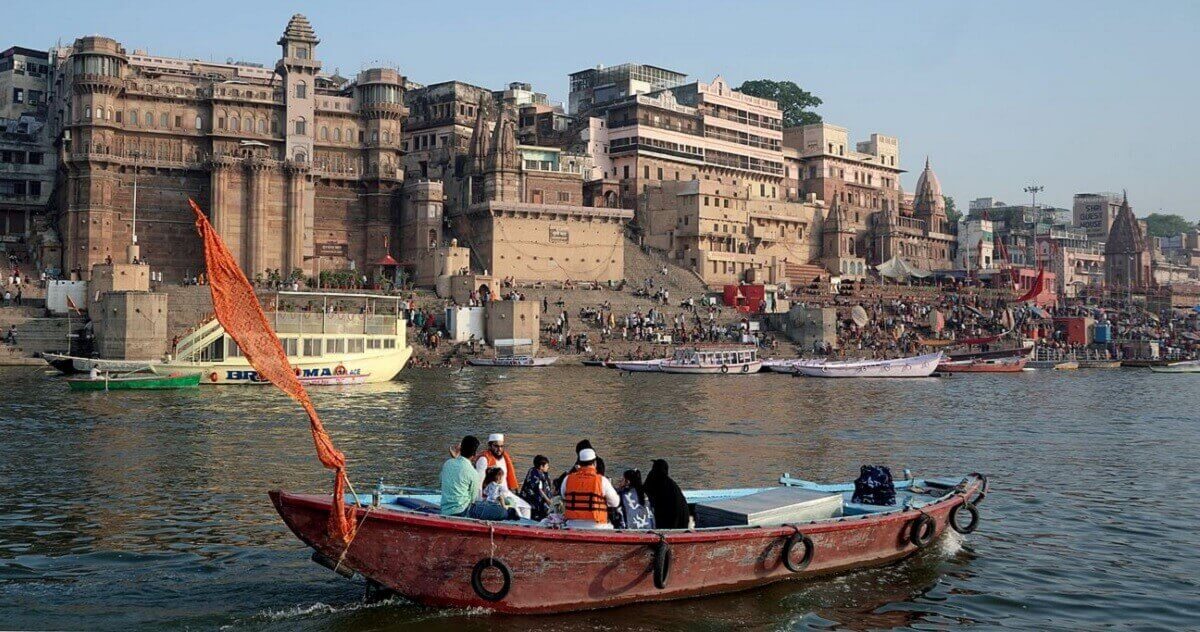
If evenings are about celebration, mornings are about peace.
- Why it’s special in October: The misty air, golden light, and post-monsoon clarity make the river look like glass.
- What you’ll see: Priests offering prayers, people bathing, children diving into the river, and the first sounds of temple bells.
- Travel tip: Hire a rowboat instead of a motorboat—it’s quieter and allows you to really soak in the atmosphere.
There’s nothing quite like watching the sun rise over the ghats from the middle of the river. In October, the weather is just cool enough to make you want to wrap a shawl around your shoulders as you watch the city awaken. Take a Boat Ride in Varanasi – Explore the Holy Ganges in Style
Key Temples and Spiritual Stops
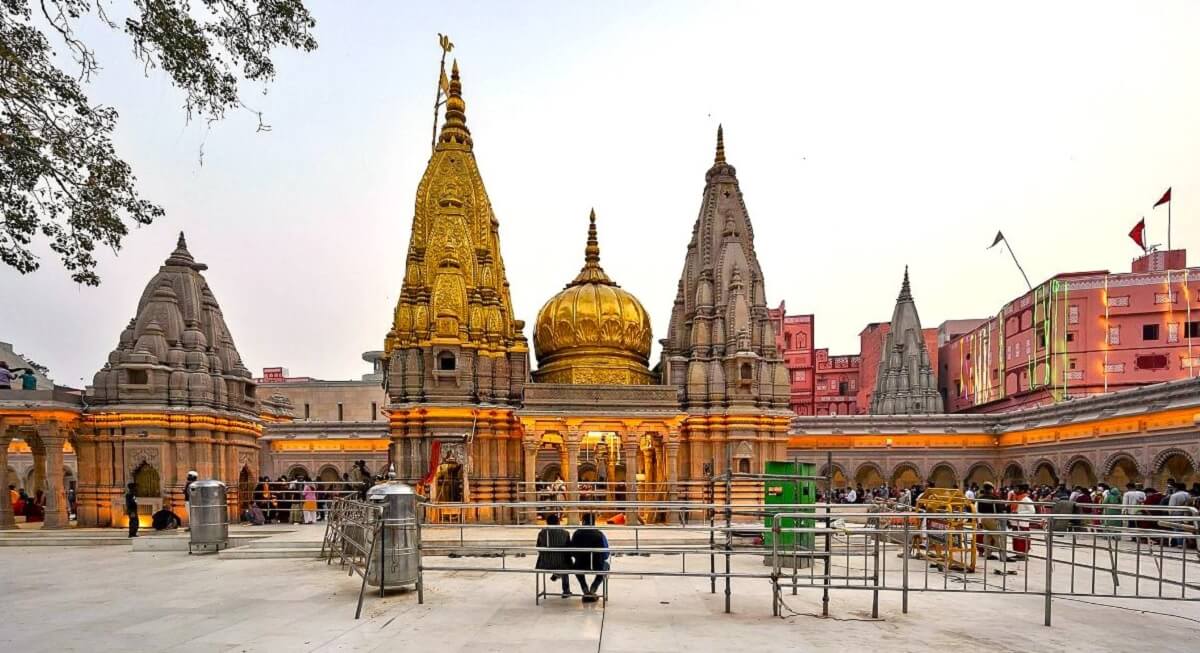
Varanasi is often called the “city of temples,” and October is when many of them are at their liveliest.
- Kashi Vishwanath Temple: The holiest shrine to Lord Shiva. Be prepared for security checks and queues, but also for the deep energy inside.
- Durga Temple: Full of life during Navratri, decorated with flowers and lit up with lamps.
- Sankat Mochan Hanuman Temple: Known for its soulful chants and offering of laddoo prasad.
- Nepali Temple: A hidden gem near Lalita Ghat, built in a Nepali pagoda style.
Travel tip: Early mornings (6–8 am) are best for temple visits before the crowds build.
Discover the Sacred Ganga City: 4 Days Varanasi Tour Package
Walking Tours of the Old City
Beyond the ghats and temples, Varanasi’s old lanes are an adventure in themselves. October afternoons are warm but not oppressive, making it ideal for exploration.
- What you’ll find:
- Silk weaving workshops where Banarasi saris are made.
- Street stalls selling kachoris, jalebis, and chai.
- Tiny shrines tucked into corners, often with marigold garlands hanging over them.
- Travel tip: Go with a local guide who can explain stories behind the lanes and temples. Without one, it’s easy to get lost—but that can be part of the charm too.
Wandering through these lanes, I once followed the sound of tabla drums and ended up in a small music school. The teacher invited me to sit in on a lesson. That’s Varanasi: you don’t just see it—you stumble into it. Experience the Real Varanasi – Go Beyond Tourist Hotspots
What to Eat in Varanasi in October
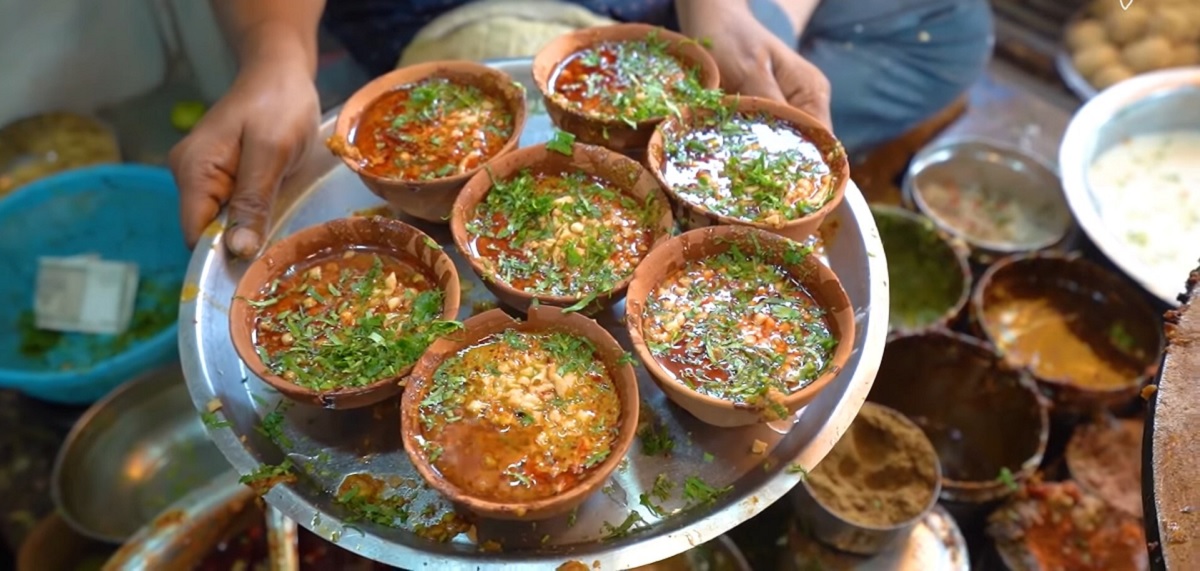
Food in Varanasi is as much a part of the city’s soul as its ghats. Street corners smell of fried snacks, sweet shops overflow with jalebis, and vendors carry trays of paan wrapped in silver foil. October, with its festive energy, means food stalls stay open late into the night, and sweets are everywhere. Taste the Flavors of Varanasi – Best Street Food Spots to Try
Must-Try Dishes
- Kachori-sabzi: A spicy breakfast staple of deep-fried bread filled with lentils and served with potato curry. Best enjoyed hot at a roadside stall.
- Jalebi: Crispy coils soaked in syrup, often eaten in the morning with kachoris.
- Banarasi paan: A betel leaf filled with sweet and aromatic ingredients, chewed as a digestive and cultural experience.
- Lassi: Thick, creamy, and topped with a dollop of malai (cream). Shops like Blue Lassi have become traveler favorites.
- Tamatar chaat: A tangy-spicy snack unique to Varanasi, made of mashed tomatoes, spices, and fried crispies.
- Malaiyo: A delicate, frothy dessert made from milk, saffron, and cardamom—available as the weather cools in late October.
Travel tip: Stick to popular or well-reviewed stalls, especially if you’re new to Indian street food. Always carry bottled water or ask for filtered water in cafés. Plan the Perfect Itinerary – How Many Days to Spend in Varanasi
Where to Stay: Accommodation Options
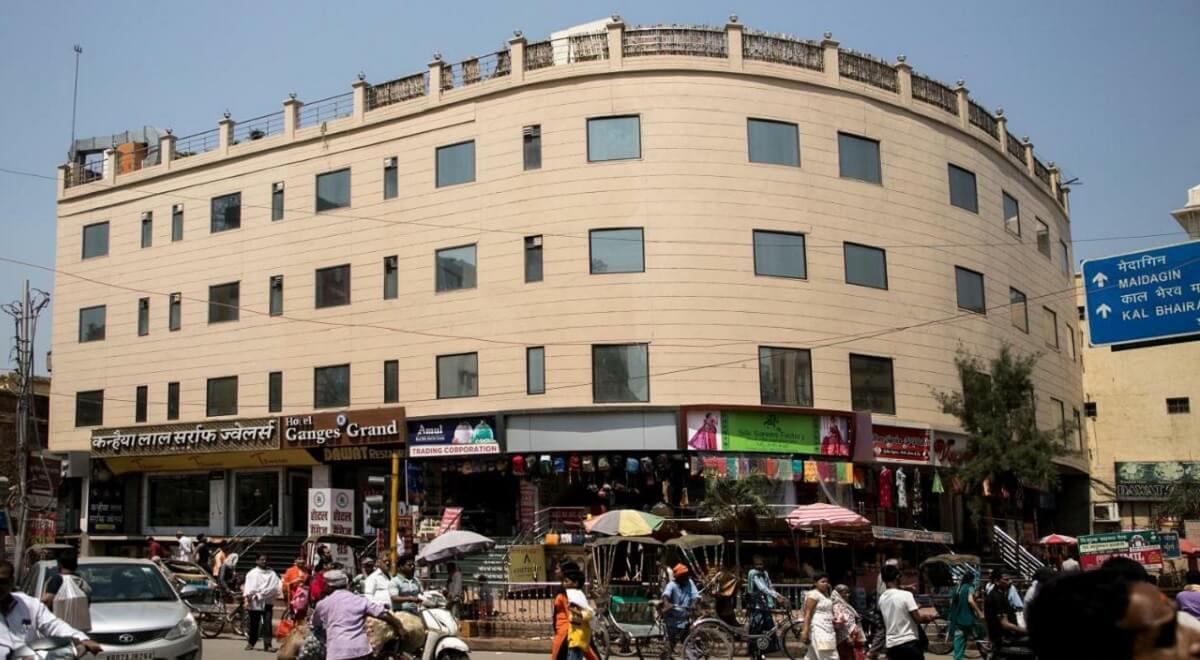
October is peak season in Varanasi, especially with Navratri and Dussehra, so book accommodation well in advance. Options range from palatial hotels to riverside guesthouses. Book the Best Heritage Hotels Near Varanasi Ghats for a Memorable Stay
Luxury Stays
- BrijRama Palace: A restored palace right on the Ganga with stunning interiors and views.
- Taj Ganges: Set in a quiet garden, offering comfort, pool, and international amenities.
Boutique Hotels & Guesthouses
- Hotel Ganges View: A charming property near Assi Ghat, popular with travelers who want character and culture.
- Suryauday Haveli: A riverside haveli (mansion) that offers evening aarti experiences on-site.
Budget-Friendly
- Zostel Varanasi: Popular with backpackers, offering dorms and private rooms, often with cultural events.
- Family-run guesthouses near Assi Ghat: Affordable, welcoming, and usually include home-cooked meals.
Travel tip: If you want easy access to evening aartis and boat rides, choose accommodation near Dashashwamedh or Assi Ghat. If you prefer quieter nights, stay slightly inland.
Practical Travel Tips
How to Reach Varanasi
- By Air: Lal Bahadur Shastri Airport has flights from Delhi, Mumbai, Kolkata, and international hubs like Kathmandu.
- By Train: Varanasi Junction is well-connected to most Indian cities, though tickets fill fast around Dussehra.
- By Road: Buses and taxis connect Varanasi to Lucknow, Patna, and Allahabad, but traffic can be unpredictable.
Getting Around
- Rickshaws: Best for short distances in the old city.
- Walking: Essential for exploring the ghats and lanes. Wear sturdy shoes.
- Boats: Rowboats or motorboats help you move between ghats or see the aarti from the river.
Cultural Etiquette
- Dress modestly—shoulders and knees covered are respectful for both men and women.
- Remove shoes before entering temples.
- Always ask before photographing people or rituals.
Safety Tips
- October crowds can be overwhelming. Keep valuables close in crowded areas.
- Stick to bottled water and trusted food vendors to avoid stomach problems.
- Women travelers should avoid isolated alleys at night; stay in busy areas or with groups.
FAQs for International Travelers
Q: How many days should I spend in Varanasi in October?
A: At least 3–4 days. One day for ghats and temples, one for a sunrise boat ride and old city tour, one evening for the Ramnagar Ramlila, and one to simply wander and soak in the atmosphere.
Q: Is Varanasi too intense for a first trip to India?
A: It can be overwhelming, but October’s cooler weather and festive atmosphere make it easier to enjoy. If you pace yourself and take breaks, it’s one of the most rewarding introductions to India.
Q: Can I attend rituals as a non-Hindu traveler?
A: Yes, respectfully. Many ceremonies on the ghats are open to everyone. Just observe respectfully, avoid stepping into the middle of rituals, and follow locals’ cues.
Q: Are boats safe in October?
A: Yes, the river is calmer after monsoon season. Choose licensed boatmen and avoid overcrowded boats.
Q: Is alcohol available in Varanasi?
A: Alcohol is not part of the local culture and is rarely served outside of high-end hotels. Most travelers find the city’s spiritual vibe doesn’t leave much room for it anyway.
December Travel Guides & Tourist Attractions
- Visit Rishikesh in October 2026 – Yoga Retreats, Aarti Vibes & Places to See
- Discover Ooty in October 2026 – Ride the Nilgiri Train & Relive Colonial Charm
- Plan Your Darjeeling Trip in October – Toy Train Rides & Tea Garden Views
- Visit Manali in October 2026 – Snowfall, Weather & Top Things to Do
- Travel to Goa in October 2026 – Beaches, Festivals & Best Travel Tips
- Explore Karnataka’s Best Hill Stations to Visit in October – Full Travel Guide
- Know What to Expect in Goa in October – Weather, Activities & Tips
- Check Kerala Weather in October – Plan the Perfect Trip
- Find the Best Spiritual Places to Visit in India This October 2026
- Plan October Weekend Getaways from Bangalore – Top Picks for 2026
- Relax on the Best Beaches in South India to Visit in October
- Celebrate India’s Top Festivals in October 2026 – Rituals & Travel Guide
- Check India’s Weather in October – When and Where to Travel