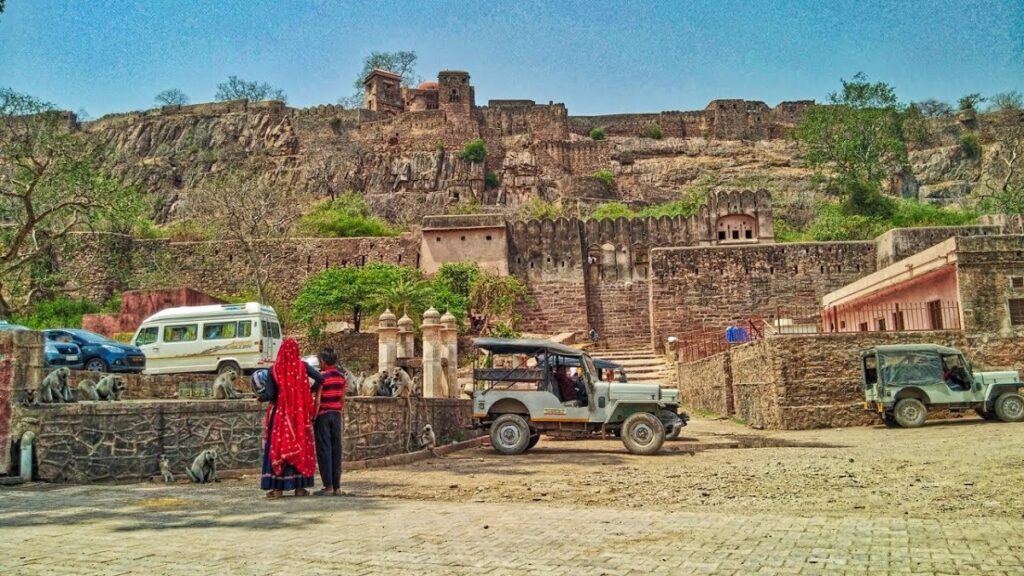
Nestled between the rugged Aravalli and Vindhya hills in eastern Rajasthan, Ranthambore National Park is one of India’s most iconic wildlife destinations. But this isn’t just a place where you go hoping to catch a glimpse of a tiger. It’s where nature, history, and culture collide in a landscape so dramatic, it feels almost cinematic.
Whether you’re a wildlife enthusiast with your camera poised for that perfect jungle moment, a history lover tracing ancient stones at the Ranthambore Fort, or a traveler simply seeking a soul-refreshing escape into nature — Ranthambore offers an experience that’s thrilling, enriching, and deeply memorable.
In this guide, we’ll uncover ten compelling reasons why Ranthambore should top your travel list — not just as a wildlife sanctuary, but as a living, breathing world of stories, silence, and surprise.
1. Home to the Majestic Bengal Tiger
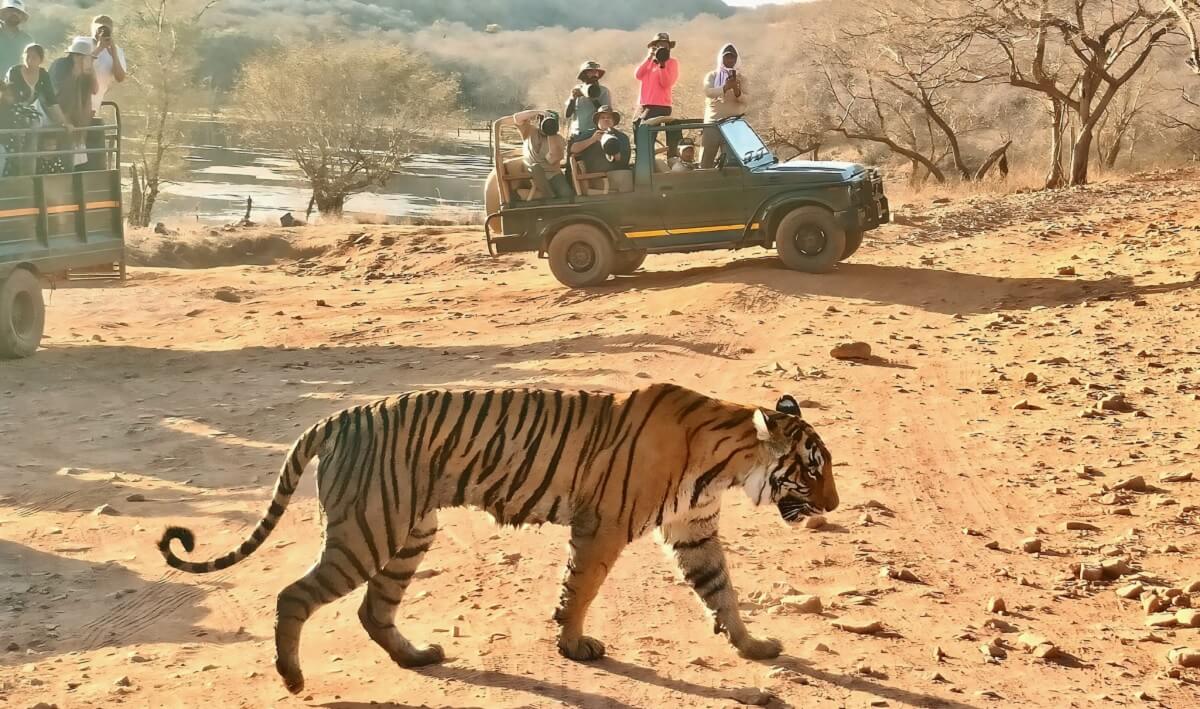
Let’s start with the crown jewel: the Bengal tiger. Ranthambore is one of the best places in India — and the world — to spot these magnificent cats in their natural habitat. The park is known for its relatively high tiger density and more importantly, tigers that are unafraid of human presence, making sightings more frequent and often dramatic.
Many visitors come hoping to lock eyes with a wild tiger, and leave with unforgettable stories:
- A female tiger with cubs crossing a forest trail
- A young male lounging beside a lake at sunrise
- The deep, resonant call of a sambar deer — a silent alarm that a predator is near
Meet the Legends
Ranthambore has been home to some of India’s most famous tigers:
- Machli, the iconic tigress known as the “Queen of Ranthambore,” was legendary for her strength and longevity.
- Her descendants continue to thrive, and today, tigers like Arrowhead, Riddhi, and T-120 carry on the dynasty.
Tip: For better chances of spotting a tiger, book multiple safaris across different zones (especially Zones 2, 3, 4, and 6).
2. Rich Biodiversity Beyond Tigers
While tigers steal the spotlight, Ranthambore is far more than a one-species wonder. Its varied ecosystems — open grasslands, ancient forests, rocky cliffs, and tranquil lakes — support a wide array of flora and fauna. Book Ranthambore Safari Now – Jeep & Canter Ticket Guide
Mammals to Watch For:
- Leopards: Elusive and mostly spotted in higher terrains
- Sloth Bears: Shaggy, shy, and often seen foraging near termite mounds
- Jackals & Hyenas: Scavengers that keep the ecosystem in balance
- Chital (Spotted Deer) and Sambar Deer: Common prey species
- Nilgai, Wild Boars, and Langurs: Abundant and photogenic
A Birdwatcher’s Paradise:
With over 300 species of birds, Ranthambore is a dream for ornithologists and casual bird lovers alike:
- Indian Peafowl dancing during monsoon
- Crested serpent eagles gliding above
- Kingfishers, parakeets, herons, and the occasional painted stork by the lakes
Best birding spots: Padam Talao, Malik Talao, and the edges of the park near Mansarovar Lake.
Reptiles & Amphibians:
- Marsh crocodiles bask on rocks, eerily still until they dive
- Monitor lizards, cobras, and tortoises add to the wilderness mystery
Ranthambore is an ecosystem in motion — where every rustle in the bush might be a wild cat, and every call in the trees tells a story.
3. Ranthambore Fort: A UNESCO World Heritage Site

Perched high above the national park is the Ranthambore Fort, a massive 10th-century stronghold that once guarded the boundaries of royal Rajasthan. It’s a place where history breathes through crumbling stone, and the past lingers in every carved pillar and moss-covered shrine. Explore Ranthambore Fort – Visitor Guide & Travel Tips
Why It’s Special:
- Listed as part of the “Hill Forts of Rajasthan” UNESCO World Heritage Site
- Offers panoramic views of the park below, making it a must-visit for photographers
- Home to temples, stepwells, domes, and quiet courtyards
Temples Within:
- The Ganesh Temple, nestled within the fort, draws pilgrims year-round.
- You’ll see people carrying offerings, walking the stone pathways with reverence.
Exploring the fort is not just a history lesson — it’s a moment of silence in the sky, with vultures soaring above and the jungle spread endlessly beneath you.
4. Stunning Landscape and Natural Beauty

Ranthambore isn’t just a haven for wildlife — it’s a canvas of raw, untamed beauty. The landscape itself tells stories, etched with the drama of survival, change, and timelessness.
Varied Terrain
- Lush Valleys & Dry Forests: Ranthambore’s terrain shifts dramatically from golden grasslands to thorny scrub jungles to dense groves of dhok trees.
- Ancient Cliffs & Rocky Outcrops: The Aravalli hills cut through the park, offering elevated lookouts and unique geological formations.
- Glittering Lakes & Waterholes: Padam Talao, Malik Talao, and Rajbagh Lake aren’t just scenic — they’re vital to wildlife, drawing tigers, deer, crocodiles, and birds alike.
A Paradise for Nature Lovers and Photographers
- Golden light at dawn filtering through the trees
- Misty landscapes in winter, tigers emerging like ghosts
- Sunset reflections over Padam Talao’s tranquil waters
- Towering banyan trees with tangled roots that seem pulled from fantasy novels
Every zone in Ranthambore reveals a different side of nature, reminding visitors that the wild has more forms than just fur and claws — it lives in the wind, the silence, the textures of bark and stone. How to Reach Ranthambore from Jaipur – Your Quick Guide
5. Jeep and Canter Safaris: A Thrilling Adventure

If there’s one thing that defines the Ranthambore experience, it’s the thrill of the safari. Every journey into the park is a mix of anticipation, suspense, and quiet observation, heightened by the sound of rustling leaves or the cry of a langur in alarm.
Best Safari Options:
- Jeep Safari (6-seater): Best for intimate groups and photographers. Offers flexible movement and quieter experience.
- Canter Safari (20-seater open truck): More affordable and suitable for larger groups or families.
Safari Timing:
- Morning Safari: 6:30 AM – 10:00 AM (summer timings vary slightly)
- Evening Safari: 2:30 PM – 6:00 PM
Both safaris offer unique opportunities — mornings are cooler and often more active for predators, while evenings offer golden light and vibrant birdlife.
Safari Zones:
Ranthambore is divided into 10 official safari zones, each with its own terrain and wildlife density.
- Zones 1 to 5: Core zones, often considered best for tiger sightings.
- Zones 6 to 10: Buffer zones with beautiful landscapes, rising in popularity for tiger activity and fewer crowds.
Safari Tips:
- Book in Advance: Especially during peak season (Nov–Mar), permits sell out fast.
- Be Silent, Stay Alert: Your guide will read signs — pugmarks, alarm calls, claw marks on trees.
- Pack Wisely: Binoculars, a good camera, water, and a scarf or mask (it gets dusty).
The real magic of a Ranthambore safari isn’t always in seeing a tiger — it’s in the way your senses sharpen, your pace slows, and your awareness deepens. Plan a May Safari Trip to Ranthambore – Weather, Tips & More
6. Best Time to Visit Ranthambore National Park
While Ranthambore is open from October to June, each season offers a distinct experience. Choosing the right time depends on your priorities — photography, tiger sightings, birdwatching, or overall comfort. Experience Rural Rajasthan: Discover the Authentic Villages
October to February (Cool & Comfortable)
- Weather: Pleasant days, cool nights (~10°C to 25°C)
- Landscape: Green, fresh after the monsoon
- Ideal for: Birdwatching, photography, family trips
- Note: Slightly harder to spot tigers in dense foliage, but wildlife is active
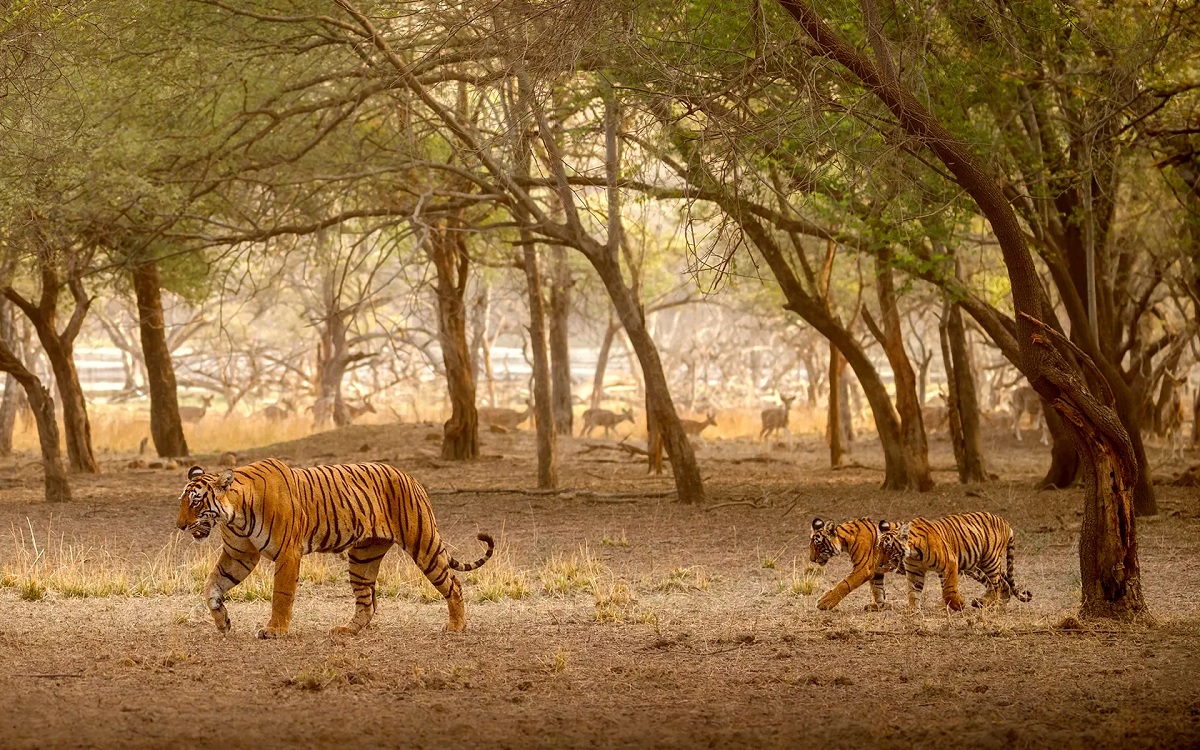
March to Early May (Peak for Tiger Sightings)
- Weather: Hotter (~30°C to 40°C), dry conditions
- Landscape: Sparse vegetation improves visibility
- Ideal for: Serious wildlife watchers and photographers
- Note: Tigers visit waterholes more frequently — higher chance of sightings
Mid-May to June (Extreme Heat, but Prime Viewing)
- Weather: Very hot (~40°C to 45°C)
- Landscape: Bone dry, easier to track big cats
- Ideal for: Hardcore wildlife enthusiasts
- Note: Carry hats, sunscreen, hydration gear; fewer crowds and better sighting opportunities
Monsoon Closure (July to September)
- Ranthambore remains closed for tourists due to breeding season and unsafe road conditions.
Insider Tip: Plan multiple safaris across morning and evening slots for the best experience — sightings aren’t guaranteed, but every ride brings a new layer of the jungle’s story.
Wonderful! Let’s move on to Part 3 — the final segment of your blog post “Top 10 Reasons Why You Should Visit Ranthambore”. This section focuses on eco-tourism, where to stay, and how Ranthambore connects you to Rajasthan’s broader cultural landscape — and wraps everything up with a strong, inspiring conclusion.
Discover Safe Offbeat Travel Post-Monsoon – Plan Your Unique Trip!
7. Eco-Tourism and Conservation Efforts
Ranthambore is not only a place to witness nature — it’s a model of how tourism, conservation, and community can work together. Once heavily threatened by poaching and habitat loss, the park has seen a resurgence thanks to sustained conservation efforts and eco-aware travel.
The Conservation Legacy
- Project Tiger, launched in 1973, named Ranthambore one of the initial protected reserves.
- Thanks to local and national efforts, the tiger population in the park has steadily rebounded over the years.
- Renowned tigresses like Machli became symbols of successful conservation, attracting global media attention.
Local Communities as Guardians
Eco-tourism here supports surrounding villages, offering alternatives to activities like wood-cutting or hunting.
- Villagers are employed as naturalists, drivers, rangers, and hospitality staff.
- Many homestays and lodges directly support local craft cooperatives, schools, and forest education programs.
- Community-led eco-initiatives promote awareness, especially among the younger generation.
What You Can Do as a Visitor
- Choose eco-certified lodges that follow sustainable practices
- Avoid plastic, stick to marked safari paths, and never feed wildlife
- Support local artisans and food producers over imported souvenirs
By traveling consciously, you become part of the solution — a protector of the very wilderness you came to admire. Weekend Destinations Near Udaipur: 10 Scenic Getaways for a Perfect Short Trip
9. Unique Lodges and Jungle Resorts
Ranthambore’s accommodations are not just places to sleep — they’re part of the experience. Whether you’re looking for rustic authenticity or eco-luxury with wilderness vibes, the region offers a diverse range of jungle stays that put you at the doorstep of nature.
Luxury Jungle Escapes
- Suján Sher Bagh: A regal tented camp known for its old-world safari charm, organic cuisine, and impeccable service.
- Aman-i-Khas: Ultra-luxurious tents with private butlers and views of the wild — for those seeking complete immersion with comfort.
- Khem Villas: An eco-lodge known for its sustainability, farm-fresh food, and serene forest setting.
Heritage & Mid-Range Retreats
- Nahargarh Ranthambore: A palace-style resort with Mughal-inspired architecture, large courtyards, and close proximity to the park.
- Ranthambhore Bagh: A favorite among wildlife photographers — simple, clean, and focused on the safari experience.
- Tiger Den Resort: Great value with traditional decor and lush gardens.
Homestays & Budget Options
- Anuraga Palace: A charming heritage option that balances comfort and affordability.
- Local village homestays near Sawai Madhopur offer authentic Rajasthani hospitality and cultural exchange.
Most resorts can arrange custom safaris, nature walks, and village tours, giving you a seamless and enriching experience.
9. A Gateway to Cultural Rajasthan
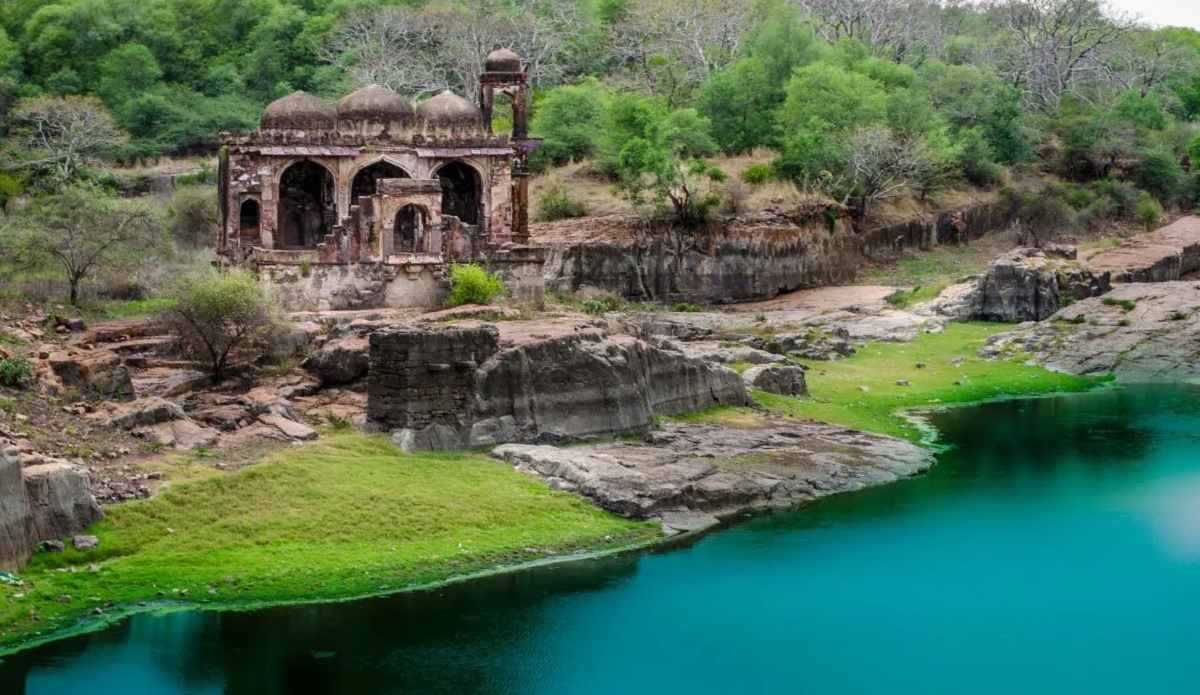
While Ranthambore is a wild wonderland, it also serves as a doorway into the soul of Rajasthan. After your jungle adventures, spend time exploring the cultural richness just beyond the park boundaries.
Sawai Madhopur
This is the town closest to Ranthambore and a hub of local culture:
- Visit Shilpgram, a crafts village showcasing handmade textiles, pottery, and woodwork.
- Taste local delicacies like dal baati churma and ghewar at traditional eateries.
- Wander through colorful bazaars where everything from spices to embroidered juttis awaits.
Nearby Temples and Villages
- The Trinetra Ganesh Temple inside the Ranthambore Fort is one of the oldest and most revered in India.
- Small villages like Malarna Dungar offer glimpses into rural Rajasthani life — ideal for day visits or homestay experiences.
- Cultural performances, especially during festivals like Diwali or Holi, give a richer view of life beyond the jungle.
Combining wildlife and cultural immersion makes Ranthambore a more complete and balanced travel experience — one that satisfies both the adventurer and the storyteller within.
Conclusion: Why Ranthambore is More Than Just a Tiger Reserve
So, why should you visit Ranthambore? Because here, the wild is still wild. It hasn’t been tamed or polished. Instead, it roars, rustles, and radiates the kind of power that makes your breath catch and your heart slow down.
It’s not just about tigers — though they are the stars. It’s about ancient forts where monkeys perch on thousand-year-old ramparts. About deer standing motionless in golden fields at dawn. About campfires, folk songs, and the kind of stillness that makes you feel small in the best possible way.
If you’re craving a travel experience that’s thrilling, grounding, photogenic, and unforgettable — one that blends history, nature, luxury, and meaning — Ranthambore is waiting.
10. Bonus: Quick Travel Tips for Ranthambore Visitors
Booking Safaris:
- Book on the Rajasthan Forest Department website or through your hotel.
- Choose Zone 2, 3, or 4 for higher tiger sighting probabilities.
- Be flexible and book multiple drives if possible.
What to Pack:
- Neutral-colored clothing (avoid red/bright colors on safari)
- Sunscreen, sunglasses, hat
- Camera with zoom lens
- Scarf or dust mask
- Light jacket (early morning drives can be chilly)
How to Get There:
- By Train: Nearest station is Sawai Madhopur, well connected to major cities.
- By Road: ~3.5 hours from Jaipur; ~6 hours from Agra or Delhi.
You Might Also Like:
- Visit Ranthambore in January 2025 – Travel Tips & Attractions
- Discover What to Do in Rajasthan in September 2025
- Explore 11 Historical Forts That Shine in the Monsoon
- Top Wildlife Sanctuaries to Visit This July
- Chill Out! Best Cold Destinations to Visit in July
- Mount Abu in July 2025 – Weather, Places & Travel Tips
- Travel South India in July – Full Guide to Weather & Fun
- North India in July – Discover Weather, Spots & Activities
- Top 20 Wildlife Reserves Open in September in India: Ultimate Guide
- What to Do in Rajasthan in September 2025 – Must-see Events
- Explore India’s Heritage: The Ultimate Guide to 42 UNESCO Sites