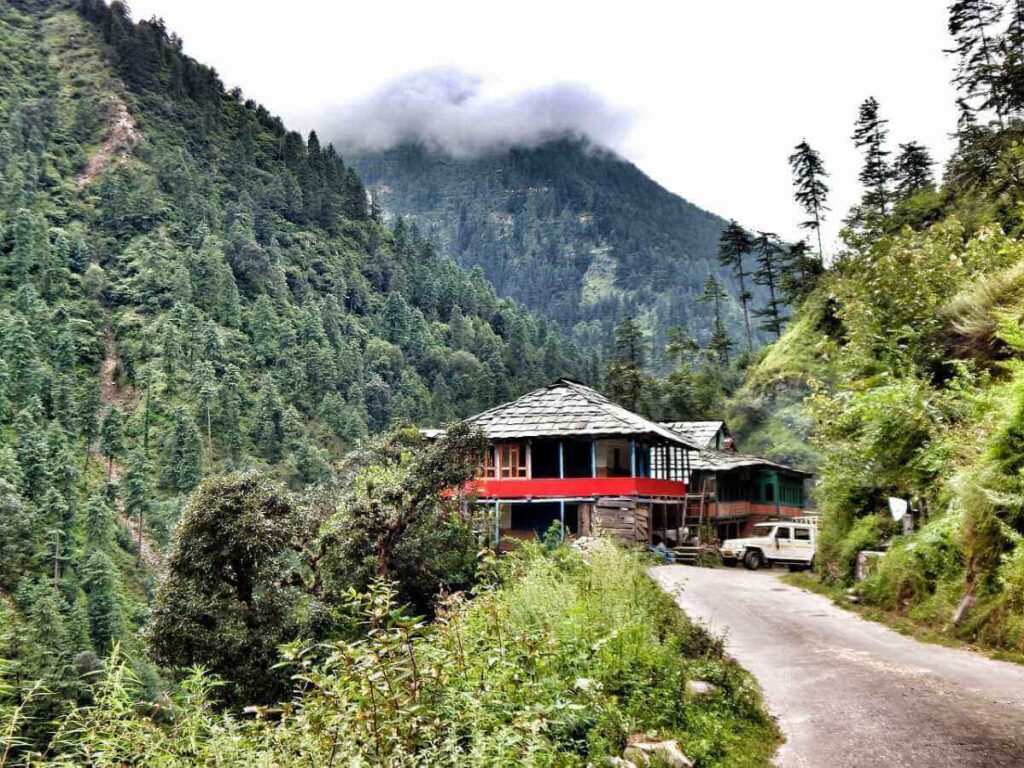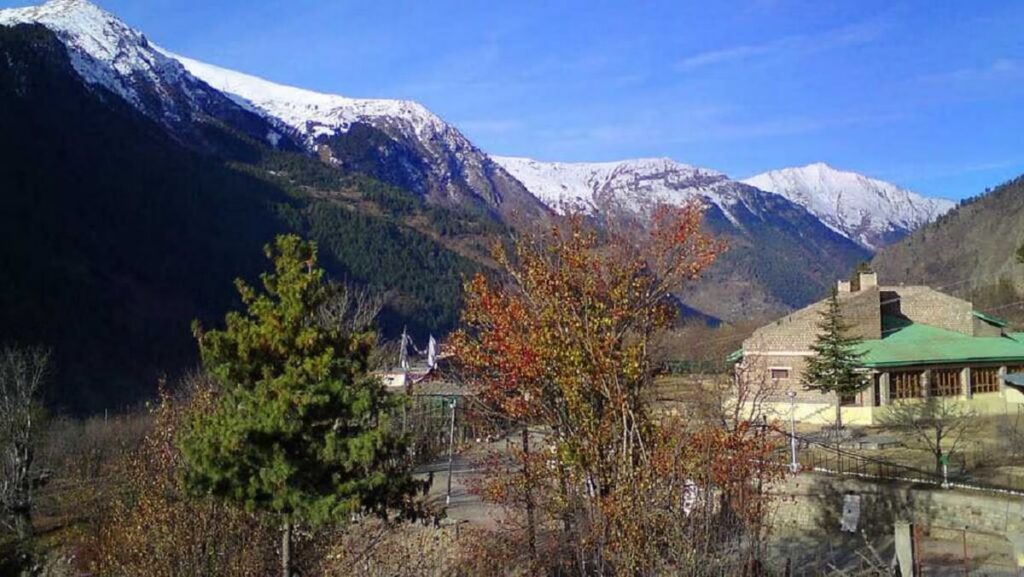
Tucked away in the Kinnaur district of Himachal Pradesh, Sangla Valley is one of Himachal’s most stunning and underrated travel destinations. With its snow-covered peaks, pine forests, apple orchards, and clear rivers, Sangla feels like a peaceful world far from the busy tourist circuits of Manali or Shimla. Whether you’re an adventure lover, a nature enthusiast, or someone simply seeking quiet mountain beauty, Sangla has something to offer you.
From easy hikes and ancient temples to hidden villages and trout fishing, Sangla Valley invites you to slow down, look around, and explore its natural and cultural gems. This guide walks you through the best things to do in Sangla — from scenic drives to unique local experiences — with tips on how to make the most of your visit in 2026.
Where Is Sangla Valley?
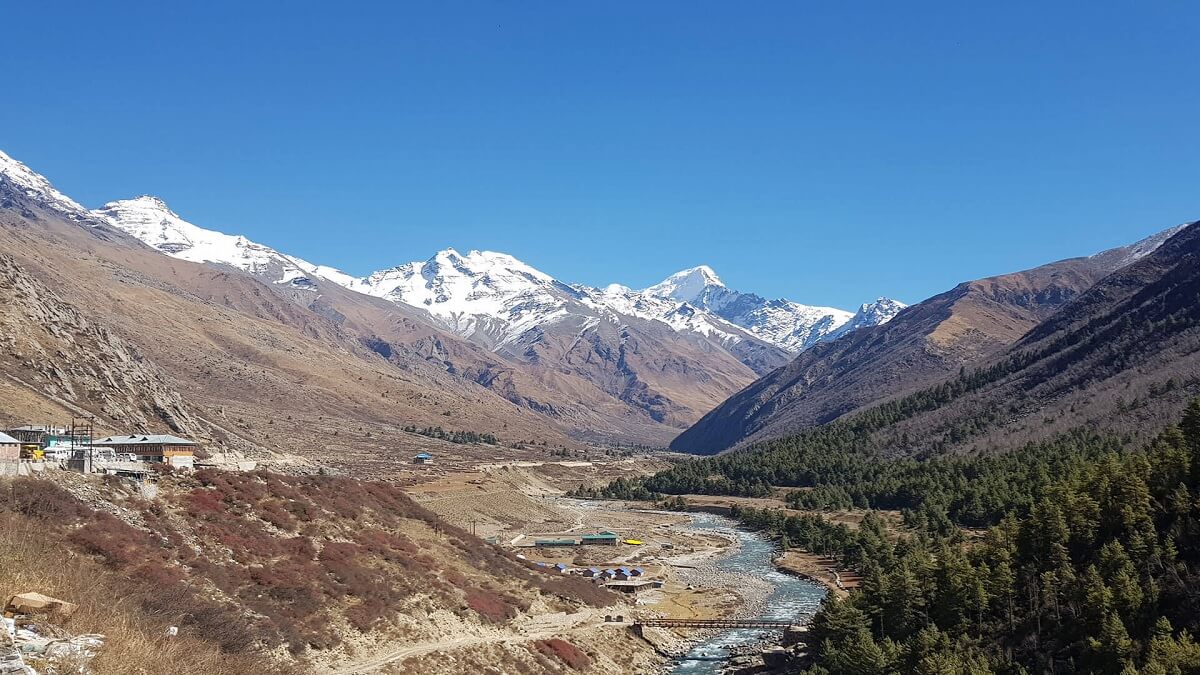
Sangla Valley is located in the Baspa River Valley of Kinnaur, about 220 km from Shimla and 35 km from the town of Kalpa. The valley gets its name from Sangla village, one of the main settlements in the region. The valley stretches from Karcham to Chitkul, the last village before the Indo-Tibetan border. Easy Scenic Hikes for Beginners in Himachal Pradesh
- Altitude: ~2,600 to 3,400 meters
- Best time to visit: April to June and September to November
- Famous for: Apple orchards, wooden temples, trekking trails, and offbeat mountain villages
1. Explore the Beauty of Sangla Village

Sangla village is the main hub of the valley and your likely base for exploring the region. It sits on the slope of a mountain with wooden houses and green fields overlooking the Baspa River. You can spend hours here walking through narrow lanes, greeting locals, and just soaking in the peaceful mountain life.
The village is known for its unique Kinnauri architecture — wooden homes with carved balconies and slate roofs. Many houses are decorated with Buddhist prayer flags, a reflection of the mixed Hindu-Buddhist culture of the valley. Kangra Fort: History & Visiting Info
Things to do in Sangla village:
- Visit the local temple dedicated to Lord Badrinath
- Explore nearby apple orchards (especially in April–May or September)
- Chat with locals and sample homegrown Rajma (kidney beans) and apples
- Watch the sunset over the Kinnaur Kailash range from open fields
2. Visit the Ancient Kamru Fort

Located just 2 km uphill from Sangla, Kamru Fort is one of the oldest and most important sites in the valley. It was once the capital of the former Bashahr state and still carries an air of regal history.
The fort is built in traditional Kinnauri style using wood and stone, and its five-story tower looks out across the valley. It now houses a temple dedicated to Kamakhya Devi, the goddess of power, brought from Assam centuries ago. Kareri Lake Trek: Your Complete Guide
What to know before you go:
- Visitors are allowed inside, but you must wear a traditional Kinnauri cap and sash (provided at the entrance)
- It’s a short uphill hike from the road, but worth it for the views and peaceful vibes
- The area is dotted with apricot trees, and you’ll likely be greeted by local kids or curious goats on the trail
Kamru Fort is not just a historic site; it’s also a place of spiritual energy and local pride. An Ultimate 7-Day Adventure to Himachal Pradesh
3. Walk Along the Baspa River
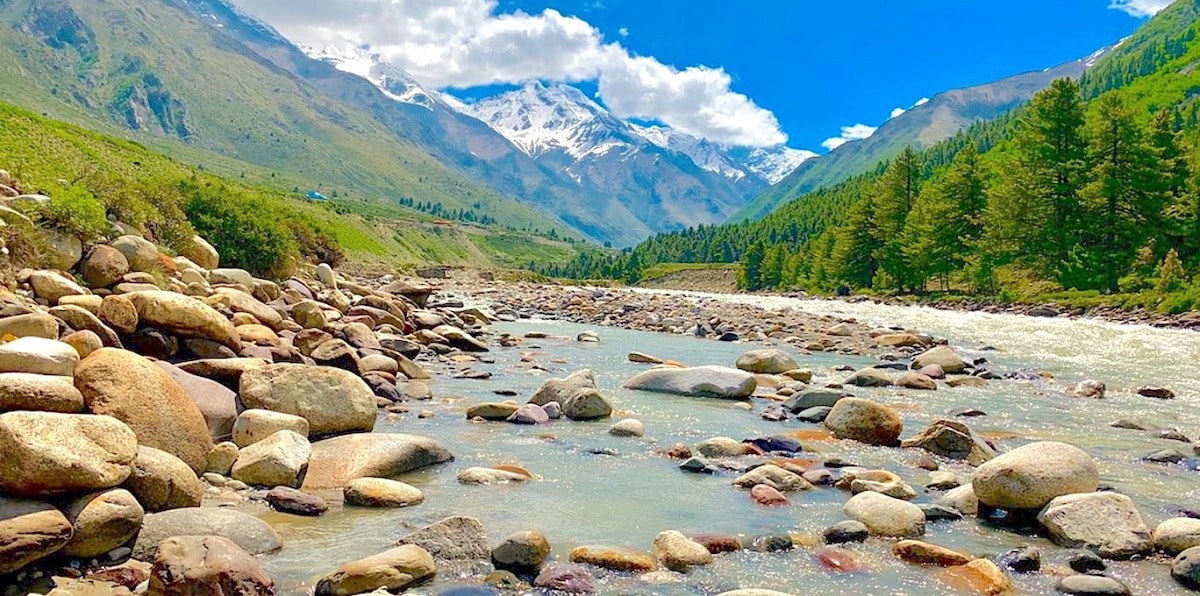
The Baspa River is the lifeline of Sangla Valley. Its clean, cold waters flow alongside many villages and forests, making it the perfect spot for morning walks, riverside picnics, or quiet reflection.
You can easily find trails along the riverbank where you can enjoy the sound of water, bird calls, and distant cowbells. In summer, the meadows nearby are full of wildflowers, and you’ll often spot locals fishing or children splashing around in shallow pools. Dalhousie Travel Guide: Best Routes
Activities along the Baspa River:
- Easy walks and short hikes
- Trout fishing (with a permit from the local authority)
- Enjoy a riverside picnic with views of pine-covered slopes
- Photography of the mirror-like reflections in the calm waters
4. Day Trip to Chitkul – The Last Village of India
A visit to Sangla isn’t complete without heading to Chitkul, which is about 20 km from Sangla and can be reached by road in about an hour. Known as the last inhabited village on the Indo-Tibetan border, Chitkul is a breathtaking destination surrounded by open meadows, snow-capped peaks, and glacial streams.
The air feels different here — colder, purer, and quieter. The village has wooden homes, a 300-year-old Mathi temple, and views of mountains so close, it feels like you can reach out and touch them. Best Places to Visit in Himachal in September
What to do in Chitkul:
- Visit the ancient Mathi Devi Temple, dedicated to the village goddess
- Sit by the Baspa River and watch the clouds move over the peaks
- Try a simple local meal at a roadside dhaba
- Take short hikes into nearby meadows (perfect for sunrise/sunset walks)
Travel tip: Chitkul can be very cold even in summer, so carry warm layers.
5. Trekking in Sangla Valley: Trails for All Levels
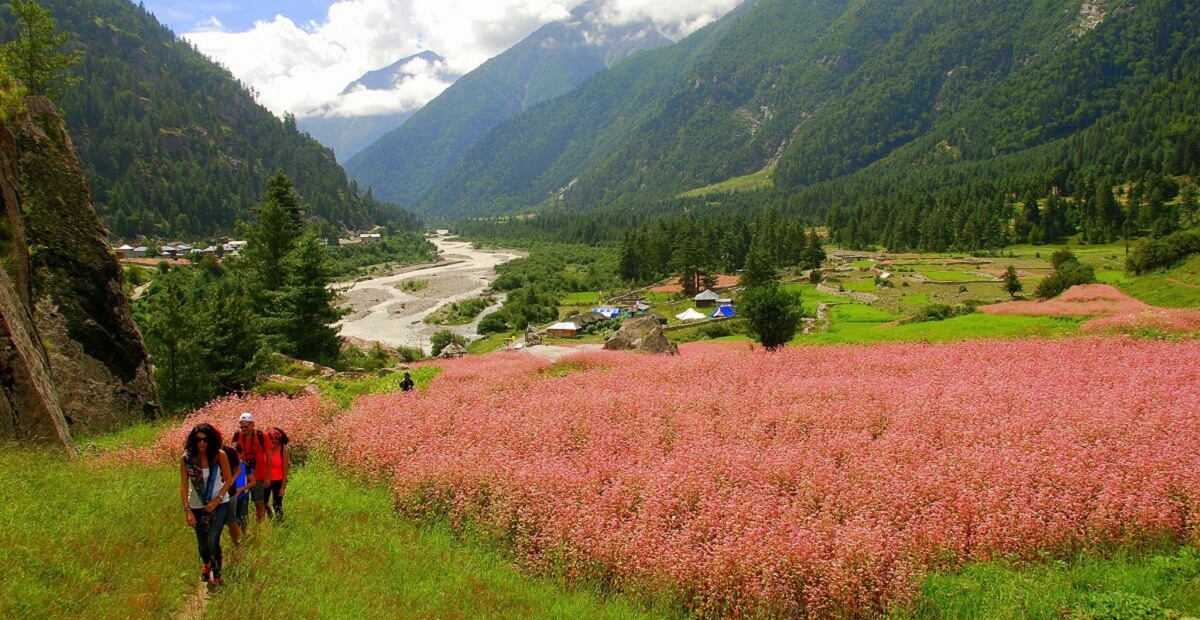
Sangla Valley offers scenic trekking options for both beginners and seasoned hikers. The trails here are not too crowded, making them a great way to connect with nature in peace. Most treks follow shepherd routes or river paths and offer dramatic views of snow-capped mountains, pine forests, and flower-filled meadows. Family Adventures in Manali: Activities for All Ages
Easy to Moderate Treks:
- Sangla to Rakcham: A gentle 5–6 km riverside trail through apple orchards and grazing pastures. Ideal for families or first-timers.
- Rakcham to Chitkul: This 8–10 km trail offers breathtaking views of the valley and Baspa River, with mild elevation changes.
- Kamru to Batseri Village: A short, cultural trek through dense forests and traditional wooden bridges. The village is known for its woodwork temples.
For Experienced Trekkers:
- Borasu Pass Trek (Chitkul to Har Ki Dun, Uttarakhand): A high-altitude pass trek for experienced hikers, crossing from Himachal into Uttarakhand. Requires a guide and permission.
- Lamang Thach Trek: A lesser-known trail into alpine pastures above Rakcham. It’s more rugged but very rewarding.
Travel Tip: Hire a local guide if you’re unfamiliar with the area or planning a multi-day trek. Some trails pass through forest zones or restricted areas. Top 10 Adventure Activities in Manali You Must Try
6. Camping Under the Stars
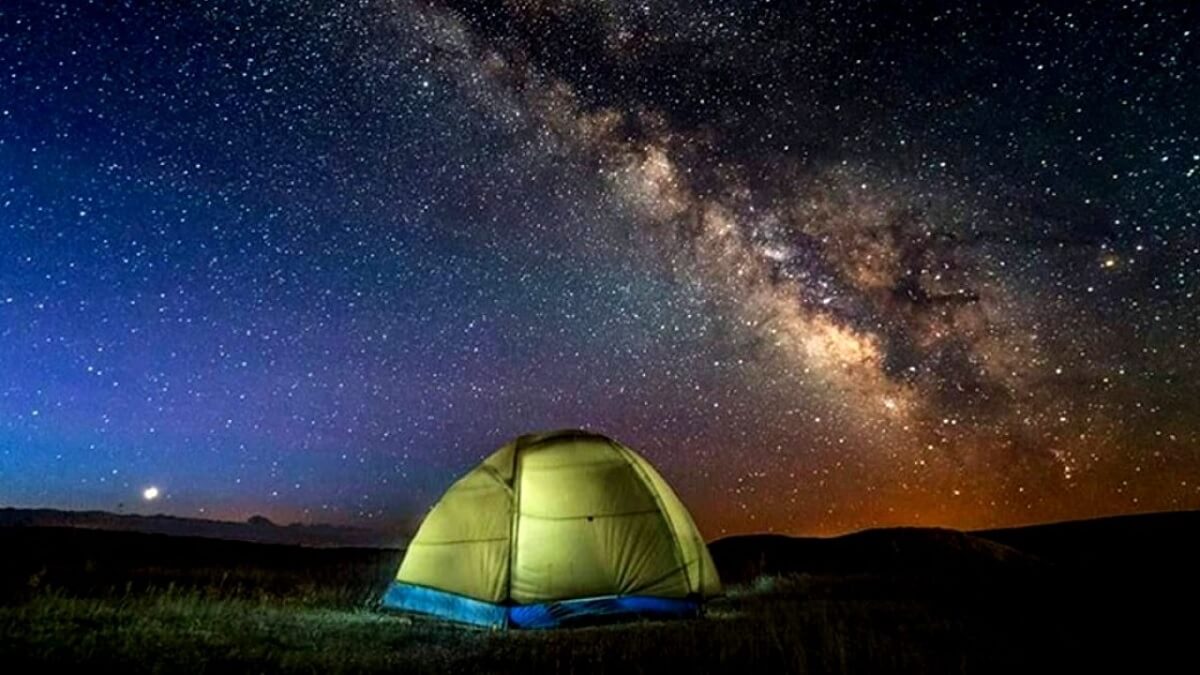
Camping in Sangla Valley is an unforgettable experience. You can pitch a tent near the river, in a forest clearing, or even book a riverside luxury campsite that includes meals and activities. Nights are peaceful here, often lit by a sky full of stars and the sound of flowing water.
Popular camping areas:
- Baspa River near Sangla or Rakcham
- Meadows near Chitkul
- Forest edges along the Sangla-Chitkul road
Most camps provide tents, sleeping bags, bonfires, and local meals. Wake up to a view of sunlit peaks, or spend your evening around a campfire with fellow travelers.
Note: If you plan to do self-camping, always carry out your waste and avoid disturbing natural surroundings.
7. Explore Batseri Village and Its Unique Architecture
Just 8 km from Sangla lies the quiet and picturesque Batseri village. It’s one of the most traditional Kinnauri settlements, with stone-paved streets, intricately carved wooden houses, and a peaceful setting.
At the center of the village is the Badri Narayan Temple, built in a blend of Hindu and Buddhist styles. Its wooden carvings, slate roof, and brass details are great examples of Kinnaur’s unique craftsmanship.
Why visit Batseri?
- Learn about traditional Kinnauri house construction
- Watch artisans work on wood carvings and temple decor
- Buy handmade woolens, apples, or walnut oil from local shops
- Walk across a wooden footbridge to reach the village — a perfect photo spot!
Best time to visit: Early morning or late afternoon when the village is quiet and light is soft.
8. Taste Local Kinnauri Food
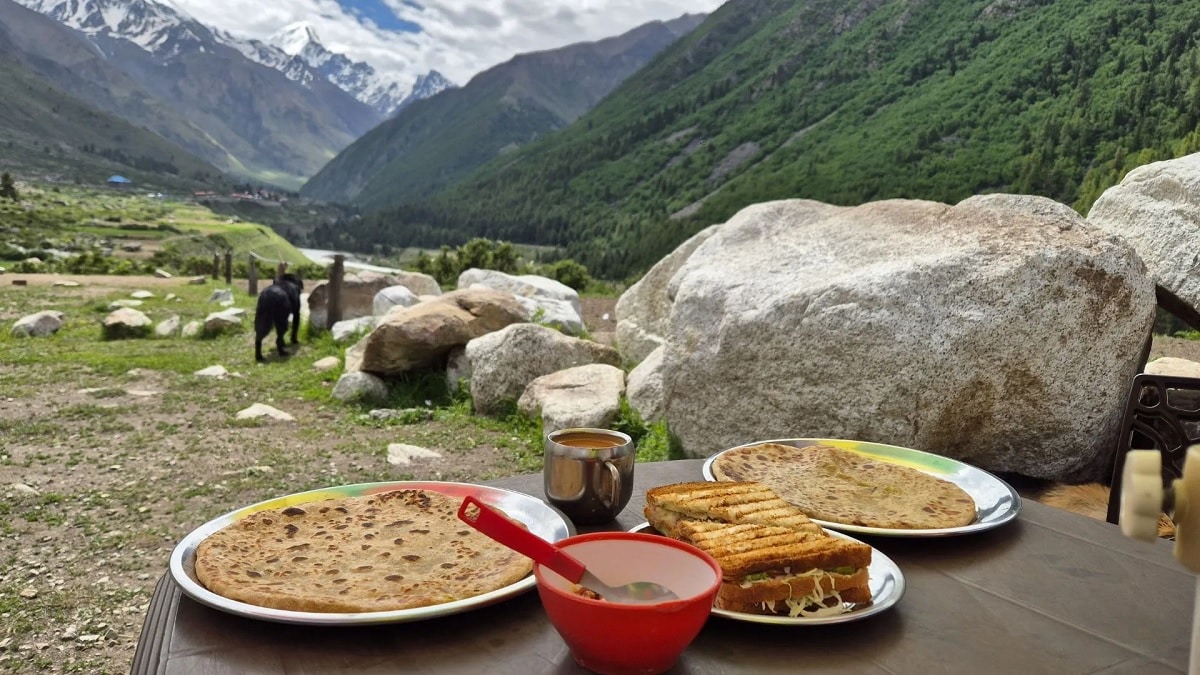
Kinnauri cuisine is simple, hearty, and warming — perfect for cold mountain weather. While most homestays or camps serve Indian meals, don’t miss the chance to try local dishes made with seasonal ingredients.
Must-try Kinnauri Foods:
- Siddu: Steamed bread stuffed with mashed lentils or dry fruit, served with ghee
- Chilra: A buckwheat pancake eaten with chutney or vegetables
- Madra: A yogurt-based curry made with rajma or chickpeas
- Local Rajma-Chawal: Grown in the valley and full of natural flavor
- Apple wine: Made from local orchards; sometimes homemade
Most meals are slow-cooked on wood stoves and use fresh herbs. Meals are often shared communally, especially in homestays.
9. Attend a Local Festival (If You’re Lucky)
Kinnaur’s festivals are vibrant and deeply spiritual, reflecting the region’s Hindu-Buddhist culture. If your trip happens to align with one, attending a local celebration can be a highlight.
Key festivals in the Sangla–Kinnaur region:
- Phulaich (September): A flower festival honoring ancestors, celebrated with dancing, singing, and village processions
- Baisakhi (April): Marking the new agricultural season
- Sazo (January): When deities are believed to leave their temples for higher altitudes
- Losar (February): The Tibetan New Year, celebrated with folk songs and special dishes in Buddhist communities
Most festivals are village-specific and rooted in local legend, so ask your host or guide for details if one is taking place nearby.
10. Stay in a Kinnauri Homestay
Homestays in Sangla Valley offer a rich and cozy travel experience. Staying with a local family means you not only enjoy home-cooked food and warm hospitality, but you also get a front-row seat to Kinnauri culture and everyday life.
Most homestays are built in the traditional style with wooden interiors, giving you a feel of real Himalayan living. Rooms are simple but clean, and you’ll often share meals with your hosts.
Perks of staying in a homestay:
- Learn about local customs and beliefs
- Experience authentic Kinnauri meals
- Get tips for offbeat places from your host
- Watch or take part in seasonal activities like apple harvesting
Pro tip: Ask your host if they can arrange a village walk or local cooking session.
Best Time to Visit Sangla Valley: Month-Wise Breakdown
Sangla Valley experiences different kinds of beauty across the seasons. From snow-covered peaks in early spring to golden fields and apple harvests in autumn, each month brings something unique. Here’s a month-wise breakdown to help you decide the best time for your trip.
March to April: Snowy Escape and Early Blossoms
- Weather: Cold but getting milder (0°C to 12°C)
- Landscape: Snow still blankets higher peaks, but valleys start turning green
- What to Expect:
- Ideal for snow lovers and fewer tourists
- Apple blossoms begin blooming in late April
- Some trails may still be blocked with snow
- Nights are chilly — pack heavy woollens
This is a great time if you want to see snow without facing full-blown winter travel challenges.
May to June: Pleasant Weather and Green Valleys
- Weather: Cool to warm days (8°C to 20°C)
- Landscape: Lush meadows, flowing rivers, apple trees in full leaf
- What to Expect:
- Perfect for trekking, village walks, and photography
- Clear skies and amazing views of Kinnaur Kailash
- Popular time for camping and family vacations
This is the most recommended window for first-time visitors and families.
July to August: Monsoon Magic with Some Risk
- Weather: Mild temperatures but wet (10°C to 18°C)
- Landscape: Lush greenery, waterfalls everywhere
- What to Expect:
- Risk of landslides and roadblocks
- Trekking trails may be slippery
- Avoid long road journeys unless necessary
If you plan to visit during this time, stay updated on weather conditions. The valley is incredibly green but comes with logistical risks.
September to October: Clear Skies and Autumn Colors
- Weather: Crisp, dry, and clear (5°C to 18°C)
- Landscape: Apple harvest, golden meadows, bright blue skies
- What to Expect:
- Great time for trekking, road trips, and local festivals
- Less crowded than summer
- Some of the best visibility for mountain photography
September is ideal for offbeat explorers, and October brings postcard-like views of changing leaves.
November to February: Harsh but Beautiful Winter
- Weather: Cold to freezing (-5°C to 8°C)
- Landscape: Snowfall in higher villages, frozen streams, empty trails
- What to Expect:
- Limited accessibility; some areas like Chitkul close after heavy snowfall
- Great for experienced winter travelers and snow photographers
- Stay options are limited; check in advance
Only recommended for travelers with proper winter gear and a love for quiet, snow-filled landscapes.
So, When Should You Go?
- For trekking, camping, and active holidays: May to June
- For photography, festivals, and apple harvests: September to early October
- For snow and solitude: March or late November
How to Reach Sangla Valley: Routes, Tips & Travel Options
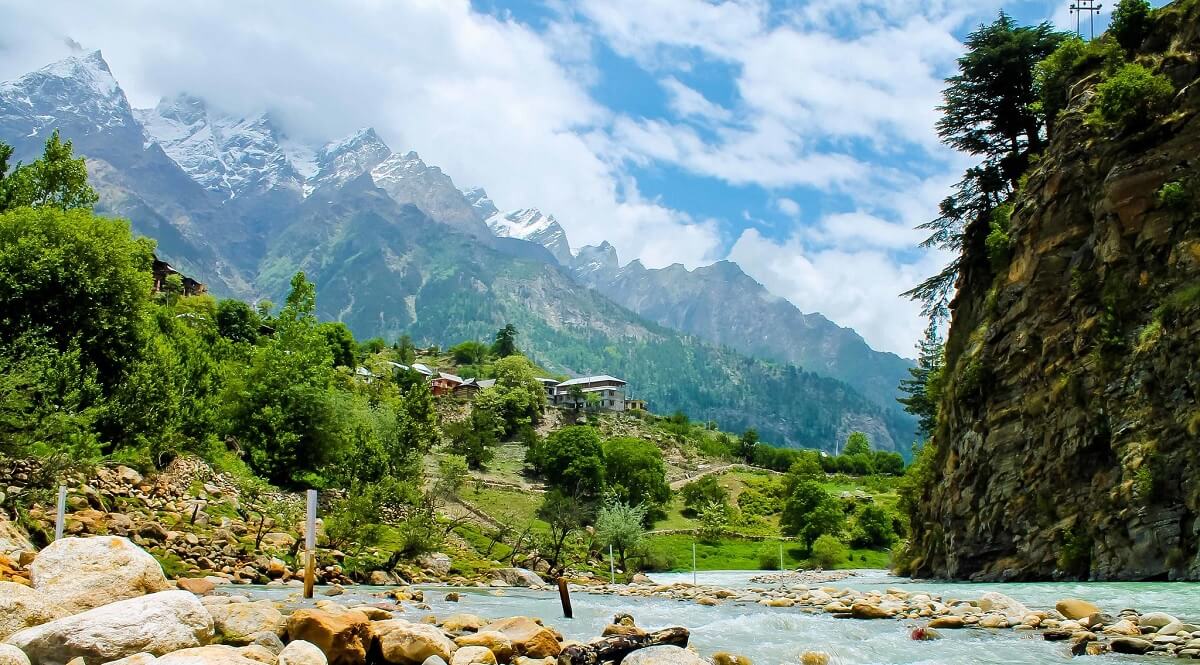
Sangla Valley may feel remote, but it’s well-connected by road and offers an incredibly scenic journey through Himachal Pradesh’s mountainous terrain. While there are no airports or railway stations right in Sangla, you can easily reach the valley via Shimla or Rampur, and the drive becomes more beautiful with every kilometer.
Here’s a detailed breakdown of the most convenient ways to reach Sangla Valley from major cities like Delhi, Chandigarh, Shimla, and Manali.
Option 1: Delhi to Sangla (via Shimla) – Most Common Route
- Total distance: Around 560 km
- Travel time: 16–18 hours by car or bus (split into two days is ideal)
Recommended Route:
Delhi → Chandigarh → Shimla → Rampur → Jeori → Karcham → Sangla
This is the most reliable and scenic route, used by most travelers visiting Kinnaur.
How to Travel:
By Bus:
- Take an overnight Volvo or HRTC bus from Delhi to Shimla
- From Shimla, connect with a local bus to Sangla (10–12 hours) or break your journey in Reckong Peo
By Car or Taxi:
- Ideal if you want more flexibility
- Roads from Shimla to Sangla are narrow but well-paved; however, sections near Karcham are steep and require careful driving
Travel By Train + Road:
- Take a train to Kalka, then a taxi or toy train to Shimla, followed by a road journey
Option 2: Chandigarh to Sangla
- Total distance: ~450 km
- Travel time: Around 14–15 hours by road
If you’re flying into Chandigarh, this route offers a good mix of highway and mountain roads. You’ll follow a similar route through Shimla and Rampur.
Tip: Spend a night in Shimla or Narkanda to break the journey and adjust to the altitude gradually.
Option 3: Manali to Sangla (Via Jalori Pass)
- Total distance: ~240 km
- Travel time: 10–12 hours
- Route: Manali → Banjar → Jalori Pass → Rampur → Karcham → Sangla
This is a scenic but more adventurous route, ideal for road trip enthusiasts during the summer months when Jalori Pass is open. This route is not recommended during monsoon or winter due to landslides and snow closures.
Option 4: Nearest Airport and Railway Station
- Nearest Airport: Shimla (domestic) or Chandigarh (major airport)
- Nearest Railway Station: Kalka (near Chandigarh)
From both airports or railheads, you will need to continue the journey by road.
Final Travel Tips for Getting to Sangla
- Start early: Roads through the mountains are safest during daylight. Try to plan your journey to avoid driving after dark.
- Check weather and road conditions, especially between June and September (monsoon months), or in winter.
- Fuel up in major towns like Rampur or Rekong Peo, as fuel stations are limited in remote areas.
- If you’re not confident driving in the mountains, consider hiring a local taxi from Shimla or Peo who knows the terrain. Adventure Activities Paused in Himachal Pradesh
FAQs: Sangla Valley Travel Essentials
Q1. Is Sangla Valley safe for tourists?
Yes, Sangla Valley is generally safe for solo travelers, couples, and families. Locals are friendly and helpful. However, the roads are narrow and winding, so it’s best to drive cautiously or hire an experienced local driver. Avoid traveling at night, and check for road updates during monsoon or snowfall.
Q2. Do I need a permit to visit Sangla or Chitkul?
Indian citizens do not need a permit to visit Sangla, Rakcham, or Chitkul. Foreign nationals, however, must obtain an Inner Line Permit (ILP) to visit areas near the Indo-Tibetan border like Chitkul. These can be arranged through SDM offices in Reckong Peo or online (depending on policy updates).
Q3. What kind of food is available in Sangla Valley?
You’ll find basic North Indian vegetarian and non-vegetarian meals in Sangla town and nearby villages. Most guesthouses and homestays offer home-cooked food, including local dishes like Siddu, rajma-chawal, and seasonal vegetables. In Chitkul, a few cafes serve Maggie, tea, momos, and thalis. Options are limited but wholesome.
Q4. Is ATM availability reliable in Sangla?
There are a few ATMs in Sangla town, but they are not always functional or may run out of cash, especially in peak season. Carry enough cash for your trip, especially if you’re heading further to Rakcham or Chitkul, where there are no ATMs.
Q5. What mobile networks work in Sangla and Chitkul?
BSNL and Jio work best in Sangla and have partial coverage in Rakcham and Chitkul. Airtel and Vodafone may not have a signal in remote areas. Even with coverage, data speed is slow. It’s best to download offline maps and notify your contacts before going off-grid.
Q6. What’s the ideal duration to stay in Sangla Valley?
A stay of 2 to 4 days is ideal to explore Sangla, Rakcham, Chitkul, and nearby hikes or villages. If you plan to camp or do multi-day treks, you can extend it to a week.
Q7. Are homestays better than hotels in Sangla?
Yes, for a cultural experience, homestays are highly recommended. You’ll get warm hospitality, authentic local meals, and insights into Kinnauri traditions. For more comfort and privacy, there are a few eco-resorts and camps with scenic river views.
Q8. Can I travel to Sangla Valley in winter?
Sangla is accessible in winter until heavy snowfall begins, usually by late December. However, Chitkul gets cut off, and many guesthouses shut for the season. Winter travel requires proper planning, warm clothing, and flexibility with road closures.
Quick Reference Summary Table: Sangla Valley Travel Guide
| Category | Details |
|---|---|
| Location | Kinnaur district, Himachal Pradesh (Baspa River Valley) |
| Altitude | ~2,600 to 3,400 meters |
| Best Time to Visit | April–June and September–October |
| How to Reach | Via road from Shimla / Chandigarh; nearest airport: Shimla |
| Permit Needed | Not for Indians; ILP needed for foreign nationals (Chitkul) |
| Top Places | Sangla village, Kamru Fort, Batseri, Rakcham, Chitkul |
| Top Activities | Trekking, camping, village walks, temple visits, river picnics |
| Food Available | Simple Himachali & North Indian meals; some local dishes |
| Stay Options | Homestays, riverside camps, basic guesthouses |
| Mobile Network | Best: BSNL, Jio (spotty in remote areas) |
| ATM Availability | Only in Sangla town; carry cash beyond this point |
| Recommended Stay | 3–4 days for a full experience |
| Winter Travel | Limited accessibility; check weather updates before going |
With this detailed guide in hand, you’re now fully prepared to explore the peaceful, scenic, and culturally rich landscapes of Sangla Valley. Whether you’re here for a short escape or a quiet adventure, the valley is sure to leave a lasting impression.
You Might Also Like:
- Plan Your August Trip to Kedarnath – Weather & Travel Insights
- Discover 14 Budget Trips in India for August Under ₹50,000
- Explore Top 10 Attractions in India During August
- Celebrate August Festivals in India – Dates & Rituals You Must Know
- Escape to Monsoon Hill Stations Near Delhi This August
- Plan a Perfect 15 August Getaway from Major Indian Cities
- Visit 10 Must-See Shiva Temples in Delhi NCR During Sawan
- Find the Best Time to Visit Tungnath – Weather & Temple Info
- Your Complete Himachal Travel Guide for July
- Explore Hidden Villages in Himachal – Offbeat Travel Picks
- Reach Sethan Valley from Manali – Easy Route Guide
- Top Weekend Trips from Delhi to Enjoy July Rains
- Explore India’s August Festivals – Complete Cultural Guide
- Explore the Best Indian Destinations to Visit in September
- Top Places to Visit in North India This September
- Travel North India in July – Weather, Tips & Itinerary
- 14 Best Places to Visit in Uttarakhand in September
- Kartik Swami Temple Trek: Your Ultimate Guide
- Tungnath Temple, Chopta – Timings, History
- Kalpeshwar Temple, Panch Kedar: What to Know Before You Go