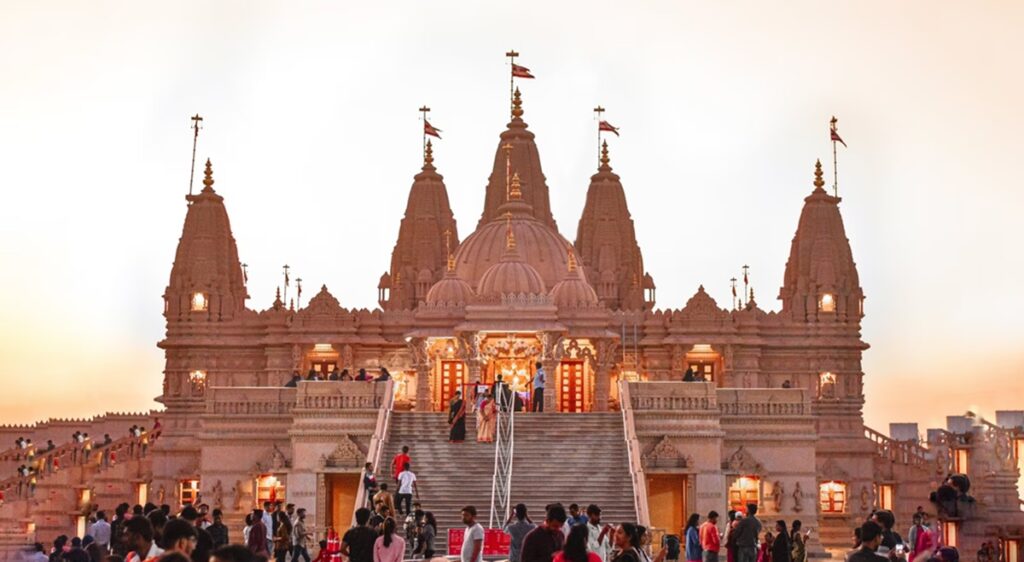
India is home to thousands of temples, from small shrines tucked into busy streets to massive complexes like the Meenakshi Temple in Madurai or the Golden Temple in Amritsar. These sacred spaces are not only places of worship but also living centers of history, culture, and spirituality. When you visit a temple, you are stepping into a holy environment where centuries of rituals, traditions, and beliefs are still alive.
For travelers, exploring temples can be one of the most meaningful experiences in India. But it is important to remember that these sites are not tourist attractions alone—they are active places of devotion where people pray, perform rituals, and connect with the divine. That is why knowing and respecting temple etiquette is essential.
Many visitors unknowingly make mistakes: wearing the wrong clothes, talking loudly, taking inappropriate photos, or entering without removing shoes. While such actions might seem small, they can offend devotees and disrupt the sacred atmosphere. By understanding the basic etiquette, you show respect not only for the temple but also for the faith of millions of people who hold it dear.
This guide will take you through the top five temple etiquette tips every traveler should know in India. Each tip is practical, easy to follow, and will help you experience Indian temples in a way that is respectful and enriching. Whether you are visiting famous sites like Tirupati Balaji, Jagannath Puri, or a small village shrine, these tips will prepare you to engage with the space in a thoughtful manner.
1. Dress Modestly and Respectfully
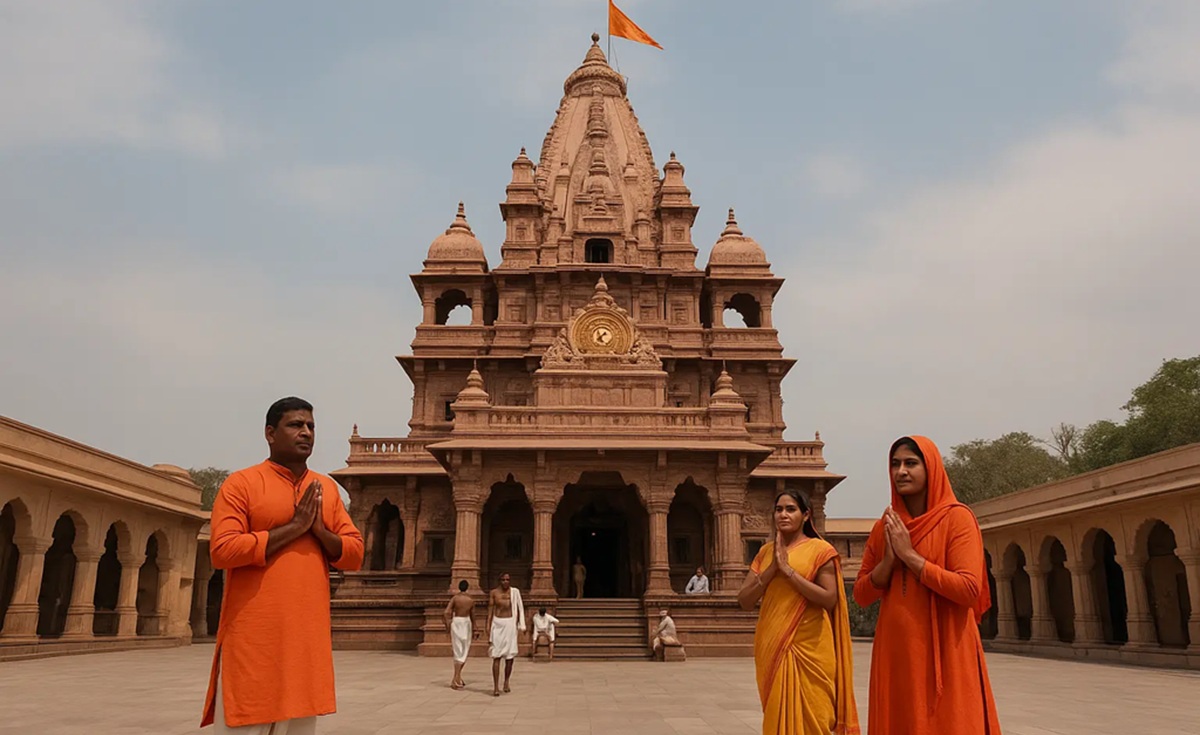
One of the first things to remember before entering an Indian temple is the dress code. Temples are spiritual spaces, and modest clothing shows respect.
- For men: Wear trousers or dhotis with shirts or kurtas. Sleeveless tops and shorts are often considered inappropriate.
- For women: Traditional attire like sarees, salwar kameez, or long skirts with modest tops are common. Covering shoulders and knees is expected. In some temples, wearing a dupatta (scarf) over the head is also recommended.
- Why it matters: Modesty in dress symbolizes humility before the deity. It is not about fashion, but about respect for sacred traditions.
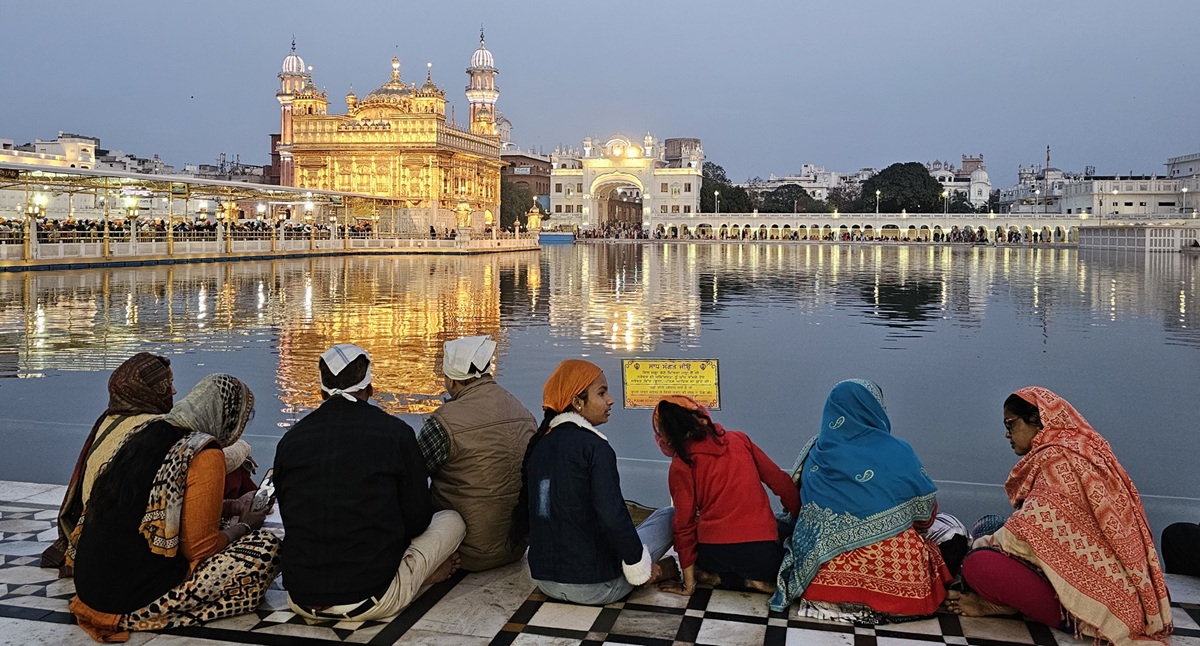
Practical example: At the Meenakshi Temple in Madurai, guards may stop visitors wearing short dresses. At the Golden Temple in Amritsar, both men and women are expected to cover their heads with scarves or handkerchiefs.
Tip: Carry a lightweight shawl or scarf in your bag. It works as a quick cover-up for shoulders, head, or legs whenever needed.
Start Exploring with This Itinerary Guide: 8 Days North India Sacred Temple Tour
2. Remove Shoes Before Entering
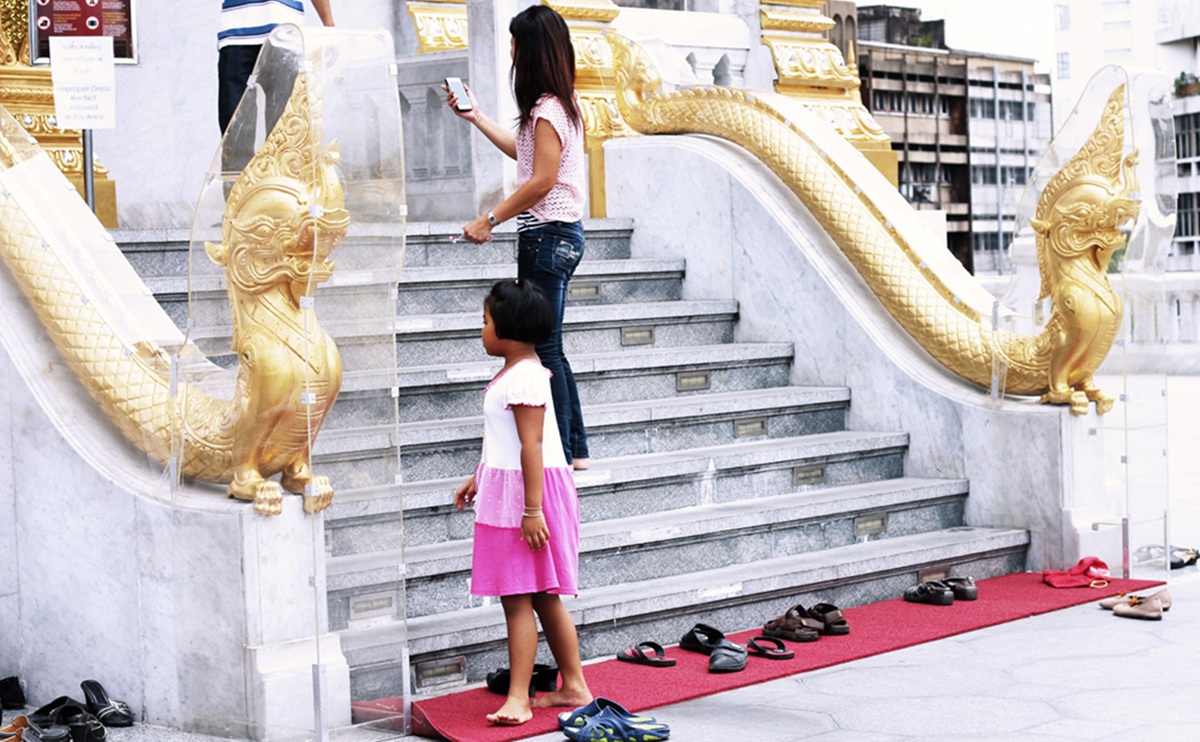
Every temple in India requires visitors to remove their footwear before stepping inside the premises. Shoes are considered impure and bringing them into the temple would disrespect the sanctity of the space.
- Process: Most temples have shoe stands or cloakrooms where you can safely deposit your footwear for a small fee. In smaller temples, you may need to leave them outside the entrance.
- Exceptions: Some temples also require you to wash your feet before entering. For example, the Jagannath Temple in Puri expects devotees to cleanse themselves before darshan.
Why it matters: Walking barefoot in a temple is symbolic of leaving behind the material world. It connects you directly with the sacred ground.
Traveler’s tip: Carry a pair of socks if you are uncomfortable walking barefoot on hot or rough ground. At temples like Tirupati in Andhra Pradesh, where thousands of people walk barefoot, socks provide extra comfort.
Get a Glimpse of Your Trip Itinerary: 10 Days Tamil Nadu Temple Tour Itinerary
3. Follow Rituals and Local Customs
Each temple has its own rituals, timings, and practices. As a traveler, you should observe and follow what the locals do.
- Darshan (sacred viewing): Stand in line patiently, keep moving when asked, and do not block others. Do not touch the deity unless it is clearly allowed.
- Prasad (offering): Accept prasad with your right hand, never with your left. Consume it respectfully or share it with others.
- Silence: Maintain a calm and quiet atmosphere. Loud talking, laughing, or taking phone calls is considered disrespectful.
Examples:
- At the Siddhivinayak Temple in Mumbai, devotees offer coconuts and flowers.
- In South Indian temples, such as Tiruvannamalai, you may see people circumambulating the temple clockwise as a form of respect.
Tip: Watch the locals for guidance. If unsure, politely ask a temple staff member or devotee what is allowed.
Discover How Your Trip Will Unfold: 8 Days Karnataka Temple Pilgrimage Tour
4. Photography Rules Vary—Always Ask First
Temples are places of worship, not photo studios. While some temples allow photography in courtyards, most prohibit it inside sanctum areas.
- No photography zones: In temples like Kashi Vishwanath in Varanasi or Jagannath in Puri, cameras and phones are strictly banned inside.
- Allowed areas: At temples like Akshardham in Delhi, you can click photos outside in the gardens but not inside the main shrine.
- Respect privacy: Avoid taking pictures of devotees while they are praying, unless you have their permission.
Why it matters: Photography restrictions protect the sanctity of rituals and prevent distraction. It also respects the privacy of devotees.
Traveler’s tip: Carry a small notebook if you want to record details of rituals or architecture. Many travelers find sketching or writing notes a meaningful way to remember the temple without breaking rules.
5. Respect Offerings and Sacred Spaces

Temples often have areas reserved for priests, offerings, or ritual activities. Do not cross barriers, step on raised platforms, or touch sacred objects unless instructed.
- Donations: Place your offerings in designated boxes. Do not hand cash directly to the priest unless it is customary at that temple.
- Sacred items: Flowers, lamps, bells, and idols are part of rituals. Do not touch them casually.
- Seating areas: If you sit inside, choose a quiet spot on the floor and avoid pointing your feet toward the deity, as feet are considered unclean.
Example: In South Indian temples, devotees never cross the line separating the priest’s area from the public. At temples in Kerala, non-Hindus are not allowed inside certain sanctums, and visitors should respect this rule.
Traveler’s tip: Treat the temple as you would a respected elder’s home. Move gently, speak softly, and show gratitude for being welcomed into the sacred space. Explore Most Famous Temples in South India
Additional Practical Tips for Travelers
- Avoid eating meat or drinking alcohol before visiting temples. Many temples expect visitors to be pure in body and mind.
- Carry a small bag for essentials, as large backpacks may not be allowed.
- Visit early in the morning for fewer crowds and a more peaceful experience.
- Respect gender-specific rules, such as those in Sabarimala Temple in Kerala, where entry restrictions apply.
Follow This Perfect Travel Route: 11 Days Spiritual Journey in Andhra Pradesh Temples
Conclusion
Visiting temples in India is not only about sightseeing, it is about entering spaces filled with centuries of faith and tradition. When you dress modestly, remove your shoes, follow rituals, respect photography rules, and honor sacred offerings, you show respect for both the culture and the devotees.
For travelers, practicing temple etiquette transforms the visit from a casual stop into a spiritual experience. It allows you to connect with India’s living traditions while avoiding misunderstandings.
If you plan to explore India’s temples, remember these five etiquette tips. They will help you enjoy your visit with respect, understanding, and a deeper appreciation for the spiritual heart of India. Sabarimala Temple Pilgrimage Guide: Rules, Darshan, Travel Tips
FAQs
What is the basic dress code for Indian temples?
Wear modest clothing. Cover shoulders, chest, and knees. Men should prefer long trousers and a shirt or kurta. Women should prefer a sari, salwar kameez, or a long skirt with a modest top. Carry a light scarf for quick coverage. Avoid tight fits, shorts, and sleeveless tops.
Are shoes allowed inside the temple premises?
Shoes are not permitted inside temple interiors. Use the shoe stand or cloakroom near the gate. Some complexes expect visitors to remove footwear at the outer arch itself. Socks help on hot floors. Rinse feet if a wash area is present.
Is photography permitted inside Indian temples?
Rules vary by temple. Courtyards often allow photos, the sanctum usually does not. Flash is discouraged. Tripods and drones are not permitted. Always read the signboards and ask staff. Avoid photographing devotees during prayer without consent.
Are non-Hindu visitors allowed inside all temples?
Most temples welcome respectful visitors. A few shrines restrict entry to devotees only, especially at the inner sanctum. Signs at the gate state such limits. Follow local guidance and remain in public areas when directed.
Do I need to cover my head inside a temple?
Many Hindu temples do not require a head covering, some regional shrines encourage it. Sikh gurdwaras require head covering for everyone. Carry a small scarf to respect local practice when requested by staff or signs.
How should I handle offerings and prasad properly?
Place flowers or sweets only at designated counters. Accept prasad with the right hand, or both hands together, then taste respectfully. Use the donation box for cash. Avoid touching ritual items, lamps, or the idol platform unless invited by a priest.
What items are not permitted inside temple areas?
Food, alcohol, tobacco, lighters, knives, drones, tripods, and large backpacks are not permitted. Some temples restrict leather accessories near the sanctum. Keep only essentials, such as wallet, phone, small water bottle, and necessary medication.
What is the right way to stand in queue and move inside?
Join the correct line, follow markers, and keep a calm pace. Phones stay on silent. Speak softly. Avoid blocking the deity view. Do not push, do not overtake. After darshan, step aside so others proceed smoothly.
Is there any guidance on food or personal purity before visiting?
A light vegetarian meal is preferred before entry in many regions. Avoid alcohol and smoking. Arrive bathed, with clean clothes. Some temples suggest fasting before special darshan. Check local notices for any stricter practice on festival days.
Are there any restrictions for women at certain temples?
Policies differ by temple. A few shrines follow traditional rules for entry. Signboards and staff explain local practice at the gate. Respect posted guidance and choose public areas if entry to the inner sanctum is limited.
Do temples provide accessibility support for seniors or wheelchair users?
Access features vary. Large complexes often provide ramps in outer areas, inner corridors sometimes have steps. Seek the shortest route from security staff. Early morning visits reduce crowd stress. A foldable wheelchair or walking stick helps on uneven stone floors.
What should I do if I am unsure about a temple rule?
Observe the locals for cues. Read signboards near the gate. Ask a priest or a volunteer politely. Follow instructions without debate. A respectful question prevents mistakes and shows regard for the shrine and its devotees.
Essential Reads for You:
- Top Temples Near Delhi for a Peaceful Spiritual Escape
- Best Temples in Noida to Visit in 2025
- Luxury Hotels Near Golden Temple Amritsar for a Comfortable Stay
- Most Famous Hindu Temples in Nepal for Devotees
- Best Hindu Temples in Singapore Worth Visiting
- Popular Shiva Temples in Delhi NCR to Visit During Sawan 2025
- Must-Visit Shiva Temples in Sawan for Pilgrimage & Blessings
- Discover Odisha’s Highlights – See the 7-Day Travel Itinerary!
- Journey from Delhi to Tirupati Balaji by Rail – Start Planning Now!