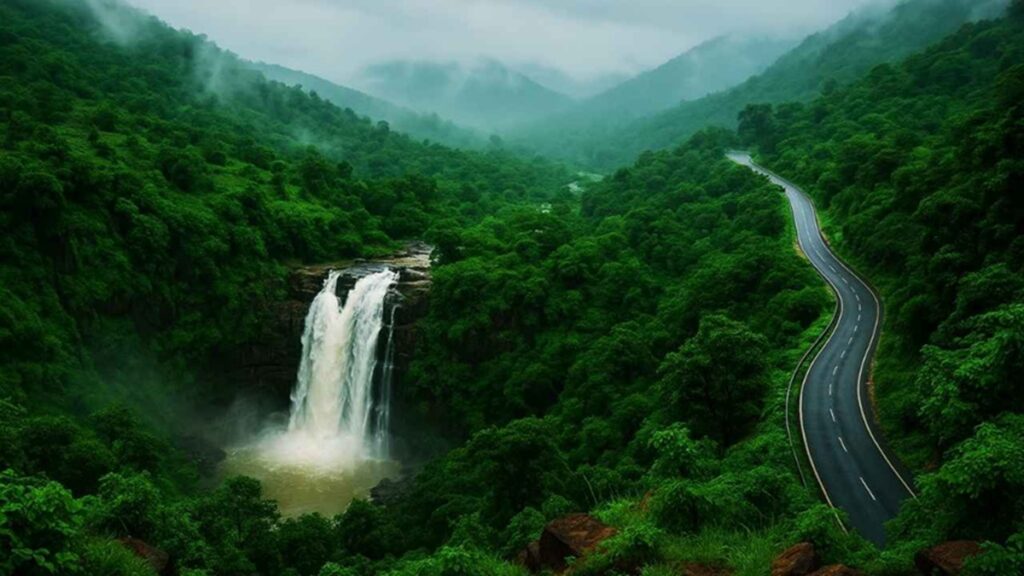
Imagine stepping out after a long spell of rain. The air smells fresher, the earth feels cleaner, and the skies look brighter. Leaves glisten with raindrops, waterfalls roar louder than ever, and hidden corners of nature wake up with new life. This is the magic of the post-monsoon season.
While many travelers wait for winter holidays or peak summer breaks, there’s something truly special about exploring the world just after the rains. The crowds thin out, the landscapes shine with their purest colors, and you get the chance to connect more deeply with the places you visit.
But here’s the best part: traveling post-monsoon doesn’t have to be risky or overcrowded. With the right choices, you can find destinations that are safe, offbeat, and wonderfully peaceful. This blog is your guide to such journeys—where creativity meets practicality, and where your next trip can be both adventurous and mindful.
Let’s dive into why post-monsoon might be the perfect time for your next escape.
Why Travel Post-Monsoon?
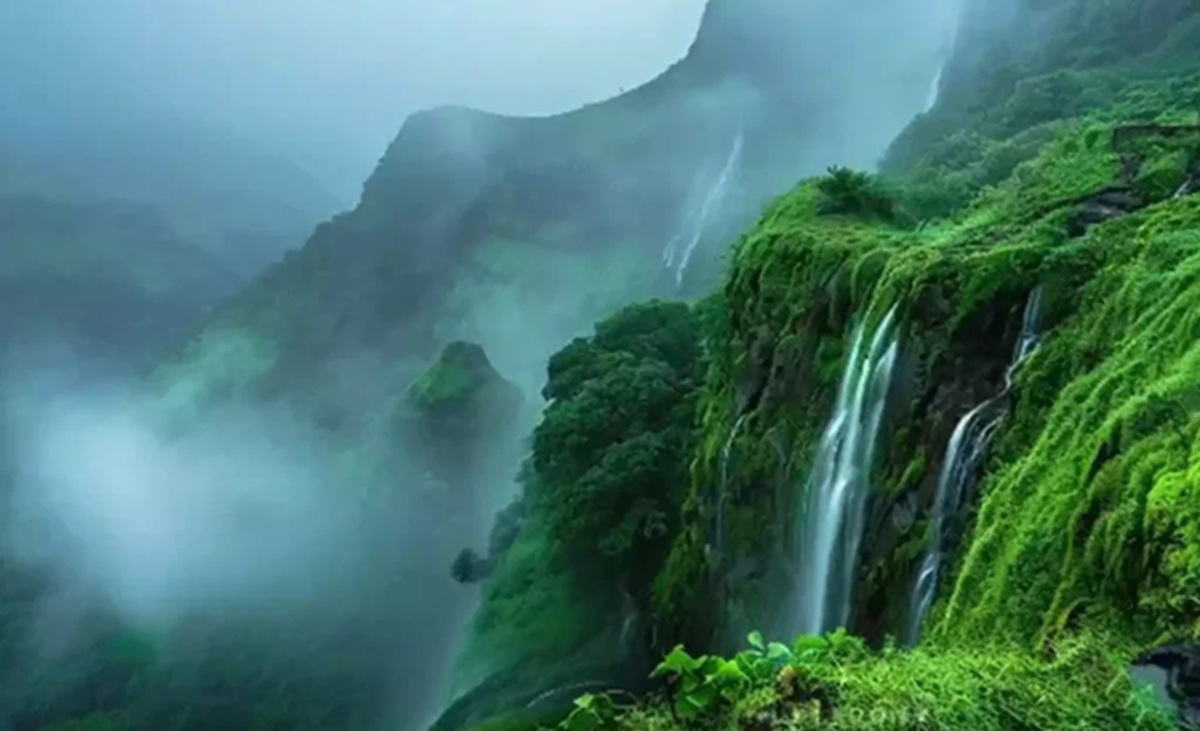
1. Nature at Its Peak Beauty
The biggest reward of post-monsoon travel is the landscape. Rivers run full, waterfalls gush with energy, and forests glow in fifty shades of green. Whether you’re standing in the misty hills of Himachal, walking along Kerala’s backwaters, or exploring desert villages in Rajasthan, you’ll notice how everything feels alive and renewed. Get Ready for Nature’s Magic – Explore MP’s Top Waterfalls Here!
2. Fewer Crowds
Tourist hotspots often become uncomfortably busy in peak months. Post-monsoon is the “shoulder season”—the sweet spot between heavy rains and winter rush. This means shorter lines at monuments, quieter trekking trails, and beaches where you might find only a handful of people.
3. Budget-Friendly Travel
Because demand is lower, many hotels and homestays offer discounts in this season. Flights and train tickets are often cheaper too. If you’re looking for value without compromising the experience, post-monsoon is your ally.
4. Pleasant Weather
Once the rains retreat, temperatures cool down but aren’t yet biting cold. The air feels fresh, skies are often clear, and humidity drops. This makes it perfect for outdoor activities like trekking, boating, and village walks.
5. Cultural Richness
The post-monsoon period overlaps with many harvest festivals across India and Asia. Think of Kerala’s Onam with its grand boat races, or rural fairs in Rajasthan. Traveling during this time lets you witness authentic traditions in their natural setting.
6. Safety Considerations
Of course, safety matters. Post-monsoon travel requires a little extra care: checking weather updates, avoiding landslide-prone roads, and carrying basic gear. But with preparation, it’s not only safe but deeply rewarding.
Regional Weather Insights: Where to Go Safely
Post-monsoon weather isn’t the same everywhere. Understanding regional conditions helps you pick the right spot.
1. Mountains and Hill Stations
By September and October, rains fade in the Himalayas and Western Ghats. The skies open up, offering crystal-clear views of snow-capped peaks. Trekking trails in Himachal Pradesh, Uttarakhand, and Sikkim become accessible again. Think of crisp mornings in Tirthan Valley, fresh tea gardens in Kalimpong, or quiet coffee estates in Coorg.
Safety Tip: Some higher-altitude treks may still be slippery. Always check trail conditions, hire local guides, and carry proper shoes.
2. Coastal and Beach Regions
Coastal areas like Goa, Kerala, and Gokarna feel calm after the monsoon waves subside. Seas turn safer for swimming, and beaches regain their quiet charm. Varkala’s cliffs, Diu’s clean shores, and Gokarna’s trekking trails along the sea are perfect for post-monsoon travelers.
Safety Tip: Even after monsoon, waves can be unpredictable. Swim only in designated areas where lifeguards are present.
3. Plains and Villages
In central and northern India, the post-monsoon season brings cool evenings and lush farmlands. Rajasthan’s desert villages, Madhya Pradesh’s cultural towns, and Punjab’s countryside look particularly beautiful with harvest-ready fields.
Safety Tip: Roads may still be muddy in rural areas. Opt for trains or trusted local transport.
4. Wildlife Sanctuaries and National Parks
Many wildlife parks close during heavy rains but reopen after monsoon with fresh greenery and more active animals. Ranthambore (Rajasthan), Bandhavgarh (Madhya Pradesh), Periyar (Kerala), and Kaziranga (Assam) are excellent options.
Safety Tip: Always follow safari rules. Stay in vehicles, avoid feeding animals, and book guided tours. Discover 10 Hidden Honeymoon Destinations in India for Monsoon Romance
How to Pick Safe and Offbeat Destinations
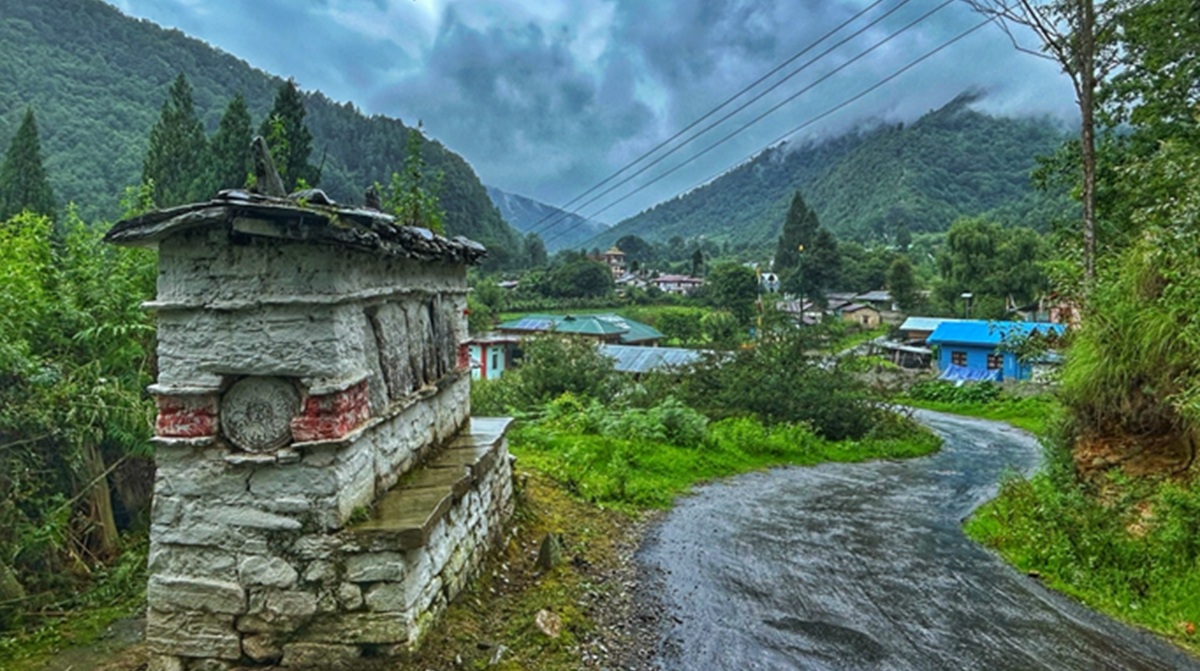
1. Avoid Overcrowded Tourist Hubs
Skip Manali and head to Jibhi or Tirthan Valley. Instead of Goa’s Baga Beach, try Gokarna or Varkala. The trick is to choose “next-door” destinations that offer similar beauty without the chaos.
2. Research Accessibility
Some mountain roads remain tricky post-monsoon. Before booking, check government advisories, weather apps, and recent traveler blogs. Train travel is often a safer and more scenic option than long drives on slippery roads.
3. Listen to Local Knowledge
Locals know best when it comes to post-monsoon safety. Hire guides for treks, ask homestay hosts about the safest routes, and trust local advice on weather changes.
4. Sustainability Matters
When choosing destinations, look for places promoting eco-friendly tourism. Homestays, community-run lodges, and villages offering cultural immersion not only give you authentic experiences but also support local livelihoods. Find Your Next Adventure: 20 Best Places to Visit in India This July
Offbeat Hill Escapes
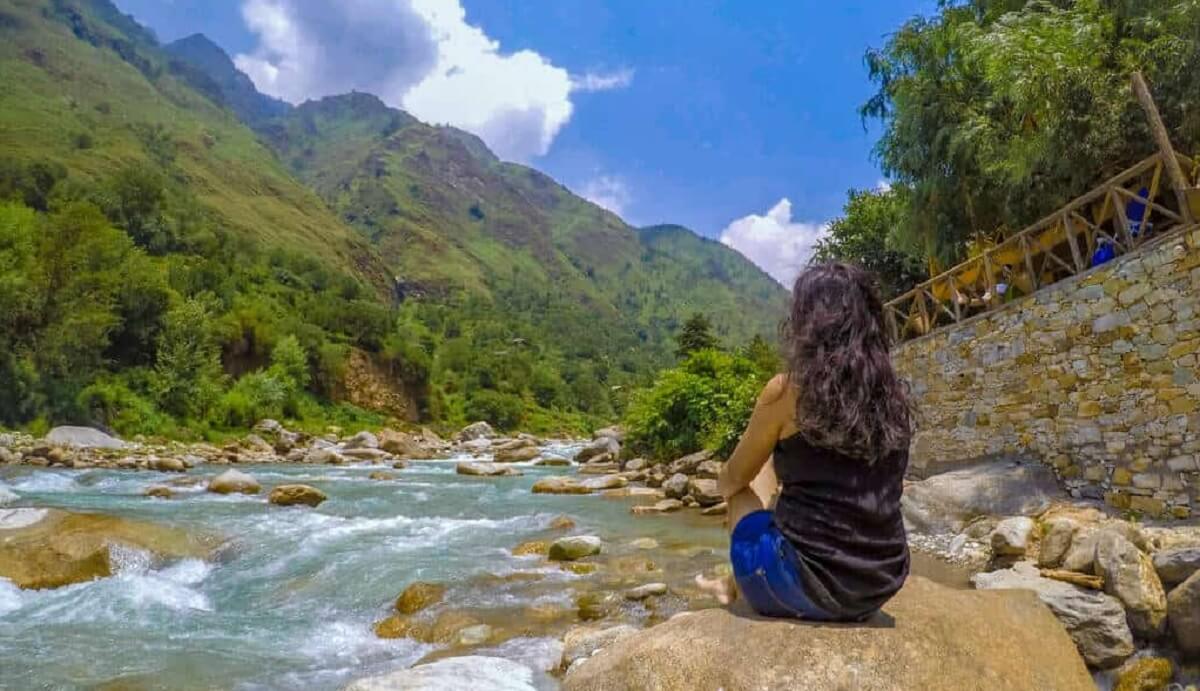
1. Tirthan Valley, Himachal Pradesh
Nestled away from the crowds of Shimla and Manali, Tirthan Valley is perfect for nature lovers. Surrounded by the Great Himalayan National Park, it offers trout fishing, village walks, and short treks. Post-monsoon, the valley sparkles with waterfalls and mist. Experience the Best Things to Do in Tirthan Valley
Why Go Post-Monsoon?
- The river is full and clear.
- Fewer tourists compared to peak summers.
- Cozy homestays offer bonfires and local Himachali food.
Safety Note: Some trails may be slippery—hire local guides for treks.
2. Kalimpong, West Bengal
While Darjeeling attracts thousands, Kalimpong sits quietly nearby with tea gardens, monasteries, and colonial charm. The post-monsoon period is ideal as skies clear for panoramic Himalayan views.
Highlights:
- Visit Zang Dhok Palri Phodang Monastery.
- Explore cactus nurseries and flower markets.
- Sip hot tea overlooking foggy hills.
Why Offbeat? Fewer crowds and more authentic interactions with locals compared to Darjeeling.
3. Coorg’s Hidden Corners, Karnataka
Coorg is known as the “Scotland of India,” but beyond Madikeri’s tourist spots are serene coffee estates and less-explored waterfalls. After the rains, the estates smell rich and the hills are alive with fresh greenery. Enjoy a 3-Day Itinerary in Coorg This September
Experiences:
- Coffee estate walks.
- Birdwatching tours.
- Short hikes to Abbey and Irupu waterfalls.
Safety Tip: Stick to guided estate walks to avoid leeches common in damp areas.
4. Munnar’s Silent Valleys, Kerala
Post-monsoon Munnar is covered in emerald-green tea plantations. Beyond the main town, Silent Valley and Kolukkumalai are quieter stretches perfect for photography and long drives. Uncover Munnar’s Hidden Gems and Scenic Spots
Why Go?
- Fresh tea harvests and tastings.
- Cloud-draped hills ideal for meditation.
- Affordable boutique stays post-monsoon.
Hidden Beaches and Coastal Towns
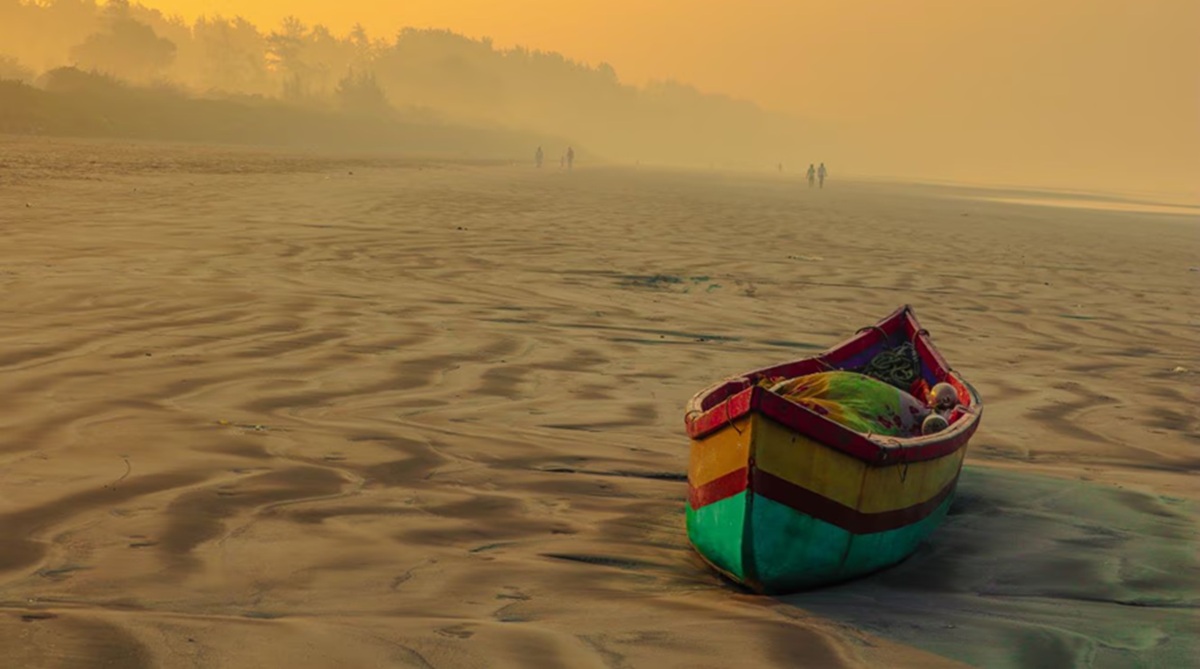
1. Varkala, Kerala
Perched on red cliffs, Varkala’s beaches are calm and spiritual. It’s known for yoga retreats, Ayurvedic spas, and cliff-top cafes. Post-monsoon, the sea calms and sunsets are breathtaking.
What to Do:
- Morning yoga sessions on the cliffs.
- Walk to Janardhana Swamy Temple.
- Try Kerala seafood dishes.
Why Offbeat? It’s quieter than Kovalam or Goa, yet equally scenic.
2. Diu
This former Portuguese colony offers calm beaches, historic forts, and colorful churches. Unlike Goa, it remains peaceful and less commercial. Post-monsoon weather is perfect for beach walks.
Highlights:
- Explore Diu Fort.
- Relax at Nagoa Beach.
- Wander the old Portuguese quarter.
Safety Tip: Beaches are usually safe, but always confirm swimming conditions with locals.
3. Gokarna, Karnataka
Gokarna is where spirituality meets serenity. Known for its ancient temples and secluded beaches, it’s ideal for those seeking peace. After the rains, the coastal treks (like Om Beach to Half Moon Beach) are lush and vibrant.
Experiences:
- Visit Mahabaleshwar Temple.
- Trek along the beach trails.
- Sunset at Kudle Beach.
Why Offbeat? Offers Goa-like beauty with far fewer crowds.
Rural and Cultural Escapes
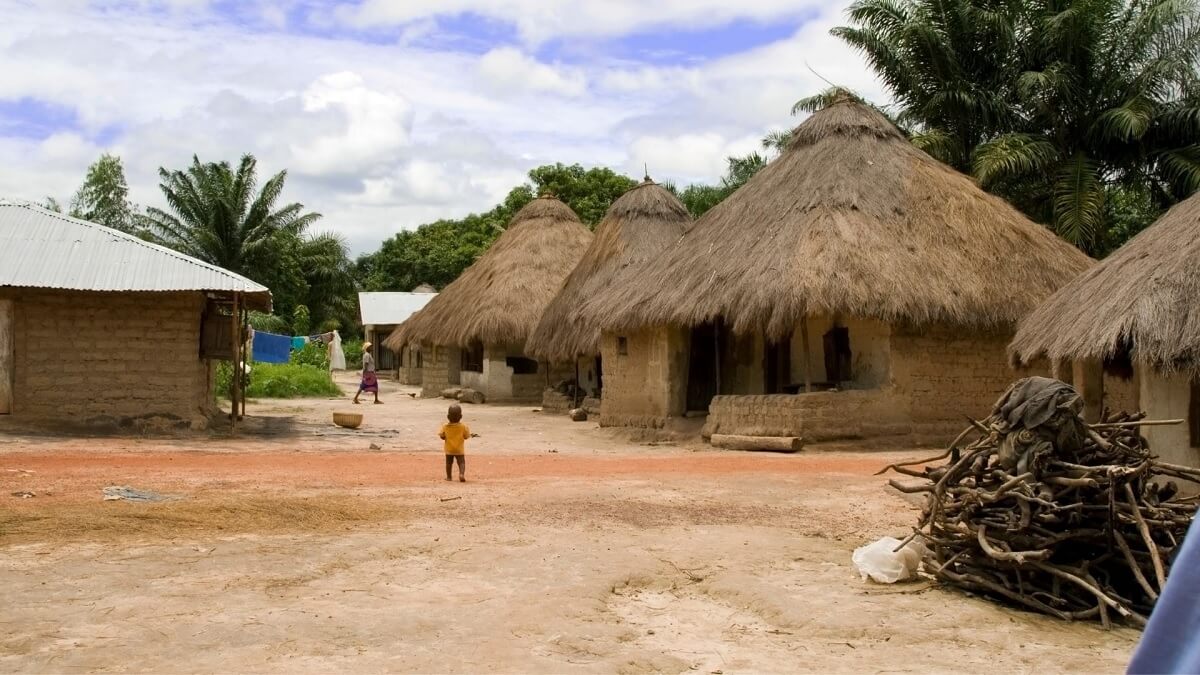
1. Bishnoi Villages, Rajasthan
Located near Jodhpur, Bishnoi villages are a window into eco-friendly living. Known as one of the world’s first environmentalist communities, they protect trees and wildlife passionately.
What to Do:
- Visit local artisans weaving carpets and pottery.
- Spot blackbucks roaming freely.
- Join in community meals.
Post-Monsoon Charm: The desert landscape softens with greenery after rains, making it more inviting.
2. Spiti Villages, Himachal Pradesh
High up in the mountains, Spiti is stark yet stunning. After monsoon, roads clear, and villages like Kibber and Langza become accessible. The skies are blue, fields are golden, and monasteries glow in the sunshine.
Highlights:
- Visit Key Monastery.
- Fossil hunting in Langza.
- Stay in homestays for authentic food.
Safety Tip: Carry warm clothes—nights get chilly even after monsoon.
3. Kerala’s Onam Festival and Villages
Onam, celebrated right after the monsoon, is Kerala’s biggest festival. Villages are decorated with flower carpets, boat races fill rivers with energy, and locals wear traditional white and gold attire. Celebrate Onam 2025: Rituals, Traditions & Travel Guide
Why Experience It?
- Witness Vallam Kali (snake boat race).
- Taste Onam Sadya (a 26-dish vegetarian feast).
- Join village celebrations with music and dance.
National Parks and Wildlife Sanctuaries

When the rains end, India’s forests and grasslands come alive. Leaves shine fresh, rivers flow strong, and wildlife emerges after months of seclusion. Post-monsoon is one of the best times to explore national parks with fewer tourists around.
1. Ranthambore National Park, Rajasthan
Ranthambore reopens in October after the rains, making it one of the most exciting post-monsoon getaways. Tigers roam freely, and the park’s lakes are full. The fort inside the park also looks majestic against the green backdrop. Explore Ranthambore: Top Reasons to Visit This Wildlife Haven
Experiences:
- Jeep safaris with chances of tiger sightings.
- Birdwatching around Padam Talao.
- Exploring Ranthambore Fort for panoramic views.
Safety Note: Always book safaris through official channels. Stick to the guide’s instructions during drives.
2. Periyar Wildlife Sanctuary, Kerala
Set around a serene lake in Thekkady, Periyar is lush and misty after the rains. Herds of elephants gather near the water, and the forest is alive with birds.
Why Visit Post-Monsoon?
- Green hills surrounding the lake.
- Boating safaris offering calm wildlife viewing.
- Spice plantations nearby add a cultural flavor.
3. Bandhavgarh and Kanha, Madhya Pradesh
These central Indian reserves are famous for tigers and leopards. Post-monsoon, the tall grasses and bright forests make safaris thrilling.
Highlights:
- Open-jeep safaris in Kanha’s meadows.
- Exploring Bandhavgarh’s ancient caves.
- Spotting deer, wild dogs, and exotic birds.
4. Kaziranga National Park, Assam
Home to the one-horned rhinoceros, Kaziranga shines after the rains. The swamps brim with life, and elephant safaris give you unique access to the park. Discover the Best Time to Explore Kaziranga National Park
Safety Tip: Check reopening dates—Kaziranga usually opens in November, making it an early-winter post-monsoon option.
Unique Experiences Post-Monsoon
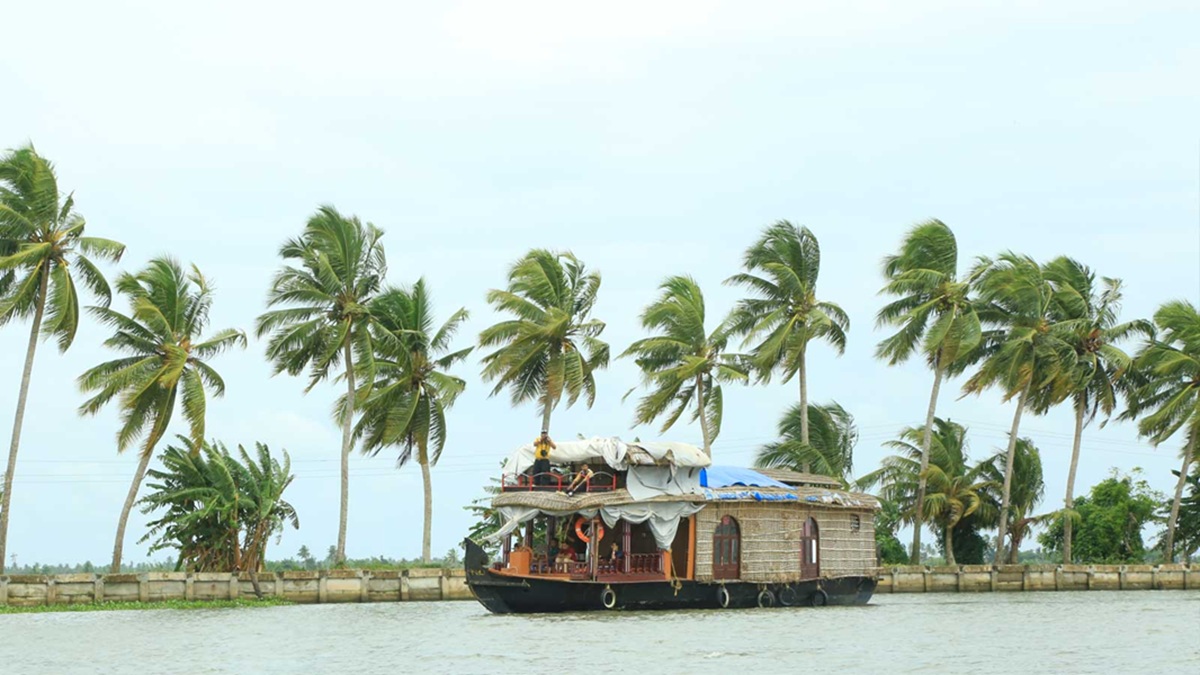
Beyond destinations, the season also offers special experiences that feel magical once the skies clear.
1. Houseboat Stays in Kerala Backwaters
Imagine drifting through Alleppey or Kumarakom in a traditional wooden houseboat. After the rains, the canals are full, palm trees gleam, and villages buzz with activity. It’s peaceful, safe, and unforgettable. Plan Your Dream Trip to the Backwaters of Kerala
Pro Tip: Book an eco-friendly houseboat that uses solar power or offers waste management systems.
2. Photography Tours
Post-monsoon light is perfect for photographers. Waterfalls, cloud-filled valleys, and cultural festivals create postcard moments. Head to Meghalaya for landscapes, Rajasthan for villages, or Uttarakhand for mountain views.
3. Meditation and Yoga Retreats
Retreats in Rishikesh, Dharamshala, and Varkala thrive after the rains. The fresh atmosphere supports calmness and clarity. Many centers offer beginner-friendly courses for yoga, meditation, and Ayurveda.
Tip for Beginners: Choose shorter retreats (3–7 days) if you’re new to yoga travel.
4. River and Lake Activities
From boating on Naini Lake in Nainital to bamboo rafting in Wayanad, water-based activities are more enjoyable when rivers are full and skies are clear.
Seasonal Food and Local Delights
Travel isn’t complete without tasting the season. Post-monsoon brings unique flavors to the table.
1. Mountain Comfort Foods
In Himachal or Sikkim, steaming bowls of thukpa, momos, and chai warm you against the cool air. Local homes often prepare dishes with freshly harvested vegetables.
2. Coastal Seafood
In Kerala and Goa, fishermen return to the sea post-monsoon, offering fresh catches. Try prawn curries in Kerala or fish thalis in Goa for authentic flavors.
3. Festival Specials
Onam Sadya in Kerala, filled with 26 dishes on a banana leaf, is an unmissable feast. In Rajasthan, fairs feature bajra rotis and ghee-filled sweets.
Crowd-Management Hacks
Even offbeat destinations can get busy during long weekends. Here are some tricks to stay ahead.
- Travel Mid-Week: Avoid weekends and holidays. Tuesday to Thursday is often the quietest.
- Early Mornings: Start treks, safaris, or beach walks early for peace and better photos.
- Shoulder Spots: If Manali is packed, try Jibhi. If Jaipur is crowded, head to nearby Bishnoi villages.
- Pre-Book Online: Safaris, train tickets, and even temple entries (like Tirupati) can now be booked online, saving queues.
- Stay Outside the Hub: Pick a homestay a little outside the main town—cheaper, quieter, and more authentic.
Sample Itineraries (3–5 Day Trips)
1- Itinerary: Himachal’s Hidden Corners
- Day 1: Arrive in Tirthan Valley, riverside stay.
- Day 2: Guided trek in the Great Himalayan National Park.
- Day 3: Visit Jibhi waterfalls and relax in homestays.
- Day 4: Explore Jalori Pass for panoramic views.
- Day 5: Return via Kullu.
2- Itinerary: Kerala Backwaters and Beaches
- Day 1: Arrive in Alleppey, board a houseboat.
- Day 2: Morning cruise, visit village markets.
- Day 3: Travel to Varkala, enjoy cliffside cafes.
- Day 4: Yoga retreat and Ayurvedic massage.
- Day 5: Sunset at Varkala Beach.
3- Itinerary: Rajasthan’s Culture and Villages
- Day 1: Arrive in Jaipur, explore Amer Fort.
- Day 2: Visit local markets and Hawa Mahal.
- Day 3: Drive to Bishnoi villages near Jodhpur.
- Day 4: Learn pottery and handicrafts, spot wildlife.
- Day 5: Return to Jaipur.
Practical Travel Tips for Post-Monsoon Season
Packing Essentials
-
- Light jackets, waterproof shoes, insect repellent.
- Reusable water bottles and eco-friendly toiletries.
Transport Safety
-
- Trains are more reliable than long drives on wet roads.
- Use trusted taxi services and check vehicle conditions.
Digital Prep
-
- Offline maps are lifesavers in remote areas.
- Weather apps help avoid surprises.
Health Precautions
-
- Drink bottled or filtered water.
- Avoid street food in damp areas to prevent infections.
How to Travel Responsibly
- Reduce Plastic: Carry your own bottles and bags.
- Support Locals: Stay in homestays, eat at small restaurants, and buy handmade crafts.
- Respect Nature: Stick to trails, don’t pluck plants, and avoid littering.
- Cultural Sensitivity: Dress modestly in rural and religious areas. Ask before taking photos.
FAQs for Post-Monsoon Travelers
1. Is it safe to trek after the monsoon?
Yes, but stick to beginner or moderate trails, and always go with a guide. Avoid areas prone to landslides.
2. Which wildlife sanctuaries reopen after rains?
Ranthambore, Bandhavgarh, Periyar, and Gir typically reopen in October. Kaziranga reopens around November.
3. Can you swim safely on Indian beaches post-monsoon?
Yes, in calmer beaches like Varkala or Gokarna, but always ask locals about sea conditions.
4. What festivals happen in post-monsoon months?
Onam in Kerala, Durga Puja in Bengal, and many harvest fairs across north India.
5. How to check real-time weather and road conditions?
Use apps like AccuWeather, Google Maps, or government advisories. Local homestay hosts are also reliable sources.
Conclusion: Travel Where the World Feels Renewed
The post-monsoon season is more than a time—it’s a feeling. It’s when the earth takes a deep breath, washes away dust, and starts afresh. Traveling in this season gives you the same chance: to slow down, find peace, and reconnect with nature without the distractions of big crowds.
Whether it’s sitting by a river in Tirthan Valley, sipping tea in Kalimpong, drifting on Kerala’s backwaters, or walking through Rajasthan’s villages, post-monsoon journeys leave you with memories that feel personal and pure.
So pack wisely, travel mindfully, and step into a world that feels brand new—just like you will after the rains.
More Articles to Explore: