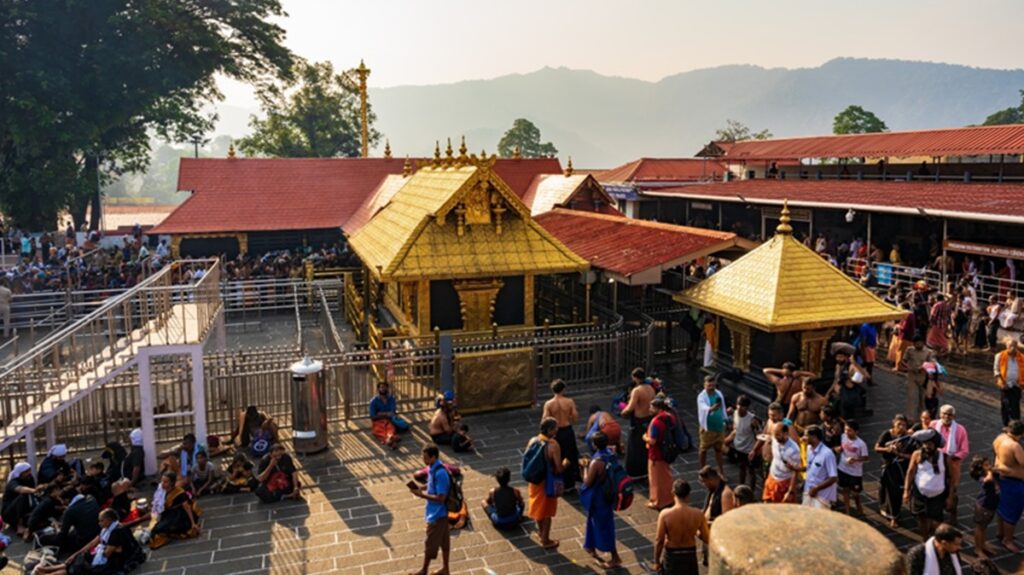
Sabarimala Temple is one of the most revered Hindu pilgrimage sites in India and among the largest annual pilgrimage centers in the world. Located deep within the forested hills of Kerala’s Western Ghats, the temple is dedicated to Lord Ayyappa, a deity symbolizing discipline, renunciation, and equality. Every year, millions of devotees from across India and abroad undertake the Sabarimala pilgrimage, a journey that blends physical endurance with spiritual commitment.
Unlike conventional temple visits, a Sabarimala yatra is not just about reaching a sanctum. It is a structured spiritual process that begins weeks before the journey and continues through strict observances, rituals, and self-discipline. This guide is written to help first-time pilgrims and spiritual travelers clearly understand the temple’s significance, traditions, rules, and travel planning without confusion or misinformation.
Location in Kerala and Spiritual Significance
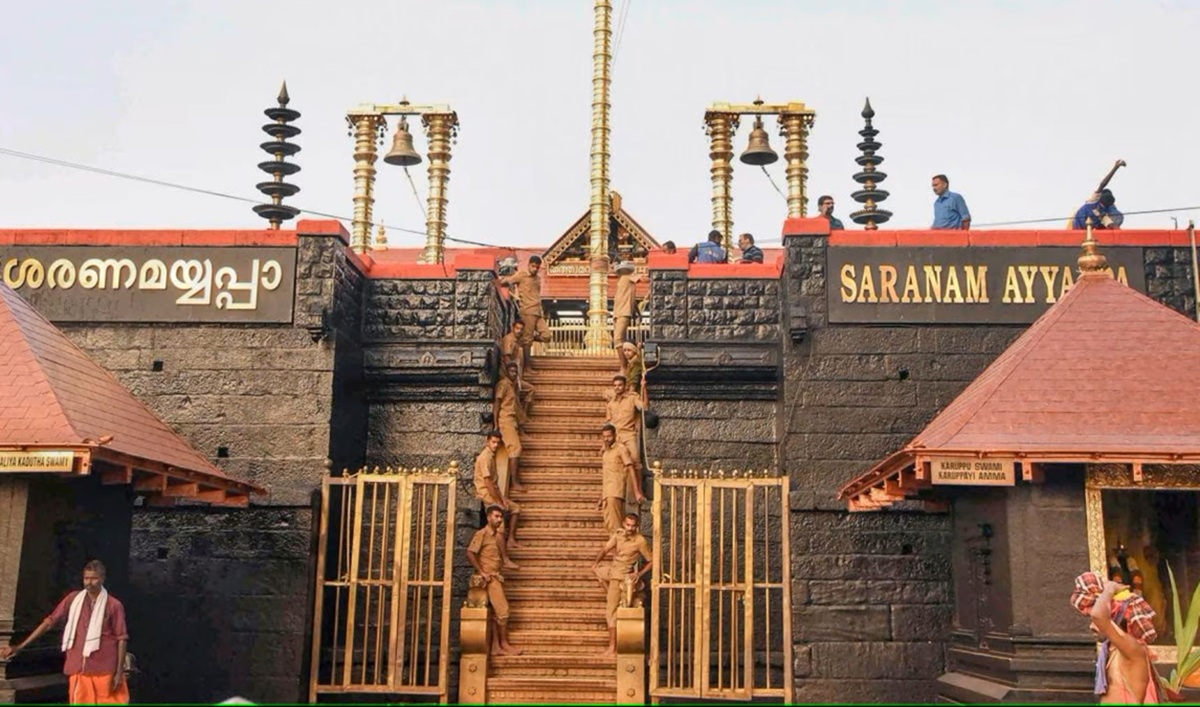
Sabarimala Temple is situated in the Pathanamthitta district of Kerala, within the Periyar Tiger Reserve. The temple sits at an altitude of around 1,260 meters above sea level, surrounded by dense forests and steep hills. The final destination, known as Sannidhanam, can only be reached on foot after a trek from designated base camps.
The temple’s remote location is intentional and symbolic. The journey through forests and mountains reflects the inward spiritual journey that devotees undertake. The isolation emphasizes detachment from material life and encourages humility, discipline, and equality among pilgrims. At Sabarimala, social status, wealth, and background dissolve. Every pilgrim is simply addressed as “Swami.”
Lord Ayyappa and the Importance of the Pilgrimage
Lord Ayyappa is believed to be the son of Lord Shiva and Mohini, the female incarnation of Lord Vishnu. According to belief, Ayyappa chose a life of celibacy and meditation, settling in the forests of Sabarimala to uphold dharma and destroy evil forces.
The pilgrimage is significant because it mirrors Lord Ayyappa’s own life of austerity. Devotees do not simply visit the temple; they live the values Ayyappa stood for. The observance of discipline, self-restraint, humility, and service is considered more important than the physical act of darshan.
For many devotees, undertaking the Sabarimala pilgrimage even once in a lifetime is seen as a profound spiritual achievement.
History and Legend of Sabarimala
Mythological Origins
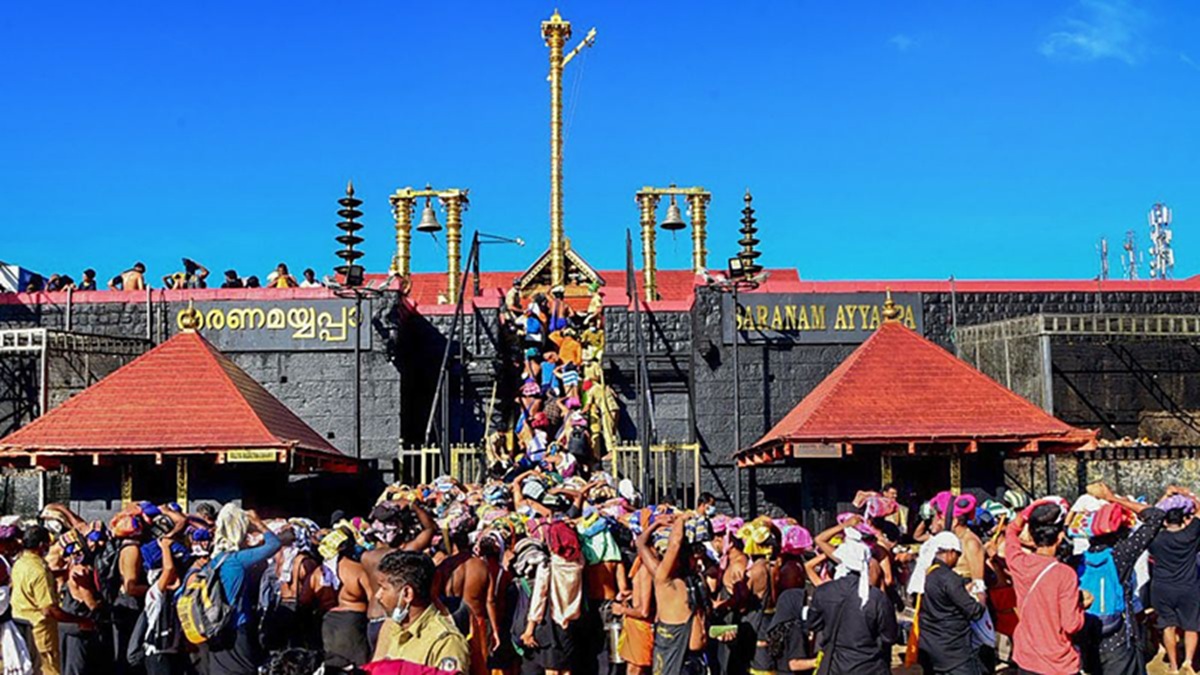
The origins of Sabarimala are deeply rooted in Hindu mythology. One of the most widely accepted legends speaks of Mahishi, a powerful demoness who could only be defeated by a child born of Shiva and Vishnu. Lord Ayyappa was born to fulfill this divine purpose and later chose Sabarimala as his place of meditation after defeating Mahishi.
Another legend connects the temple with Lord Rama, who is believed to have worshipped Ayyappa while searching for Sita. These mythological connections strengthen Sabarimala’s position as a sacred convergence point of Shaivism and Vaishnavism.
Role of Lord Ayyappa
Lord Ayyappa represents the ideal yogi. He is depicted in a seated yogic posture, symbolizing balance, restraint, and inner strength. Unlike many temples focused on ritual opulence, Sabarimala emphasizes inner purity and discipline.
Devotees believe that Ayyappa continues to reside at Sabarimala in eternal meditation, blessing those who approach with sincere devotion and humility.
Evolution of the Pilgrimage Over Centuries
Historical records suggest that organized pilgrimages to Sabarimala have existed for several centuries. What began as small groups of forest ascetics gradually evolved into a structured pilgrimage system. Over time, kings, temple authorities, and later the Kerala government formalized routes, facilities, and crowd management systems.
Despite modernization, the core spiritual practices of the Sabarimala pilgrimage have remained largely unchanged, preserving its ancient essence. Cochin Carnival 2026: Your Ultimate Guide
Religious Significance and Beliefs
Concept of Equality and Austerity
One of the most defining aspects of Sabarimala Temple is its emphasis on equality. During the pilgrimage, distinctions of caste, class, profession, or wealth hold no relevance. All pilgrims dress alike, follow the same rules, and address each other as equals.
The austerity practiced during the pilgrimage is meant to strip away ego and attachments. Pilgrims eat simple food, avoid luxury, and follow strict behavioral codes. This shared discipline creates a powerful sense of unity and collective devotion.
Meaning of “Swamiye Saranam Ayyappa”
The chant “Swamiye Saranam Ayyappa” is central to the pilgrimage. It translates to “Lord Ayyappa, I surrender myself to you.” The phrase reflects humility, faith, and total surrender, which are essential values of the yatra.
The chant is not merely vocal. It is a reminder to act with patience, compassion, and self-control throughout the journey.
Importance of Devotion and Discipline
At Sabarimala, devotion is measured not by offerings but by conduct. Pilgrims are expected to maintain calm behavior, help fellow devotees, respect nature, and avoid conflict. Even enduring discomfort during the trek is considered part of spiritual purification.
The belief is that Lord Ayyappa grants blessings to those who complete the pilgrimage with sincerity, discipline, and inner purity.
Sabarimala Vratham and Pilgrimage Rules
41-Day Vratham Explained
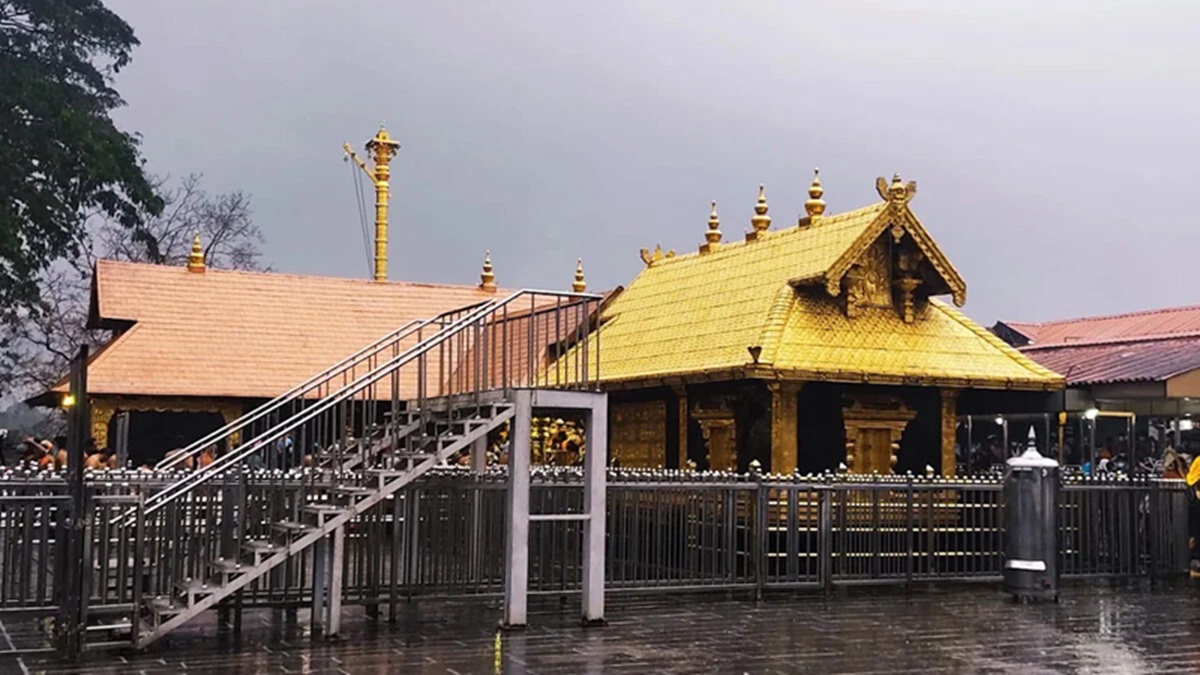
The 41-day vratham is a mandatory spiritual observance for pilgrims undertaking the Sabarimala pilgrimage. It begins weeks before the actual journey and is considered essential preparation for darshan.
During the vratham, devotees follow a simple vegetarian diet, abstain from alcohol, tobacco, and non-vegetarian food, and practice celibacy. Daily prayers, chanting, and wearing a mala (sacred chain) are customary. The vratham is not just physical restraint but mental discipline, encouraging humility and spiritual focus.
Breaking the vratham is traditionally believed to invalidate the pilgrimage, emphasizing its seriousness.
Sabarimala Vratham and Pilgrimage Rules
Pilgrims typically wear black, blue, or saffron clothing, symbolizing renunciation and equality. Footwear is avoided during most of the pilgrimage, especially during the trek to Sannidhanam.
Behavioral discipline is strictly observed. Pilgrims are expected to speak respectfully, avoid arguments, refrain from anger, and help others in need. Loud celebrations or casual behavior are discouraged, as the pilgrimage is seen as a spiritual vow rather than a festival.
Who Is Allowed to Undertake the Pilgrimage
Traditionally, the pilgrimage has specific eligibility rules rooted in religious customs. These rules are part of longstanding temple traditions and are deeply respected by devotees. Pilgrims are expected to understand and honor these traditions before planning their visit.
Clear information on eligibility, age-related customs, and legal considerations will be covered in detail in the FAQ section later in this guide.
Best Time to Visit Sabarimala Temple
The Sabarimala Temple does not remain open throughout the year. Its opening schedule follows a traditional ritual calendar, and planning your visit according to the correct season is essential for a smooth pilgrimage experience.
Mandala Season
The Mandala season is the most important and busiest pilgrimage period at Sabarimala. It usually begins in mid-November and continues until late December, lasting for 41 days. This season commemorates the period of austerity and meditation observed by Lord Ayyappa.
During Mandala season, the temple opens daily for extended hours, and all core rituals are performed in full scale. Most first-time pilgrims choose this period as it aligns closely with the traditional vratham cycle. However, due to heavy crowds, pilgrims should be prepared for long waiting times and intense trekking conditions.
Makaravilakku Festival
The Makaravilakku festival, held in mid-January, marks the culmination of the pilgrimage season. This event is associated with the celestial appearance of the Makara Jyothi light, believed by devotees to be a divine manifestation.
Makaravilakku attracts the highest number of pilgrims, often running into millions. Crowd control measures are extremely strict during this period, and darshan may be brief. First-time pilgrims or elderly devotees may find this period physically demanding, though spiritually powerful.
Monthly Poojas and Off-Season Visits
Apart from the main season, Sabarimala Temple opens for monthly poojas during the first five days of each Malayalam month. These periods are less crowded and more suitable for those seeking a quieter darshan experience.
Off-season visits allow for shorter queues, easier accommodation access, and a more relaxed trek. However, facilities may be limited, and certain rituals performed during Mandala season may not take place.
How to Reach Sabarimala
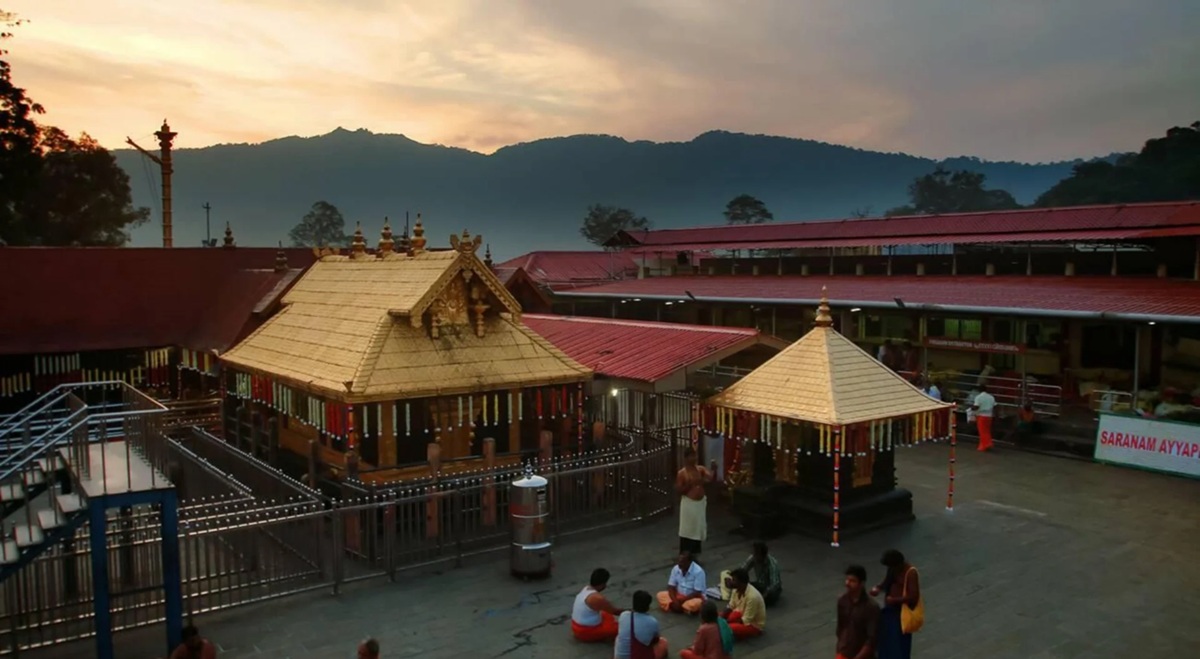
Reaching Sabarimala involves a combination of air, rail, road, and trekking. Proper planning is crucial, especially during peak pilgrimage periods.
Nearest Airport
The nearest major airport is Trivandrum International Airport, approximately 170 km from Sabarimala. Cochin International Airport is another popular option, located about 160 km away. From both airports, pilgrims can travel by bus or taxi to base camps such as Pamba or Nilakkal.
Nearest Railway Stations
The closest railway station is Chengannur, around 90 km from Sabarimala. Other important stations include Kottayam and Thiruvalla, which are well-connected to major Indian cities. From these stations, Kerala State Road Transport Corporation (KSRTC) buses and private taxis operate regularly to pilgrimage base points.
Road Access and Public Transport
Kerala has a well-organized public transport network during the pilgrimage season. Special KSRTC buses run from major cities such as Thiruvananthapuram, Kochi, Ernakulam, Kottayam, and Pathanamthitta directly to Nilakkal and Pamba.
Private vehicles are allowed only up to designated parking zones like Nilakkal. From there, pilgrims must use government shuttle buses to reach Pamba.
Base Camps and Key Transit Points
Nilakkal
Nilakkal serves as the main parking and transit hub during the pilgrimage season. Large-scale facilities such as vehicle parking, food stalls, medical aid centers, and police assistance are available here. Pilgrims must switch to government-operated buses from Nilakkal to reach Pamba.
Pamba
Pamba is the most important base camp for the Sabarimala pilgrimage. Situated on the banks of the sacred Pamba River, it is the starting point for the final trek to Sannidhanam.
Pilgrims traditionally take a ritual bath in the river before beginning the ascent. Pamba also has medical camps, rest shelters, food distribution centers, and security checkpoints.
Sabarimala Trek Routes
The trek to Sabarimala is not just a physical journey but a spiritual act of devotion. Several routes lead to the temple, each with its own historical and spiritual importance.
Traditional Forest Paths
The Erumeli route is the most traditional and spiritually significant path. Pilgrims begin from Erumeli after participating in the Pettathullal ritual. This route passes through dense forests and hills, symbolizing Lord Ayyappa’s journey.
This path is longer and more demanding, suitable for experienced pilgrims with good physical fitness. Facilities along this route are limited, and preparation is essential.
Pamba to Sannidhanam Trek
The most commonly used route today is the Pamba to Sannidhanam trek, which is approximately 5 km long. The path is steep in sections, with stone steps and forest stretches.
The trek includes important landmarks such as Appachimedu, Sabaripeedam, and Neelimala. Rest points, drinking water facilities, and medical assistance are available along the way, especially during peak season.
Difficulty Level and Preparation Tips
The trek is moderately difficult and requires stamina, especially due to steep inclines and crowd density. Pilgrims are advised to:
- Start early to avoid congestion
- Walk at a steady pace
- Stay hydrated
- Avoid carrying heavy luggage
Elderly pilgrims and those with health concerns should consult a doctor before undertaking the trek.
Darshan Process and Temple Rituals
Understanding the darshan system helps pilgrims mentally prepare and avoid confusion on arrival.
Darshan Flow and Timings
Darshan at Sabarimala follows a queue-based system, regulated through virtual queue registration in advance. Pilgrims are allotted time slots to manage crowd flow efficiently.
Darshan timings may vary depending on the season and crowd volume. During Mandala and Makaravilakku seasons, darshan can continue for long hours, sometimes extending into late night.
Key Rituals and Offerings
One of the most significant offerings is the Neyyabhishekam, where pilgrims carry ghee-filled coconuts prepared during the vratham period. The breaking of the coconut symbolizes surrender and purity.
Other rituals include Appam and Aravana prasadam, which pilgrims can purchase and offer. These offerings are regulated to maintain order and hygiene.
Crowd Management System
The Kerala government and temple authorities implement extensive crowd control measures, including:
- Virtual queue and spot booking
- CCTV surveillance
- Police and volunteer coordination
- Medical emergency response teams
Pilgrims are expected to follow instructions strictly for their own safety and the collective well-being of others.
Sabarimala Temple, Kerala: Complete Pilgrimage Guide for Devotees & Travelers
Accommodation and Facilities
Accommodation near Sabarimala is designed to support pilgrims rather than provide comfort-oriented stays. Facilities are basic but functional, with a strong focus on safety, hygiene, and accessibility during the pilgrimage season.
Government Guest Houses and Lodges
The Travancore Devaswom Board (TDB) and the Kerala government manage pilgrim accommodation at locations such as Pamba, Nilakkal, Sannidhanam, and nearby towns. These include dormitories, shared rooms, and basic guest houses.
Advance booking is strongly recommended during Mandala and Makaravilakku seasons, as availability is limited and demand is extremely high. Accommodation rules are strict, with fixed check-in times and limited stay durations to accommodate large pilgrim volumes.
Private Lodges and Homestays
Private lodges and budget hotels are available in towns like Pathanamthitta, Kottayam, Chengannur, and Erumeli. These are suitable for pilgrims who prefer staying away from the immediate temple area and traveling to base camps early in the morning.
Facilities vary in quality, so pilgrims should prioritize cleanliness, proximity to transport routes, and reliable water supply.
Food Facilities and Pilgrim Amenities
Food arrangements during the Sabarimala pilgrimage are simple, nutritious, and aligned with vratham practices.
Free Food Distribution (Annadanam)
Multiple annadanam centers operate at Pamba, Nilakkal, and along the trekking route. These provide free vegetarian meals, including rice, sambar, and simple curries. Food is prepared according to temple guidelines and distributed with discipline and order.
Pilgrims are encouraged to avoid wasting food and to eat only what they need.
Paid Food Counters and Water Facilities
Authorized food stalls sell snacks, tea, coffee, and packaged drinking water. Pilgrims should avoid consuming food from unauthorized vendors to prevent health issues.
Clean drinking water points are placed along the trek and rest areas, but carrying a refillable bottle is advisable.
Medical and Safety Services
Given the physical demands of the pilgrimage, extensive medical infrastructure is deployed throughout the season.
Medical Camps and Emergency Services
Government-run medical camps operate at Nilakkal, Pamba, Neelimala, and Sannidhanam. These centers handle dehydration, fatigue, injuries, and chronic condition emergencies.
Ambulances, oxygen support, and first-aid services are readily available. Pilgrims with existing health conditions should carry medical records and essential medicines.
Security and Crowd Safety
Police forces, forest officials, volunteers, and disaster management teams coordinate to ensure safety. CCTV monitoring and real-time crowd assessment help prevent overcrowding.
Pilgrims must follow instructions from authorities, especially during peak hours and weather-related advisories.
Important Travel Tips for First-Time Pilgrims

First-time pilgrims often underestimate the physical and mental preparation required for Sabarimala. Following practical advice can significantly improve the experience.
Health and Fitness Advice
- Begin light walking or stair climbing exercises weeks before the pilgrimage
- Stay hydrated and avoid skipping meals during vratham
- Consult a doctor if you have heart, respiratory, or joint conditions
The pilgrimage demands endurance, not speed. Walking calmly and steadily is more important than reaching quickly.
What to Pack
Essential items include:
- Minimal clothing in permitted colors
- A small cloth bag for personal items
- Basic medicines and bandages
- Reusable water bottle
- Identity proof and registration details
Avoid carrying valuables, heavy luggage, or unnecessary electronics.
Environmental Responsibility
Sabarimala lies within a protected forest zone. Pilgrims must not litter, damage vegetation, or disturb wildlife. Carry waste back to designated disposal areas.
Protecting the sanctity of the forest is considered part of the pilgrimage duty.
Dos and Don’ts at Sabarimala Temple
Understanding temple etiquette is essential to maintaining the spiritual atmosphere of Sabarimala.
Dos
- Maintain silence and patience in queues
- Offer help to fellow pilgrims
- Follow vratham and dress guidelines sincerely
- Respect temple staff and volunteers
Pilgrimage is a collective spiritual act, not an individual race.
Don’ts
- Do not consume alcohol, tobacco, or prohibited food
- Avoid aggressive behavior or arguments
- Do not photograph restricted areas
- Do not violate forest or temple rules
Disrespecting traditions not only disrupts others but also diminishes the spiritual intent of the journey.
FAQs About Sabarimala Temple
When does Sabarimala Temple open?
The temple opens during Mandala season (November–December), Makaravilakku (January), and for monthly poojas during the first five days of each Malayalam month.
Are there age-related rules for pilgrims?
Sabarimala follows traditional customs regarding eligibility. Pilgrims should review current temple guidelines and legal advisories before planning their visit.
What is the dress code for Sabarimala darshan?
Pilgrims are expected to wear black, blue, or saffron attire. Modest clothing is mandatory, and footwear is not allowed near the sanctum.
Is prior registration required?
Yes. Pilgrims must complete online registration and virtual queue booking through official channels before arriving. Entry without valid booking is not permitted during peak seasons.
How long does darshan take?
Darshan duration varies depending on crowd volume and season. During peak periods, waiting time may range from several hours to an entire day.
Conclusion
The Sabarimala Temple pilgrimage is not a conventional religious visit. It is a deeply transformative spiritual discipline rooted in equality, austerity, and devotion. From the 41-day vratham to the forest trek and final darshan, every step is designed to cultivate humility and inner strength.
For those who approach Sabarimala with preparation, respect, and sincerity, the pilgrimage becomes more than a journey to a temple. It becomes a personal spiritual milestone that stays with the devotee long after the trek ends.
Related blog Famous Temple Travel Guides
- Discover South Indian Temple Festivals to Visit This December
- Plan Your Visit to the Sacred Bhasma Aarti at Mahakal Temple
- Book a One-Day Bangalore to Lepakshi Temple Tour Guide
- Check Train Routes from Delhi to Tirupati Balaji Temple
- Learn Essential Temple Etiquette Tips Before You Visit
- Explore Top Places Near Khatu Shyam Ji Temple
- Find the Best Temples Near Delhi for a Spiritual Trip
- Read the Complete Devalgarh Temple Travel Guide
- Explore Must-Visit Temples in Ujjain for Your Pilgrimage
- Visit These Famous Temples in Noida This Year
- Plan a Peaceful Temple Visit Near Delhi
- Discover Popular Shiva Temples in Delhi NCR During Sawan
- Explore Famous Temples in Bihar for a Spiritual Journey
- Start Your Spiritual Tour of Famous Temples in Hyderabad
- Visit the Best Temples in Chennai for Devotees
- Check Must-Visit Temples in Prayagraj Before You Go
- Explore Top Temples in Jaipur for a Spiritual Escape
- Discover Famous Temples in Jharkhand Worth Visiting