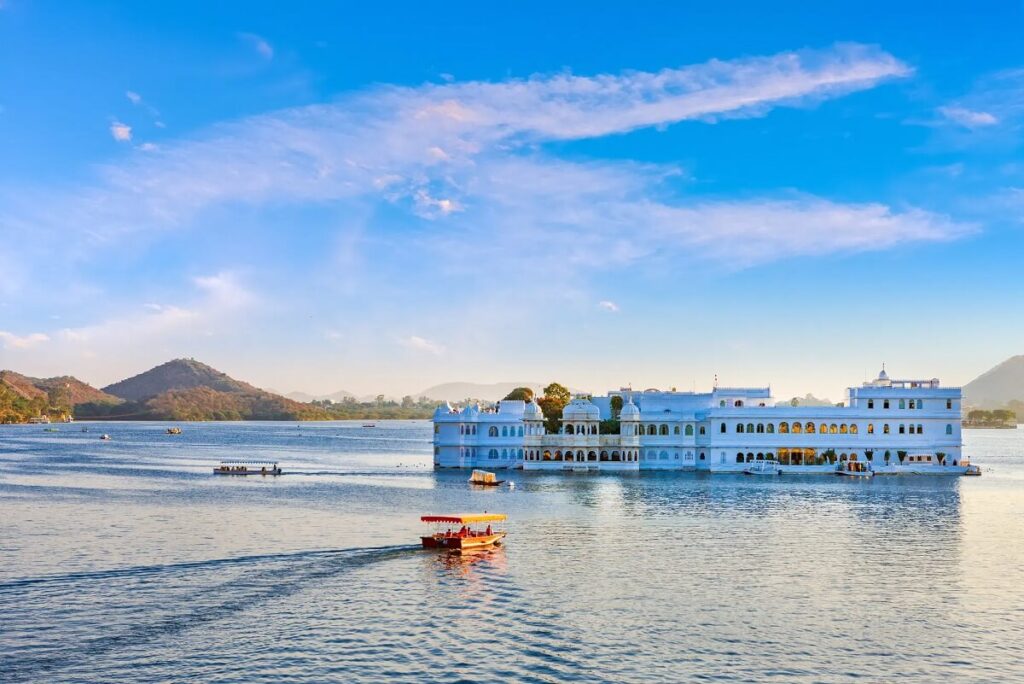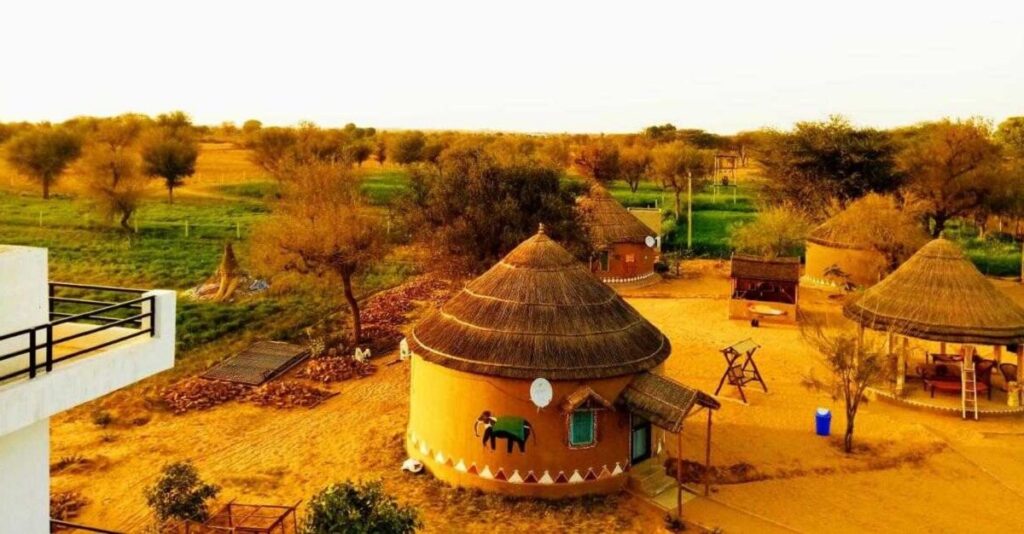
When people think of Rajasthan, images of grand forts, desert safaris, and vibrant bazaars in cities like Jaipur and Udaipur often come to mind. While these urban marvels deserve admiration, the heart of Rajasthan beats strongest in its villages. In rural Rajasthan, you’ll encounter the state’s soul — found in quiet traditions, hand-painted homes, camel caravans, and the warm hospitality of its people.
Rural Rajasthan offers an authentic travel experience far removed from the commercial bustle of tourist hubs. Here, life moves to the rhythm of ancient rituals, seasonal farming, and time-honored crafts. The smiles of elders, the curious eyes of children, the fragrance of wood-fired meals — all contribute to an immersive journey into a world that’s raw, real, and deeply rooted in culture.
Whether you’re a traveler looking for offbeat destinations, a photographer seeking untold stories, or a culture enthusiast eager to step beyond guidebooks, rural Rajasthan is your gateway to India’s living heritage.
1. Best Villages to Visit in Rural Rajasthan for Authentic Experiences
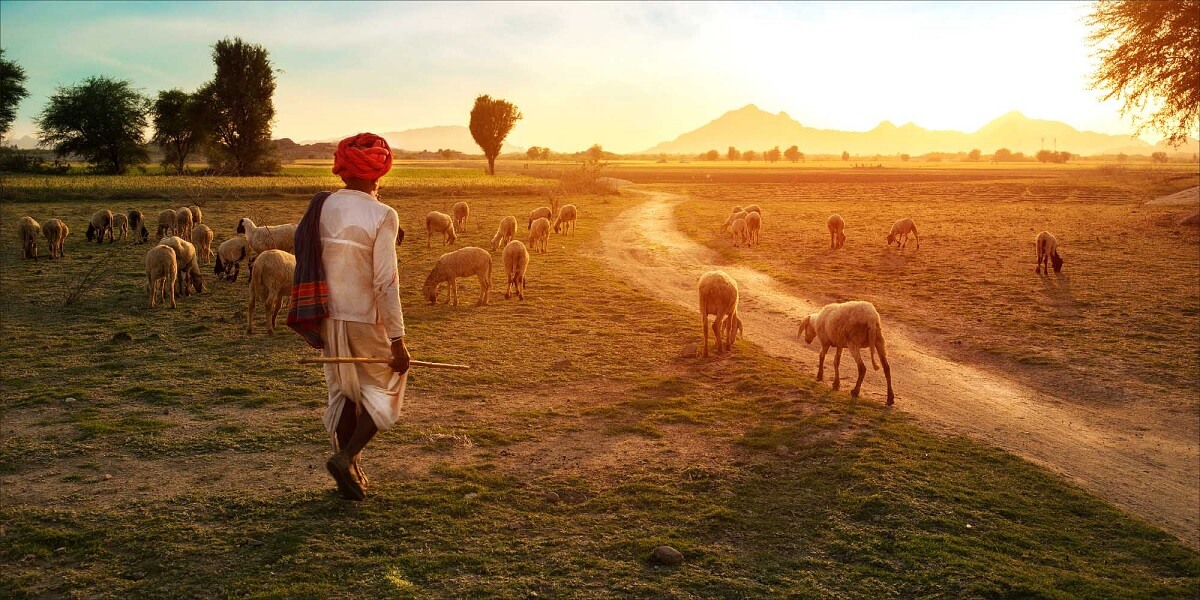
Rajasthan is dotted with picturesque villages, each offering a distinct cultural and geographical experience. Below are some of the most rewarding rural destinations to explore:
Khimsar – Dunes, Forts, and Desert Tranquility
Located between Jodhpur and Nagaur, Khimsar is famous for its centuries-old fort, now a heritage hotel, and its nearby Khimsar Sand Dunes Village. Unlike crowded desert tourist spots, Khimsar offers a serene desert experience, complete with camel rides, folk dances, and nights under the stars.
What to do:
- Stay in the Khimsar Fort
- Visit blackbuck reserves nearby
- Enjoy jeep safaris into the desert
Bishnoi Villages (near Jodhpur)
The Bishnoi community is known for its deep respect for nature and wildlife. Their villages, scattered around Jodhpur, offer a unique blend of spiritual ecology and traditional lifestyle. Bishnoi women in bright red and orange ghagras walk gracefully through their villages, while men craft intricate pottery and dhurrie (rug) weavings. Weekend Destinations Near Udaipur: 10 Scenic Getaways for a Perfect Short Trip
What to do:
- Take a Bishnoi village safari
- Watch traditional pottery-making
- Learn about their conservation values
Mandawa & Shekhawati Region
If you love art, head to Mandawa, part of the Shekhawati region, where crumbling mansions are adorned with colorful murals dating back centuries. These villages feel like open-air galleries, narrating stories of trade, migration, and mythology.
What to do:
- Explore haveli frescoes
- Visit local bazaars for antiques
- Stay in a restored heritage haveli
Bundi & Surrounding Villages
Bundi is often described as a mini-Jaipur without the crowds. Just outside its town limits are rural communities where you can experience authentic Rajasthani village life, participate in workshops, and visit centuries-old stepwells like Raniji ki Baori.
What to do:
- Attend a block-printing or miniature art workshop
- Visit nearby villages like Dugari or Keshoraipatan
- Explore peaceful temples and lakes
2. Rural Rajasthan Culture and Traditions You Must Witness

Culture in rural Rajasthan isn’t displayed in museums — it lives in everyday life. From the clothes villagers wear to the songs sung during harvest, tradition is not just remembered here; it’s practiced. Discover Rajasthani Culture – What You Must Know
Folk Arts and Dance
Folk performances in Rajasthan are more than entertainment — they’re stories passed down generations.
- Kathputli (Puppet Shows): Performed with hand-carved wooden puppets, these shows tell tales of valor, morality, and mythology.
- Ghoomar & Kalbelia Dances: Graceful and hypnotic, often performed during festivals or for guests, with women twirling in rhythmic synchrony.
- Bhavai and Terah Taali: Less known but deeply rooted performances involving balancing earthen pots or playing multiple cymbals.
Handicrafts and Artisan Traditions
Each village specializes in unique crafts —
- Barmer & Bikaner: Embroidery and applique work
- Bagru & Sanganer: Block printing with natural dyes
- Jalore & Udaipur: Lac jewelry, miniature paintings
These are living traditions, often taught from parent to child, sustaining rural livelihoods and passing down artistry with deep symbolic meaning.
Everyday Life and Celebrations
In rural Rajasthan, life follows the agricultural calendar. Festivals like Teej (monsoon celebration) and Gangaur (honoring Goddess Gauri) are deeply rooted in seasonal rhythms. Villagers celebrate with rituals, feasts, and ornate decorations.
Attending even a small village celebration gives you an intimate look at how traditions bind community, faith, and nature in daily life. Best Places to Visit in Bundi, Rajasthan: A Hidden Gem
3. Village Homestays in Rajasthan: Where to Stay for a Real Local Experience
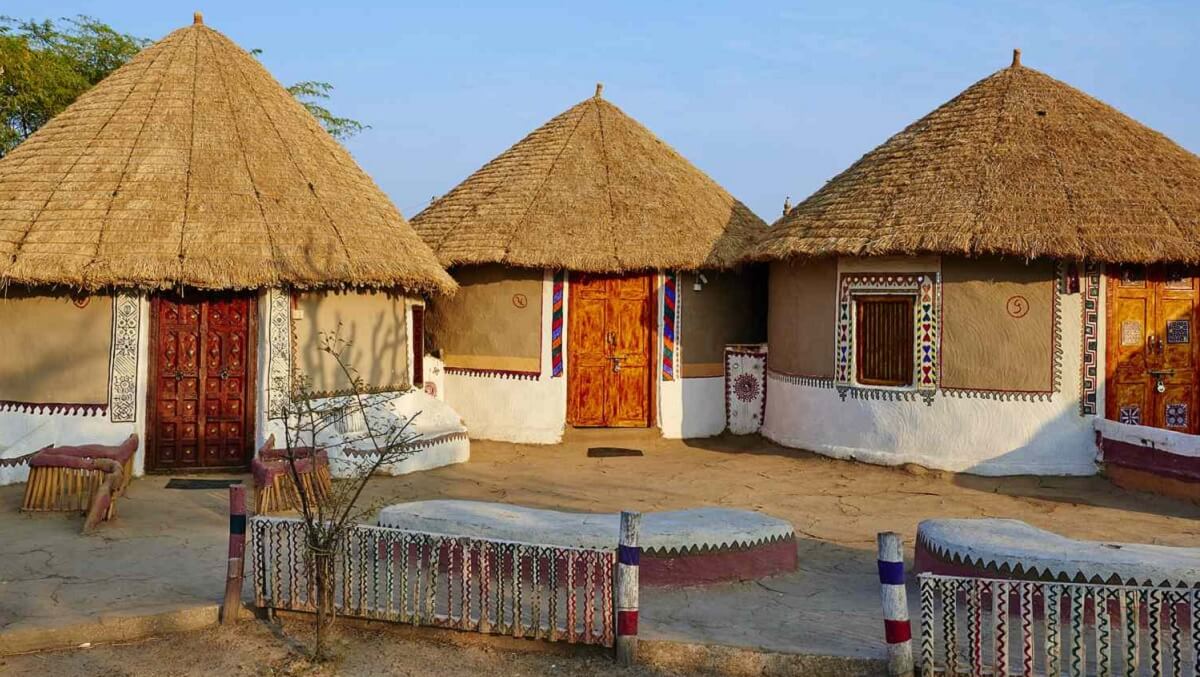
To truly experience rural Rajasthan, you must live as the locals do — and that means stepping away from luxury hotels and into village homes. Homestays and eco-lodges in Rajasthan offer an immersive experience, where hospitality isn’t just a service, it’s a way of life. Book Kid-Friendly Resorts in Rajasthan – Family Guide
Why Choose a Rural Homestay?
- Authenticity: Sleep on charpoys (woven beds), eat meals prepared over open fires, and wake to the sound of roosters or temple bells.
- Cultural Immersion: Participate in daily routines — churning butter, picking vegetables, or accompanying your host to the local market.
- Connection: Learn the meaning of “Atithi Devo Bhava” (guest is god) through shared meals, stories, and traditions.
Top Village Homestays in Rajasthan
- Chhotaram Prajapat’s Homestay (Salawas, near Jodhpur): A genuine artisan family that offers craft demonstrations and authentic Rajasthani meals.
- Castle Bera (Pali District): A heritage stay offering luxury in a rural setting, plus chances to spot leopards in the wild.
- Nirali Dhani (Nagaur): Traditional mud houses with modern comforts; cultural activities and local cuisine are included.
- Apani Dhani (Nawalgarh): An eco-lodge in Shekhawati that emphasizes sustainability and local experiences, from crafts to village walks.
Tip: Book through responsible tourism platforms or local networks to ensure your stay directly supports village families.
4. Rural Cuisine of Rajasthan: What to Eat in the Villages
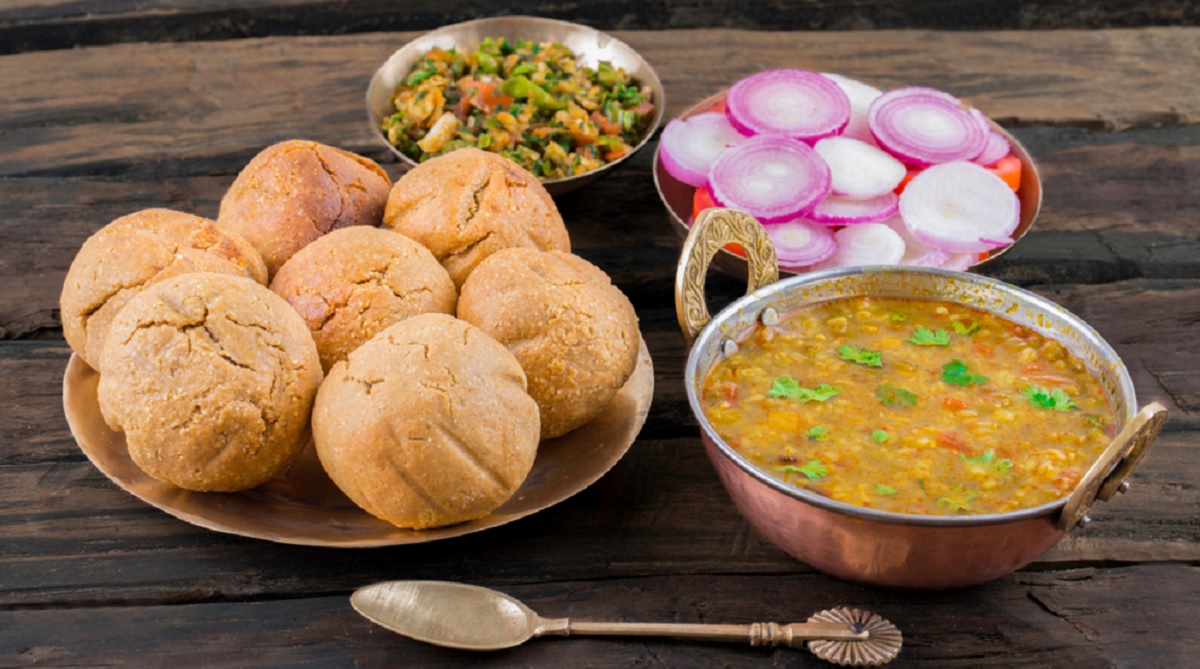
Rajasthan’s food reflects its desert climate, warrior heritage, and ingenious use of limited resources. In the villages, meals are prepared with local grains, pulses, and vegetables, often cooked over wood-fired chulhas (stoves) and served with warm hospitality.
Must-Try Dishes in Rural Rajasthan
- Bajre ki Roti & Lahsun Chutney: A robust millet flatbread served with fiery garlic chutney.
- Ker Sangri: A tangy, spiced dish made from desert berries and beans — uniquely Rajasthani.
- Gatte ki Sabzi: Chickpea flour dumplings cooked in a yogurt gravy — rich, earthy, and filling.
- Laal Maas: A spicy red mutton curry, traditionally slow-cooked in ghee and dry red chilies.
- Raabdi & Chhaach: Fermented millet and spiced buttermilk — cooling and probiotic-rich.
Village Food Experiences
- Cooking With Locals: Many homestays offer informal cooking sessions where guests can knead dough, grind spices, or stir stews.
- Harvest Feasts: During festivals or harvest, villagers come together to cook communal meals — a must-attend if your timing is right.
- Farm-to-Plate: Eat fresh — vegetables plucked from nearby fields, dairy from the house cow, and pickles aged in the courtyard sun.
This cuisine is not just delicious, it’s a lesson in sustainability, community, and simplicity. Plan a 1-Week Rajasthan Tour – Budget & Costs
5. Festivals and Fairs in Rural Rajasthan Worth Traveling For
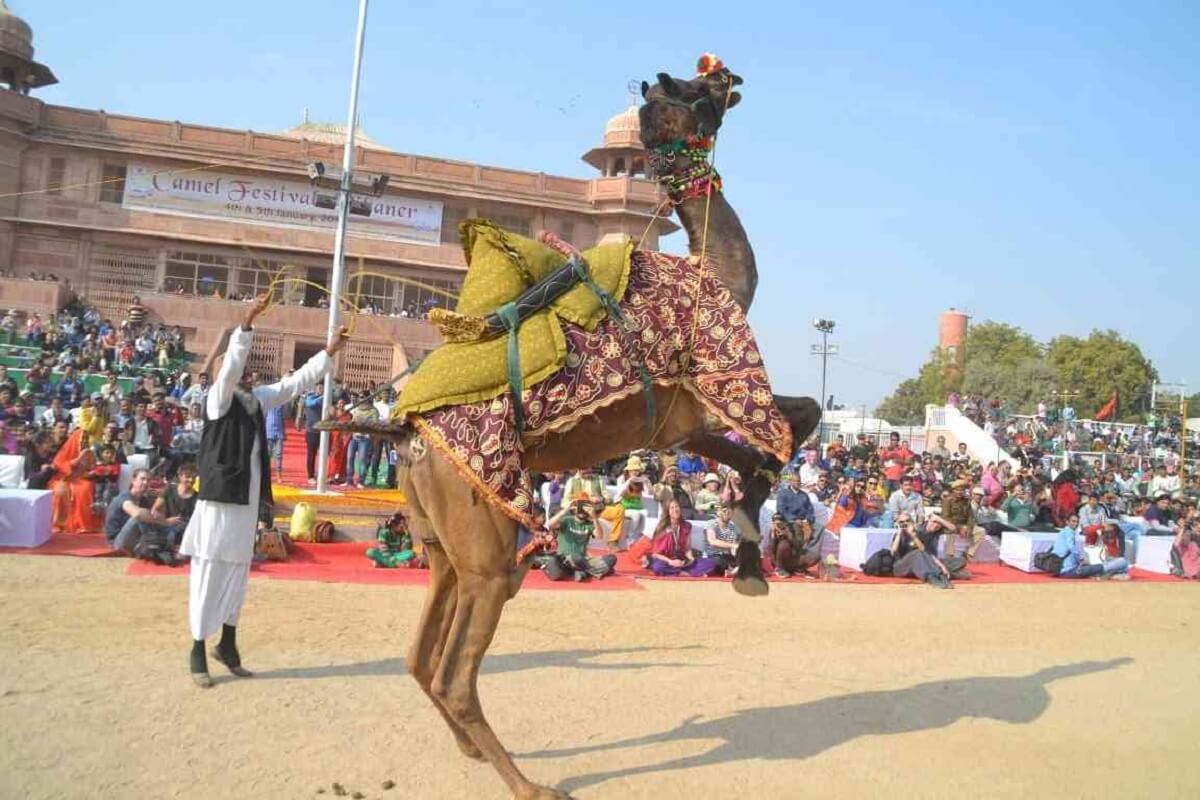
Festivals are the soul of rural Rajasthan — times when color, devotion, music, and dance fill the air. Attending a rural festival is the perfect way to witness local traditions at their most vibrant.
Top Rural Festivals & Fairs
- Pushkar Camel Fair (Pushkar): Held in November, this iconic fair is more than just camels — expect spiritual rituals, folk performances, local markets, and desert funfairs.
- Teej Festival (Jaipur & Bundi): Celebrated by women during the monsoon, marked by swings, folk songs, and ceremonial processions.
- Gangaur Festival (Shekhawati & Udaipur villages): A 16-day festival celebrating marital fidelity and love, filled with beautifully dressed women and idol processions.
- Nagaur Cattle Fair (Nagaur): A lesser-known gem — think thousands of livestock, turbans, folk competitions, and spice bazaars.
- Desert Festival (Jaisalmer): Held in the golden sands of the Thar Desert — features camel races, puppet shows, and traditional music.
Why Attend Rural Festivals?
- Interact with locals beyond tourism
- Experience traditional attire, music, and rituals
- Buy authentic crafts directly from artisans
- Capture once-in-a-lifetime photography moments
Travel Tip: Plan ahead — local accommodations fill quickly during festivals. A local guide can help you respectfully participate. Plan Rajasthan in September 2025 – Top Things to Do!
6. How to Travel Responsibly in Rural Rajasthan
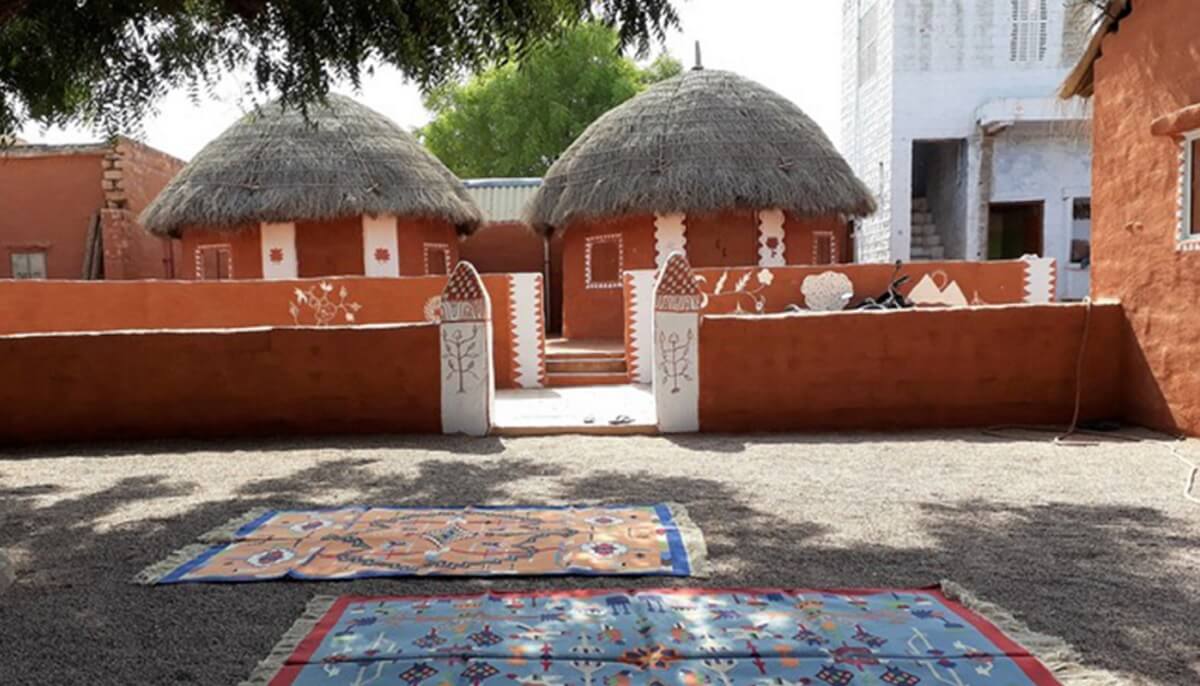
Visiting villages comes with the privilege of entering someone’s home and heritage. With that comes the responsibility to travel thoughtfully and respectfully.
Tips for Responsible Rural Travel
- Dress Modestly: Especially in smaller villages — covering shoulders and legs shows respect.
- Ask Before Photographing: Always seek permission before clicking portraits or private moments.
- Support Local: Buy handmade crafts directly from artisans, eat at local dhabas or homes, and hire village guides.
- Avoid Handouts: Don’t give money or sweets to children — support a school or NGO instead.
- Be Curious, Not Intrusive: Ask questions, engage with humility, and respect silence when it’s needed.
By traveling responsibly, you’re helping preserve the very culture and beauty you came to witness.
7. Planning Your Trip: Best Time to Visit Rural Rajasthan
Ideal Travel Seasons
Rajasthan’s desert climate means timing is everything. The right season will enhance your experience, especially in rural areas where weather can affect accessibility and comfort.
October to March (Peak Season)
- Why go? Cool, dry weather perfect for village walks, outdoor festivals, and desert safaris.
- What’s happening? Pushkar Fair (Nov), Nagaur Fair (Jan-Feb), Camel Safaris.
- Temperature: Daytime ~20–25°C (68–77°F); nights can drop to ~5°C (41°F) in the desert.
July to September (Monsoon & Green Season)
- Why go? Fewer tourists, green countryside, and beautiful cloud-streaked skies.
- What’s happening? Teej, Gangaur, and local harvest festivals.
- Considerations: Some village roads may be muddy; not ideal for remote desert areas.
April to June (Summer)
- Why go? Lesser crowds and off-season rates.
- What’s happening? Indoor crafts workshops, school interactions.
- Temperature: 35–45°C (95–113°F). Only advisable for seasoned travelers or those staying in AC eco-lodges.
Travel Essentials for Rural Rajasthan
- Light, breathable clothes + a warm layer for winter nights
- Headscarf or hat, sunglasses, sunscreen
- Reusable water bottle and filtered straw (eco-friendly hydration)
- Flashlight (power cuts can be common)
- Basic Hindi phrases or translation app
Getting There
- By Train: Major cities (Jaipur, Jodhpur, Udaipur) connect to nearby rural hubs.
- By Car/Taxi: Hiring a local driver is ideal for flexibility and comfort in villages.
- By Bus: Government and private buses serve rural routes but may be less predictable.
8. Real Stories: Travelers Share Their Rural Rajasthan Experiences
To inspire your journey, here are a few real moments shared by travelers who ventured beyond the beaten path:
“We stayed in a small homestay in Salawas near Jodhpur. The host’s mother made the most delicious dal bati churma, and we ended the evening under the stars listening to her tell stories of their ancestors. It wasn’t on any tour – it was something we stumbled into, and it became the highlight of our India trip.”
— Emily & Thomas, UK
“Attending the Gangaur festival in a Shekhawati village was magical. Everyone dressed in vibrant traditional attire, and I was invited to join the puja. There were no crowds, just pure community joy.”
— Riya Mehta, India
“The most surprising part of my trip wasn’t the camels or castles — it was learning how to make clay pots with a local artisan near Nagaur. He told me his family has done this for six generations.”
— Carlos Diaz, Spain
Moral of the Story:
You don’t just visit rural Rajasthan. You become part of it — even if only for a short while. It’s these unexpected, unscripted experiences that travelers cherish most.
Explore: Discover India’s Cultural Capitals in Kerala & Rajasthan – Explore Now!
9. Conclusion: Why Rural Rajasthan Belongs on Every Cultural Traveler’s List
Rural Rajasthan is more than a travel destination. It’s a window into India’s living heritage, a world where time flows differently, and traditions are deeply respected. Here, the desert isn’t just sand; it’s a landscape shaped by resilience, color, and community.
Whether you’re sharing a chai with a village elder, weaving rugs with local artisans, or walking through mustard fields at sunrise — your experience will be meaningful, intimate, and unlike anything a city tour can offer.
So, if you’re a curious traveler seeking connection over convenience, and stories over selfies, it’s time to trade luxury hotels for village mud huts and explore the Rajasthan that few tourists ever see.
Let the rhythm of rural life reset your senses.
10. FAQs & Travel Tips for Rural Rajasthan
Q: Is it safe to travel alone in rural Rajasthan?
A: Yes, generally safe — especially in homestays and with local guides. Always inform someone of your itinerary and dress conservatively.
Q: Do villagers speak English?
A: Limited, but basic communication is possible. Many homestay hosts or guides know conversational English. A translation app helps.
Q: Can I volunteer in villages?
A: Yes! NGOs and community programs welcome short-term volunteers in teaching, farming, and crafts. Research options in advance.
Q: Is rural Rajasthan suitable for family travel?
A: Absolutely — kids love the animals, open space, and hands-on activities like pottery and cooking.
You Might Also Like:
- Explore Udaipur in July – Weather & Travel Tips
- Visit Mount Abu in July 2025 – What to See & Do
- Why Visit Ranthambore? Top 10 Reasons to Go!
- Travel North India in July – Complete Trip Guide
- Enjoy July Rains – Top Weekend Trips from Delhi
- Escape from Mumbai – Best August Monsoon Breaks
- Valley of Flowers vs Kaas – Best August Bloom?
- Hill Getaways Near Delhi – Visit in August Monsoon
- Visit South India in August 2025 – Travel & Weather Guide
- See India’s Wildlife – Top Reserves Open in September
- Explore India’s UNESCO Sites – Full Heritage Guide
- Your Cultural Adventure Awaits: Explore Kerala & Rajasthan Capitals!