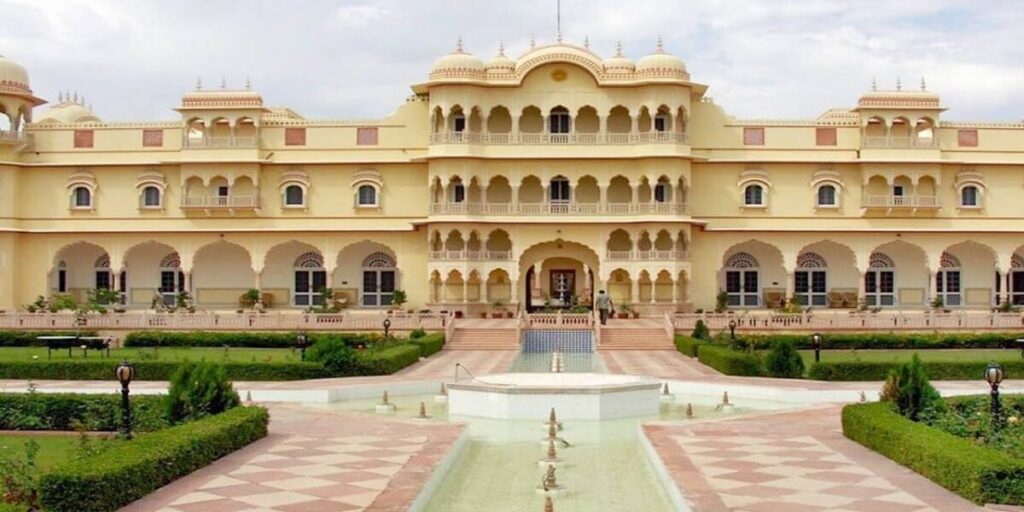
Nahargarh Fort is one of the three major forts that crown the Aravalli Hills in Jaipur, alongside Amber Fort and Jaigarh Fort. Overlooking the Pink City, this fort is not only a historic monument but also a destination filled with stories, architectural beauty, and panoramic views. If you are planning to explore Jaipur, a visit to Nahargarh Fort will add depth to your journey. This guide covers everything you need to know before visiting, including history, architecture, timings, entry fees, activities, and tips for travelers.
Why Nahargarh Fort so Famous?
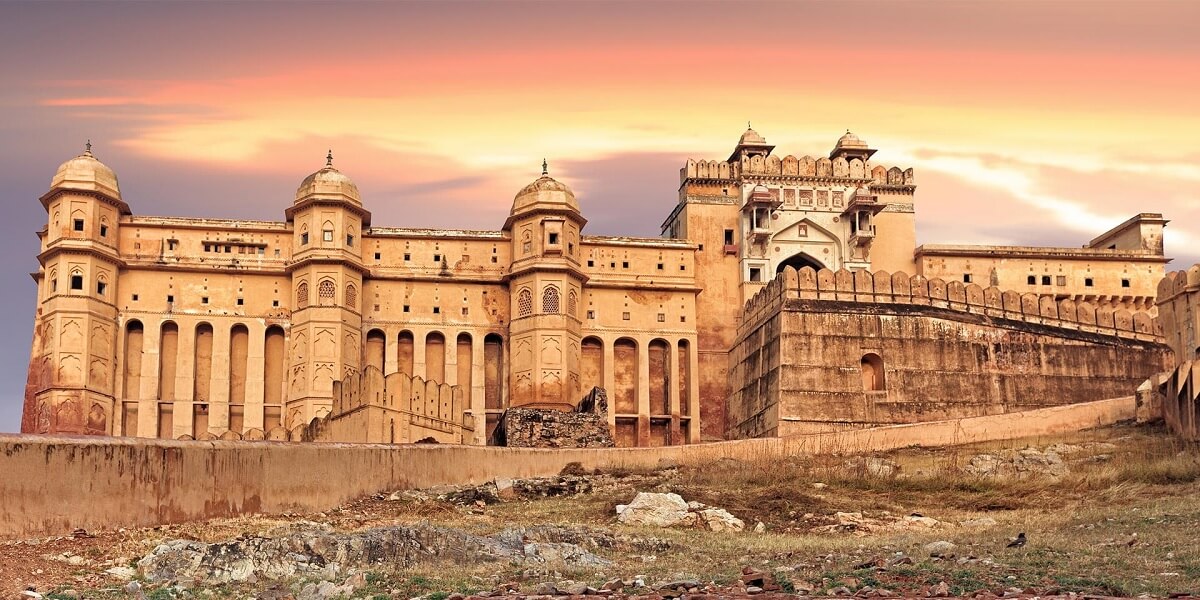
Nahargarh Fort, originally named “Sudershangarh,” was built in 1734 by Maharaja Sawai Jai Singh II, the founder of Jaipur. Perched high on the edge of the Aravalli Hills, the fort was intended as a retreat and a defensive stronghold for the city. The word “Nahargarh” translates to “abode of tigers,” and legends suggest the site was haunted by a spirit named Nahar Singh Bhomia, whose name the fort eventually adopted.
Today, Nahargarh Fort is celebrated for its intricate architecture, breathtaking city views, and role in Jaipur’s defense network. Unlike Amber and Jaigarh, which were built more for military strength, Nahargarh served as a retreat for the royals and a hunting residence.
Read Also: Uncover Jaipur’s Charm – Explore Bapu Bazaar Now!
History of Nahargarh Fort
The construction of Nahargarh began in 1734 during Jai Singh II’s reign, making it one of the earliest forts of Jaipur. It was later expanded in the 19th century by Sawai Madho Singh II, who built several palaces within the complex known as “Madhavendra Bhawan.”
The fort’s history includes several notable events:
- It acted as a safe shelter for Europeans during the Revolt of 1857.
- It was used as a retreat for the royals during the summer months.
- The fort’s stepwells and walls reflect the advanced water harvesting and defense systems of that era.
Over centuries, Nahargarh became a symbol of the city’s blend of leisure and security.
Architecture of Nahargarh Fort
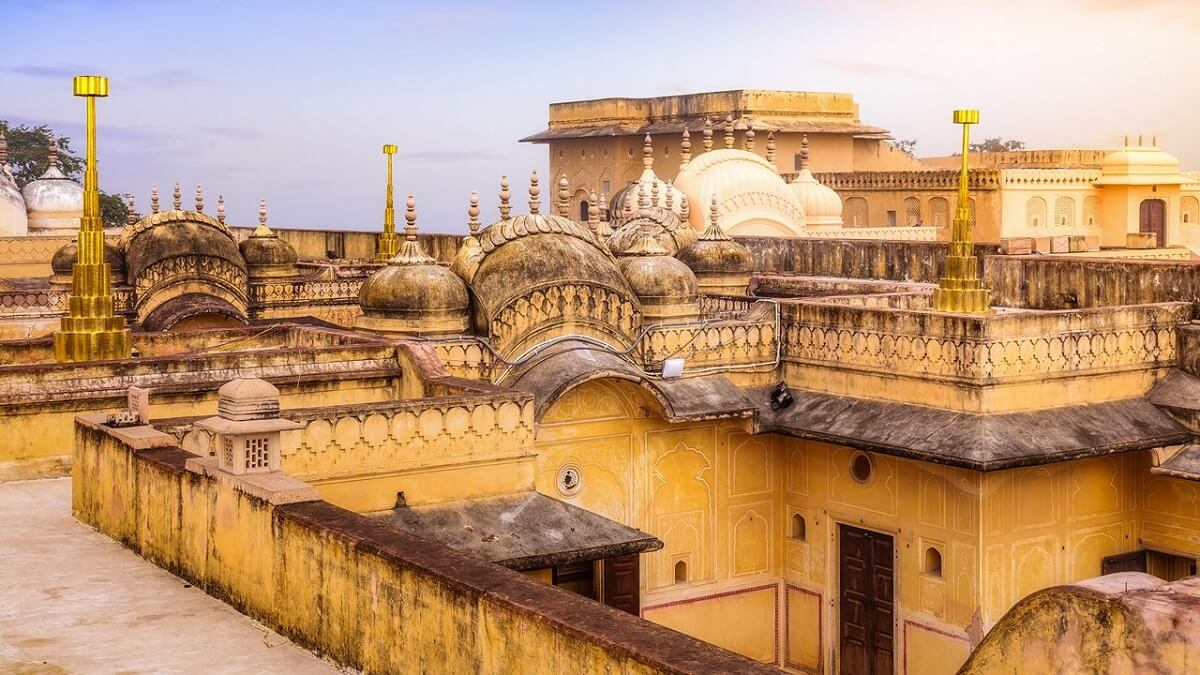
Nahargarh Fort showcases Rajput architectural styles, characterized by ornate designs and functional layouts. The most iconic part of the fort is Madhavendra Bhawan, designed by Vidyadhar Bhattacharya, the chief architect of Jaipur.
Key architectural highlights:
- Madhavendra Bhawan: Built by Sawai Madho Singh II, it contains suites for the king and his queens. Each suite has a bedroom, kitchen, and unique fresco designs.
- Symmetrical Layout: The queen’s quarters are arranged in a row, connected by corridors and decorated with murals, ensuring privacy.
- Stepwells: Ingenious water conservation structures built to collect rainwater.
- Terrace Views: The fort’s terrace offers some of the best views of Jaipur, especially at sunset.
Legends Associated with Nahargarh Fort
According to local legends, the construction of the fort was initially hindered by the spirit of Nahar Singh Bhomia, a Rathore prince. Every morning, the structures built during the day would collapse by night. To appease the spirit, a temple dedicated to Nahar Singh was built inside the fort. Since then, the fort has been referred to as Nahargarh, meaning the abode of Nahar.
Read also: Govind Devji Temple Jaipur – Darshan Timings & Rituals
Best Time to Visit Nahargarh Fort
The fort can be visited year-round, but the best experience depends on the season.
- October to March (Winter): Ideal for sightseeing as the weather is cool and pleasant.
- April to June (Summer): The fort remains open, but afternoons can be hot. Morning and evening visits are recommended.
- July to September (Monsoon): The hills become lush green, and the fort offers scenic views, though occasional rain showers occur.
The fort is especially popular during sunset hours, when the Pink City is bathed in golden light.
Read Also: Know About Neemrana Fort Palace, Rajasthan
Nahargarh Fort Timings and Entry Fees
- Timings: 10:00 AM to 6:30 PM (daily). The fort is often visited at night for its illuminated views, although official closing is at sunset.
- Entry Fee:
- Indians: ₹50
- Students (with ID): ₹5
- Foreigners: ₹200
Additional charges may apply for photography or filming. Read: Birla Mandir Jaipur: Marble Marvel Temple Etiquette
How to Reach Nahargarh Fort
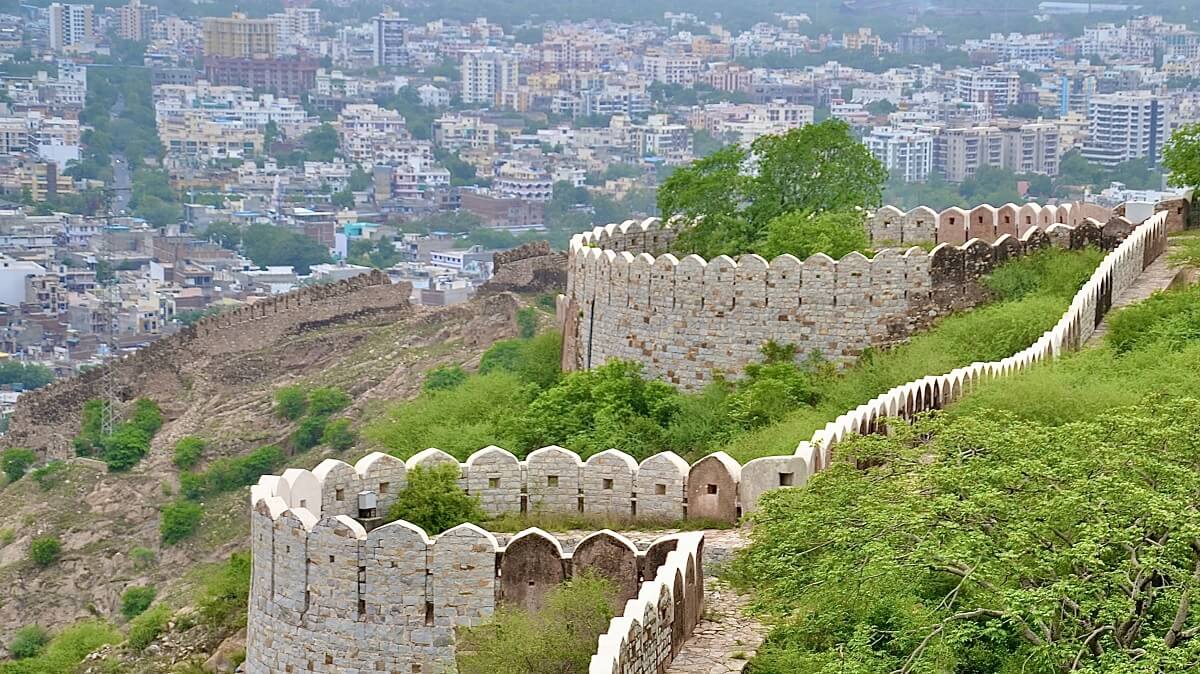
Nahargarh Fort is located approximately 15 km from Jaipur city center.
- By Car/Taxi: The most convenient way, as the road winds up the Aravalli hills to the fort.
- By Auto-Rickshaw: A cheaper option, though the climb may be tiring for smaller autos.
- By Trek: Adventure seekers can trek up the hill from the city through winding trails, offering scenic landscapes.
Nearby attractions include Amber Fort, Jaigarh Fort, and Jal Mahal, making it easy to combine visits in a single day.
Check Also: 2 Nights 3 Days Jaipur Tour Package
Things to Do at Nahargarh Fort
- Explore Madhavendra Bhawan – Admire the royal chambers with frescoes and corridors.
- Visit the Wax Museum – Located near the entrance, showcasing wax statues of famous personalities.
- Enjoy Jaipur Wax Planetarium – Interactive exhibits for science enthusiasts.
- Photography – Capture the fort’s architecture and panoramic views.
- Sunset Views – The terrace is a popular sunset point, offering stunning vistas.
- Dining at Padao Restaurant – A rooftop restaurant inside the fort, perfect for enjoying food with views of the illuminated city.
- Cycling/Trekking – Outdoor activities for adventurous visitors. Escape Delhi: Visit Neemrana Fort – See the Tour Details!
Photography Guide at Nahargarh Fort
Nahargarh Fort is a paradise for photographers, both professionals and casual travelers.
- Sunset Shots: The terrace is famous for breathtaking sunset photos.
- Madhavendra Bhawan Interiors: Capture intricate frescoes and corridor symmetry.
- Cityscape Views: Jaipur city spreads out like a painting beneath the fort.
- Stepwells: Capture the unique geometric beauty of the ancient water reservoirs.
Pro Tip: Visit early morning or late afternoon for softer lighting. Read also: Patrika Gate Jaipur – Instagram Spot & Travel Tips
Nahargarh Fort at Night
Though the official closing time is 6:30 PM, the fort’s outer walls and the Padao Restaurant area remain popular at night. The fort glows beautifully under lights, and Jaipur city below looks magical. Evening visitors often enjoy dining while watching the city twinkle.
Read also: Chokhi Dhani Jaipur – Activities & Travel Guide
Nearby Attractions
- Amber Fort – UNESCO World Heritage Site and the most famous fort in Jaipur.
- Jaigarh Fort – Known for housing the world’s largest cannon on wheels, Jaivana.
- Jal Mahal – A palace in the middle of Man Sagar Lake, perfect for photography.
- City Palace – Located in Jaipur city, offering a blend of Mughal and Rajput architecture.
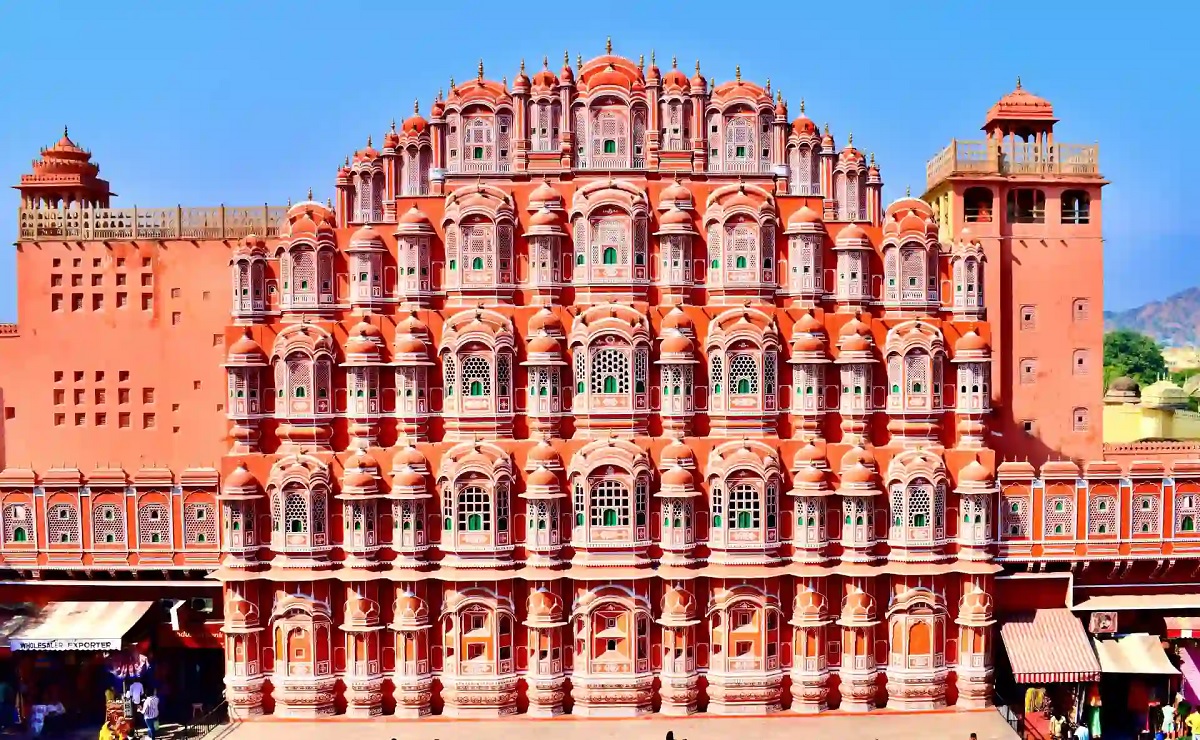
- Hawa Mahal – Iconic “Palace of Winds,” close to the city center.
Check Also: Jaipur Udaipur Chittorgarh Tour – 5 Days
Visitor Tips for Nahargarh Fort
- Wear comfortable shoes as there is a lot of walking.
- Carry water, especially in summer.
- Visit in the late afternoon for the best light and sunset views.
- Hire a guide for deeper insights into the fort’s history and architecture.
- Be mindful of monkeys near the fort premises.
- Combine your visit with Amber and Jaigarh Fort for a full-day heritage tour.
Check Also: 5 Days Jaipur & Ranthambore Tour Itinerary
FAQs
Q. What is Nahargarh Fort famous for?
Nahargarh Fort is known for sweeping views of Jaipur, ornate quarters inside Madhavendra Bhawan, and historic ramparts along the Aravalli ridge. The site served as a royal retreat and a key lookout. Sunsets from the terraces draw travelers, photographers, and locals alike.
Q. What are the official timings and ticket prices for Nahargarh Fort?
Timings: 10:00 AM to 6:30 PM, daily. Entry fee: Indians ₹50, students with valid ID ₹25, foreign visitors ₹200. Separate fees apply for special photo or film shoots. Evening dining areas outside the museum zone operate longer, subject to venue policy.
Q. What is the best time of year and day to visit Nahargarh Fort?
October to March offers pleasant weather. Mornings provide soft light and fewer visitors. Late afternoon rewards visitors with golden views and a striking sunset. In summer, plan an early start or a late-day visit. During monsoon, green hills add drama, though brief showers occur.
Q. How do I reach Nahargarh Fort from Jaipur city center?
The fort sits about 6–7 km from the old city. Taxis, app cabs, and auto-rickshaws run throughout the day. A scenic hike from the foothills near Nahargarh Road also exists, taking roughly 30–45 minutes, suitable for fit visitors during cooler hours. Parking is available near the entrance gate on the hilltop road.
Q. Which areas are must-see inside Nahargarh Fort?
Madhavendra Bhawan with its nine queen suites, frescoed corridors, and mirrored alcoves. Roof terraces for skyline views. Old bastions along the ridge. Historic stepwells near the complex. The onsite wax museum and sculpture displays near the main entry add variety for families and students.
Q. Are food and restrooms available at the fort?
Yes. Terrace restaurants such as Padao serve snacks and meals with city views. Kiosks offer tea, coffee, and water during busy hours. Restrooms are located near the ticket area and inside select visitor zones. Carry a bottle, use dustbins, and keep the heritage campus clean.
Q. Is Nahargarh Fort suitable for seniors and visitors with limited mobility?
Surfaces include stone ramps and uneven floors. Wheelchair movement remains limited in heritage wings and terraces. A vehicle drop-off near the main gate reduces walking distance. Seniors often prefer exploring central courtyards and nearby viewpoints, then resting at cafés while others climb upper levels.
Q. What are the best photo spots at Nahargarh Fort?
Top picks include the terraces of Madhavendra Bhawan for cityscapes, arched corridors for symmetry, bastions along the ridge for sunset silhouettes, and the stepwell zone for geometric frames. Bring a wide-angle lens for interiors and a telephoto lens for skyline details. Tripods work best during golden hour, follow staff guidance in busy passages.
Q. Is night entry allowed, and is the area safe after dark?
The museum zone closes by early evening, while restaurant areas and viewpoints operate longer under venue rules. Security presence remains visible near dining zones. Use licensed transport, avoid isolated trails after dark, and stay within lit areas. City views after sunset are stunning from approved terraces.
Q. Are guides and combo tickets available for Nahargarh, Amber, and Jaigarh?
Licensed guides wait near the gate and at Madhavendra Bhawan. Rates vary by group size and language. Combo options with Amber and Jaigarh exist through state tourism counters during peak seasons, useful for a one-day heritage trail. Verify inclusions, validity hours, and identification requirements at purchase time.
Q. What should I carry, and how do I prepare for the visit?
Wear breathable clothes and sturdy shoes. Carry water, sunscreen, sunglasses, and a hat in summer. Keep a light jacket during winter evenings. Cash or UPI helps at small kiosks. Respect signage, avoid restricted rooftops, and keep a safe distance from monkeys near the walls and trees.
Q. Is photography free, and are drones permitted at Nahargarh Fort?
Personal photography is included with a standard ticket inside public zones, subject to staff guidance. Commercial shoots require prior approval and fees. Drone use faces restrictions over heritage and defense areas, avoid flying without written permission from authorities. Check onsite notices before setting up advanced gear.
Conclusion
Nahargarh Fort is more than just a historical site; it is a symbol of Jaipur’s regal past and architectural brilliance. From the stories of restless spirits to the lavish Madhavendra Bhawan, every corner of the fort has something unique to offer. Whether you’re a history buff, a photographer, or a casual traveler, Nahargarh Fort should be on your Jaipur itinerary.
Standing tall over the Pink City, the fort invites you to step back in time while enjoying some of the best views in Rajasthan.
Read more Blogs for visit Jaipur:
- Must Visit for Spiritual Moti Dungri Ganesh Ji Temple
- Experience Jaipur Like a Local – Visit Bapu Bazaar Now!
- Step into Jaipur’s Artisan World – Discover Tripolia Bazaar Today!
- Raj Mandir Cinema Jaipur – Movie Theater Guide
- Jaipur Elephant Festival 2025 – Event Guide
- How to Reach Ranthambore from Jaipur
- Holi Festival Jaipur 2025 – Colors & Traditions
- Famous Temples to Visit in Jaipur
- Bapu Bazaar Jaipur – Shopping Guide
- Top Things to Do in Jaipur with Family
- Jaipur Monuments – Entry Fees & Visitor Info
- Cooking Classes in Jaipur – Learn Rajasthani Cuisine
- Jaipur Literature Festival 2025 – Dates & Venue
- Ranthambore Safari Booking – Tickets & Timings
- Ranthambore Fort – History & Travel Guide
- Jhalana Leopard Safari Jaipur – Entry Fee & Timings
- Albert Hall Museum Jaipur – Visitor Guide
- Abhaneri Stepwell Rajasthan – History & Guide
- Rajasthan Travel Guide – Festivals & Culture
- Galtaji Temple Jaipur – Monkey Temple Guide
- Johari Bazaar Jaipur – Jewelry & Gold Shopping
- Dhulandi Festival Jaipur 2025 – Holi Celebration
- Hawa Mahal Jaipur: Called the ‘Palace of Winds’