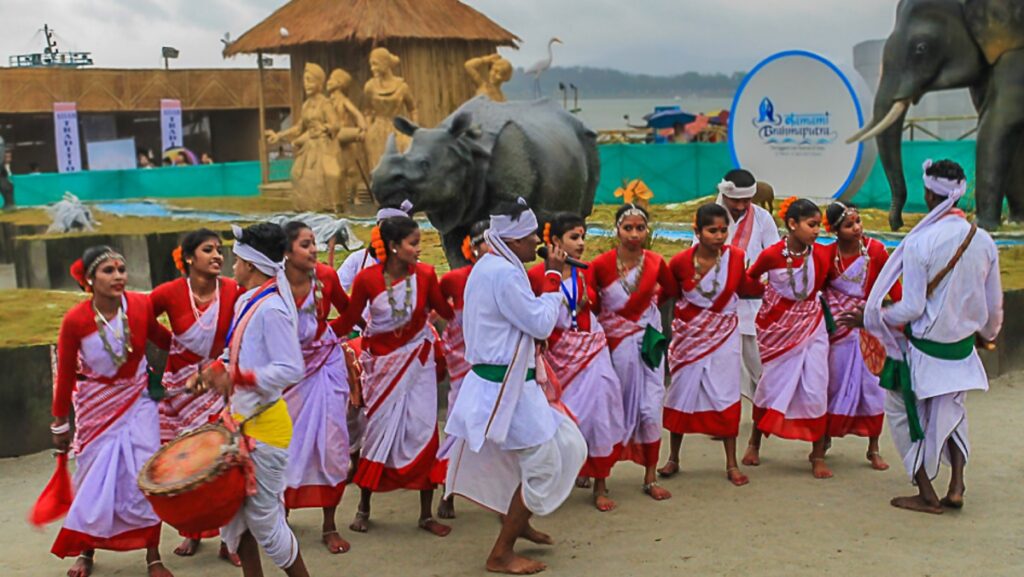
A deep look at the challenges and rewards of visiting India for the first time
India is one of the most fascinating, colorful, and diverse countries in the world. But for first-time travelers, the experience can feel overwhelming. The streets are alive with activity, the food is bursting with flavor, the culture is rich with traditions, and the pace of life can seem unpredictable. Many visitors describe their arrival in India as a major culture shock — but also as the beginning of an unforgettable journey.
This blog explores what often surprises travelers in India, how to understand these cultural differences, and why many eventually fall in love with this country. From local customs and transportation to food, festivals, and hospitality, this is a guide for anyone planning a visit and wondering what to expect.
1. Arrival in India: A Rush of Color, Sound, and Emotion
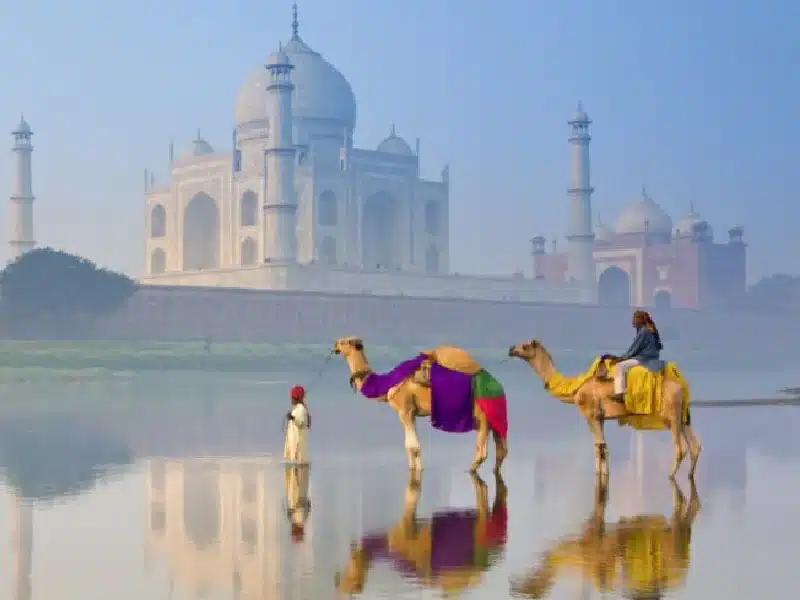
The first impression of India can be intense. Airports may feel chaotic, and stepping into the streets of cities like Delhi, Mumbai, or Kolkata introduces visitors to a world full of movement, noise, and vibrant sights.
There are people everywhere—walking, driving, selling food, praying, or simply watching the world go by. Cars, motorbikes, auto-rickshaws, and even cows share the road. Loud honking, bright signs, and unfamiliar smells fill the air.
For many visitors, the first 24 hours can feel like sensory overload. But with time, what first seems overwhelming begins to feel exciting, alive, and deeply human.
2. Understanding Culture Shock: What Feels Different in India
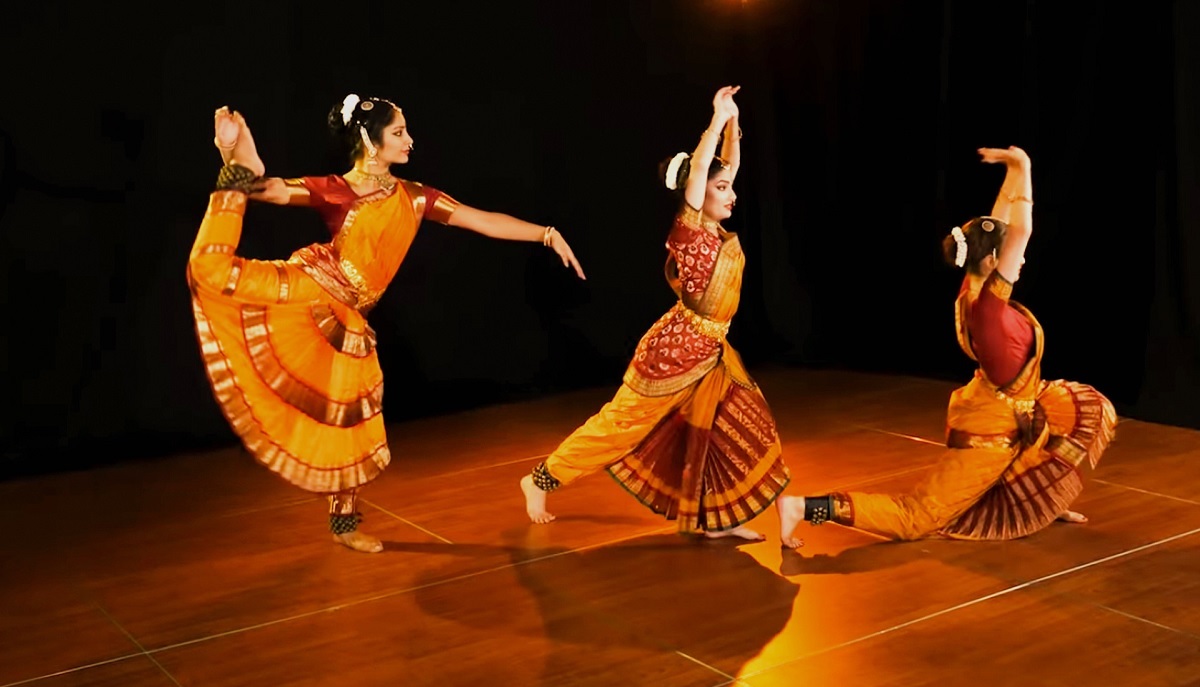
Culture shock is a natural part of traveling, especially in a country as unique as India. Some common experiences that feel unfamiliar to new visitors include:
- Different concepts of personal space – Streets, markets, and public transport can be crowded.
- Flexible time schedules – Things may not always run on time, and that’s normal.
- Staring is common – In many parts of India, especially rural areas, people are naturally curious about foreigners.
- Noise and activity levels – Cities are full of sound, from religious chants to traffic and local markets.
- Different hygiene practices – Squat toilets, handwashing with water, and bucket showers are common in budget places.
Once travelers understand that these differences are cultural, not personal, it becomes easier to accept them and enjoy the journey. India teaches visitors to be open, patient, and flexible.
3. Food in India: Rich, Spicy, and Full of Surprise
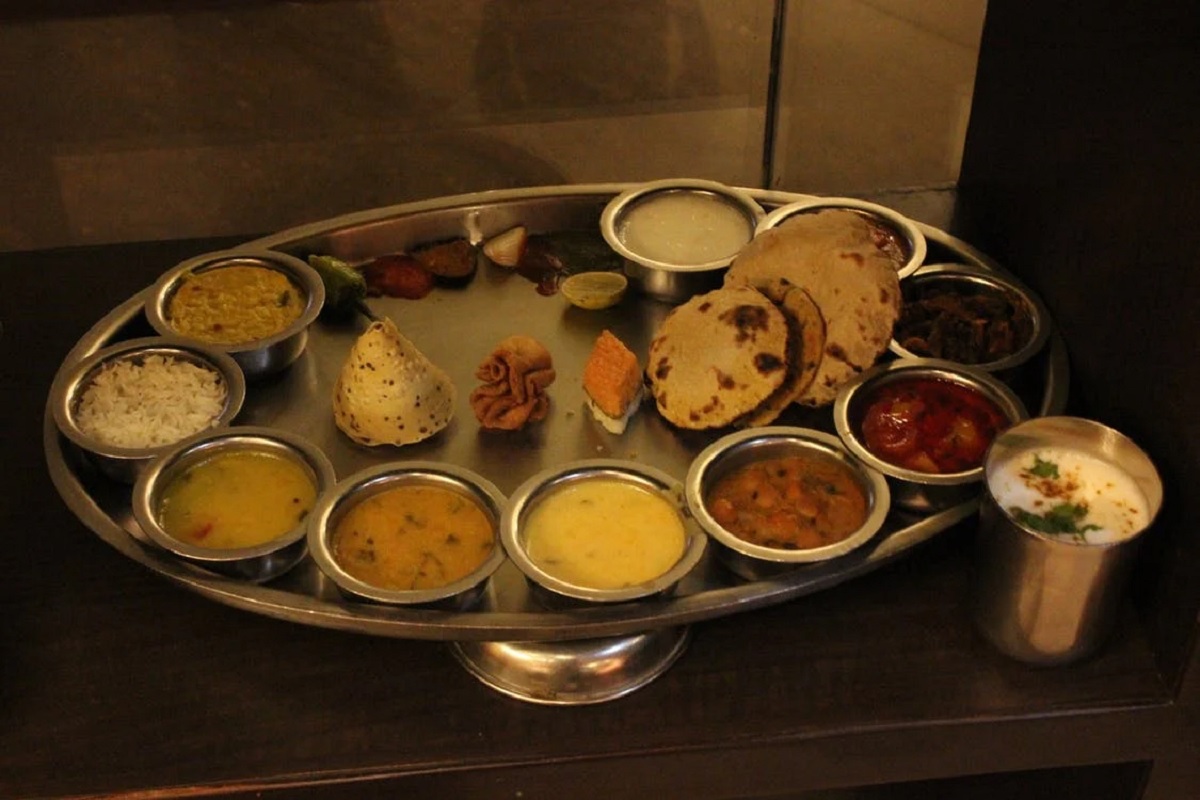
Indian food is one of the country’s greatest attractions. Every region offers different dishes, ingredients, and styles. Meals are often vegetarian, flavorful, and made with fresh spices and herbs.
Key facts about Indian cuisine:
- Chilies and spices are used generously, but not all dishes are hot.
- Street food like chaat, samosas, and pani puri is famous but should be eaten carefully.
- Thalis (meal platters) are a great way to sample a variety of foods at once.
- Rice, lentils, flatbreads, and vegetables form the base of many meals.
Visitors are often surprised by the variety of vegetarian food and how satisfying it is. Local drinks like masala chai and sweets like gulab jamun become traveler favorites.
4. Spirituality and Rituals: India’s Sacred Side
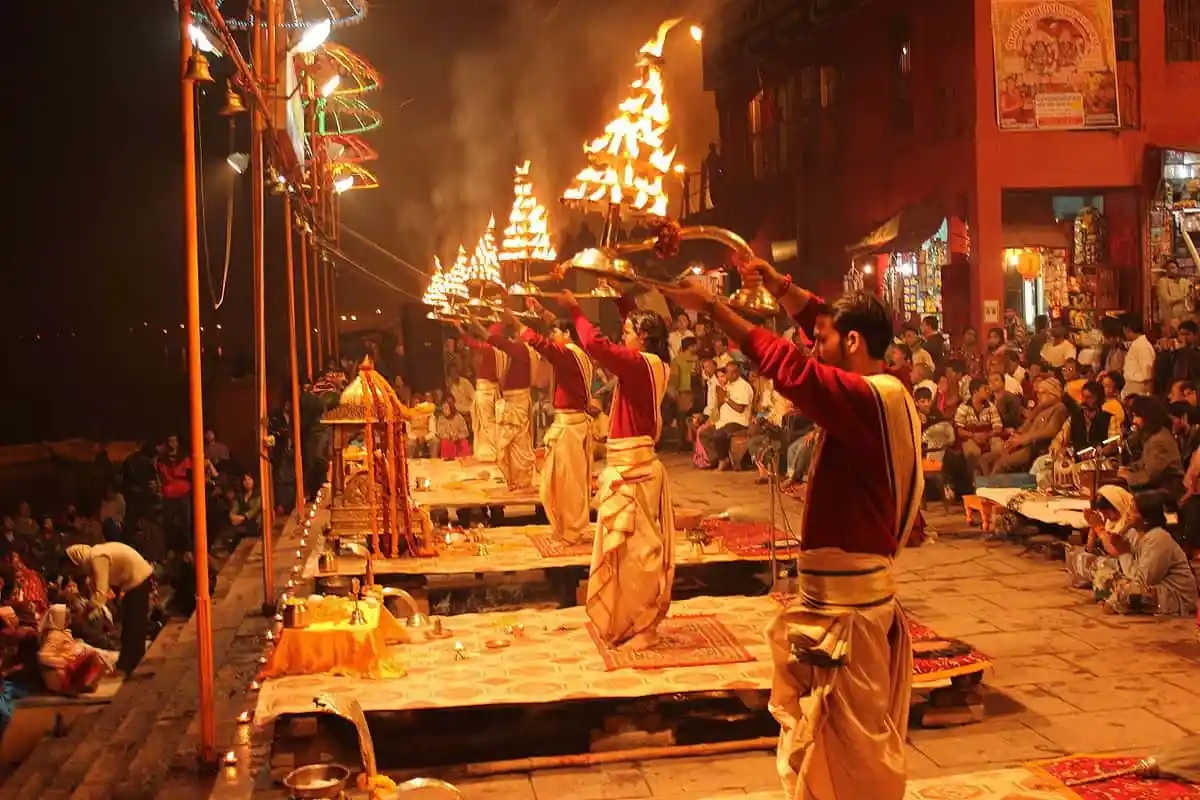
Religion is deeply woven into everyday life in India. Hinduism, Islam, Christianity, Sikhism, Buddhism, and Jainism are all part of the country’s spiritual identity.
Travelers can expect to see:
- Temples, mosques, and churches in almost every town
- People performing rituals along rivers, in homes, and at street shrines
- Sacred animals like cows, monkeys, and elephants roaming freely
- Festivals and holy days celebrated with colorful decorations, processions, and music
Even those who aren’t religious often feel moved by India’s spiritual atmosphere. Visiting a temple during aarti (evening prayer), attending a Ganga ceremony in Varanasi, or watching pilgrims at Kedarnath leaves a lasting impression.
5. Hospitality in India: Strangers Who Welcome You Like Family
One of the biggest surprises for many visitors is how warm and welcoming Indian people are. Despite cultural differences, locals are often eager to help, offer directions, or invite guests to share a meal.
- In villages, travelers may be invited into homes for tea or food.
- Shopkeepers often offer friendly conversation, not just sales pitches.
- Hotel staff frequently go beyond expectations to assist travelers.
- Families in train compartments might share snacks or stories.
This hospitality is part of Indian culture, where guests are seen as “God” — a belief known as Atithi Devo Bhava. It creates memorable moments of connection and kindness. Getting Around Kathmandu for Tourists: Smart Travel & Transportation Tips
6. Transportation and Traffic: From Chaos to Charm
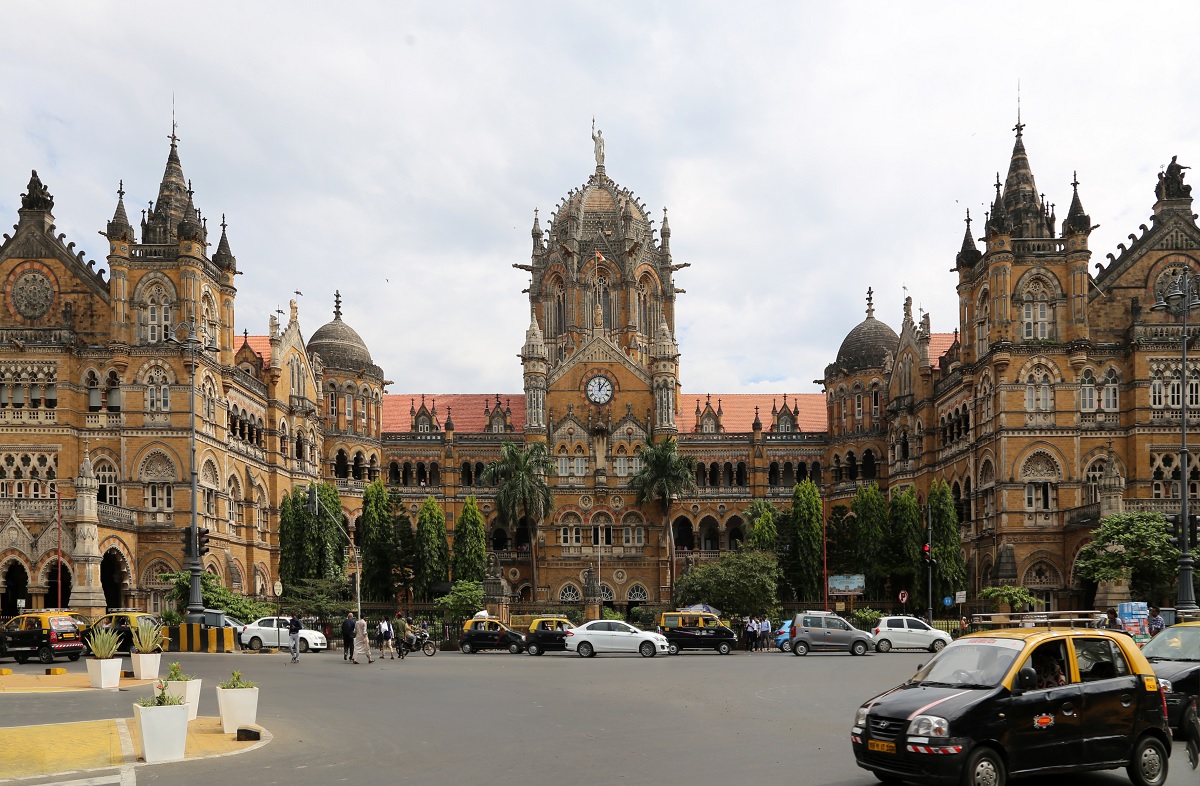
India’s transportation system is one of the most dynamic parts of its daily life. At first, the streets may appear disorganized or even chaotic—but they function with a unique rhythm that locals understand well. For visitors, this can be one of the most surprising and memorable elements of their trip.
Getting Around:
- Auto-rickshaws are three-wheeled vehicles common in cities and towns. They’re affordable and ideal for short distances, though travelers should agree on a fare in advance or request the meter.
- Local buses are inexpensive but often crowded. They’re more useful for those staying longer or traveling with a guide.
- Taxis and ride-hailing apps like Uber and Ola are available in most major cities and are a more comfortable option.
- Trains form the backbone of long-distance travel. India’s railway system is one of the largest in the world, offering a variety of classes from budget to luxury.
- Domestic flights are a time-saving way to travel across regions.
The Roads:
Traffic in India doesn’t always follow the rules seen in Western countries. Honking is constant—not as a sign of anger, but as communication. Cows, dogs, and people cross streets freely, and it’s common to see motorbikes carrying entire families.
Though it can be overwhelming at first, many travelers come to admire how India’s roads reflect its spontaneity and adaptability. Once a visitor accepts the pace, transport becomes an adventure of its own.
7. Language and Communication: Getting By in English and Gestures
India has 22 official languages and hundreds of regional dialects. However, English is widely spoken, especially in urban areas, tourist zones, and among younger generations.
Language Tips for Travelers:
- Most signs in cities are in both English and Hindi.
- In places like Delhi, Mumbai, and Jaipur, many locals speak basic conversational English.
- In more rural areas, English may be limited, but gestures and smiles go a long way.
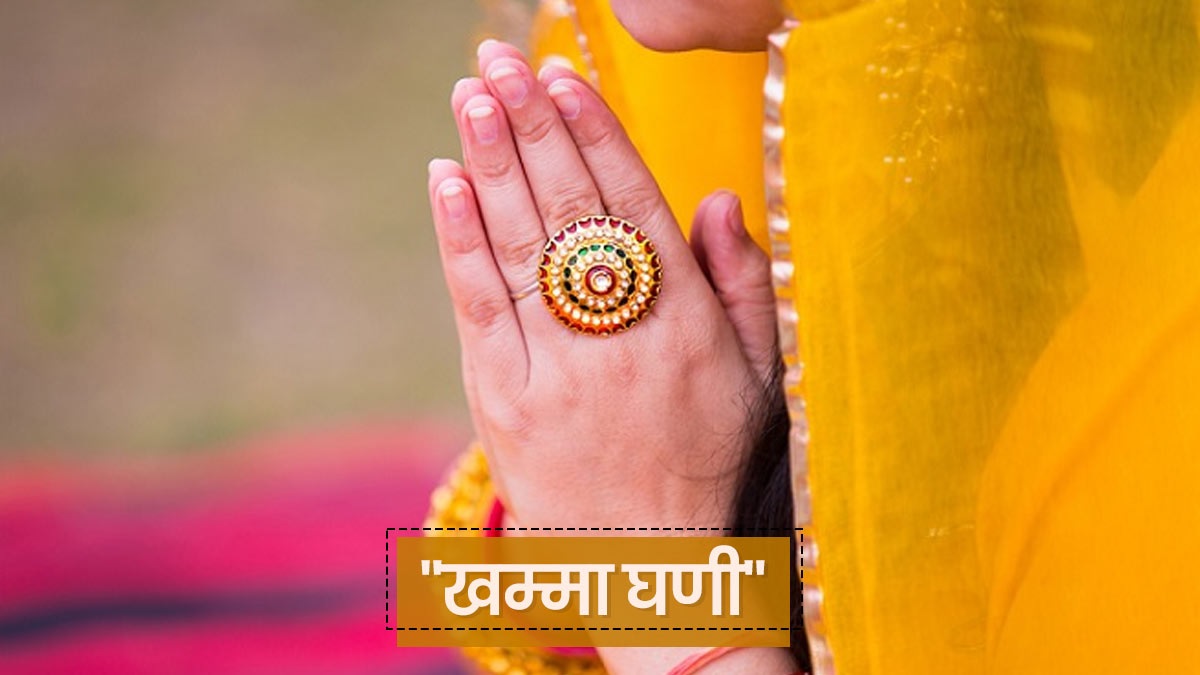
- Learning a few words like “namaste” (hello), “dhanyavaad” (thank you), or “pani” (water) can create instant rapport.
What surprises many visitors is that even without speaking a common language, communication still happens. Locals are often helpful, and with patience, hand gestures, or translation apps, travelers usually manage well.
In fact, the language barrier often leads to funny, heartwarming interactions that become part of the story.
8. The Indian Pace of Life: Slowing Down and Letting Go
Another form of culture shock in India comes not from action, but from the lack of urgency. Time in India flows differently. What’s promised for “ten minutes” might take an hour. A bus might arrive late. A shop might open on its own schedule. But behind the delays is a cultural value: things will happen when they are meant to happen.
This relaxed approach can frustrate visitors at first—especially those from fast-paced societies. But over time, it becomes a valuable lesson in letting go of control and living in the moment.
Travelers who embrace this slow rhythm often find:
- More time for unexpected conversations
- The ability to enjoy the present without rushing
- A deeper appreciation for the journey, not just the destination
India teaches that flexibility is strength, and that not everything needs to go as planned to be meaningful.
9. India’s Diversity: A Country That Feels Like a Continent
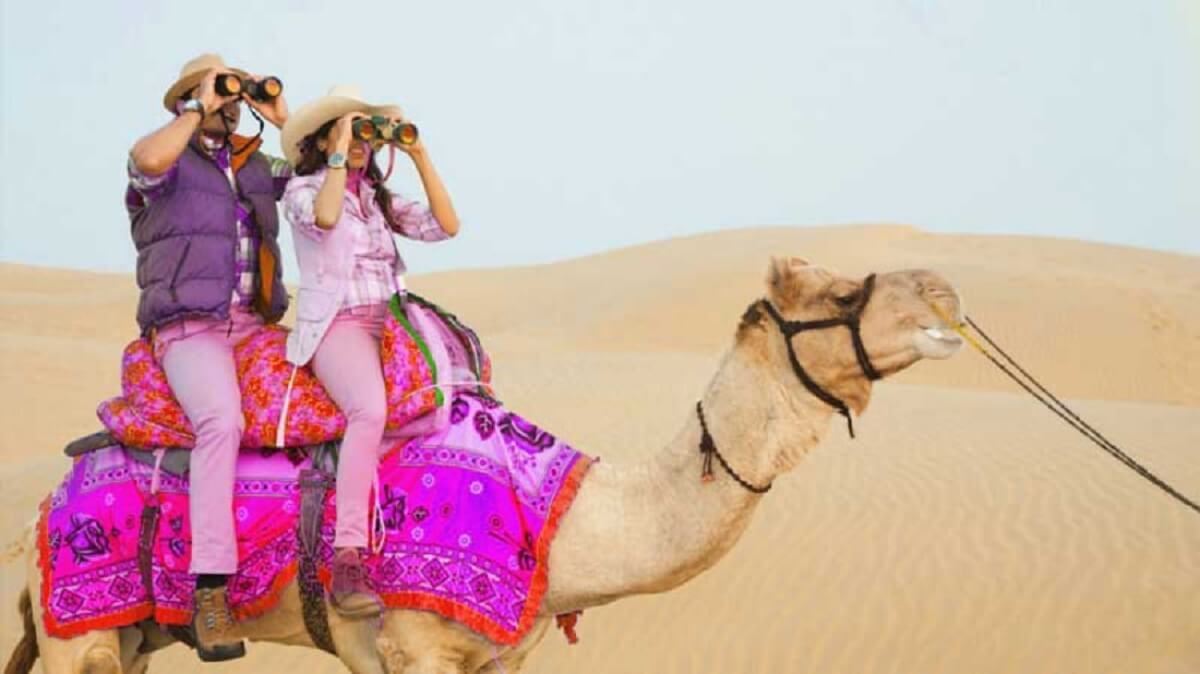
One of the most astonishing parts of visiting India is realizing how diverse it truly is. The landscapes, languages, food, clothing, music, and even beliefs can change drastically from one state to another.
Regional Highlights:
- North India offers grand palaces, deserts, and the Himalayas. Cities like Jaipur, Varanasi, and Amritsar are rich in culture and history.
- South India is known for its temple architecture, coastal towns, and classical arts. States like Kerala and Tamil Nadu have their own languages, foods, and traditions.
- Eastern India, including West Bengal and Odisha, blends spiritual practices with unique art forms.
- Western India features the vibrant colors of Rajasthan, the white salt deserts of Kutch, and the coastal energy of Goa.
- Northeast India feels like a different world entirely, with tribal cultures, lush forests, and peaceful hill towns.
What may start as confusion—“Why is this so different from where I was yesterday?”—quickly becomes wonder at how many identities exist within one country. India truly feels like a continent wrapped into a single nation.
10. Final Reflection: Why India Feels “Out of This World”
After the initial adjustment period, most visitors agree on one thing: India is not just a country—it’s an experience.
Yes, the culture shock is real. The sounds, smells, customs, and pace can feel strange. But behind that difference lies something rare: depth, beauty, and meaning in everyday life. It’s in the hospitality of strangers, the rituals at dawn, the colors of a local market, or a child smiling in the street.
Travelers often leave India changed—not just in how they see the world, but how they understand themselves. The country challenges, teaches, and embraces those who are open to its rhythm.
In the end, what seemed like shock becomes one of the greatest parts of the journey. And for many, India is not just a destination—it’s a place that stays with you long after you leave.
You Might Also Like:
- Discover Assam’s Culture: Traditions, People & Lifestyle
- Stay & Eat in Mechuka: Tribal Culture and Local Food
- Rural Rajasthan Tour: Villages, Culture & Heritage
- Hidden Villages of Himachal: Nature & Local Life
- Top Heritage Sites in Gwalior: Forts, Temples & Bazaars
- Delhi in 3 Days: Itinerary for Culture & Food Lovers
- Hyderabad Travel Guide: History, Culture & Tips
- Top Things to Do in Kalimpong: Culture, Nature & Fun
- South Indian Culture Explained: Customs & Traditions
- Rajasthani Culture Guide: Food, Festivals & Traditions
- Explore India’s Tribal Life: Culture & Travel Tips
- Slow Travel in India: A Deeper Cultural Experience