A Hidden Gem for Nature Lovers in Wayanad
Tucked away in the lush green expanse of Wayanad in northern Kerala, Begur Wildlife Sanctuary is one of the lesser-known but incredibly rich forest ecosystems in South India. This tranquil and biodiverse reserve lies close to the towns of Mananthavady and Sultan Bathery and forms part of the Nilgiri Biosphere Reserve, a UNESCO-recognized ecological hotspot.
Spread across dense tropical forests, Begur Sanctuary is home to elephants, leopards, gaurs (Indian bison), wild boars, barking deer, and an impressive array of birds and butterflies. Unlike the busier wildlife parks of Kerala like Periyar or Wayanad Wildlife Sanctuary, Begur offers a more peaceful, raw experience—ideal for travelers seeking offbeat destinations.
Whether you’re a wildlife enthusiast, birdwatcher, trekker, or eco-traveler, Begur provides the kind of quiet immersion that stays with you long after your trip ends. Here’s your complete guide to visiting this untouched sanctuary.
Location of Begur Wildlife Sanctuary
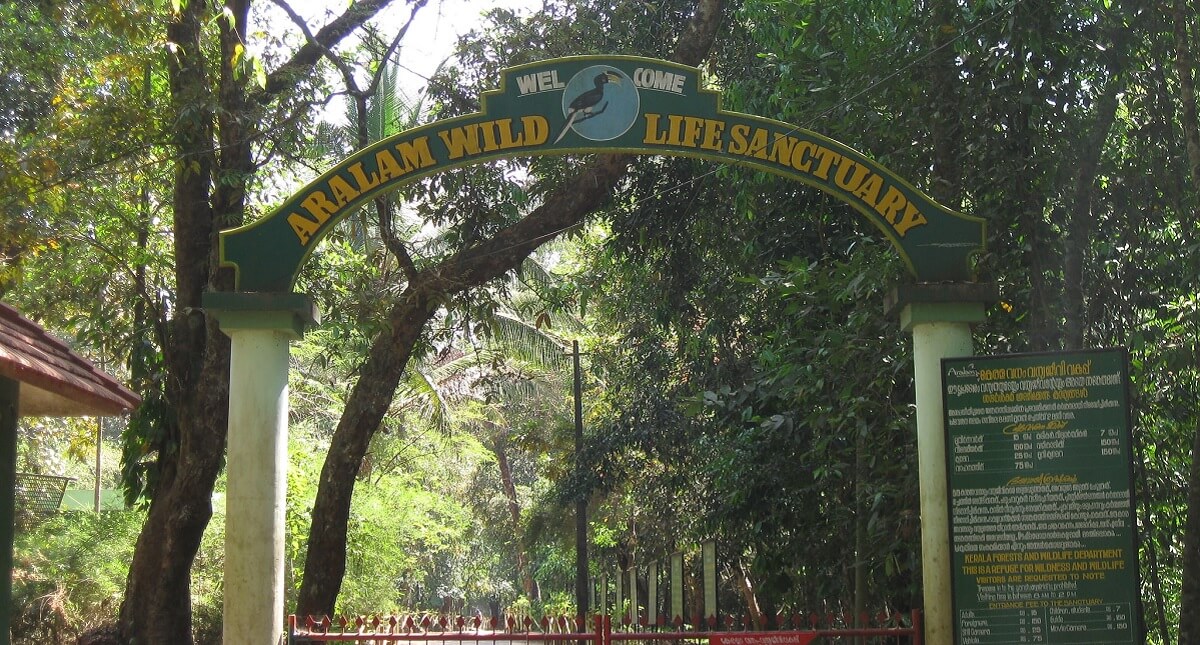
Begur Wildlife Sanctuary is located in the Wayanad district of Kerala, about 20 kilometers from Mananthavady and approximately 25 kilometers from Sulthan Bathery. It’s also not far from the Kerala-Karnataka border, making it accessible from Mysore, Ooty, and Bangalore.
Nearest Major Cities:
- Kalpetta: ~30 km
- Mananthavady: ~20 km
- Sulthan Bathery: ~25 km
- Mysore: ~115 km
- Kozhikode (Calicut): ~110 km
How to Reach:
- By Air: Nearest airport is Calicut International Airport (~110 km away). From there, you can hire a taxi or take a bus to Wayanad.
- By Train: Kozhikode Railway Station is the closest major railhead. Regular buses and cabs are available to Wayanad.
- By Road: Well-connected by road; KSRTC buses and private taxis operate daily from major towns and cities in Kerala and Karnataka.
To reach the actual entry zone or forest office near Begur, it’s advisable to hire a local guide or vehicle, as the final approach is via rural or forest roads not always accessible by public transport.
Flora and Fauna of Begur Wildlife Sanctuary
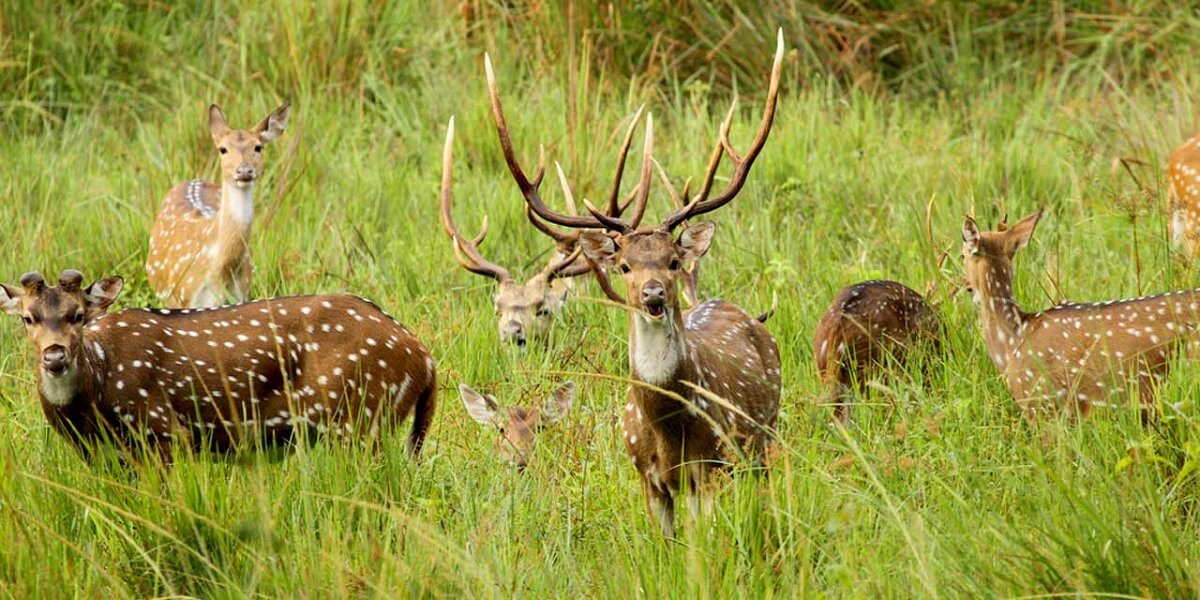
Begur is blessed with a remarkable ecosystem that thrives year-round due to the region’s high rainfall and forest density. It’s part of the Western Ghats, one of the world’s eight “hottest hotspots” of biological diversity.
Flora:
The sanctuary is primarily composed of tropical semi-evergreen and moist deciduous forests, interspersed with bamboo groves, tall teak trees, rosewood, and other indigenous flora. During monsoon and post-monsoon seasons, the entire landscape bursts into lush shades of green, making it an ideal time for photography and nature walks. Kerala in August: Top Destinations, Attractions Unforgettable Monsoon Trip
Fauna:
Begur is known for sightings of:
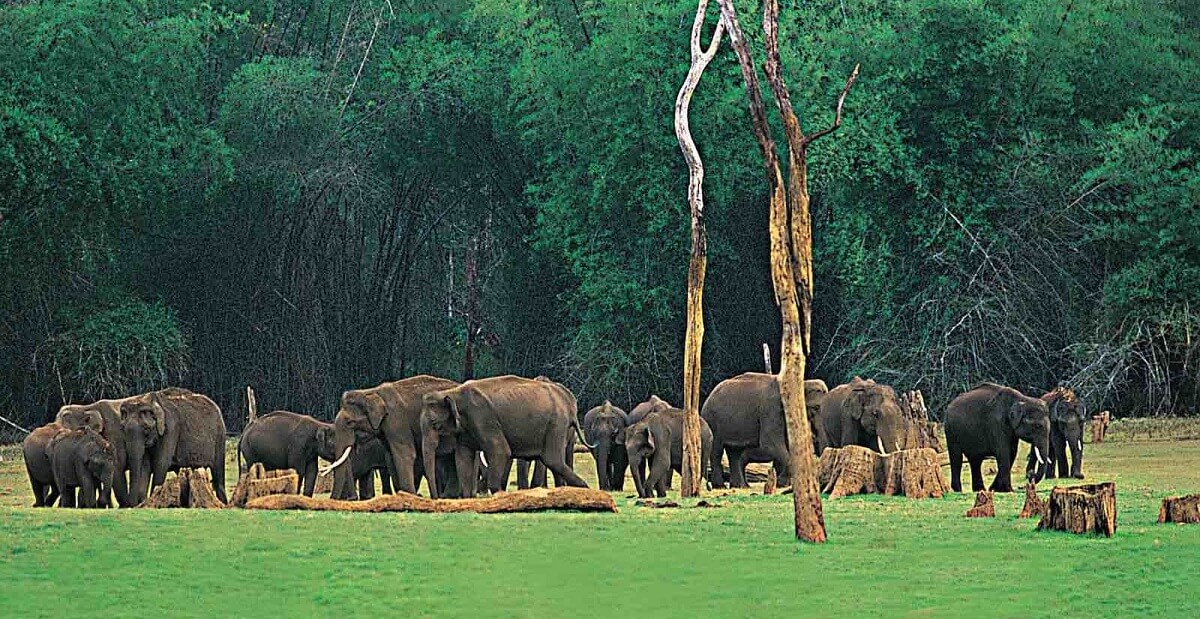
- Asian Elephants: Often seen in herds, especially around water bodies
- Gaur (Indian Bison): Majestic and alert, commonly sighted grazing in open patches
- Leopards: Elusive but present in the area; usually seen during dawn or dusk treks
- Wild Boars, Barking Deer & Sambar: Common in this sanctuary
- Reptiles: Indian cobra, vine snakes, and a range of frogs
- Butterflies & Insects: A delight for macro photographers
Birdwatching:
With over 200 bird species recorded, Begur is a paradise for birdwatchers. Look out for:
- Malabar trogon
- Great hornbill
- Crested serpent eagle
- Indian pitta
- Emerald dove
Don’t forget to bring a good pair of binoculars and a bird checklist!
Things to Do in Begur Wildlife Sanctuary

Begur Wildlife Sanctuary offers more than just animal spotting—it’s about connecting with the forest through immersive, eco-conscious activities. Here’s how to make the most of your visit:
1. Jungle Safaris & Forest Drives
While Begur doesn’t operate full-scale jeep safaris like Periyar or Bandipur, guided forest drives can be arranged through the Kerala Forest Department or local eco-tourism agencies. These are typically conducted in the early morning or late afternoon for better chances of animal sightings.
2. Nature Walks and Short Treks
There are marked trails for nature walks, allowing you to explore the sanctuary on foot with a trained guide. Walks typically last 2–3 hours and cover low to moderate elevation zones.
Popular trails pass through bamboo groves, riverbeds, and salt licks often visited by wildlife.
3. Birdwatching Tours
Best done during the early hours, these tours are perfect for ornithology lovers. The area near Panamaram River, which flows through the sanctuary, is a great birding zone.
4. Photography Expeditions
Due to the serene, crowd-free environment, photographers have the luxury of waiting quietly for wildlife moments. Macro and landscape photography are equally rewarding here.
5. Eco-Education & Local Culture
Local tribal communities and forest watchers often share insights about flora, medicinal plants, and animal behavior. Some eco-tourism initiatives offer cultural exchange programs, storytelling sessions, or visits to tribal hamlets.
Tip: Book your guide through the Forest Office in Mananthavady or Begur well in advance, especially if you’re visiting during holidays or festivals.
Best Time to Visit Begur Wildlife Sanctuary
The sanctuary is open throughout the year, but the experience varies greatly with the seasons.
July to October (Monsoon & Post-Monsoon)
- What to Expect: Lush greenery, active waterfalls, vibrant insect life, and rejuvenated forests.
- Pros: Excellent for nature walks and photography.
- Cons: Leeches, slippery trails, limited wildlife movement during heavy rain.
November to February (Winter)
- What to Expect: Pleasant temperatures (15°C–25°C), excellent visibility, peak birdwatching season.
- Pros: Best time for safaris and treks.
- Cons: Popular travel season, so pre-booking is advised.
March to June (Summer)
- What to Expect: Dry forests, higher chances of spotting large mammals near water sources.
- Pros: Wildlife sightings are common during morning and evening drives.
- Cons: Daytime heat (30°C+), dry landscape.
If you’re visiting in July, be prepared for intermittent rain showers, carry insect repellent, wear trekking shoes with grip, and pack a waterproof jacket. It’s a unique time to experience the sanctuary in full monsoon bloom.
Entry Fees & Permissions for Begur Wildlife Sanctuary
Visiting Begur Wildlife Sanctuary requires permission from the Kerala Forest Department, as it is a protected reserve area. Though it is not as commercialized as Periyar or Wayanad Wildlife Sanctuary, the process is simple if planned in advance.
Entry and Permits
- Entry Fee (Indian Citizens): ₹30–₹50 per person
- Entry Fee (Foreign Nationals): ₹150–₹200 per person
- Guide Charges: ₹200–₹400 per group (mandatory for treks and forest walks)
- Vehicle Entry (if applicable): ₹100–₹200 depending on vehicle type
- Camera Charges: ₹50–₹100
Fees are nominal and may vary slightly based on the season and activity selected (e.g., longer treks or special birdwatching trails). Always carry a valid photo ID when applying for the permit.
Where to Get Permits
- Forest Office, Mananthavady – the main administrative office where permits for Begur and adjoining zones are issued
- Begur Forest Check Post – travelers arriving locally can also register here
- Online Bookings – While Begur is still low-key, it’s advisable to contact Wayanad eco-tourism office beforehand to see if digital bookings are available
Pro Tip: Call the Forest Department one day before your visit. They’ll advise on weather, guide availability, and wildlife movement to help you plan the best time for your entry.
Where to Stay Near Begur Wildlife Sanctuary: Lodging Guide
Begur Sanctuary itself doesn’t have luxury resorts or hotels inside the core zone, but you’ll find several excellent accommodation options in nearby towns like Mananthavady, Kalpetta, and Sulthan Bathery—ranging from eco-resorts to budget-friendly homestays.
Recommended Stays:
1. Jungle Retreat Wayanad (Near Tholpetty)
- An eco-lodge nestled in forested surroundings, offering guided nature walks and wildlife viewings.
2. Kuruva Island Resort & Spa
- Ideal for families or couples seeking a mix of comfort and proximity to nature.
3. The Serenity Wayanad
- A well-rated boutique stay close to Mananthavady with nature-based activities and great local cuisine.
4. Budget Options & Homestays
- Available in Begur town, Mananthavady, and Kattikulam. These offer basic amenities with warm local hospitality and forest views.
Forest Department Accommodation:
Sometimes, basic forest rest houses or inspection bungalows can be booked via the Forest Office, but these require early inquiry and are subject to availability.
Tip: If you’re a wildlife enthusiast or birder, ask for a homestay or camp near forest buffer zones for early morning access and better wildlife spotting chances.
Travel Tips for Visiting Begur Wildlife Sanctuary
To help you make the most of your time in this serene part of Kerala, here are some practical and eco-friendly tips for visiting Begur Wildlife Sanctuary:
1. Plan Around Wildlife Activity
- Best time for animal sightings: early morning (6–9 AM) and late afternoon (4–6 PM)
- Avoid loud clothing and perfumes—they can startle animals or disrupt the habitat
2. Dress Smart
- Wear earthy or neutral-toned clothing (greens, browns, greys)
- Carry rain protection and wear waterproof trekking shoes, especially in July
3. Carry Essentials
- Water bottle (avoid plastic if possible), trail snacks, sunscreen, hat, and binoculars
- Insect repellent is a must, particularly in monsoon months
4. Respect Nature
- No littering: carry your waste out of the sanctuary
- Do not feed animals or play music inside the forest area
- Stick to trails and stay with your guide at all times
5. Book a Local Guide
- Guides are not only mandatory—they’re essential for navigating trails, identifying birds, and understanding wildlife behavior
- Your visit also supports local eco-tourism initiatives and community livelihoods
Visiting Begur Wildlife Sanctuary responsibly ensures a safe, enriching experience for you—and helps conserve this precious ecosystem for future generations.
Final Thoughts: Why Begur Wildlife Sanctuary Is a Must-Visit in Kerala
Begur Wildlife Sanctuary isn’t about big-ticket safaris or tourist-heavy attractions. It’s about quiet immersion, biodiversity in its rawest form, and the slow rhythm of the forest. In a world of over-traveled destinations, Begur offers something rare—unspoiled nature and intimate wildlife encounters.
Whether you’re a solo traveler chasing silence, a family looking for safe and educational outdoor experiences, or a photographer seeking the hidden beauty of Kerala’s forests—Begur delivers.
July, with its monsoon charm, adds an ethereal touch to the experience. Mist drapes over treetops, streams come alive, and birdsong echoes across the jungle. If you’re ready to step off the beaten path and into the soul of Kerala’s wild heart, Begur is calling.
You Might Also Like:
- Recharge at Kerala’s Best Monsoon Ayurveda Retreats – July Detox Guide
- Discover 15 Must-Visit Places Near Athirapally – Plan Your Trip Now
- Explore Top 9 Hiking Trails in Kerala – A Nature Lover’s Guide
- Thinking of Visiting Kerala in June? Read This Complete Travel Guide
- Plan a Trip to Kerala in June 2025 – Weather, Tips & Highlights
- Plan the Perfect 1-Week Kerala Itinerary – Don’t Miss This Guide
- Know Kerala Weather Better – Monthly Climate & Travel Seasons Guide
- Goa vs Kerala for Honeymoon – Choose the Right Destination for You
- First Time in Kerala? Use This Easy Step-by-Step Travel Planner
- Visit Kerala in March 2026 – Weather, Attractions & Travel Tips
- Taste Authentic Kerala Food in Kochi – 5 Must-Try Culinary Stops
- Top 10 Boat Races in Kerala You Can’t Miss in 2026 – Plan Ahead!
- Malabar River Festival Travel Guide 2025: Everything You Need to Know
- Ritual Traditional Artforms of Kerala: A Detailed Guide
- How to Reach Kerala by Sea? A Complete Guide
- Get Ready for Kerala – Find Top September Travel Tips Here!