October is one of the most exciting months to explore India because it marks a turning point in the climate. The long and heavy monsoon rains gradually retreat, giving way to clearer skies, warmer sunshine, and evenings that start to feel cooler and more comfortable. This change makes it an attractive month for travelers who want to enjoy India without the sticky humidity of the monsoon or the chilly winter that follows.
For many destinations, October is when the “tourist season” begins again. Cities and towns start preparing for festivals, hotels refresh their spaces after the rains, and locals look forward to cooler evenings. The countryside is green and lush, rivers and lakes are full, and there is a freshness in the air that makes landscapes feel alive. At the same time, there are regional contrasts: the east coast keeps a close eye on cyclone activity, some southern states still get post-monsoon showers, and the Himalayas start to see colder nights as winter approaches.
Quick Climate Snapshot for India in October
To give you a clear idea of what to expect, here are the main climate points:
- Temperatures: In most of India, daytime highs range between 30–35 °C (86–95 °F). Nights are cooler, especially inland and at higher altitudes, dropping to 15–25 °C (59–77 °F). Coastal cities remain warmer.
- Rainfall: Monsoon rainfall decreases sharply, but showers still occur in South India, parts of the Northeast, and the Bay of Bengal coast.
- Humidity: Interior regions feel more comfortable as the air dries out, while the coasts of Kerala, Tamil Nadu, and West Bengal can remain sticky.
- Sea Conditions: The Arabian Sea and Bay of Bengal remain warm, averaging 28–30 °C, which makes swimming possible, though early October can still see rough surf after storms.
- Cyclone Risk: October is part of the post-monsoon cyclone season, especially for Odisha, West Bengal, and Andhra Pradesh along the east coast.
- Air Quality: In northern cities such as Delhi, air quality tends to worsen by the end of the month as cooler nights trap pollutants and nearby crop burning begins.
Pros & Cons of Traveling to India in October
Advantages:
- The weather is significantly better than in the peak monsoon months.
- Landscapes are lush, rivers are full, and waterfalls are at their best.
- It’s festival season, with Navratri, Durga Puja, Dussehra, and sometimes Diwali.
- Coastal states like Goa and Kerala begin their beach season.
- Mosquito numbers decline compared to the wet season.
Disadvantages:
- Residual rain can disrupt travel in southern and eastern states.
- Cyclone alerts are possible along the Bay of Bengal.
- Air pollution in northern India worsens toward the end of October.
- Popular tourist areas see rising hotel prices as the season begins.
- Some trekking routes are still muddy or blocked in the early part of the month.
Regional Weather India in October: Where to Go
India is a vast country, and October does not bring the same conditions everywhere. Each region has its own seasonal rhythm, so it’s worth looking at the country area by area.
North India (Delhi, Agra, Jaipur, Varanasi)
October is one of the best times to explore the classic cultural heart of India.
Delhi: The capital city shifts into comfortable weather. Daytime highs hover around 32–34 °C (90–93 °F), while nights cool to 18–20 °C (64–68 °F). Skies are mostly clear, with very little rainfall. The mornings are pleasant, perfect for sightseeing at monuments like Humayun’s Tomb or India Gate, while evenings invite strolls in lively markets.
Agra: The home of the Taj Mahal is warm but manageable. Days reach about 34–35 °C (93–95 °F), while evenings are cooler, around 19–21 °C (66–70 °F). Humidity is moderate, making visits to the Taj Mahal at sunrise or sunset especially enjoyable.
Jaipur: The “Pink City” is dry, with daytime highs near 33–34 °C (91–93 °F). Nights are cooler, dropping to around 19 °C (66 °F). The dry desert air makes the weather feel more comfortable than the thermometer suggests. It’s an excellent time for outdoor forts, palaces, and bazaars.
Varanasi: This spiritual city by the Ganges remains warmer and slightly more humid than Delhi or Jaipur. Highs are around 33–34 °C (91–93 °F), with lows near 20–22 °C (68–72 °F). Early in October, showers can still occur, but by mid-month skies are clearer. Sunrise boat rides on the Ganges are especially memorable in this season.
Travel advice for North India in October:
Carry light cotton clothing for daytime and a thin sweater or scarf for cooler mornings and evenings. Walking tours and outdoor sightseeing are comfortable, but remember that air quality may dip in the last two weeks of the month, so check local conditions.
West India (Rajasthan, Mumbai, Gujarat)
The west of India includes desert regions, coastal megacities, and cultural heritage zones. October is when these destinations begin to welcome more visitors.
- Rajasthan: Perhaps the highlight of October travel. In Jaipur, Jodhpur, Udaipur, and Jaisalmer, the weather is warm but not oppressive. Daytime highs are 33–35 °C (91–95 °F), and nights drop to 18–22 °C (64–72 °F). Rain is almost absent, and the desert skies are clear. The season for camel safaris in Jaisalmer and outdoor light shows in Udaipur begins.
- Mumbai: On the Arabian Sea, Mumbai is still humid in October. Highs are 32–33 °C (90–92 °F), with lows of 24–25 °C (75–77 °F). Early in the month, occasional showers continue, but they taper off as the monsoon fully retreats. Sea temperatures stay around 28–29 °C (82–84 °F), making beaches pleasant though not always pristine just yet.
- Gujarat: Coastal towns such as Dwarka and Somnath see breezy, pleasant conditions, with highs around 32 °C (90 °F). Inland cities such as Ahmedabad are still hot during the day, at about 34 °C (93 °F), but evenings are cooler and drier. October also marks the beginning of wildlife season in Gir National Park, home of the Asiatic lion.
Travel advice for West India in October:
Rajasthan is at its best for cultural travel and desert experiences. Mumbai is lively, but you may want light rain gear for the first half of the month. Gujarat combines cultural, coastal, and wildlife attractions, making October a great time to combine different experiences. Step Onto Adventure – Explore Vizag’s Glass Skywalk at Kailasagiri!
South India (Kerala, Karnataka, Tamil Nadu)

South India in October is a region of contrasts because the southwest monsoon begins to fade, while in some areas the northeast monsoon starts to show.
Kerala:
The state is still receiving showers in early October, especially along the Malabar Coast and in the Western Ghats. Kochi and Alleppey see high humidity, with daytime highs of 31–32 °C (88–90 °F) and nights around 24–25 °C (75–77 °F). Munnar and other hill stations are cooler, with highs of 24–26 °C (75–79 °F) and nights dropping to 14–16 °C (57–61 °F). As the month progresses, beaches in Varkala and Kovalam become more appealing as the rains reduce.
Karnataka:
Coastal Karnataka (Mangalore, Gokarna) is similar to Kerala, with lingering humidity and scattered showers. Inland areas such as Bengaluru and Mysuru are drier and more comfortable. Bengaluru averages 29–30 °C (84–86 °F) in the daytime, dropping to a refreshing 17–18 °C (63–65 °F) at night. This makes it an excellent base for cultural travel and food tours.
Tamil Nadu:
Tamil Nadu follows a different rhythm because its northeast monsoon typically begins in late October or November. In Chennai, daytime highs hover around 33–34 °C (91–93 °F), with sticky nights at 25–26 °C (77–79 °F). Coastal towns like Mahabalipuram may see rain showers toward the end of the month, but the countryside feels alive and green.
Travel advice for South India in October:
Carry breathable clothing, but always pack a rain jacket. Beaches in Kerala and Karnataka start to open up for the season, while Tamil Nadu temples and cultural sites are best explored early in the day before the heat builds.
East India (Kolkata, Odisha, Bay of Bengal Coast)
East India has dramatic weather in October because of its exposure to the Bay of Bengal.
Kolkata:
The city remains warm and humid, with daytime highs of 32–33 °C (90–92 °F) and nights around 25–26 °C (77–79 °F). October is festival month here, with Durga Puja transforming the city into a cultural spectacle. Rainfall can still be significant (100–150 mm in the month), especially if low-pressure systems form over the Bay of Bengal.
Odisha Coast:
Puri and Bhubaneswar share similar weather: hot, humid, and prone to sudden heavy showers. The risk of cyclones is highest in October, so travelers need to keep an eye on advisories. Temperatures average 30–32 °C (86–90 °F) during the day and 24–25 °C (75–77 °F) at night.
Travel advice for East India in October:
Plan cultural travel, especially to Kolkata, but remain flexible with schedules on the coast. Festival crowds can be intense, and hotel rates soar during Durga Puja.
Northeast India (Sikkim, Meghalaya, Assam)
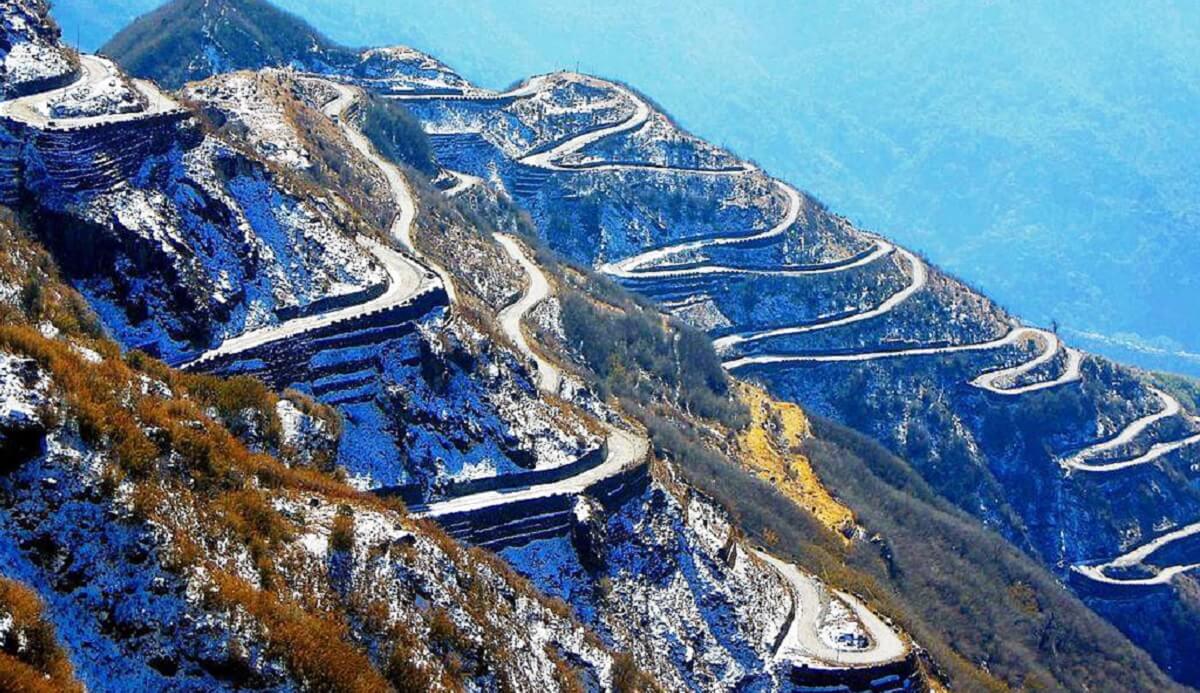
The Northeast India is still influenced by post-monsoon rains, but October brings improved conditions compared to August and September.
Sikkim and Darjeeling:
By mid-October, rains taper off, leaving fresh, green landscapes. Darjeeling averages 19–20 °C (66–68 °F) by day and 10–12 °C (50–54 °F) at night. Gangtok is slightly warmer but remains moist, with lingering showers. This is a good month for scenic views of Kanchenjunga when the skies clear.
Meghalaya:
Cherrapunji and Shillong still see showers in early October, but waterfalls are spectacular thanks to full rivers. Daytime highs average 20–24 °C (68–75 °F), with cooler nights around 12–15 °C (54–59 °F).
Assam:
The Brahmaputra Valley is humid and warm, with highs near 30 °C (86 °F). Wildlife reserves such as Kaziranga often reopen this month, though heavy rains can delay the exact timing.
Travel advice for Northeast India in October:
Expect stunning scenery, full waterfalls, and festivals. Carry rain gear for the first half of the month, and warm clothing for evenings in higher-altitude towns.
The Himalayas (Himachal, Uttarakhand, Ladakh)
The Himalayas in October are crisp, clear, and increasingly cool.
- Lower Himalayas (Shimla, Dharamshala, Mussoorie):
October brings some of the best conditions. Daytime highs average 18–25 °C (64–77 °F), while nights drop to 8–12 °C (46–54 °F). Trekking trails are open, and skies are often bright and clear. - High Himalayas (Manali, Leh, Ladakh):
Conditions here are much colder. Manali sees daytime highs of 20–22 °C (68–72 °F), dropping to 8–10 °C (46–50 °F) at night. In Ladakh, days are sunny but nights are freezing, often below 0 °C (32 °F). By late October, snow begins to close high passes such as Rohtang and Khardung La.
Travel advice for the Himalayas in October:
Carry layers—thermal wear, fleece, and a warm jacket are essential. Trekking conditions are good at mid-altitude, but high-altitude treks require preparation for snow and cold nights.
Don’t Miss Mandu’s Unique Palaces – Learn What Sets Them Apart
City-by-City Weather Table (October Averages)
Here’s a practical table with average conditions across India in October:
| City | Avg High (°C/°F) | Avg Low (°C/°F) | Rainfall (mm) | Rainy Days | Humidity (%) | UV Index | Sea Temp |
|---|---|---|---|---|---|---|---|
| Delhi | 32–34 / 90–93 | 18–20 / 64–68 | 20–40 | 2–4 | 50–60 | 7–9 | — |
| Agra | 34–35 / 93–95 | 19–21 / 66–70 | 20 | 2 | 55 | 8–9 | — |
| Jaipur | 33–34 / 91–93 | 19–20 / 66–68 | 10–20 | 1–3 | 50–60 | 8–9 | — |
| Varanasi | 33–34 / 91–93 | 20–22 / 68–72 | 50–70 | 3–5 | 60 | 8 | — |
| Mumbai | 32–33 / 90–92 | 24–25 / 75–77 | 50–80 | 3–6 | 75–80 | 8 | 28–29 |
| Goa | 32–33 / 90–92 | 25–26 / 77–79 | 70–150 | 5–8 | 75–80 | 8 | 29–30 |
| Kochi | 31–32 / 88–90 | 24–25 / 75–77 | 100–200 | 6–10 | 80–85 | 8 | 28–30 |
| Munnar | 24–26 / 75–79 | 14–16 / 57–61 | 150–250 | 10+ | 80–90 | 6–7 | — |
| Bengaluru | 29–30 / 84–86 | 17–18 / 63–65 | 40–60 | 4–6 | 60–70 | 7–8 | — |
| Chennai | 33–34 / 91–93 | 25–26 / 77–79 | 80–150 | 6–9 | 80 | 8 | 29–30 |
| Kolkata | 32–33 / 90–92 | 25–26 / 77–79 | 100–150 | 7–10 | 80–85 | 8 | 29–30 |
| Darjeeling | 19–20 / 66–68 | 10–12 / 50–54 | 150–200 | 10+ | 80–90 | 5–6 | — |
| Shimla | 22–24 / 72–75 | 10–12 / 50–54 | 80–120 | 7–10 | 70–80 | 6 | — |
| Manali | 20–22 / 68–72 | 8–10 / 46–50 | 100–150 | 8–12 | 75–85 | 5–6 | — |
Perfect. Let’s complete the blog with Part 3, which will cover Beaches & Islands, Trekking, Festivals, Packing Tips, Health & Safety, Prices, Itineraries, FAQs, and the Final Take. This will round out the guide at a comprehensive, traveler-ready level.
Beaches & Islands in October (Goa, Kerala Coast, Andaman)

October marks the start of the beach season along India’s west coast.
Goa:
The monsoon finally ends, and by mid-October, beach shacks begin reopening. The sea is warm, around 29–30 °C (84–86 °F), and swimming is generally safe, though early in the month the surf can be rough. The beaches are lush and green from the rains, creating a fresh backdrop for sunbathing, yoga, and nightlife.
Kerala Coast:
Beaches like Kovalam and Varkala improve steadily through October. Rainfall is still possible in the first half of the month, and the Arabian Sea can be choppy. By late October, conditions stabilize and water clarity improves for swimming.
Andaman Islands:
This is one of the best months to visit. The islands remain warm, with highs around 30–31 °C (86–88 °F) and occasional showers. The sea is calm, snorkeling and diving visibility improves, and crowds are still lower compared to peak winter season.
Tip: Always check lifeguard flags before swimming, especially in the early weeks of October when sea swells can still be strong.
Trekking & Hill Stations in India in October

October is considered a “shoulder season” for trekking—excellent at mid-altitudes, but tricky at very high elevations.
- Best regions: Himachal Pradesh (Shimla, Kullu, Dharamshala), Uttarakhand (Nainital, Rishikesh, Kedarnath valley), and Sikkim (Dzongri, Goecha La treks).
- Weather: Trails are drier than during monsoon, skies clearer, and waterfalls strong. Daytime highs in hill towns are around 18–25 °C (64–77 °F), dropping to single digits at night.
- Risks: Higher passes may receive early snow, and cold nights make camping uncomfortable without proper gear. In the Northeast, landslides remain possible in wet patches.
Tip: Carry proper trekking boots, a waterproof jacket, warm layers, and sun protection. October’s sunlight at altitude is intense, even if the air feels cool.
Festivals in October 2025

October is one of the most colorful and festive months to experience India. The cooler weather and clear skies coincide with some of the country’s most celebrated events, making it a culturally rich time to travel.
Navratri & Durga Puja (22 September – 1 October 2025)
The nine-day Navratri festival begins in late September and runs into early October. It celebrates the goddess Durga and is marked by dance, fasting, and devotion. Durga Puja, especially grand in Kolkata, concludes on 2 October 2025 with elaborate pandals, artistic displays, and cultural performances.
Dussehra / Vijayadashami (2 October 2025)
Celebrated nationwide, Dussehra symbolizes the triumph of good over evil, marking Lord Rama’s victory over Ravana. Cities such as Mysuru, Delhi, and Varanasi host grand processions, Ramlila plays, and spectacular fireworks.
Karwa Chauth (10 October 2025)
This is a North Indian festival where married women observe a fast for the health and longevity of their husbands. The day adds a special cultural layer for visitors, especially in Punjab, Delhi, and Uttar Pradesh.
Diwali / Deepavali (20 October 2025)
Known as the Festival of Lights, Diwali is one of India’s most important celebrations. Streets, homes, and temples glow with diyas (oil lamps), fireworks light up the skies, and markets overflow with sweets and gifts. In 2025, Diwali falls in October, making it a perfect time for visitors to immerse themselves in the festive atmosphere.
Travel Tip
Because these festivals attract huge crowds, hotel rooms and flights book up weeks in advance. Prices rise significantly, and transport networks are busier than usual. If you plan to travel during October, reserve accommodation early and be prepared for bustling city centers.
What to Pack for India in October
Packing depends on where in India you’re headed.
General Packing Checklist:
- Light cotton or linen clothing for hot afternoons
- A light sweater or shawl for cooler evenings in the north and hills
- Packable rain jacket for coastal regions and the east
- Comfortable walking shoes and sandals
- Swimwear for Goa, Kerala, Andaman
- Sunglasses, hat, and sunscreen for strong UV
- Insect repellent and mosquito protection
- Reusable water bottle with purification tablets/filters
- Conservative clothing for temples and festivals
Region-specific:
- North India: A dust mask or scarf can help with late-October air quality.
- South & East India: Quick-dry clothes and waterproof bags for electronics.
- Himalayas: Warm jackets, thermals, gloves, and trekking boots.
Health, Safety & Practical Tips
- Heat & hydration: Carry water and oral rehydration salts, especially if sightseeing outdoors.
- Air quality: In Delhi and nearby states, pollution worsens by late October. Sensitive travelers should carry N95 masks.
- Cyclone alerts: Travelers to Odisha, Andhra Pradesh, and West Bengal should monitor weather bulletins. October storms can disrupt flights and trains.
- Food safety: With humidity lingering in some regions, stick to freshly cooked meals.
- Travel insurance: A must for covering delays, cancellations, or medical needs.
Crowd Levels, Prices & Booking Tips
October is the beginning of India’s tourist season, so expect changes compared to summer or monsoon months:
- Crowds: Popular destinations like Jaipur, Agra, Goa, and Kerala start to fill up, especially during festivals.
- Prices: Airfare and hotels are cheaper in early October but rise quickly toward Diwali.
- Availability: Book trains and hotels at least a few weeks in advance if you plan to travel during Durga Puja or Diwali.
- Best value: Hill stations and off-beat locations may still offer discounts before peak winter demand arrives.
Where to Go in India in October (Sample Itineraries)
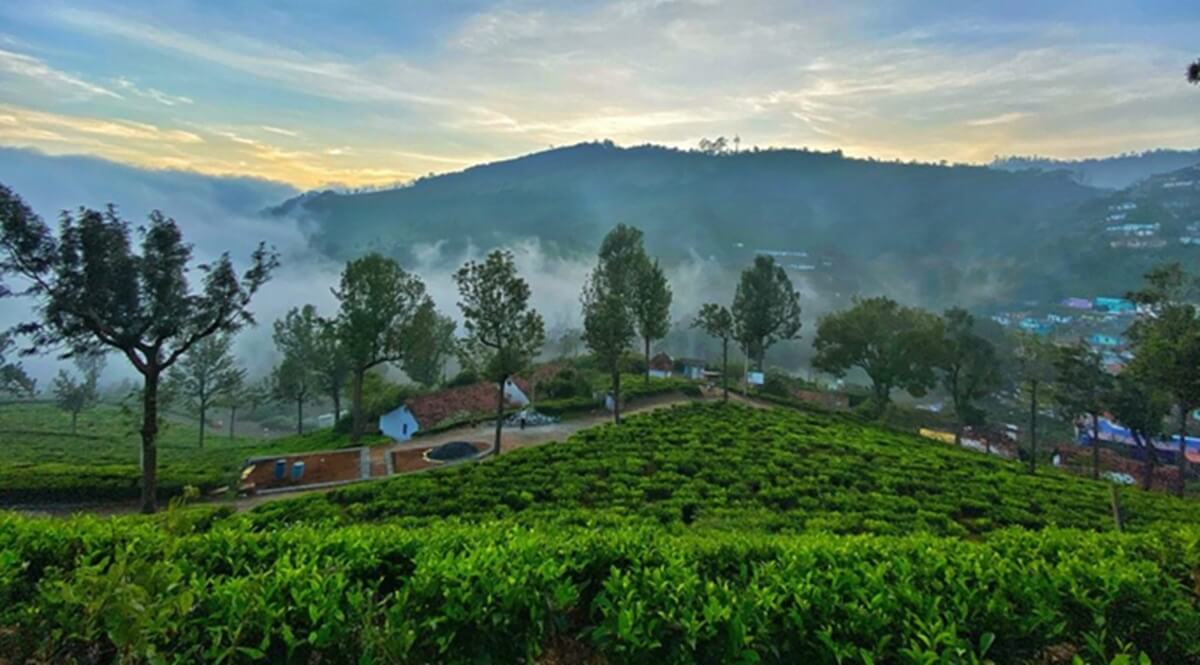
Here are three sample routes that work well in October:
1. Golden Triangle & Rajasthan (8–10 days)
Delhi → Agra → Jaipur → Jodhpur/Udaipur → return to Delhi
- Dry weather, perfect for forts, palaces, and desert safaris.
2. Kerala Backwaters & Hills (6–8 days)
Kochi → Alleppey houseboat → Munnar → Thekkady → Kovalam beach
- Lush greenery, cooler hills, backwaters still full from the rains.
3. Himalayan Foothills & Spiritual Towns (7–9 days)
Delhi → Haridwar → Rishikesh → Mussoorie or Nainital → optional Himachal extension
- Pleasant hill weather, yoga and spiritual experiences, trekking options.
FAQs: India Weather in October
1. Is October a good month to visit India?
Yes, it’s one of the best. The monsoon has ended in most places, and festivals make travel lively.
2. Which part of India has the best weather in October?
Rajasthan, Delhi, Agra, and the lower Himalayas have dry, sunny days and cool evenings.
3. Is the monsoon over in October?
Mostly, yes. But the northeast monsoon begins in Tamil Nadu, and the Bay of Bengal coast can still see heavy rain.
4. Does Delhi/Mumbai/Goa/Jaipur have rain in October?
- Delhi/Jaipur: Almost none.
- Mumbai/Goa: A few showers early in the month.
5. What should I wear in October?
Light breathable clothes, with a sweater for evenings in the north and hills. Rain gear for the south and east.
6. Is it safe to swim at beaches in October?
Yes, especially on the west coast from mid-October onwards. Always follow local lifeguard advice.
7. Is October good for trekking?
Yes at mid-altitudes in Himachal, Uttarakhand, and Sikkim. High passes may see early snow.
8. Are there cyclones in October?
Yes, especially in the Bay of Bengal. Odisha, West Bengal, and Andhra Pradesh are most at risk.
9. How’s the air quality in October?
Clear in early October, but worsening in northern cities by month’s end due to smoke and dust.
10. Are prices high in October?
Early October is affordable. Prices rise closer to Diwali and the start of peak season in November.
Final Take
October is one of the most rewarding times to travel in India. The heat of summer and the chaos of the monsoon are behind you, while the cooler, more comfortable months of winter are just beginning. From the clear desert skies of Rajasthan to the lush backwaters of Kerala and the festive streets of Kolkata, the country is alive with energy and color.
If you plan carefully—watching for cyclone alerts on the east coast, carrying warm clothes for the hills, and booking early for festivals—you’ll enjoy some of the year’s best conditions. For many travelers, October offers the perfect balance of pleasant weather, vibrant culture, and affordable prices.
- Plan Your Fast: Karwa Chauth 2025 Date & Significance
- Discover Why Diwali Date Changes & Check 2025 Celebration Day
- Escape the Crowds: Top Peaceful Places to Visit in October 2025
- Explore Nature: Best Hill Stations to Visit in India This October
- Ride the Scenic Valley Queen Train – Rajasthan’s Hidden Gem
- Travel Smart: Golden Triangle Solo Trip Safety Tips & Guide
- Walk the Heights: India’s Longest Glass Skywalk in Vizag
- Experience Heaven: Complete Kashmir Travel Guide for September
- Learn the Difference Between Diwali & Dussehra Festivals
- Celebrate Brightly: Best Destinations for Diwali in India
- Join the Festivities: Complete Durga Puja Celebration Guide
- Ready for Goa This October? Use Our Comprehensive Guide!
- Beach Lovers, Plan Ahead – Best Time to Visit Goa Guide Inside!
- Goa in October Unveiled – Don’t Miss These Highlights!