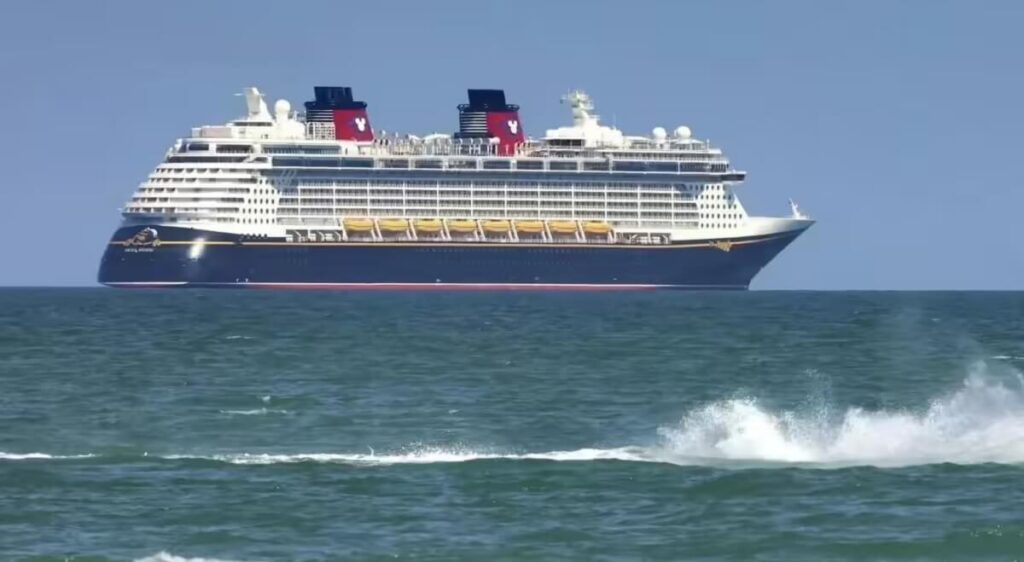
In a significant step towards transforming the cruise tourism landscape of the Indo-Pacific, India has joined hands with the Association of Southeast Asian Nations (ASEAN) to create integrated cruise tourism circuits across the Bay of Bengal and Indian Ocean regions. The initiative, announced by Union Minister of Ports, Shipping, and Waterways Sarbananda Sonowal, marks a strategic effort to enhance regional maritime cooperation, build infrastructure, and promote sustainable tourism.
Held aboard the MV Empress (Cordelia Cruises) at Chennai Port, the inaugural ASEAN–India Cruise Dialogue brought together representatives from all 10 ASEAN nations, along with Timor Leste, to lay the foundation for collaborative development of the cruise tourism industry.
The First ASEAN–India Cruise Dialogue: A Milestone Event
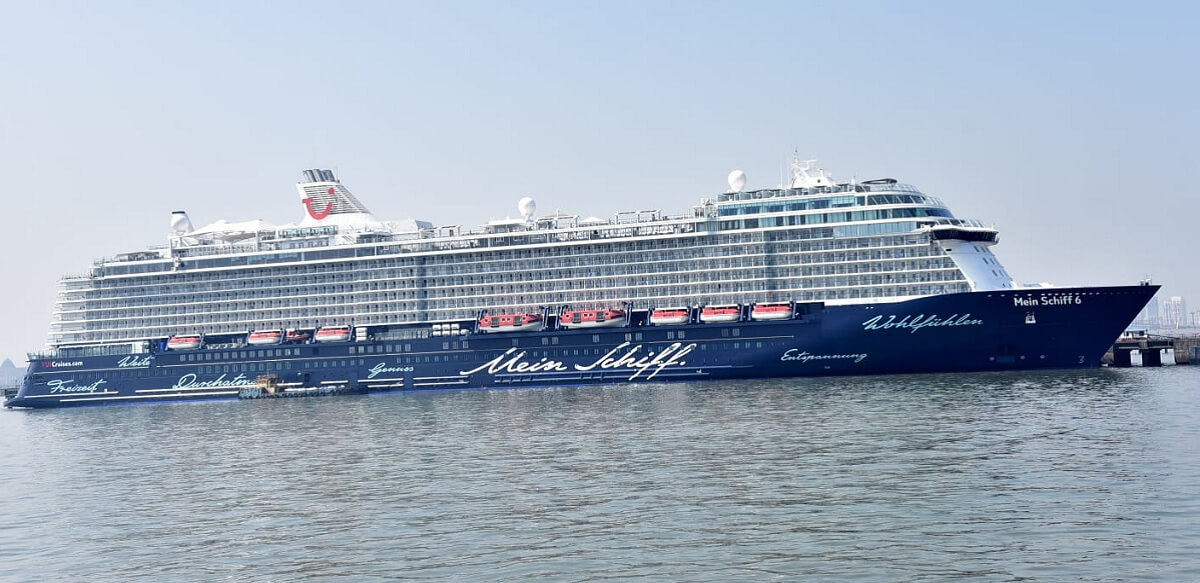
The first-ever ASEAN–India Cruise Dialogue was hosted by India on board a luxury cruise liner, setting a fitting backdrop for the announcement of a unified maritime tourism vision. Attended by more than 30 delegates from ASEAN member nations—Brunei, Cambodia, Indonesia, Lao PDR, Malaysia, Myanmar, the Philippines, Singapore, Thailand, and Vietnam, as well as Timor Leste—the dialogue served as a high-level platform for structured collaboration.
The agenda focused on:
- Enhancing maritime tourism across the Bay of Bengal and Indian Ocean
- Improving cruise infrastructure, including port terminals and connectivity
- Aligning regulatory frameworks across countries
- Identifying and developing cruise tourism circuits
- Promoting sustainable and culturally immersive tourism experiences
A Vision for Integrated Cruise Tourism in the Indo-Pacific
According to Minister Sonowal, the collaboration envisions a comprehensive and integrated cruise network that links Indian ports with key ASEAN destinations. The goal is to establish seamless maritime corridors that combine tourism with cultural exchange, commercial trade, and regional connectivity.
Key Components of the Cruise Tourism Strategy:
- Integrated Cruise Circuits: Curated itineraries that connect India’s eastern ports—such as Chennai, Visakhapatnam, Paradip, and Kolkata—with ASEAN ports in Singapore, Indonesia, Malaysia, Thailand, and Vietnam.
- Real-Time Tracking & Smart Infrastructure: A regional network supported by smart port terminals, real-time vessel tracking systems, and modern cruise facilities for efficient passenger movement and security.
- Development of Navigable Waterways: India plans to professionalize 5,000 km of navigable waterways, which will enhance inland cruise connectivity and allow integration with coastal cruise routes to ASEAN.
- Regulatory Alignment and Port Infrastructure: Collaborative efforts to harmonize regulations, streamline customs and immigration, and upgrade infrastructure to meet international cruise standards.
The ASEAN–India Cruise Tourism Corridor: A Strategic Initiative
One of the most significant proposals at the dialogue is the ASEAN–India Cruise Tourism Corridor. This corridor aims to:
- Serve as a hub for cruise connectivity and regional mobility
- Link cultural heritage sites, UNESCO locations, and coastal towns
- Encourage investment in cruise tourism through public-private partnerships
- Promote cross-border tourism in sync with environmental and economic sustainability
This corridor will not only be a tourism asset but also a strategic initiative aligned with India’s maritime vision, including the Sagarmala project, which seeks to modernize ports and boost coastal economic zones.
Why the Bay of Bengal and Indian Ocean Matter
The Bay of Bengal and Indian Ocean form a natural bridge between South Asia and Southeast Asia. The region is rich in:
- Shared cultural history (Buddhist, Hindu, colonial legacies)
- Marine biodiversity and natural beauty
- Historical maritime trade routes
- A growing interest in cruise tourism among middle-class travelers in India and ASEAN countries
By tapping into these strengths, the ASEAN–India partnership seeks to turn this region into a premier cruise destination, capable of competing with established Western cruise routes in the Caribbean and Mediterranean.
Opportunities for Economic Growth and Local Development
This initiative is expected to create direct and indirect employment opportunities in both India and ASEAN countries. It will boost:
- Local hospitality and tourism sectors
- Handicraft and artisanal markets
- Food and beverage industries
- Cultural exchange programs and heritage tourism
Cruise tourists tend to spend more per capita than traditional travelers, which can significantly uplift coastal economies, especially in emerging tourism hubs across the region.
Environmental and Sustainable Tourism Focus
The dialogue also emphasized the importance of sustainable development. Cruise tourism will be developed in accordance with:
- Marine environment protection guidelines
- Zero-discharge zones in ecologically sensitive areas
- Sustainable tourism certifications for cruise operators and ports
- Community-inclusive development models that benefit locals
This approach ensures that cruise tourism growth remains aligned with climate goals and marine biodiversity conservation efforts.
India’s Role as a Maritime Leader
India’s hosting of the ASEAN–India Cruise Dialogue reaffirms its growing role as a leader in maritime cooperation in the Indo-Pacific. It builds on other regional initiatives, including:
- India–ASEAN Maritime Exercises
- The Indo-Pacific Oceans Initiative (IPOI)
- Collaborations under the Act East Policy
- The Sagarmala and Bharatmala infrastructure programs
This cruise tourism project ties in not only with India’s economic interests but also its cultural diplomacy, people-to-people connectivity, and strategic vision for regional integration.
What’s Next?
Following the dialogue, working groups are expected to be formed to:
- Map potential cruise circuits
- Recommend port infrastructure investments
- Develop joint marketing strategies for ASEAN–India cruise packages
- Coordinate on visas, customs, and maritime security
Pilot cruises linking India and select ASEAN ports may begin in the coming year, pending feasibility studies and infrastructure readiness.
Conclusion: Sailing into a Shared Future
The launch of the ASEAN–India Cruise Dialogue marks the beginning of a promising new era in regional tourism and maritime connectivity. By integrating infrastructure, sustainability, and shared heritage, India and ASEAN are working toward a future where cruise travel becomes a powerful tool for economic growth, cultural exchange, and mutual understanding in the Indo-Pacific region.
With the Bay of Bengal and Indian Ocean as the backdrop, this collaboration is more than a tourism project — it’s a vision of regional partnership, inclusivity, and innovation set to redefine how people experience South and Southeast Asia.
You Might Also Like:
- 5 Cruise Trips In India For A Luxurious Holiday Onboard
- Cruise Party in Goa: Ultimate Guide to Nightlife,
- How to Reach Kerala by Sea? A Complete Guide
- Southeast Asia Weather in June 2025
- Budget-Friendly Places to Visit in July Outside India
- Budget-Friendly International Destinations to Visit in August Under ₹50,000