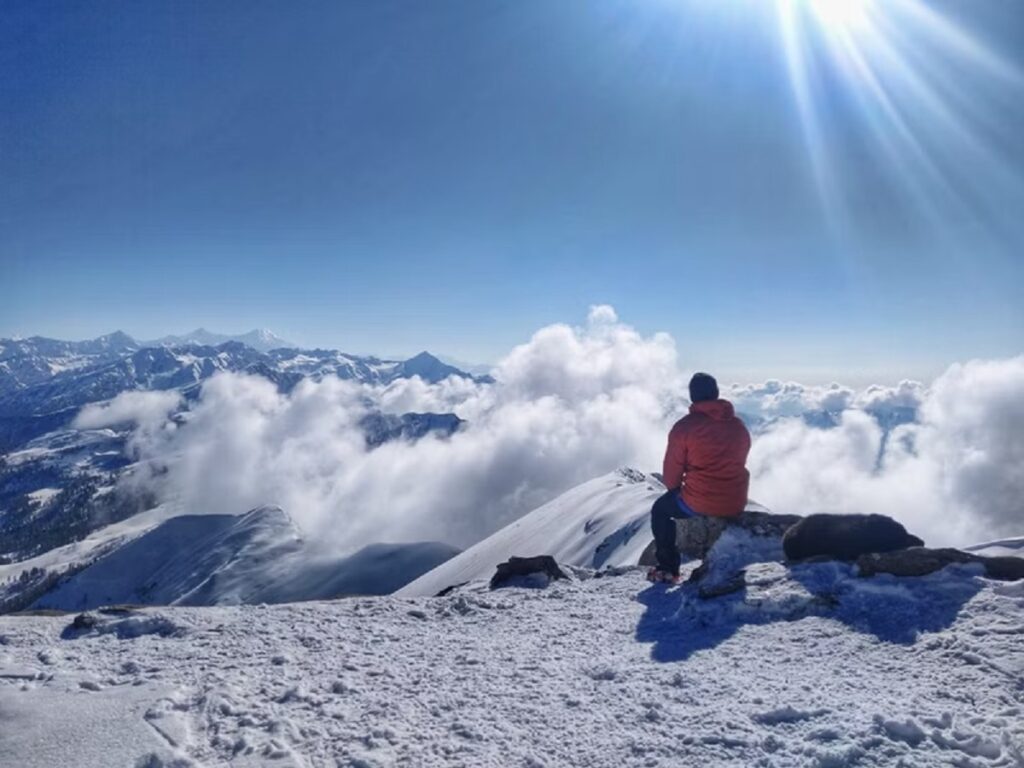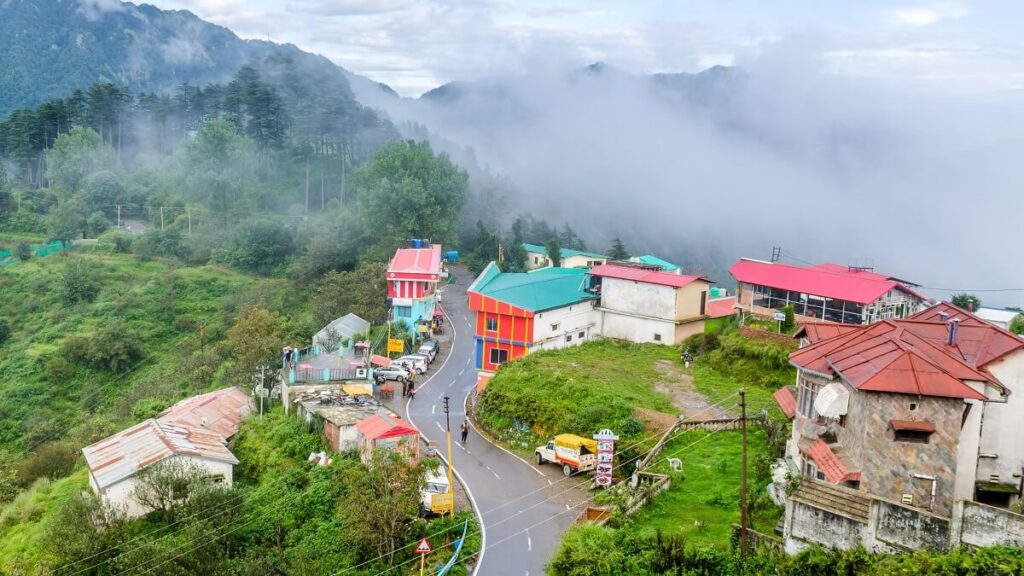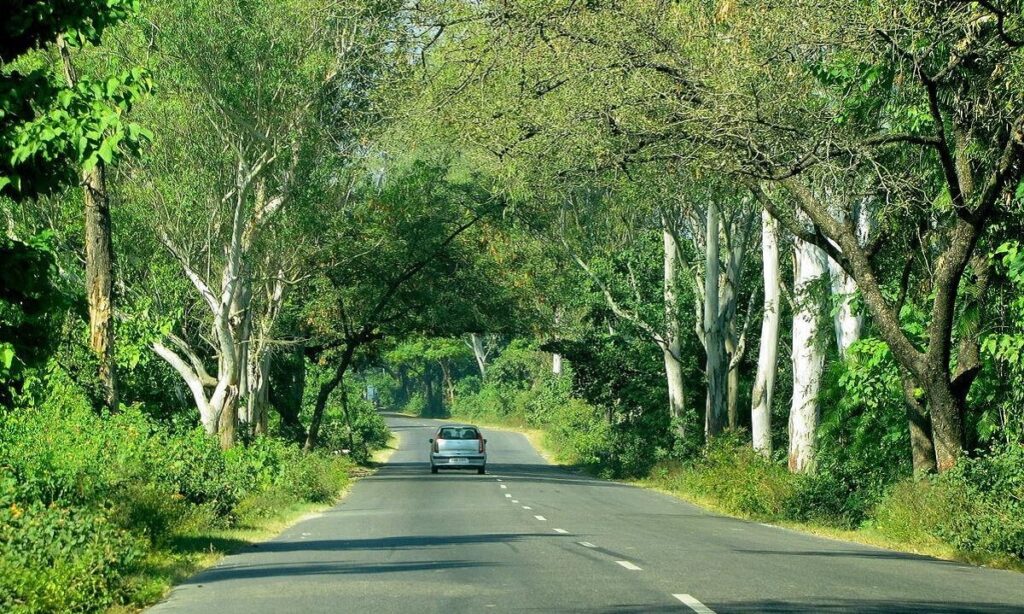
Planning a road trip from Delhi to Mussoorie in July? You’re in for an incredible journey through diverse landscapes, from bustling cityscapes to serene mountain valleys. This comprehensive guide covers everything you need to know about traveling from India’s capital to the “Queen of the Hills” during the peak monsoon season.
Why Choose July for Your Delhi to Mussoorie Road Trip?
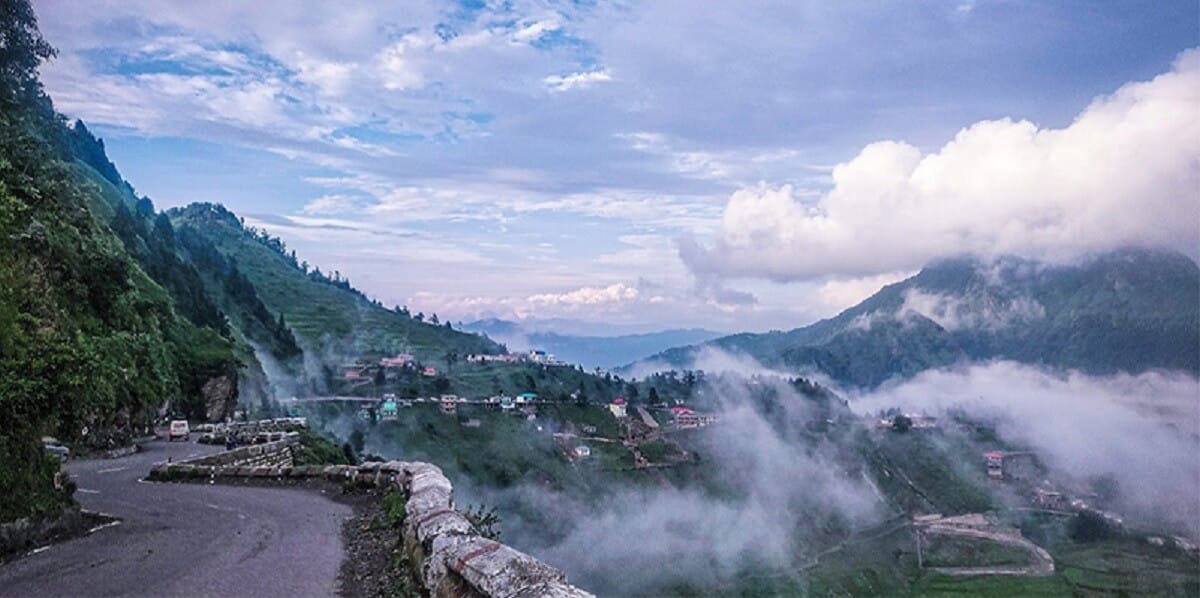
July marks the heart of monsoon season in North India, transforming the entire route into a lush green paradise. The journey from Delhi to Mussoorie becomes particularly enchanting as rain-washed landscapes reveal their pristine beauty. Despite occasional showers, July offers cooler temperatures and breathtaking scenery that makes every mile worthwhile.
The monsoon season brings unique advantages for road trippers. Dust settles, air becomes crisp, and the Himalayan foothills emerge with crystal clarity. However, July also presents specific challenges including slippery roads, occasional landslides, and reduced visibility. Proper planning ensures you experience the magic while staying safe.
Route Overview: Delhi to Mussoorie Distance and Options
The distance from Delhi to Mussoorie spans approximately 290 kilometers, typically taking 6-8 hours depending on your chosen route and stops. Two primary routes connect these destinations: the traditional NH334 via Roorkee and the scenic route through Rishikesh. Each offers distinct advantages for July travelers.
The Roorkee route provides better road conditions during monsoon season, with well-maintained highways and fewer steep climbs. Meanwhile, the Rishikesh route offers spiritual experiences and stunning river views but requires extra caution due to winding mountain roads. Choose based on your comfort level with monsoon driving conditions. Plan a Quick 3-Day Escape to Mussoorie
Pre-Trip Preparation for July Travel
Vehicle maintenance becomes crucial before embarking on your Delhi to Mussoorie road trip in July. Check tire treads for optimal grip on wet roads, ensure windshield wipers function perfectly, and verify that headlights work properly for reduced visibility conditions. Pack emergency supplies including first-aid kit, flashlight, and basic tools.
Weather-appropriate clothing makes your journey comfortable. Pack light rain jackets, quick-dry clothing, and waterproof footwear. Don’t forget essential medications, power banks, and offline maps as network connectivity may be intermittent in mountainous regions. Book accommodations in advance as July marks peak tourist season. Planning a Trip to Mussoorie? Online Tourist Check
Best Time to Start Your Journey
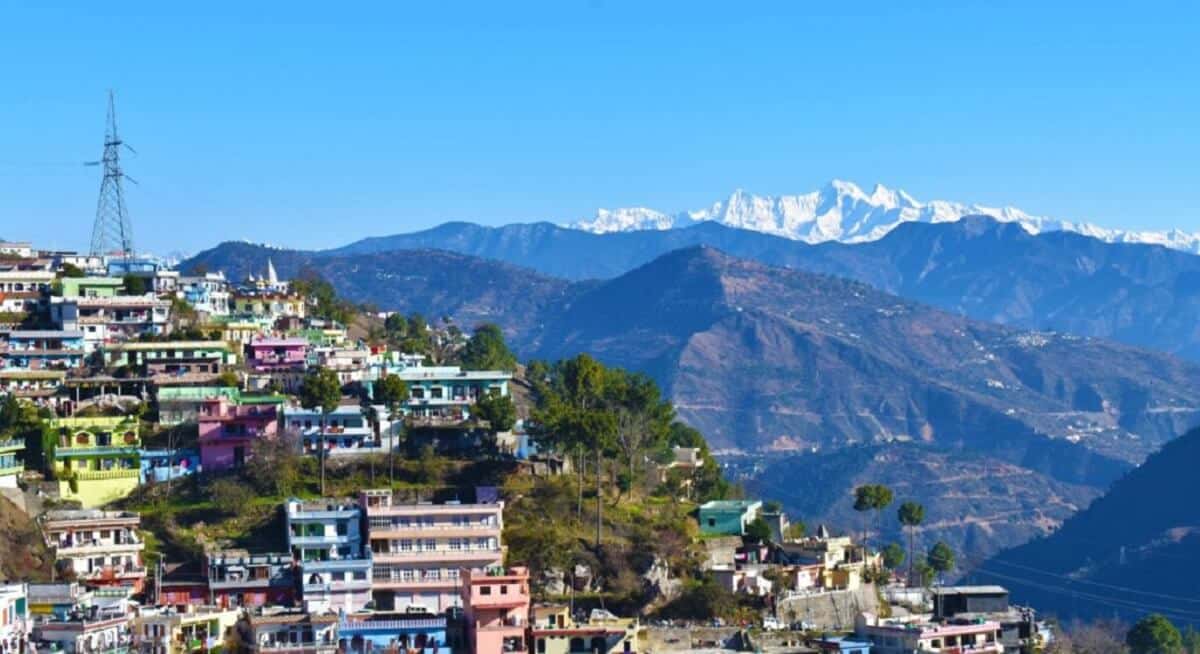
Begin your Delhi to Mussoorie road trip early morning, preferably between 5-6 AM. Early departure helps you avoid Delhi’s notorious traffic congestion and ensures maximum daylight hours for mountain driving. July’s unpredictable weather makes daylight travel significantly safer than night driving on winding hill roads.
Morning starts also allow you to reach Mussoorie before evening, giving ample time to settle into your accommodation and explore. Additionally, early travelers often witness stunning sunrise views over the Himalayas, creating perfect photo opportunities. Plan your departure considering potential delays due to monsoon-related road conditions.
Essential Items to Pack for July Weather
Monsoon season demands specific packing strategies for your Delhi to Mussoorie adventure. Waterproof bags protect electronics and important documents from unexpected downpours. Pack extra plastic bags for wet clothes and shoes. Include anti-skid mats for your vehicle and a sturdy umbrella for outdoor explorations.
Medical supplies become especially important during monsoon travel. Pack motion sickness tablets, anti-diarrheal medication, and basic wound care supplies. Don’t forget insect repellent as July’s humidity increases mosquito activity. Carry sufficient cash as ATMs may be limited in remote areas along your route. Book Your 4-Day Mussoorie & Dhanaulti Tour Now
Route 1: Delhi to Mussoorie via Roorkee (Recommended for July)
The Roorkee route offers the most reliable path from Delhi to Mussoorie during July’s challenging weather conditions. Start by taking NH9 from Delhi towards Ghaziabad, then continue on NH334 through Meerut and Muzaffarnagar. This well-maintained highway minimizes monsoon-related travel disruptions while providing excellent road conditions.
After reaching Roorkee, the journey becomes more scenic as you approach the Himalayan foothills. The route passes through Haridwar, offering opportunities for spiritual stops and local cuisine. From Haridwar, take the Dehradun-Mussoorie road, which climbs steadily through dense forests and charming hill stations.
Route 2: Delhi to Mussoorie via Rishikesh (Scenic but Challenging)
Adventure enthusiasts may prefer the Delhi to Mussoorie route through Rishikesh, despite July’s additional challenges. This path follows NH334 to Haridwar, then continues to Rishikesh via well-marked roads. The spiritual capital offers incredible experiences but requires careful monsoon navigation due to increased traffic and weather sensitivity.
From Rishikesh, the mountain road to Mussoorie winds through spectacular landscapes but demands experienced driving skills. July’s wet conditions make this route particularly challenging with steep gradients and hairpin bends. Only attempt this route if you’re confident handling monsoon mountain driving conditions. Experience Magical Monsoon Train Rides in India
Must-Visit Stops Along the Way
Meerut: Historical Significance and Local Flavors
Meerut serves as an excellent first stop on your Delhi to Mussoorie journey, located approximately 70 kilometers from Delhi. This historical city offers rich Mughal heritage, bustling markets, and authentic North Indian cuisine. Stop at local dhabas for fresh parathas and traditional breakfast items before continuing your mountain adventure.
The city’s sports goods manufacturing industry makes it an interesting cultural stop. Visit local markets for quality sporting equipment at reasonable prices. Meerut’s historical significance in India’s independence struggle adds educational value to your road trip experience. Don’t Miss This Epic July Drive from Delhi to Nainital – Read the Guide!
Muzaffarnagar: Agricultural Heart of Uttar Pradesh
Muzaffarnagar represents rural India’s agricultural prosperity, making it a fascinating cultural stop during your Delhi to Mussoorie road trip. The city’s sugarcane fields create picturesque landscapes, especially beautiful during July’s monsoon season when everything appears vibrantly green and fresh.
Local restaurants serve authentic regional cuisine featuring fresh seasonal produce. Try local specialties including jaggery-based sweets and traditional curry preparations. The city’s friendly atmosphere provides perfect opportunities to interact with locals and understand rural Indian culture better. Things to Do in Mussoorie in August
Roorkee: Engineering Marvel and Spiritual Center
Roorkee combines educational heritage with natural beauty, making it an ideal stopover point. Home to India’s first engineering college, the city showcases impressive colonial architecture alongside modern developments. The Ganges Canal headworks represent remarkable 19th-century engineering achievements worth exploring during your journey.
July’s monsoon season enhances Roorkee’s appeal with lush surroundings and cool weather. Visit local temples for spiritual experiences and enjoy traditional North Indian cuisine at established restaurants. The city provides excellent facilities for travelers including fuel stations, medical facilities, and accommodation options.
Haridwar: Gateway to the Himalayas
Haridwar stands as one of India’s holiest cities and a mandatory stop on your Delhi to Mussoorie road trip. The sacred Ganges River flows through the city, creating spiritual energy that captivates visitors. July’s monsoon season adds dramatic intensity to the river’s flow, making Ganga Aarti ceremonies even more spectacular.
Explore ancient temples, participate in religious ceremonies, and sample authentic vegetarian cuisine. Haridwar’s strategic location makes it an excellent base for exploring nearby attractions. The city’s spiritual atmosphere provides peaceful respite from road trip fatigue while preparing you for mountain adventures ahead. Plan a Weekend Getaway from Delhi This Monsoon
Food Stops and Local Cuisine Experiences
Dhaba Culture Along the Highway
Highway dhabas form an integral part of any Delhi to Mussoorie road trip experience. These roadside restaurants serve authentic North Indian cuisine prepared with local ingredients and traditional cooking methods. July’s cool weather makes hot, spicy dhaba food particularly appealing and comforting for travelers.
Popular dhaba dishes include butter chicken, dal makhani, fresh rotis, and seasonal vegetable preparations. Most establishments maintain high hygiene standards and offer quick service perfect for road trippers. Look for crowded dhabas as they typically indicate fresh food preparation and local approval.
Street Food Adventures in Transit Cities
Each city along your Delhi to Mussoorie route offers unique street food experiences. Meerut’s famous sweets, Muzaffarnagar’s fresh sugarcane juice, and Haridwar’s religious prasad provide diverse culinary adventures. July’s monsoon season brings special seasonal preparations including hot pakoras, corn preparations, and warming beverages.
Exercise caution with street food during monsoon season, choosing vendors with high turnover and proper hygiene practices. Stick to fried and cooked items while avoiding raw preparations. Local recommendations from hotel staff or fellow travelers often lead to the best authentic experiences. Lansdowne in August: A Quiet Monsoon Escape in the Hills
Accommodation Options: Where to Stay
Budget-Friendly Stays Along the Route
Budget travelers will find numerous affordable accommodation options throughout the Delhi to Mussoorie route. Highway motels, budget hotels, and guesthouses provide clean, comfortable rooms at reasonable prices. July’s peak season may require advance booking, especially in popular stopover cities like Haridwar and Roorkee.
Many budget accommodations offer basic amenities including hot water, room service, and parking facilities. Some provide complimentary breakfast and local sightseeing information. Research online reviews and book through reliable platforms to ensure quality and safety standards during your monsoon journey.
Mid-Range Hotels for Comfortable Stays
Mid-range hotels along the Delhi to Mussoorie route offer enhanced comfort and services perfect for family travelers. These establishments typically feature air-conditioned rooms, attached bathrooms, room service, and sometimes swimming pools or spa facilities. July bookings should be made well in advance due to high demand.
Popular mid-range chains maintain consistent quality standards across locations. Many offer package deals including meals and local sightseeing tours. Choose hotels with good reviews for monsoon season preparedness, including backup power supplies and weather-appropriate amenities. Travel Smart: India Itineraries Under ₹20,000
Luxury Resorts for Premium Experiences
Luxury travelers can enjoy premium accommodations at various points along the Delhi to Mussoorie route. High-end resorts near Haridwar and Rishikesh offer spa treatments, gourmet dining, and comprehensive recreational facilities. These properties provide perfect opportunities to relax and rejuvenate during your road trip.
Luxury accommodations often feature special monsoon packages including indoor activities, wellness treatments, and cultural programs. Many provide helicopter transfers to Mussoorie for guests seeking ultimate convenience. Book these premium options well in advance as they fill quickly during July’s peak season.
Weather Considerations and Monsoon Driving Tips
Understanding July Weather Patterns
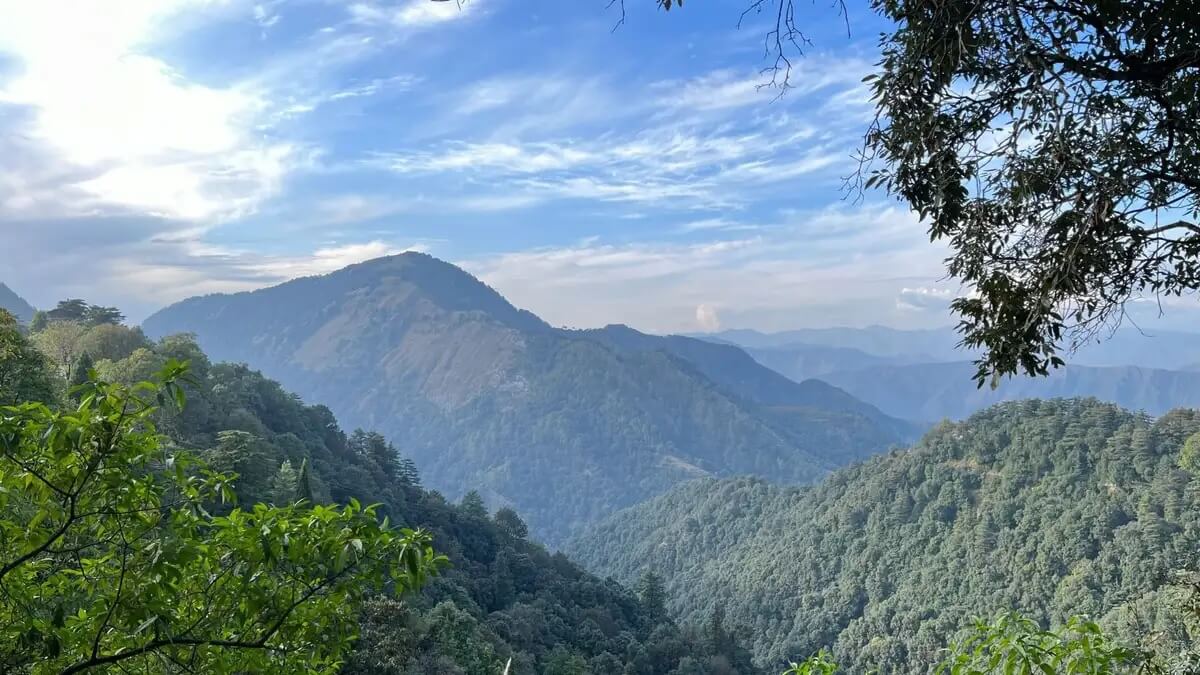
July weather along the Delhi to Mussoorie route varies significantly from plains to mountains. Delhi experiences hot, humid conditions with occasional heavy downpours, while mountain areas enjoy cooler temperatures but increased rainfall intensity. Understanding these patterns helps plan appropriate clothing and driving strategies.
Mountain weather changes rapidly during monsoon season. Clear morning skies can transform into heavy afternoon showers within hours. Monitor weather forecasts regularly and remain flexible with your travel schedule. Pack layers to accommodate temperature variations as you gain altitude toward Mussoorie.
Safe Driving Techniques for Wet Roads
Monsoon driving requires specific techniques to ensure safety on your Delhi to Mussoorie journey. Reduce speed significantly on wet roads, increase following distances, and avoid sudden braking or acceleration. Use headlights during rain and fog to improve visibility for yourself and other drivers.
Mountain roads demand extra caution during July’s wet conditions. Navigate hairpin bends slowly, honk before blind curves, and yield to uphill traffic. Keep windows slightly open to prevent fogging and carry spare wiper blades. Never attempt to cross flooded roads or drive through standing water.
Vehicle Maintenance and Safety Checks
Pre-Departure Vehicle Inspection
Thorough vehicle inspection prevents monsoon-related breakdowns during your Delhi to Mussoorie road trip. Check tire pressure and tread depth for optimal wet road performance. Inspect brake pads, brake fluid levels, and ensure proper brake response. Test all lights, indicators, and hazard systems for monsoon visibility requirements.
Engine maintenance becomes crucial for mountain driving in July’s challenging conditions. Check coolant levels, oil quality, and battery condition. Ensure windshield washer fluid is full and wipers function perfectly. Pack basic tools, spare tire, and emergency equipment for potential roadside situations.
Emergency Preparedness on Mountain Roads
Mountain emergencies require specific preparation during monsoon season. Carry emergency contact numbers for local authorities, medical facilities, and vehicle assistance services. Pack first-aid supplies, emergency food, water, and warm clothing for unexpected delays due to weather conditions.
Install GPS tracking and share your route with family members for safety monitoring. Carry adequate cash as card payments may not work in remote areas. Keep important documents in waterproof containers and maintain charged communication devices throughout your journey.
Photography Opportunities and Scenic Spots
Capturing Monsoon Landscapes
July’s monsoon season creates spectacular photography opportunities along the Delhi to Mussoorie route. Rain-washed landscapes reveal vibrant colors and dramatic cloud formations perfect for landscape photography. Early morning and late afternoon light provide optimal conditions for capturing the region’s natural beauty.
Protect camera equipment from moisture using waterproof covers and silica gel packets. Capture flowing waterfalls, mist-covered mountains, and lush green valleys that characterize monsoon season. Include local people and cultural elements to add human interest to your travel photography collection.
Instagram-Worthy Locations
Social media enthusiasts will discover numerous photogenic locations throughout the Delhi to Mussoorie journey. Haridwar’s Ganga Aarti ceremonies, mountain viewpoints, and traditional dhaba settings provide diverse content opportunities. July’s dramatic weather conditions add natural filters and atmospheric effects to photographs.
Plan photo stops during optimal lighting conditions and respect local customs when photographing religious sites. Use hashtags like #DelhiToMussoorie, #MonsoonRoadTrip, and #HimalayasBound to connect with fellow travelers and share your unique journey experiences.
Cost Breakdown and Budget Planning
Fuel Costs and Vehicle Expenses
Calculate fuel costs based on your vehicle’s mileage and current petrol prices. The 290-kilometer Delhi to Mussoorie distance typically requires 25-30 liters of fuel for average cars. Factor in additional costs for mountain driving, which often increases fuel consumption due to steep gradients and frequent gear changes.
Include toll charges, parking fees, and potential vehicle maintenance costs in your budget. July’s challenging conditions may require additional expenses for emergency repairs or professional assistance. Budget 20% extra for unexpected vehicle-related costs during monsoon season travel.
Accommodation and Food Budget
Accommodation costs vary significantly based on your chosen comfort level and booking timing. Budget travelers can expect ₹1,500-3,000 per night for decent stays, while luxury options may cost ₹8,000-15,000 or more. July’s peak season inflates prices, making advance booking essential for budget management.
Food expenses depend on your dining preferences and frequency of restaurant visits. Highway dhabas offer meals for ₹200-400 per person, while hotel restaurants charge ₹800-1,500 for similar meals. Budget ₹1,000-2,000 per person per day for comfortable dining throughout your journey.
Local Culture and Interactions
Connecting with Local Communities
Road trips provide excellent opportunities to interact with diverse local communities along the Delhi to Mussoorie route. Each region offers unique cultural perspectives, from urban Delhi to rural agricultural areas and finally mountain communities. July’s slower pace due to weather allows more meaningful cultural exchanges.
Respect local customs and traditions, especially in religious cities like Haridwar. Learn basic Hindi phrases to facilitate better communication with locals. Many people along the route speak English, but showing effort to communicate in local languages enhances your cultural experience significantly.
Understanding Regional Differences
Notice how culture evolves as you travel from Delhi’s metropolitan environment toward Mussoorie’s mountain communities. Agricultural regions showcase traditional rural lifestyles, while hill stations blend modern tourism with local traditions. July’s monsoon season reveals authentic local life as communities adapt to seasonal challenges.
Observe architectural changes, food variations, and lifestyle differences throughout your journey. These observations enrich your travel experience and provide deeper understanding of India’s incredible diversity. Document these cultural insights through photography and journaling for lasting memories.
Return Journey Planning
Alternative Routes for Variety
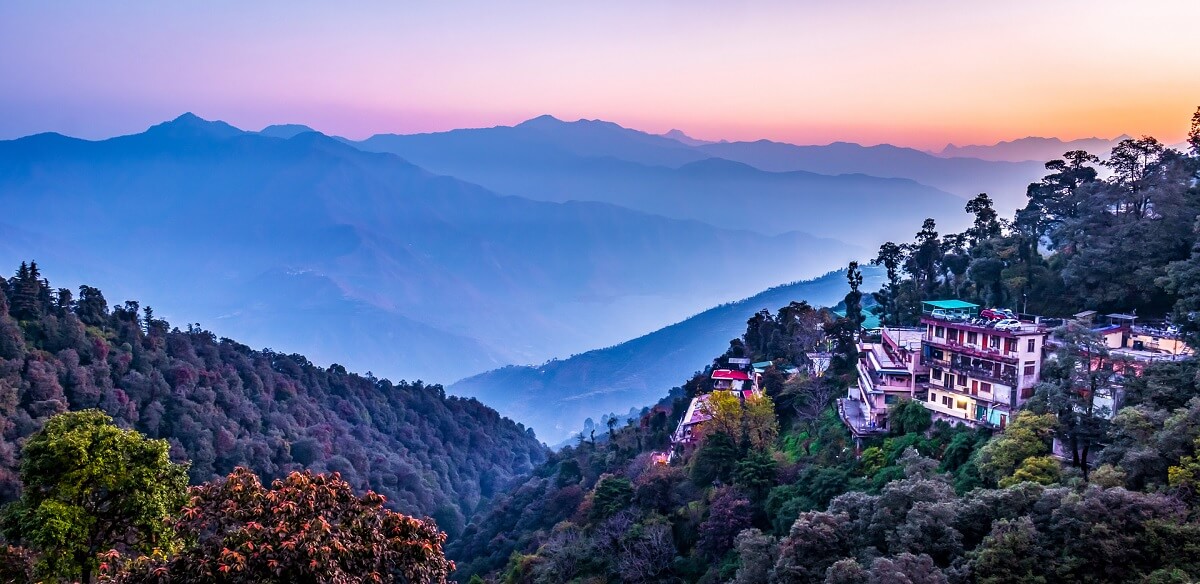
Consider taking different routes for your return journey to Delhi, adding variety to your road trip experience. If you took the Roorkee route initially, return via Rishikesh for diverse landscapes and experiences. This strategy maximizes your exploration of the region while maintaining safety during monsoon conditions.
Plan return timing carefully, avoiding peak traffic hours in Delhi. Late evening arrivals help skip the capital’s notorious traffic congestion. Factor in potential weather delays and maintain flexible schedules for comfortable return travel during July’s unpredictable conditions. Delhi to Nainital in July: Road Trip Tips, Stops, and Stays
Lessons Learned and Future Planning
Document your Delhi to Mussoorie road trip experiences for future reference and sharing with fellow travelers. Note successful strategies, preferred stops, and areas for improvement. July’s unique monsoon challenges provide valuable lessons for planning future mountain road trips during different seasons.
Create a comprehensive trip report including costs, routes, accommodations, and weather conditions. This information helps plan future adventures and assists other travelers considering similar journeys. Share your experiences through travel blogs, social media, or travel communities to inspire others.
Conclusion: Making the Most of Your July Adventure
Your Delhi to Mussoorie road trip in July promises unforgettable experiences combining natural beauty, cultural diversity, and personal adventure. Monsoon season’s challenges become opportunities for unique memories and stunning photography. Proper planning, safety awareness, and flexible attitudes ensure successful journeys regardless of weather conditions.
Remember that the journey matters as much as the destination. Embrace unexpected discoveries, connect with local communities, and savor diverse culinary experiences along the route. July’s monsoon magic transforms ordinary landscapes into extraordinary experiences, making your road trip truly special and memorable for years to come.
You Might Also Like:
- Plan a Romantic Monsoon Escape to Mussoorie
- Follow This Scenic Summer Road Trip: Haridwar to Mussoorie
- Explore Mussoorie in May: Travel Tips & Things to Do
- Compare and Choose: Mussoorie vs Lansdowne
- Pick Your Perfect Summer: Nainital or Mussoorie?
- Visit Mussoorie in March: Top Attractions & Weather Guide