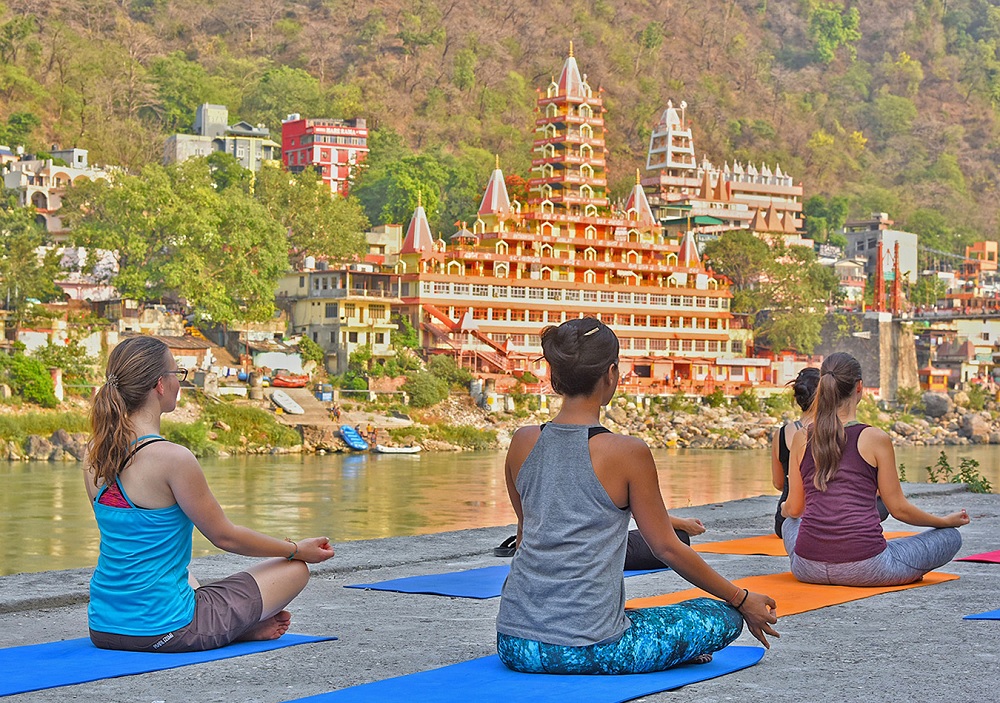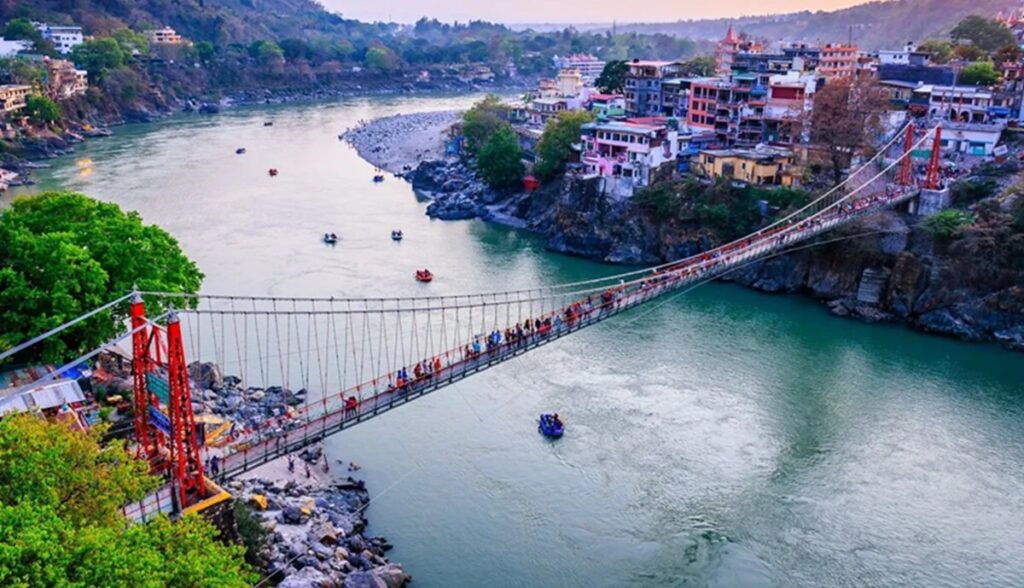
Rishikesh is not just another tourist town—it’s a place where the Himalayas meet the holy Ganga. People come here for yoga, spirituality, river rafting, hiking, or simply to breathe mountain air. But your experience depends heavily on when you visit.
- Come during peak season (Oct–Mar), and you’ll enjoy pleasant weather but also face higher hotel prices and big crowds.
- Arrive in the monsoon (Jul–Sep), and you’ll see lush hills and swollen rivers—but rafting shuts down and landslides can disrupt plans.
- Visit in summer (Apr–Jun), and while the plains scorch, Rishikesh offers moderate relief, though it’s busier with families and students.
This guide will help you decide the best month for YOUR kind of trip.
Season-by-Season Overview of Rishikesh

Before diving into each month, here’s a broad seasonal map:
- Winter (Oct–Feb): Pleasant, cool weather, peak for yoga, rafting, and cultural festivals.
- Summer (Mar–Jun): Warm days, busy with students and holidaymakers, good for treks and Ganga Aarti.
- Monsoon (Jul–Sep): Green landscapes, fewer crowds, spiritual retreats thrive, rafting closed. Find the Best Time to Visit Uttarakhand for Himalayan Views
Month-by-Month Guide to Visiting Rishikesh
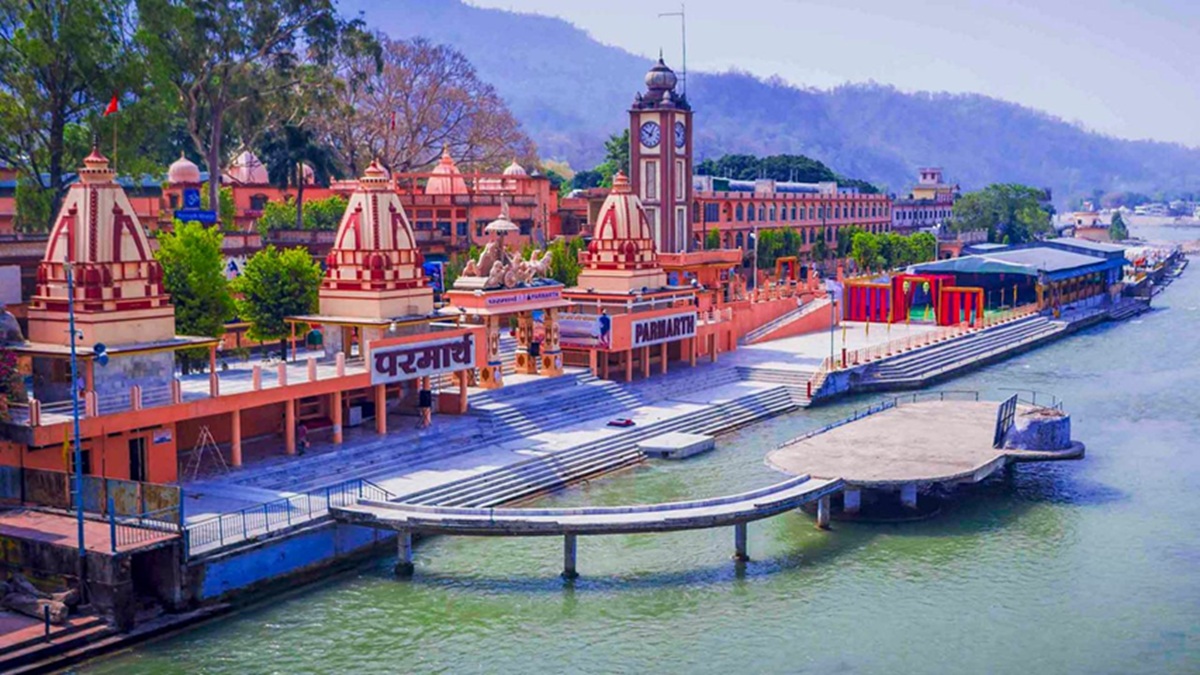
January – A Calm Winter Retreat
- Weather: Cold, especially mornings and evenings (5°C–18°C). Clear skies and fresh mountain air.
- Crowd Level: Low to moderate. Fewer foreign tourists, more Indian pilgrims.
- Experience: January is peaceful. Ideal for ashram stays, yoga, and meditation. Bonfires at riverside cafes add charm. Adventure sports like rafting are available but with limited stretches due to low temperatures.
- Pros: Affordable stays, quiet ghats, excellent for seekers of silence.
- Cons: Cold mornings, pack woolens. Some activities operate shorter hours.
Enjoy 4 Days of Fun: Rishikesh Adventure Tour Package
February – The Festival Spirit Arrives
- Weather: Cool and crisp (8°C–22°C).
- Crowd Level: Rising due to Maha Shivaratri and yoga events.
- Experience: February is magical—comfortable weather, blooming mustard fields on the outskirts, and the Shivaratri festival celebrated with grand processions and temple ceremonies at Neelkanth Mahadev Temple.
- Pros: Great weather, lively festivals, good for photography.
- Cons: Higher demand for hotels during festival week.
March – The Yoga Capital Shines
- Weather: Pleasant (12°C–28°C), with spring setting in.
- Crowd Level: High—peak tourist month.
- Experience: March is iconic for the International Yoga Festival, attracting thousands of global yoga enthusiasts. The ghats buzz with activity, and rafting starts in full swing. Holi adds color to the town.
- Pros: Cultural richness, rafting season begins, yoga festival.
- Cons: Crowds and high hotel tariffs. Book early.
April – Adventure & Sunshine
- Weather: Warm but bearable (18°C–32°C).
- Crowd Level: High, especially during Easter holidays and Indian school breaks.
- Experience: April is excellent for rafting, camping, trekking, and yoga retreats. The evenings are pleasant, perfect for sitting at cafes overlooking the Ganga.
- Pros: Outdoor adventure in full swing, clear skies.
- Cons: Busy tourist spots, higher prices.
Book Now: 4 Days Haridwar & Rishikesh Itinerary
May – Bustling Summer Energy
- Weather: Hot days (20°C–38°C), cooler nights.
- Crowd Level: Very high—families on vacation.
- Experience: May is buzzing with energy. Rafting, trekking, and cafe culture thrive, but expect traffic and full hotels. Evening Ganga Aarti at Triveni Ghat is magical, but you’ll need to arrive early for a good spot.
- Pros: Adventure sports peak, lively atmosphere.
- Cons: Heat during the day, crowds everywhere.
June – Early Monsoon Showers
- Weather: Hot and humid (24°C–38°C), occasional showers.
- Crowd Level: Moderate, as schools reopen mid-month.
- Experience: June is a transitional month. Early rains refresh the landscape. Activities continue, but humidity rises. Pilgrims pass through on their way to Char Dham Yatra.
- Pros: Fewer crowds after mid-June, greenery begins.
- Cons: Heat and humidity; some treks slippery.
July – The Monsoon Curtain Rises
- Weather: Wet, lush, heavy rains (22°C–32°C).
- Crowd Level: Very low—except for pilgrims during Sawan (monsoon month of Shiva).
- Experience: July is for nature lovers. Hills turn green, waterfalls roar, and the Ganga swells. But rafting halts for safety reasons. Yoga and wellness retreats become the main attraction.
- Pros: Off-season discounts, beautiful scenery, peaceful vibe.
- Cons: Landslides on roads, adventure sports closed.
August – Monsoon’s Peak
- Weather: Rainy (22°C–30°C).
- Crowd Level: Low.
- Experience: August offers a spiritual atmosphere. Temples host special prayers for Sawan Shivratri. Cafes feel cozy, and ashrams are active. It’s not for adventure lovers but ideal for slow travel.
- Pros: Green landscapes, quiet ghats.
- Cons: Road travel risky, outdoor activities limited.
September – Nature’s Rebirth
- Weather: Pleasant post-monsoon (20°C–32°C).
- Crowd Level: Picking up as season begins.
- Experience: September is underrated—waterfalls flow, hills shine in emerald tones, and rafting slowly resumes towards month-end. Hotels are cheaper before peak season.
- Pros: Great balance of beauty + fewer crowds.
- Cons: Occasional late rains. Discover Best Places to Visit in Uttarakhand this September
October – The Tourist Season Begins
- Weather: Crisp and fresh (15°C–30°C).
- Crowd Level: High as international travelers return.
- Experience: October is one of the best months. Adventure sports resume fully, weather is perfect, and spiritual seekers flock for Navratri and Dussehra celebrations.
- Pros: Perfect weather, rafting, treks, festivals.
- Cons: Peak prices, crowded ashrams and cafes.
Travel Update: India Welcomes 3.2 Million Tourists in 2025
November – Cool & Cultural
- Weather: Pleasant days, chilly nights (10°C–27°C).
- Crowd Level: High—especially around Diwali and Kartik Purnima.
- Experience: November glows with Diwali celebrations, diyas lighting up the ghats, and Kartik Purnima Ganga Aarti, one of the most special events in Rishikesh. Excellent for rafting, yoga, and photography.
- Pros: Festivals, cool weather, vibrant atmosphere.
- Cons: Hotels fill fast during Diwali—book early.
December – Peaceful Winter Vibes
- Weather: Cold (6°C–22°C), especially nights.
- Crowd Level: Low to moderate, except Christmas–New Year week.
- Experience: December is calm, great for ashram stays, meditation, and yoga retreats. Cafes are warm, rafting operates in daytime. Around Christmas, international tourists arrive.
- Pros: Quiet ghats, festive vibe in late December.
- Cons: Cold nights; pack warm clothes.
Top Family-Friendly Places to Visit in India this September 2025
Festivals & Events in Rishikesh
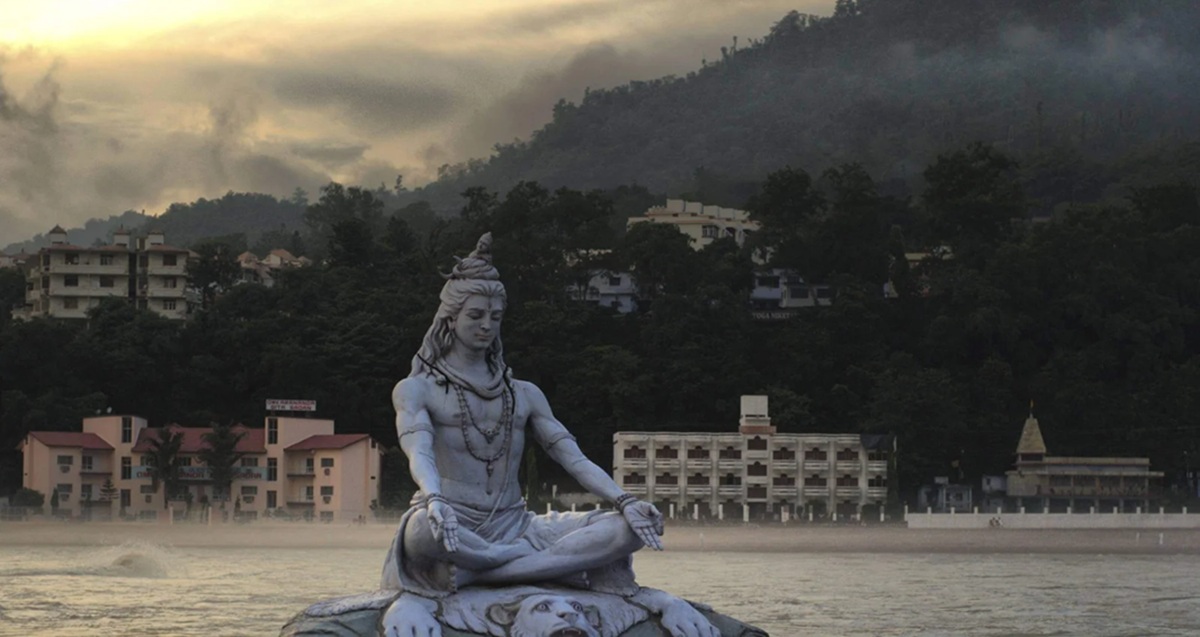
- Maha Shivaratri (Feb/Mar): Celebrated with processions and prayers at Neelkanth Mahadev Temple.
- International Yoga Festival (March): A week-long global gathering at Parmarth Niketan Ashram.
- Holi (March): Colorful celebrations with locals and travelers.
- Ganga Dussehra (May/June): Marks the descent of the Ganga to Earth. Evening aartis are special.
- Navratri & Dussehra (Sept/Oct): Celebrated with temple rituals and cultural programs.
- Diwali (Oct/Nov): Diyas light up the ghats for a surreal experience.
- Kartik Purnima (Nov): A grand Ganga Aarti night.
FAQs on Best Time to Visit Rishikesh
1. What is the best month to visit Rishikesh?
The best month depends on what you want:
- Adventure sports: October to May is ideal, when rafting, bungee jumping, and trekking are in full swing.
- Yoga & spirituality: March is best because of the International Yoga Festival. February is also great for Maha Shivaratri.
- Budget & peace: July to September (monsoon) offers fewer crowds and lower prices.
2. Is Rishikesh safe to visit during the monsoon season?
Yes, Rishikesh is safe, but you should be cautious. Heavy rains (July–September) can cause landslides on hilly roads and closure of rafting activities. However, the scenery is lush, waterfalls flow beautifully, and spiritual retreats thrive in this calm season. If you don’t mind avoiding adventure sports, monsoon offers a very peaceful experience.
3. When does rafting season in Rishikesh open and close?
Rafting generally starts in October and goes on till mid-June.
- Closed: July–September (monsoon) for safety.
- Best Time: March–May, when the water is energetic, and the weather is pleasant.
4. Which is the coldest month in Rishikesh?
January is the coldest month, with temperatures dipping to 5°C at night. Days are sunny and cool, making it pleasant for walking along the ghats. Carry woolens if you’re visiting in winter.
5. Are hotels expensive during festivals in Rishikesh?
Yes. During major festivals like Diwali, Holi, Shivaratri, International Yoga Festival, and Kartik Purnima, hotel prices often double. Budget hotels and ashrams fill up quickly. It’s best to book at least 2–3 months in advance if you’re traveling during these times.
6. What is the best time for yoga and meditation retreats in Rishikesh?
February to March is considered the best because of the International Yoga Festival and the pleasant weather. However, many ashrams operate retreats year-round, so you can join anytime. For peaceful practice, the monsoon season (July–Sept) is underrated, as there are fewer crowds.
7. Is December a good time to visit Rishikesh?
Yes. December is peaceful and spiritual. Days are cool, nights are cold, but it’s great for ashram stays, meditation, and Ganga Aarti. Adventure activities like rafting still operate during the day. Just pack warm clothes, especially if staying near the river.
8. How crowded does Rishikesh get during peak season?
Between October and March, especially in March (Yoga Festival) and November (Diwali/Kartik Purnima), Rishikesh is very crowded. Cafes, rafting operators, and ashrams run at full capacity. If you dislike crowds, avoid these months or choose offbeat areas like Shivpuri or Tapovan to stay.
9. Which festivals should I not miss in Rishikesh?
The International Yoga Festival (March) is the highlight, attracting people worldwide. Other special experiences include Maha Shivaratri (Feb/Mar) at Neelkanth Mahadev Temple, Ganga Dussehra (May/June) at Triveni Ghat, and Kartik Purnima (Nov), when the grand Ganga Aarti lights up the entire riverbank.
10. Is it worth visiting Rishikesh in summer (April–June)?
Yes, but expect hot days (up to 38°C). This is peak for rafting, camping, and trekking. Families flock here during school holidays. Evenings are pleasant along the river, making it a good balance for both adventure and relaxation.
- Discover the Best Places to Visit Near Rishikesh
- Plan Your Journey: How to Reach Roopkund Trek Base from Rishikesh
- Book Your Stay: Top Hotels in Rishikesh for Every Traveller
- Follow This Perfect Summer Road Trip Itinerary: Haridwar, Rishikesh & Mussoorie
- Explore Hidden Natural Treasures: Best Waterfalls in Rishikesh
- Experience the Thrill: Top Adventurous Things to Do in Rishikesh
- Feel the Adrenaline: Bungee Jumping in Rishikesh Uttarakhand
- Don’t Miss Out: Top Things to Do in Rishikesh
- Travel Smart: Rishikesh in February 2025 Guide
- Plan Ahead: Rishikesh in January 2025 Travel Guide
- Visit Neelkanth Mahadev Temple: History, Significance & Guide
- Go Beyond the Ghats: Explore Rishikesh’s Hidden Treasures
- Plan Your Escape – Find the Best Time to Visit Rishikesh!
- Discover Devprayag – Your Guide from Rishikesh Awaits!
- Discover Amazing Day Trips Near Rishikesh – Plan Yours Now!
- Don’t Miss the Perfect Weather – Best Time to Visit Rishikesh
- Travel Smart: Learn How to Reach Devprayag from Rishikesh!
- See the Best Day Trips Around Rishikesh – Click Here to Explore!