Munnar is the kind of place that feels like it belongs in a postcard—rolling green hills covered in endless tea gardens, mist drifting across valleys, and cool breezes that carry the scent of fresh spices. Perched high in the Western Ghats of Kerala, this hill station has been a favourite getaway for travellers looking to escape the chaos of the cities and step into a calmer, cooler world.
If you’re wondering about the best time to visit Munnar, the answer depends on what you want from your trip. Some travellers dream of chilly winter mornings wandering through mist-covered tea plantations, while others come to soak in the monsoon magic when waterfalls are at their fullest. For honeymooners, the crisp winter air and cosy resorts create the perfect romantic backdrop. For trekkers and nature lovers, autumn skies and summer trails are ideal for exploring Munnar’s peaks and wildlife sanctuaries.
This guide will walk you through the seasons in Munnar—explaining the weather month by month, the best times for tea gardens, treks, and festivals, and practical tips for planning your stay. Whether you’re searching for “best time to visit Munnar for honeymoon,” “Munnar in December,” or even curious about what monsoon travel is like here, you’ll find answers below. By the end, you’ll know not only when to go, but also how to make the most of your time in this hill-station paradise.
When is the Best Time to Visit Munnar?
When it comes to Munnar, there’s no single “right” time to go—it really depends on the kind of experience you’re after. Here’s a quick breakdown of what each season has to offer.
Reserve Your 7-Day Ooty, Munnar & Kodaikanal Holiday
Winter (November–February)
Winter is the most popular season in Munnar, with daytime temperatures ranging from 10–25°C. The skies are clear, the hills are lush, and the tea gardens look especially photogenic. This is the best time for treks, sightseeing, and honeymoon trips. However, hotels fill up fast and prices are at their highest, especially around Christmas and New Year.
Summer (March–May)
Summer brings warmer weather (19–35°C), but thanks to Munnar’s elevation, it never gets uncomfortably hot like the plains. This is a great time for outdoor sightseeing, visiting tea estates, and exploring nearby attractions like Eravikulam National Park. Families and budget travellers often prefer this season since it’s easier to find accommodation deals compared to winter.
Monsoon (June–September)
Monsoon in Munnar is a treat for those who love rain-soaked landscapes. The hills turn emerald green, waterfalls thunder down, and mist blankets the valleys. Temperatures stay between 18–25°C. Fewer tourists come during this time, which means quieter attractions and lower hotel rates. On the flip side, heavy rain can disrupt travel plans and trekking is limited.
Pros & Cons Table
| Season | Weather (°C) | Crowds | Best For | Avoid If… |
|---|---|---|---|---|
| Winter (Nov–Feb) | Cool, 10–25 | High | Tea gardens, treks, honeymoon trips | You’re on a tight budget |
| Summer (Mar–May) | Warm, 19–35 | Medium | Outdoor sightseeing, family trips | You dislike warmer afternoons |
| Monsoon (Jun–Sep) | Rainy, 18–25 | Low | Waterfalls, lush greenery, budget stays | You want clear skies for photography |
Plan a 4-Day Munnar & Alleppey Trip – Hills to Backwaters
Munnar Weather Month by Month – A Practical Guide
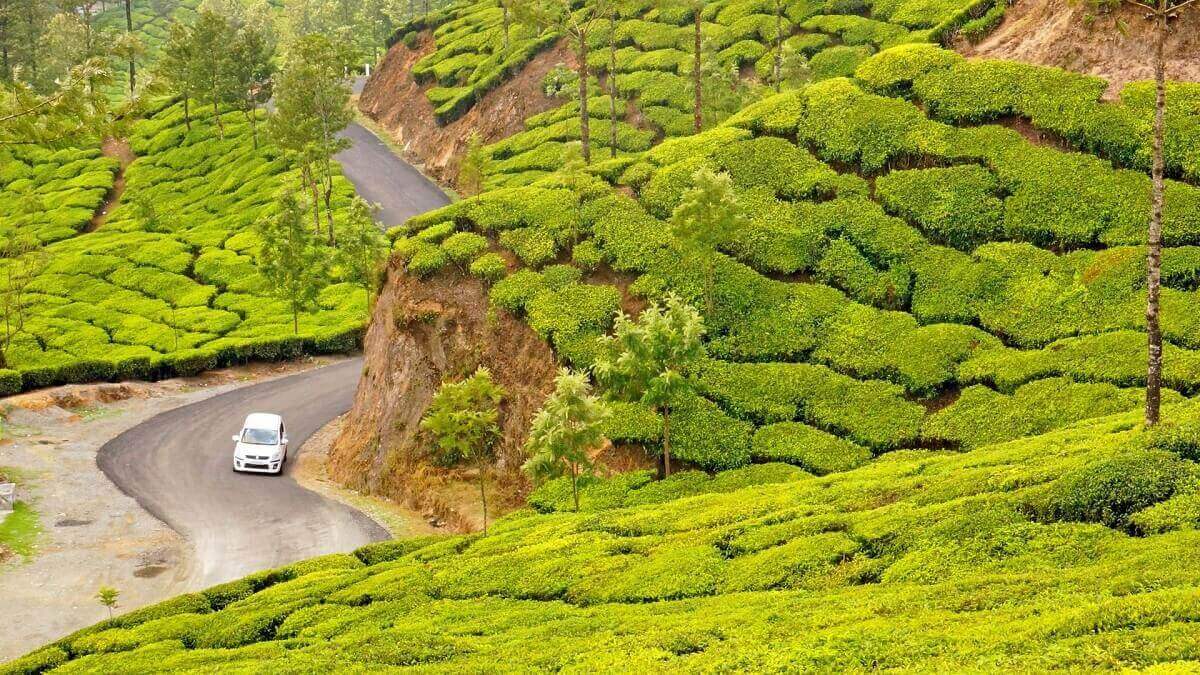
If you’re planning a trip to Munnar, timing matters. This hill station sits more than 1,500 metres above sea level, so its climate is cooler than Kerala’s lowlands. But temperatures, rainfall, and crowd levels shift dramatically with each season. Here’s a month-by-month breakdown to help you decide the best time to visit Munnar for your style of travel—whether that’s wandering tea gardens, chasing waterfalls, trekking peaks, or simply relaxing in the misty hills.
January – Crisp Mornings and Peak Season Vibes
January is one of the most popular months in Munnar. The weather is cool (10–22°C), mornings are often misty, and skies are generally clear by midday. Tea gardens look lush, and this is peak season for honeymooners and families escaping the heat of the plains.
- Best For: Honeymoon trips, sightseeing, photography.
- Crowds: High—book hotels well in advance.
- Tip: Pack layers, as mornings and evenings can be chilly.
February – Ideal for Treks and Tea Gardens
February continues with mild temperatures (12–25°C) and low rainfall. It’s slightly less crowded than January but still a top choice for travellers. The weather is perfect for trekking to Meesapulimala or exploring Eravikulam National Park.
- Best For: Treks, wildlife watching, long walks through tea estates.
- Crowds: High but manageable.
- Tip: Sunrise views from Top Station are particularly stunning in February.
March – Start of Summer, Clear Skies
March marks the start of warmer days (15–28°C), though the air remains pleasant thanks to Munnar’s altitude. The skies are usually clear, making this a good month for photography. Tourist numbers dip slightly, meaning easier bookings.
- Best For: Outdoor sightseeing, photography.
- Crowds: Moderate.
- Tip: A good time to visit spice plantations when cardamom and pepper farms are active.
April – Warm Days, Holiday Season
April brings warmer afternoons (18–32°C), but mornings and evenings are still comfortable. Indian families flock to Munnar during the school holidays, so expect busier streets and attractions.
- Best For: Family holidays, adventure activities like cycling.
- Crowds: High (domestic tourists).
- Tip: Start sightseeing early in the day to avoid afternoon heat.
May – Pre-Monsoon Heat but Manageable
May is the warmest month in Munnar, with temperatures ranging from 20–34°C. While it’s hotter than usual, it’s still cooler than Kerala’s coastal cities. This is a shoulder season, meaning you’ll find better hotel deals compared to peak winter.
- Best For: Budget travel, indoor attractions like the Tea Museum.
- Crowds: Medium.
- Tip: Afternoon naps or indoor activities are best during peak heat.
June – Monsoon Arrives, Waterfalls in Full Flow
By June, the southwest monsoon sweeps across Kerala. Rainfall is heavy, mist lingers, and waterfalls roar to life. Temperatures hover around 18–25°C. This is not the best time for trekking, but the scenery is breathtakingly green.
- Best For: Nature lovers, budget travellers, monsoon photography.
- Crowds: Low.
- Tip: Carry rain gear and check for landslide advisories if driving.
July – Rains at Their Heaviest
July is the wettest month in Munnar, with frequent downpours and slippery roads. Outdoor plans may be disrupted, but if you enjoy solitude and dramatic scenery, this is a rewarding time to visit. Hotel rates are at their lowest.
- Best For: Relaxing in eco-resorts, watching waterfalls.
- Crowds: Very low.
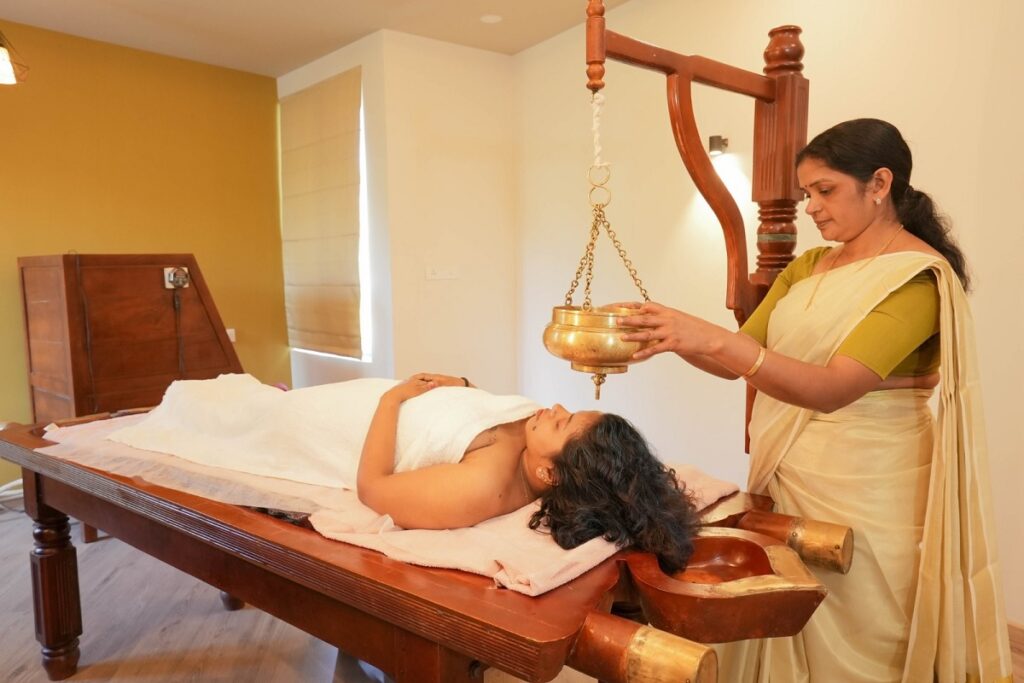
- Tip: Great for Ayurvedic treatments and spa retreats, as many resorts offer seasonal discounts.
August – Festivals Amid Showers
August still sees heavy rain, but it’s also the month of Onam, Kerala’s harvest festival. While trekking is risky, cultural events and festive markets can make up for the wet conditions.
- Best For: Cultural immersion, indoor activities.
- Crowds: Low to moderate (festival travellers).
- Tip: Book accommodation early if travelling around Onam dates.
September – Fresh Post-Monsoon Landscapes
By September, the rain starts to ease and the landscapes look refreshed and green. Temperatures remain mild (17–26°C). It’s a great shoulder season with fewer crowds compared to winter.
- Best For: Tea garden walks, photography, couples’ trips.
- Crowds: Moderate.
- Tip: Carry light rain gear as occasional showers are still possible.
October – The Start of Winter Magic
October is the start of Munnar’s peak season. Skies are clear, temperatures cool (15–25°C), and visibility is excellent. Treks and outdoor sightseeing are very comfortable.
- Best For: Treks, tea gardens, festivals.
- Crowds: Increasing—early bookings advised.
- Tip: Great time for birdwatching in nearby sanctuaries.
November – Misty Hills and Crisp Air
November is a sweet spot—peak season has begun, but it’s not as crowded as December. Weather is cool (12–24°C), misty mornings are common, and tea plantations look enchanting.
- Best For: Honeymooners, photographers.
- Crowds: Medium to high.
- Tip: Excellent time for camping and cycling tours.
Escape to Munnar’s Tea Gardens in November – Plan & Book Today!
December – Chilly Nights, Festive Spirit
December is one of the busiest months in Munnar. Temperatures drop to 10°C at night, and the festive atmosphere makes it a favourite for couples and families. Tea gardens look magical under soft winter light.
- Best For: Honeymoons, Christmas and New Year holidays.
- Crowds: Very high—book months in advance.
- Tip: Carry warm layers, especially if you plan to camp or stay in higher altitudes.
Book a 3-Day Munnar Getaway – Explore Tea Gardens & Hills
Munnar Monthly Weather & Activity Table
| Month | Avg. Temp (°C) | Rainfall (mm) | Humidity (%) | Best Activities |
|---|---|---|---|---|
| January | 10–22 | 20 | 60 | Tea gardens, honeymoon trips |
| February | 12–25 | 15 | 55 | Treks, sunrise views |
| March | 15–28 | 30 | 60 | Spice plantations, photography |
| April | 18–32 | 50 | 65 | Family trips, sightseeing |
| May | 20–34 | 80 | 70 | Indoor attractions, budget stays |
| June | 18–25 | 400 | 85 | Waterfalls, monsoon photography |
| July | 17–24 | 500 | 90 | Spa retreats, eco-resorts |
| August | 17–25 | 350 | 85 | Festivals, cultural events |
| September | 17–26 | 150 | 70 | Photography, couples’ trips |
| October | 15–25 | 80 | 65 | Treks, birdwatching |
| November | 12–24 | 30 | 60 | Honeymoons, cycling tours |
| December | 10–22 | 20 | 60 | Honeymoons, Christmas holidays |
Best Time to See Munnar’s Tea Gardens

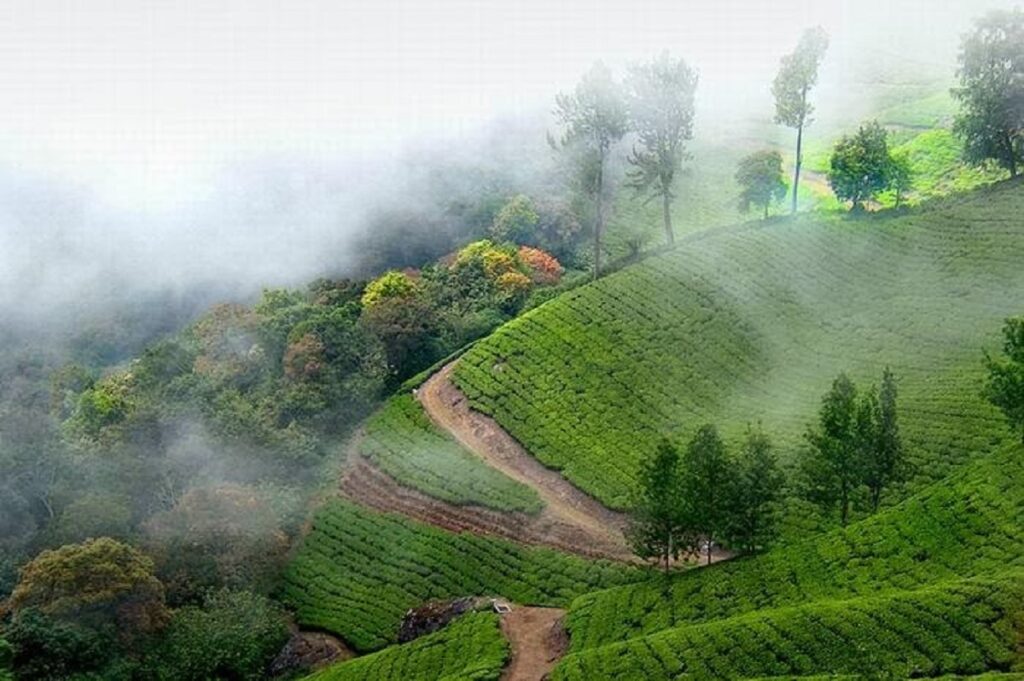
Munnar’s identity is inseparable from its tea estates. Vast carpets of neatly pruned bushes stretch over rolling hills, creating a landscape that looks like it has been painted with every shade of green. To experience the tea gardens at their finest, timing matters.
Seasonal Highlights of Tea Estates
- Post-Monsoon (September–October): This is when the tea plantations are at their lushest. After weeks of heavy rain, the hills glow in fresh shades of emerald. The air feels crisp, and mist often lingers over the slopes, making it a magical time for photography.
- Winter (November–February): The cool, dry season is the most popular time to visit. Clear skies mean uninterrupted views of Kolukkumalai, the world’s highest tea plantation, and the Tata Tea Museum, which tells the story of how Munnar became India’s tea capital. The weather is perfect for long strolls through the estates.
- Summer (March–May): The hills may not be as misty, but the tea gardens still look inviting. Early mornings and evenings are the best times for estate walks, as afternoons can get warm.
Tea-Plucking Season & Visitor Experience
Tea is plucked year-round, but winter and post-monsoon seasons see the most activity in the estates. Watching local women skillfully pluck tea leaves with baskets strapped to their backs is a quintessential Munnar experience. Many estates, including Kolukkumalai, allow visitors to join guided tours where you can watch the plucking process, visit factories, and taste fresh brews.
Photography Tips
- Best Light: Early mornings and late afternoons, when golden light softens the rolling landscapes.
- Best Months: September–February, when mist adds drama to your shots.
- Angles: Head to Top Station for panoramic views or shoot tea pickers at work for cultural context.
For travellers searching “Munnar tea gardens season” or “best month to visit Kolukkumalai”, the answer is clear: September to February combines lush scenery with the best visitor experiences. Start Your Kerala Trek – Check Top Hiking Trails Now
Best Time for Treks & Outdoor Activities

Munnar isn’t just about tea—it’s also a hub for trekking and outdoor adventure. The surrounding Western Ghats hide rugged peaks, tranquil valleys, and wildlife sanctuaries that reward those willing to lace up their boots.
Popular Treks
- Anamudi Peak: The highest peak in South India, offering breathtaking views of the Western Ghats. Permits are required, and treks are best done in winter or summer.
- Meesapulimala: A UNESCO-listed world heritage site, this trek is famous for its rolling grasslands and cloud-kissed trails. Winter offers the clearest skies.
- Top Station: A shorter, easier trek ideal for families. The viewpoint delivers panoramic views of the Tamil Nadu plains.
Trekking Seasons
- Winter (Nov–Feb): The best time for treks. Cool air, clear skies, and dry trails make long hikes comfortable.
- Summer (Mar–May): Warm but manageable. Start early to avoid the midday sun, and carry plenty of water. Longer daylight hours mean more time on the trails.
- Monsoon (Jun–Sep): Treks are limited due to slippery trails and leeches. However, waterfall hikes are dramatic and rewarding if you’re cautious.
Other Adventure Activities
- Camping: Winter is perfect for overnight stays under starry skies.
- Cycling: The tea estate roads are excellent for cycling in summer mornings.
- Birdwatching: October to March is peak time for spotting species in Eravikulam and Chinnar Wildlife Sanctuaries.
Travellers searching “best time for trekking in Munnar” should aim for November to February, though summer mornings are also excellent for shorter, family-friendly trails. Book a Kerala Ayurveda Retreat – Monsoon Detox Awaits
Best Time for Honeymoon & Family Trips
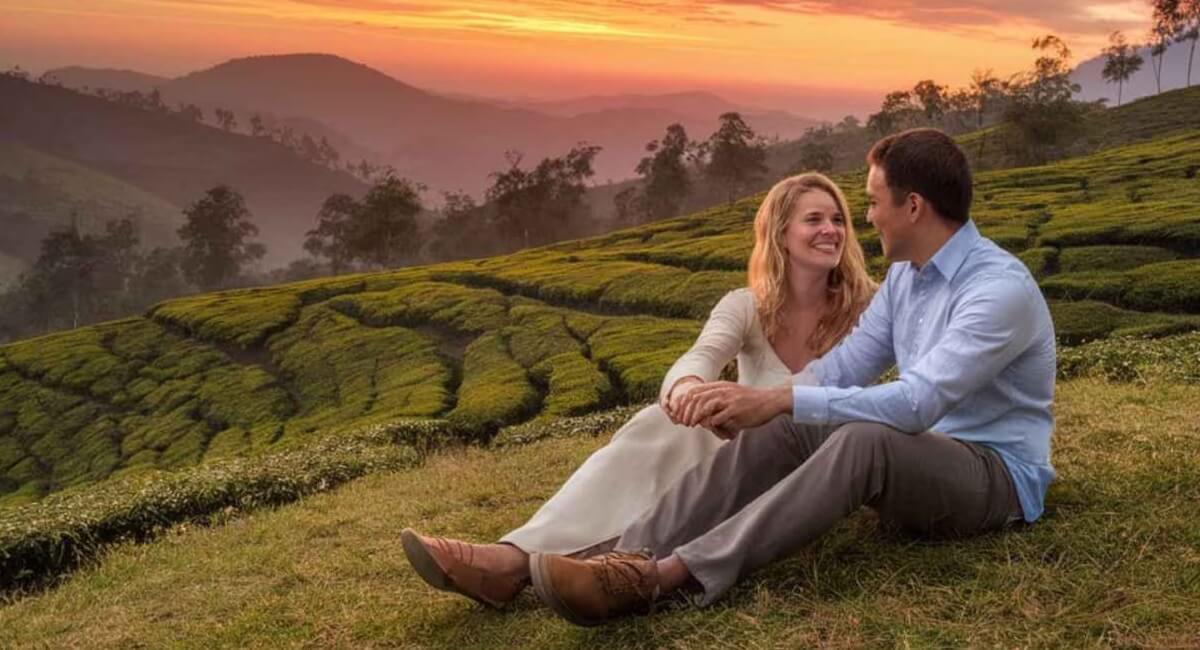
Munnar has long been a honeymoon favourite thanks to its cool weather, misty hills, and romantic resorts. But families also flock here for summer holidays, making timing important. Visit Athirapally Falls – Kerala’s Stunning Nature Escape
Honeymoon Trips
- December to February: The most romantic months, with cool weather (10–22°C), misty mornings, and cosy evenings. Resorts set up fireplaces, and the scenery is picture-perfect.
- Best Experiences: Candlelit dinners overlooking tea gardens, morning walks through misty valleys, and private tours of Kolukkumalai.
- Where to Stay: Eco-resorts, boutique cottages, and luxury hilltop hotels.
Family Travel
- April to May: The summer holidays see families arriving in large numbers. The weather is warmer but still comfortable compared to the plains. Outdoor sightseeing, visits to the Tea Museum, boating at Mattupetty Dam, and trips to Eravikulam National Park are ideal for children and grandparents alike.
Monsoon Retreats for Couples
For budget-conscious honeymooners, the monsoon (June–September) offers heavy discounts on luxury stays. While rain can limit outdoor sightseeing, the atmosphere is private and romantic—perfect for those who prefer quiet time together.
So whether you’re searching for “best time to visit Munnar for honeymoon” or looking for family-friendly months, the answer is:
- Honeymooners: Winter (Dec–Feb) for romance and comfort.
- Families: Summer (Apr–May) for sightseeing and school holidays.
- Budget Couples: Monsoon (Jun–Sep) for privacy and great deals.
Discover the Best South India Beaches to Visit This October
Festivals & Events in Munnar

Munnar isn’t just about scenery—it’s also a window into Kerala’s vibrant culture. Depending on when you visit, you might be lucky enough to witness unique festivals and events that add a whole new dimension to your trip. Guide for Celebrat Onam Festival 2025: Dates, History, Rituals, Cultural Significance
Onam (August–September)
Onam is Kerala’s biggest festival, celebrating the harvest season. While Munnar doesn’t host huge city parades, you’ll still find flower carpets (pookalams), cultural performances, and festive meals at local resorts and homestays. Visiting during Onam offers cultural immersion, though heavy monsoon rains can affect travel.
Neelakurinji Bloom
One of the rarest natural events in India, the Neelakurinji flower blooms only once every 12 years, carpeting Munnar’s hills in purple-blue hues. The last bloom was in 2018, and the next is expected in 2030. When it happens, hotel prices soar and crowds flood the region—worth planning years ahead.
Local Tea & Spice Festivals
Tea and spice are Munnar’s lifelines, and several smaller local festivals and fairs celebrate them throughout the year. These events often include plantation tours, cultural programs, and tea-tasting sessions.
Impact on Travel: Festivals can push up hotel prices and increase tourist traffic. If you enjoy lively atmospheres, this adds charm. If you prefer solitude, plan around festival dates. Join Yaanam 2025 – Kerala’s First Travel Literary Festival
Practical Travel Tips for Each Season

Munnar is welcoming year-round, but each season demands a bit of planning. Here are some practical tips to make your trip smoother.
What to Pack
- Winter (Nov–Feb): Light woollens or jackets for chilly mornings and evenings.
- Summer (Mar–May): Light cotton clothes, hats, and sunscreen.
- Monsoon (Jun–Sep): Sturdy rain gear, waterproof shoes, and quick-dry clothes. Trekking shoes with good grip are a must year-round.
Costs
- Peak Season (Nov–Feb & Apr–May): Hotel rates rise, sometimes double. Book months in advance for holidays.
- Off-Season (Jun–Sep): Heavy discounts, often 40–50% cheaper, making luxury stays more affordable.
Transport Tips
- By Road: Most visitors reach Munnar from Kochi (4–5 hours). Roads can be slippery during monsoon; check conditions before driving.
- By Rail/Air: Nearest airport is Kochi International; nearest major railway station is Aluva. From there, taxis or buses connect to Munnar.
- In Munnar: Local cabs and jeeps are the easiest way to get around, though renting a scooter is an option for confident drivers.
Safety Advice
- Leeches: Common during monsoon treks; carry salt or anti-leech socks.
- Landslides: Monsoon travellers should check weather advisories.
- General: Stick to marked trails, use ASI-approved guides for heritage sites, and avoid littering in sensitive eco-zones.
Check Kerala October Weather – Plan Your Perfect Trip
FAQs
Here are answers to the most common questions travellers search when planning Munnar trips.
Q1. What is the best month to visit Munnar for tea gardens?
The tea gardens are at their lushest between September and February, right after the monsoon and through winter.
Q2. Is December good for Munnar travel?
Yes, December is one of the best months. Cool weather, misty mornings, and festive vibes make it popular, though you’ll need to book in advance.
Q3. Best time to visit Munnar for honeymoon?
Winter (Nov–Feb) is the top choice. The crisp air, romantic resorts, and scenic landscapes make it ideal for couples.
Q4. Can I visit Munnar in monsoon?
Yes, but expect heavy rains. Monsoon (Jun–Sep) offers budget deals, lush scenery, and dramatic waterfalls. However, trekking and outdoor activities may be restricted.
Q5. Which month is best for trekking in Munnar?
The best months for trekking are November to February, when trails are dry, weather is cool, and skies are clear.
Q6. Is summer too hot for Munnar?
Not at all. Even in May, Munnar stays cooler (20–34°C) compared to Kerala’s coast. Afternoons are warm but mornings and evenings are pleasant.
Conclusion
Munnar is a destination that changes its character with every season. For most travellers, the best time to visit Munnar is November to February, when cool weather, clear skies, and vibrant tea gardens make it picture-perfect. Summer (March–May) is warmer but great for families on holiday, while the monsoon (June–September) transforms the hills into a lush paradise for budget-conscious travellers and solitude seekers.
Whether you’re coming for tea gardens, treks, honeymoons, or cultural festivals, Munnar has something for every kind of traveller. The key is choosing the right season for your goals—romantic mist, family adventures, or quiet monsoon retreats.
Ready to plan your hill escape? Explore our detailed Kerala travel itineraries and discover more top hill stations in South India to make the most of your journey.
Before you go, check These Blogs for acclimatization and travel tips.
- Discover Hidden Gems in Munnar – Explore Untouched Beauty Now!
- Plan Your Route to Munnar – Easy Travel Guide for 2025
- Travel from Munnar to Alleppey – Best Routes & Tips You Need!
- Visit Munnar in April 2025 – Ultimate Travel Guide & Weather Tips
- Experience Munnar in March – Top Things to Do & Travel Insights
- Explore Munnar in January 2025 – Complete Travel & Festival Guide
- Munnar in June –Weather Guide for First-Time Visitors
- Best Time to Visit Munnar – Plan Your Trip Now!
- Discover Kerala Weather in October – Plan Your Trip Now!