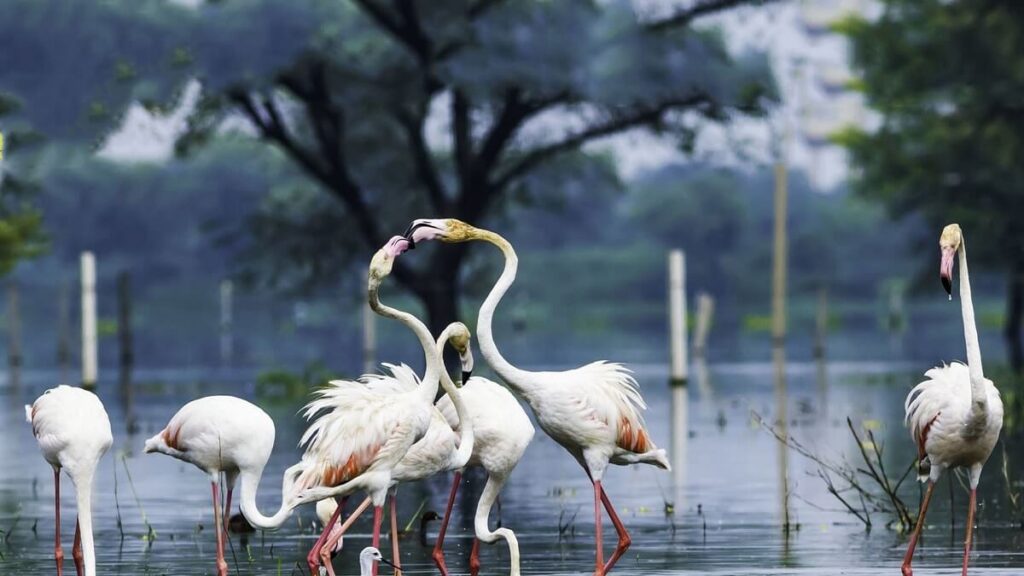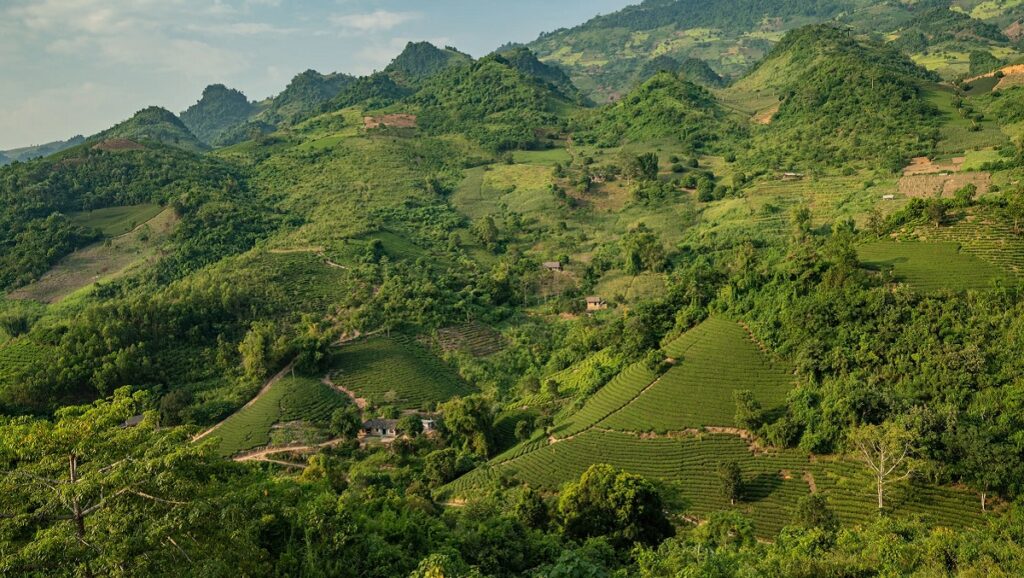
Ranthambore is one of the easiest tiger reserves in India to plan, and one of the most exciting to experience. It’s in Rajasthan, close to Sawai Madhopur, and the landscape is very different from the deep green forests many people imagine when they think “jungle”. Here you get a dramatic mix of dry deciduous forest, rocky hills, lakes, open meadows, and ancient ruins. That combination makes sightings feel cinematic, especially when a tiger walks out against a fort-and-lake background.
If you’re planning a trip, the biggest confusion is always the same: Which Ranthambore safari zone is best? This guide breaks the zones down in a simple way, with honest expectations. You will learn what each zone feels like, what kind of terrain you’ll see, what animals are commonly spotted, and which zones are typically considered more “tiger focused” versus more “quiet and scenic”.
Quick regional planning links (useful when you’re building a full itinerary): Rajasthan | North India Tours
Quick navigation
- Ranthambore zones: basics you should know
- Core zones vs buffer zones: what’s the difference?
- How zone allotment works (and what you can control)
- Best time for safari and what February feels like
- Simple zone guide: Zones 1 to 10 (what to expect)
- Which zones are considered “best” for tiger sightings?
- Gypsy vs Canter: which is better for Ranthambore?
- Tips to increase your chances of a good sighting
- First-timer checklist (families, couples, photographers)
- People Also Ask FAQs
Ranthambore zones: basics you should know
Ranthambore safaris are divided into numbered zones, usually referred to as Zone 1 to Zone 10. Each zone is a different part of the forest and has its own mix of lakes, hills, open patches, and wooded sections. Over time, travellers started labelling some zones as “better” based on frequent tiger movement in those areas. But here’s the truth that saves you stress:
- Tiger sightings are never guaranteed, even in the “best” zone.
- Tiger territories shift. A zone that was hot last season can be quieter this season.
- Your guide and driver matter. Tracking and timing can change your experience a lot.
- Two safaris are always better than one. This matters more than zone selection.
So, instead of promising “Zone X = tiger for sure”, this guide helps you choose based on what you want: more lakes, more ruins, quieter routes, less crowd, or a stronger chance of classic tiger habitats.
Core zones vs buffer zones: what’s the difference?
In simple terms, Ranthambore safari zones can be grouped into:
- Core zones: commonly Zones 1–5 (most famous, often higher demand)
- Buffer zones: commonly Zones 6–10 (often quieter, more spread out)
Core zones (Zones 1–5): what to expect
Core zones are generally the most popular because they are closest to the classic Ranthambore landscape many people picture: lakes, dense patches, open grass, and the fort area vibe. These zones often have higher safari pressure (more vehicles) especially in peak months.
Buffer zones (Zones 6–10): what to expect
Buffer zones can feel less crowded and more peaceful. Terrain is still beautiful, and wildlife sightings can be excellent, but tiger tracking can be a bit more unpredictable depending on the season. Many travellers enjoy buffer zones because the safari feels calmer and more “wild”. If you care about a quiet experience and you’re not only chasing a tiger photo, buffer zones can be surprisingly good.
Important note: people often assume buffer zones mean “less chance of tiger”. That’s not always true. Tigers do move in buffer areas too. But if your trip is short and you want maximum “classic Ranthambore” vibe, core zones usually feel more aligned.
How zone allotment works (and what you can control)
Most travellers want to pick the “best” zone. In reality, your control is limited, because the forest department system and availability plays a big role. In many cases:
- You may be able to choose or request a zone at booking if slots are available.
- Sometimes you are allotted a zone depending on availability and booking type.
- Last-minute bookings often mean you take what you get.
Instead of stressing about a single “perfect” zone, plan a smarter strategy:
- Do at least 2 safaris (one morning, one afternoon).
- Stay 2 nights minimum if Ranthambore is a main highlight.
- Keep expectations realistic and enjoy the forest experience beyond tiger-only thinking.
Best time for safari and what February feels like
February is a very comfortable month for Ranthambore. Mornings can be cool, afternoons pleasant, and the overall experience is easier compared to the hotter months. Wildlife movement can be good because animals are active and you can stay outdoors comfortably.
Morning safari vs afternoon safari
- Morning safari: Cooler air, better for long tracking, good chance of active movement.
- Afternoon safari: Warm light for photography, animals may visit water spots, sunsets can be beautiful.
If you are choosing only one safari (not ideal, but sometimes people have time limits), morning usually feels more “fresh” and comfortable. But if photography is your priority, afternoon golden light can be magic in Ranthambore’s lakes-and-ruins landscape.
Simple zone guide: Zones 1 to 10 (what to expect)
This is a simplified guide. Each zone has many tracks and routes, and your exact experience will depend on current movement, water availability, and forest department rules on that day. Think of this as a “vibe + terrain + typical expectations” guide.
Zone 1: Rocky, scenic, classic Ranthambore terrain
Zone 1 is often described as a strong “classic Ranthambore” zone. Expect rocky landscapes, forest patches, and the kind of terrain where tigers can appear suddenly along a track. It can feel dramatic and wild, and it’s popular among people chasing iconic jungle frames.
- Best for: Classic safari vibe, dramatic terrain, photography
- What you’ll likely see: Deer (sambar/chital), wild boar, birds, and sometimes predators if lucky
- Crowd level: Often high in peak season
Zone 2: Lake-side mood and “signature Ranthambore” frames
Zone 2 is known for water bodies and the kind of scenery that makes Ranthambore famous. If you get a tiger sighting near water or open patches, it becomes a memorable “National Geographic style” moment. It’s a popular zone, so expect more vehicles.
- Best for: Lakes, strong wildlife atmosphere, classic Ranthambore visuals
- What to expect: Water birds, crocodile sightings possible near water, plus common herbivores
- Crowd level: Often high
Zone 3: Water + open spaces, good visibility in parts
Zone 3 often appeals to people who want a mix of water and open visibility. When animals move through open patches, you can sometimes track movement more easily than in dense forest. Like all core zones, the experience depends on the day and current movement.
- Best for: Visibility, lakeside scenes, mixed terrain
- What to expect: Strong bird life, deer herds, occasional predator sightings with luck
- Crowd level: Medium to high
Zone 4: Forest routes and quieter stretches (still core zone)
Zone 4 can feel a bit more forest-driven in sections, with stretches that feel less “open postcard” and more “tracking-based safari”. Some travellers love this because it feels more like a real jungle drive. The zone can still offer excellent sightings, but it may require more patience and tracking.
- Best for: People who enjoy tracking, slightly quieter mood than the most famous lake-heavy routes
- What to expect: Dense patches, deer, boar, birds; predator sightings depend on movement
- Crowd level: Medium (varies by day)
Zone 5: Balanced experience (forest + open patches)
Zone 5 is often seen as a balanced zone where you may get forest, open spaces, and varied landscapes in one safari. It’s usually a good zone for first-timers because the experience feels “complete” even if you don’t get a tiger sighting. It can also be good for photography due to varied backdrops.
- Best for: First-timers, mixed scenery, balanced safari feel
- What to expect: Common wildlife sightings, possibility of predators depending on the day
- Crowd level: Medium to high
From here, Zones 6–10 are commonly treated as buffer zones. They can be more peaceful and spacious, and many travellers enjoy them because the drive feels less crowded. These zones can still give tiger sightings, but expectations should be: calm safari first, tiger bonus second.
Zone 6: Quieter routes with a more “wild” feel
Zone 6 often appeals to people who want less rush and fewer vehicles. Terrain can feel more natural and spread out. Sightings can be rewarding, especially if you enjoy birds and general wildlife. Tigers can appear, but the experience is more “explore the forest” than “chase a hotspot”.
- Best for: Peaceful safari, nature lovers, birders
- What to expect: Good general wildlife, quieter roads, scenic forest
- Crowd level: Usually lower than core zones
Zone 7: Scenic buffers and lower crowd pressure
Zone 7 can be a good pick if you’re travelling in peak season and you want to avoid the most crowded tracks. You may see more calm driving, more time to observe, and less “vehicle congestion”. It’s good for travellers who want a relaxed jungle day without constant stopping.
- Best for: Calm experience, families who don’t want chaos, slower observation
- What to expect: Deer, boar, birds, and occasional predator movement depending on the day
- Crowd level: Low to medium
Zone 8: Offbeat safari feel (good for repeat visitors)
Zone 8 is often enjoyed by people who have already done Ranthambore core zones and want something different. It can feel more raw and less “touristy”. If your goal is a peaceful safari with high chances of common wildlife, this zone can be satisfying.
- Best for: Repeat visitors, offbeat travellers, calm safari lovers
- What to expect: Strong general wildlife, scenic stretches, fewer crowds
- Crowd level: Low to medium
Zone 9: Wider stretches and patient tracking
Zone 9 often requires patience. It can have wider stretches where tracking depends heavily on recent movement information. If you enjoy the safari as an experience (not just a tiger photo mission), you may like it. The reward is a calmer drive and more open observation time.
- Best for: Patience-driven safari, calm drive, photographers who like landscape + wildlife
- What to expect: Common wildlife sightings, surprise moments possible
- Crowd level: Usually lower
Zone 10: Most “quiet” zone feel, great for a peaceful forest experience
Zone 10 is often treated as one of the most peaceful safari experiences in Ranthambore’s zone system. It’s a good choice if you want to avoid the core zone rush. You may still see excellent wildlife and sometimes predators, but go with the mindset: calm drive, nature focus, tiger is a bonus.
- Best for: Quiet safari, birding, relaxed jungle experience
- What to expect: Deer, boar, birds, scenic tracks, fewer vehicle jams
- Crowd level: Often the lowest among zones
Which Ranthambore zones are considered “best” for tiger sightings?
This is the question everyone asks, so here’s the most honest answer: good sightings can happen in any zone. However, travellers and guides often consider the core zones (1–5) as stronger “classic tiger safari” zones because of terrain, water bodies, and historical movement patterns. Among those, Zones 2–3 are often talked about for lake-side visuals, while Zones 1, 4, and 5 can be strong for tracking-based movement depending on the day.
But the zone is only one factor. Your real “winning formula” looks like this:
- 2–3 safaris over 1 safari
- Morning + afternoon mix instead of only one time slot
- Stay 2–3 nights so you have repeat chances
- Good guide/driver who knows how to read calls and movement patterns
If your trip is short (one day, one safari), aim for a core zone if possible. If your trip is 2–3 days, don’t worry too much about zones. You will likely get a good overall experience either way.
Gypsy vs Canter: which is better for Ranthambore?
Ranthambore safaris are generally done in two vehicle types:
- Gypsy: Smaller open jeep (more personal experience, flexible viewing)
- Canter: Larger open vehicle (more seats, usually budget-friendly per person)
Choose Gypsy if:
- You want a more private, less crowded experience
- You’re a photographer and want cleaner angles
- You’re travelling as a couple or small group
- You want slightly more comfort in movement and positioning
Choose Canter if:
- You’re travelling on a budget
- You are okay with a shared experience
- You’re travelling solo and want a straightforward option
In peak season, gypsy availability can be tight, so booking early improves your chances.
Tips to increase your chances of a good sighting (simple and practical)
1) Do more than one safari
If you do only one safari and you don’t see a tiger, it can feel disappointing. If you do two or three, the entire trip becomes far more satisfying. Even without tiger, you’ll likely see a strong variety of wildlife and landscapes.
2) Choose a 2-night plan minimum
Ranthambore is not a “touch and go” destination if you want good chances. Two nights gives you time for 2 safaris and a relaxed pace. Three nights is even better if Ranthambore is your main highlight.
3) Don’t chase only tiger
This sounds emotional, but it’s actually practical. When you’re not only chasing a tiger photo, your stress drops and your experience improves. Ranthambore has beautiful lakes, birdlife, deer herds, crocodiles near water bodies, and dramatic landscapes. Enjoy that too.
4) Dress smart for the time slot
- Morning safaris (especially Feb): layer up. It can be chilly in open vehicles.
- Afternoon safaris: carry light layers; the sun is pleasant but not harsh in February.
5) Keep silence and patience
It sounds basic, but noise reduces your ability to observe. Tigers and other wildlife are often spotted because someone noticed a tiny movement or heard an alarm call. Calm observation matters.
First-timer checklist: what to expect in Ranthambore
What animals can you realistically expect to see?
- Very common: chital (spotted deer), sambar, nilgai, wild boar, langurs
- Often near water: crocodiles, water birds
- Sometimes: sloth bear, leopard (less common), hyenas (rarer sightings)
- Lucky highlight: tiger sighting (can be quick or long, depends on the moment)
What the safari drive feels like
A Ranthambore safari is not a smooth highway drive. It’s bumpy, dusty, and full of stops. Some safaris feel like slow tracking. Some feel like you’re covering distance. Both are normal. If you’re travelling with kids or seniors, keep motion sickness medicine if needed and plan short breaks before/after safari.
How to plan Ranthambore with Rajasthan itinerary
Ranthambore fits beautifully in a Rajasthan circuit. Many travellers combine Jaipur + Ranthambore + Udaipur, or Jaipur + Ranthambore + Pushkar. If you’re building a larger route, start here: Rajasthan
People Also Ask (FAQs): Best Safari Zones in Ranthambore
Which zone is best in Ranthambore for tiger sighting?
Many travellers consider the core zones (Zones 1–5) stronger for tiger-focused safaris, with Zones 2–3 often known for lake-side scenery. But tiger movement changes, and sightings can happen in any zone. Doing 2–3 safaris matters more than chasing one “best” zone.
Are Ranthambore buffer zones (6–10) worth it?
Yes. Buffer zones can feel less crowded and more peaceful, and wildlife sightings can still be very good. Tigers can appear in buffer areas too, but go with a calm safari mindset and you’ll enjoy it more.
Can I choose my Ranthambore safari zone?
Sometimes you can select or request a zone at booking if slots are available, but final allotment depends on availability and system rules. The safer plan is to book early and plan multiple safaris to improve chances.
What is better in Ranthambore: gypsy or canter?
Gypsy is better for a more personal experience and photography angles. Canter is more budget-friendly and works well for solo travellers or groups who are okay with a shared safari.
How many safaris should I do in Ranthambore?
Two safaris is the minimum if you want a strong experience. Three safaris is ideal if Ranthambore is your main highlight. One safari can be lucky, but it is risky if your goal is tiger sighting.
Is February a good time for Ranthambore safari?
Yes, February is one of the most comfortable months for Ranthambore. Mornings can be cool, afternoons pleasant, and wildlife activity can be good. It’s a great time for travellers who want a comfortable safari experience.
What should I wear for Ranthambore safari in February?
For morning safaris, wear warm layers because it can be chilly in an open vehicle. For afternoon safaris, light layers are enough. Comfortable shoes and neutral-coloured clothing are always a good idea.
Where should I stay for Ranthambore safari?
Most travellers stay near Sawai Madhopur because it’s the main base for Ranthambore. Choose a stay with easy access to safari reporting points, good reviews for cleanliness, and early breakfast support if you are doing morning safaris.
Is tiger sighting guaranteed in Ranthambore?
No. Tiger sightings are never guaranteed in any national park. Your chances improve when you do multiple safaris, keep buffer days, and stay patient. Even without a tiger sighting, Ranthambore offers beautiful landscapes and plenty of wildlife.