Planning a trip to Leh Ladakh in September 2026 can be an excellent choice if you want clearer mountain views, fewer peak-season crowds, pleasant daytime sightseeing weather, and the first signs of autumn across the high-altitude landscapes.
September sits between Ladakh’s busy summer season and the colder months that follow. The first half of the month generally remains comfortable for sightseeing and road trips, while temperatures begin falling noticeably after mid-September. The Leh district tourism authority specifically notes that from mid-September, Ladakh becomes distinctly colder and warm woollens may be required even during the daytime.
For travellers who want to explore Leh, Nubra Valley, Pangong Lake, monasteries, high mountain passes and remote Himalayan scenery without the heavier summer crowds, September offers a particularly rewarding experience.
However, Ladakh should never be treated like an ordinary hill-station holiday. Leh itself is located at high altitude, and many popular excursions climb considerably higher. Acclimatization, weather preparation and a sensible itinerary are essential.
This complete Leh Ladakh September 2026 travel guide covers expected weather, temperatures, what to wear, road conditions, places to visit, altitude precautions, packing tips and a practical 8-day itinerary.
Is September 2026 a Good Time to Visit Leh Ladakh?
Yes. September is one of the better months to visit Ladakh, particularly for travellers interested in photography, road trips, monasteries and landscapes.
The main summer rush usually begins to ease while most major sightseeing routes remain accessible under normal conditions. Ladakh Tourism also lists June through September among the main months for outdoor and adventure activities.
September has several advantages:
- Pleasant conditions for daytime sightseeing
- Clearer mountain views on many days
- Less tourist congestion compared with June and July
- Good conditions for photography
- Autumn colours beginning to appear in some valleys
- Comfortable visits to monasteries and villages
- Good opportunities for Nubra Valley and Pangong Lake excursions
- Cooler evenings that make the Himalayan atmosphere particularly memorable
The important difference is between early September and late September.
During the first half of the month, conditions are generally milder. By the second half, mornings, evenings and nights can become significantly colder.
If you are sensitive to cold or travelling with elderly family members, the first two weeks of September are normally the easier period to consider.
Leh Ladakh Weather in September 2026
September marks the transition from Ladakh’s short summer toward autumn.
Days can still feel surprisingly warm in direct sunshine, while shaded areas and evenings may feel much colder. Because Ladakh has dry air, high elevation and intense sunlight, the difference between daytime and nighttime comfort can be substantial.
Climate sources vary somewhat depending on the station and dataset used. Long-term estimates commonly place September daytime conditions in Leh around the upper teens to about 20°C, with considerably colder nighttime temperatures. Historical climate summaries show maximum temperatures around 20°C and minimums around 5°C, although individual days can be warmer or substantially colder.
Actual September 2026 weather cannot be predicted precisely months in advance, so travellers should check the latest IMD Leh forecast immediately before departure. The India Meteorological Department maintains a dedicated meteorological centre for Leh.
Typical September Temperature in Leh
As a practical planning guide:
| Period | Daytime | Night |
| Early September | Around 15°C to 22°C | Around 5°C to 10°C |
| Mid-September | Around 12°C to 20°C | Around 2°C to 8°C |
| Late September | Around 8°C to 17°C | Around 0°C to 5°C or lower |
These should be treated as general planning ranges rather than a guaranteed forecast.
At Pangong Lake, Tso Moriri and high mountain passes, temperatures may feel considerably colder than in Leh, particularly after sunset.
Wind can make evenings near the lakes especially chilly.
Does It Snow in Ladakh in September?
Heavy winter snowfall is not normally what travellers associate with September in Leh, but early snowfall is possible at high elevations, especially toward the end of the month.
Mountain passes such as Khardung La and Chang La experience very different weather from Leh town. Conditions can change quickly because of altitude.
A sunny morning in Leh therefore does not guarantee equally mild weather at a high pass several hours later.
Do not plan a September trip assuming that every road will remain open every day. Weather, maintenance work, landslides, snowfall or local administrative restrictions can temporarily affect road movement.
What Does Ladakh Look Like in September?
One of the best reasons to visit Ladakh in September is the landscape.
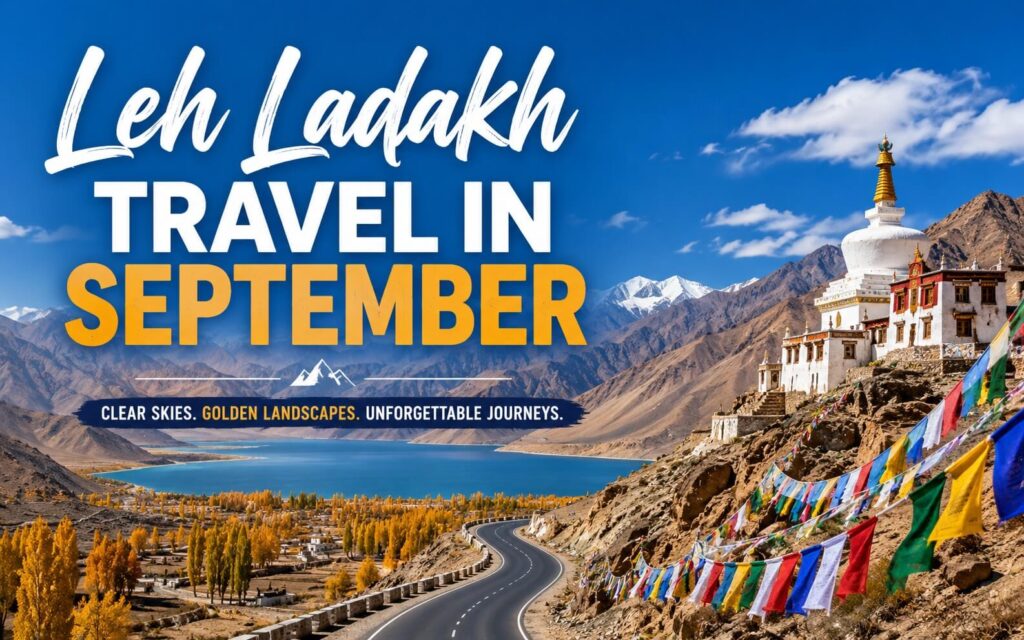
The harsh brown and ochre mountains remain dominant, but river valleys and villages begin displaying autumn shades. Poplar and willow trees may gradually turn yellow, creating beautiful contrasts against blue skies and barren Himalayan slopes.
You may see:
- Deep blue skies
- Golden vegetation around settlements
- Clearer mountain ridges
- Turquoise lakes
- Brown and rust-coloured mountains
- White monasteries perched above valleys
- Long afternoon shadows ideal for photography
For photographers, September’s lower-angle sunlight can add dramatic depth to Ladakh’s already striking landscapes.
Best Places to Visit in Ladakh in September 2026:
A September itinerary should combine cultural sightseeing with high-altitude landscapes without rushing immediately into remote areas.
1. Leh
Most journeys begin in Leh.
Spend your first one or preferably two days here while your body adjusts to the altitude. Leh provides a good introduction to Ladakhi architecture, markets, monasteries and local life.
Popular places include:
- Leh Palace
- Shanti Stupa
- Leh Market
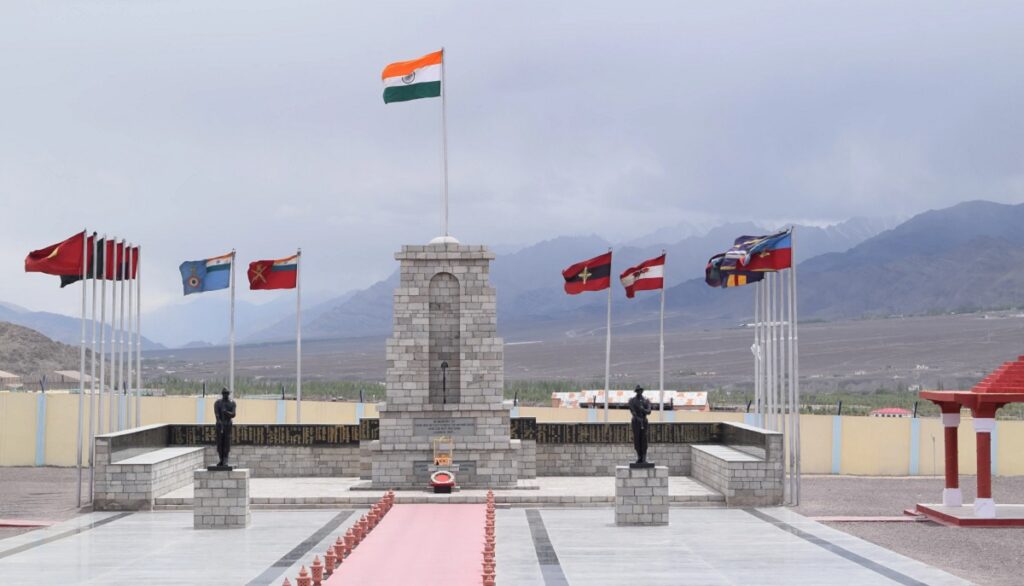
- Hall of Fame
- Magnetic Hill
- Sangam of the Indus and Zanskar Rivers
- Spituk Monastery
You can explore more Ladakh travel ideas through this Ladakh travel guide.
Avoid planning strenuous sightseeing immediately after flying into Leh.
2. Thiksey Monastery
Thiksey is among the most visually impressive monasteries near Leh and makes an excellent addition to a cultural sightseeing day.
Built across a hillside, the monastery’s whitewashed buildings rise in tiers above the Indus Valley.
Travellers interested in Buddhism, Himalayan architecture and photography should allow enough time to walk through its courtyards and prayer halls.
Read more about visiting Thiksey Monastery.
3. Hemis Monastery
Hemis Monastery is another important cultural stop near Leh.
Surrounded by rugged mountains, it provides insight into Ladakh’s Buddhist heritage and is often included together with Thiksey, Shey and other monasteries in the Indus Valley.
If monasteries are an important part of your Ladakh trip, see this guide to Hemis Monastery.
September is a pleasant month for monastery sightseeing because temperatures during the daytime are generally more comfortable than during the colder late-autumn period.
4. Khardung La
Khardung La is one of the famous high-altitude gateways connecting Leh with the Nubra region.
The drive offers dramatic scenery, but travellers should remember that the pass lies significantly higher than Leh.
Keep your stop relatively short, avoid unnecessary physical exertion and remain adequately protected from cold winds.
You can learn more about the route in this Khardung La travel guide.
5. Nubra Valley
The journey from Leh into Nubra Valley is one of the highlights of a Ladakh holiday.
Nubra feels different from Leh because its valley landscape combines rugged mountains with villages, monasteries, river scenery and patches of vegetation.
Major attractions include:
- Diskit Monastery
- Hunder
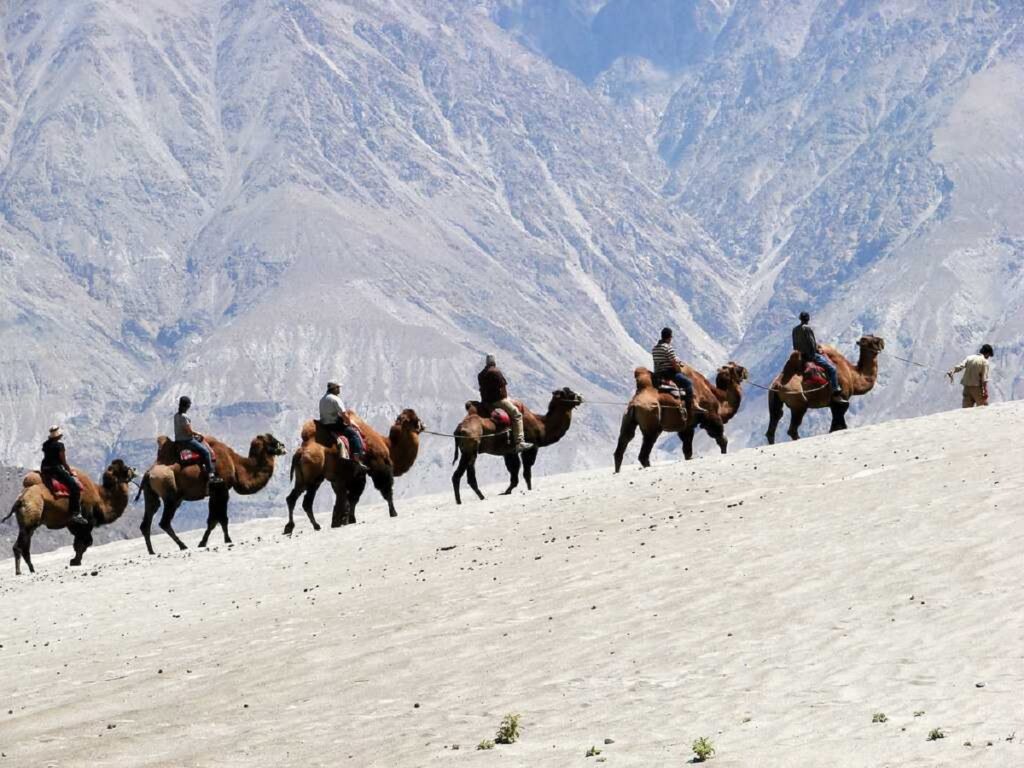
- Sand dunes
- Bactrian camel areas
- Local villages
- Panamik, depending on your route
Staying at least one night allows you to experience the valley without turning the journey into an exhausting day trip.
6. Pangong Lake
Pangong Lake is one of Ladakh’s most recognizable natural attractions.
Its changing blue colours and surrounding bare mountains create an unforgettable landscape.
September can be especially beautiful because the air often feels crisp and the scenery can appear exceptionally clear.
However, temperatures drop quickly after sunset.
If you stay overnight, carry proper thermals, warm socks, a fleece and an insulated jacket even when Leh feels pleasant during the daytime.
7. Tso Moriri
Travellers with more time can consider Tso Moriri Lake, located in the remote Changthang region.
It is quieter and more isolated than Pangong Lake and is better suited to travellers comfortable with long road journeys and basic high-altitude accommodation.
September evenings can be extremely cold here.
Rather than adding Tso Moriri to a short trip, include it only when you have enough days to travel gradually.
8. Lamayuru
Those interested in monasteries and unusual landscapes can also visit Lamayuru.
Lamayuru is famous for its monastery and extraordinary eroded landscape, sometimes popularly described as a moon-like terrain.
It can be visited on an extended western Ladakh excursion covering places such as Alchi and the surrounding Indus Valley.
Suggested 8-Day Leh Ladakh Itinerary for September 2026:
An effective Ladakh itinerary should increase altitude gradually whenever possible.
Day 1: Arrive in Leh and Acclimatize
Fly into Leh and transfer directly to your hotel.
Do very little today.
Drink fluids regularly, eat light meals and avoid running, climbing stairs unnecessarily or drinking alcohol.
A gentle walk near your hotel in the evening is usually enough.
The official Ladakh tourism advisory recommends allowing at least 48 hours for acclimatization after arriving in Leh.
Day 2: Leh Local Sightseeing
Continue acclimatizing while exploring nearby attractions at an easy pace.
You can visit:
- Leh Market
- Leh Palace
- Shanti Stupa
- Hall of Fame
- Local cafes
Do not schedule a high mountain pass today.
Day 3: Indus Valley Monastery Tour
Explore attractions around Leh such as:
- Shey
- Thiksey Monastery
- Hemis Monastery
- Indus Valley viewpoints
Return to Leh in the evening.
This day provides culture, history and relatively easy sightseeing before travelling farther into the mountains.
Day 4: Leh to Nubra Valley via Khardung La
Depart after breakfast for Nubra Valley.
Cross the mountain route toward Khardung La and continue down into Nubra.
Visit Diskit Monastery and explore Hunder before checking into your accommodation.
Overnight in Nubra Valley.
Day 5: Nubra Valley to Pangong Lake
After breakfast, travel toward Pangong Lake, subject to current road conditions and permitted routing.
The scenery changes constantly as you travel through remote mountain valleys.
Reach Pangong, explore the lakeshore and enjoy the evening views.
Overnight near Pangong Lake.
Pack warm clothing separately so you can access it easily upon arrival.
Day 6: Pangong Lake to Leh
Wake early for views across the lake before breakfast.
Drive back toward Leh.
Stop for short breaks along the way and return to your hotel by evening.
Enjoy a relaxed dinner and proper rest.
Day 7: Alchi and Lamayuru Excursion
Take a western Ladakh excursion toward Lamayuru.
Depending on travel time and your preferences, stops may include:
- Magnetic Hill
- Sangam
- Alchi Monastery
- Lamayuru Monastery
- Lamayuru’s distinctive mountain landscape
Return toward Leh or stay overnight along the route if you prefer a slower itinerary.
Day 8: Departure from Leh
Transfer to Leh Airport for your onward flight.
If your schedule allows, keeping an additional buffer day can be useful because mountain weather can occasionally disrupt road journeys.
Alternative 10-Day Ladakh Itinerary
If you have ten days, avoid simply adding more sightseeing to every day.
Use the extra time to travel more slowly.
A good route is:
Day 1: Arrival and acclimatization
Day 2: Leh local sightseeing
Day 3: Thiksey, Hemis and Indus Valley
Day 4: Leh to Nubra
Day 5: Nubra Valley sightseeing
Day 6: Nubra to Pangong
Day 7: Pangong to Leh
Day 8: Leh to Tso Moriri
Day 9: Tso Moriri to Leh
Day 10: Departure
This itinerary is better for travellers who want to see more of Ladakh’s high-altitude lake scenery without turning every day into a long drive.
Acclimatization and Altitude Sickness in Ladakh
This is the most important part of planning a Ladakh trip.
Leh lies at roughly 3,500 metres above sea level, while many excursions climb higher. The Leh district itself spans elevations of approximately 2,300 to 5,000 metres.
Altitude affects people differently, regardless of age or fitness.
Possible symptoms include:
- Headache
- Dizziness
- Nausea
- Unusual tiredness
- Poor appetite
- Difficulty sleeping
- Shortness of breath
- Reduced exercise tolerance
Do not ignore worsening symptoms.
The official Ladakh Tourism advisory recommends at least 48 hours of acclimatization after arriving in Leh and advises travellers to stay hydrated.
Anyone with existing heart, lung or other medical conditions should obtain individualized medical advice before travelling to high altitude.
Medication for altitude illness should also be discussed with a qualified doctor rather than taken solely on the basis of general travel advice.
What to Wear in Ladakh in September:
Layering is far more useful than carrying one extremely heavy jacket.
Daytime Clothing
Carry:
- Full-sleeve T-shirts
- Light shirts
- Comfortable trousers
- Fleece or light sweater
- Sunglasses
- Hat or cap
Bright sunshine can make afternoons feel much warmer than the air temperature suggests.
Evening Clothing
You will usually want:
- Thermal base layer
- Fleece
- Warm jacket
- Woollen cap
- Warm socks
- Gloves, particularly later in September
Pangong and Tso Moriri
For overnight stays near the lakes, carry warmer clothing than you might use in Leh.
Windproof outerwear is especially useful.
Ladakh September Packing List
Your September Ladakh packing checklist should include:
- Thermal innerwear
- Fleece jacket
- Insulated outer jacket
- Windproof layer
- Comfortable walking shoes
- Warm socks
- Gloves
- Woollen cap
- Sun hat
- UV-protection sunglasses
- Sunscreen
- Lip balm
- Moisturizer
- Personal medicines
- Basic first-aid supplies
- Reusable water bottle
- Power bank
- Charging cables
- Camera batteries
- Copies of identification documents
- Small day backpack
Because Ladakh is very dry, lip balm and moisturizer are surprisingly important.
Roads in Ladakh During September
September is still within Ladakh’s main road-travel season, but high-altitude roads can never be considered completely predictable.
Routes commonly included in September trips include:
- Leh to Nubra Valley
- Leh to Pangong
- Nubra to Pangong
- Leh to Lamayuru
- Leh to Tso Moriri
Road conditions may change because of:
- Snowfall at higher passes
- Landslides
- Rockfall
- Road maintenance
- Local weather
- Administrative restrictions
Always check locally before starting a long journey.
This becomes especially important in late September.
Can You Ride a Motorcycle in Ladakh in September?
Yes, September remains popular for motorcycle trips, particularly during the earlier part of the month.
However, riders need proper cold-weather protection.
A sunny day can quickly become cold when crossing high passes.
Carry:
- Windproof riding jacket
- Thermal layers
- Waterproof gloves
- Proper riding boots
- Neck warmer
- Spare socks
- Basic puncture and repair supplies
- Personal medicines
Avoid creating an overambitious schedule simply because distances appear short on a map. Ladakh’s road conditions, altitude and frequent sightseeing stops make travel considerably slower than highway driving in the plains.
Is Ladakh Crowded in September?
September generally feels calmer than peak summer.
Popular locations such as Pangong Lake, Nubra Valley and Leh Market still attract visitors, particularly during the first half of the month, but the overall atmosphere often becomes more relaxed as September progresses.
This is one reason the month appeals to photographers, couples and travellers who prefer quieter sightseeing.
Photography Tips for Ladakh in September
September provides excellent opportunities for landscape photography.
Try photographing:
Early Morning
Good for:
- Monasteries
- Mountain reflections
- Village scenes
- Quiet streets
- Pangong Lake
Late Afternoon
Ideal for:
- Lamayuru landscapes
- Nubra Valley
- Mountain ridges
- Monastery exteriors
The lower sunlight can produce dramatic shadows across Ladakh’s textured mountains.
Always carry spare batteries because cold weather reduces battery performance.
Food and Hydration Tips
During your first two days, keep meals relatively light.
Good choices include:
- Soup
- Rice
- Dal
- Vegetables
- Simple Tibetan dishes
- Light Indian meals
Avoid excessive alcohol immediately after reaching Leh.
The official tourism advisory encourages travellers to remain well hydrated while adjusting to altitude.
Drink regularly but do not force excessive quantities of water beyond your body’s needs.
Who Should Visit Ladakh in September?
September is especially suitable for:
- Couples
- Photographers
- Adventure travellers
- Cultural travellers
- Motorcycle riders
- Small groups
- Travellers interested in monasteries
- People wanting fewer crowds
It may be less suitable for travellers who strongly dislike cold weather or who want a completely predictable road journey.
Early September vs Late September
Early September
Choose early September if you prefer:
- Warmer days
- Milder nights
- Easier outdoor sightseeing
- More comfortable lake stays
- Greater flexibility for road journeys
Late September
Choose late September if you prefer:
- Quieter destinations
- Crisp autumn atmosphere
- Fewer visitors
- Cooler photography conditions
But be prepared for much colder mornings and nights.
The official Leh tourism guidance notes that conditions turn noticeably colder from mid-September onward.
Important Travel Tips for Leh Ladakh in September 2026:
1. Keep the First Two Days Easy
Do not fly into Leh and immediately travel to Pangong or Nubra.
Your body needs time to adapt.
2. Carry Layers
You may experience warm sunshine, cold shade and freezing-feeling winds on the same day.
3. Start Long Drives Early
Mountain journeys take time.
Early departures also provide more flexibility if road delays occur.
4. Check Current Road Conditions
Never rely only on an itinerary prepared several months earlier.
Weather can alter local conditions quickly.
5. Keep a Buffer Day
If your international flight or important onward connection is fixed, returning to Leh one day early is sensible.
6. Protect Yourself From the Sun
At high altitude, ultraviolet radiation can be intense even when the air feels cold.
Wear sunglasses and sunscreen.
7. Respect Local Culture
Dress respectfully around monasteries and religious sites.
Ask permission before photographing monks or local residents at close range.
8. Reduce Plastic Waste
Carry a refillable bottle where practical and avoid leaving waste at lakes, passes and remote valleys.
Ladakh’s environment is beautiful but fragile.
Frequently Asked Questions
Is September 2026 a good month for Ladakh?
Yes. September is an excellent month for travellers seeking cooler weather, clearer landscapes and fewer crowds than peak summer. The first half of September is generally easier for those concerned about cold conditions.
How cold is Leh in September?
Daytime temperatures are often comfortable, but nights become cold. Conditions cool progressively through the month, with late September significantly colder than early September.
Is Pangong Lake accessible in September?
Under normal conditions, Pangong remains part of the regular Ladakh travel circuit during September. Temporary weather, road or administrative disruptions are still possible, so travellers should check locally.
Is Nubra Valley open in September?
Nubra Valley is generally visited throughout September during the normal travel season, subject to current road and local conditions.
Can senior citizens visit Ladakh in September?
Many older travellers visit Ladakh successfully, but altitude is more important than the month itself. Anyone with health concerns should seek medical advice before travelling and should plan a slower itinerary with proper acclimatization.
How many days are enough for Ladakh?
For a first trip covering Leh, Nubra Valley and Pangong Lake, 7 to 8 days is a practical minimum. Nine or ten days provides a more relaxed experience and allows additional destinations such as Lamayuru or Tso Moriri.
Which is better, August or September for Ladakh?
August is generally warmer, while September offers cooler weather and potentially fewer crowds. Travellers who prefer warmer nights may favour August, while photographers and travellers seeking a quieter experience often enjoy September.
Final Thoughts
A Leh Ladakh trip in September 2026 offers a wonderful balance between accessible summer travel and the quieter atmosphere of approaching autumn.
The month brings clear Himalayan scenery, dramatic mountain roads, Buddhist monasteries, remote valleys and brilliant blue lakes together in one unforgettable journey.
For first-time visitors, the classic combination of Leh, Thiksey, Hemis, Khardung La, Nubra Valley and Pangong Lake provides the best introduction. Travellers with additional time can extend the journey toward Tso Moriri or Lamayuru.
The key to enjoying Ladakh is not packing as many places as possible into the itinerary. Travel slowly, acclimatize properly, keep some flexibility for mountain weather and dress for rapidly changing temperatures.
If you prepare carefully, September can be one of the most rewarding times of 2026 to explore Leh Ladakh, offering both comfortable sightseeing and the unforgettable first touch of Himalayan autumn.