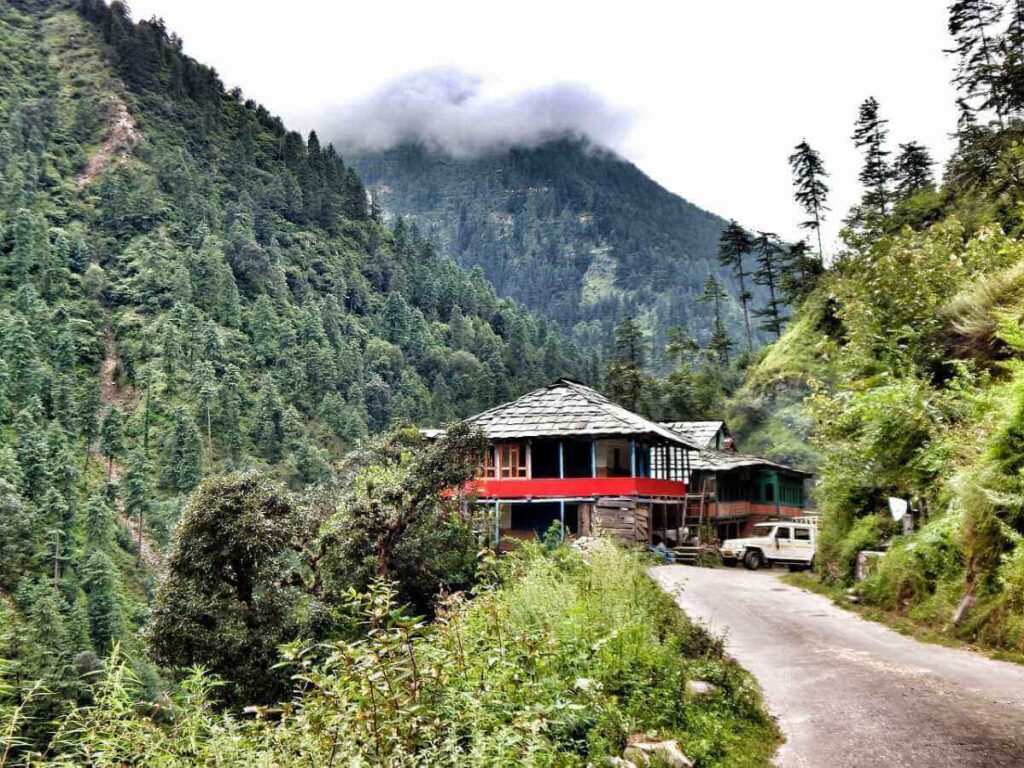
Kalpa is one of those Himalayan villages that does not need loud attractions to impress you. It works slowly. A quiet morning, a snow-bright view of the Kinnaur Kailash range, wooden homes, apple orchards, prayer flags, pine forests, and the soft rhythm of mountain life are enough to make travelers stay longer than planned.
Located in the Kinnaur district of Himachal Pradesh, Kalpa sits above Reckong Peo and offers some of the finest mountain views in the region. It is not as commercial as Shimla or Manali, and that is exactly its charm. Kalpa is for travelers who enjoy scenic road trips, peaceful stays, village walks, local culture, photography, and slow mountain mornings.
This Kalpa travel guide covers the best time to visit Kalpa, top places to see, things to do, how to reach, where to stay, ideal itinerary ideas, and practical travel tips for planning a smooth trip.
Why Visit Kalpa?
Kalpa is best known for its close views of the Kinnaur Kailash range. The mountains feel almost within reach, especially at sunrise when the peaks turn golden. The village is surrounded by apple orchards, deodar trees, pine forests, and traditional Kinnauri houses. It is also a good base for exploring nearby places such as Reckong Peo, Roghi Village, Suicide Point, Kothi, Sangla Valley, and Chitkul.
Kalpa is ideal for:
- Travelers looking for a peaceful Himalayan village
- Couples who want a quiet mountain escape
- Photographers chasing sunrise and snow peak views
- Families who prefer nature over crowded hill stations
- Road trip lovers exploring Kinnaur or Spiti
- Slow travelers interested in local culture and village life
Kalpa sits at around 2,960 metres, or about 9,711 feet, and is located in Kinnaur district beyond Shimla on the Hindustan-Tibet road route. It is surrounded by apple orchards, deodar trees, and the Kinnaur Kailash range, which makes it one of the most scenic villages in Himachal Pradesh.
Best Time to Visit Kalpa:
The best time to visit Kalpa depends on what kind of experience you want. For most travelers, April to June and September to October are the most comfortable and rewarding months. Summer brings pleasant weather and clearer access, while autumn offers crisp skies, apple orchards, and beautiful mountain light.
Kalpa in Summer: April to June
Summer is the easiest and most popular time to visit Kalpa. The weather is pleasant, roads are generally more manageable, and the views of the Kinnaur Kailash range are often clear. Daytime temperatures are comfortable for sightseeing, village walks, short hikes, and photography.
This is a good season for first-time visitors because the journey is easier compared to winter or monsoon. If you are traveling with family, senior travelers, or children, summer is usually the safest choice.
Why visit in summer?
- Pleasant weather for sightseeing
- Clear mountain views on many days
- Good road conditions compared to monsoon and winter
- Suitable for family trips and first-time visitors
- Ideal for combining Kalpa with Sangla and Chitkul
Kalpa is considered especially pleasant from April to June, with summer temperatures often ranging roughly between 8°C and 24°C according to travel weather references.
Kalpa in Monsoon: July to September
Monsoon is beautiful but risky. The landscape becomes greener, clouds move dramatically across the mountains, and photographers may enjoy the misty atmosphere. However, Kinnaur roads are prone to landslides during heavy rain. Travel delays, roadblocks, and slippery stretches are possible.
If you are planning a monsoon trip to Kalpa, check weather updates, road conditions, and avoid tight itineraries. This season is not ideal for families, elderly travelers, or anyone uncomfortable with uncertain mountain roads.
Why be careful in monsoon?
- Landslide risk increases
- Road delays are common
- Mountain views may be blocked by clouds
- Outdoor plans can change suddenly
- Not recommended for first-time mountain drivers
Several travel sources advise caution during the July to September monsoon period because roads toward Kalpa and Kinnaur can become landslide-prone due to unpredictable rain.
Kalpa in Autumn: September to October
Autumn is one of the most beautiful times to visit Kalpa. The sky becomes clearer after the monsoon, the air turns crisp, and apple orchards add color to the village. September and October are excellent for photography, peaceful stays, and relaxed sightseeing.
If you want a balance of good weather, fewer crowds, and scenic beauty, autumn is a strong choice. It is also a good time to enjoy the famous apple-growing belt of Kinnaur.
Why visit in autumn?
- Clear views of snow peaks
- Apple harvest atmosphere
- Cool but manageable weather
- Beautiful golden light for photography
- Less crowded than peak summer
September to October is often recommended for travelers who want clear skies, autumn colors, apple orchards, and a quieter mountain experience in Kinnaur.
Kalpa in Winter: November to March
Winter in Kalpa is dramatic, snowy, and extremely cold. If you love snow and can handle harsh weather, winter can be magical. The village becomes quiet, the mountains look powerful, and snow-covered roofs create a postcard-like scene.
However, winter travel is not easy. Temperatures can drop sharply, roads may become slippery, and heavy snowfall can disrupt movement. You need proper winter clothing, flexible plans, and a reliable local driver.
Why visit in winter?
- Snow-covered landscapes
- Peaceful off-season atmosphere
- Beautiful winter photography
- Less tourist rush
What to keep in mind:
- Carry heavy woollens and thermal layers
- Check road status before departure
- Keep buffer days
- Book accommodation with heating or reliable blankets
- Avoid self-driving unless experienced in snow conditions
Kalpa experiences harsh winters, with heavy snowfall possible and temperatures dropping sharply in the coldest months. Some references note that winter temperatures can fall well below freezing, so proper preparation is essential.
Quick Season Guide for Kalpa
| Season | Months | Best For | Travel Advice |
| Spring and Summer | April to June | First-time visitors, families, sightseeing, road trips | Best overall season for easy travel |
| Monsoon | July to September | Photography, greenery, offbeat stays | Travel only after checking road and weather conditions |
| Autumn | September to October | Apple orchards, clear skies, peaceful travel | Excellent for couples and photographers |
| Winter | November to March | Snow lovers, quiet stays, winter landscapes | Carry heavy woollens and keep plans flexible |
Top Places to Visit in Kalpa:
Kalpa is not about rushing from one attraction to another. Its beauty lies in slow exploration. Spend time walking, watching the peaks, speaking to locals, and enjoying the changing light over the mountains.
1. Kinnaur Kailash Viewpoint
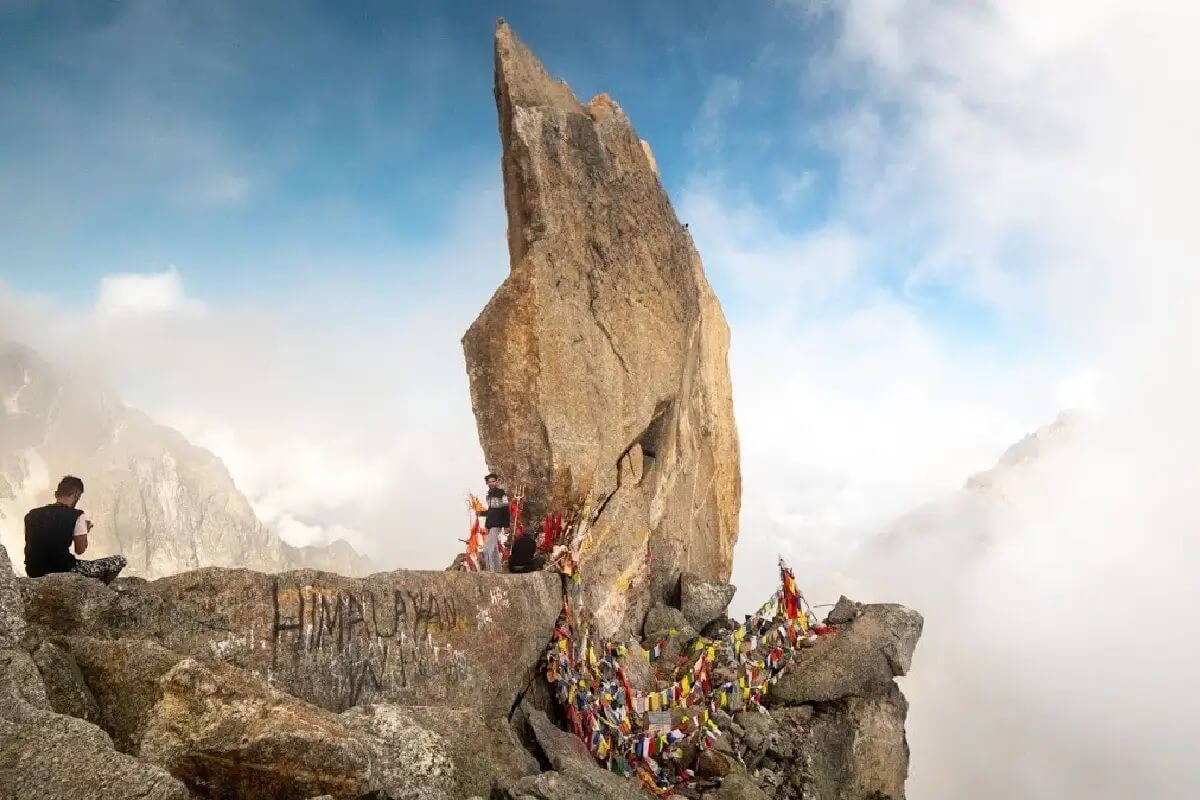
The Kinnaur Kailash range is the main reason many travelers visit Kalpa. From different parts of the village, you can see the snow-covered peaks rising dramatically across the valley. The view is especially beautiful at sunrise when the first light touches the mountains.
The Shivling peak, part of the Kinnaur Kailash range, is one of the most admired sights from Kalpa. Many travelers wake up early just to watch the golden glow spread across the peaks.
Travel tip: Choose a hotel or homestay with a direct mountain view. In Kalpa, your balcony can become your best sightseeing spot.
2. Kalpa Monastery
Kalpa Monastery is a peaceful place to understand the Buddhist influence in the region. The monastery is simple, quiet, and beautifully located. Prayer flags, mountain air, and views of the surrounding valley make it a calming stop during your walk through the village.
Kalpa reflects the cultural blend of Hindu and Buddhist traditions common in Kinnaur. This mixed spiritual identity gives the region a distinct character that feels different from many other parts of Himachal Pradesh.
Best Himachal Tour Packages:
- Shimla, Kufri and Naldehra Trip – 2 Nights / 3 Days
- Shimla Short Tour Package – 2 Nights / 3 Days
- Shimla Manali Tour Package – 5 Nights / 6 Days
- Himachal Honeymoon Package – 6 Nights / 7 Days
- Complete Himachal Tour – 7 Nights / 8 Days
3. Narayan-Nagini Temple
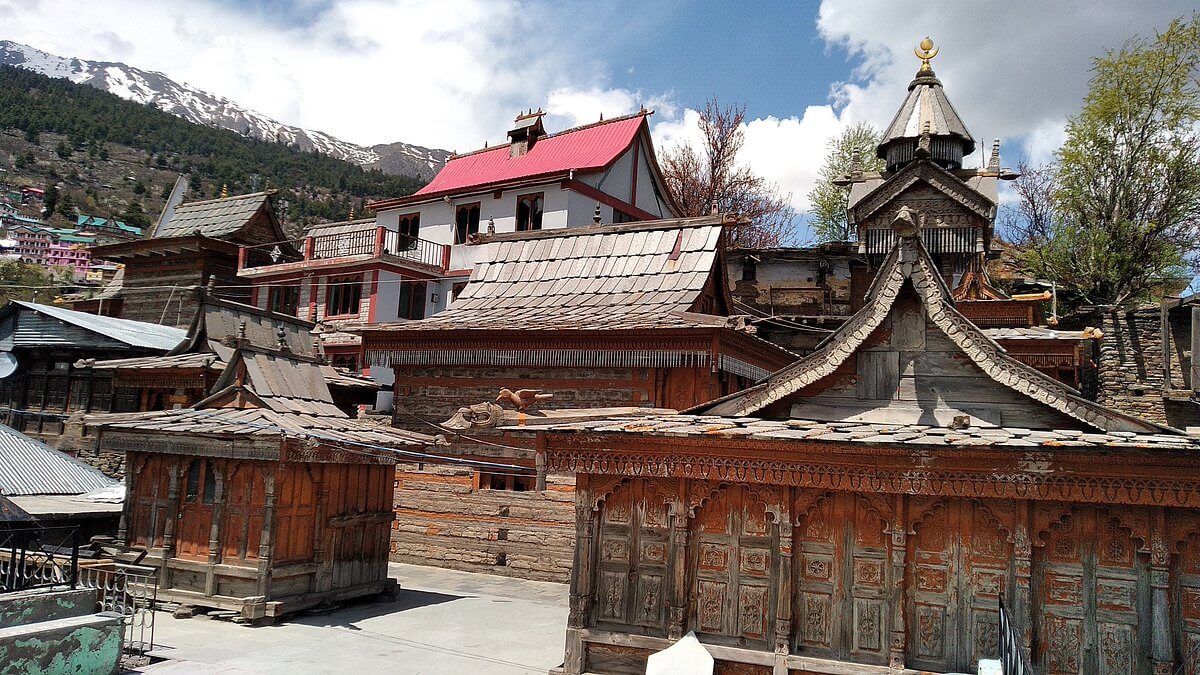
The Narayan-Nagini Temple is one of the important traditional temples in Kalpa. Built in classic Kinnauri style, it reflects the region’s wooden architecture, slate roofs, and intricate local craftsmanship. The temple complex is peaceful and offers insight into the local faith and community life.
When visiting temples in Kinnaur, dress modestly, avoid loud behavior, and follow local instructions. Some inner areas may not be open to all visitors, so it is best to respect local customs.
4. Roghi Village
Roghi Village is a short drive or walk from Kalpa and is known for its traditional houses, apple orchards, and mountain views. The road toward Roghi is scenic, with dramatic valley drops and beautiful viewpoints along the way.
Roghi is a good place to experience rural Kinnauri life. Walk slowly through the village lanes, observe the architecture, and enjoy the quiet setting. It is also a good photography spot, especially during apple season.
5. Suicide Point
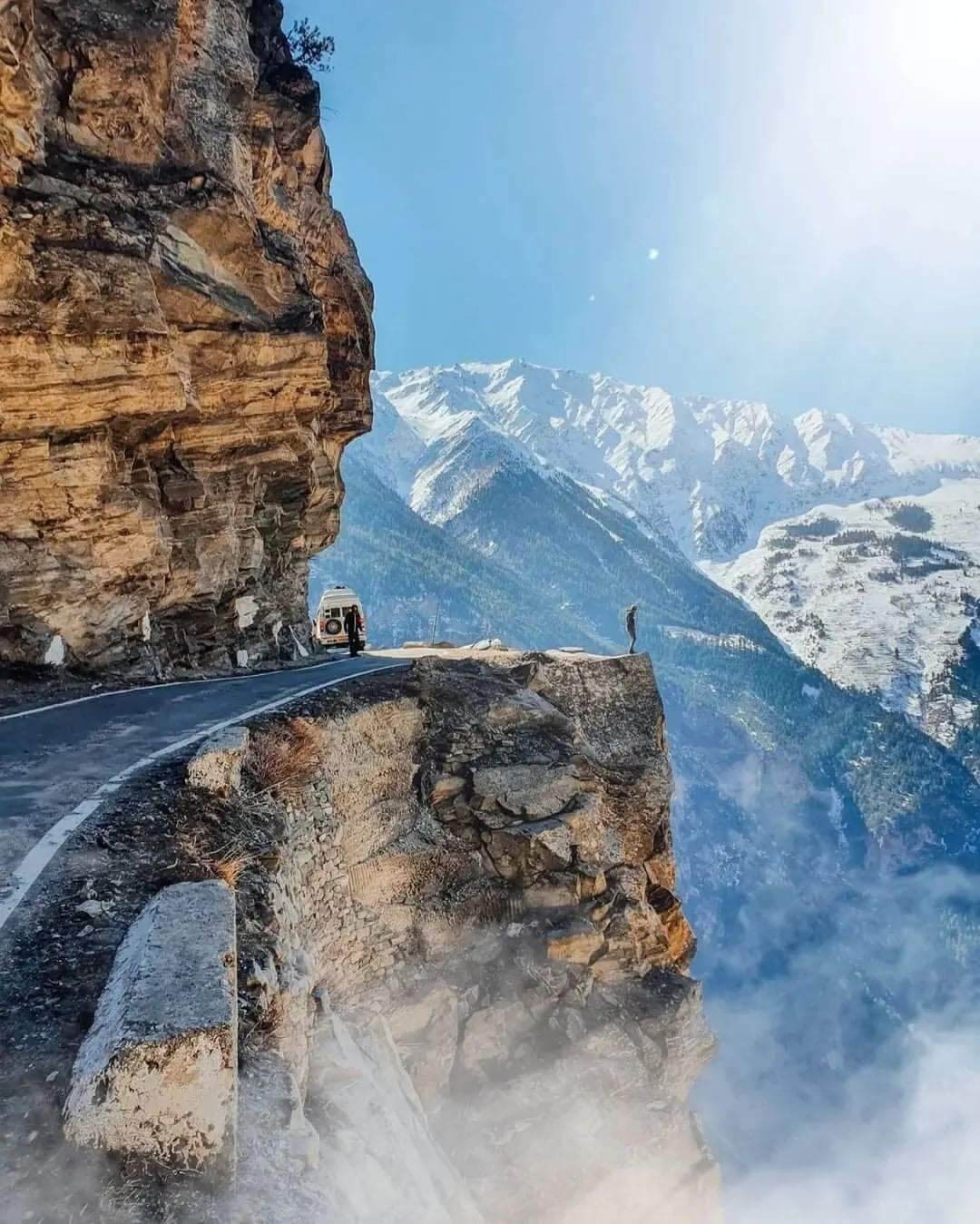
Despite its dramatic name, Suicide Point is mainly known as a scenic viewpoint on the road between Kalpa and Roghi. The location offers deep valley views, narrow mountain roads, and a sense of the rugged geography of Kinnaur.
Travel tip: Be careful near edges and avoid risky photo poses. The landscape is beautiful, but the slopes are steep.
6. Reckong Peo
Reckong Peo, often called Peo, is the district headquarters of Kinnaur and lies below Kalpa. It is the main town for transport, markets, permits, ATMs, basic shopping, and local movement. Most travelers pass through Reckong Peo before reaching Kalpa.
If you need supplies, medicines, cash, or transport connections, Reckong Peo is the practical stop. It also offers views of the Kinnaur Kailash range.
7. Kothi Village & Chandika Devi Temple
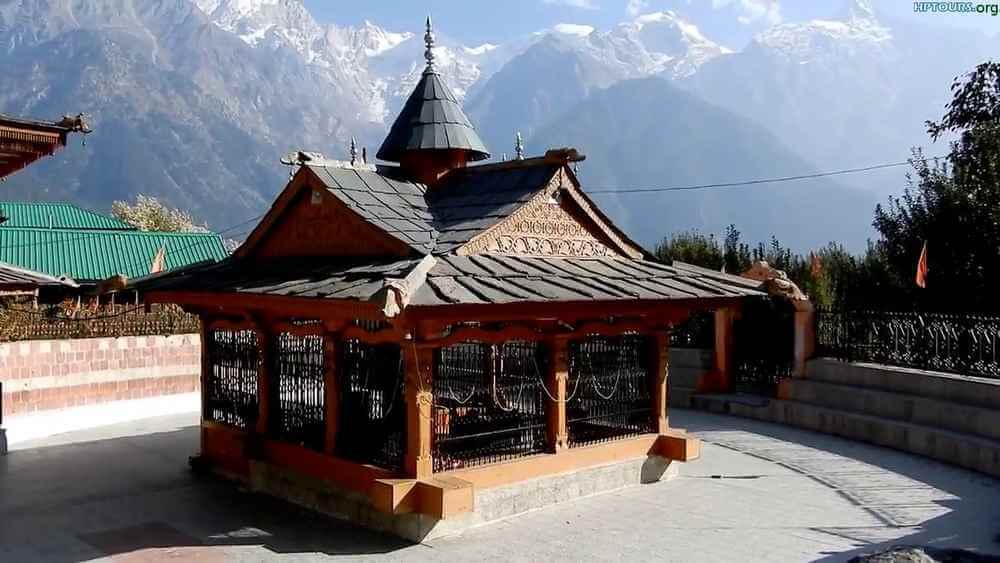
Kothi is located near Reckong Peo and is known for the Chandika Devi Temple. The temple is admired for its local architecture and spiritual importance. If you are interested in culture and temple architecture, Kothi is worth adding to your Kalpa sightseeing plan.
Kothi’s Chandika Devi Temple is noted for its distinctive architecture and local religious significance near Reckong Peo.
8. Chaka Meadows
Chaka Meadows is a rewarding short hike from Kalpa for travelers who enjoy walking. The trail offers views of the valley, forests, and surrounding mountains. It is not a very commercial trek, so you should ask locals about the route before starting.
This hike is best attempted in good weather. Wear proper shoes, carry water, and avoid going alone if you are unfamiliar with mountain trails.
9. Apple Orchards
Kalpa is surrounded by apple orchards, and they are a major part of the village’s identity. In spring, the orchards bloom beautifully. In autumn, the apple harvest adds color and activity to the region.
Kinnaur is known for high-quality apples, and Kalpa is part of this apple-growing belt. The village landscape is shaped by orchards, deodar trees, and mountain farms.
10. Sangla Valley
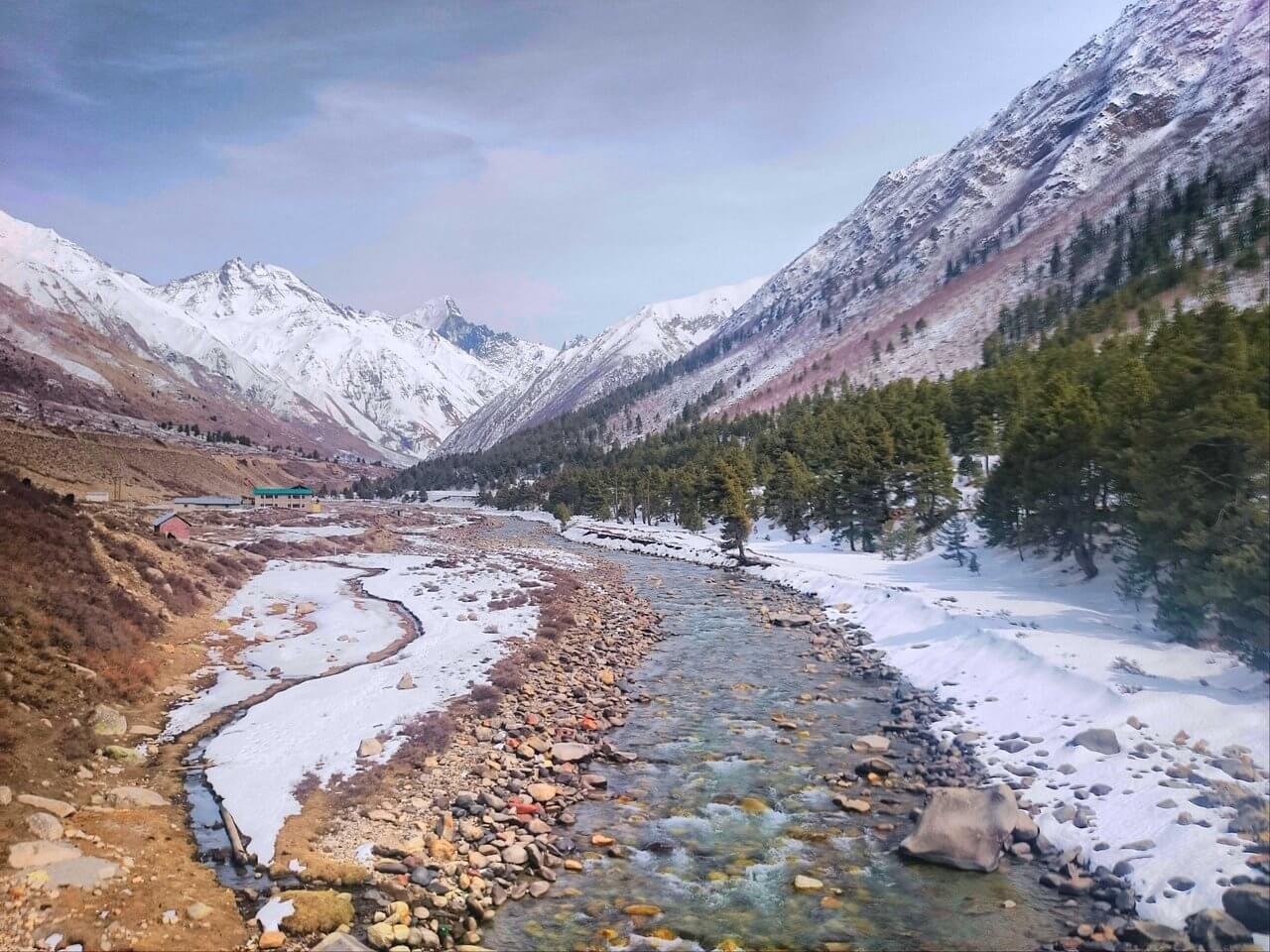
Sangla Valley is one of the most beautiful valleys in Kinnaur and can be combined with Kalpa in a longer itinerary. It is known for the Baspa River, mountain villages, orchards, and scenic landscapes. Many travelers visit Sangla before or after Kalpa.
If you have 5 to 7 days, combine Kalpa with Sangla and Chitkul for a complete Kinnaur experience.
11. Chitkul
Chitkul is often described as one of the last inhabited villages near the Indo-Tibetan border region on the old trade route side of Himachal. It is famous for its river views, wooden houses, mountain scenery, and remote feel.
From Kalpa, Chitkul is not usually done as a quick casual outing unless you are comfortable with long mountain drives. It is better to stay in Sangla or Chitkul for a night if you want to enjoy the region properly.
Best Things to Do in Kalpa:
1. Watch the Sunrise Over Kinnaur Kailash
This is the most memorable experience in Kalpa. Wake up before sunrise, step outside with a cup of tea, and watch the peaks slowly change color. The light first touches the upper ridges, then spreads across the snow, creating a golden glow.
This simple moment is often the highlight of a Kalpa trip.
2. Take a Village Walk
Kalpa is best explored on foot. Walk through narrow lanes, observe wooden houses, see prayer flags fluttering in the wind, and enjoy the slow pace of village life. Unlike busy hill stations, Kalpa allows you to experience silence.
3. Visit Local Temples and Monasteries
The spiritual landscape of Kalpa is shaped by both Hindu and Buddhist influences. Visiting temples and monasteries gives you a deeper understanding of local culture. Go respectfully and avoid treating religious places only as photo stops.
4. Explore Apple Orchards
If you visit during the right season, apple orchards become one of the most beautiful parts of the Kalpa experience. Always ask before entering private orchards. Many locals are friendly, but the orchards are working farms.
5. Try Local Food
Food in Kalpa is simple and comforting. You may find rajma, rice, dal, local vegetables, momos, thukpa, parathas, and Himachali-style meals depending on where you stay. Homestays often serve the most satisfying food because it is fresh and local.
6. Enjoy Stargazing
On clear nights, Kalpa offers beautiful skies. Since it is less commercial and less polluted than many popular hill stations, stargazing can be wonderful. Winter and autumn nights are especially clear, though very cold.
7. Go for Short Hikes
Kalpa has several walking routes and short hikes around the village. Chaka Meadows is one option, but even simple walks toward Roghi or around the orchards can be rewarding. Always check with locals before taking lesser-known trails.
How to Reach Kalpa:
Kalpa is remote enough to feel peaceful, but it is still accessible by road. Most travelers reach Kalpa via Shimla, Narkanda, Rampur, and Reckong Peo.
By Road
The most common route is:
Delhi → Chandigarh → Shimla → Narkanda → Rampur → Reckong Peo → Kalpa
Approximate road distances:
- Shimla to Kalpa: around 220 to 240 km, depending on route and stops
- Delhi to Kalpa: around 570 to 600 km
- Reckong Peo to Kalpa: around 8 km
The journey from Shimla to Kalpa can take 8 to 10 hours depending on road conditions, weather, traffic, and breaks. From Delhi, it is best to break the journey at Shimla, Narkanda, or Rampur.
By Bus
Himachal road transport buses connect Delhi, Chandigarh, Shimla, Rampur, and Reckong Peo. From Reckong Peo, you can take a local taxi or bus to Kalpa. Buses are budget-friendly but take longer and can be tiring on mountain roads.
By Train
There is no direct train to Kalpa. The nearest broad railheads are Chandigarh and Kalka. From there, you need to continue by road. Some travelers take the toy train to Shimla for the experience, then continue by taxi or bus.
By Flight
The nearest major airport is Chandigarh Airport. From Chandigarh, Kalpa is a long road journey. Shimla Airport may have limited connectivity, but schedules can change, so check current flight options before planning.
In 2026, reports also mentioned helicopter connectivity plans linking Shimla with Reckong Peo in Kinnaur, but travelers should verify operational status, schedule, and booking details before relying on it.
Suggested 3 Days Kalpa Itinerary:
This is suitable if you are short on time and want a peaceful mountain break.
Day 1: Arrive in Kalpa
Reach Kalpa by evening. Check into your hotel or homestay. Relax and enjoy the first view of the Kinnaur Kailash range.
Day 2: Kalpa Sightseeing
Wake up early for sunrise. Visit Kalpa Monastery, Narayan-Nagini Temple, Roghi Village, Suicide Point, and nearby viewpoints. Spend the evening walking around the village.
Day 3: Departure
Enjoy a slow morning and leave for Shimla, Rampur, or your next destination.
Suggested 5 Days Kalpa and Sangla Itinerary:
This is a better option for travelers who want to explore Kinnaur properly.
Day 1: Shimla or Narkanda to Kalpa
Drive through Rampur and reach Kalpa by evening.
Day 2: Kalpa Local Sightseeing
Explore Kalpa village, monastery, temples, Roghi Village, and viewpoints.
Day 3: Kalpa to Sangla
Drive to Sangla Valley. Visit Kamru Fort if time allows. Relax by the Baspa River.
Day 4: Chitkul Excursion
Visit Chitkul and enjoy the mountain scenery. Return to Sangla for the night.
Day 5: Sangla to Shimla or onward
Drive back toward Shimla or continue your Himachal journey.
Suggested 7 Days Kinnaur Itinerary
For a more relaxed trip, plan:
Day 1: Delhi or Chandigarh to Shimla/Narkanda
Drive from Delhi or Chandigarh to Shimla or Narkanda. Overnight stay.
Day 2: Shimla/Narkanda to Kalpa
Drive via Rampur and Reckong Peo. Reach Kalpa by evening and relax.
Day 3: Kalpa Sightseeing
Visit Kalpa village, monastery, Narayan-Nagini Temple, Roghi Village, Suicide Point, and viewpoints.
Day 4: Kalpa to Sangla
Drive to Sangla Valley. Visit Kamru Village or relax near the Baspa River.
Day 5: Chitkul Day Visit
Visit Chitkul village, enjoy Baspa River views, and return to Sangla.
Day 6: Sangla to Narkanda/Rampur
Drive back towards Narkanda or Rampur for an overnight halt.
Day 7: Return to Delhi/Chandigarh
Drive back to Delhi or Chandigarh with trip memories.
This itinerary gives you enough time to enjoy the region without rushing every day.
Where to Stay in Kalpa:
Kalpa has hotels, guesthouses, homestays, and boutique mountain stays. The best accommodation depends on your travel style.
Choose a mountain-view hotel if you want comfort and direct views. Choose a homestay if you want local food, personal interaction, and a quieter experience. Choose a simple guesthouse if you are traveling on a budget.
What to check before booking:
- Does the room have a clear Kinnaur Kailash view?
- Is heating available in winter?
- Is parking available?
- Is hot water reliable?
- Is the property accessible by car?
- Are meals available in-house?
In winter, do not book only by photos. Call and confirm heating, blankets, road access, and food availability.
What to Eat in Kalpa
Kalpa does not have a large café culture like Manali, but it offers simple mountain food. Many hotels and homestays serve fresh meals. Expect North Indian food, local vegetables, rajma, rice, dal, roti, momos, thukpa, tea, and seasonal apple-based items.
If you stay in a homestay, ask for local-style meals. Kinnauri hospitality is warm, and food often becomes one of the most memorable parts of the stay.
Travel Tips for Kalpa:
1. Keep Buffer Time
Mountain roads in Kinnaur can be unpredictable. Landslides, weather changes, road work, and traffic delays are possible. Do not plan a tight return flight or train immediately after leaving Kalpa.
2. Carry Warm Clothes in Every Season
Even in summer, evenings and mornings can be cold. Carry layers, a light jacket, socks, and comfortable shoes. In winter, pack thermals, gloves, a cap, heavy jacket, and proper footwear.
3. Start Drives Early
Long drives in Himachal are best started early in the morning. You get better light, more buffer time, and safer road conditions.
4. Avoid Monsoon If You Want a Smooth Trip
If this is your first trip to Kinnaur, avoid peak monsoon. The region is beautiful during rains, but road risks are higher.
5. Respect Local Culture
Kinnaur has a distinct culture. Temples, monasteries, village customs, and local traditions should be respected. Ask before photographing people, religious ceremonies, or private homes.
6. Carry Cash
Digital payments may work in many places, but network issues are common in mountain regions. Carry enough cash for small shops, taxis, food, and emergency needs.
7. Check Mobile Network
Network connectivity can vary. Some areas may have weak signals. Inform family before entering low-network zones.
8. Do Not Litter
Kalpa is still relatively clean and peaceful. Carry your waste back, avoid plastic litter, and respect the mountain environment.
9. Book Early in Peak Season
May, June, September, and October can attract many travelers. Book good-view rooms in advance, especially if you want a balcony facing Kinnaur Kailash.
10. Hire an Experienced Driver
If you are not used to Himalayan roads, avoid self-driving. Kinnaur roads can be narrow, steep, and exposed in sections. A local or experienced hill driver makes the journey safer and more relaxed.
Is Kalpa Safe for Travelers?
Kalpa is generally safe for tourists, including couples, families, and solo travelers. The local community is peaceful and welcoming. The main safety concerns are not crime-related but road and weather-related.
Be careful during monsoon and winter. Avoid driving at night, do not stand near cliff edges for photos, and check local advice before hikes or long drives.
Is Kalpa Good for Family Trips?
Yes, Kalpa is good for families who enjoy nature, quiet stays, and scenic views. It is not a destination with amusement parks or heavy commercial entertainment, so children who enjoy open spaces and nature will like it more.
For families, the best time is April to June or September to October. Avoid harsh winter and monsoon unless you are comfortable with mountain travel challenges.
Is Kalpa Good for Honeymoon Couples?
Kalpa is a lovely choice for couples who prefer peace over crowds. The views are romantic, the village is quiet, and the pace is slow. A mountain-view stay, sunrise from the balcony, orchard walks, and a relaxed itinerary can make Kalpa a beautiful honeymoon add-on with Sangla or Shimla.
Kalpa vs Sangla: Which Is Better?
Kalpa and Sangla offer different experiences.
Choose Kalpa if you want:
- Direct views of Kinnaur Kailash
- Peaceful village stays
- Sunrise photography
- Short sightseeing and slow travel
Choose Sangla if you want:
- River valley scenery
- Access to Chitkul
- More valley drives
- Baspa River landscapes
The best plan is to visit both. Kalpa gives you mountain views, while Sangla gives you river valley beauty.
Suggested Packing List for Kalpa
- Warm jacket
- Thermal wear in winter
- Comfortable walking shoes
- Sunglasses
- Sunscreen
- Lip balm and moisturizer
- Personal medicines
- Power bank
- Reusable water bottle
- Cash
- Camera or phone with enough storage
- Rain jacket if traveling near monsoon
Responsible Travel in Kalpa
Kalpa is not just a viewpoint. It is a living village with local families, farms, temples, and traditions. Travel responsibly so the destination does not lose its charm.
Follow these simple practices:
- Stay in locally run hotels or homestays when possible
- Buy local apples or produce directly from villagers if available
- Avoid loud music in peaceful areas
- Do not enter orchards without permission
- Dress respectfully near temples and monasteries
- Do not leave plastic waste behind
- Support local guides and drivers
Final Thoughts
Kalpa is one of the most rewarding places to visit in Himachal Pradesh if you enjoy quiet mountains, local culture, and dramatic Himalayan views. It is not a destination built around nightlife, shopping streets, or crowded attractions. Its real beauty is in the sunrise over Kinnaur Kailash, the silence of apple orchards, the warmth of homestays, and the feeling of being close to the high Himalayas without losing the comfort of a village stay.
For most travelers, the best time to visit Kalpa is from April to June or September to October. Summer is ideal for easy travel and sightseeing, while autumn is perfect for clear skies, apple orchards, and photography. Winter is beautiful but challenging, and monsoon should be planned with caution.
If you are planning a Kinnaur trip, give Kalpa at least two nights. Wake up early, walk slowly, speak to locals, and let the mountains set the pace. That is the best way to experience Kalpa.
More Himachal Travel Guides:
- Himachal in July 2026: Weather, Places & Travel Tips
- Manikaran Travel Guide: Best Things to Do
- Hidden Villages in Himachal for Offbeat Travelers
- Himachal in June 2026: Weather, Places & Trip Guide
- Best Monasteries in Himachal for Peaceful Escapes
- Himachal in May 2026: Attractions, Weather & Tips
- Himachal in April 2027: Weather, Places & Guide
- Delhi to Solan: Best Routes, Distance & Travel Tips
- Best National Parks in Himachal Pradesh
- Himachal in February 2027: Weather, Snow & Travel Tips
- Himachal in January 2027: Weather, Places & Guide
- Best Photography Places in Himachal Pradesh
- 10 Must-Visit Places in Himachal in December 2026
- Pet-Friendly Hotels in Manali for Travelers
- Manali to Sethan Valley: Route, Distance & Tips
- Manali in Summer: Best Places & Cool Escapes
- Fagu Travel Guide: Best Places to Visit
- Himachal Adventure Activities Update
- Uttarakhand vs Himachal in August 2026: Travel Guide
FAQs About Kalpa Travel:
What is Kalpa famous for?
Kalpa is famous for its stunning views of the Kinnaur Kailash range, apple orchards, traditional Kinnauri houses, temples, monasteries, and peaceful village atmosphere.
What is the best time to visit Kalpa?
The best time to visit Kalpa is from April to June and September to October. These months offer pleasant weather, better road conditions, and beautiful mountain views.
Is Kalpa worth visiting?
Yes, Kalpa is worth visiting if you enjoy scenic mountain views, peaceful stays, local culture, and slow travel. It is one of the most beautiful places in Kinnaur.
How many days are enough for Kalpa?
Two nights and three days are enough for Kalpa alone. If you want to include Sangla and Chitkul, plan at least five to seven days.
Does Kalpa receive snowfall?
Yes, Kalpa receives snowfall in winter, especially from December to February. Snowfall depends on weather conditions, so check updates before planning.
Is Kalpa safe in winter?
Kalpa can be visited in winter, but travel requires caution. Roads may become slippery, temperatures can drop below freezing, and snowfall can disrupt movement. Travel with an experienced driver and keep buffer days.
Can I visit Kalpa with family?
Yes, Kalpa is suitable for family trips, especially from April to June and September to October. Avoid monsoon and harsh winter if traveling with young children or elderly family members.
Which is better, Kalpa or Chitkul?
Kalpa is better for Kinnaur Kailash views and peaceful village stays. Chitkul is better for remote valley scenery and the Baspa River landscape. If possible, visit both.
How far is Kalpa from Shimla?
Kalpa is roughly 220 to 240 km from Shimla by road, depending on the route. The journey usually takes around 8 to 10 hours, depending on road and weather conditions.
Is there mobile network in Kalpa?
Mobile network is available in Kalpa, but connectivity can vary by provider and location. Internet speed may not always be reliable, so plan accordingly.