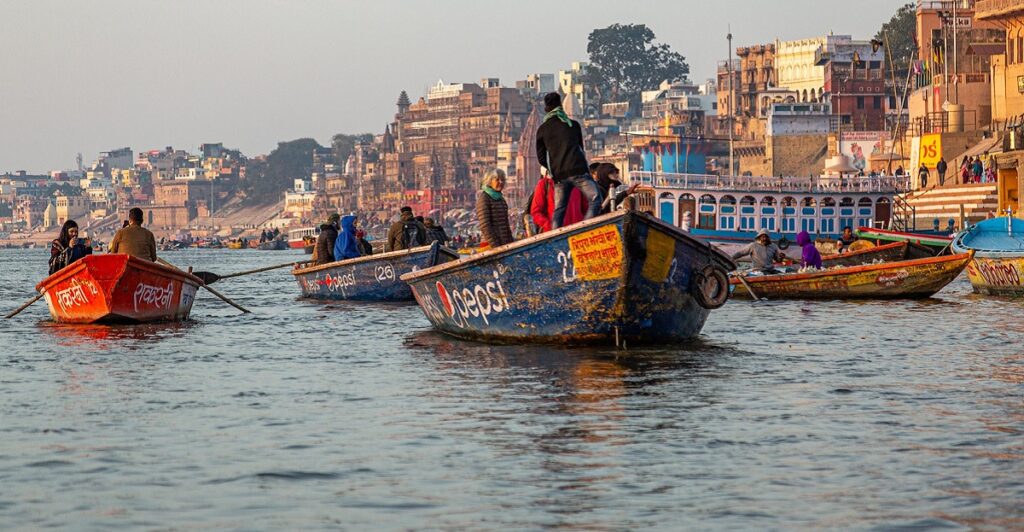
Ayodhya is not just one temple. Yes, most trips begin with Ram Janmabhoomi, but the city’s real depth shows up when you step into the older lanes, climb a fort-like shrine, pause at a quiet palace-temple, and end your day by the Sarayu riverfront as the light softens.
If you are planning Ayodhya in 2026, this “beyond Ram Janmabhoomi” list will help you do it the smart way: 10 temples and sacred shrines that fit into a practical route, with tips for first-timers, families, senior citizens, and international travellers who want a smooth, respectful, no-stress visit.
Note: Temple visiting hours and entry rules can change on festival dates and high-crowd days. Always confirm the latest timings at the gate or via your hotel/local guide.
Why go beyond Ram Janmabhoomi?
Because Ayodhya’s spiritual story is layered. One temple shows you the centre of faith today, but the rest of the city shows you the heritage: old palace-temples, hill shrines, riverfront temples, and neighbourhood places of worship that locals visit daily.
- You experience Ayodhya at a calmer pace (especially after the main temple visit).
- You avoid crowd fatigue by balancing busy sites with quieter ones.
- You build a fuller itinerary for 1 day, 2 days, or a multi-city Uttar Pradesh trip.
If you have not planned your main temple stop yet, start here: Ram Janmabhoomi visitor guide.
Quick planning tips
1) Pick the right time window
Most major temples follow a pattern: morning visiting hours, a midday break, then evening hours. To avoid long lines and heat, aim to cover the “busy temples” early morning and keep calmer stops for late afternoon.
2) Dress and footwear
- Wear simple, modest clothes suitable for a pilgrimage town.
- Choose footwear that is easy to remove and comfortable for walking.
- Carry a light scarf or cap if you are visiting in summer.
3) Keep your bag light
Large bags slow you down at security checks and make crowded lanes harder. Carry only essentials: ID, small wallet, water, and basic medicines.
4) Payments and small cash
Digital payments are common, but small cash is still useful for short rides and small purchases near temple zones.
5) Plan local movement like a “short-hops” city
Ayodhya works best when you do short hops by local auto/e-rickshaw and walk the final stretch near busy entry zones. For families and international travellers, a pre-booked cab for the day can be the smoothest option.
How to cover these temples: 3 easy temple circuits
Circuit A: Half-day “Essentials Beyond the Main Temple” (4–5 hours)
- Hanuman Garhi
- Kanak Bhawan
- Nageshwarnath Temple
- Sarayu riverfront (short sunset stop)
Circuit B: Full-day “Top 10 temples” (8–10 hours)
Start early and keep lunch simple. You can cover 6–8 temples comfortably in the city core and add 1–2 outskirt stops if traffic is manageable.
Circuit C: Two-day relaxed plan (best for families/seniors)
- Day 1: main temple + 3 nearby temples + Sarayu riverfront
- Day 2: palace-temples + hill shrine + outskirt sacred sites
Where you stay matters for a relaxed plan: Best hotels in Ayodhya near the Ram Temple area.
Top 10 Temples in Ayodhya (Beyond Ram Janmabhoomi)
These are listed in a practical order that works well for most visitors. You can rearrange based on your hotel location and crowd conditions.
1) Hanuman Garhi
The fort-style temple you should not skip
Hanuman Garhi is one of Ayodhya’s most visited temples after Ram Janmabhoomi. It is built like a small fort, and many travellers prefer to visit here early because it can get crowded later in the day.
Why it is worth your time
- Strong “guardian temple” energy associated with protection of the city.
- Great viewpoint feel once you reach the upper area.
- Easy to combine with nearby temples in the old city circuit.
Practical tips
- Expect stair climbing. If you are with seniors, go slow and take short breaks.
- Visit early morning for a smoother entry.
- Keep your belongings minimal to move easily in the crowd.
2) Kanak Bhawan
A beautiful temple with a palace-like feel
Kanak Bhawan is among the most loved temples in Ayodhya for its calm atmosphere and its “private palace” association in local tradition. Many visitors include it right after Hanuman Garhi because the locations sit well in the same core circuit.
Why it is worth your time
- A more peaceful temple experience compared to the busiest zones.
- Good option for families who want a calmer stop.
- Architecture and inner ambience feel more “palace-like” than many temples.
Practical tips
- Plan 45–90 minutes, depending on crowd.
- Dress modestly and keep your voice low inside.
- Keep this as a “recharge stop” after a busier temple visit.
3) Nageshwarnath Temple
Ayodhya’s key Shiva temple
Nageshwarnath Temple is among the most prominent Shiva temples in Ayodhya and is often included in the classic pilgrim route. It is located near the Sarayu-side area, making it easy to combine with your riverfront visit later.
Why it is worth your time
- Balances your Ayodhya temple day with a major Shiva stop.
- Strong heritage feel and a consistent flow of local worshippers.
- Works well as a midday or late afternoon visit.
Practical tips
- Keep your visit simple and respectful; do not block worshippers.
- Plan this near your Sarayu riverfront stop to save travel time.
4) Devkali Temple
A major goddess temple in Ayodhya
Devkali Temple (also known locally as Deokali) is a respected goddess temple in Ayodhya that many first-time visitors miss because they focus only on the main circuit. It is strongly linked with local tradition and worship practices.
Why it is worth your time
- A meaningful stop if you want a wider “temple mix” beyond only Rama-linked sites.
- Often feels more local and less tourist-driven.
- A good choice if you want one visible goddess temple in your top list.
Practical tips
- Keep a calm pace and follow the local entry flow.
- Plan 30–60 minutes for a comfortable visit.
5) Treta Ke Thakur
A historic temple linked with older Ayodhya tradition
Treta Ke Thakur is one of Ayodhya’s well-known historic temples and is commonly included in heritage-focused itineraries. The temple is associated with older era narratives and has a strong “ancient Ayodhya” feel.
Why it is worth your time
- A classic “beyond the main temple” stop for heritage lovers.
- Good for travellers who want to see Ayodhya’s older temple layer.
- Often works well as a mid-route stop when moving through the old city circuit.
Practical tips
- Confirm visiting access on your travel day, as some historic temples can have special opening patterns.
- Keep expectations realistic: this is more about heritage atmosphere than grand scale.
6) Ramkot Temple area
The “old citadel” spiritual zone
Ramkot is described as a prominent spiritual site in Ayodhya and is often referred to as an elevated, older worship zone. It is best experienced as an area: short walks, multiple small shrines, and a strong old-city vibe.
Why it is worth your time
- Gives you the feel of “old Ayodhya” in one compact stop.
- Great for travellers who like walking lanes and discovering small shrines.
- Works well if you want a less crowded, more local experience.
Practical tips
- Visit early morning or late afternoon for easier movement.
- Wear comfortable shoes. Expect uneven walking stretches.
- Do not over-plan; keep this as a slow, exploratory stop.
7) Dashrath Mahal
Palace-temple experience near the core circuit
Dashrath Mahal is commonly described as a palace connected with King Dashrath in tradition and is close to the main temple zone. Many visitors enjoy it because it feels like a colourful palace-temple with a lively devotional atmosphere.
Why it is worth your time
- Quick, easy stop near other core attractions.
- Good for photos of colourful courtyards and architecture (follow local rules).
- Ideal if you want a “palace + temple” feel in your itinerary.
Practical tips
- Plan 30–45 minutes if you are short on time.
- Midday access can vary; keep flexibility in your schedule.
8) Kale Ram Temple
Famous for its black stone idol and grand structure
Kale Ram Temple is known for an idol made of black stone, which is the reason behind the name. It is also noted for its large structure and multiple entry doors, making it a distinctive stop in the Ayodhya temple list.
Why it is worth your time
- Different visual identity compared to many other temples in the city.
- Good stop if you are building a “Rama temples” theme beyond the main complex.
- Often feels less rushed than the busiest points of the core circuit.
Practical tips
- Plan this stop when you are already in the old city area to avoid extra travel time.
- Keep your visit quiet and respectful, especially during worship hours.
9) Mani Parvat shrine area
A hill stop for views and a quieter pause
Mani Parvat is a small hillock described in local tradition and is often visited as a spiritual viewpoint stop. Many travellers like it because it breaks the “temple-only” rhythm and gives you a calmer moment with open air and elevation.
Why it is worth your time
- A peaceful pause between crowded temple visits.
- Good for travellers who want a viewpoint style stop without going far.
- Works well in late afternoon when you want a slower pace.
Practical tips
- Keep water with you, especially in warm months.
- Plan around 45–60 minutes including the approach and short rest.
10) Bharat Kund (Nandigram)
An outskirt sacred stop for serious pilgrims
If you have extra time and want one meaningful outskirt stop, Bharat Kund in Nandigram is often included in the wider Ayodhya region pilgrimage circuit. It is described as being around 15 km from Ayodhya, which makes it doable as a half-day add-on if traffic is cooperative.
Why it is worth your time
- Strong “Ramayana circuit” feel for travellers who want deeper context.
- Less crowded than the city core on many days.
- Good add-on for a 2-day itinerary or a longer pilgrimage plan.
Practical tips
- Best done with a cab so you control timing and return.
- Do not squeeze this into a tight one-day plan if you also have major city temples pending.
Suggested 1-day itinerary using this Top 10 list (most practical)
If you are doing Ayodhya in one day, here is a sequence that works well for crowd flow and travel time.
- Early morning: Main temple visit (Ram Janmabhoomi area)
- Morning: Hanuman Garhi → Kanak Bhawan
- Lunch + rest: keep it simple and hygienic
- Afternoon: Dashrath Mahal → Kale Ram Temple → Ramkot area
- Late afternoon: Nageshwarnath Temple
- Sunset: Sarayu riverfront (Sarayu Ghat)
If you want more sightseeing ideas outside temples (nearby towns and day trips), use:
Tourist places near Ayodhya within 100 km.
Temple etiquette (simple rules that avoid problems)
- Follow the queue flow and do not stop in narrow lanes.
- Photography rules vary; ask or follow signage.
- Keep your voice low and avoid phone calls inside temple spaces.
- Do not argue with volunteers/security; rules may change on high-crowd days.
- Respect local worshippers by not blocking their path or worship space.
Where to stay for easy temple access
If temples are your main reason for visiting Ayodhya, choose a hotel location that reduces repeated travel through crowded zones. A stay closer to the core temple area can save you hours over 2 days.
Use this practical stay guide:
Best hotels in Ayodhya near Ram Temple.
FAQ:
Which temple should I visit first in Ayodhya after Ram Janmabhoomi?
Most visitors go to Hanuman Garhi first because it is close to the main zone and gets crowded later. After that, Kanak Bhawan is a calmer follow-up stop.
What are the top temples to visit in Ayodhya in one day?
If you have only one day, cover: Hanuman Garhi, Kanak Bhawan, Nageshwarnath Temple, Dashrath Mahal, and Sarayu riverfront. Add Ramkot area if you still have energy and time.
Is Kanak Bhawan worth visiting?
Yes. Kanak Bhawan is one of the most popular temples beyond the main complex because it feels calmer and has a palace-like ambience. It is also easy to fit into a half-day circuit.
Which is the most important Shiva temple in Ayodhya?
Nageshwarnath Temple is widely considered the key Shiva temple in Ayodhya and is often included in standard pilgrim itineraries.
Are these temples suitable for senior citizens?
Yes, with smart pacing. Choose 4–6 temples instead of all 10 in one day, use short local rides between stops, and keep one longer rest break after lunch. For seniors, avoid heavy stair-climbing sites during peak heat.
How much time is needed to visit Hanuman Garhi?
Keep 45 minutes to 2 hours depending on crowd. Visit early morning for a smoother entry, and plan extra time if you are visiting on weekends or festival dates.
What is the best time to visit Ayodhya temples to avoid rush?
Early morning is usually the easiest for popular temples. Weekdays are often smoother than weekends. If you are visiting in winter, mornings are comfortable; in summer, early morning and late evening are best for walking.
Can international travellers visit Ayodhya temples easily?
Yes. The visit becomes easier if you travel light, keep a pre-booked cab for the day, and follow simple etiquette. Choose a hotel that can support smooth check-in and local assistance if you are visiting during peak crowd periods.
Is Bharat Kund worth adding to an Ayodhya trip?
If you have two days or you want a deeper “Ramayana circuit” style itinerary, Bharat Kund is a meaningful add-on. For a very tight one-day plan, it is better to focus on city temples and Sarayu riverfront.
Which temples are closest to Sarayu riverfront?
Nageshwarnath Temple is near the Sarayu-side area. Many visitors combine it with a relaxed evening stop at Sarayu riverfront to close the day peacefully.
What is the best 2-day temple plan in Ayodhya?
Day 1: main temple visit + Hanuman Garhi + Kanak Bhawan + Sarayu riverfront. Day 2: Nageshwarnath Temple + Devkali Temple + Dashrath Mahal + Kale Ram Temple + Ramkot area, and add Bharat Kund if you want an outskirt stop.