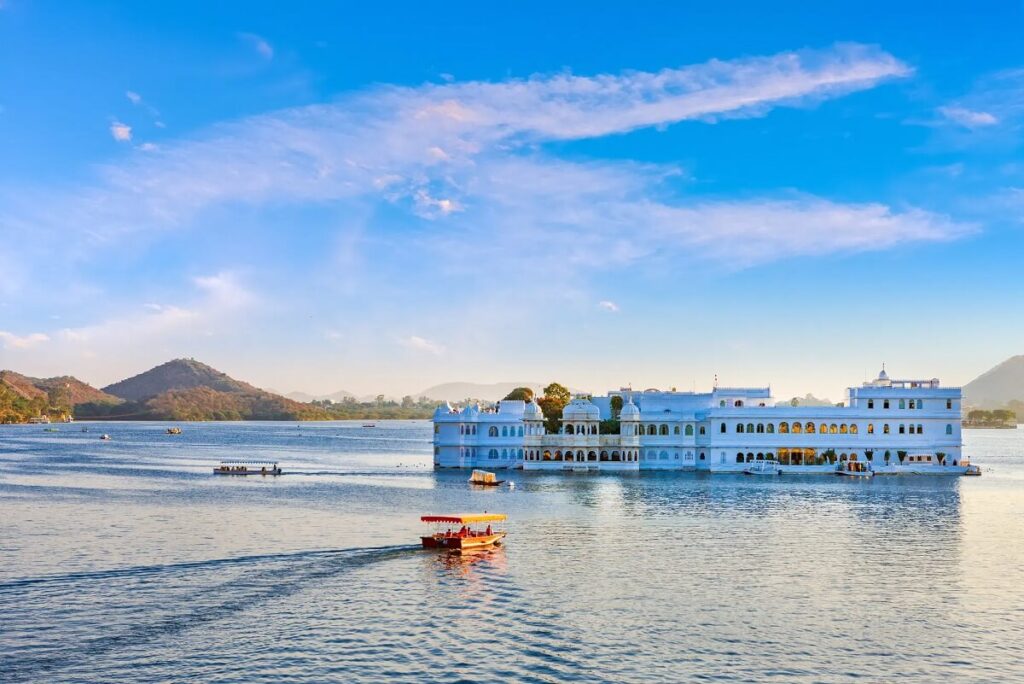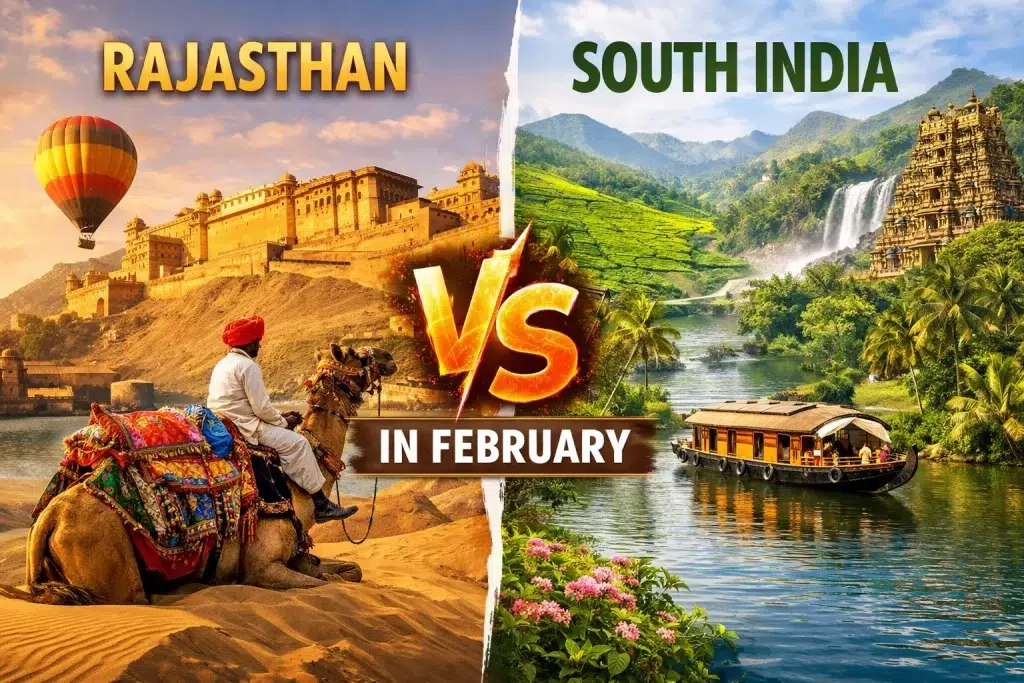
February is one of the easiest months to travel in India, but the experience can feel completely different depending on where you go. If you are stuck between Rajasthan and South India, the decision usually comes down to one thing: what kind of comfort you want. Rajasthan gives you dry winter days, heritage cities, desert sunsets, and fort walks. South India gives you greener landscapes, beaches, backwaters, temples, hill stations, and a more relaxed pace in many places. This guide compares Rajasthan vs South India in February with real planning points: weather and humidity, crowds, sightseeing comfort, travel time, what to pack, what feels easier for families, what works best for couples, and which route gives better value. By the end, you should be able to choose in 5 minutes without overthinking.
Quick navigation
- Quick snapshot: Rajasthan vs South India in February
- Weather comparison: temperature, humidity, rainfall
- Travel comfort: walking, drives, crowds, fatigue
- What kind of trip you get: heritage vs nature vs beaches
- Best choice by traveller type
- Best itineraries (5/7/10 days)
- What to pack in February
- Budget and value comparison
- Common planning mistakes to avoid
- People Also Ask FAQs
Quick snapshot: Rajasthan vs South India in February
| Factor | Rajasthan in February | South India in February |
|---|---|---|
| Overall comfort | Dry winter weather, pleasant days for forts and markets; nights can be cold in desert areas | Warm and pleasant; coastal areas can be humid; hill stations are very comfortable |
| Best vibe | Heritage, palaces, desert sunsets, cultural evenings | Beaches, backwaters, temples, greenery, slow travel, wellness |
| Walking & sightseeing | Very good for long monument days (less sweating, less exhaustion) | Good, but coastal humidity can tire you faster; mornings/evenings are best |
| Rain risk | Low (mostly dry month) | Low to moderate depending on region; generally stable |
| Crowds | High in popular cities (Jaipur, Udaipur, Jaisalmer) because it is peak season | High in beach towns and popular circuits; still manageable if planned well |
| Best for | First-time India travellers, heritage lovers, family trips with structured sightseeing | Couples, relaxed travellers, nature lovers, beach + temple mixes |
Planning by region (use only if you want deeper route ideas): Rajasthan | South India Tours
Weather comparison in February: temperature, humidity, rainfall
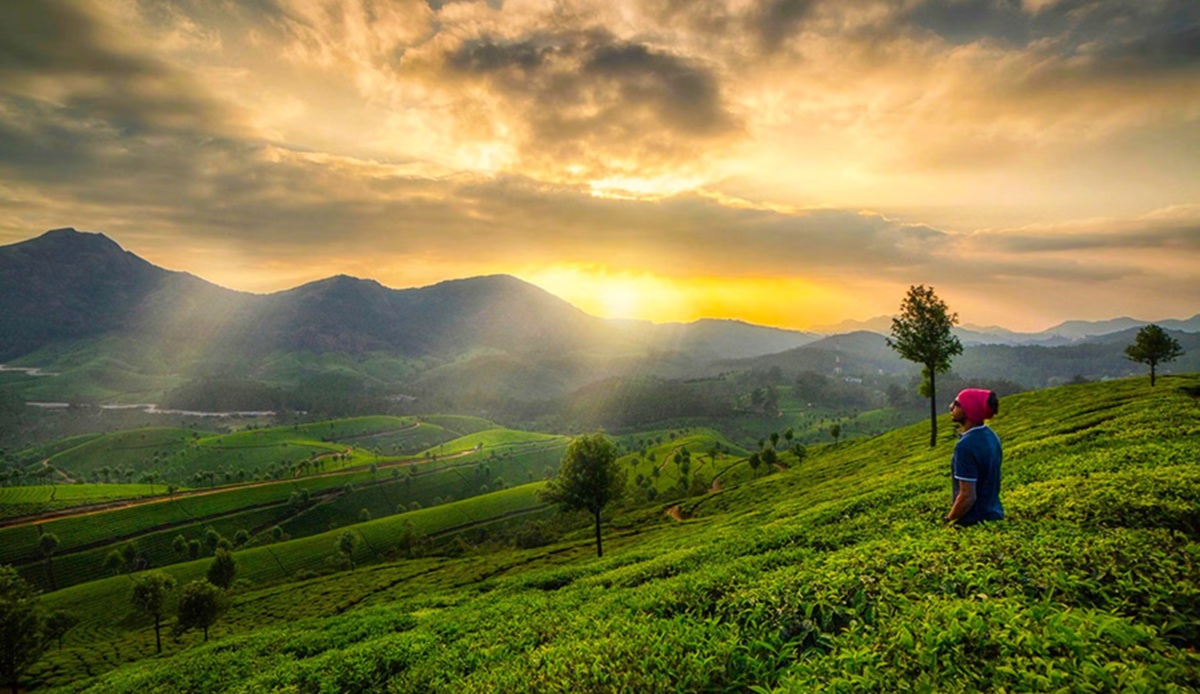 When people ask “Which is better in February, Rajasthan or South India?”, they are usually asking about comfort. Comfort depends on three things: temperature, humidity, and how much time you spend outdoors. In February, both Rajasthan and South India are travel-friendly, but the feeling on your skin is very different.
Rajasthan weather in February (what it feels like)
Rajasthan in February is typically dry and cool. Days are usually pleasant for sightseeing, and you can comfortably walk through forts, palace complexes, old markets, and stepwells without feeling drained. The biggest surprise for many travellers is the evening chill, especially in desert regions. If you are staying in Jaisalmer or doing a desert camp night, you will feel the cold after sunset.
- Daytime feel: mild to warm sun, comfortable for walking and photography
- Evening/night feel: chilly in many places, colder in desert zones
- Humidity: low, so sweating is less
- Rain: usually low; mostly dry travel days
What this means for travel comfort: Rajasthan is ideal if you want full-day sightseeing with lots of walking, and you don’t want humidity to slow you down.
South India weather in February (what it feels like)
South India in February is generally warm and pleasant. However, “South India” is not one weather type. Coastal Kerala feels different from Bangalore’s mild weather, and hill stations like Ooty or Munnar feel different from Chennai’s coastal warmth. February is usually comfortable for sightseeing, but in coastal areas the humidity can make you feel tired faster in the afternoon.
- Daytime feel: warm, bright, comfortable in most places; coastal regions can feel sticky
- Evening/night feel: pleasant; hill stations can feel cool and breezy
- Humidity: moderate to high near the coast; lower in interior and hills
- Rain: usually low, with occasional short spells depending on location
What this means for travel comfort: South India is perfect if you want a balance of sightseeing and relaxed stays. If you don’t like humidity, focus more on hill stations and interior routes rather than only coastal beach hopping.
So which has “better weather” in February?
If your definition of better is cooler and drier, Rajasthan wins. If your definition of better is warmer and greener, South India wins. Most travellers feel physically less tired in Rajasthan during February because humidity is low. But travellers who dislike cold evenings often feel more comfortable in South India.
Travel comfort: walking, drives, crowds, and daily fatigue
Now let’s talk about real comfort, not just temperature. Comfort is how your day feels when you wake up, head out, move around, and return to the hotel. It includes walking, stairs, long drives, crowd stress, and even food habits.
1) Walking and stairs: forts vs temples vs towns
Rajasthan sightseeing often means forts and large heritage complexes. This includes lots of walking, stone steps, and uphill climbs. The good part is February weather makes these walks comfortable. The challenging part is that forts can still feel physically demanding, especially for senior travellers if the itinerary is packed too tight. South India sightseeing can vary. Temple visits may involve walking and standing, but many places have better “in-between breaks” because you can mix sightseeing with cafés, beaches, backwater cruises, and resort time. Hill stations like Munnar, Coorg, Ooty, and Chikmagalur feel easy on the body in February because the weather stays pleasant and there is greenery and shade.
2) Long drives: Rajasthan circuits vs South India distances
Rajasthan routes are usually built as a circuit: Jaipur, Jodhpur, Udaipur, Jaisalmer, Pushkar, Ranthambore. The roads are often good, and drive times can be manageable if planned properly, but desert distances can still be long. South India routes can involve longer travel times if you try to combine too many states quickly. For example, mixing Kerala beaches, Tamil Nadu temples, and Karnataka hill stations in one short trip can become tiring. Comfort improves when you keep the route tight: one state or one theme.
3) Crowds: where you will feel it more
February is a strong travel month, so crowds exist in both regions. Rajasthan’s major cities can feel busy because it is peak season for heritage travel. You will notice it in popular forts, palace museums, and markets. The good news: if you start early, you can still get calm moments. South India crowds depend on the destination. Beaches and popular temple towns can be busy, especially on weekends. Hill stations are comfortable, but certain viewpoints can get crowded at peak hours. Planning your day with early starts and midday rest works very well in South India.
4) Heat and hydration: who needs more breaks?
In Rajasthan, you will typically need less hydration stress because humidity is low, but you still need water because walking is high. In South India coastal areas, you may sweat more and feel tired sooner in the afternoon. This is why South India trips often feel better when you plan heavy sightseeing in mornings and evenings, with a slower midday.
What kind of trip you get: Rajasthan vs South India experiences
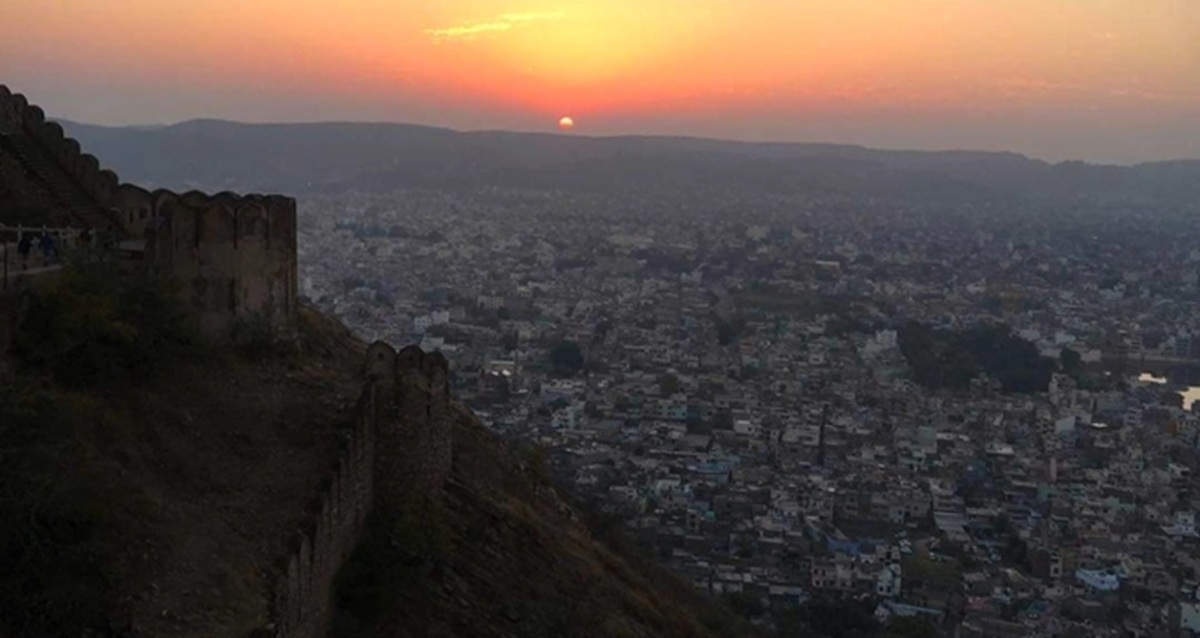 A simple way to decide is this: Rajasthan is about heritage and culture in open landscapes, while South India is about nature + spirituality + coastal life (with plenty of heritage too, just a different style). Here’s what your photo gallery and memories usually look like in each region.
Rajasthan in February: what you’ll love
- Forts and palaces: big heritage spaces, dramatic architecture, city views
- Desert scenes: dunes, sunset colours, folk performances, open skies
- Old markets: textiles, handicrafts, jewellery, local street food
- Royal-style stays: havelis, heritage hotels, courtyards, rooftop dinners
- Photography comfort: dry weather makes long outdoor days easier
If you are planning a Rajasthan route, start with: Rajasthan
South India in February: what you’ll love
- Beaches and sunsets: Goa-style energy in some places, calm shores in others
- Backwaters and houseboats: slow scenic travel, village life, sunsets over water
- Temple architecture: colourful gopurams, rituals, heritage streets
- Hill stations and plantations: tea/coffee estates, misty views, fresh air
- Food culture: strong breakfast scene, filter coffee, coastal cuisine
Explore state clusters when you want to keep route tight: Kerala, Karnataka, Tamil Nadu, Andhra Pradesh, Telangana
Festival and culture factor in February
Rajasthan often feels culturally alive in winter season with folk shows, desert vibes, and local events. South India also has cultural richness, but it shows more through temple rituals, classical art, and regional food culture. If your trip goals include “colour and movement” (performances, costumes, vibrant evenings), Rajasthan tends to feel more directly festival-like. If your goals include calm, ritual, and slow spirituality, South India can feel deeper.
Best choice by traveller type (easy decision guide)
For first-time India travellers
If it’s your first big India trip and you want iconic, structured sightseeing, Rajasthan is often the simpler choice. It gives you a clear circuit, strong tourist infrastructure, and classic highlights that feel like “India postcards”. If you prefer a calmer first trip with greenery, beaches, and slower days, South India can be a more relaxed introduction.
For families with kids
Families often enjoy Rajasthan because forts, palaces, and desert experiences feel exciting for kids, and the weather is comfortable for full-day sightseeing. However, climbing-heavy itineraries can be tiring, so keep pacing realistic. South India can be even easier for families if you choose resort-style bases: Kerala backwaters, beach towns, and hill stations. It allows a mix of sightseeing and downtime, which helps with kids.
For senior travellers
South India usually wins for seniors because you can plan a “comfort-first” itinerary with fewer stairs and more relaxed sightseeing. Choose places with good accessibility and avoid overpacked temple hopping. Rajasthan can still work well, but keep fort climbs limited and include rest breaks.
For couples and honeymooners
Both are excellent in February, but the vibe differs. Rajasthan feels romantic in a royal, candle-lit, rooftop-dinner way. South India feels romantic in a slow, nature-and-water way: houseboats, beaches, tea gardens, and scenic drives. If you want less crowds and more “private moments”, South India (especially hills and backwaters) often feels more relaxed.
For budget travellers
Budget travellers can do both regions well, but Rajasthan’s peak season demand in February can push prices up in top cities. South India can be great value if you avoid the most premium beach pockets and focus on interior routes and hill stations. The best budget trick is the same for both: travel on weekdays and book early.
For luxury travellers
If you want “once in a lifetime luxury”, Rajasthan heritage stays feel unbeatable. For wellness-style luxury (spa, nature, slow mornings), South India often fits better, especially in Kerala and hill plantation regions.
Best itineraries in February (5/7/10 days)
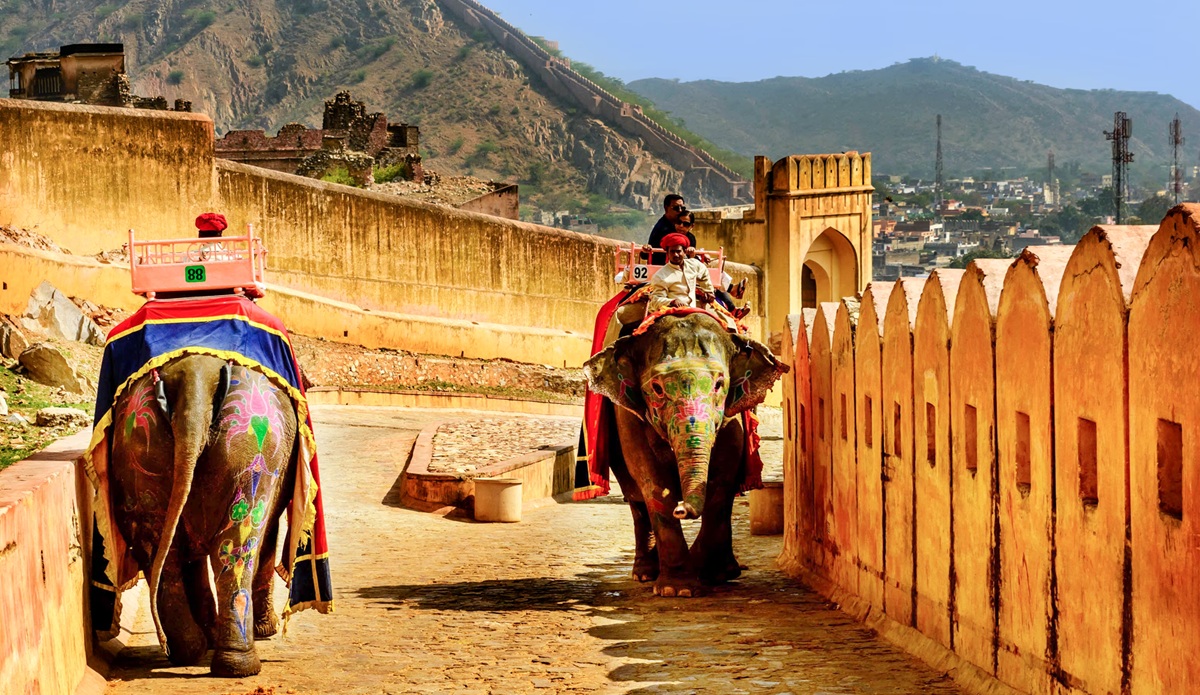 The fastest way to ruin comfort is to pack too many cities. February is pleasant, but travel time is still travel time. Pick one main theme and stick to it.
Rajasthan itinerary ideas
5 days: Jaipur + Ajmer/Pushkar (quick heritage break)
- Day 1: Jaipur arrival + evening market walk
- Day 2: Jaipur forts/heritage + sunset viewpoint
- Day 3: Day trip or local experiences + shopping
- Day 4: Ajmer/Pushkar (culture + calm)
- Day 5: Return
Best for: first-timers, families, short holidays, wedding-season travel.
7 days: Jaipur + Jodhpur + Udaipur (most balanced classic route)
- Days 1–2: Jaipur
- Days 3–4: Jodhpur
- Days 5–7: Udaipur
Best for: heritage + markets + lakes, comfortable pacing if you don’t rush.
10 days: Jaipur + Jodhpur + Jaisalmer + Udaipur (heritage + desert)
- Days 1–2: Jaipur
- Days 3–4: Jodhpur
- Days 5–6: Jaisalmer + desert sunset
- Days 7–10: Udaipur (slow finish)
Best for: travellers who want forts plus one desert experience without rushing daily. Plan deeper by region: Rajasthan
South India itinerary ideas
5 days: Kerala quick comfort (Cochin + Munnar or backwaters)
- Day 1: Arrival + relaxed local sightseeing
- Days 2–3: Munnar (tea gardens, viewpoints)
- Day 4: Backwaters/houseboat-style slow day
- Day 5: Return
Best for: couples, families, slow travellers, people who hate rushed trips.
7 days: Kerala + one beach base (balanced nature + water)
- Days 1–2: City/heritage + food
- Days 3–4: Munnar or Wayanad
- Days 5–7: Backwaters + beach base (relax)
Best for: travel comfort, good weather, mixed experiences.
10 days: Tamil Nadu temples + hill station finish (culture + comfort)
- Days 1–3: Temple architecture and heritage towns (keep it limited)
- Days 4–6: Coastal culture + food
- Days 7–10: Hill station base (Ooty/Kodaikanal) for a cooler finish
Best for: travellers who want culture but don’t want only beaches. Explore: South India tours | Kerala | Tamil Nadu | Karnataka
What to pack in February: Rajasthan vs South India
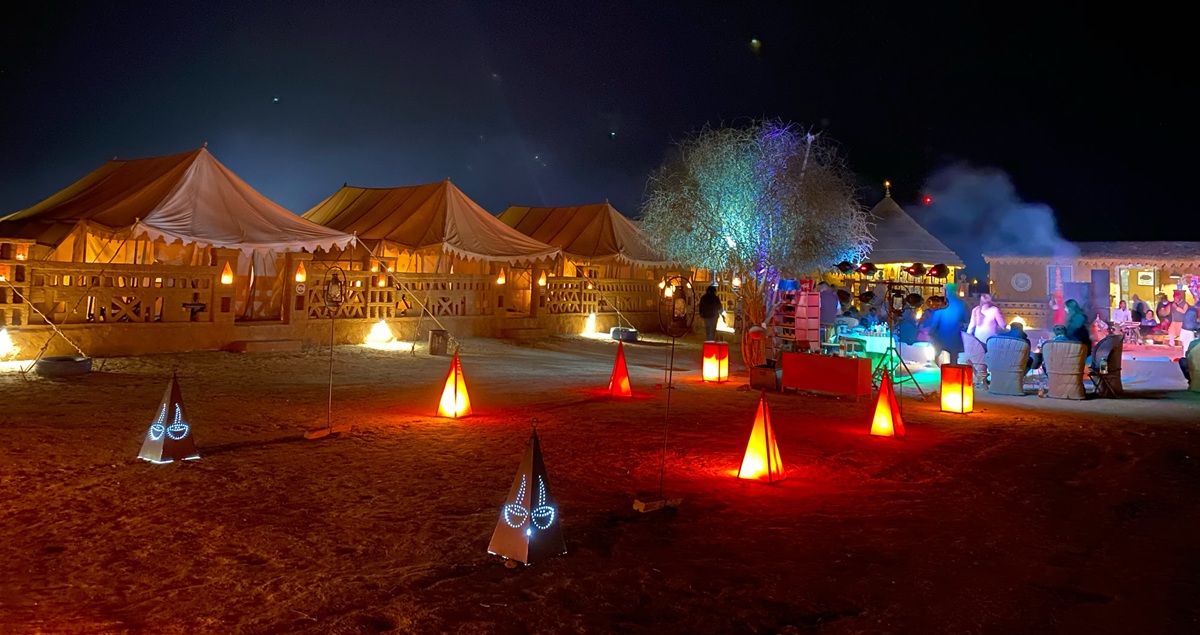
Rajasthan packing list (February)
- Layers: light jacket or fleece for evenings
- Day comfort: breathable full sleeves, comfortable walking shoes
- Desert nights: warmer layer if staying in Jaisalmer/desert camp
- Sun protection: sunglasses, sunscreen (sun can be sharp in daytime)
- Dry air care: lip balm and moisturiser
South India packing list (February)
- Light cottons: for warm daytime, especially coastal areas
- Light layer: for hill stations and AC travel
- Humidity comfort: quick-dry clothes if you sweat easily
- Temple visits: modest clothing options (shawl/dupatta helps)
- Footwear: easy slip-on if you will enter temples often
Simple rule: Rajasthan needs more evening warmth. South India needs more breathable clothing. If your South trip includes hill stations, carry one warm layer and you are sorted.
Budget and value comparison in February
Prices change by destination and weekend demand, so the best way to compare is by “cost drivers”. In February, both regions can be busy. Rajasthan tends to see strong demand in heritage cities. South India sees strong demand in popular beach and resort areas, and also in certain hill stations.
Where Rajasthan costs add up
- Heritage-style hotels in prime city areas
- Private transfers if you are doing a multi-city circuit
- Desert camp add-ons and cultural evenings
- Entry tickets and guides across multiple monuments
Where South India costs add up
- Premium beach resorts and popular coastal stays
- Houseboat or backwater experiences (if you choose higher categories)
- Longer internal travel if you mix multiple states without planning
- Weekend hotel spikes in famous hill stations
Value tip that works in both regions
If you want better value, do the same three things: travel on weekdays, book early, and choose one main base for 3 nights instead of changing hotels daily. Comfort improves and cost usually drops.
Common planning mistakes to avoid (saves comfort)
1) Overpacking the itinerary
Rajasthan itineraries often fail when people try to cover 4 cities in 6 days. South India itineraries fail when people try to combine Kerala, Tamil Nadu, and Karnataka in one week with long drives. Pick fewer bases and you will enjoy February properly.
2) Not planning for evenings
In Rajasthan, evenings can be cold, so packing only summer clothes is a common mistake. In South India coastal towns, evenings are pleasant but humidity stays, so heavy clothes feel uncomfortable.
3) Ignoring travel time reality
Maps look short, but hill roads and long highways take time. Comfort improves when you treat travel days as travel days, not sightseeing days.
4) Chasing snow in the wrong region
If your main goal is snow, Rajasthan and most of South India won’t give that. For snow-focused comfort travel, consider routes in Jammu & Kashmir, Himachal, or Uttarakhand. Use this only when snow is the main motivation.
Final decision checklist (choose in 60 seconds)
- If you want dry winter weather + forts + markets → choose Rajasthan.
- If you want green views + beaches/backwaters + slower travel → choose South India.
- If you hate humidity → Rajasthan or South hill stations.
- If you hate cold evenings → South India.
- If it’s your first India trip and you want iconic highlights → Rajasthan circuit.
- If you want rest + nature + light sightseeing → Kerala/Karnataka/Tamil Nadu mix (tight route).
Quick route hubs: Rajasthan | South India tours
People Also Ask (FAQs) – Rajasthan vs South India in February
Is Rajasthan too cold in February?
Rajasthan is usually comfortable in February during the day, but evenings and early mornings can feel cold, especially in desert areas. If you carry a light jacket and warm layer, it is not a problem for most travellers.
Is South India humid in February?
Coastal South India can feel humid even in February, especially in the afternoon. If humidity bothers you, choose hill stations or interior routes along with a short beach stay, instead of only coastal hopping.
Which is better for honeymoon in February: Rajasthan or South India?
Both work well. Rajasthan is better for royal stays, forts, and romantic heritage settings. South India is better for slow travel, beaches, backwaters, tea gardens, and resort-style relaxation. Choose based on your couple vibe: “heritage luxury” vs “nature comfort”.
Which is cheaper in February: Rajasthan or South India?
It depends on destinations and travel style. Rajasthan can be pricier in peak heritage cities during February. South India can be pricier in premium beach and resort areas. You can keep both affordable by travelling on weekdays, booking early, and choosing one base for 3 nights.
Which is better for family trip in February?
Rajasthan is great for families who enjoy forts, palaces, and markets with structured sightseeing. South India is great for families who want a relaxed mix of sightseeing and downtime in resorts, backwaters, or hill stations.
How many days are enough for Rajasthan in February?
For a comfortable trip, 7–10 days is ideal for Rajasthan because it lets you cover 2–3 major cities without rushing. If you only have 4–5 days, choose one base (like Jaipur) and add one nearby day trip.
How many days are enough for South India in February?
7–10 days is ideal for one state or one theme (like Kerala nature + backwaters, or Tamil Nadu temples + hill station finish). If you try to mix too many states quickly, travel time will reduce comfort.
What should I pack for Rajasthan vs South India in February?
For Rajasthan, pack layers for cold evenings and comfortable walking shoes. For South India, pack breathable cottons for daytime, a light layer for hill stations, and modest clothing options for temple visits.
Which has better sightseeing comfort in February: Rajasthan or South India?
Rajasthan usually feels easier for full-day outdoor sightseeing because the weather is dry and cooler. South India is very comfortable too, but coastal humidity can make afternoons tiring. In South India, mornings and evenings are the best sightseeing windows.
Can I combine Rajasthan and South India in one February trip?
Yes, but only if you have enough days. Combining both in a short trip can become hectic because travel time increases. If you have 12–15 days, you can do a short Rajasthan circuit and then fly to South India for a relaxing finish. For 7–10 days, pick one region and enjoy it properly.