January is peak season for tiger safaris in North India, and two names dominate every traveller’s shortlist: Ranthambore in Rajasthan and Jim Corbett in Uttarakhand. Both are iconic, both have tigers, and both can give you an unforgettable wildlife story. But they feel very different on the ground.
This guide compares Ranthambore vs Corbett specifically for January travel: real-world tiger sighting chances, which zones are best, what closures and crowd patterns look like, and how costs work (jeep/canter, permits, guide fees, stays). If you’re booking last-minute, travelling with family, or trying to maximise your tiger probability in a short trip, this article will help you decide clearly.
Quick Verdict: Which Is Better in January?
Choose Ranthambore in January if you want higher “visibility” and classic tiger sightings
Ranthambore is famous for its open landscapes, lakes, and fort-backdrop sightings. In winter, tigers often sun themselves near tracks or water bodies, and the terrain makes wildlife easier to spot once your vehicle is in the right area. If your goal is “I want the best chance of seeing a tiger in 2–3 safaris,” Ranthambore usually feels more straightforward. It’s also easier to pair with Rajasthan sightseeing (Jaipur, forts, markets), which is why it’s a favourite for first-time wildlife travellers.
Choose Jim Corbett in January if you want a bigger “jungle” experience and richer overall biodiversity
Corbett is denser, greener, and more forested. You may not see a tiger quickly, but the wildlife experience can be deeper: elephant signs, deer herds, river habitats, and outstanding birdlife. If you want the full “national park” vibe and you’re okay trading tiger certainty for a wider nature experience, Corbett can be brilliant. To set expectations, read: When’s the best time to visit Jim Corbett?
January Safari Reality Check: What “Safari Chances” Really Mean
Let’s be honest: no park can promise tiger sightings. What you can control is your probability by stacking smart decisions. “Safari chances” in January depend on a few predictable factors: number of drives you do, which zone you get, your timing (morning vs afternoon), and how lucky you are with fresh movement information on the day.
In practice, Ranthambore often feels higher probability for first-timers because the habitat is more open and sightings can be more “in the open.” Corbett can still deliver tigers, but it rewards patience and multiple safaris. In January, fog and cold mornings can reduce visibility in both parks, but Corbett’s forest density makes “spotting” harder even when a tiger is nearby.
The right mindset is: don’t judge the park by one safari. In January, plan at least 2 safaris, ideally 3–4 if your schedule allows. If you’re doing a short trip, build it around a package so your bookings and timings are tight. You can browse wildlife options here: Wildlife tour packages in India.
Ranthambore in January: What the Safari Experience Feels Like
Ranthambore in January is cold in the mornings, pleasant in the afternoons, and packed with travellers. The park is visually dramatic: dry deciduous forest, rocky outcrops, lakes, and the famous Ranthambore Fort area. The big advantage in winter is that animals often come out to sun themselves and move along tracks, especially after a chilly dawn. When a tiger is active in your zone, you can sometimes get clean viewing windows.
Another reason Ranthambore feels “easier” is the visibility of the habitat. You’re scanning open patches, water edges, and forest corridors that often allow longer sight lines than dense sal forest. But it’s also a high-demand park, so you must plan around zone allocation and crowd traffic. If you want a deeper trip-planning view, use: Ranthambore January travel guide.
For first-timers, Ranthambore is also a great “wildlife + heritage” combo. Many travellers add the fort to balance safari uncertainty with guaranteed sightseeing. This helps: Ranthambore Fort visitor guide.
Jim Corbett in January: What’s Different (And Why People Love It)
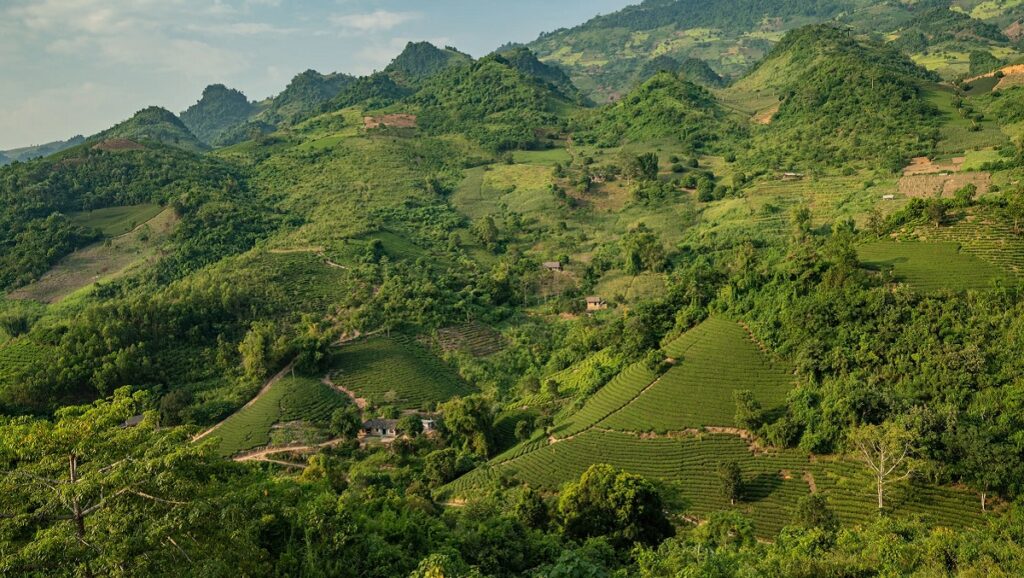
Corbett in January feels like you’re entering a real jungle. It’s larger, greener, and more layered, with river zones, grasslands, and sal forests. The wildlife experience is often about signs and stories: pugmarks on tracks, alarm calls in the distance, herds of chital and sambar, and a sense of being deep inside a living forest system. If you love birding, Corbett in winter is a major plus.
But Corbett also demands more patience. Tigers are there, but visibility can be lower because the forest is thicker and sightings can be brief. Morning safaris in January can be foggy, so your best sightings sometimes come in the later part of the drive as the sun rises and the forest warms up.
Another key difference is zone behaviour and rules: some core experiences (especially Dhikala) may be linked to specific permissions and stay formats. If you’re not ready for that, you can still do excellent safaris in Bijrani, Jhirna, Dhela and other zones. For an easy start, base yourself in Ramnagar and plan 2–3 jeep safaris. Destination overview: Jim Corbett travel page.
Safari Zones Explained: Ranthambore (Zones 1–10) vs Corbett (Multiple Gates & Zones)
This is where most booking mistakes happen. In both parks, your safari quality depends heavily on your zone. It’s not that one zone is “bad,” but some zones have more consistent tiger territories, water sources, and track networks. In January, when demand is high, you may not always get your first choice, so knowing the zone differences helps you choose smartly rather than obsessing over one gate.
Ranthambore runs on a zone system (commonly called Zones 1 to 10). Zones 1–5 are often treated as “core-style” classic Ranthambore landscapes, while Zones 6–10 are frequently described as buffer-side areas that can still produce excellent sightings, especially when particular tigers are active there. The important thing: a “hot zone” can change week to week based on tiger movement.
Corbett works through entry gates and named zones (Bijrani, Jhirna, Dhela, Dhikala, Durga Devi, etc.), and the experience varies a lot by habitat type. Some are more open, some more forested, some more river-focused. A zone like Bijrani is a very different feel from Durga Devi.
Best Ranthambore Zones in January (How to Think About It)
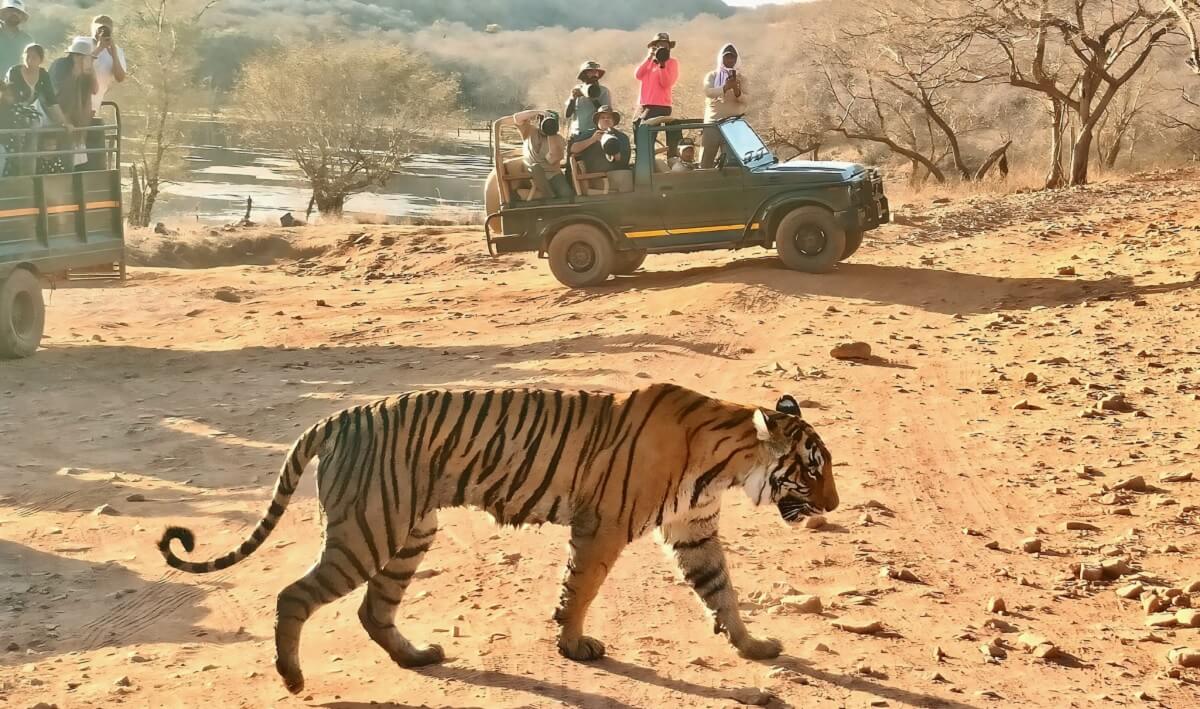
In Ranthambore, travellers often chase Zones 1–5 because they are historically famous and frequently produce the “storybook” sightings near lakes and fort landscapes. Zones 2, 3 and 4 are commonly discussed as strong wildlife areas, but the truth is: tiger movement is dynamic. In January, your best strategy is to plan multiple safaris and try for different zones rather than putting all hope into one “best zone.”
If you’re doing 2–3 safaris, a good approach is: one safari in a core-style zone (1–5 if available), and one in a different landscape (often 6–10). This increases your chance of encountering active territories. Also, keep your expectations realistic about crowd traffic: when a tiger is spotted, vehicles can gather. The best drivers and guides manage positioning and timing without turning it into chaos.
For the most practical, booking-focused breakdown (jeep vs canter, zone allocation logic, timings), use: Ranthambore safari booking guide (tickets, timings, prices).
Best Corbett Zones in January (What Each Zone Is Known For)
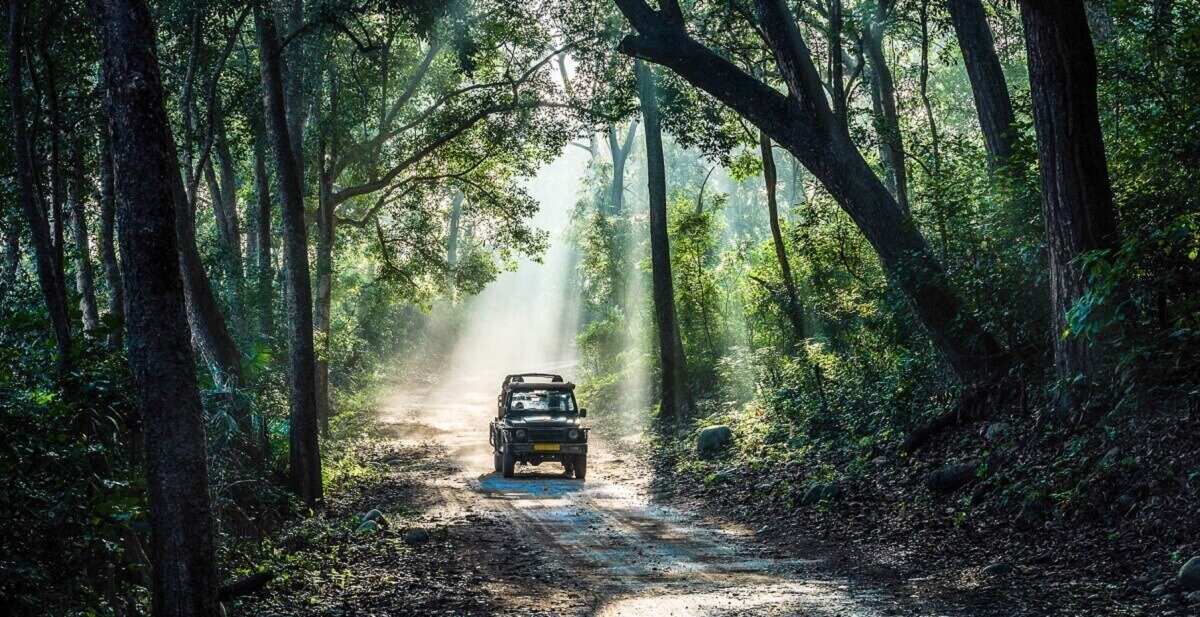
Corbett zones are about habitat. In January, you want a mix: at least one zone with good open patches/grassland edges (often easier for visibility), and one zone known for year-round wildlife activity. Here’s a simple traveller-friendly view:
- Bijrani: A popular choice for first-timers because it offers a balanced Corbett feel and is widely booked in winter. If you want zone details, see: Bijrani zone guide.
- Jhirna: Often considered dependable because it remains a strong option even when other areas have seasonal restrictions. Great for those planning flexible dates.
- Dhela: Good for a quieter experience, often loved by nature travellers who want less pressure and good sightings of deer, birds, and occasional big cats.
- Durga Devi: More hilly and scenic, often better for birding and a different forest vibe.
- Dhikala: The “dream” core experience for many, but usually best when you plan it properly with the right format (often linked with forest stay permissions).
If you’re confused, start with Bijrani + Jhirna (or Bijrani + Dhela) across two safaris. That combo usually gives a good “Corbett sample” in January.
Ranthambore vs Corbett: Tiger Sighting Chances in January (Realistic Comparison)
If your only goal is “I must see a tiger,” Ranthambore often feels like the more direct bet in January. The terrain can make sightings more visible, and the park is famous for tiger encounters that happen near water bodies and open trails. That said, it’s still not guaranteed, and crowds can sometimes impact the “quality” of a sighting (distance, viewing time, vehicle positioning).
Corbett can absolutely deliver tiger sightings, but the experience is different. Tigers may be heard before they are seen. You might get a quick crossing, a brief glimpse in tall grass, or a sighting that happens in the last 10 minutes of a 3-hour drive. Corbett is also a park where other wildlife can steal the show: elephants, deer herds, raptors, river life, and winter birding.
The best way to improve tiger probability in both parks is simple: do more safaris and avoid the mindset of “one safari = one tiger.” If you can do 3–4 drives, your odds rise sharply, especially if you split zones across drives.
January Weather: Fog, Cold Mornings and How It Affects Sightings
January mornings are cold in both Ranthambore and Corbett, but the way weather affects your safari is different. In Ranthambore, cold mornings can actually be good because tigers sometimes come out to bask once the sun hits. The first part of the morning safari may feel slow, and then suddenly the park “wakes up.” By late morning, visibility improves and animals start moving more.
In Corbett, fog can be a bigger factor because dense forest + river humidity can reduce visibility for longer. That doesn’t mean wildlife isn’t present; it just means you may not see it clearly at first. The trick is to dress warm, stay patient, and treat the later part of the safari as the real “prime” window when the fog lifts. Another subtle factor: in dense habitats, sound is your friend. Alarm calls and deer behaviour often guide your driver to active areas.
Pack gloves, a warm cap, and a layered jacket for both parks. You’ll enjoy the safari more, and you’ll be less distracted when the moment you’re waiting for finally happens.
Safari Timings in January: Morning vs Afternoon (Which Is Better?)
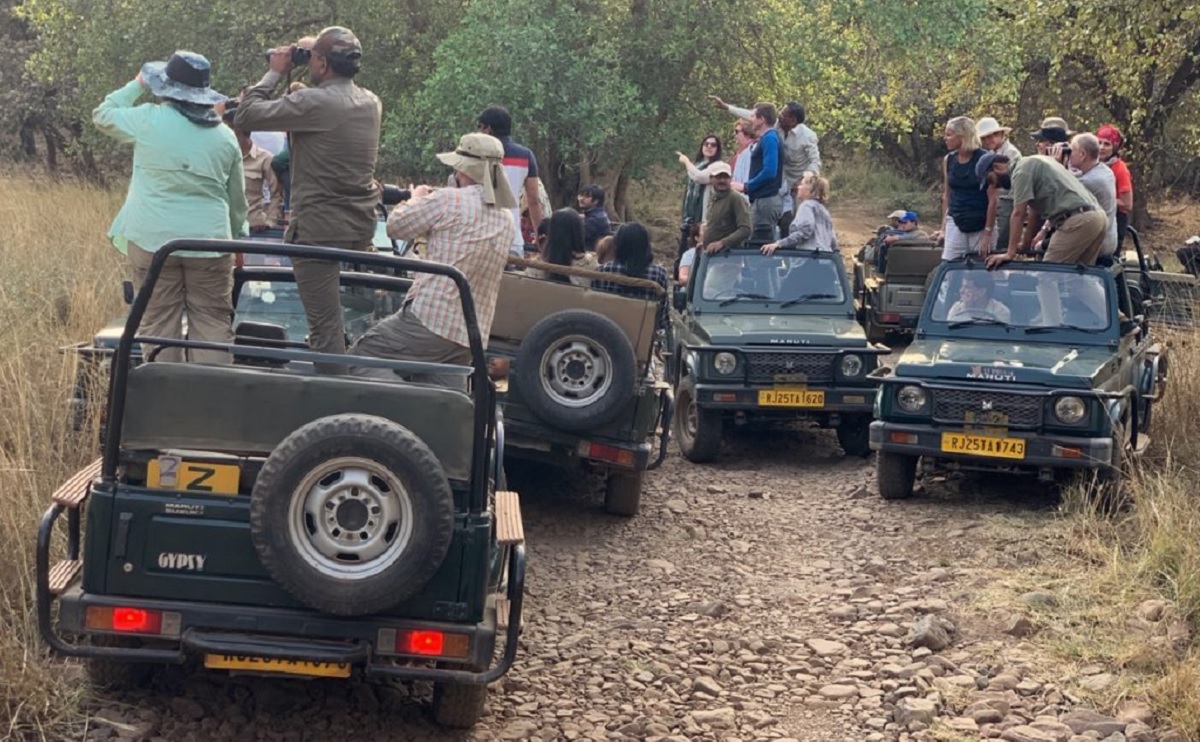
Both parks typically run two safari shifts in peak season: morning and afternoon. In January, travellers often assume morning is best, but the smarter answer is: do one of each. Morning gives you fresh tracks and calmer animal movement. Afternoon can give you better warmth, improved visibility, and sometimes more relaxed wildlife behaviour near water and open patches.
Ranthambore: Morning safaris can be very cold, especially inside the park, but late morning can turn rewarding as sunbathing behaviour increases. Afternoon safaris often have comfortable light and good visibility, and photography can be great with warm tones.
Corbett: Morning visibility can be reduced by fog, so many travellers find the later part of the morning shift useful. Afternoon is often comfortable and good for general wildlife, though winter sunsets come early.
If you have only two safaris, do one morning and one afternoon. If you have three, do two in different zones and keep one flexible so you can switch based on sightings chatter (without chasing rumours too aggressively).
Crowds & Jeep Pressure: Which Park Feels More Crowded in January?
January is crowded in both parks, but the crowd dynamic differs. Ranthambore is a high-profile tiger park with a smaller “headline zone” feel, so when a tiger is spotted, vehicles can cluster quickly. This can reduce the intimacy of the moment, but it also means you may get faster updates and more consistent tracking within a zone.
Corbett spreads crowds across multiple zones and gates, so the experience can feel more dispersed. That can be a positive: even in peak season, you may have quieter tracks in certain zones (especially if you book smartly). However, because the park is dense, crowd dispersion doesn’t automatically mean better sightings. It just means the safari can feel calmer.
To improve crowd experience in either park: book early, choose weekdays over weekends, and take the first available shift rather than the most “popular” time. Also, don’t underestimate the value of a good guide-driver team. The best teams don’t rush; they read the forest and position you thoughtfully rather than chasing a traffic jam of jeeps.
Costs in January: What You Actually Pay For (Permits, Jeep, Guide, Taxes)
Safari cost is rarely one simple number. In both Ranthambore and Corbett, your final total is usually a combination of: entry permit fee, vehicle charge (jeep/canter), guide/naturalist charge, and applicable taxes. Prices can also vary by nationality category (Indian vs foreign), by zone, and by vehicle type.
The easiest way to compare costs is to break them into “buckets”:
- Permit bucket: Forest entry permit + conservation fees
- Vehicle bucket: Gypsy/jeep cost or canter seat cost
- Guide bucket: Naturalist/guide charges (sometimes bundled, sometimes separate)
- Booking bucket: Online booking service fee (if any), GST, camera fee (if applicable)
Because fees can update, it’s best to use your park-specific pricing page as the “final source of truth.” For Ranthambore, use: Ranthambore safari prices & booking guide. For Corbett trip planning and season logic, start with: Best time to visit Jim Corbett.
Ranthambore Safari Costs in January: Jeep vs Canter (How to Choose)
In Ranthambore, you’ll commonly choose between a Gypsy (jeep) and a Canter. The jeep feels more personal and flexible; the canter is often cheaper per person and works well for families or groups who want a budget-friendly option. In January, jeeps sell out faster because most serious wildlife travellers prefer them for photography and quicker positioning.
Here’s the practical way to decide:
- Choose Jeep if you want a quieter experience, better angles for photography, and more “focus” during tracking moments.
- Choose Canter if you want to lower the cost per head, don’t mind a larger group, and are okay with less flexibility.
Also consider your trip style. If you’re doing 3 safaris, you can mix: do one canter to save money and two jeeps for quality. For updated tickets, timings, and price structure (including what’s included and what’s extra), this is the most useful link to keep handy: Ranthambore safari booking guide.
Jim Corbett Safari Costs in January: Zone, Vehicle, and Stay-Linked Costs
Corbett costs depend heavily on zone and format. Standard experiences are usually jeep safaris in zones like Bijrani, Jhirna, Dhela, and Durga Devi. Some travellers also plan for a deeper core experience (often associated with Dhikala), which can change the total cost because it may involve specific permissions and stay planning rather than a simple day-entry rhythm.
For first-time Corbett travellers, the simplest cost-controlled plan is: stay in Ramnagar, do 2–3 jeep safaris in two different zones, and keep your budget focused on safari quality rather than luxury stays. If you want a ready package with a fixed structure (useful in January when availability is tight), you can compare:
If you’re specifically considering Bijrani, check zone details here: Bijrani zone guide.
Zone-by-Zone Strategy for January: How to Plan 2, 3, or 4 Safaris
Your best decision is not “which park,” but “how many drives and how you split them.” January is prime season, so treat safari planning like a probability game. Each drive is a lottery ticket, and your goal is to buy smarter tickets, not just hope harder.
If you have 2 safaris: pick two different zones/habitats. In Ranthambore, try one from the 1–5 range (if possible) and one from 6–10. In Corbett, do Bijrani + Jhirna (or Bijrani + Dhela) to sample different track networks.
If you have 3 safaris: do two in “high-demand” style zones and one in a different landscape. The third safari is your flexibility lever: if your first drive feels quiet, switch zones for the next shift rather than repeating the exact same area.
If you have 4 safaris: you’re now playing the game properly. Two morning + two afternoon across at least two zones gives you the best realistic shot at a big-cat moment.
Ranthambore: How to Book Safaris Without Confusion
Ranthambore booking can feel confusing because travellers hear “zones” and assume they can pick the perfect one. In reality, zone allocation depends on availability, booking time, and park rules. In January, the best strategy is to book early, remain flexible on zone, and focus on getting confirmed seats/vehicles first.
Use a step-by-step booking guide that clearly explains jeep vs canter, ticket inclusions, safari timing structure, and what happens after booking. This one is designed exactly for that: Ranthambore safari booking guide.
Once you’ve confirmed your safaris, build the rest of your trip around them, not the other way around. January trains and hotels can also sell out. If you’re coming via Jaipur, plan your transfers smartly using: Best ways to reach Ranthambore from Jaipur.
If you want a trip where safari logistics are pre-arranged, these packages help reduce last-minute stress:
3 Days Ranthambore Safari Package and Delhi–Ranthambore weekend tour by train.
Corbett: Booking Tips in January (Zone Choice, Gate Logistics, Realistic Expectations)
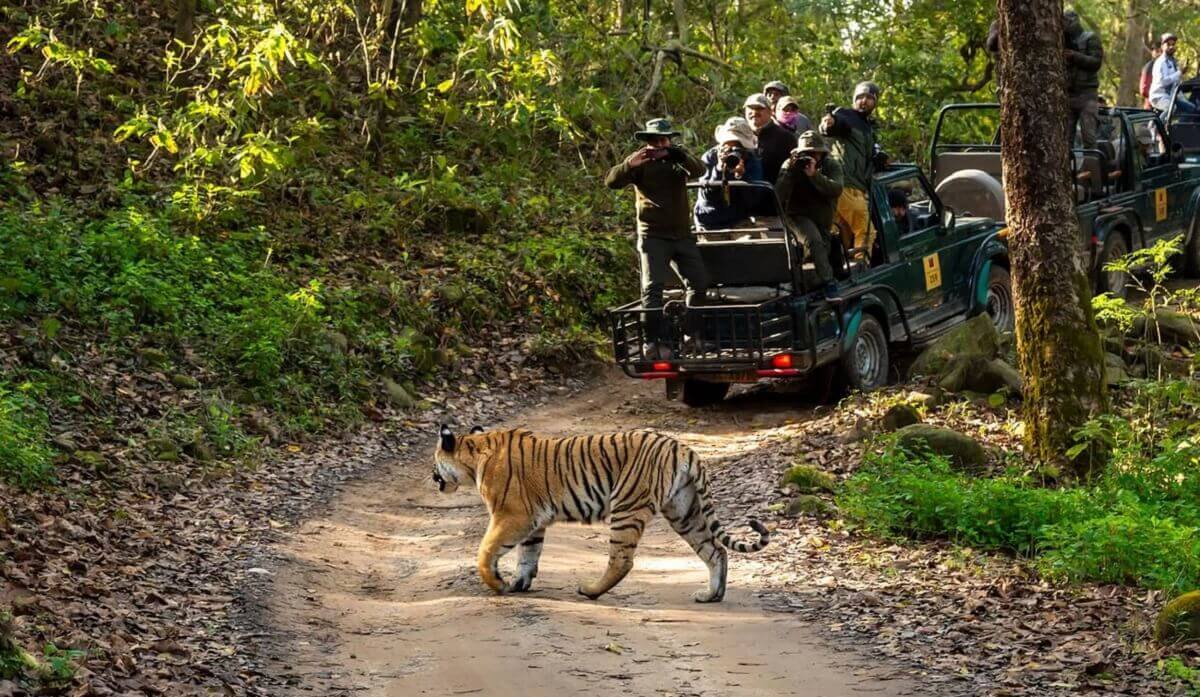
Corbett booking is easier when you accept one truth: your experience depends on zone availability and timing. In January, popular zones can fill quickly, especially weekends. Start by picking your base (most travellers use Ramnagar), then choose 2–3 safari slots across different zones. If you’re going with family, picking a zone that’s less “hardcore” and more balanced can help keep everyone happy, especially first-timers.
Corbett also rewards planning your day around driving time. Gates, reporting time, and entry checks matter. Aim to reach the gate early, keep your ID ready, and avoid last-minute scrambling. If you want a smoother first experience, a short structured package can be a smart option:
3 Days Jim Corbett Jungle Safari Tour.
If you’re selecting a zone for your first safari, Bijrani is often the easiest introduction (good balance of habitat and safari feel). To understand what you’re booking, read: Bijrani zone guide.
Best for Weekend Trips from Delhi: Ranthambore vs Corbett
For Delhi travellers, Corbett usually wins on convenience. It’s closer, road travel is straightforward, and you can do a quick 2-night trip without feeling rushed. Ranthambore is absolutely doable for a weekend too, but it often feels smoother if you use a train-based plan to Sawai Madhopur and keep your transfers tight.
Choose Corbett for a fast Delhi escape: arrive, do one afternoon safari + one morning safari, and return. If you want a ready format, explore: 3-day Corbett safari tour.
Choose Ranthambore if you want a weekend with a “bigger destination feeling” and maybe add fort/heritage. The train option makes it easier, and a weekend package reduces planning load:
Delhi–Ranthambore weekend tour by train.
If you have 4–5 days, Ranthambore also pairs beautifully with Jaipur. See: 5 Days Jaipur–Ranthambore itinerary.
Family-Friendly Comparison: Which Park Is Better with Kids and Seniors?
Both parks can work for families in January, but the “comfort factors” differ. Ranthambore safaris can feel more stop-and-go when sighting information spreads, and the excitement level can spike quickly. Some families love this; others find it tiring. The advantage is that Ranthambore also offers non-safari options (fort, lakes, nearby viewpoints), which is helpful if someone in the family skips a drive.
Corbett can feel calmer because zones are spread out and the experience is more “forest journey” than “quick sighting chase.” Seniors often enjoy the scenery and birdlife even if a tiger doesn’t show. The downside: longer drives inside dense forest can feel slow to kids who want instant action.
Best family strategy in either park: do one safari, take a break, then do another. Don’t over-pack your schedule. If you’re travelling with mixed age groups, consider packages so timing, vehicles, and stays are coordinated:
Ranthambore 3-day safari package or
Corbett 3-day safari tour.
Best for Photographers: Light, Habitat, and “Clean Frames”
Photography is where these parks feel dramatically different. Ranthambore often gives cleaner frames because of open habitat, water edges, and dramatic backdrops. In January, light is soft and pleasant, and you may get beautiful golden tones in afternoon drives. If your goal is to come back with a “wow” tiger shot, Ranthambore can be more forgiving for beginners.
Corbett photography is more challenging but deeply rewarding. The forest is dense, so you’ll often shoot through branches or tall grass. Tigers, if seen, may appear briefly. But Corbett offers gorgeous forest mood, elephant landscapes, river scenes, and exceptional bird photography in winter. If you enjoy storytelling images rather than just big-cat portraits, Corbett can be magic.
Practical advice: choose jeeps over canters if photography is a priority. Carry a warm cover for your camera (cold mornings), keep your lens ready (don’t fumble with caps), and avoid loud movement in the vehicle. Also, respect park ethics: no shouting, no baiting, no pressure tactics.
Where to Stay: Inside vs Outside (And What Works Best in January)
In January, stay choice affects your comfort more than your sightings. Early mornings are cold, so staying close to the gate reduces travel time and helps you arrive relaxed. For Ranthambore, most travellers stay around Sawai Madhopur and plan quick gate access. For Corbett, Ramnagar is the primary base, with multiple stay clusters near different gates.
“Inside forest stays” can be a bucket-list idea (especially in Corbett’s core-style experiences), but they require stricter planning, earlier bookings, and often higher costs. If your schedule is short or your group prefers comfort, staying outside is simpler and still delivers excellent safari access.
In Ranthambore, many travellers mix safari and sightseeing by adding the fort or local heritage. If that’s your style, keep this open: Ranthambore Fort guide.
In Corbett, if you’re adding a “quiet hill” break to balance safaris, a combination tour can be a great pace:
4 Days Lansdowne with Corbett.
Safari Etiquette: What Improves Everyone’s Sightings (And What Ruins It)
In peak January season, behaviour matters. Tigers don’t appear because a jeep wants them to. They appear when the forest allows it. The best safari vehicles are quiet, patient, and respectful. They don’t block tracks, they don’t shout, and they don’t create chaos at a sighting point.
Here’s the etiquette that actually helps your chances:
- Keep voices low and avoid sudden movement.
- Listen to your guide; don’t direct the driver aggressively.
- Respect distance rules and never demand “closer.”
- Don’t stand up or wave hands for photos in sensitive moments.
- Don’t pressure the team to “race” to a rumour; it often wastes time.
And here’s what ruins it: loud excitement, queue-jumping, blocking a crossing route, and pushing vehicles into a jam. In January, you’ll see the difference clearly: the calm vehicles often get the best viewing windows when the tiger chooses to move naturally.
Cost-Saving Tips (Without Reducing Safari Quality)
You can reduce safari cost without turning your trip into a compromise. The trick is to spend on what actually improves your experience (confirmed safaris, decent stay location, smart zone split) and avoid spending on what doesn’t (random upgrades, last-minute panic bookings, unnecessary luxury if it cuts safari count).
Smart cost strategies:
- Do one canter + one jeep in Ranthambore if budget is tight.
- In Corbett, do two jeep safaris in two zones instead of repeating one zone.
- Travel on weekdays to reduce crowd pressure.
- Stay close to the gate to reduce daily transfer costs.
- Book early to avoid surge pricing and limited availability.
If you want a fixed-price structure where safaris are already planned, compare:
3-day Ranthambore safari package and
3-day Corbett safari tour.
Wildlife Beyond Tigers: What Else You’re Likely to See in January
One of the best ways to enjoy safaris is to stop treating tiger as the only success metric. In January, both parks offer rich wildlife even if you miss the big cat. Ranthambore is strong for leopards (rare but possible), sloth bear (sometimes), crocodiles near water bodies, and large herbivores like sambar and chital. The landscape itself is a highlight, and birdlife is active in winter.
Corbett shines for biodiversity and forest mood. You’re likely to see multiple deer species, wild boar, rich birdlife (including winter visitors), and signs of elephants. Even without a tiger, Corbett can feel like a true wilderness story. For travellers who enjoy nature, not just “tiger checklist,” Corbett often wins emotionally.
If you’re planning a longer wildlife itinerary (multiple parks, different habitats), start here:
Wildlife tour packages. And if you’re combining Ranthambore with Rajasthan culture, browse:
Rajasthan tours.
Best Add-Ons and Itinerary Pairings in January
January is a great month to turn a safari trip into a richer holiday. Ranthambore pairs naturally with Jaipur and Rajasthan heritage routes. If you want a balanced plan (forts + markets + wildlife), a Jaipur–Ranthambore itinerary is one of the easiest “first Rajasthan” combinations. Ready plan:
5 Days Jaipur–Ranthambore itinerary.
Corbett pairs well with quiet hill and cantonment-style breaks in Uttarakhand. Many travellers do 2 nights Corbett and then slow down in a nearby peaceful destination, which is perfect for couples and families. A good example is:
4 Days Lansdowne with Corbett.
If you’re short on time, keep it simple: 2 nights, 2 safaris, no long detours. If you have 4–5 nights, add one cultural or scenic add-on so the trip still feels complete even if the tiger plays hide-and-seek.
Common Booking Mistakes (And How to Avoid Them)
Most safari disappointments come from planning errors, not from the forest. Here are the mistakes people make in January:
- Only one safari: One drive is never a reliable plan. Two is minimum, three is better.
- Obsessing over one zone: You might not get it. Plan a zone mix instead.
- Ignoring travel time: Missing reporting time can ruin a safari day. Stay close to gates.
- Booking late: January sells out early. Late bookings force poor choices.
- Expecting guarantees: Wildlife is wild. Measure success by overall experience, not just one animal.
For Ranthambore, your best “avoid confusion” resource is:
Safari booking, tickets, timings, prices.
For Corbett planning across seasons, use:
Best time to visit Jim Corbett.
Ranthambore vs Corbett: Comparison Table (January-Focused)
| Factor | Ranthambore (January) | Jim Corbett (January) |
|---|---|---|
| Tiger sighting style | Often more “visible” due to open terrain and lakes | Possible but often brief; denser forest can reduce visibility |
| Best for first-timers | Yes, very beginner-friendly | Yes, but needs patience and good expectations |
| Zones to know | Zones 1–10 (mix core-style and buffer-style) | Bijrani, Jhirna, Dhela, Durga Devi, (Dhikala for deeper planning) |
| Cost control | Canter helps reduce per-person cost | Jeep safaris by zone; packages simplify budgeting |
| Crowd feel | High demand; sighting points can get busy | Dispersed across zones; can feel calmer |
| Best add-on | Jaipur + Rajasthan heritage | Lansdowne / Uttarakhand slow travel |
Recommended Trip Options (Ready Links)
If you want a fast decision path, these links match common traveller goals:
- Ranthambore destination overview: Ranthambore tours & info
- Why people visit Ranthambore: Top reasons to visit Ranthambore
- Ranthambore safari booking + prices: Jeep/Canter booking, tickets, timings, prices
- How to reach from Jaipur: Reach Ranthambore from Jaipur
- Ranthambore January planning: Ranthambore in January travel guide
- Jim Corbett overview: Jim Corbett tours & info
- Best time to visit Corbett: Best time to visit Jim Corbett
- Corbett short tour: 3 Days Corbett jungle safari tour
- Bijrani zone guide: Bijrani zone details
- Corbett + Lansdowne: 4 Days Lansdowne with Corbett
Conclusion: Which One Should You Book?
If January is your only window and you want the clearest “best chance” for a tiger in a short trip, Ranthambore is usually the safer bet. It’s also easier to combine with Rajasthan sightseeing, so the trip still feels full even if wildlife plays shy. If you want a deeper forest experience, stronger biodiversity feel, and you’re okay with “the jungle itself is the reward,” then Jim Corbett is the better match.
The real winning move is not overthinking the “perfect park.” It’s planning multiple safaris, splitting zones smartly, and booking early in January. Once you do that, both parks can deliver a trip you’ll remember for years.
People Also Ask (FAQ)
Is January a good time for Ranthambore safari?
Yes. January is peak season because the weather is comfortable for travel and wildlife activity can be good, especially as animals come out in sunlit hours. Book early and plan at least two safaris.
Is January a good time for Jim Corbett safari?
Yes, especially for overall wildlife and forest experience. Tiger sightings can happen, but visibility may be affected by dense forest and foggy mornings. Doing multiple safaris in different zones improves your chances.
Which has higher tiger sighting chances: Ranthambore or Corbett?
Ranthambore often feels higher probability for quick tiger visibility because the terrain is more open. Corbett can deliver tigers too, but it often needs more patience and multiple drives.
Which is more budget-friendly in January?
Both can be done on a budget, but Ranthambore’s canter option can reduce per-person cost. In Corbett, choosing standard jeep safaris and staying outside the forest in Ramnagar helps keep costs controlled. For updated pricing, use the park-specific safari pages.
Which zones are best in Ranthambore?
Zones 1–5 are commonly considered classic zones, but Zones 6–10 can also give strong sightings depending on tiger movement. The best strategy is to do multiple safaris across different zones.
Which zone is best in Corbett for first-timers?
Bijrani is often a popular first choice because it offers a balanced safari experience. Many travellers also pair it with Jhirna or Dhela across two drives for a stronger overall chance.
How many safaris should I do in January for a good chance?
At least 2 safaris. If your goal is tiger probability, 3–4 safaris across different shifts and zones is a better plan in January peak season.