Some places are inseparable from the idea of beauty itself. Agra, home to the Taj Mahal, is one of them—a city where marble seems to breathe, where love has taken architectural form, and where history glows in the soft haze of the Yamuna River.
In November 2026, Agra will be at its most forgiving and photogenic. The monsoon’s humidity has faded, winter’s chill has yet to settle in, and the air carries the faint fragrance of marigolds from Diwali festivities that often linger into early November. The sky turns a lucid blue by day and glows amber at dusk—perfect conditions for photographers and romantics alike.
Average temperatures hover between 14 °C at night and 29 °C by day, making long explorations comfortable. It’s also the start of the cultural season: classical-music concerts, craft fairs, and the lead-up to the famous Taj Mahotsav festival.
Agra in November feels lighter, calmer, more reflective—the right month to see the Taj Mahal not as a tourist site, but as a living poem in stone.
When Is the Best Time to See the Taj Mahal?
The Taj Mahal changes personality with the light; to understand it fully, you need to meet it more than once. Follow This Perfect Travel Route: Same Day Agra Tour by Train from Delhi
Sunrise – The Hour of Solitude
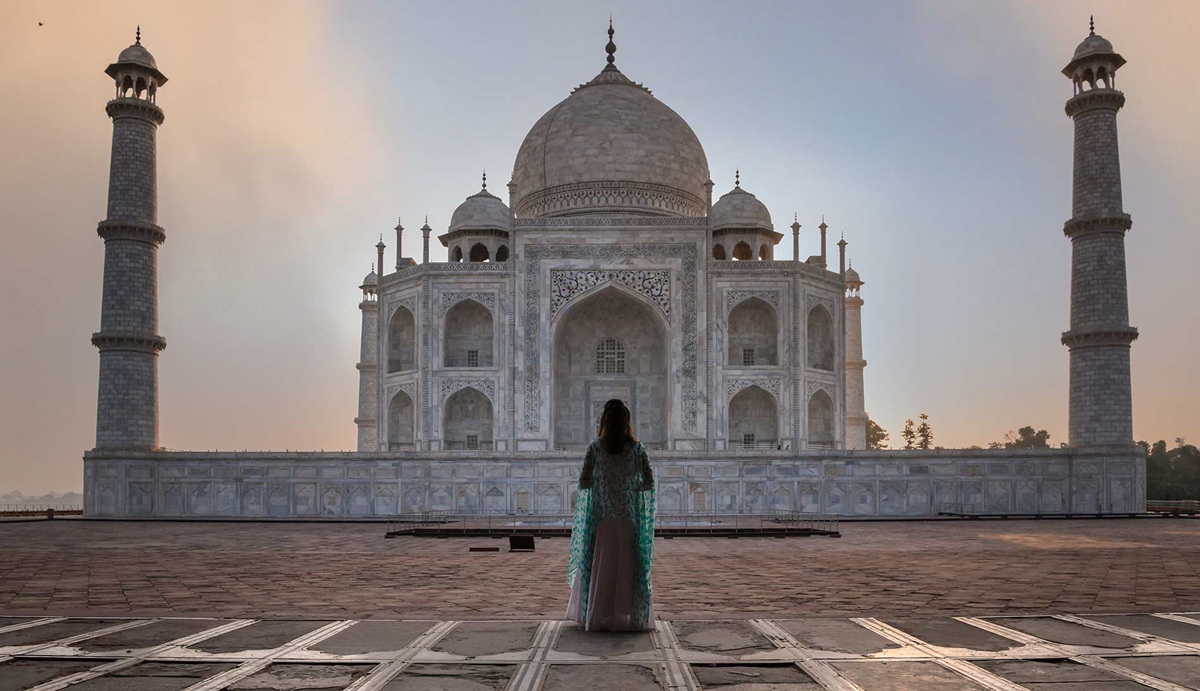
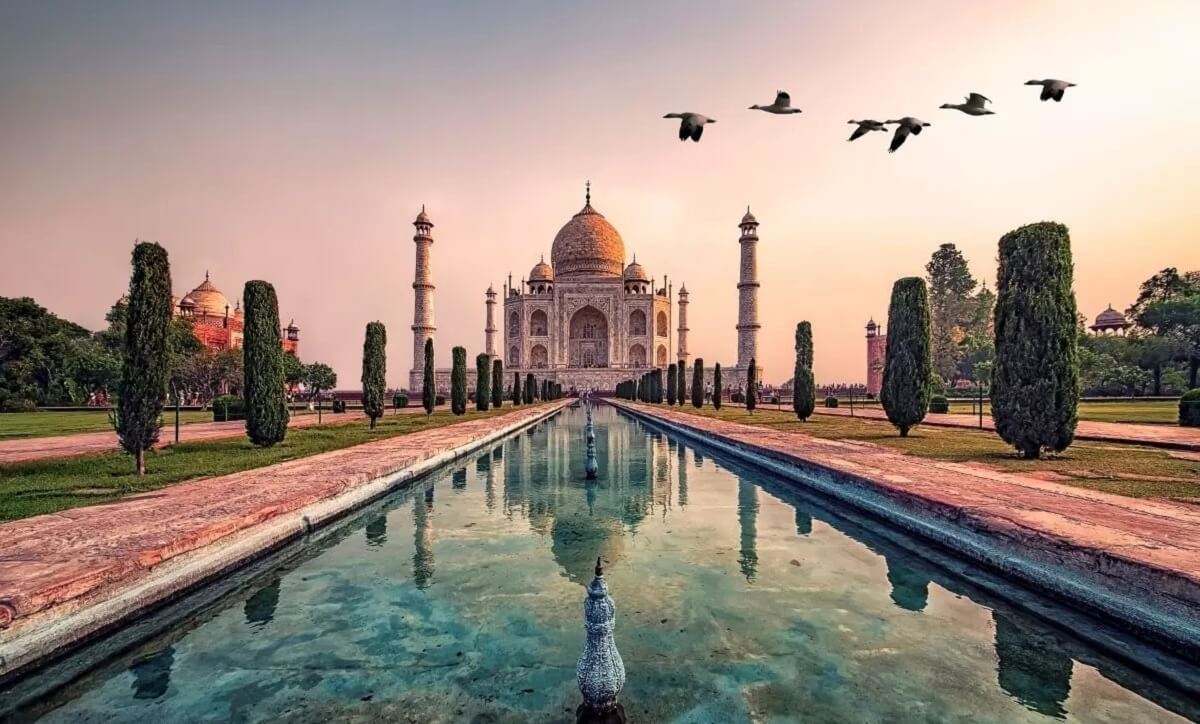
Arrive before dawn, when mist drifts across the Yamuna and the marble domes appear pearl-grey before blushing gold. Gates usually open around 6 a.m., so aim to queue by 5:30. At sunrise, the crowd is gentle, the air crisp, and reflections in the long pool are perfect.
Mid-Morning – Architectural Clarity
Between 9 a.m. and 11 a.m., sunlight reveals intricate pietra-dura inlays—floral motifs in carnelian, jasper, and lapis lazuli. This is when architectural photography shines. Best Gate for Taj Mahal Sunrise: Visitor’s Guide
Evening – The Golden Hour
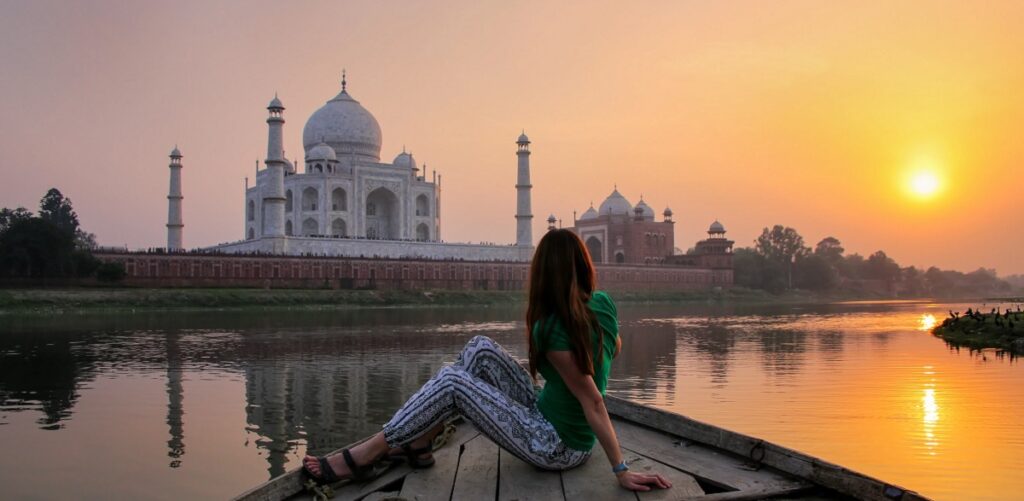
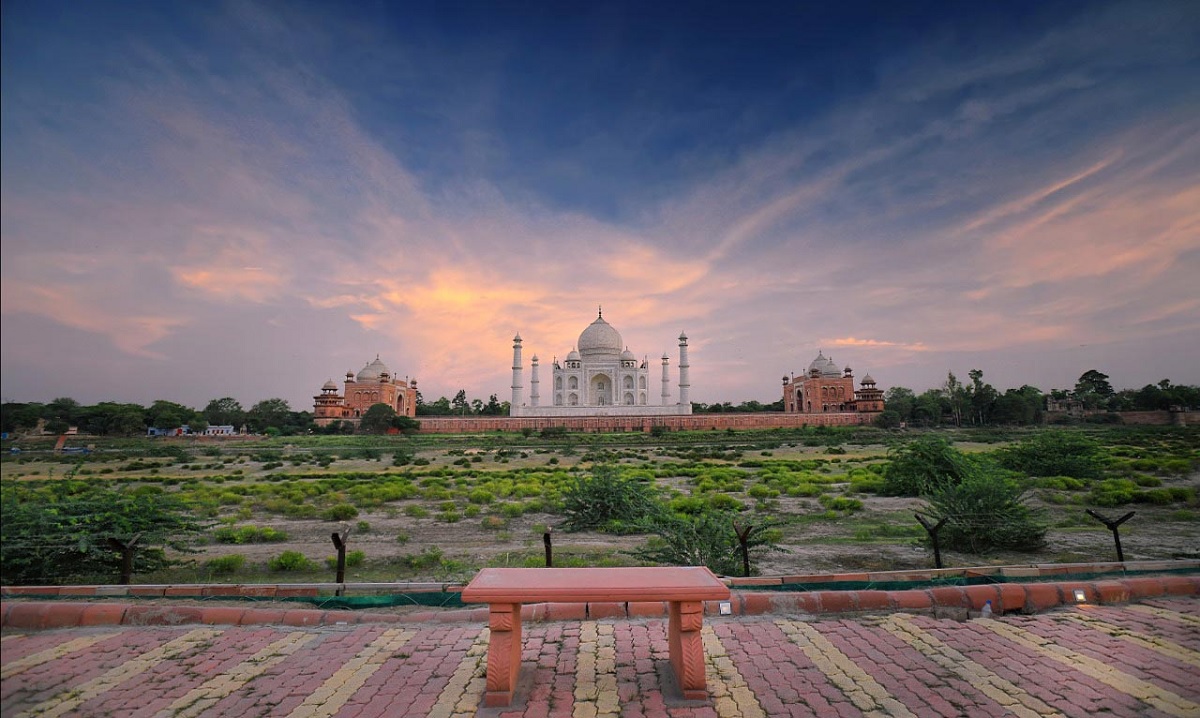
An hour before sunset, the Taj turns honey-pink, then silvery under twilight. The marble’s translucence glows against the warm sky—a sight best viewed from the gardens or across the river at Mehtab Bagh.
Tip: Fridays the Taj Mahal is closed to non-Muslims for prayers, so plan around it. Moonlight-viewing tickets (on five nights each lunar cycle) can be booked online through the Archaeological Survey of India—November nights are especially clear.
What Makes the Taj Mahal’s Design So Mesmerising?
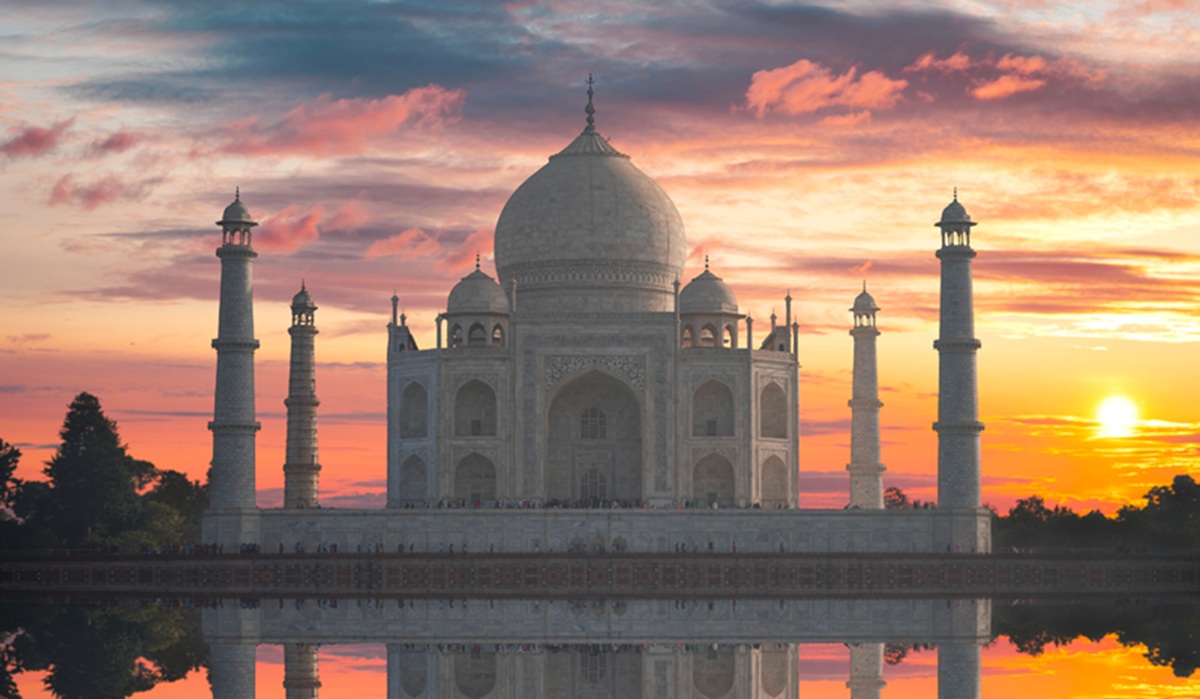
Commissioned in 1631 by Emperor Shah Jahan for his queen Mumtaz Mahal, the Taj Mahal is both mausoleum and metaphor. Its symmetry feels inevitable, its scale humane yet divine.
Stand near the main gate (Darwaza-i-Rauza): the monument seems to recede as you move forward, an optical illusion symbolising humility. Up close, you’ll see verses from the Quran carved in flowing calligraphy that grows larger with height—appearing uniform from below.
At dawn, the marble appears warm ivory; at noon, bright white; by moonlight, bluish silver. This chameleon quality inspired Rabindranath Tagore to call it “a teardrop on the cheek of eternity.”
Guides can illuminate the history, but silence reveals more—listen to your own breath echo in the arches; it’s impossible not to feel awe. Best Taj Mahal Viewpoints & Photography Spots
What’s the Weather Like in Agra in November 2026?
- Average High: 29 °C
- Average Low: 14 °C
- Rainfall: Minimal (post-monsoon clarity)
- Humidity: 40–50 %
- Best Time of Day: 6 a.m.–10 a.m. and 4 p.m.–sunset
Early mornings carry a faint mist, adding romance to river views. Afternoons are sunny but gentle enough for walking the fort ramparts. Evenings invite rooftop dinners without jackets, though a light shawl is pleasant by the water. Expand Your Knowledge on: Top 10 Most Searched Travel Destinations in India 2026
How Do You Reach Agra?
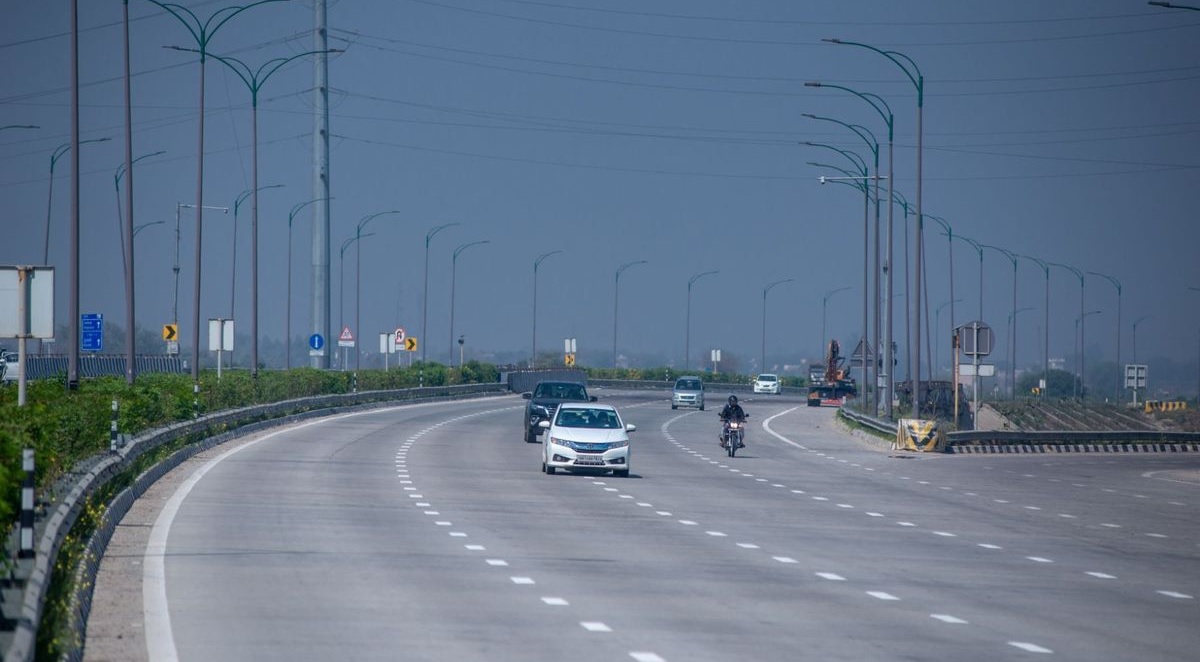
Agra sits on India’s Golden Triangle with Delhi and Jaipur—easily accessible yet worlds apart in pace.
By Air
Agra’s Pandit Deen Dayal Upadhyay Airport (AGR) has limited commercial flights, but by 2026 expanded services from Delhi and Mumbai are expected. Most international travelers fly to Delhi (DEL) and continue by express train or car.
By Train
The Gatimaan Express and Vande Bharat Express whisk you from Delhi to Agra Cantt in under 100 minutes. Comfortable, punctual, and scenic. Premium class includes meals and wide windows.
By Road
The Yamuna Expressway (165 km) makes the drive from Delhi about three hours—smooth, with clean rest stops. Hired cars or chauffeured transfers allow flexible stops at Fatehpur Sikri or Mathura.
Once in Agra, local transport includes app-cabs, electric tuk-tuks, and heritage walking tours. November’s dry weather makes open rickshaw rides delightful. Hidden Places in Agra: Explore Beyond the Taj Mahal
Where Should You Stay?
Agra’s accommodations blend Mughal splendour with modern comfort. November is high season, so book early.
Luxury Heritage
- The Oberoi Amarvilas – Every room faces the Taj Mahal; candle-lit dinners on private terraces.
- ITC Mughal, a Luxury Collection Hotel – Lush gardens and an award-winning Kaya Kalp Spa.
Boutique & Mid-Range
- Trident Agra – Classic architecture, tranquil courtyard, excellent for families.
- Ekaa Villa – The Boutique Hotel – Minimalist design, personalised service, close to the Taj’s east gate.
Character Stays
- Coral Tree Homestay – Warm hosts, home-cooked meals, and cultural insights.
Staying near the Taj Mahal’s eastern gate allows early entry without battling traffic. Taj Mahal Moonlight Visit: 2026–2026 Dates, Tickets & Tips
Beyond the Taj Mahal – What Else Should You See?
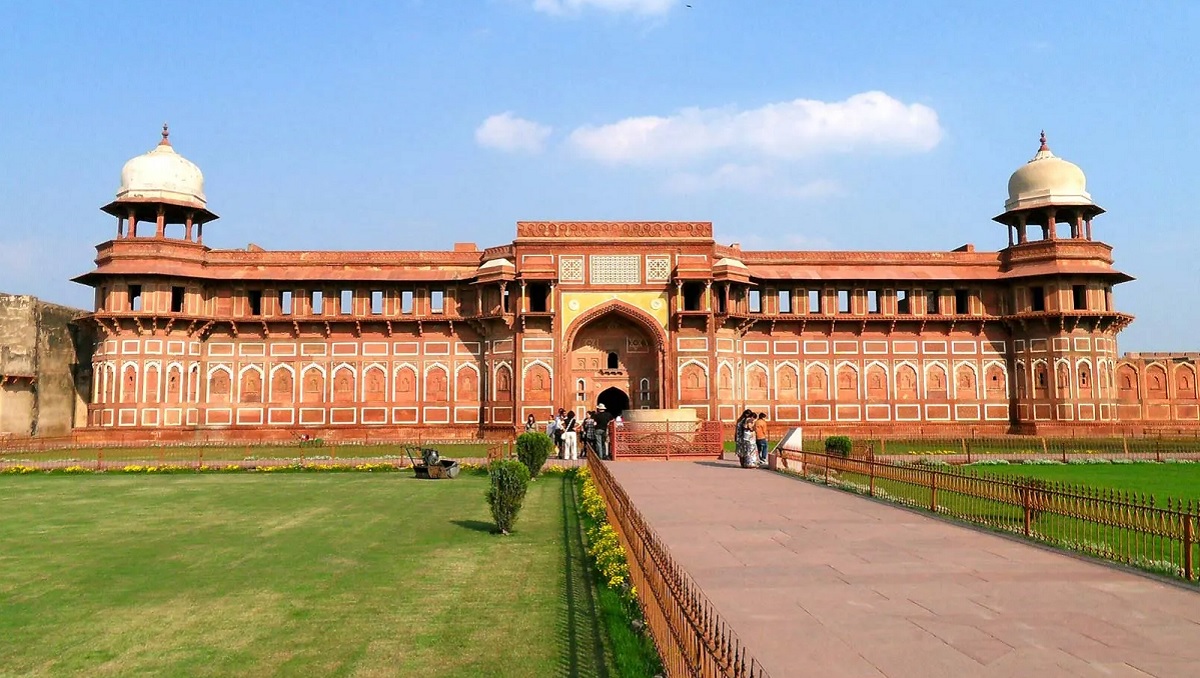
Agra Fort
A UNESCO World Heritage Site, Agra Fort predates the Taj Mahal and once housed the Mughal throne. Massive red-sandstone walls conceal palaces of marble and inlay. From the Musamman Burj, Shah Jahan is said to have spent his last years gazing at his creation across the river. In November light, the fort glows russet-gold.
Itmad-ud-Daulah (Baby Taj)
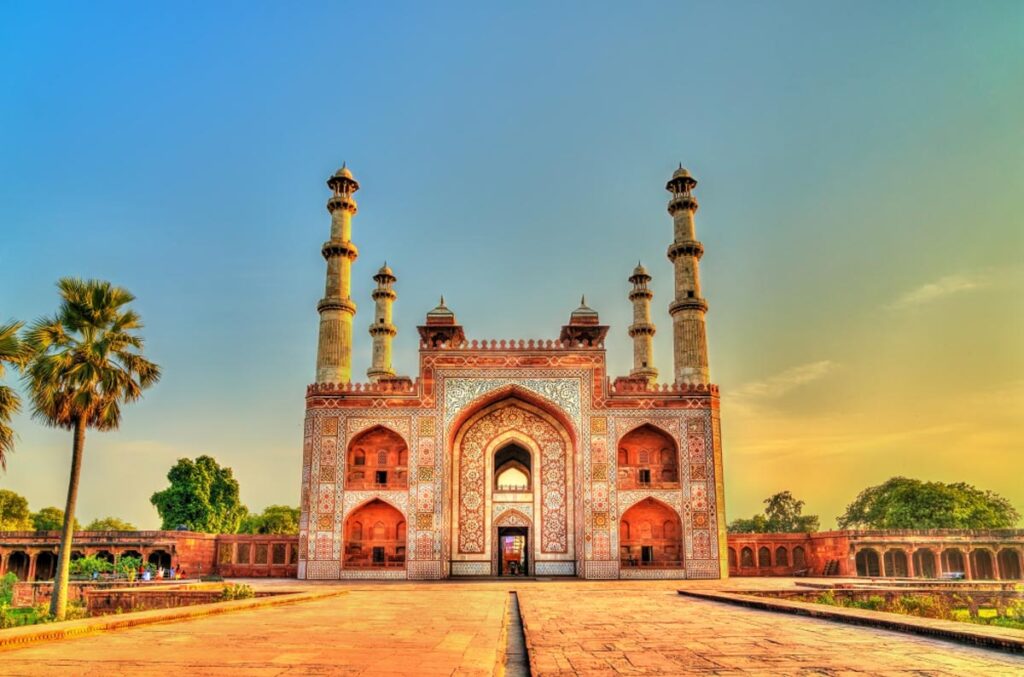
Often overlooked, this exquisite tomb predates the Taj and inspired its design. Its marble screens and delicate mosaics look ethereal in late-afternoon sun.
Mehtab Bagh
Across the Yamuna, this moonlight garden offers the Taj’s most romantic viewpoint—especially at sunset. November’s dry riverbed sometimes exposes sandbanks that mirror the monument in shallow pools.
Fatehpur Sikri
An hour west, this abandoned red-sandstone capital of Emperor Akbar remains hauntingly preserved. Visit mid-morning before the heat rises; its empty courtyards echo with history. Check the Complete Itinerary Details: 3 Days Delhi Agra Jaipur Tour Package
What Are the Best Photography and Golden-Hour Tips?
- Arrive early—first light gives diffused tones.
- Use reflections—the central pool and Yamuna’s surface double the symmetry.
- Avoid midday glare—opt for 8–10 a.m. or 4–5 p.m.
- Monochrome magic—black-and-white captures highlight marble textures.
- Across the river—Mehtab Bagh at sunset is ideal for silhouettes.
- Tripods are restricted inside the complex; handheld or monopod works best.
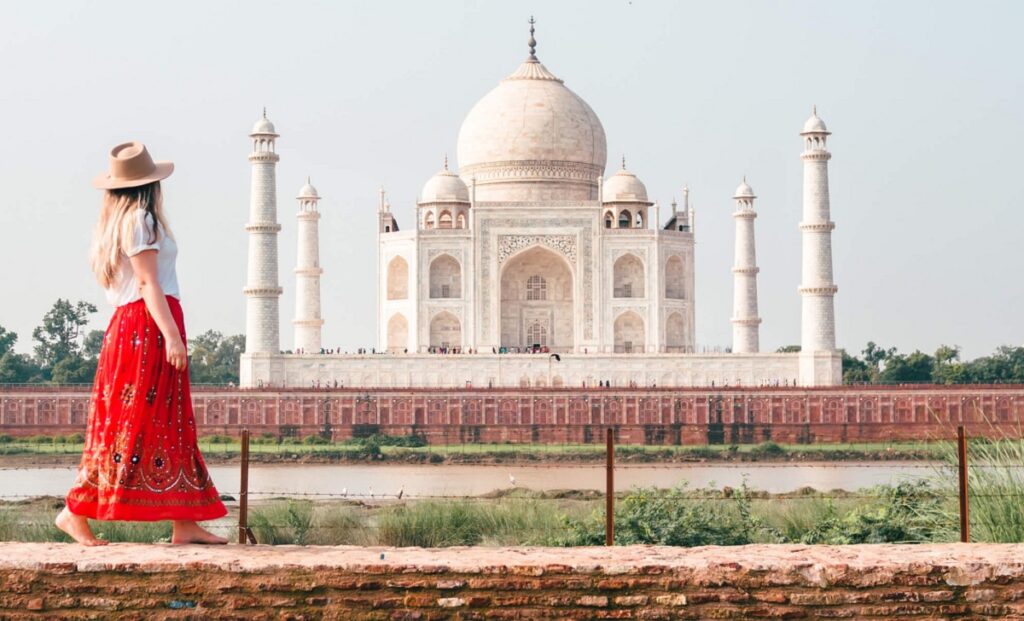
- Dress in contrast—muted blues or reds complement the white backdrop for portraits.
November’s clarity eliminates haze, rewarding photographers with crisp horizons. Taj Mahal Travel Tips: Important Dos and Don’ts for Tourists
What Should You Eat in Agra?
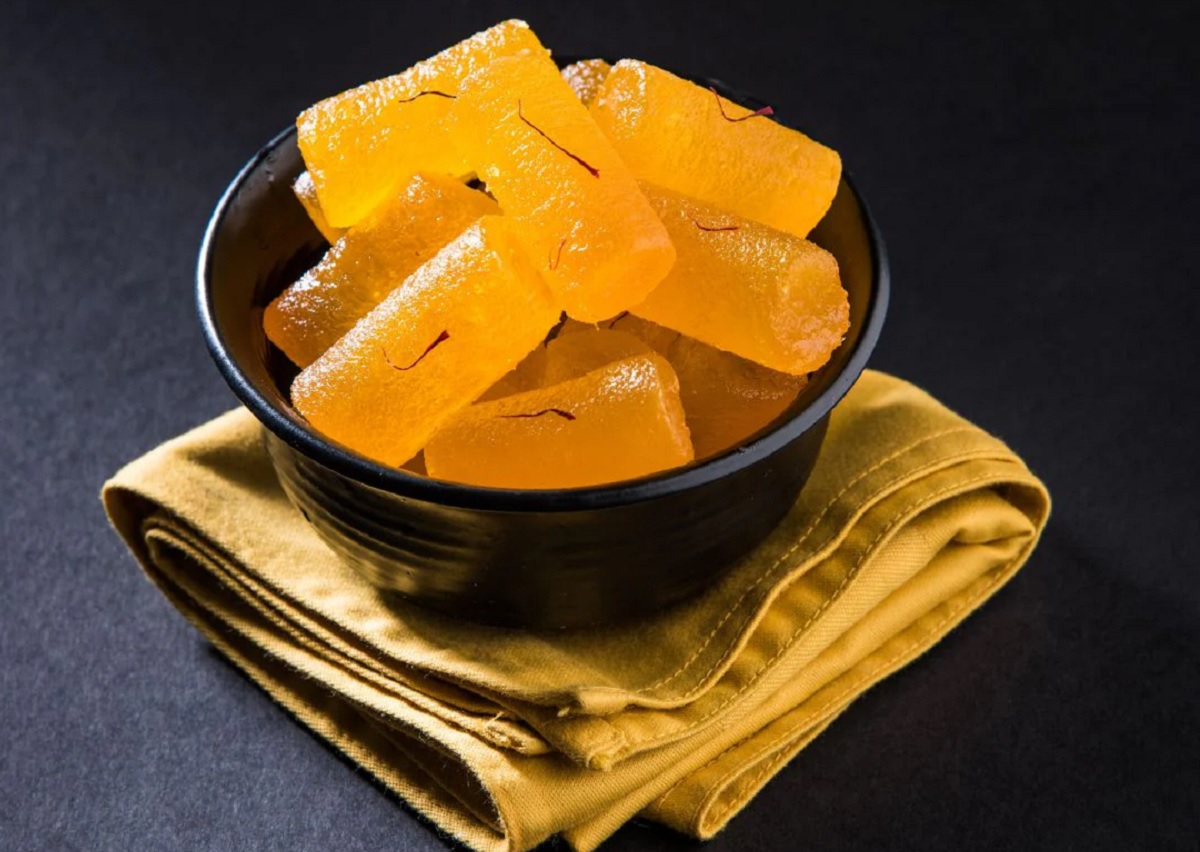
Agra’s cuisine mixes Mughal grandeur with North-Indian heartiness. After sightseeing, the aromas of saffron, ghee, and cardamom beckon.
Signature Dishes
- Mughlai Korma: Rich, aromatic gravies of chicken or mutton with nuts and cream.
- Bedai & Jalebi: A local breakfast—crispy puris with spiced lentils followed by syrupy sweets.
- Petha: Candied ash gourd, Agra’s famous confection—try the translucent saffron variety from Panchi Petha.
- Dal Moth Namkeen: Crunchy lentil snack perfect with tea.
Where to Dine
- Pinch of Spice – Consistently excellent Indian cuisine.
- Esphahan (Oberoi Amarvilas) – Fine dining with live sitar.
- Jahanpanah – Authentic Awadhi kebabs in elegant surroundings.
- Good Vibes Café – Rooftop boho space near the east gate, beloved by travelers.
Evenings in November are cool enough for al-fresco dining—choose rooftops with fort views for unforgettable sunsets. Want a Deeper Cultural Experience? Explore the Golden Triangle Guides!
Suggested 3-Day Agra Itinerary
Day 1 – Arrival & Evening Fort Views
Arrive via train or road from Delhi. Visit Agra Fort in the golden light, dine at a heritage restaurant, and rest early.
Day 2 – The Taj Mahal & Mehtab Bagh
Pre-dawn visit to the Taj Mahal. Breakfast at your hotel, then explore Itmad-ud-Daulah. Cross to Mehtab Bagh for sunset photography.
Day 3 – Fatehpur Sikri & Local Bazaars
Morning drive to Fatehpur Sikri (1 hr each way). Afternoon shopping for marble inlay, leather, and carpets at Sadar Bazaar. Evening train or drive back to Delhi.
Optional Day 4: Excursion to Mathura-Vrindavan or Bharatpur Bird Sanctuary for nature contrast.
Plan Your Journey with This Itinerary: Same Day Agra Mathura Tour by Road
Shopping & Handicrafts
Agra’s artisans continue Mughal traditions. Look for:
- Marble Inlay Work: Mini-Taj tabletops, coasters, jewellery boxes.
- Zardozi Embroidery: Gold-thread textiles for cushions or shawls.
- Leather Goods: Handbags and shoes from local tanneries.
- Carpets & Rugs: Persian-style weaves at government emporia.
Bargaining is expected but polite; November’s craft fairs offer fair-trade pricing.
Want a Deeper Cultural Experience? Explore the Golden Triangle Guides!
Cultural Etiquette & Practical Tips
- Modest clothing is appreciated at religious sites.
- Remove shoes or use provided overshoes at the Taj Mahal.
- Tipping 10 % in restaurants is customary.
- Carry small change for guides and rickshaws.
- Keep hydrated—bottled or filtered water only.
- Photography inside mausoleum interiors is restricted—respect signage.
How Does Agra Feel After Sunset?
When daylight fades, the city softens. Lamps flicker along the riverbank, and strains of classical music drift from hotel courtyards. The fort glows amber under floodlights; rooftop cafés hum with quiet conversation.
A walk along the Taj Nature Walk—a forested trail just east of the monument—offers a peaceful close to the day. Peacocks cry in the dusk, and occasionally the Taj appears between trees, bathed in silver.
Why November 2026 Is the Time to Go
Travel in 2026 is trending toward purposeful journeys—fewer destinations, deeper experiences. Agra in November fits perfectly: pleasant weather, fewer crowds than December, and cultural vibrancy after the monsoon wash. Infrastructure upgrades—expanded expressways, eco-electric shuttles to the Taj—make exploring smoother and greener.
Visiting now means witnessing the Taj Mahal under pristine skies, before winter haze occasionally softens visibility.
A Final Reflection – The Taj at Twilight
As the sun sinks beyond the Yamuna, the Taj Mahal seems to float, its reflection trembling in still water. The marble blushes one last time before surrendering to moonlight.
We sit on the garden bench where Shah Jahan once planned his black-marble twin across the river—a dream never realised. Yet looking at the Taj Mahal now, we sense he succeeded all the same. The monument’s perfection lies not just in stone, but in emotion: love made visible.
In November’s golden calm, with the air clear and cool, Agra reveals why it has inspired poets, painters, and travelers for centuries. It is a city of devotion—to beauty, to memory, to the fleeting grace of light on marble.
Come when the mornings are misty and the evenings gold.
The Taj will be waiting, serene as ever, ready to remind you that some human dreams, once carved, never fade.
Read More Blogs for Travel in October in Other destination in India:
- Visit Rishikesh in October 2026 – Yoga Retreats, Aarti Vibes & Places to See
- Discover Ooty in October 2026 – Ride the Nilgiri Train & Relive Colonial Charm
- Plan Your Darjeeling Trip in October – Toy Train Rides & Tea Garden Views
- Visit Manali in October 2026 – Snowfall, Weather & Top Things to Do
- Travel to Goa in October 2026 – Beaches, Festivals & Best Travel Tips
- Explore Karnataka’s Best Hill Stations to Visit in October – Full Travel Guide
- Know What to Expect in Goa in October – Weather, Activities & Tips
- Check Kerala Weather in October – Plan the Perfect Trip
- Find the Best Spiritual Places to Visit in India This October 2026
- Plan October Weekend Getaways from Bangalore – Top Picks for 2026
- Relax on the Best Beaches in South India to Visit in October
- Celebrate India’s Top Festivals in October 2026 – Rituals & Travel Guide
- Check India’s Weather in October – When and Where to Travel
- Goa in October 2026: Weather, Festivals, Travel Tips