Kathmandu, the capital of Nepal, is a city full of history, culture, and energy. From sacred temples and ancient palaces to bustling local markets and charming cafés, there’s something for every kind of traveler here. But like many fast-growing Asian cities, navigating Kathmandu can be both exciting and overwhelming, especially for first-time visitors.
This guide will walk you through the smartest, safest, and most budget-friendly ways to travel around Kathmandu. Whether you’re exploring the narrow lanes of Thamel, heading to Durbar Square, or planning a day trip to Patan or Boudhanath, these tips will help you move around confidently and comfortably.
1. Understanding Kathmandu’s Layout: Know Before You Go
Before jumping into transportation options, it’s helpful to get a quick overview of how the city is structured.
Kathmandu is part of the Kathmandu Valley, which includes three main cities:
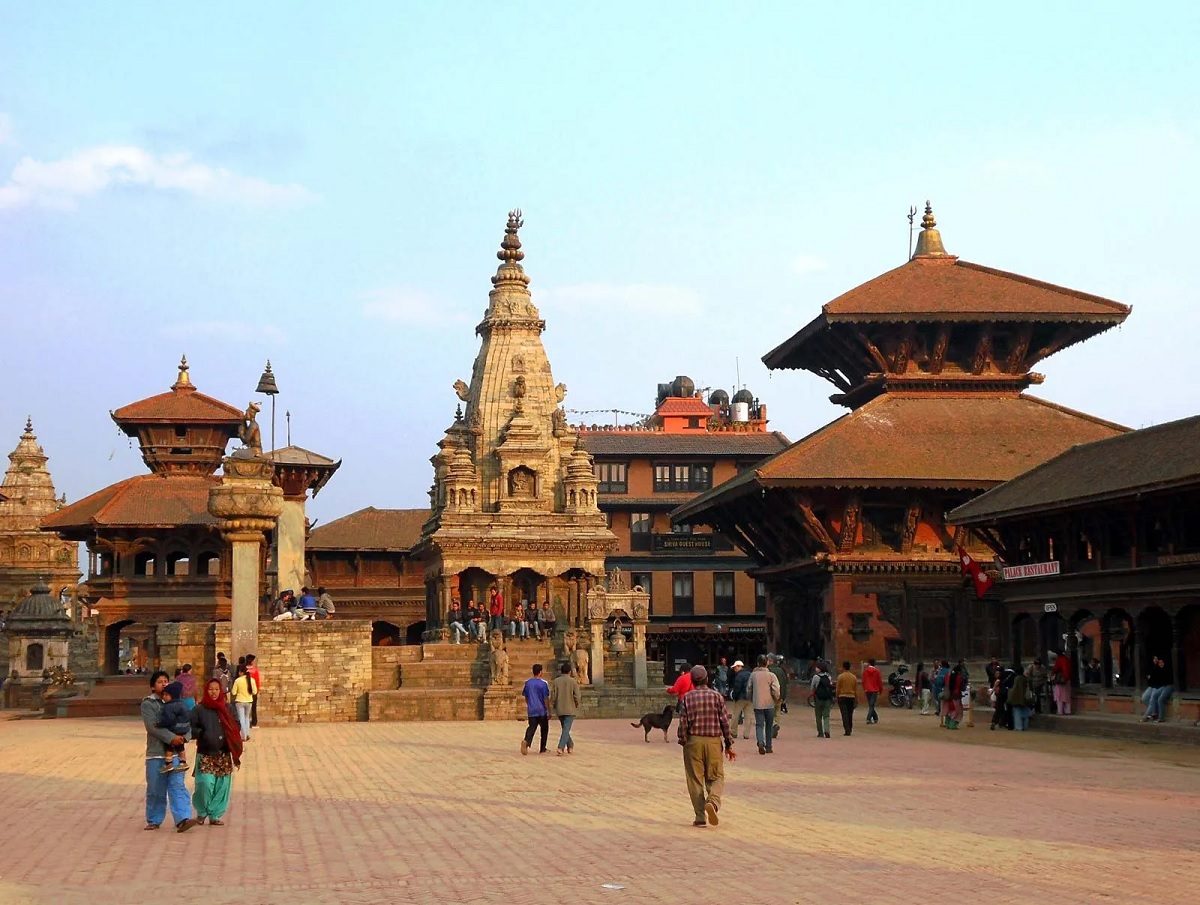
- Kathmandu City – the heart of the action, home to Thamel, Durbar Square, and Swayambhunath (Monkey Temple).
- Patan (Lalitpur) – known for its fine arts, temples, and Patan Durbar Square.
- Bhaktapur – a traditional Newari town with rich culture and less traffic.
Most tourist attractions are concentrated in central Kathmandu, making it easier to explore on foot, by bicycle, or using local transport. But traffic can be heavy and unpredictable, especially during rush hours and festival seasons.
Smart Tip: Always allow buffer time when heading to the airport or moving between major sites, especially during late afternoons or weekends. Air India Launches New Flights to Bangkok, Colombo & Kathmandu
2. Walking in Kathmandu: Best for Short Distances and Exploring Thamel
If you’re staying in Thamel, Kathmandu’s main tourist district, the best way to explore is on foot.
Thamel is full of:
- Restaurants and cafés
- Handicraft shops and book stores
- Travel agencies and tour offices
- Street performers and artists
Walking is ideal for discovering small alleys, local temples, and hidden courtyards that you would otherwise miss. However, sidewalks can be uneven or non-existent, and roads are often shared with scooters and cars.
Pros:
- Free and flexible
- Great for street photography
- Easy access to most hotels and cafés
Cons:
- Crowded at peak times
- Dusty roads and poor air quality (wear a mask)
Smart Tip: Wear comfortable shoes, carry water, and walk during the cooler hours of the day (early morning or late afternoon). Visa on Arrival Countries for Indians to Visit in August
3. Taxis in Kathmandu: Affordable but Negotiable
Taxis are widely available in Kathmandu and are often used by tourists to get between major locations, like from Thamel to Boudhanath or Patan.
However, most taxis don’t use meters, especially with foreigners. It’s important to negotiate the price before getting in. Fares are generally low by international standards but vary depending on time of day and traffic.
Sample Fares (Negotiated):
- Thamel to Boudhanath: NPR 500–700
- Thamel to Patan Durbar Square: NPR 500
- Thamel to Airport: NPR 800–1000
Pros:
- Private and fast
- Available throughout the day
Cons:
- Prices vary; some drivers overcharge
- Language barriers with some drivers
Smart Tip: Ask your hotel or guesthouse about fair taxi prices before heading out, or request a ride directly through them. Affordable International Destinations to Visit This July
4. Ride-Sharing Apps in Kathmandu: Safe and Transparent
Apps like Pathao and inDrive are becoming more popular in Kathmandu and are highly recommended for tourists. They work like Uber or Ola and offer both bikes and taxis.
Why Use Ride-Sharing?
- Fares are pre-set or clearly negotiable through the app
- You can pay by cash or digital wallet
- Driver details and tracking offer more safety
Pathao:
- Popular for bike rides (fast, cheap, and ideal for solo travelers)
- Also offers car options
- App is available in English
inDrive:
- You suggest your fare, and drivers accept or counter-offer
- Great for negotiating without language issues
Smart Tip: Download the apps before your trip and set up your payment method. Always double-check the pickup and drop-off locations. Top 7 Budget International Trips in August Under ₹50,000
5. Public Buses and Microvans: Budget-Friendly but Confusing
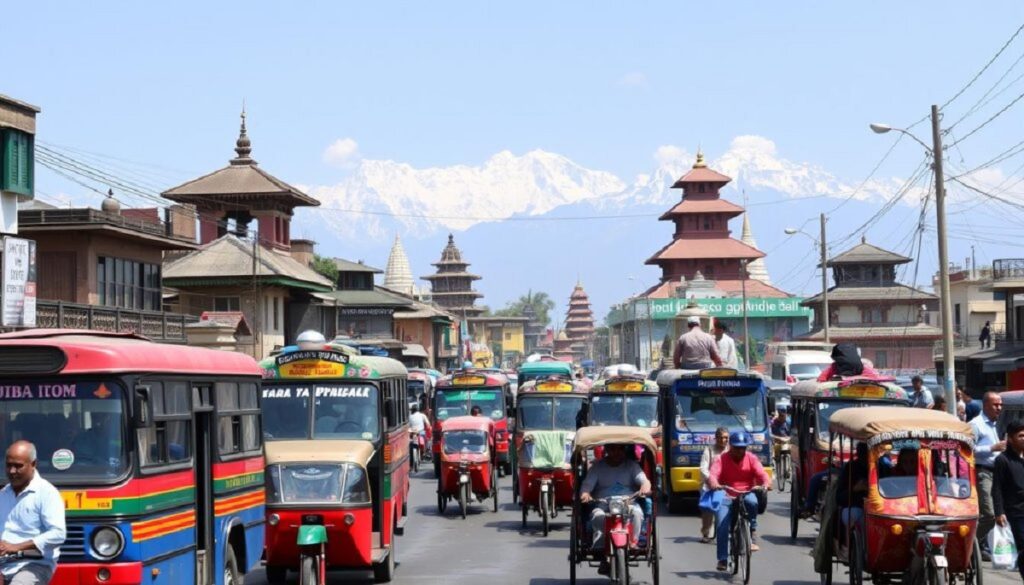
If you’re traveling on a tight budget or want to experience how locals commute, try the public buses and microvans (called tempo or micro).
These shared vehicles travel fixed routes and are extremely cheap (usually between NPR 20–50), but can be overcrowded, hard to navigate, and don’t always have signs in English.
Best For:
- Local short rides outside tourist zones
- Reaching places like Kirtipur, Bhaktapur, or Swayambhunath if you’re adventurous
Not Recommended For:
- First-time visitors with luggage
- Travelers with mobility issues
Smart Tip: Ask locals or hotel staff about which route to take. If unsure, it’s better to use a taxi or app-based service.
6. Renting a Private Car or Driver: Great for Day Trips and Families
If you’re planning to explore areas outside the city — like Nagarkot, Dhulikhel, Bhaktapur, or Chandragiri Hills — renting a car with a driver can be a comfortable and efficient option. It’s especially convenient for families, small groups, or those with limited time.
Many hotels and travel agencies in Thamel offer daily car rental packages with licensed drivers. These cars are usually clean, air-conditioned, and well-maintained.
Average Costs:
- Half-day in Kathmandu: NPR 2,500–3,000
- Full-day city tour: NPR 4,000–5,000
- Day trip to Bhaktapur and Nagarkot: NPR 5,500–6,500
Pros:
- Comfortable and private
- Drivers know the roads and tourist stops
- Safe for traveling with kids or elders
Cons:
- More expensive than taxis or ride shares
- Traffic delays may affect full-day schedules
Smart Tip: Ask for an English-speaking driver if possible. Always agree on the route and price before starting the trip.
7. Cycling in Kathmandu: Best for Adventurous Travelers
For travelers who enjoy active exploration, cycling in Kathmandu can be an immersive experience. While city roads are often chaotic, some quieter streets and early morning rides offer a peaceful view of the valley’s heritage and lifestyle.
Thamel has several cycle rental shops offering mountain bikes and city bikes for rent by the hour or day. If you’re more adventurous, consider joining a guided cycling tour to places like Bungamati, Kirtipur, or Tokha.
Average Rental Rates:
- Per day: NPR 500–1,000 (depending on bike quality)
- Guided cycling tours: NPR 2,500–5,000 per person
Pros:
- Eco-friendly and budget-friendly
- Great for local village routes and sunrise views
- Opportunity for offbeat travel
Cons:
- City traffic can be stressful
- Not ideal for beginners or during monsoon
Smart Tip: Always wear a helmet, carry a map or GPS, and avoid riding after dark. Early mornings are the best time to cycle.
8. Airport Transfers in Kathmandu: How to Reach the City Center
Tribhuvan International Airport (TIA) is just 5–6 km from Thamel, but the journey can take 30–45 minutes depending on traffic. There’s no official public bus service from the airport, so travelers usually rely on taxis, hotel pickups, or ride-hailing apps.
Options for Airport Transfers:
- Prepaid airport taxis: Available outside the arrival gate; expect to pay NPR 800–1,200
- Hotel pickups: Many mid-range and luxury hotels offer this service; check when booking
- Ride-hailing apps: Often cheaper than taxis but may take a few minutes to arrive due to airport pickup rules
Smart Tip: Avoid touts or unofficial taxi offers inside the terminal. Head straight to the official taxi counter or use an app.
9. Safety Tips for Getting Around Kathmandu
Kathmandu is generally safe for tourists, but like in any busy city, it’s smart to stay alert and plan ahead. Here are a few transportation-related safety tips to keep in mind:
- Carry small cash: Most drivers do not have change for large notes
- Avoid night travel in unfamiliar areas, especially by foot
- Keep valuables close on buses or in crowded taxis
- Use ride apps over street taxis at night for safer tracking
- Be cautious crossing streets — pedestrian rules are loosely followed
Smart Tip: Take a photo of your hotel’s name and address (in Nepali too, if possible) in case you need to show it to a driver who doesn’t speak English.
10. Day Trips and Places to Visit Around Kathmandu (and How to Get There)
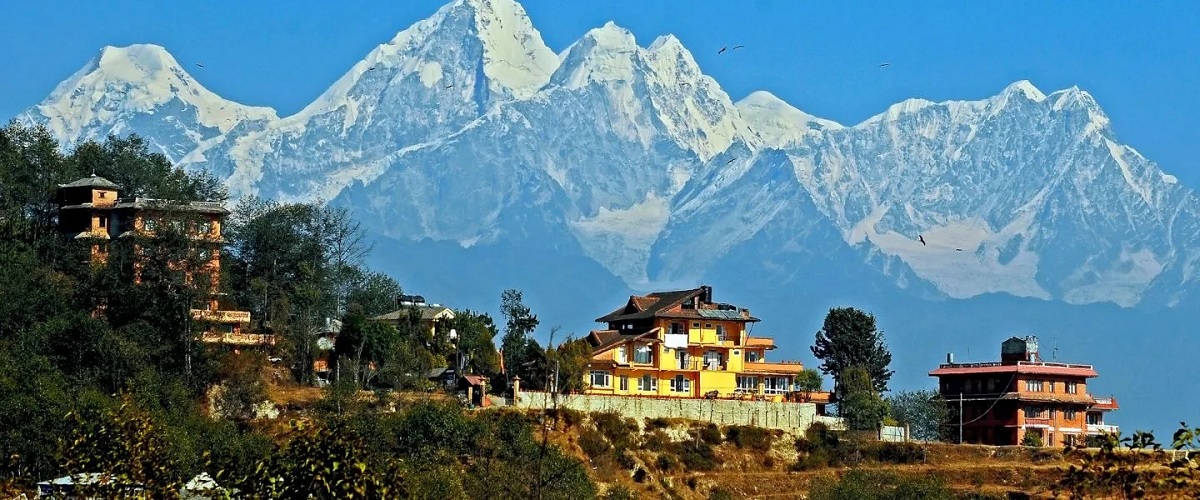
Kathmandu’s location makes it perfect for short day trips to nearby cultural and natural attractions. Here’s how to reach some of the most popular ones:
Bhaktapur
- Best by: Taxi or private car (NPR 1,000–1,500 one way)
- Known for: Ancient temples, pottery square, medieval city vibe
Patan (Lalitpur)
- Best by: Taxi (NPR 500–600) or public microvan
- Known for: Durbar Square, local art, and architecture
Nagarkot
- Best by: Private car or bike (NPR 2,500–4,000 round trip)
- Known for: Sunrise and Himalayan views, nature walks
Chandragiri Hills
- Best by: Taxi + cable car ride (NPR 2,000–3,000)
- Known for: Scenic viewpoints, Shiva temple, and the cable car
Smart Tip: Start early in the morning to avoid traffic and afternoon clouds — especially for sunrise spots.
FAQs: Getting Around Kathmandu for Tourists
Q1. Do I need to download a map app in Nepal?
Yes. Google Maps works well in Kathmandu. Download offline maps in case of weak mobile signals.
Q2. What is the safest transport option for solo travelers?
Pathao or inDrive ride-sharing apps are safer than hailing taxis from the street. Always confirm the driver details.
Q3. Is it safe to rent a scooter or bike in Kathmandu?
You can, but traffic is intense, and road conditions vary. It’s best for experienced riders only.
Q4. Are taxis metered in Kathmandu?
Very few use meters. Always negotiate fare before getting in, or use ride apps to avoid confusion.
Q5. How much should I budget per day for local transport in Kathmandu?
On average, NPR 800–1,500 per day should be enough, depending on how far you travel and what transport method you choose.
Quick Travel Summary Table
| Transport Type | Best Use | Cost Estimate (NPR) | Pros | Cons |
|---|---|---|---|---|
| Walking | Exploring Thamel & local streets | Free | Flexible, immersive | Crowded, dusty roads |
| Taxi (street hire) | Medium-distance travel | 400–1,000 | Widely available | Must bargain; no meter |
| Ride apps (Pathao) | Short or long trips | 200–700 | Transparent pricing, safer | App sometimes slow in traffic |
| Public buses | Budget travel, local experience | 20–50 | Very cheap, local feel | Crowded, confusing routes |
| Private car rental | Day trips to nearby cities | 3,000–6,000 | Comfortable, ideal for groups/families | More expensive |
| Bicycle rental | Slow-paced exploration, early mornings | 500–1,000 | Eco-friendly, flexible | Unsafe in heavy traffic |
Final Thoughts
Getting around Kathmandu doesn’t have to be stressful — as long as you understand your options and plan ahead. From walkable tourist zones like Thamel to ride-hailing apps, taxis, and short day trips, there’s something to suit every traveler and every budget.
Whether you’re in Kathmandu for a few days or using it as a base to explore the valley, your transport choices can make your trip smoother and more enjoyable. So stay smart, stay safe, and soak in every bit of the Kathmandu charm — one ride at a time.
You Might Also Like:
- Top 10 Reasons to Choose Nepal for Your Next Vacation
- Nepal Trip Cost from Delhi – Full Budget Guide 2025
- Solo Travel in Nepal – Complete Guide for First-Time Visitors
- Best Domestic Airlines in Nepal for Easy Travel
- When is the Best Time to Visit Nepal? Seasonal Guide
- Nepal in February – Weather, Places & Travel Tips
- Kathmandu Travel Tips – Public Transport Guide for Tourists
- How to Travel from Kathmandu to Pokhara – Easy Travel Options
- Top Hindu Temples in Nepal You Must Visit for a Spiritual Experience