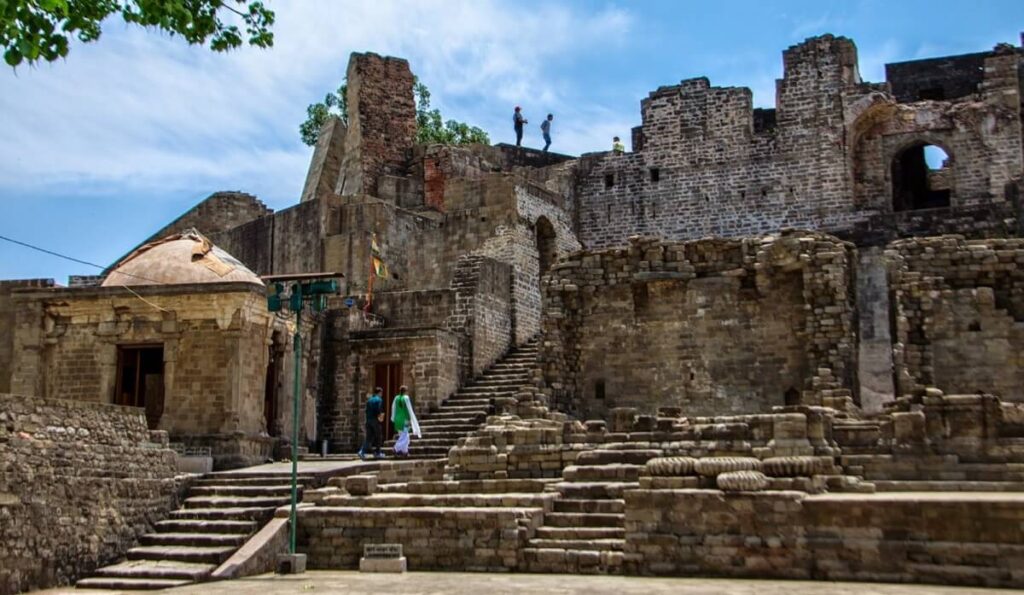
Explore the grandeur of India’s oldest fort and the stories etched into its stone walls.
Located in the picturesque Kangra Valley of Himachal Pradesh, Kangra Fort is not just one of the oldest forts in India — it’s a window into centuries of history, battles, and royal pride. Perched on a hilltop near the confluence of the Banganga and Majhi rivers, the fort offers more than just stunning views. It holds secrets of dynasties, invasions, and the changing landscape of North Indian politics.
Whether you’re a history enthusiast, a curious traveler, or someone who loves offbeat places surrounded by hills and serenity, Kangra Fort offers a memorable experience.
Historical Significance of Kangra Fort
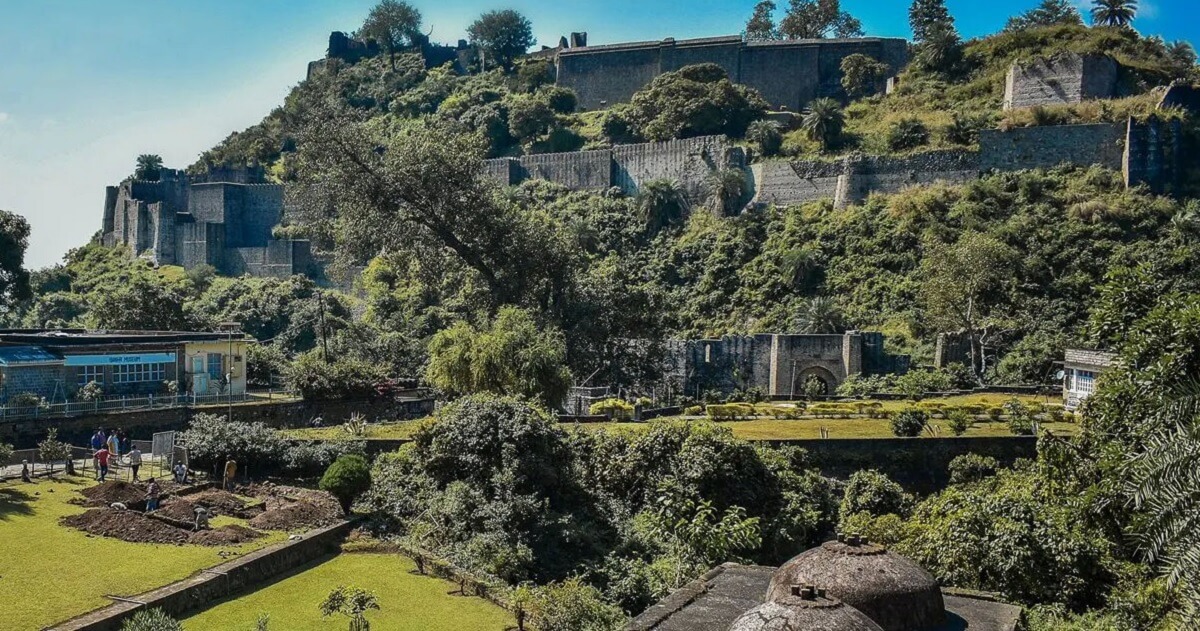
Kangra Fort, believed to be over 2,000 years old, is said to have been built by the Katoch dynasty, one of the oldest surviving royal families in the world. It is mentioned in ancient texts like the Mahabharata and later historical records during the reign of Alexander the Great, which makes it one of the most historically significant forts in the country.
The fort’s position in the lush Kangra Valley made it a strategic prize for invaders. Over the centuries, it has been ruled by several major powers:
- The Mughals, who conquered the fort under Emperor Akbar in the 16th century
- Maharaja Ranjit Singh, who took over the fort in the early 19th century
- The British, who took control in 1846 after the Anglo-Sikh war
Each ruler left behind traces of their rule, architecture, and legacy. Despite facing multiple earthquakes and invasions, the ruins of the fort still stand strong, echoing stories of valor, power, and resilience. 14 Best Places to Visit in Himachal in September
Architecture and Layout
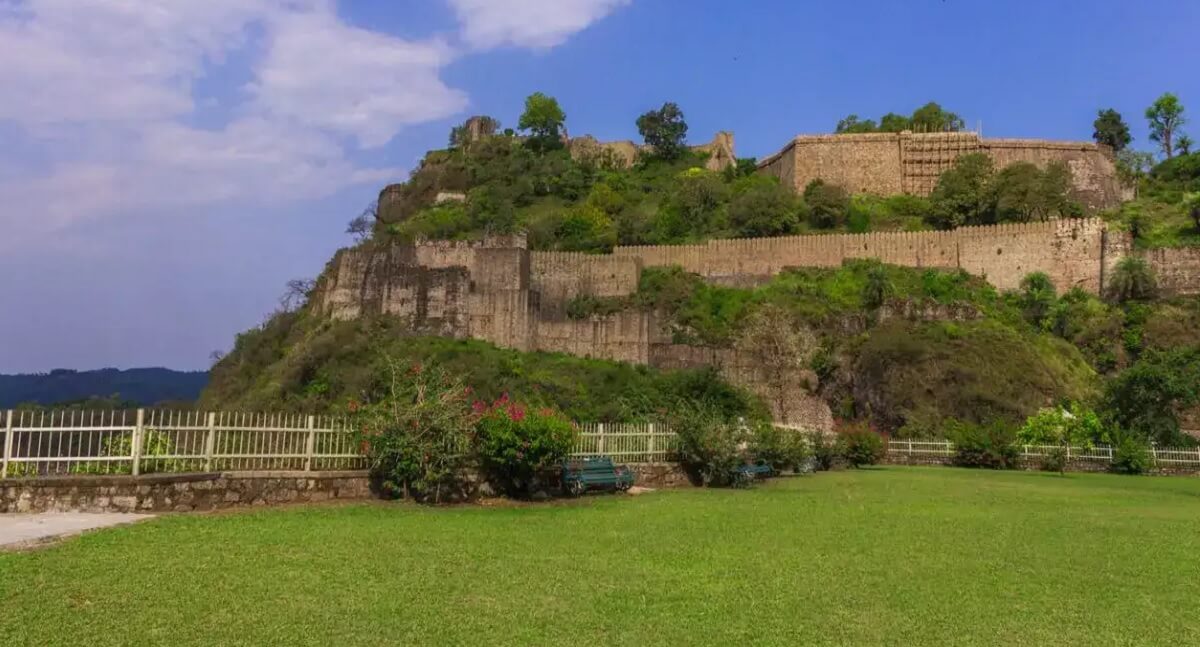
Spread over a large area of about 463 acres, Kangra Fort is built mainly of stone and lime mortar. The moment you enter through the massive entrance gate (Ranjit Singh Gate), you can feel the weight of history all around.
As you walk further, you’ll pass through seven different gates, each with a story:
- Ahani and Amiri Darwaza
- Jahangiri Gate (named after Mughal emperor Jahangir)
- Andheri Darwaza and Darshani Darwaza
Inside the fort complex, you’ll find:
- Ancient temples: The Lakshmi Narayan Temple, Ambika Devi Temple, and Shiva Temple
- Royal quarters and watchtowers
- Panoramic views of the valley and surrounding hills
The fort’s architecture showcases a mix of Hindu and Islamic influences, reflecting the cultural shifts that occurred with every change in rule. It’s also one of the few forts in India where you can clearly trace these layers of history in its stones and walls. An Ultimate 7-Day Adventure to Himachal Pradesh
What to Expect When You Visit
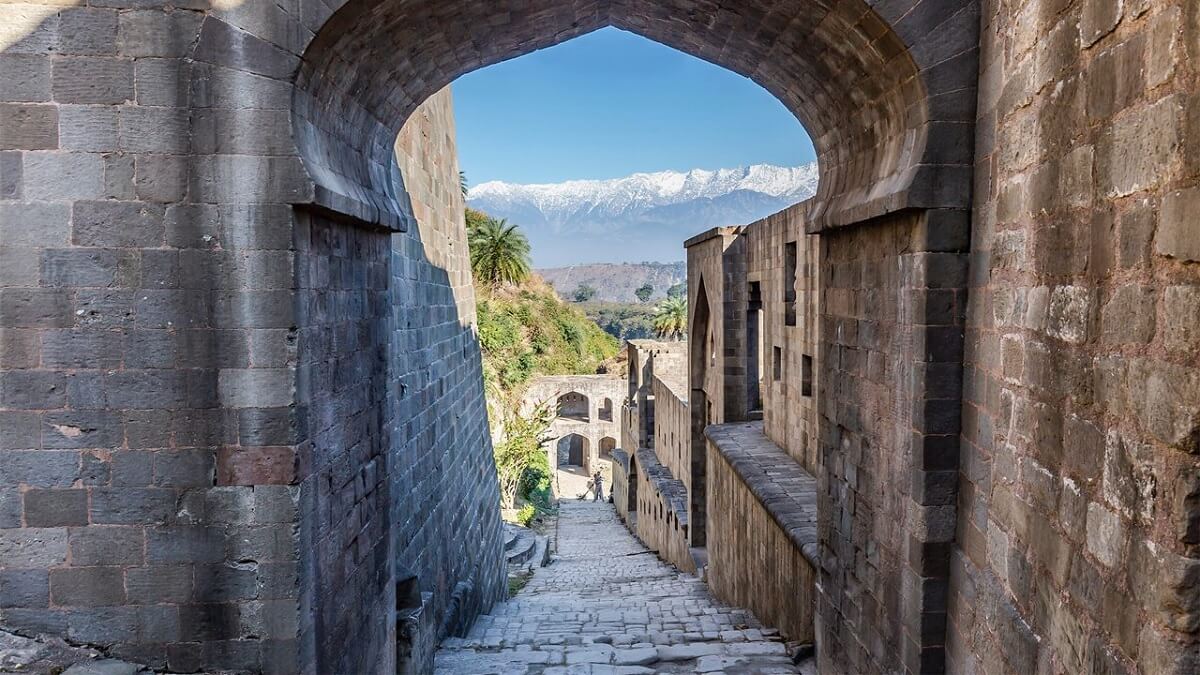
Walking through Kangra Fort feels like stepping into a time machine. The pathways are steep in parts, so it’s good to wear comfortable shoes. While parts of the fort are in ruins, the preserved sections and the restored pathways make the exploration rewarding.
There’s a small museum at the entrance, run by the Archaeological Survey of India (ASI), where you can learn more about the fort’s history and view ancient artifacts, coins, and weapons.
One of the most rewarding parts of the visit is reaching the highest point of the fort, which offers sweeping views of the Dhauladhar mountain range and the lush valleys below. Dalai Lama Temple (Tsuglagkhang Complex) Travel Guide
Entry Fee and Timings
Kangra Fort is managed by the ASI and is open to the public on most days.
- Timings: 9:00 AM to 5:30 PM (open all days of the week)
- Entry Fee:
- ₹25 for Indian nationals
- ₹300 for foreign nationals
- Additional charges for camera or video equipment may apply
Guided tours and audio guides are available at the entrance. The audio guide is especially helpful if you want to understand the stories behind each gate and monument inside the fort. Best Places to Visit in North India in September
How to Reach Kangra Fort
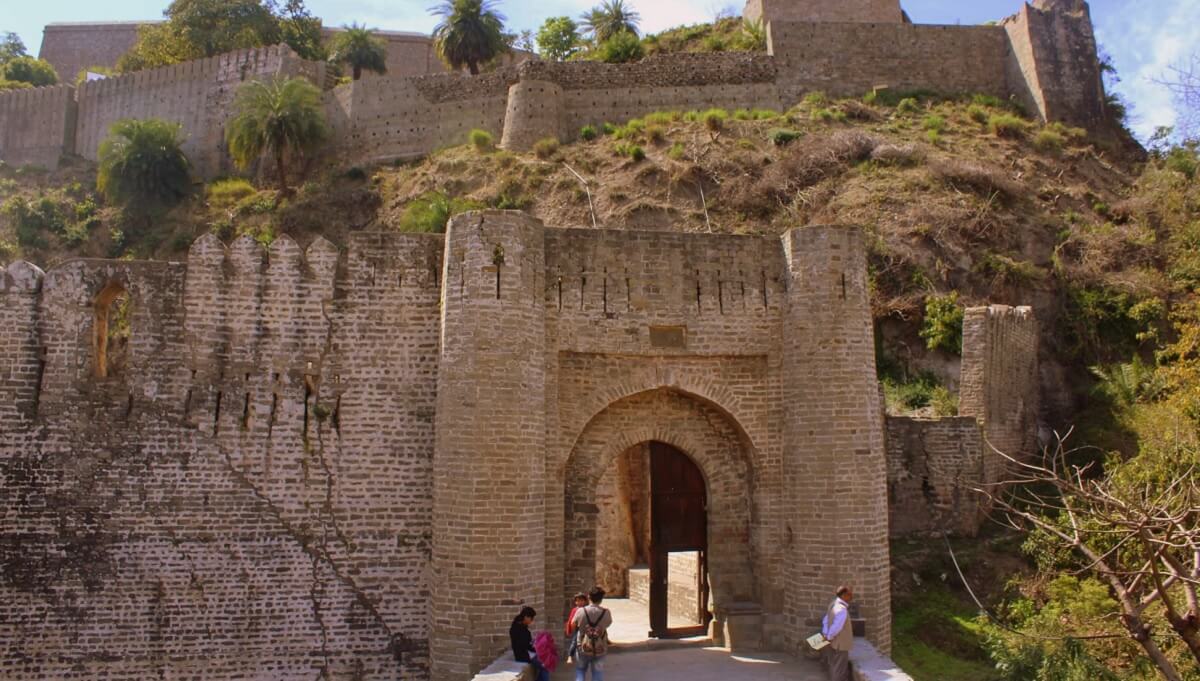
Kangra Fort is located about 20 km from Dharamshala and 3 km from Kangra town.
By Air
The nearest airport is Gaggal Airport (Dharamshala), just 13 km away.
By Train
The Kangra Mandir railway station is the closest narrow-gauge rail station, about 2 km from the fort. The nearest broad-gauge station is at Pathankot, about 90 km away.
Travel By Road
Well-connected by road, Kangra is easily accessible by bus or taxi from Dharamshala, Palampur, or Pathankot. Top Summer Treks and Hill Escapes in Himachal
Best Time to Visit
The climate in Kangra Valley is pleasant for most of the year, but some months are better suited for outdoor exploration.
- March to June: Ideal weather with clear skies and pleasant temperatures (15°C to 30°C)
- September to November: Post-monsoon freshness and good visibility for views
- December to February: Cold, but possible to visit; carry warm clothes
- July to August: Monsoon rains can make parts of the trail slippery and less enjoyable
Travel Tips for Kangra Fort
- Wear comfortable shoes, as you’ll be walking on uneven stone pathways.
- Carry a water bottle, especially during the warmer months.
- Try to visit in the morning or late afternoon to avoid the midday sun and enjoy better light for photography.
- Spend time in the museum for context before you start exploring.
- Combine your visit with nearby attractions like Masroor Rock Cut Temples, Baijnath Temple, or Dharamshala and McLeod Ganj if you’re on a longer trip. Explore Things to do in Mcleodganj
Nearby Places to Explore
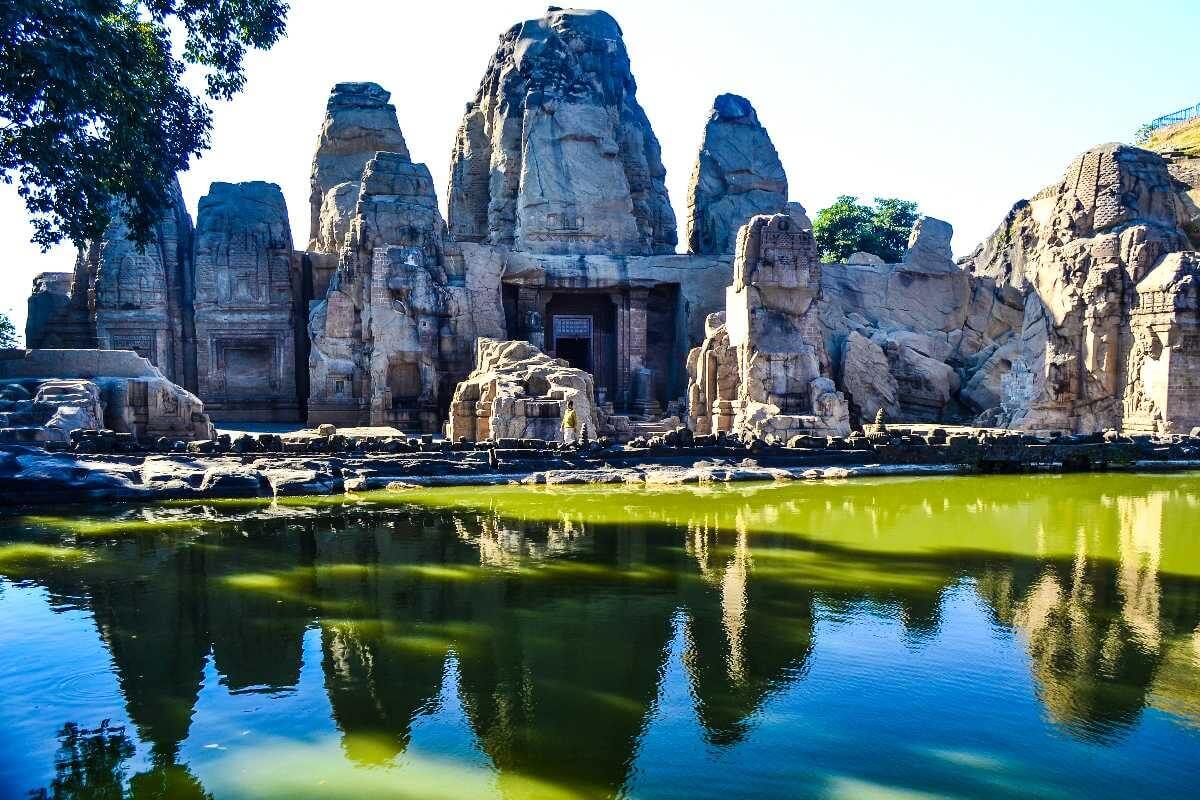
If you’re planning to stay in Kangra or Dharamshala for a few days, there are several nearby places that can enrich your trip:
Masroor Rock Cut Temples
Often called the “Ellora of Himachal,” these 8th-century temples are carved from a single rock and offer unique architecture and great views.
Bajreshwari Devi Temple
Located in Kangra town, this temple is a major Shakti Peeth, believed to have been built over the site where Goddess Sati’s breast fell.
Dharamshala & McLeod Ganj
A short drive away, this area is known for the Dalai Lama’s temple, Bhagsu Waterfall, Tibetan markets, and tranquil cafés.
Final Thoughts
Kangra Fort is more than just an ancient structure — it’s a living chronicle of battles, dynasties, devotion, and survival. Every gate and stone wall has a story to tell. Whether you’re into history or not, walking through this fort with panoramic views all around is an experience that stays with you.
It may not be as grand as Rajasthan’s hill forts or as famous as Red Fort, but its silent strength, mountain backdrop, and unfiltered charm make it one of the most underrated destinations in North India.
If you’re planning a trip to Himachal Pradesh and want to go beyond the usual, make sure Kangra Fort is on your list. It’s a quiet escape into history — and a view you won’t forget.
You Might Also Like:
- Discover Tungnath Temple – Plan Your Trip to Chopta’s Sacred Peak
- Trek to Kartik Swami Temple – Explore This Hidden Gem of Uttarakhand
- Visit Kalpeshwar Temple – Uncover Secrets of the Panch Kedar Trail
- Experience Nagaland – Celebrate Festivals & Warrior Culture Firsthand
- Explore Assam’s Culture – Dive into the Heart of Northeast India
- Stay in Mechuka – Enjoy Homestays & Taste Local Memba Cuisine
- Adventure Activities Paused in Himachal Pradesh