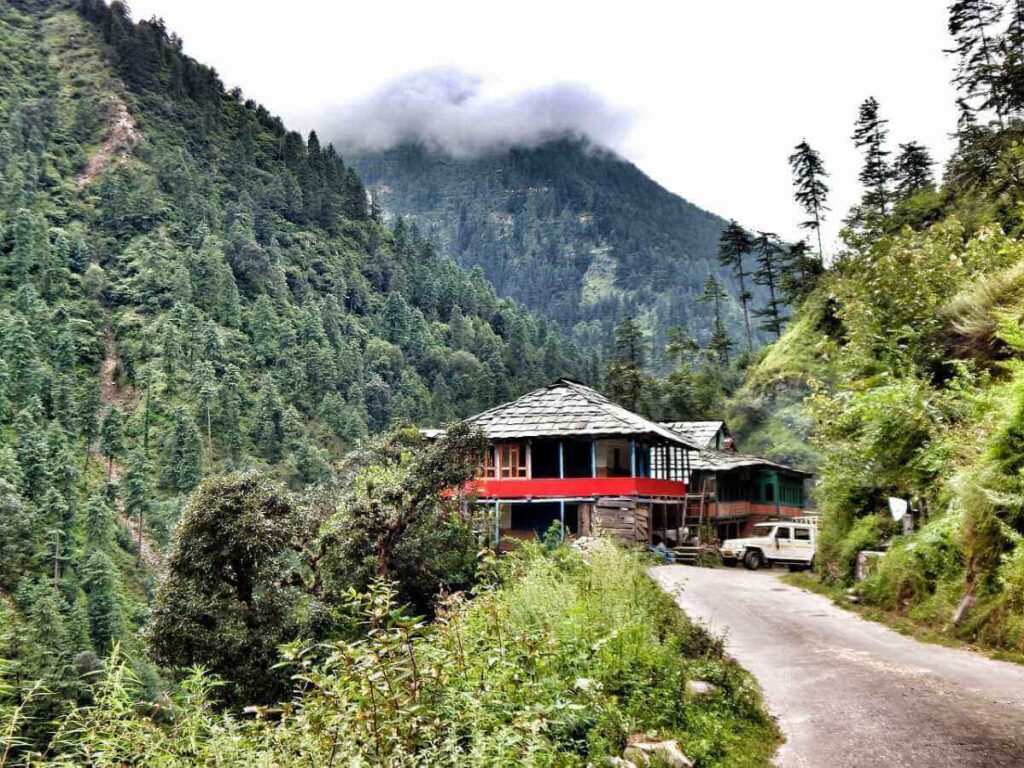
Spiti Valley in July is a breathtaking adventure waiting to unfold. Nestled high in the Indian Himalayas, Spiti offers a dramatic landscape of barren ridges, ancient monasteries, turquoise rivers, and star-studded night skies. While July marks the monsoon season in most parts of India, Spiti lies in the rain shadow region, making it one of the best Himalayan destinations to explore during this time.
July is when Spiti Valley becomes fully accessible—most high passes open, villages come alive with activity, and homestays welcome travelers with warmth. It’s a month of opportunity, where roads dry up, trails reappear, and the harsh winter is replaced by vibrant life in the mountains.
In this 4,800-word guide, we’ll explore Spiti Valley in detail—covering July weather, the best things to do, travel safety, what to pack, local festivals, where to stay, how to reach Spiti, and more.
Spiti Valley Weather in July 2026
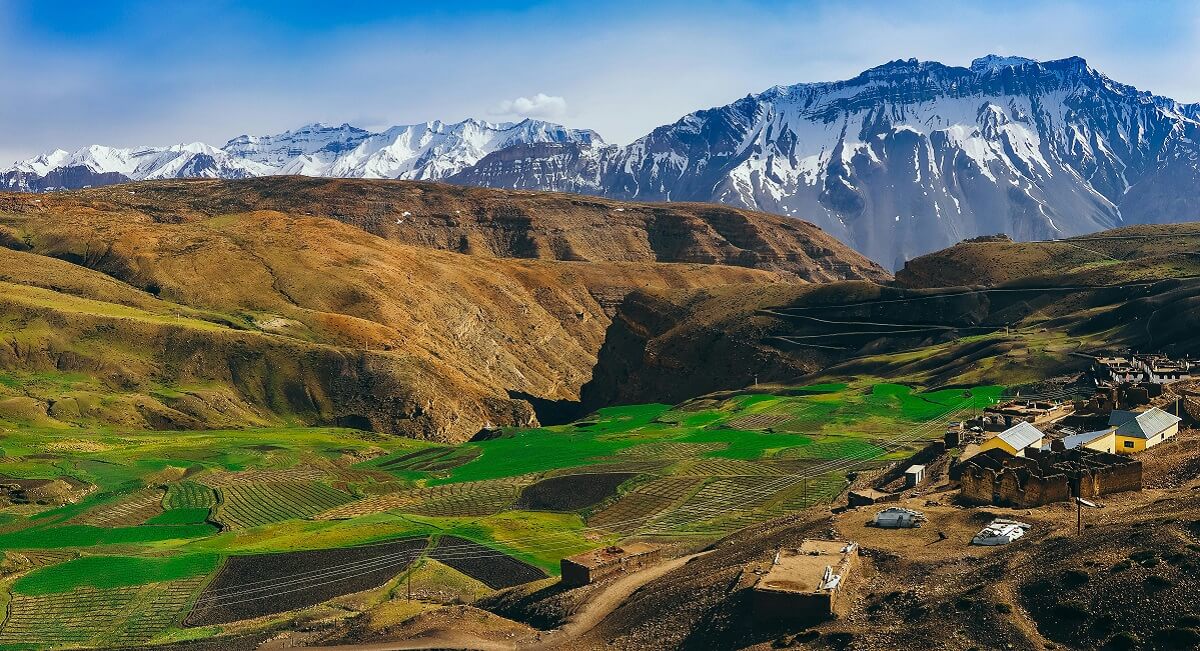
Spiti Valley’s weather in July is relatively dry compared to the rest of Himachal Pradesh and Uttarakhand. Due to its location in the trans-Himalayan rain shadow, it receives minimal rainfall, making it a perfect destination to escape the monsoon.
Temperature Overview
- Daytime Temperature: 15°C to 20°C
- Night Temperature: 5°C to 10°C
- Skies: Mostly clear in the morning, cloudy in the afternoon
- Rainfall: Very light or none (some drizzle in lower Kinnaur areas)
The days are warm enough for exploration, while the nights still carry a chill, especially in higher altitude regions like Kibber or Langza. Always expect sudden changes in weather—carry a warm jacket even during the daytime hikes.
How to Reach Spiti Valley in July 2026
By July, Spiti Valley becomes accessible from both the Shimla-Kinnaur route and the Manali route, allowing for round-trips or circular circuits.
Shimla to Spiti via Kinnaur (Open Year-Round)
- Route: Shimla → Narkanda → Rampur → Sangla/Chitkul (optional) → Kalpa → Nako → Tabo → Kaza
- Road Condition: Mostly good, with occasional rough patches near Malling Nallah
- Duration: 2–3 days with stopovers
This is the preferred route in early July, especially if you’re worried about road conditions. It’s longer but safer and more gradual in altitude gain, making it ideal for first-time visitors.
Manali to Spiti via Rohtang & Kunzum Pass (Opens Mid-June Onward)
- Route: Manali → Rohtang Pass → Gramphu → Batal → Kunzum La → Losar → Kaza
- Road Condition: Challenging; muddy, rocky, and landslide-prone
- Duration: 1–2 days with an overnight at Chandratal or Batal
This route opens fully by early July, offering the shortest access to Spiti from Manali. While it’s incredibly scenic, it’s rough and should only be attempted in a sturdy SUV or with an experienced driver.
Tip: Always check BRO (Border Roads Organisation) updates before travel. Avoid night driving due to unpaved stretches and sharp drops.
Top Places to Visit in Spiti Valley in July 2026
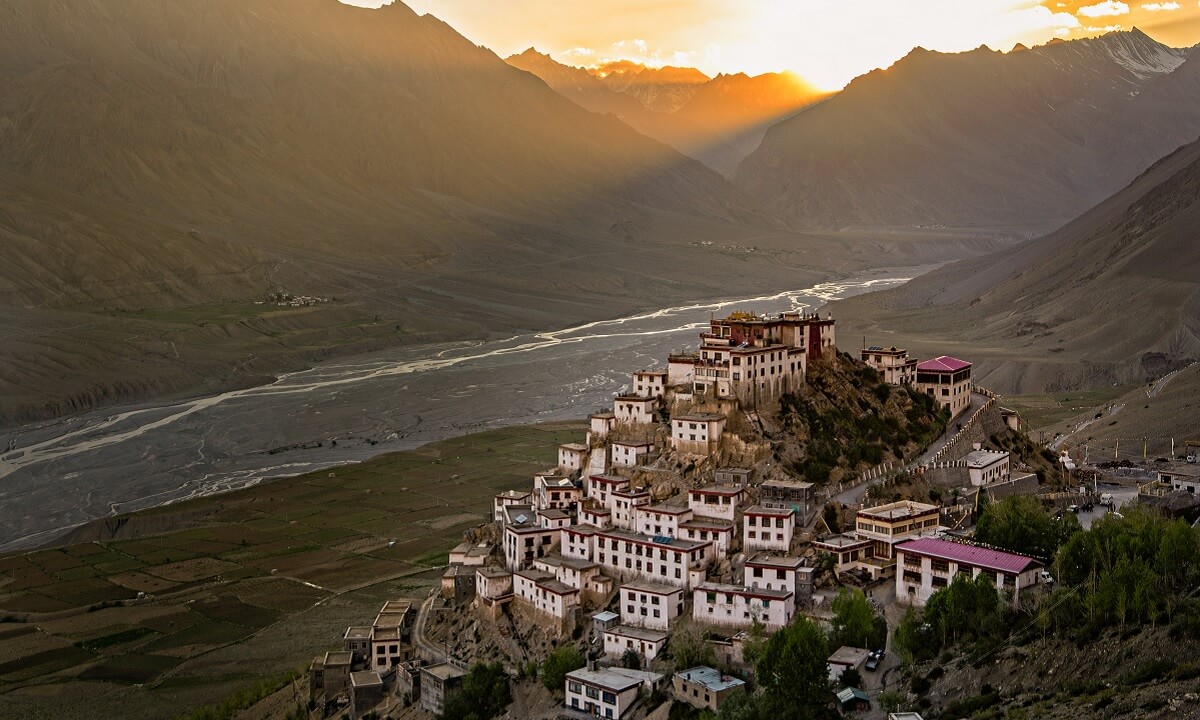
July is one of the most scenic months in Spiti. Snowmelt reveals vibrant meadows, wildflowers bloom across the valley, and every corner invites exploration.
1. Kaza – The Heart of Spiti
Kaza is the largest town and main base for exploring the valley. Visit the local market, stroll along the Spiti River, and use this town as a hub to plan day trips to surrounding villages.
- Visit the Sakya Monastery and Kaza Monastery
- Shop for woolens, prayer flags, and handicrafts
- Relax at cafes like Sol Café or Taste of Spiti
2. Key Monastery – The Icon of Spiti
Perched at 13,668 feet, Key Monastery is the most photographed landmark in Spiti. July offers green valley views with a backdrop of snow-dusted peaks.
- Attend morning or evening prayers with monks
- Stay at the monastery guesthouse for a spiritual experience
- Capture golden hour photography from the opposite hill
3. Kibber Village – Gateway to High-Altitude Wildlife
Once the highest motorable village (before Komic took that title), Kibber is a charming settlement with traditional homes and scenic treks.
- Visit the Kibber Wildlife Sanctuary (home to snow leopards in winter)
- Walk to nearby Chicham Bridge—India’s highest
- Spot blue sheep (bharal) and Himalayan marmots
4. Dhankar – Monastery with a Cliffside View
Dhankar is where spirituality meets jaw-dropping landscapes. The monastery sits precariously on a cliff above the Spiti and Pin Rivers.
- Visit the ancient gompa
- Trek to Dhankar Lake (2–3 hours, best attempted in the morning)
- Spend time in Dhankar Village soaking in the peace
5. Langza, Hikkim, and Komic – The Fossil and Altitude Circuit
These three villages form a high-altitude loop above Kaza. Langza is known for fossils, Hikkim for the world’s highest post office, and Komic as one of the world’s highest motorable villages.
- Mail a postcard from Hikkim
- Interact with locals in Langza and shop for souvenirs
- Visit the Komic Monastery and have tea with monks
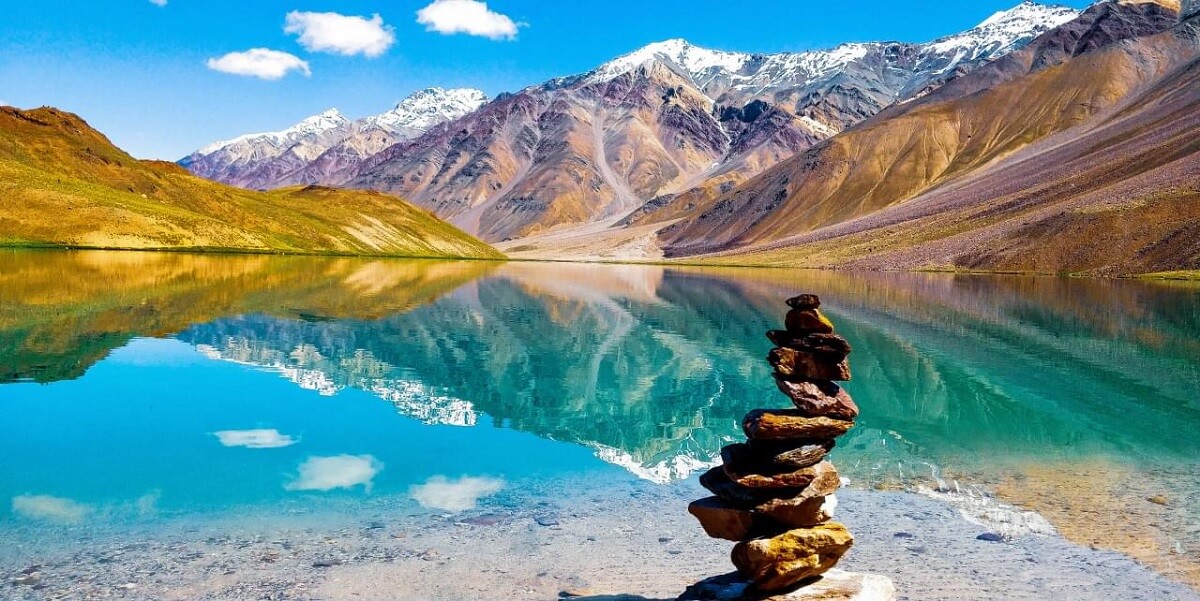
6. Chandratal Lake – The Moon Lake of Spiti
Accessible from the Manali side, Chandratal is a high-altitude glacial lake that opens in July. The trail leading to the lake is a dramatic mix of colors and textures.
- Camp near the lake (basic tents available)
- Go stargazing—July skies are exceptionally clear
- Hike around the lake perimeter for stunning views
Best Things to Do in Spiti Valley in July 2026
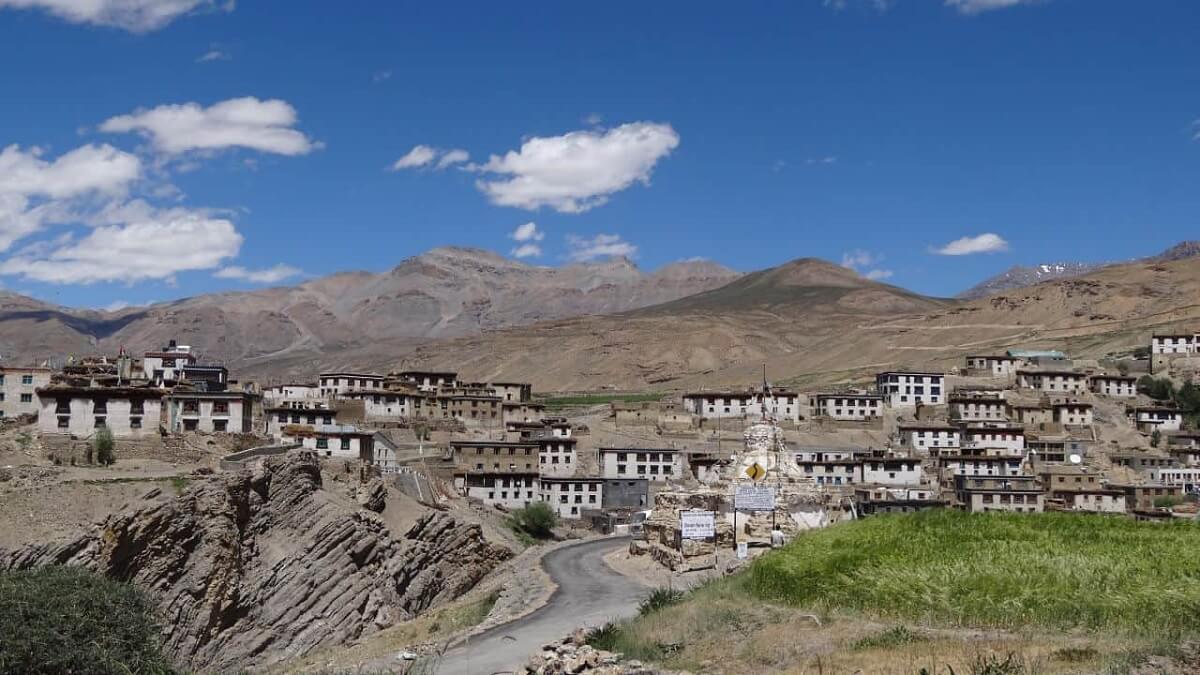
Spiti is not just about sightseeing—it’s an immersive journey. Here are top experiences to enjoy in July:
1. Go Trekking in Spiti’s Green Season
July opens up treks that are inaccessible during other months. Popular trails include:
- Dhankar Lake Trek
- Langza to Komic Ridge Walk
- Pin-Parvati Pass (advance planning needed)
Ensure acclimatization before attempting multi-day hikes. Hire a local guide, especially on lesser-known trails. 26 Best Things to Do in Shimla in 2026 | Complete Travel Guide
2. Stay in Local Homestays
One of the best ways to experience Spiti’s culture is through village homestays. Families offer home-cooked meals, stories, and warm hospitality.
- Ideal villages: Langza, Kibber, Tabo, Demul
- Meals often include thukpa, momos, yak butter tea
- Learn about farming, Buddhist rituals, and local festivals
3. Photography and Stargazing
July skies are dramatic—expect golden sunlight after the rain, double rainbows, and crystal-clear nights in higher regions.
- Sunrise at Key Monastery
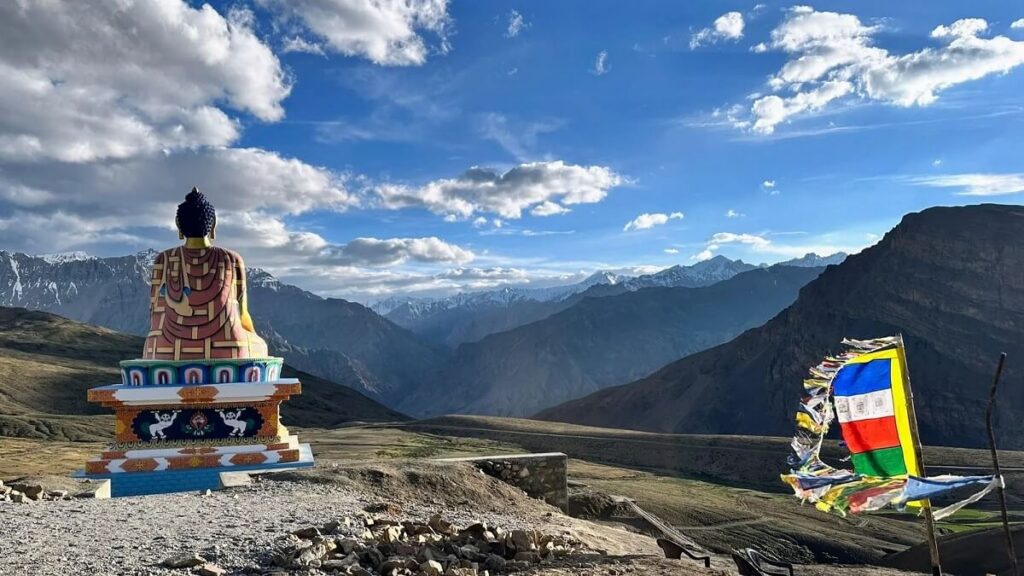
- Star-trails over Chandratal or Langza Buddha
- Portraits of monks, prayer wheels, and stone walls
4. Attend Monastic Ceremonies
Several monasteries host rituals and gatherings in July. While the famous Ladarcha Festival is in August, you can still witness smaller local festivals or training sessions.
Ask locals if there’s a gathering at Tabo or Key Monastery during your visit. Where to See Snow Leopards in India: Best Places, Seasons
Packing List for Spiti Valley in July
Spiti’s terrain and weather demand smart packing:
- Clothing:
- Thermals (lightweight)
- Full-sleeve shirts & warm jacket
- Windproof rain jacket
- Gloves, woolen cap
- Quick-dry hiking pants
- Extra socks
- Footwear:
- Waterproof trekking shoes with grip
- Flip-flops for camps or homestays
- Gear:
- Sunglasses, sunscreen (UV is strong)
- Torch/headlamp
- Power bank
- Water bottle with purifier filter
- Basic meds, altitude sickness pills
- Documents:
- ID proof
- Multiple photocopies (inner line permits not required unless traveling to certain restricted areas near Kaurik/Shipki La)
Safety Tips for Traveling to Spiti Valley in July 2026
- Altitude Acclimatization: Ascend gradually (via Shimla), drink lots of water, and avoid alcohol in the first few days.
- Road Safety: Avoid traveling during heavy rain (in Kinnaur) or early mornings near Rohtang/Kunzum due to landslides.
- Health: Carry Diamox for altitude sickness but consult a doctor first. Be cautious about hygiene—only drink filtered or bottled water.
- Connectivity: Mobile signal is limited. BSNL and Jio work best in Kaza and some villages. Carry cash—ATMs are limited.
Budget & Travel Cost Breakdown for July
Spiti is moderately budget-friendly if planned well. Here’s a basic estimate for 7–9 days:
| Expense Category | Cost (INR) Range |
|---|---|
| Transport (shared taxi) | ₹5,000–₹7,000 |
| Stay (budget homestays) | ₹700–₹1,200 per night |
| Meals per day | ₹300–₹500 |
| Permits | Usually not required |
| Guide for treks | ₹800–₹1,200 per day |
| Entry fees (monasteries) | ₹20–₹100 each |
Tip: Traveling in a group helps reduce costs on taxis, guides, and camping.
Sample 7-Day Spiti Valley Itinerary in July 2026
Day 1: Shimla → Kalpa
Start your journey from Shimla and reach Kalpa via Rampur. Stay overnight.
Day 2: Kalpa → Nako → Tabo
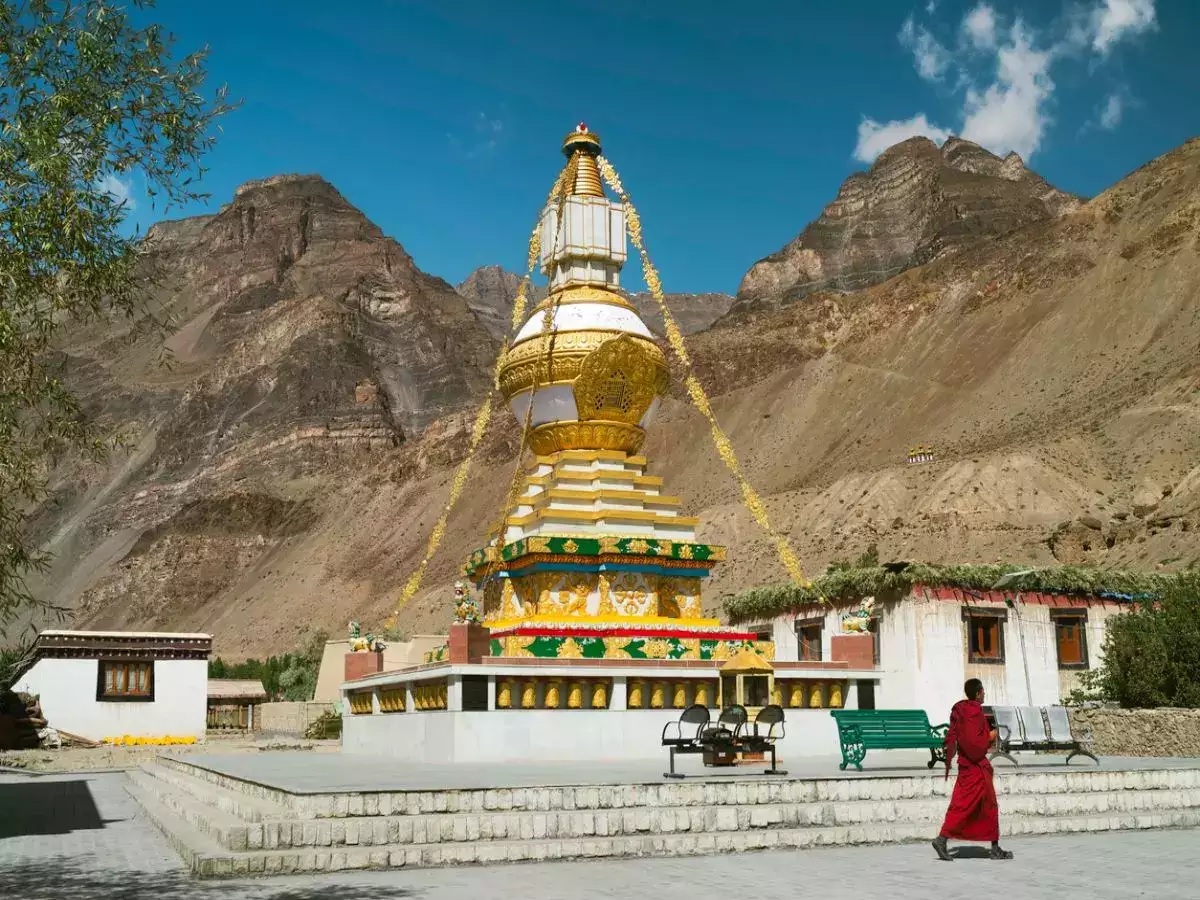
Visit the Nako Monastery and reach Tabo by evening. Explore the ancient Tabo Gompa.
Day 3: Tabo → Dhankar → Kaza
Stop at Dhankar and hike to the lake. Arrive in Kaza.
Day 4: Kaza → Key → Kibber → Chicham
Explore monasteries and bridges. Optional night at a homestay in Kibber.
Day 5: Kaza → Langza → Hikkim → Komic
Do the high-altitude loop. Return to Kaza.
Day 6: Kaza → Chandratal (via Kunzum La)
Camp near the lake under the stars.
Day 7: Chandratal → Manali
Exit via the Manali route and end your journey.
Final Thoughts: Is Spiti Valley Worth Visiting in July?
Absolutely. For travelers who seek raw Himalayan beauty without the chaos of peak-season crowds, Spiti Valley in July is ideal. The roads are open, skies are dramatic, and the region is alive with natural and cultural vibrance. While you won’t need an umbrella, you will need patience, curiosity, and a sense of adventure.
Spiti is not just a place to visit—it’s a place that stays with you.
You Might Also Like:
- Explore Mechuka Valley 2026 – Discover Tibetan Culture & Untouched Landscapes
- Plan Your Trip to Pin Valley National Park – Route, Season & Travel Tips
- Find the 25 Best Places to Visit in North India in June 2026
- Visit Himachal in April 2026 – Weather, Attractions & Events
- Discover Himachal in July – Weather, Itinerary & Travel Tips for 2026
- Explore Hidden Villages in Himachal – Nature, Peace & Culture Await
- Start Your Hiking Journey – Easy Scenic Trails in Himachal for Beginners
- Escape This Summer – Top Treks & Hill Getaways in Himachal
- Plan a June Trip to Himachal – Climate, Places & Travel Guide
- Experience Himachal in May 2026 – Weather, Attractions & Travel Guide
- Travel to Solan from Delhi – Easy Routes, Tips & Local Info
- Discover Top National Parks in Himachal – Wildlife & Nature Escapes
- Travel to Himachal in February – Weather, Best Spots & Activities
- Himachal in January 2026 – What to See, Weather & Tips
- Himachal in February 2026 – Explore Weather, Attractions & Travel Ideas
- Visit Monasteries in Himachal – Spiritual Getaways in the Hills