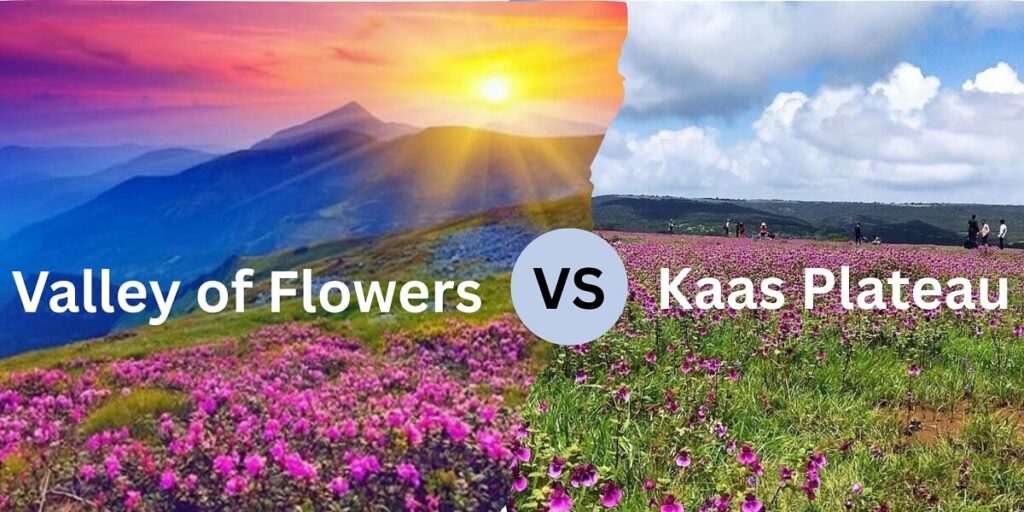
Come August, India turns into a canvas of wild hues, where nature unfurls her best-kept secrets in secluded mountain valleys and misty plateaus. Two of the most enchanting destinations during this bloom season are Uttarakhand in Valley of Flower vs Kaas Plateau in Maharashtra. Both are UNESCO sites, both celebrate wildflowers in full glory — yet, they couldn’t be more different.
So which one should you visit this August? Let’s compare.
1. Geographic Setting and Landscape

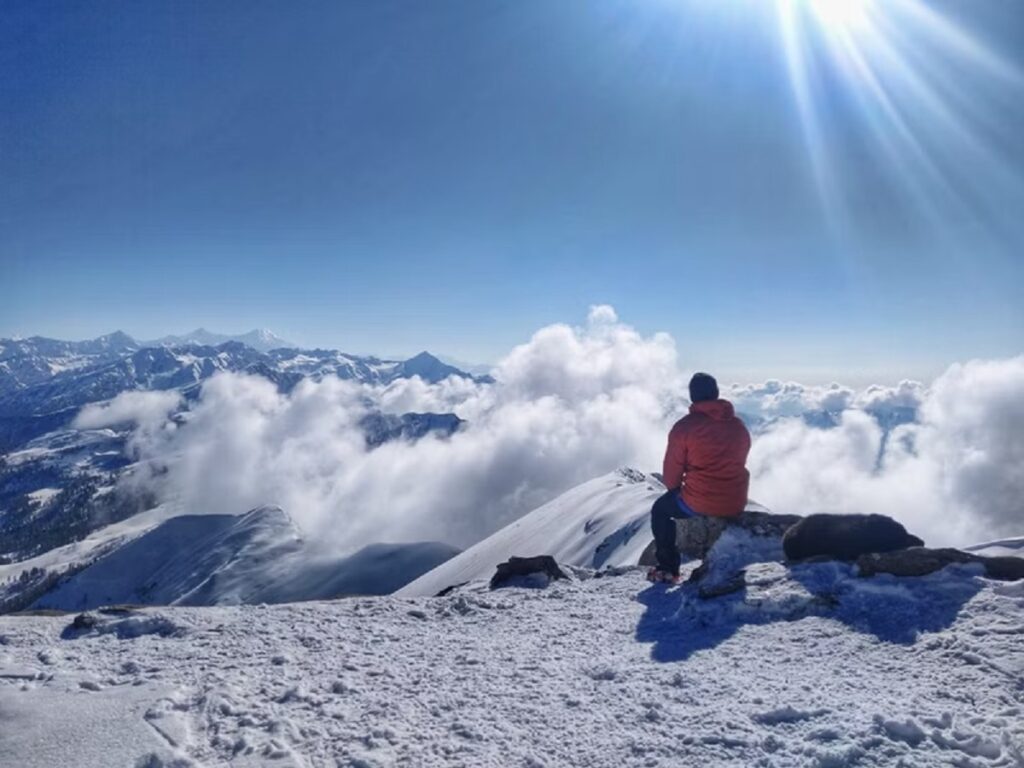
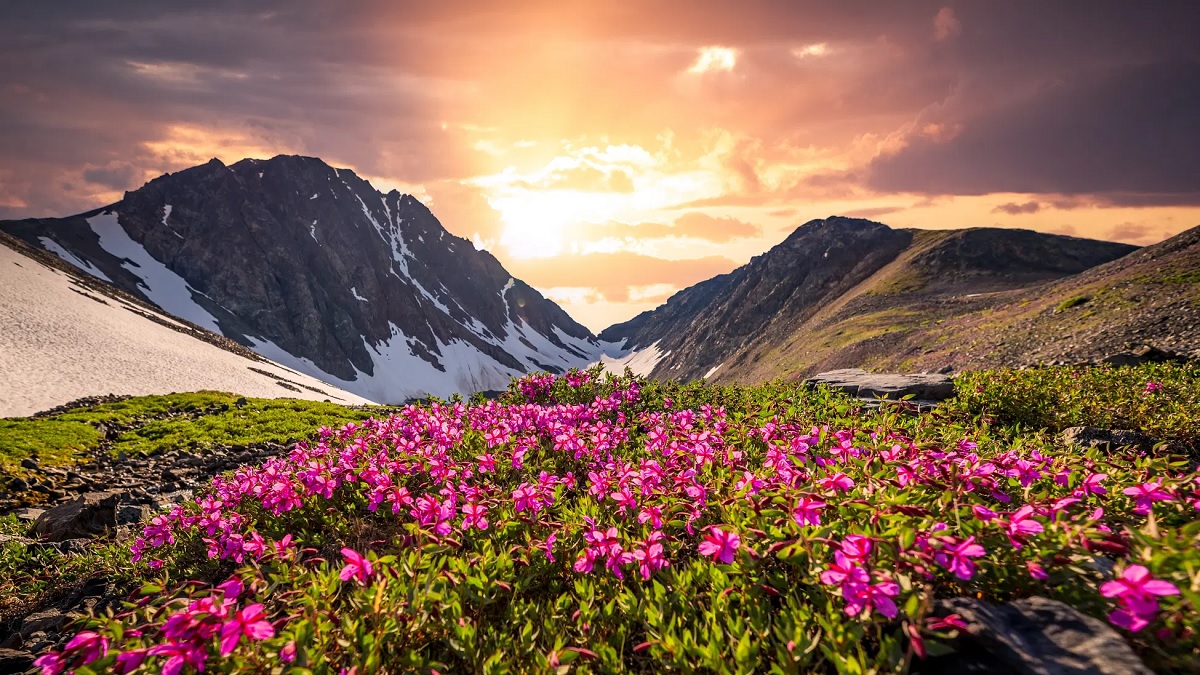
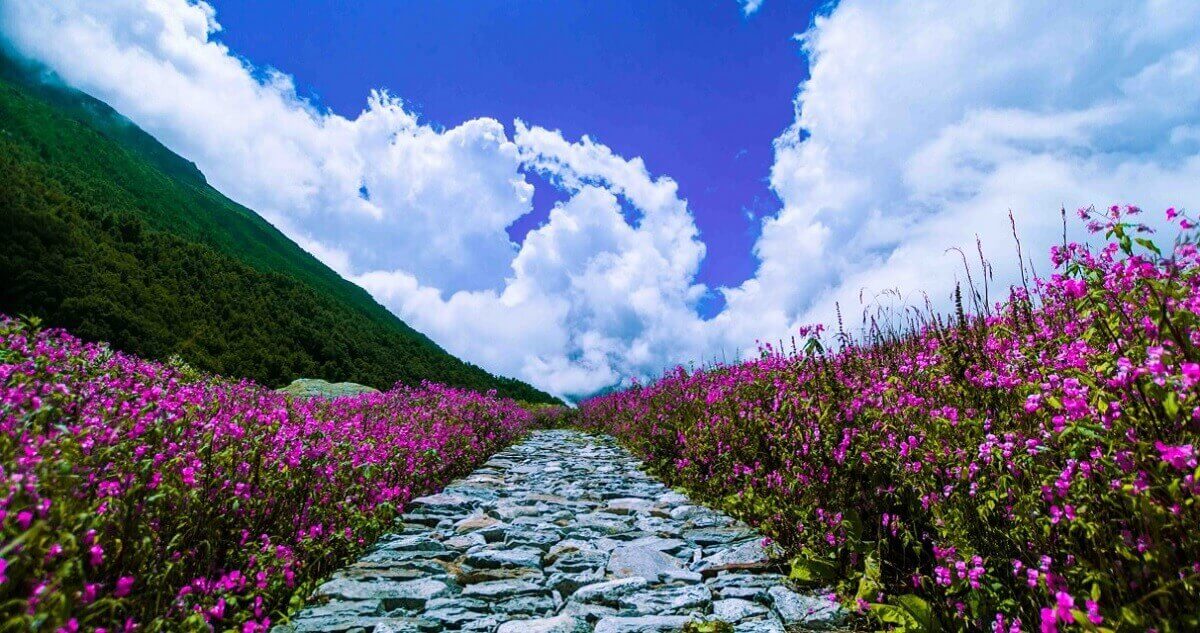
Valley of Flowers lies high up in the Western Himalayas of Uttarakhand, nestled within the Nanda Devi Biosphere Reserve. At an altitude of over 12,000 feet, it’s a pristine, alpine valley carved by glaciers, enclosed by snow-capped peaks. The journey there feels like entering a Himalayan dreamscape — remote, spiritual, and ethereal.
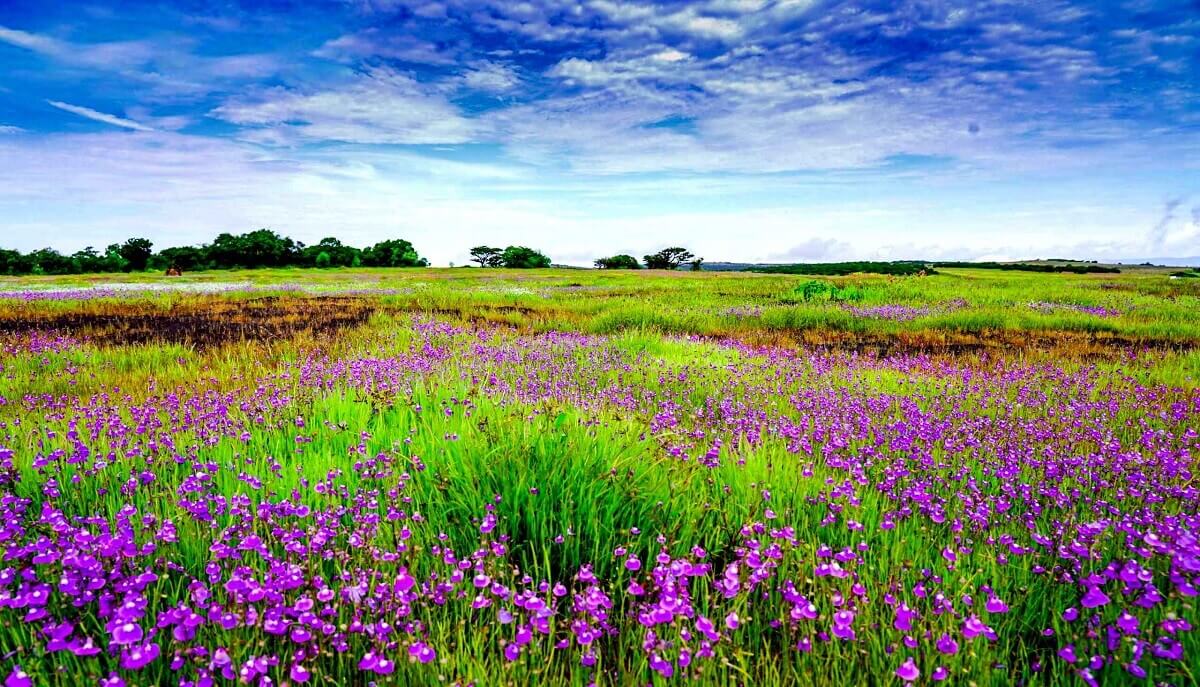
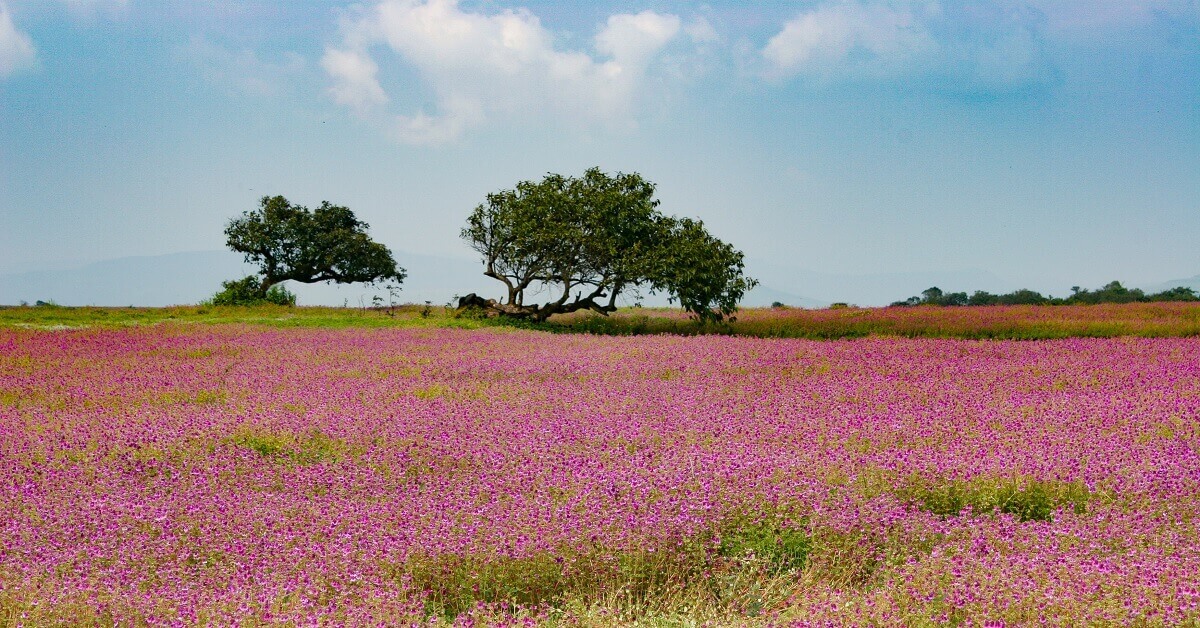
Kaas Plateau, on the other hand, is situated near Satara in Maharashtra, part of the Western Ghats, a UNESCO biodiversity hotspot. Unlike the rugged high-altitude setting of the Valley of Flowers, Kaas is a flat, wind-swept lateritic tableland, dramatically carpeted by tiny wildflowers that appear for just a few weeks in August.
Verdict:
If you’re looking for Himalayan grandeur, choose Valley of Flowers. For a laid-back yet vibrant monsoon escape in the Western Ghats, Kaas Plateau is your answer.
2. Best Time to Visit in August Valley of Flowers vs Kaas Plateau
Valley of Flowers:
August is peak bloom time. After the monsoon has softened the trails and awakened the valley’s flora, you’ll find endless meadows of Himalayan blue poppy, brahmakamal, primulas, and orchids. The bloom reaches its climax between late July and mid-August, depending on rainfall.
Kaas Plateau:
August is also the best time here — with flowering at its height from mid-August to early September. The timing is slightly delayed compared to Uttarakhand due to different climatic zones, but the visual impact is just as stunning with Utricularia, Impatiens, and Smithia dominating the scene.
Verdict:
Both destinations are in full bloom in August, making them ideal picks. However, Kaas Plateau can sometimes be easier to time due to its shorter access window and predictable monsoon patterns.
3. Accessibility and Travel Convenience
Valley of Flowers:
Reaching this remote valley involves a trek of over 17 km (from Govindghat to Ghangaria, and then to the valley), preceded by a long drive from Rishikesh or Haridwar. This multi-day journey requires fitness, stamina, and a love for high-altitude adventure. Helicopter and mule services are available but depend on the weather.
Kaas Plateau:
Much more accessible. It’s just a short drive from Satara, and around 5–6 hours from Mumbai or Pune. A simple online permit and a 15-minute walk from the parking lot will bring you face-to-face with the blooming plateau.
Verdict:
For a short, effortless trip, Kaas Plateau is the winner. Valley of Flowers is more suitable for seasoned travelers and trekking lovers.
4. Floral Diversity and Bloom Experience Valley of Flowers vs Kaas Plateau 

Valley of Flowers:
This Himalayan sanctuary is home to more than 500 species of high-altitude plants, many of them rare or endangered. Expect a palette of pinks, blues, purples, and whites — all spread out like nature’s mosaic. You might even spot the elusive blue Himalayan poppy or brahma kamal.
Kaas Plateau:
With 850+ species, Kaas surprises many with its biodiversity. Look for endemic wildflowers like Ceropegia, Utricularia, Eriocaulon, and even insectivorous plants like Drosera. Some blooms last only 2–3 days, making each visit unique.
Verdict:
Both locations offer exceptional flora, but Valley of Flowers stands out for its raw alpine beauty, while Kaas excels in micro-floral variety and accessibility.
5. Photography and Visual Appeal Valley of Flowers vs Kaas Plateau
Valley of Flowers:
Think sweeping panoramas, hidden waterfalls, clouds rolling over meadows, and glaciers in the background. It’s paradise for landscape photographers and drone enthusiasts (where allowed).
Kaas Plateau:
A macro-photographer’s dream. The real magic is at your feet — capturing dew-kissed petals, bees hovering over blooms, or the contrast of flowers against red soil.
Verdict:
Choose Valley of Flowers for dramatic, wide-angle nature shots. Pick Kaas Plateau for close-up floral and wildlife photography.
6. Weather and Conditions in August
Valley of Flowers:
Expect cool temperatures between 5°C to 15°C, frequent rains, and slippery trails. Trekking gear, waterproof clothing, and layers are a must. The rain enhances the mystique, though!
Kaas Plateau:
August weather is mild, ranging between 18°C to 24°C, with short bursts of rain and occasional fog. Carry a light raincoat or umbrella, but nothing extreme is needed.
Verdict:
Kaas is more weather-friendly. Valley of Flowers demands preparedness for mountain monsoon conditions.
7. Accommodation and Tourism Facilities
Valley of Flowers:
Stays are limited to Ghangaria, the last inhabited stop before the valley. Basic hotels, camps, and guesthouses cater mostly to trekkers. It’s not about luxury, but immersion.
Kaas Plateau:
More developed — stay options are available in Satara, from budget hotels to boutique eco-stays. You’ll also find restaurants and facilities along the road from Mahabaleshwar or Panchgani.
Verdict:
Kaas Plateau offers more comfort and convenience. Valley of Flowers provides a raw and immersive Himalayan experience.
8. Eco-Tourism & Conservation Impact Valley of Flowers vs Kaas Plateau
Valley of Flowers:
The region is carefully protected, and entry is regulated by the forest department. Being a core part of the Nanda Devi National Park, the ecological sensitivity is very high.
Kaas Plateau:
Visitor numbers are also regulated here. Controlled tourism policies, strict timings, and eco-awareness signage help conserve its fragile terrain.
Verdict:
Both are conservation success stories. Be a responsible tourist — avoid stepping on plants, don’t litter, and support sustainable practices wherever you go.
Final Verdict: Which One is Better Valley of Flowers vs Kaas Plateau in August?
| Criteria | Valley of Flowers | Kaas Plateau |
|---|---|---|
| Accessibility | Challenging (Trek Required) | Easy (Drive + Short Walk) |
| Bloom Intensity | Alpine, wide-spread | Compact, dense |
| Travel Time | 5–6 days | 1–2 days |
| Ideal for | Trekkers, adventurers | Families, quick getaways |
| Landscape Style | Himalayan, glacial valley | Plateau, Western Ghats |
| Photography Type | Landscapes, wide shots | Macro, floral close-ups |
| Crowd Level in August | Moderate to fewer | High (especially weekends) |
In summary, if you’re seeking an adventurous monsoon trek in the Himalayas, Valley of Flowers is your calling. But if you want a short and colorful monsoon escape closer to home, Kaas Plateau offers a magical floral spectacle without the effort.
You Might Also Like:
- Pack Right for Uttarakhand in June – Don’t Miss This Checklist!
- Travel to Uttarakhand in June 2025 – Know Weather, Safety & More!
- Explore 7 Hidden Hill Stations in Uttarakhand This June
- Plan the Perfect Summer Getaway to Uttarakhand – Here’s How
- How to Get to Lansdowne – Your Easy Travel Guide Awaits!
- Find Out the Best Time to Visit Kausani – Plan Ahead!
- When to Visit Lansdowne? Discover the Perfect Season Now
- Best Time to Visit Uttarakhand With Family – Make Memories!
- Plan a Trip to Binsar – See the Best Time to Go!
- Top Summer Treks in Uttarakhand – Adventure Awaits!
- Best Summer Destinations in Uttarakhand – Start Exploring!
- Top 9 Reasons to Visit Uttarakhand in 2025 – Get Inspired!
- Discover 9 Best Hiking Trails in Uttarakhand – Let’s Go Hiking!
- 19 Amazing Facts About Uttarakhand You Need to Know