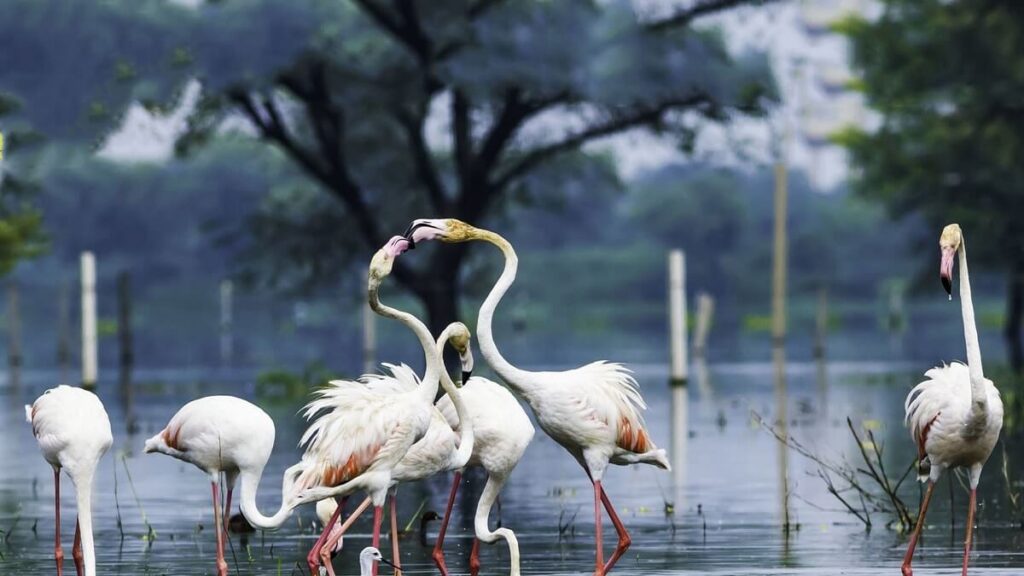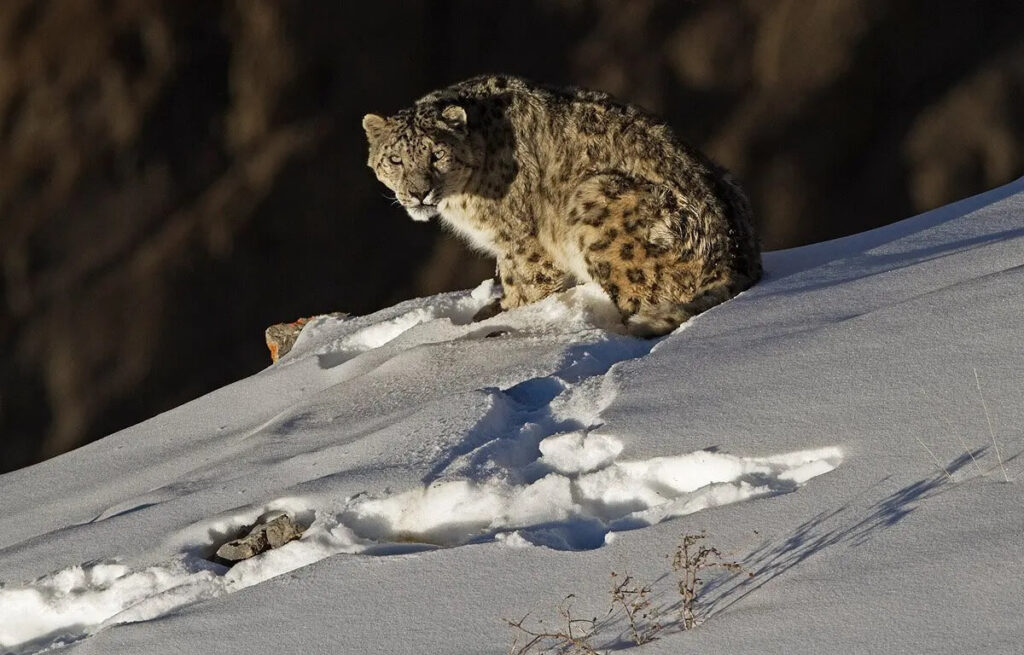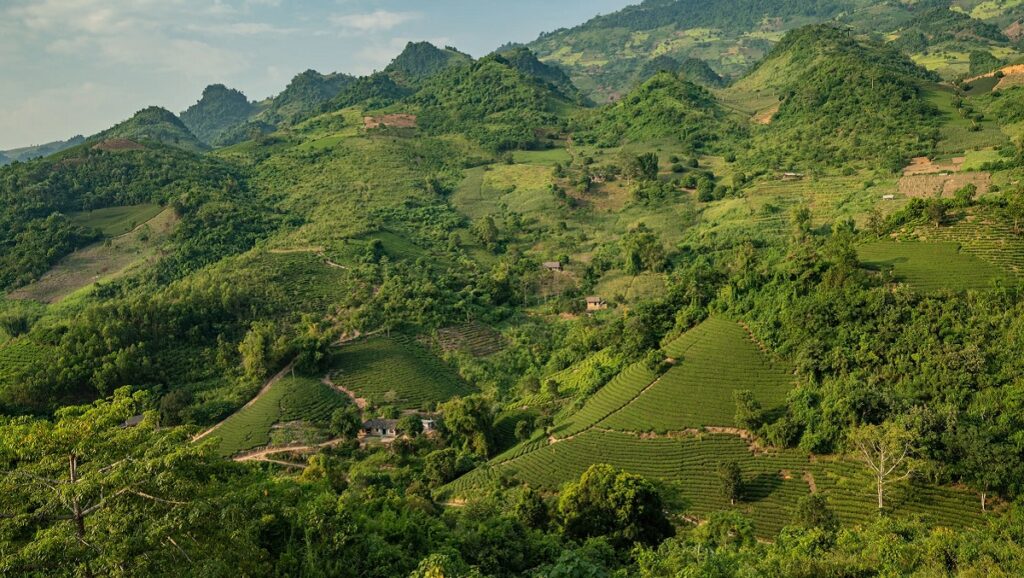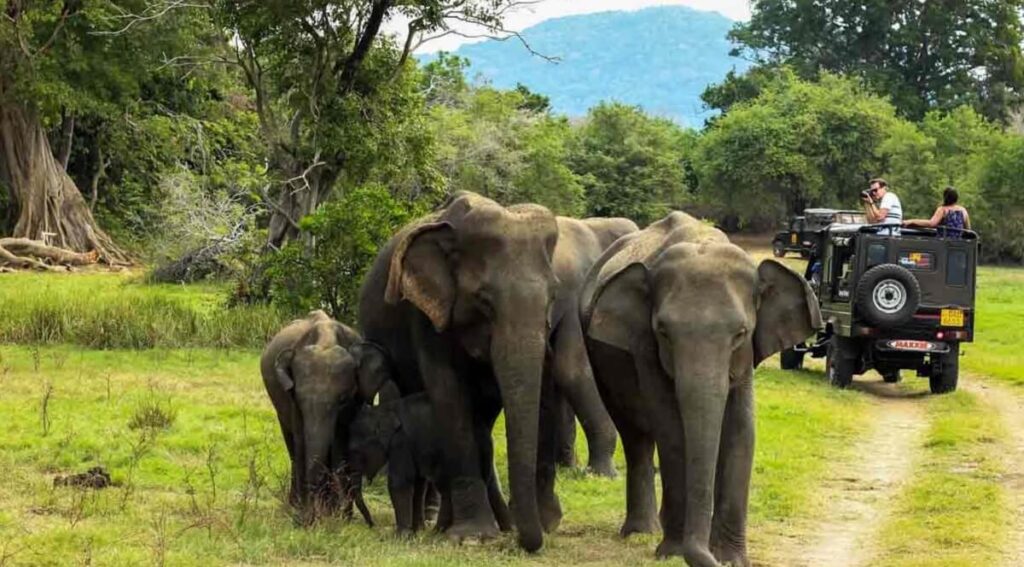
India, known for its vast ecological diversity, is home to some of the most enchanting and unique wildlife on the planet. From the snowy peaks of the Himalayas to the lush rainforests of the Western Ghats, the subcontinent teems with rich flora and fauna. With over 100 national parks and more than 500 wildlife sanctuaries, India offers thrilling encounters with rare species like the Bengal tiger, Indian rhinoceros, Asiatic lion, elephants, and more.
This article is a perfect resource for nature enthusiasts planning an escape into the Wildlife Reserves during September—a month when many parks reopen after the monsoon break, unveiling rejuvenated landscapes and vibrant ecosystems.
Why Visit Wildlife Reserves in September?
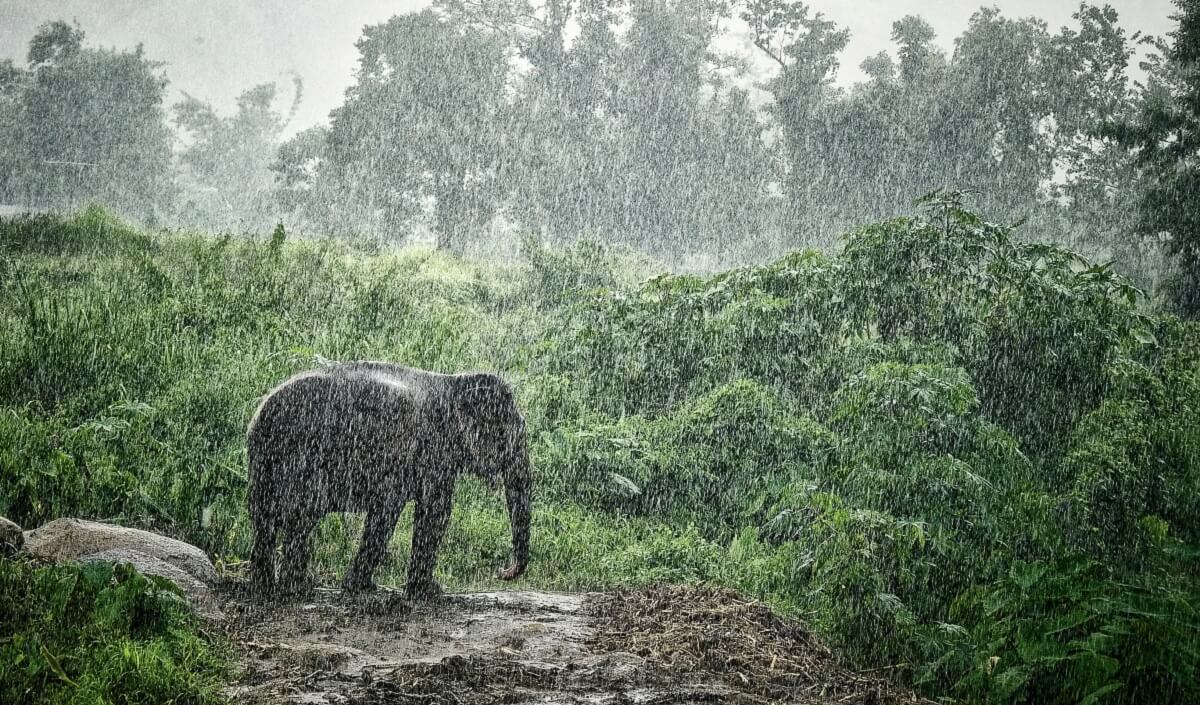
Post-Monsoon Lush Landscapes
September marks the end of the monsoon season in many parts of India. The forests, drenched and recharged, burst into lush greenery, creating an enchanting backdrop for safari experiences.
Fewer Tourists
Since it’s the beginning of the new season, tourist footfall remains relatively low. This means fewer queues, better chances of prime safari slots, and more intimate wildlife sightings.
Unique Animal Sightings
Post-monsoon is a time when many animals, including tigers and elephants, are more active due to the abundance of water and food. It’s also the beginning of the migratory bird season in certain areas.
Essential Tips for September Wildlife Trips
- Weather Preparedness: Expect some leftover rainfall in early September. Carry light rain gear.
- What to Pack: Binoculars, high-zoom camera, breathable clothes, and waterproof bags.
- Best Travel Practices: Book safaris in advance, follow forest rules strictly, and hire local guides for authentic experiences.
1. Jim Corbett National Park, Uttarakhand
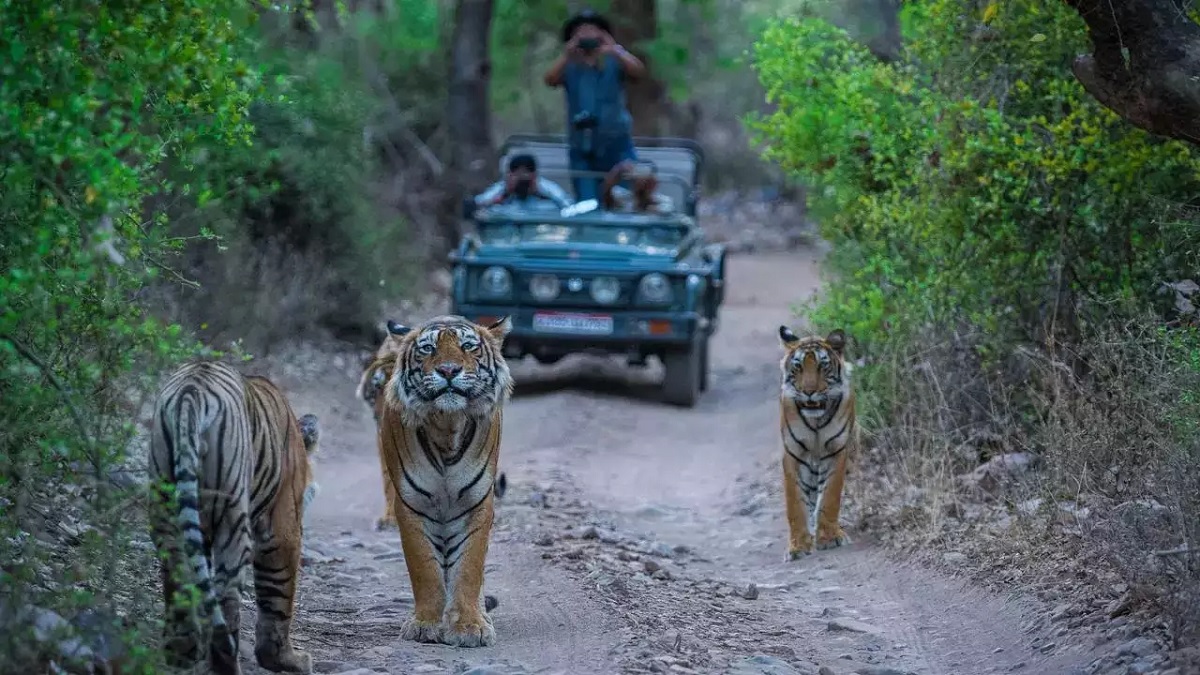
Jim Corbett is India’s oldest national park and part of the larger Corbett Tiger Reserve. While most of the park remains closed during the monsoon, the Jhirna and Dhela zones are open throughout the year, making them ideal for September visits. Visit Jim Corbett in May – Safari, Weather & Travel Tips to Plan Now
Key Attractions:
- Wildlife: Bengal tigers, sloth bears, leopards, elephants, jackals, and over 600 bird species.
- Landscape: Mixed terrain of grasslands, riverbeds, dense forests, and hills.
- Activities: Jeep safaris, bird watching, village walks.
Travel Tips:
- Book accommodation inside the park for a more immersive experience.
- Morning safaris offer better chances of spotting tigers.
- Carry binoculars for birdwatching during this season.
2. Kaziranga National Park, Assam
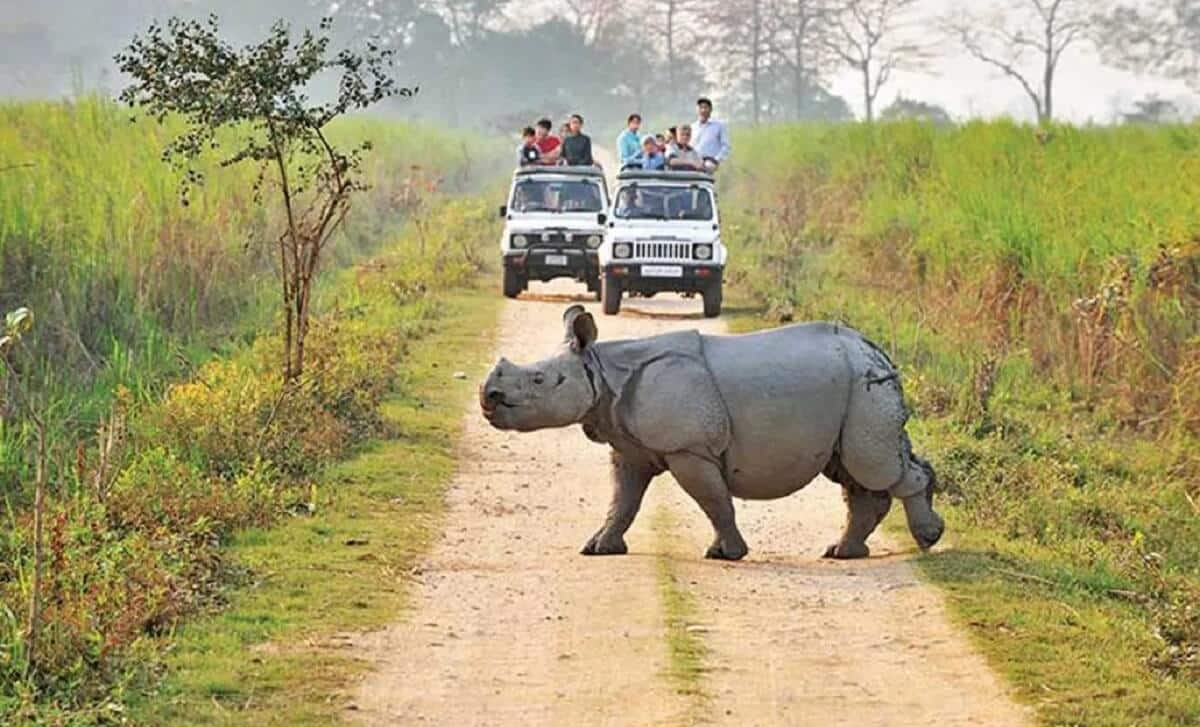
Home to the largest population of one-horned rhinoceroses in the world, Kaziranga is a biodiversity hotspot nestled in Assam. Though the park fully reopens in October, buffer zones begin allowing safaris in late September. Explore Kaziranga National Park – Your Ultimate Trip Planning Guide
Key Attractions:
- Wildlife: One-horned rhino, swamp deer, wild buffalo, elephants, and a variety of birdlife.
- Landscape: Floodplains, grasslands, marshes, and small lakes.
- Activities: Jeep safaris, elephant rides, birdwatching, cultural village visits.
Travel Tips:
- Visit the Kohora range for early sightings.
- Carry waterproof shoes and light jackets—it can still be muddy.
- September is a prime month for capturing rhinos against the green backdrop.
3. Ranthambore National Park, Rajasthan
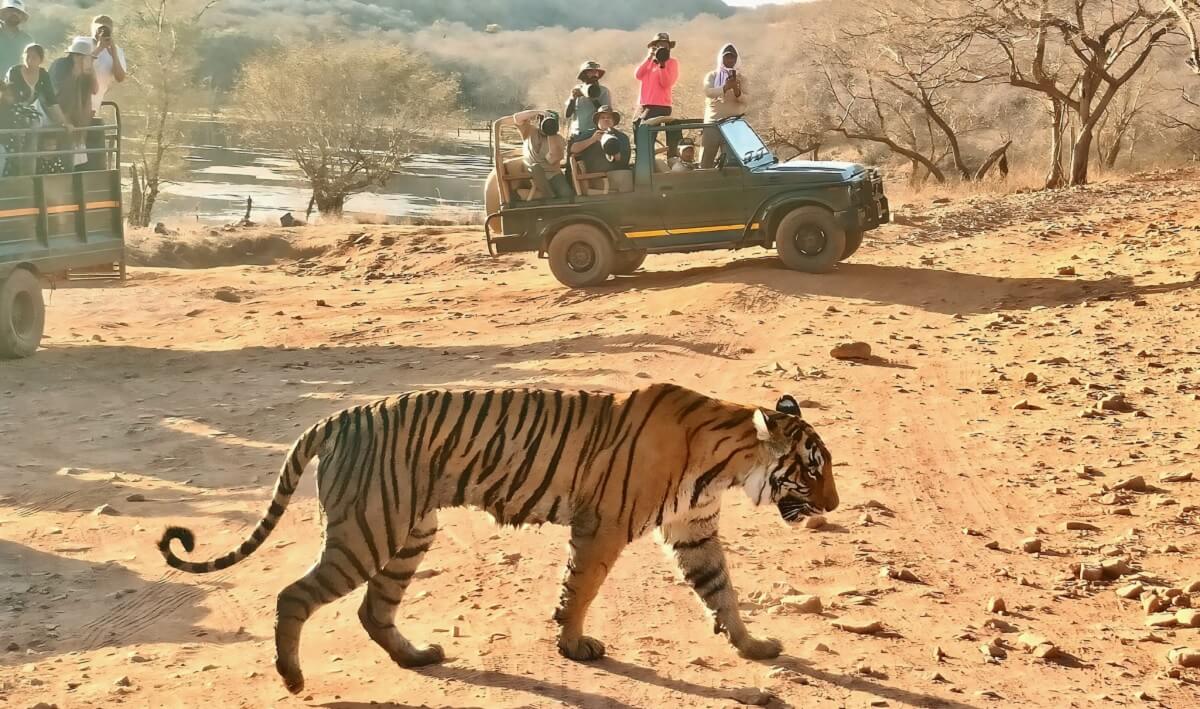
Famous for its iconic tigers roaming freely against the backdrop of ancient ruins, Ranthambore opens its Zones 6 to 10 in September. These zones are less crowded and offer spectacular photo opportunities. Book Your Ranthambore Safari – Timings, Tickets & Jeep/Canter Info
Key Attractions:
- Wildlife: Tigers, leopards, nilgai, langurs, crocodiles.
- Landscape: Arid deciduous forest, ancient temples, and forts.
- Activities: Jeep safaris, visit Ranthambore Fort (UNESCO site).
Travel Tips:
- Use telephoto lenses to photograph elusive wildlife.
- Opt for Zone 6 for better tiger sightings in off-season.
- Stay in eco-lodges around Sawai Madhopur for authentic experiences.
4. Bandipur National Park, Karnataka
Part of the Nilgiri Biosphere Reserve, Bandipur offers a balanced mix of wildlife and greenery. The post-monsoon atmosphere in September brings out the true beauty of the forest.
Key Attractions:
- Wildlife: Tigers, leopards, elephants, chital, sambar, and Indian bison (gaur).
- Landscape: Thick deciduous forests and grassy meadows.
- Activities: Jeep safaris, birdwatching tours.
Travel Tips:
- Stay at forest department cottages or nearby jungle resorts.
- Avoid wearing bright colors during safaris.
- Safaris here are often led by trained naturalists, adding value to your trip. Must See Event in Rajasthan in September 2025
5. Periyar Wildlife Sanctuary, Kerala
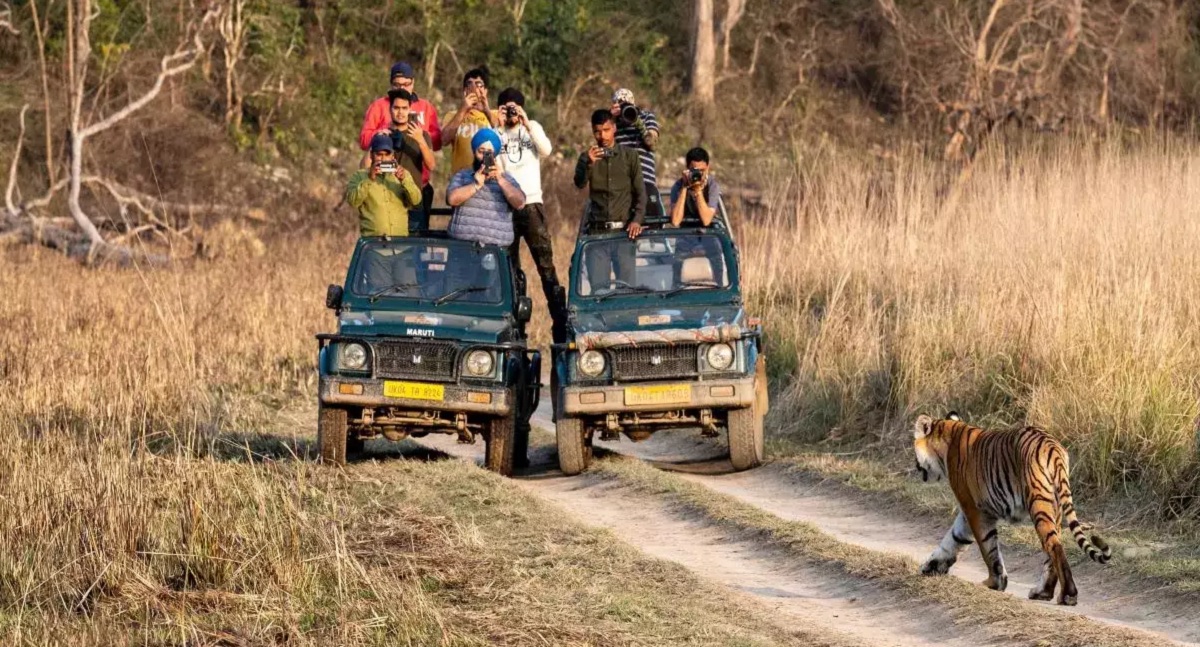
Periyar is unique due to its central lake, where boat safaris allow tourists to spot animals drinking at the water’s edge. September is perfect as the rain-fed forests are vivid and animals gather around the Periyar Lake. Check Safari Timings in Periyar – Plan Your Wildlife Adventure
Key Attractions:
- Wildlife: Elephants, wild boars, otters, Indian bison, and hundreds of bird species.
- Landscape: Dense tropical rainforests surrounding a large artificial lake.
- Activities: Boat safaris, bamboo rafting, trekking.
Travel Tips:
- Morning boat rides offer better chances of spotting elephants.
- Local tribal communities offer nature-based cultural experiences.
- Take part in the eco-tourism programs run by Kerala Forest Department.
6. Satpura National Park, Madhya Pradesh
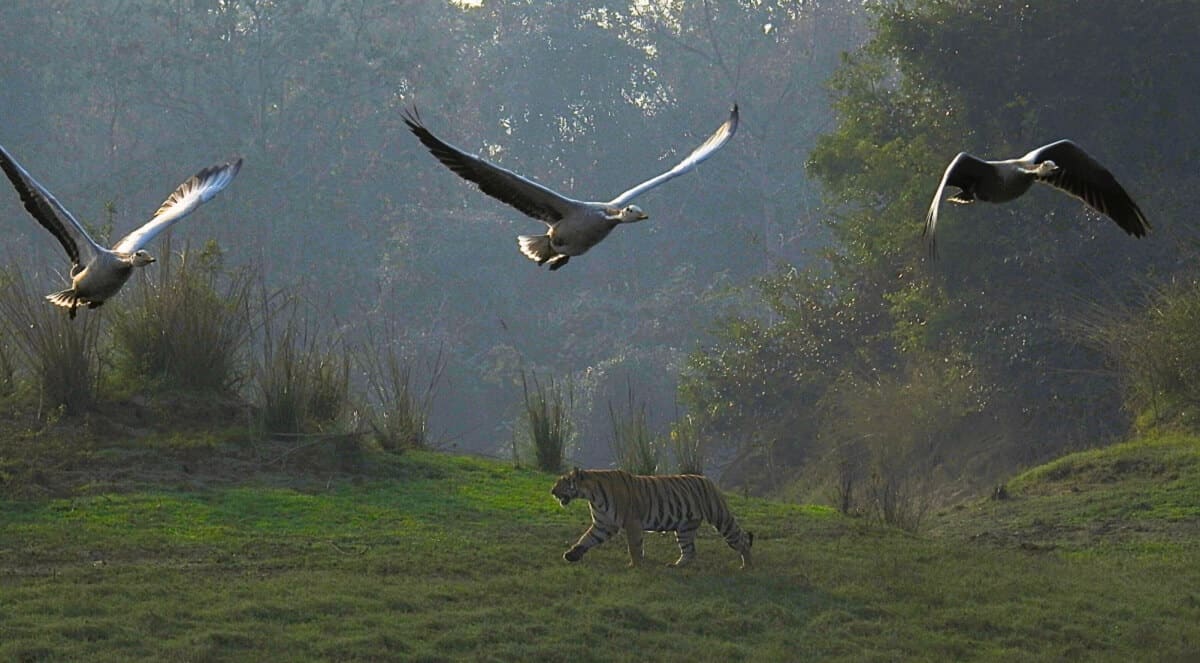
Unlike other parks, Satpura emphasizes eco-tourism and offers unique activities like walking safaris and canoeing, making it a favorite for serious wildlife enthusiasts. How to Reach Satpura National Park – Travel Tips & Guide
Key Attractions:
- Wildlife: Leopards, sloth bears, blackbucks, Indian giant squirrels, and rare birds.
- Landscape: Hills, deep gorges, river systems, and teak forests.
- Activities: Walking safaris, canoeing, jeep safaris.
Travel Tips:
- Best for those seeking off-the-beaten-path wildlife experiences.
- Accommodations are often luxurious jungle lodges with naturalist guides.
- Avoid loud noises and perfumes to increase your chances of sightings.
7. Dudhwa National Park, Uttar Pradesh
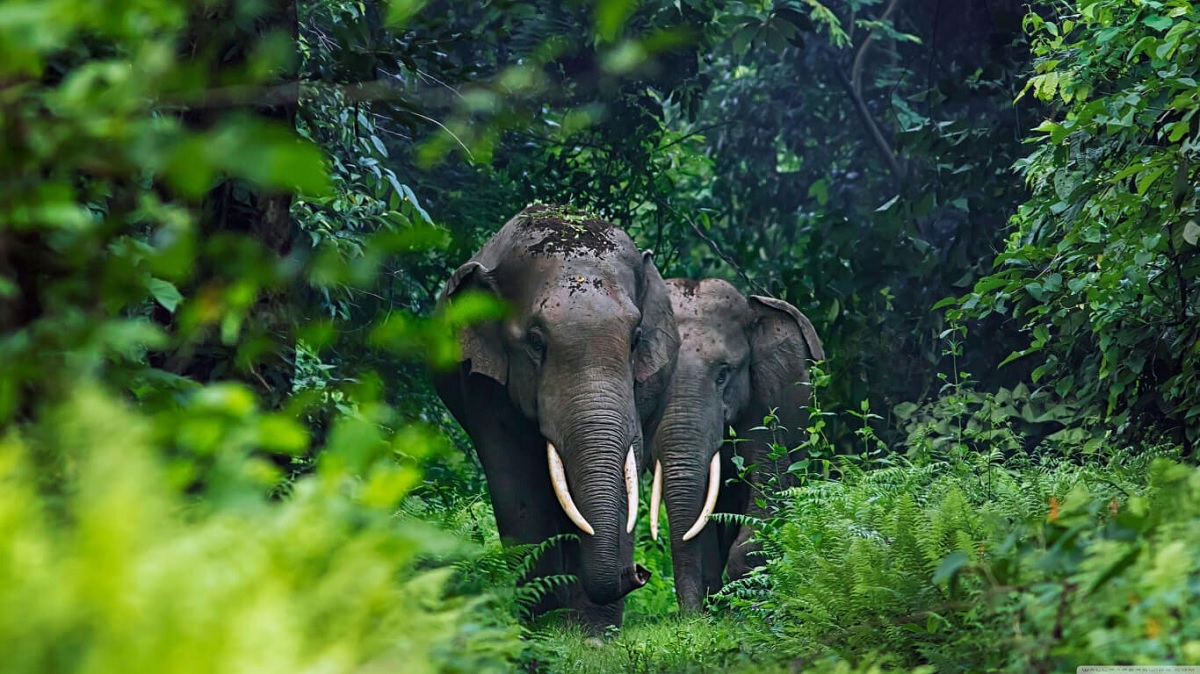
Dudhwa offers a rare look at India’s Terai ecosystem. In September, the wetlands begin to attract migratory birds and the forests brim with fresh growth.
Key Attractions:
- Wildlife: Swamp deer (barasingha), Bengal tigers, leopards, sloth bears, and gharials.
- Landscape: Grasslands, marshes, and dense sal forests.
- Activities: Elephant-back safaris, jeep safaris, birdwatching.
Travel Tips:
- Visit the Kishanpur and Katarniaghat zones for greater diversity.
- Carry a bird guidebook and checklist—over 450 bird species reside here.
- Road access can be tricky after monsoon, plan your travel carefully.
8. Nagarhole National Park, Karnataka
Known for its consistent sightings of elephants and tigers, Nagarhole is a must-visit in September. The Kabini River acts as a lifeline, drawing a wide variety of wildlife.
Key Attractions:
- Wildlife: Tigers, leopards, elephants, wild dogs, and various deer species.
- Landscape: Tropical and deciduous forests, water bodies, and streams.
- Activities: Jeep safaris, boat rides on the Kabini.
Travel Tips:
- Kabini is known for frequent leopard sightings—choose accommodations near the river.
- Safari slots are limited and should be booked in advance via Jungle Lodges or Karnataka Forest Department.
9. Pench National Park, Madhya Pradesh

Famous as the setting for Kipling’s The Jungle Book, Pench is visually stunning in September, with its vivid landscape and revived ecology. Go Birdwatching in Pench – Experience the Best of Nature & Birds
Key Attractions:
- Wildlife: Tigers, wild dogs, boars, monkeys, and over 250 bird species.
- Landscape: Undulating terrain with dry deciduous forests and seasonal streams.
- Activities: Day safaris, nature walks, night stays in buffer zones.
Travel Tips:
- Go for a sunrise safari—early morning is prime time for tiger sightings.
- Choose lodges that offer naturalist-guided safaris for deeper learning.
10. Manas National Park, Assam
A gem in India’s northeast, Manas is both a tiger reserve and a biosphere reserve. It’s a haven for rare and endangered species and offers surreal views in the post-monsoon light.
Key Attractions:
- Wildlife: Golden langur, pygmy hog, Bengal tiger, clouded leopard, and hornbills.
- Landscape: Thick jungle, grasslands, riverine belts.
- Activities: Jeep safaris, river rafting, community tourism.
Travel Tips:
- Book local homestays or eco-resorts managed by Bodo communities for authentic experiences.
- Carry high-zoom cameras for bird and primate photography.
11. Valmiki National Park, Bihar
Located at the foothills of the Himalayas in Bihar, Valmiki National Park is one of the lesser-known yet richest tiger habitats in India. The park begins to reopen in mid to late September depending on rainfall patterns.
Key Attractions:
- Wildlife: Bengal tiger, Indian bison, deer species, wild boars, and more than 250 bird species.
- Landscape: Himalayan foothills, marshlands, and sal forests.
- Activities: Jeep safaris, nature education camps, forest treks.
Travel Tips:
- Travel via Bagaha or Bettiah in Bihar for park access.
- Hire local guides to explore community-led eco-tourism projects.
- Be cautious of slippery paths if the area has just received rain.
12. Tadoba Andhari Tiger Reserve, Maharashtra

One of the few parks open year-round, Tadoba becomes lush and teeming with wildlife by September. It’s a favorite among wildlife photographers for its consistent tiger sightings. Spot Tigers in Tadoba – Best Zones for Sightings in 2025
Key Attractions:
- Wildlife: Tigers, wild dogs, sloth bears, marsh crocodiles, and more.
- Landscape: Dry deciduous forest interspersed with grasslands and water bodies.
- Activities: Jeep safaris, nature photography, buffer zone safaris.
Travel Tips:
- Opt for buffer zones like Kolara or Moharli which open earlier.
- September sees fewer tourists—perfect for peaceful experiences.
- Carry mosquito repellent due to humid climate post-rain.
13. Buxa Tiger Reserve, West Bengal
Buxa is situated in the Dooars region and borders Bhutan. The park is partially open in September and is ideal for birders and nature lovers.
Key Attractions:
- Wildlife: Leopards, elephants, wild dogs, and more than 350 bird species.
- Landscape: Hilly terrain, dense forests, and riverine zones.
- Activities: Forest hikes, watchtowers for birding, visiting local villages.
Travel Tips:
- Visit the Jayanti forest area for scenic treks and river walks.
- Combine your trip with a visit to the nearby Chilapata forest.
- Explore Buxa Fort—accessible only by foot—for a touch of history.
14. Simlipal National Park, Odisha
Simlipal, part of the UNESCO-recognized Biosphere Reserve, begins to open in late September, depending on monsoon clearance. It’s a biodiversity treasure in eastern India.
Key Attractions:
- Wildlife: Tigers, elephants, flying squirrels, and hornbills.
- Landscape: Waterfalls, sal forests, and tribal regions.
- Activities: Jeep safaris, trekking to Barehipani and Joranda waterfalls.
Travel Tips:
- Permits are mandatory and issued at the entry gate.
- Roads can be tricky due to terrain—prefer SUVs or guided travel.
- Stay in forest rest houses for an immersive wilderness experience.
15. Panna National Park, Madhya Pradesh
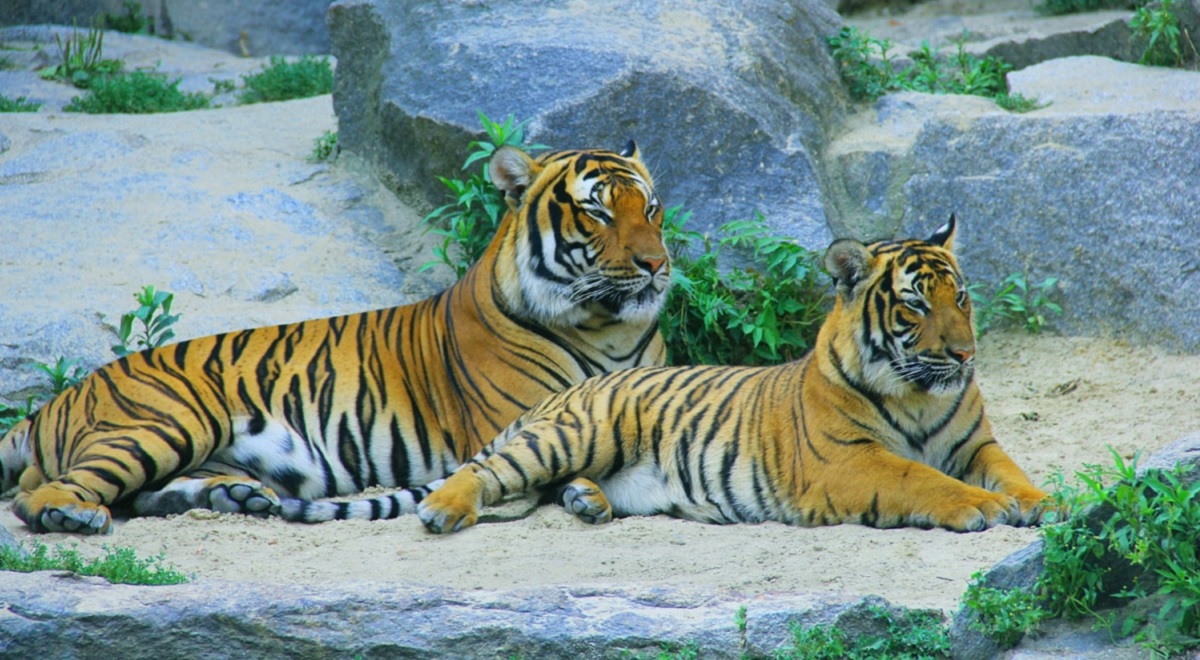
Panna, located near the UNESCO World Heritage site Khajuraho, reopens partially in September. It’s one of the most scenic tiger reserves in India.
Key Attractions:
- Wildlife: Tigers, leopards, gharials, vultures, and more.
- Landscape: Plateaus, gorges, river systems like the Ken River.
- Activities: Boat rides on Ken River, night safaris in buffer zones, birdwatching.
Travel Tips:
- Visit the Pandav Falls within the reserve—lush and powerful post-monsoon.
- Pair your wildlife trip with a visit to Khajuraho temples.
- Book MP Tourism lodges early for budget-friendly stays.
16. Hemis National Park, Ladakh
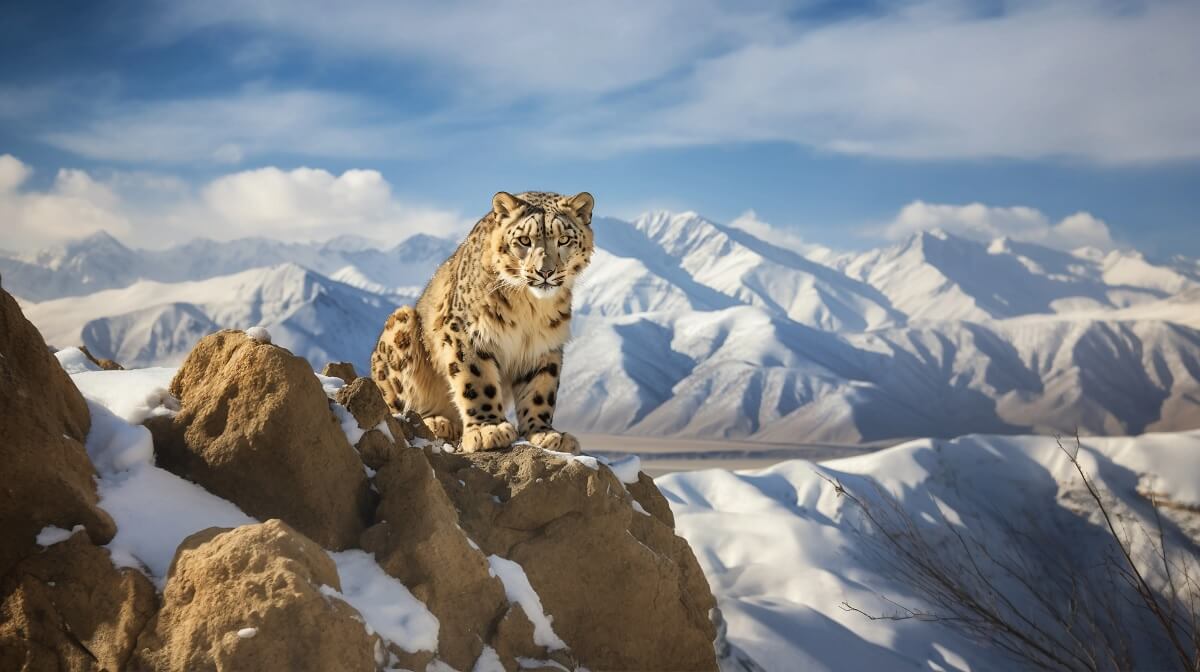
Though not a typical jungle, Hemis is one of the highest altitude national parks and remains accessible in September before heavy snow begins. It’s globally famed for snow leopard sightings.
Key Attractions:
- Wildlife: Snow leopards, bharal (blue sheep), Tibetan wolves, and golden eagles.
- Landscape: High-altitude desert terrain, cliffs, and alpine meadows.
- Activities: High-altitude treks, monastery visits, wildlife photography.
Travel Tips:
- Altitude sickness is a risk—acclimatize properly in Leh before venturing.
- Hire local guides for wildlife tracking.
- Ideal for experienced trekkers and wildlife photographers.
17. Namdapha National Park, Arunachal Pradesh
Namdapha is one of India’s most biodiverse parks and among the largest in the Eastern Himalayas. While it’s partially open, the lower regions of the park are accessible in September.
Key Attractions:
- Wildlife: Four big cats—tiger, leopard, clouded leopard, and snow leopard.
- Landscape: Tropical evergreen forests, rivers, and bamboo groves.
- Activities: Jungle trekking, birdwatching, and cultural exploration of tribal areas.
Travel Tips:
- Obtain permits from the Arunachal Pradesh government before arrival.
- Best explored with guides due to dense and complex terrain.
- Prepare for high humidity and bring rain gear.
18. Bannerghatta Biological Park, Karnataka
Located near Bangalore, Bannerghatta is a great short trip destination for wildlife lovers. Though a zoological park, it also includes a safari zone within a forested area open in September.
Key Attractions:
- Wildlife: Tigers, lions, bears, elephants, and herbivores.
- Landscape: Mixed deciduous forests and open grasslands.
- Activities: Safari rides, butterfly park, zoo visit.
Travel Tips:
- Book your safari slot online to avoid queues.
- Visit early morning to avoid crowds and afternoon heat.
- A great option for families or short wildlife getaways.
19. Kalesar National Park, Haryana
Located in the Shivalik foothills, Kalesar is one of North India’s emerging wildlife destinations. It reopens in late September and offers lush scenery and relatively undisturbed trails.
Key Attractions:
- Wildlife: Leopards, elephants, barking deer, and a variety of reptiles and birds.
- Landscape: Dense forests, hills, and small streams.
- Activities: Jeep safaris, forest hiking, temple visits within the park.
Travel Tips:
- Best accessed via Chandigarh or Yamunanagar.
- Visit early to spot leopards and langurs.
- Respect forest rules—this park emphasizes conservation.
20. Sariska Tiger Reserve, Rajasthan
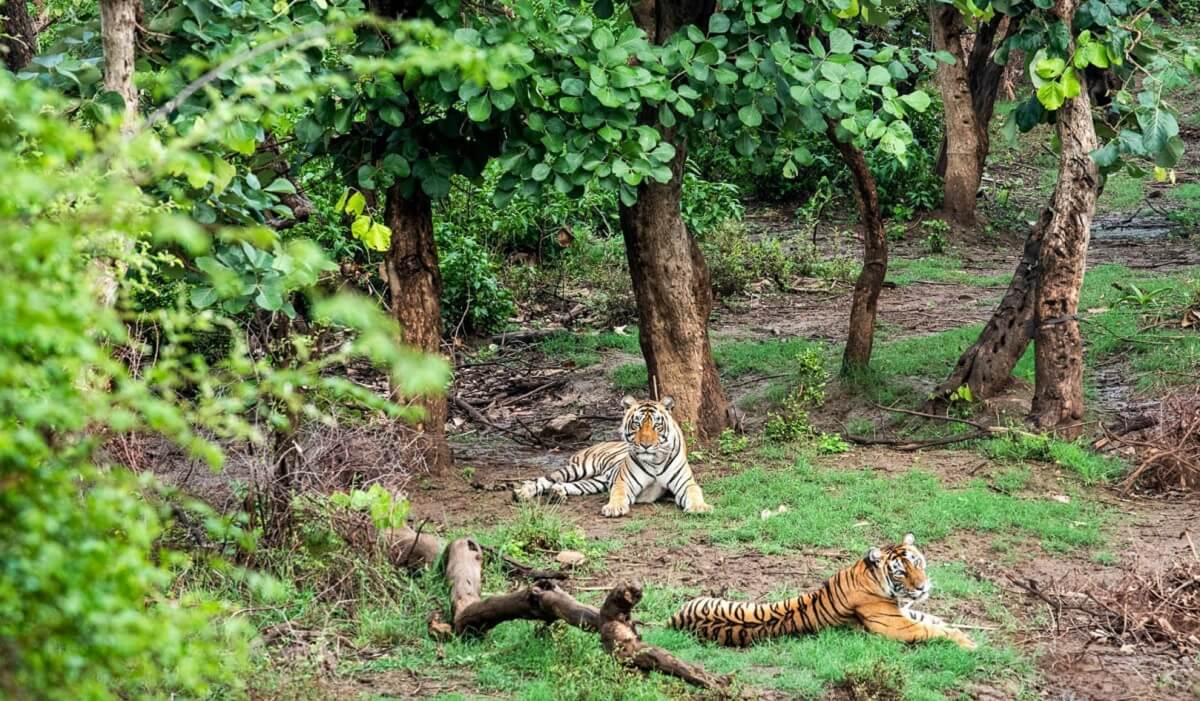
Sariska, located near Alwar, is easily accessible from Delhi and Jaipur. It reopens in late September with jungle safaris in certain buffer zones. Reach Sariska Easily – 2025 Complete Guide by Train & Road
Key Attractions:
- Wildlife: Tigers, leopards, hyenas, and various deer species.
- Landscape: Rocky hills, dry forests, and grasslands.
- Activities: Jeep safaris, visit to ancient temples like Neelkanth Mahadev.
Travel Tips:
- Combine wildlife with a historical trip to Bhangarh Fort.
- Book your safari via the Rajasthan Forest Department portal.
- Avoid peak hours—early morning or dusk are best for animal activity.
Do’s and Don’ts When Visiting Wildlife Reserves
Respecting Nature
- Do not litter or play loud music.
- Always stay inside your vehicle during safaris.
Ethical Photography
- Avoid using flash.
- Don’t provoke animals for dramatic shots.
Wildlife Etiquette
- Don’t feed animals.
- Maintain a safe distance.
Top National Parks & Wildlife Sanctuaries to Visit in Monsoon India
Best State-Wise List of Wildlife Parks Open in September
| State | Parks Open in September |
|---|---|
| Uttarakhand | Jim Corbett (Jhirna, Dhela) |
| Assam | Kaziranga (Partial), Manas |
| Rajasthan | Ranthambore (Zones 6-10) |
| Karnataka | Bandipur, Nagarhole |
| Kerala | Periyar |
| Madhya Pradesh | Satpura, Pench |
| Uttar Pradesh | Dudhwa |
Packing Checklist for Wildlife Reserves Trips in September
- Waterproof jacket or poncho
- Binoculars and zoom camera
- Neutral-toned clothes (preferably cotton)
- Hiking shoes with good grip
- Insect repellent
- Sunscreen and sunglasses
- Personal medication
Explore Wildlife Near Delhi – Best Sanctuaries Open in Monsoon
Eco-Friendly Travel and Conservation Tips
- Support eco-lodges and community-run safaris
- Carry reusable water bottles and avoid plastic
- Respect local customs and tribal territories
- Participate in forest-cleanup drives, if available
FAQs about Wildlife Reserves Open in September in India
Q1: Are all zones in wildlife parks open in September?
A: No, only selected zones reopen after monsoon in most parks. Always check in advance.
Q2: What are the best animals to see during this time?
A: Tigers, elephants, rhinos, deer, and migratory birds are commonly spotted in September.
Q3: Is it safe to travel to these reserves during post-monsoon?
A: Yes, but prepare for occasional showers and follow park safety protocols.
Q4: Do I need to pre-book safari tickets?
A: Absolutely. Limited slots are available, especially in zones open during off-peak seasons.
Q5: Which reserve is best for bird watchers in September?
A: Kaziranga, Dudhwa, and Satpura are top choices for birding enthusiasts.
Q6: Can I visit more than one reserve on a single trip?
A: Yes, with proper planning. Consider pairing nearby parks like Bandipur and Nagarhole.
Conclusion: Embrace the Wild Spirit in September
September opens up a world of natural wonders across India’s pristine wildlife reserves. The forests are lush, the wildlife is active, and the air carries the fresh scent of rain-washed earth. Whether you’re a wildlife photographer, a birding lover, or just someone seeking serenity, these parks promise unforgettable experiences. So pack your bags, grab your camera, and lose yourself in the mesmerizing wildscape of India!
Don’t forget to check our dedicated blogs on:
- Plan the Best Time to Visit Jim Corbett – Know Before You Go
- Discover the Best Time to Visit Kaziranga – Seasonal Wildlife Insights
- Explore Ranthambore Fort – Complete Visitor Guide to This Historic Gem
- Reach Ranthambore from Jaipur Easily – A Step-by-Step Travel Guide
- Meet the Famous Tigers of Pench – Legends of Indian Wildlife
- Visit Periyar National Park – Complete Guide for Nature & Wildlife
- Explore Begur Wildlife Sanctuary – All You Need to Know
- Visit These Wildlife Sanctuaries in July – Top Monsoon Picks
- Reach Tadoba Tiger Reserve – 2025 Guide by Air, Rail & Road
- Reach Kanha National Park – Travel Route Guide from Major Cities
- Visit Karakoram Wildlife Sanctuary – Traveler’s Guide to Nubra-Shyok
- Discover Pobitora Wildlife Sanctuary – Complete Travel Insights
- 20 Underrated Monuments in India You Cant Miss
- Curious About Anant Chaturdashi? Uncover the Rituals Now!