Tucked away in the rugged landscapes of western Rajasthan, Jawai is one of India’s most extraordinary wildlife destinations. Neither a national park nor a conventional tourist town, Jawai is defined by its dramatic granite hills, free-roaming leopards, ancient temples, and a centuries-old bond between humans and wildlife.
Located between Udaipur and Jodhpur, Jawai offers a rare kind of travel experience. It is slow, immersive, and deeply connected to nature. This complete guide covers everything you need to know about things to do in Jawai, Rajasthan, along with practical travel tips, best seasons, and cultural insights.
Discover Jawai: What Makes It So Unique?
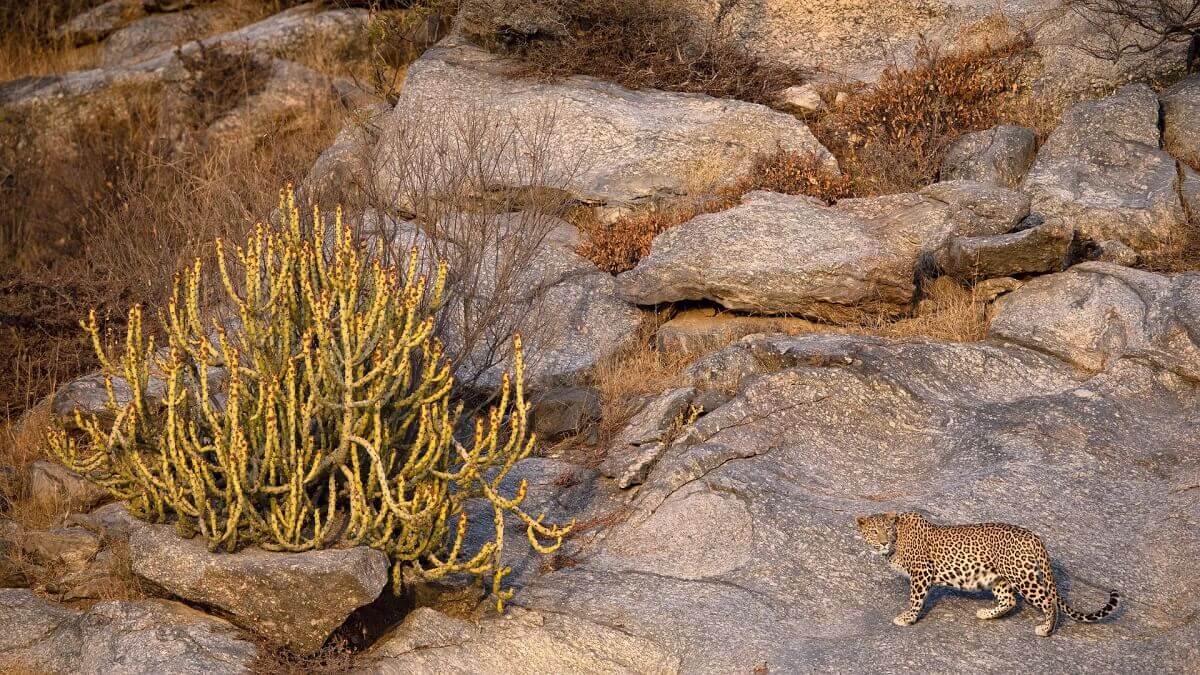
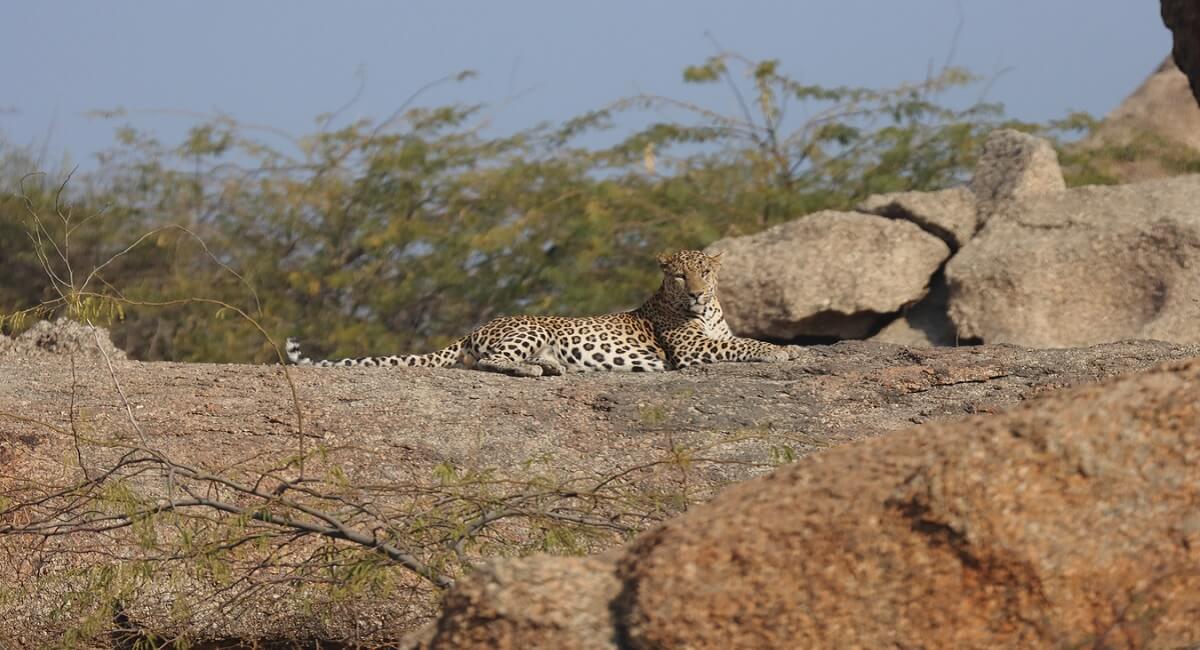
Jawai stands apart because leopards here live outside protected forests, sharing space with villages, temples, and grazing lands. The region’s massive granite rock formations provide natural shelters and vantage points for wildlife, while the Rabari community has learned to coexist peacefully with predators for generations.
This harmony has turned Jawai into a global case study for community-led wildlife conservation, making it especially appealing to responsible travelers and wildlife lovers.
Go on a Leopard Safari in Jawai Hills
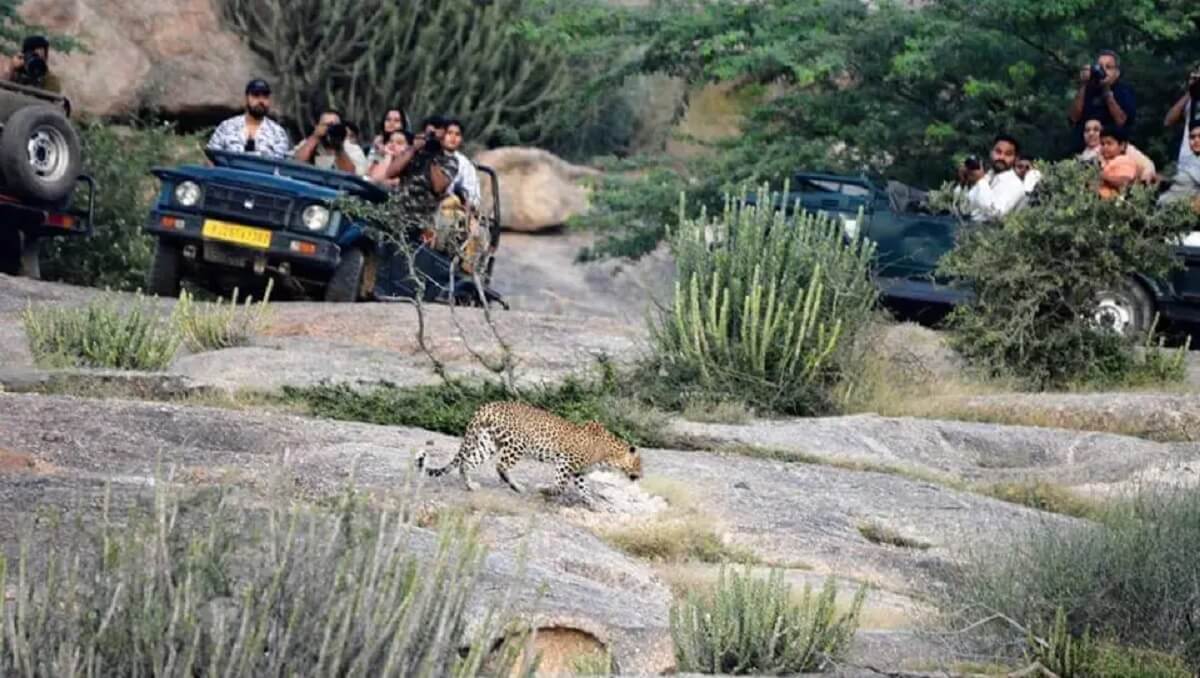
A leopard safari is the highlight of any Jawai trip. Unlike tiger safaris that follow fixed routes, Jawai safaris are flexible and knowledge-driven.
Leopards are often seen:
- Resting on granite outcrops
- Moving along hill ridgelines
- Descending toward water bodies at dawn or dusk
Safaris are conducted in open 4×4 vehicles, guided by expert local trackers who read animal movement through pugmarks, calls, and terrain familiarity.
What makes Jawai special
- No cages or enclosures
- No baiting or forced sightings
- Ethical, low-impact wildlife tourism
Other wildlife you may spot
- Sloth bears
- Striped hyenas
- Indian foxes
- Nilgai (blue bull)
- Mugger crocodiles near water
Visit Jawai Bandh (Jawai Dam)
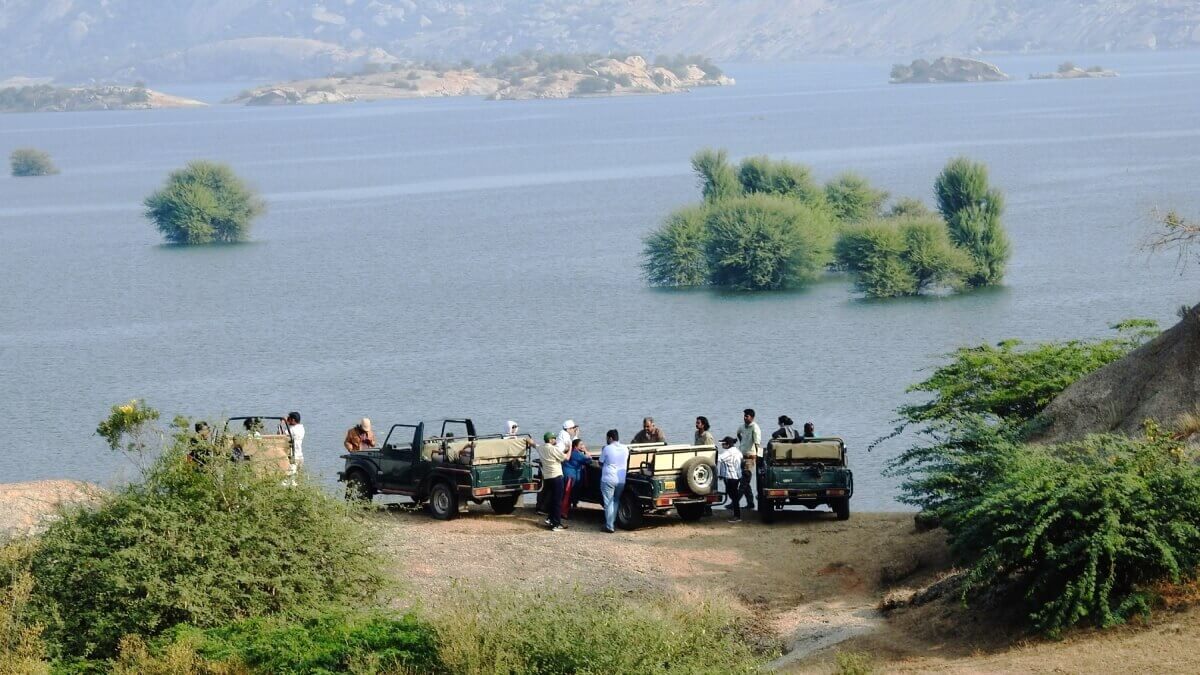
Jawai Bandh is the ecological heart of the region. Built in the early 20th century, the dam supports agriculture, wildlife, and migratory birds.
Things to do here include:
- Birdwatching during early mornings
- Crocodile spotting along the banks
- Landscape photography at sunrise and sunset
- Quiet walks and nature observation
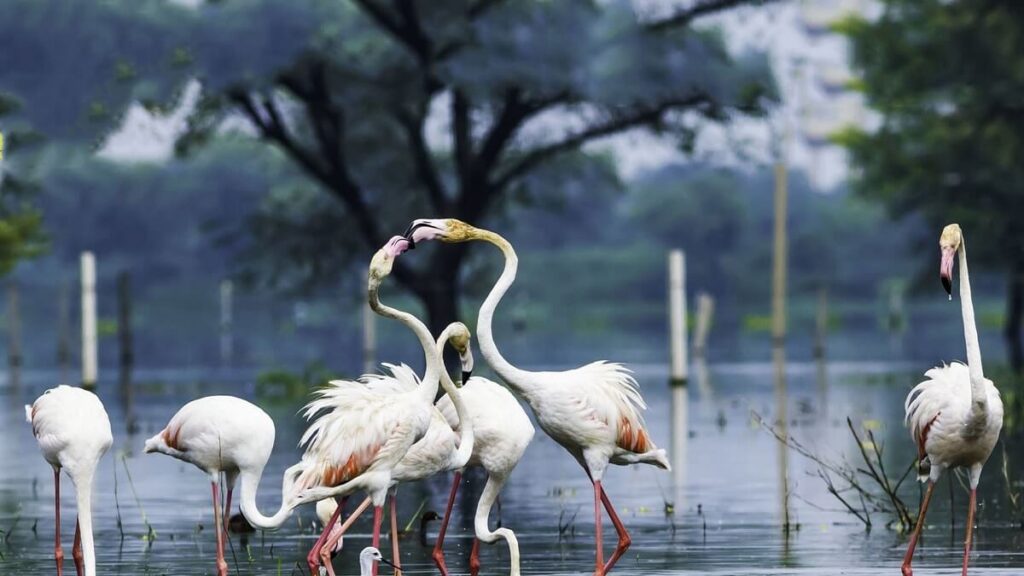
During winter, the wetlands attract flamingos, cranes, storks, and pelicans, making Jawai Bandh a must-visit for bird lovers.
Experience Rabari Village Life and Culture
The Rabari community is central to Jawai’s identity. Known for their white attire, red turbans, and silver jewelry, Rabaris are semi-nomadic pastoralists with deep respect for nature.
A guided village safari allows you to:
- Visit traditional homes and temples
- Learn about livestock rearing and pastoral traditions
- Understand how Rabaris coexist with leopards
- Hear stories passed down through generations
This cultural experience gives Jawai a human depth that most wildlife destinations lack.
Explore Ancient Hilltop Temples
Jawai’s granite hills are dotted with small, ancient temples, many carved directly into rock formations. These temples remain active places of worship and are often visited by locals alongside roaming wildlife.
Visiting these temples offers:
- Insight into local spiritual practices
- Panoramic views of the landscape
- A powerful sense of harmony between faith, people, and nature
Early morning or late afternoon visits are ideal.
Check Suggested Itinerary Rajasthan and Golden Triangle Tour for 17 Days
Go Birdwatching Across Diverse Habitats
Jawai is one of Rajasthan’s underrated birding destinations. Its varied terrain supports a wide range of species.
Birds commonly seen include:
- Crested serpent eagle
- Indian eagle owl
- Steppe eagle
- Kingfishers
- Vultures and buzzards
- Demoiselle cranes (seasonal)
Bring binoculars and plan early morning outings for the best sightings.
Enjoy a Granite Hills Sunset or Sundowner
One of Jawai’s most memorable experiences is watching the sunset from the hills. As the sun dips behind massive granite formations, the rocks glow in warm hues of gold and pink.
Many lodges arrange:
- Guided sunset viewpoints
- Quiet sundowners with tea or refreshments
- Photography sessions in golden light
It is peaceful, cinematic, and deeply calming.
Suggested Itinerary Plan for 8 Days in Rajasthan Jaipur Jodhpur Udaipur Tour
Take a Guided Nature Walk
Beyond safaris, guided nature walks help you connect with Jawai at ground level. Led by naturalists, these walks focus on:
- Animal tracks and signs
- Native plants and medicinal herbs
- Rock formations and geology
- Insects, reptiles, and bird calls
These walks are ideal for travelers interested in ecology and slow travel.
Stay at Luxury Camps and Boutique Lodges
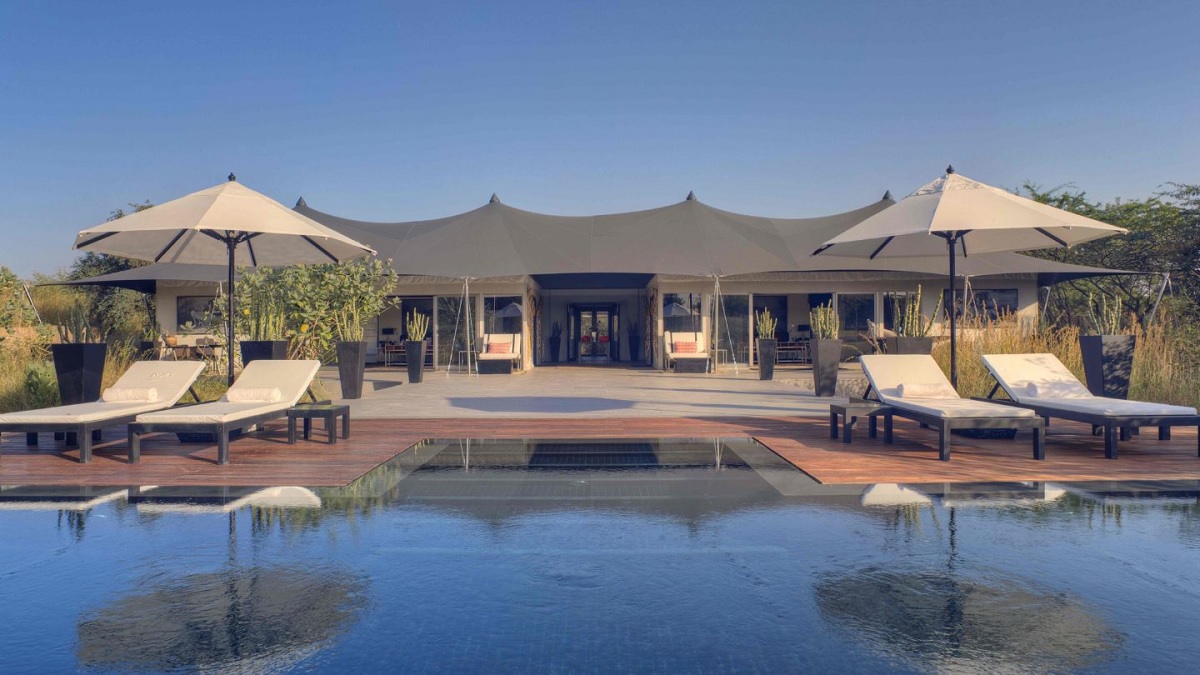
Jawai is known for exclusive, low-density accommodations rather than mass tourism hotels. Most stays emphasize sustainability, comfort, and privacy.
What to expect:
- Luxury tented camps or stone lodges
- Open landscapes and minimal noise
- Personalized safaris and experiences
- Strong focus on local employment
Even downtime at your lodge, watching wildlife from a distance, is part of the Jawai experience.
Photography and Creative Retreats
With its dramatic landscapes, wildlife, and rural life, Jawai is a favorite among photographers and creatives.
Ideal subjects include:
- Leopards on granite cliffs
- Rabari portraits
- Birds in flight over wetlands
- Temples framed by rocks
- Changing light across hills
Patience and respect for wildlife are essential for meaningful photography here.
Best Time to Visit Jawai, Rajasthan

- October to March: Best weather, excellent for wildlife and birding
- April to June: Hot but good leopard sightings near water
- July to September: Monsoon greenery, fewer tourists, scenic views
Winter is peak season, so book accommodations and safaris well in advance.
How to Reach Jawai
- By Air: Nearest airports are Udaipur (approx. 150 km) and Jodhpur
- By Train: Jawai Bandh Railway Station on the Delhi–Mumbai route
- By Road: Easily accessible from Udaipur, Jodhpur, and Mount Abu
Most lodges provide pickup services.
Safety and Responsible Travel in Jawai
Jawai is considered safe for:
- Families
- Solo travelers
- International tourists
Leopards here are non-aggressive and avoid humans. Always follow guide instructions and avoid wandering alone at night.
Responsible travel tips:
- Respect village customs
- Avoid loud behavior during safaris
- Do not litter or disturb wildlife
- Support local guides and homestays
Final Thoughts: Why Jawai Belongs on Your Rajasthan Itinerary
Jawai is not about rushing from one attraction to another. It is about slowing down, observing, and understanding a rare balance between humans and wildlife.
If you want to experience Rajasthan beyond forts, palaces, and deserts, Jawai offers something truly special. Leopards on granite hills, timeless villages, quiet lakes, and ethical wildlife tourism make it one of India’s most rewarding offbeat destinations.
Jawai does not shout for attention. It stays with you quietly, long after you leave.
Related Travel Blogs You’ll Enjoy:
- Plan Your Journey Now: How to Reach Jawai Easily
- Discover Top Experiences: Best Things to Do in Jawai & Bera
- Check Before You Go: Ranthambhore Weather in March for Safari
- Start Planning: Ranthambore January Travel Guide 2026
- Explore Rajasthan’s Wonder: Visit Chand Baori Stepwell
- Learn Before You Travel: Rajasthani Culture Explained
- Book Your Adventure: Jhalana Leopard Safari Details
- Find the Best Route: Reach Ranthambore from Jaipur
- Don’t Miss This: Explore Historic Ranthambore Fort
- Book Safari Now: Ranthambore Jeep & Canter Tickets
- Plan a Fun Trip: Best Things to Do in Jaipur with Kids
- Plan Your Budget: Rajasthan 1-Week Tour Cost Guide
- How to Reach Sariska – Start Your Wildlife Adventure Today!