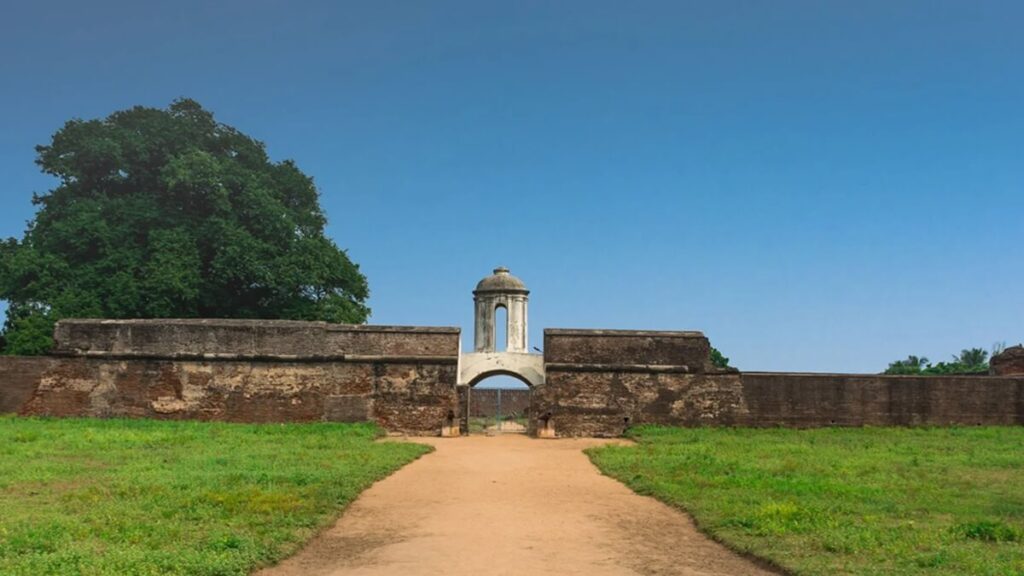
When most people think of South India, they imagine grand temples, lush landscapes, and bustling cities. But hidden among the hills and valleys are ancient stone fortresses—some in ruins, some still standing proud. These are the forgotten forts of South India. While they may not be as famous as the Mysore Palace or Meenakshi Temple, they hold rich stories, daring legends, and architectural beauty waiting to be explored. If you enjoy history, trekking, and quiet places full of mystery, these forts are worth discovering.
1. Gingee Fort, Tamil Nadu: The Fort of Forts
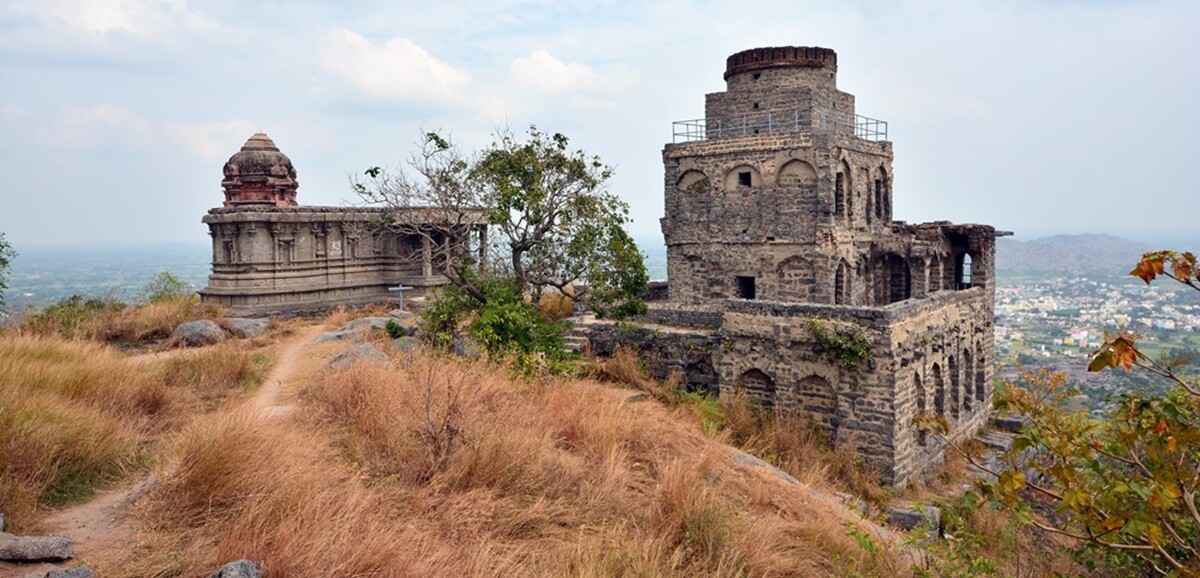
Often called the “Troy of the East,” Gingee Fort (also spelled Senji or Jinji) is one of the most impressive forts in Tamil Nadu. Located near Villupuram, it’s a place that surprises every traveler.
Built across three hilltops, the fort complex spreads over a vast area. It was first developed by the Chola dynasty, then improved by the Vijayanagara kings, the Marathas, and even the French. Each group added its own style, making the architecture a mix of Dravidian, Islamic, and European influences.
The three hills—Rajagiri, Krishnagiri, and Chandrayandurg—each have their own citadel, walls, and secrets. Climbing the steep steps is a challenge, but the views from the top are unforgettable. You’ll see granaries, temples, a marriage hall, and even a seven-story prison tower.
Despite its strong defenses, Gingee changed hands many times. It tells stories of brave warriors, clever kings, and hidden treasures.
Today, Gingee Fort is a great place for history lovers and trekkers. It’s best visited early in the morning or late afternoon to avoid the heat.
2. Gandikota Fort, Andhra Pradesh: The Grand Canyon of India
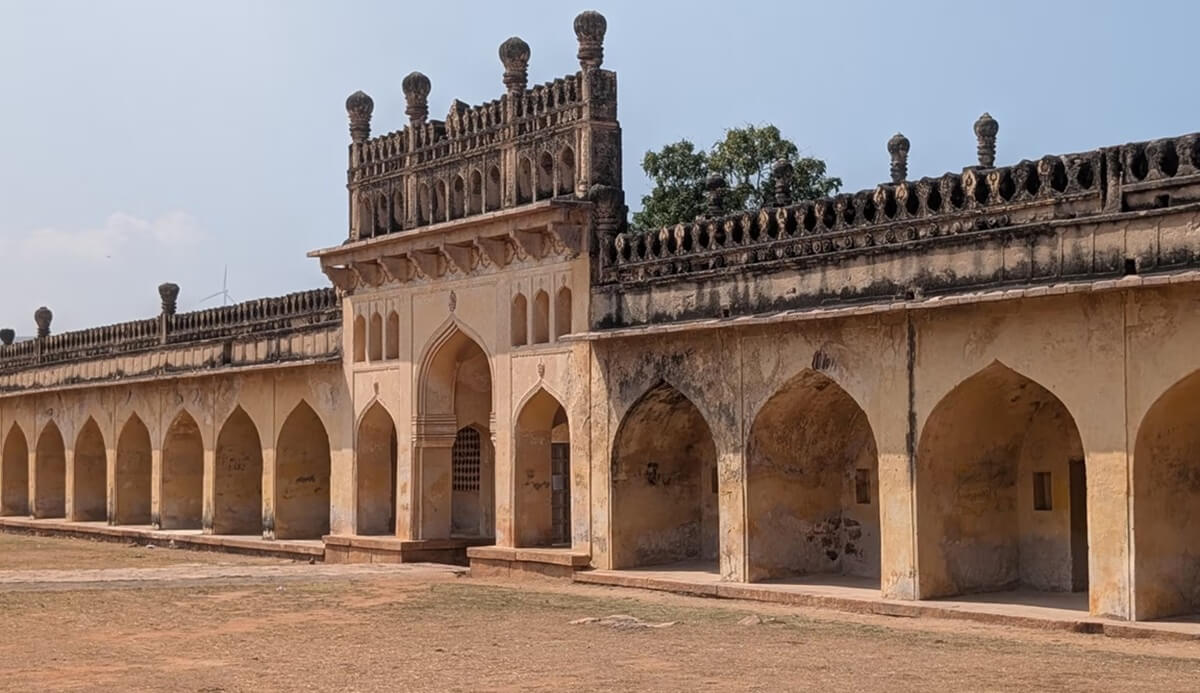
Gandikota Fort is not just a historical site—it’s a place of breathtaking natural beauty. Located on the banks of the Pennar River in Andhra Pradesh, this fort sits on the edge of a deep gorge. The red sandstone cliffs and the flowing river below give it the nickname: the Grand Canyon of India.
The fort itself was built by the Pemmasani Nayaks in the 13th century and later used by the Qutb Shahi and Mughal empires. Inside the walls, you’ll find ancient temples, a mosque, granaries, and watchtowers.
The real magic of Gandikota is the view. From the edge of the fort, you can see the river cutting through the canyon below. The sight is especially beautiful at sunrise and sunset.
Adventurers love Gandikota for its camping and trekking. You can hike along the cliffs, explore hidden ruins, and even go kayaking in the river.
It’s quiet, peaceful, and feels like a place where time has stopped. Yet, it holds centuries of stories in its stones.
3. Kavaledurga Fort, Karnataka: A Hilltop Hidden in the Mist
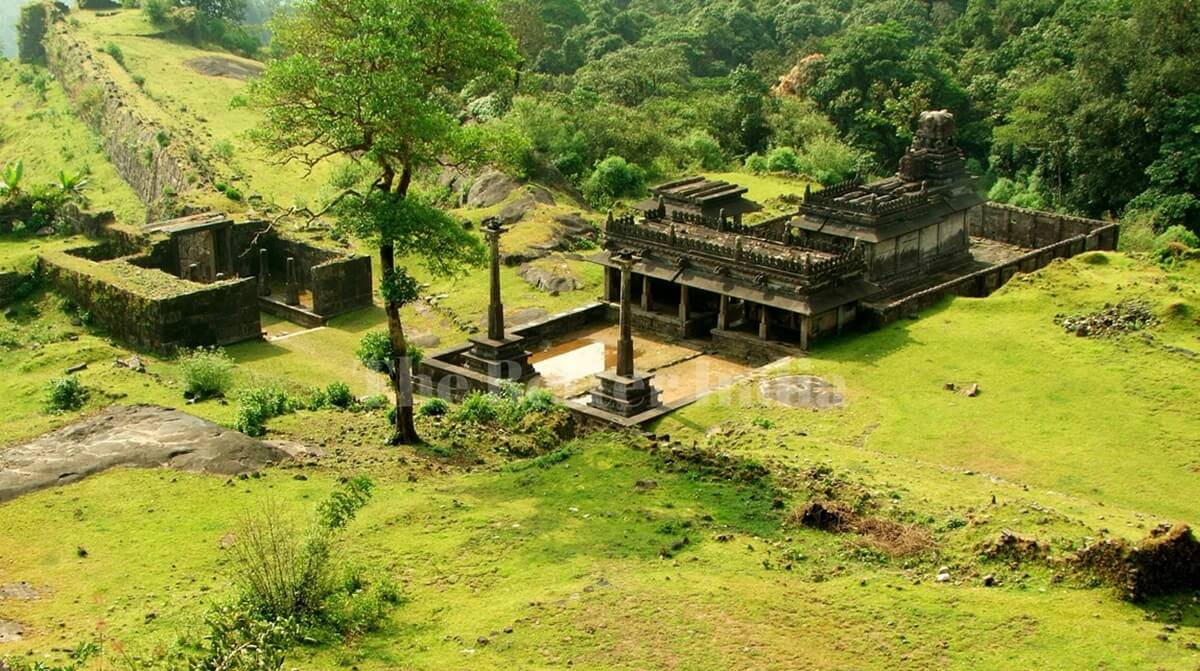
Far away from the usual tourist paths, Kavaledurga Fort lies high in the Western Ghats near Thirthahalli in Karnataka. This fort is surrounded by thick forests and misty hills, making it feel like a secret place from a fairy tale.
Built by the Keladi Nayakas in the 16th century, the fort was once a military stronghold. Today, you can still see parts of the palace, temples, gateways, and fort walls.
The trek to the top is moderate and passes through forests and stone-paved paths. At the summit, you get a stunning view of the Sharavathi backwaters and the green hills all around.
Along the way, you’ll come across the Lakshmi Narayana temple, stone staircases, and moss-covered ruins. It’s peaceful and rarely crowded—perfect for nature lovers and those who enjoy slow travel.
Kavaledurga is best visited during or just after the monsoon when the hills are at their greenest. Don’t forget to carry water and wear proper trekking shoes!
4. Why These Forts Matter
These forgotten forts are more than just stone walls. They are silent storytellers. Each fort speaks of different dynasties, cultures, and people who once lived, fought, and built lives there.
They also show the brilliant engineering of ancient builders—how they used the land’s natural shape, created water storage, and built massive walls without machines.
For today’s travelers, these forts offer something special:
- A peaceful escape from crowded tourist places
- A mix of history, architecture, and adventure
- A chance to connect with nature and heritage
They may not have the fame of other landmarks, but their mystery and beauty are just as grand.
5. Planning Your Fort Adventure
Want to explore these forts? Here are some simple tips:
- Best time to visit: November to February for cooler weather
- What to carry: Water, snacks, sun protection, and sturdy shoes
- Travel ideas:
- Gingee is 3 hours from Chennai by road
- Gandikota is 4 hours from Kadapa or 6 hours from Bengaluru
- Kavaledurga is near Shimoga, about 6 hours from Mangalore
If you love photography, early mornings and golden sunsets are the best times to capture the forts’ beauty.
Most importantly, be respectful. These are historical places. Don’t litter or damage the ruins.
6. Conclusion: Rediscover the Forgotten
South India is full of famous monuments—but its forts are often overlooked. The forts of Gingee, Gandikota, and Kavaledurga are hidden treasures. They combine nature, history, and quiet adventure in the best way.
So the next time you plan a trip, think beyond the usual spots. Trek up a forgotten hill. Stand on a centuries-old wall. Look out over valleys and rivers. And feel the past come alive.
These forts may be forgotten by many, but once you visit, they’ll stay in your heart forever.
You Might Also Like:
- Rajmachi Fort Trek Guide from Lonavala – Route & Tips
- Explore Kangra Fort – History, Entry & Travel Guide
- Top 11 Monsoon Forts in India – Best Time to Visit
- Agra Fort vs Red Fort – Key Differences & Travel Tips
- Things to Do in Red Fort Delhi – Museums, Bazaars & More
- Junagarh Fort Bikaner – History, Museum & Attractions