
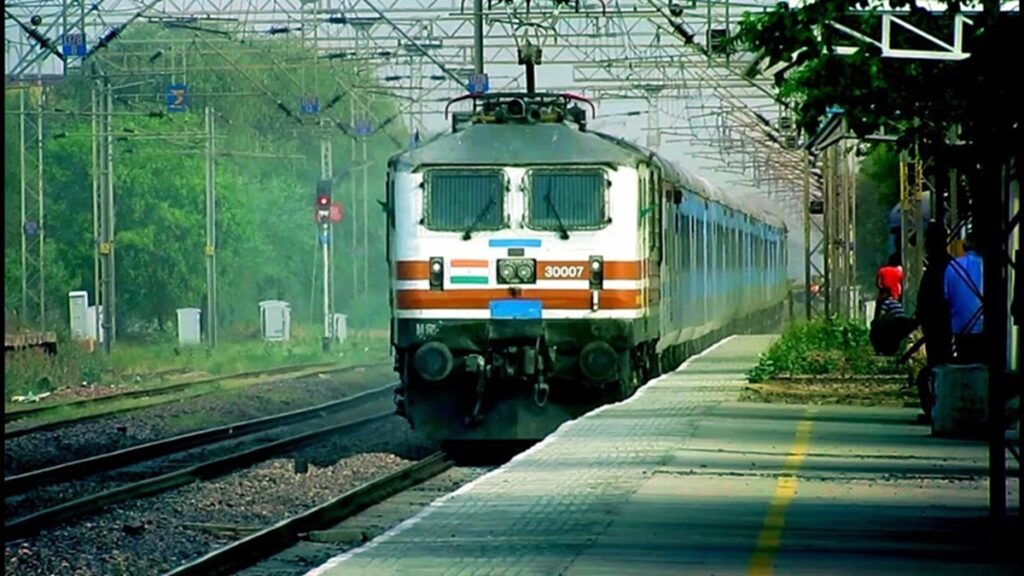
Overnight train journeys in India are convenient, affordable, and deeply familiar, yet they often come with concerns about sleep, safety, and comfort. From noisy stations at midnight to sharing a coach with strangers, a night on the train can either be restful or exhausting. The difference lies in preparation and smart choices. This guide shares practical, real-world tips to help you sleep better, stay safe, and feel comfortable on overnight trains in India. Whether you are travelling solo, with family, or for work, these tips will change how you experience night train travel.
This guide is written for Indian travellers who want practical, real-world advice. No theory. No unrealistic tips. Just what actually works on overnight trains in India, whether you are travelling alone, with family, or for the first time.
Why Overnight Trains Are Still Popular in India

Despite flights becoming cheaper, overnight trains remain popular for good reasons:
- You save on hotel costs
- You wake up closer to your destination
- Luggage limits are flexible
- Stations are well connected to cities
But overnight travel brings challenges too. Noise, safety concerns, poor sleep, and hygiene issues are common worries. The sections below address each of these clearly.
Choosing the Right Class for Overnight Travel

Your experience depends heavily on the class you choose.
AC First Class (1A)
- Most private and comfortable
- Lockable cabins or coupes
- Clean bedding and fewer passengers
Best for senior citizens, couples, and solo women travellers if budget allows.
AC 2 Tier (2A)
- Curtains for privacy
- Good balance of comfort and cost
- Fewer berths per bay
Ideal for long overnight journeys above 8 hours.
AC 3 Tier (3A)
- Most popular overnight class
- No curtains but decent comfort
- Can be crowded on busy routes
Choose this if you want affordability without sacrificing AC comfort.
Sleeper Class (SL)
- Cheapest option
- No AC, more noise, and more movement
- Can be uncomfortable in summer
Suitable only if you are experienced or travelling short overnight distances.
Tip: If sleep quality matters, avoid Sleeper class for journeys longer than 6 hours.
Booking the Right Berth for Better Sleep
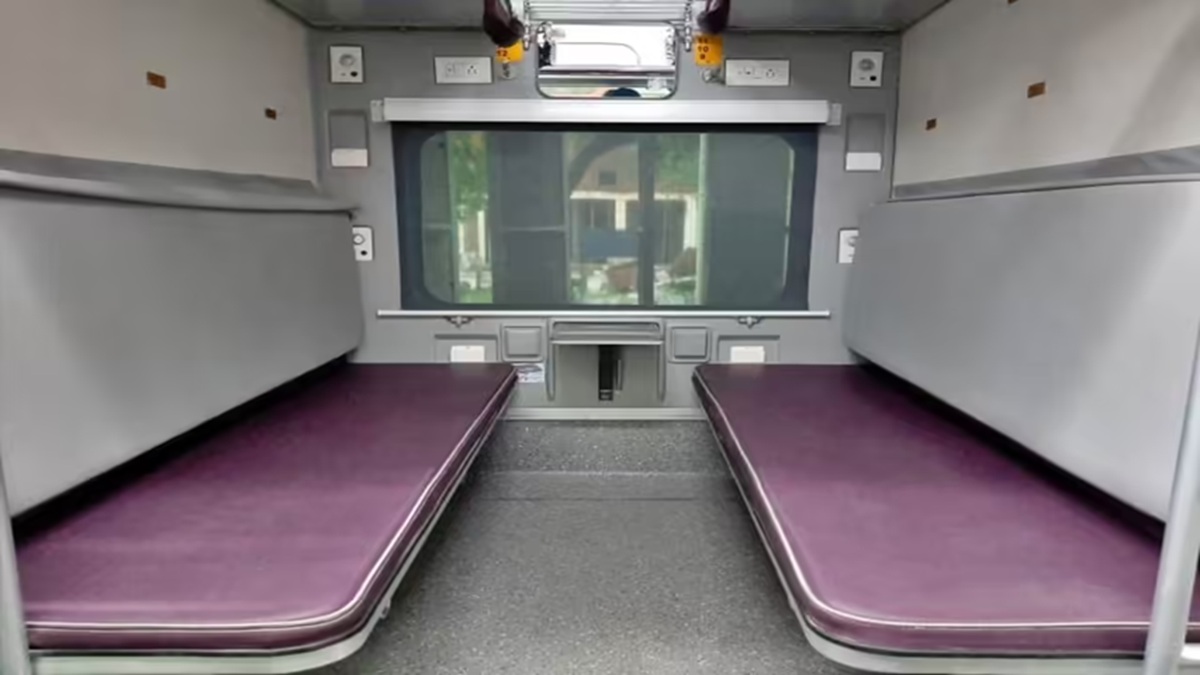
Not all berths are equal when it comes to sleep.
Lower Berth
- Easy access
- Preferred by senior citizens
- More foot traffic during night
Middle Berth
- Least comfortable
- Limited headroom
- Often disturbed
Upper Berth
- Most peaceful
- Less foot movement
- Better for uninterrupted sleep
Best choice for sleep: Upper berth in 2A or 3A.
Side lower and side upper berths are also quieter, especially in 2A.
Packing Essentials for a Comfortable Night
Never rely completely on what the train provides.
Sleep Essentials
- Small travel pillow
- Light blanket or shawl
- Eye mask
- Earplugs
Indian trains can be noisy at night with station announcements and movement.
Hygiene Kit
- Wet wipes
- Hand sanitiser
- Toothbrush and paste
- Face towel
Toilets may not always be clean late at night.
Power & Gadgets
- Fully charged phone
- Power bank
- Offline entertainment
Charging points may not work or be shared.
What to Eat Before and During the Journey
Food plays a major role in sleep quality.
Before Boarding
- Eat a light meal
- Avoid spicy or oily food
- Stay hydrated, but don’t overdo it
During the Journey
- Eat early if meals are served
- Avoid heavy dinner after 10 pm
- Keep dry snacks like biscuits or fruits
Heavy meals late at night often cause discomfort and disturb sleep.
Managing Sleep in a Noisy Environment
Noise is unavoidable, but manageable.
Practical Sleep Tips
- Use earplugs or white noise apps
- Choose upper berth to avoid movement
- Keep shoes and bags secured under the berth
- Use a scarf to block light
Station halts, vendors, and fellow passengers can interrupt sleep, but planning helps.
Safety Tips for Overnight Train Travel
Safety is one of the biggest concerns for overnight journeys.
Personal Belongings
- Keep valuables in a sling bag or money belt
- Do not leave phones unattended while charging
- Lock bags with small cable locks
While Sleeping
- Keep shoes visible to deter theft
- Tie bags to berth handles
- Sleep with important items near you
General Awareness
- Avoid sharing personal details with strangers
- Be cautious of unsolicited food or drinks
- Use railway helpline numbers if needed
Indian Railways has improved safety, but alertness is still essential.
Women-Specific Safety and Comfort Tips

Women often travel overnight for work or family reasons.
Smart Booking Choices
- Choose 2A or 1A where possible
- Prefer lower berths near families
- Avoid isolated compartments
During the Journey
- Inform family about train and coach details
- Use curtains properly
- Trust your instincts
Women-only helpline services and onboard staff are more responsive today, but awareness remains key.
Travelling Overnight with Family or Kids
Overnight journeys can be enjoyable with planning.
For Children
- Carry familiar blankets or toys
- Feed them before bedtime
- Choose lower berths for easier access
For Elderly Passengers
- Request lower berth at booking
- Carry medicines and water
- Avoid frequent bathroom trips at night
Families often prefer 2A for better space and privacy.
Dealing with Toilets at Night
This is a common concern.
Tips
- Use toilets before sleeping
- Carry tissues and sanitiser
- Avoid peak hours around stations
- Use end-coach toilets if possible
Bio-toilets in newer coaches are cleaner, but preparation helps.
Handling Temperature and Ventilation
Indian trains can get too cold or warm at night.
AC Coaches
- Carry a light jacket or shawl
- Adjust vents if available
Non-AC Coaches
- Choose window-side berths
- Keep windows slightly open when safe
Temperature discomfort is a major sleep disruptor if unprepared.
Choosing the Right Train for Overnight Travel
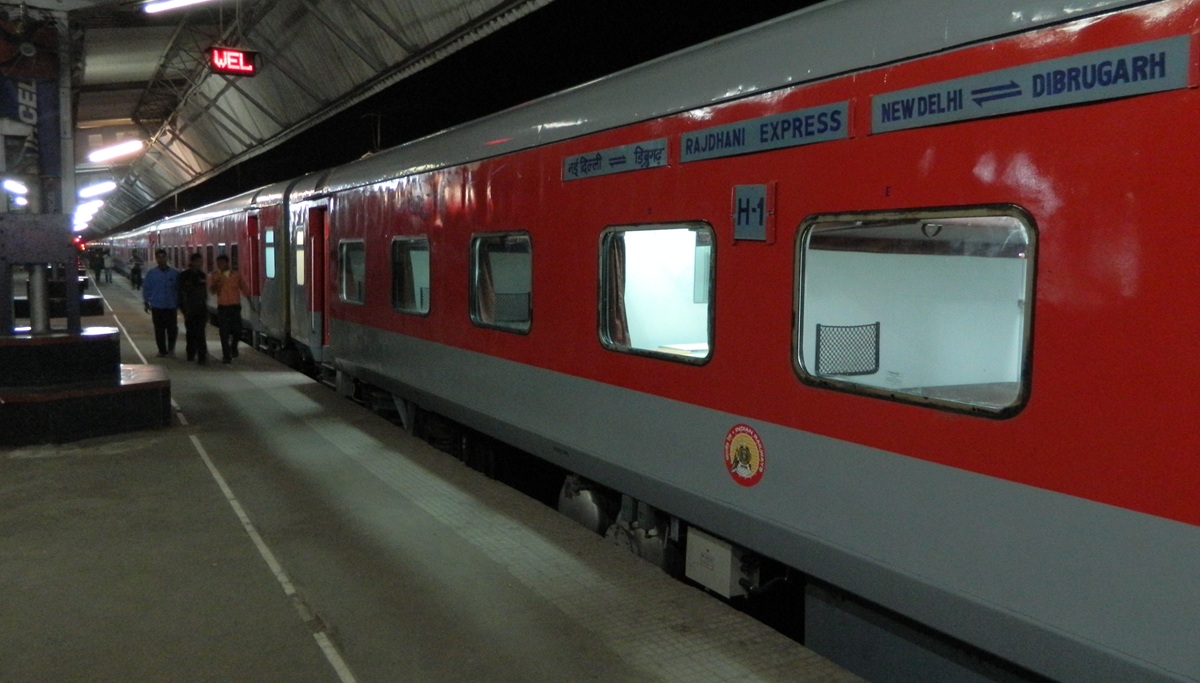
Not all trains are equal.
Better Options
- Premium express trains
- Limited-stop long-distance trains
- Trains with fewer halts
Avoid passenger or slow trains for overnight journeys whenever possible.
Managing Early Morning Arrival
Overnight journeys often end early.
Tips
- Freshen up 30 minutes before arrival
- Keep essentials easily accessible
- Pre-book local transport if possible
Arriving rested makes a huge difference to your first day.
Common Mistakes to Avoid
- Overpacking
- Eating heavy food late
- Ignoring safety basics
- Choosing wrong berth
- Expecting hotel-level comfort
Overnight trains are comfortable, but not luxury hotels.
Mental Comfort: Setting the Right Expectations
Mindset matters.
Accept that:
- Sleep may not be perfect
- Minor disturbances will happen
- Flexibility helps
Travellers who adapt enjoy overnight trains far more than those who resist the experience.
Are Overnight Trains Still Worth It?
For most Indian routes, yes.
They save money, reduce travel fatigue when done right, and allow you to maximise daytime hours. With better coaches, cleaner trains, and improved safety measures, overnight train travel in India is far better today than it was a decade ago.
Final Thoughts
Overnight train journeys in India are a skill. Once you master the basics of sleep, safety, and comfort, they become one of the most efficient and enjoyable ways to travel long distances.
Choose the right class and berth. Pack smart. Stay alert. Eat light. And most importantly, travel with realistic expectations.
Do this, and you will wake up not just at a new destination, but refreshed and ready to explore it.
Frequently Asked Questions
1. Is it safe to travel overnight in trains in India?
Yes, overnight train travel in India is generally safe, especially in AC classes like 2A and 3A. Indian Railways has onboard staff, security personnel, and emergency helplines. Staying alert, keeping valuables close, and choosing reputable trains improves safety significantly.
2. Which train class is best for overnight journeys in India?
AC 2 Tier (2A) is considered the best balance of comfort, privacy, and safety for overnight journeys. AC 3 Tier (3A) is also a good option for budget travellers, while First AC offers maximum privacy at a higher cost.
3. Which berth is best for sleeping on Indian trains?
Upper berths are usually the best for uninterrupted sleep as they have less foot traffic. Side upper berths are also quieter. Middle berths are the least comfortable due to limited headroom and frequent disturbances.
4. How can I sleep better during an overnight train journey?
To sleep better, choose an upper berth, carry earplugs or an eye mask, eat light food, and avoid late-night screen use. A small pillow or shawl also helps improve comfort during the journey.
5. What should I carry for an overnight train journey?
Essential items include a power bank, earplugs, eye mask, toiletries, wet wipes, hand sanitiser, a light blanket, and snacks. Keeping valuables in a small sling bag is also recommended.
6. Is food provided on overnight trains in India?
Yes, most long-distance and premium trains provide meals included in the ticket fare. However, food quality varies by route. Many travellers prefer eating light or carrying their own snacks for comfort.
7. Is Sleeper class suitable for overnight travel?
Sleeper class is affordable but less comfortable for overnight journeys, especially in summer or on long routes. Noise, crowding, and cleanliness can affect sleep quality. AC classes are recommended for better rest.
8. How can I keep my luggage safe while sleeping on a train?
Keep valuables close to you, use small locks or cable locks for bags, and avoid placing important items near aisles. Keeping shoes visible near the berth can also discourage theft.
9. Are overnight train journeys safe for solo women travellers?
Yes, many women travel overnight safely. Choosing AC classes, informing family of travel details, staying alert, and using onboard helplines if needed helps ensure a secure journey.
10. What is the best way to use train toilets at night?
It is best to use toilets before sleeping or early morning. Carry tissues and sanitiser, and avoid peak station stops when toilets are most used. End-coach toilets are often cleaner.
11. How cold does it get in AC coaches at night?
AC coaches can feel cold at night. Carrying a light jacket, shawl, or socks is recommended even during summer months.
12. Are overnight trains better than flights in India?
Overnight trains can be more comfortable than flights for long distances as they allow you to sleep, save hotel costs, and carry more luggage. They are especially practical for city-centre to city-centre travel.
13. What time should I prepare to wake up before arrival?
It’s best to wake up 30–45 minutes before arrival to freshen up, pack belongings, and be ready to deboard without rush.
14. Do premium trains offer better overnight comfort?
Yes, premium express trains usually have cleaner coaches, better punctuality, and fewer stops, making them more comfortable for overnight travel compared to slower trains.
15. Is overnight train travel suitable for elderly passengers?
Yes, with proper planning. Booking lower berths, carrying medicines, and choosing AC classes make overnight train travel comfortable for senior citizens.
Read also:
- How to Verify Aadhaar on IRCTC for Seamless 2025 Bookings? Your Anti-Fraud Setup Guide
- How to Handle Tatkal Booking Chaos on IRCTC? Pro Tips for Last-Minute Seats
- Vande Bharat Sleeper Trains: India’s New Overnight Luxury Travel Option
- Vande Bharat Khajuraho 2025: Faster Train from Varanasi, Timings, fares, route, itinerary and travel tips
- Train Reservation Chart in Indian Railways: A Complete Beginner’s Guide
- Best IRCTC Alternatives to Check Train PNR Status in India (2026 Guide)
- Indian Train Classes Explained: SL, 3AC, 2AC, 1AC, CC & EC
- Monsoon Train Journeys in India That Feel Like a Movie Scene
- Top Scenic Train Journeys in India: A Complete Guide
- Rajdhani vs Shatabdi vs Vande Bharat: Which Train Is Best for Your Journey in India?


