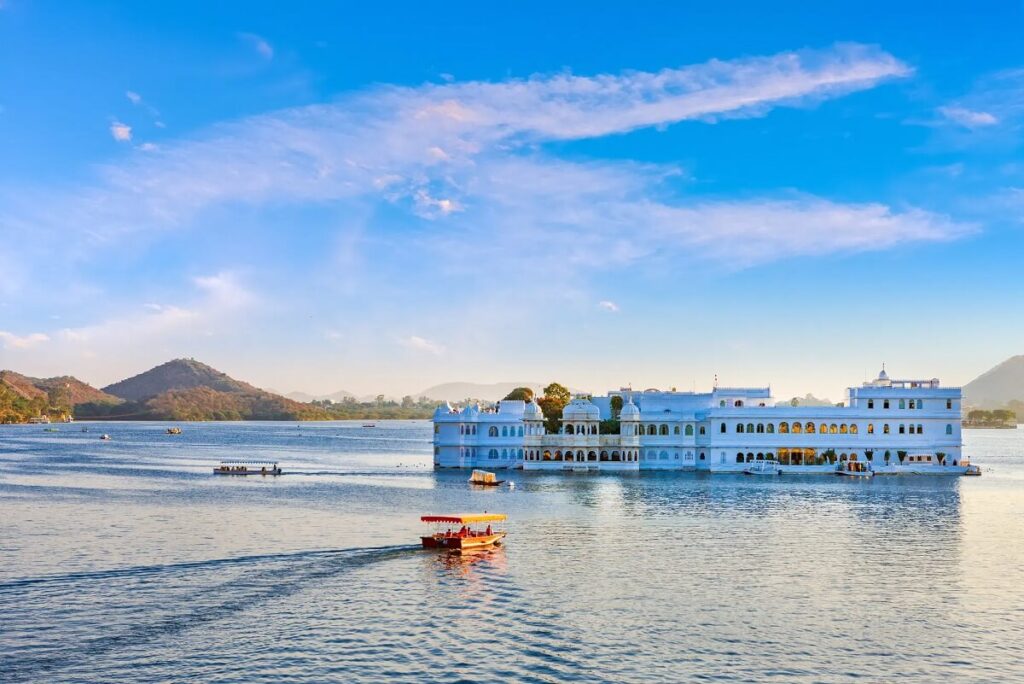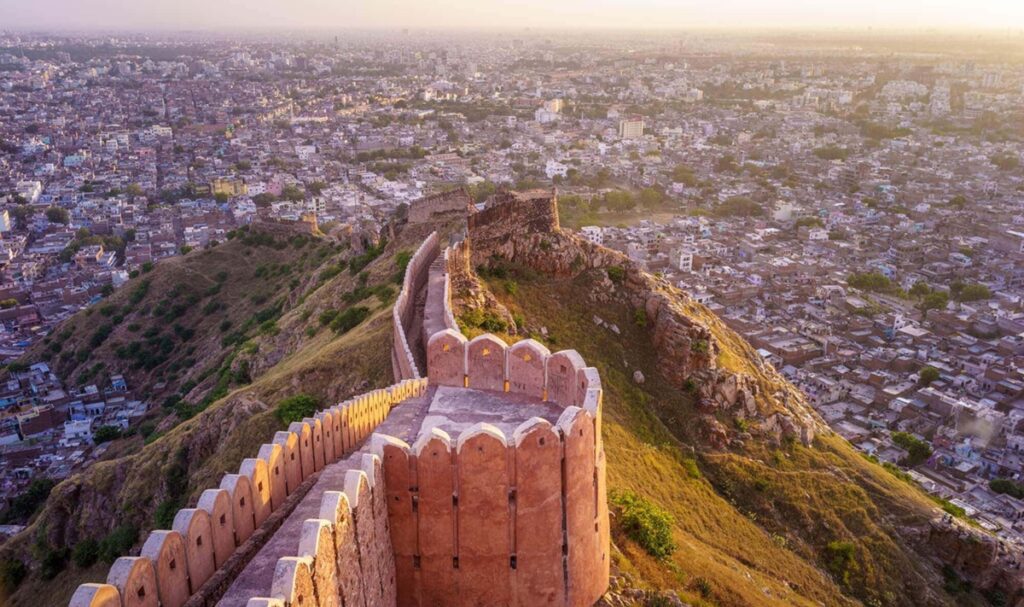
Nahargarh Fort, standing tall on the rocky ridges of the Aravalli Hills, is one of Jaipur’s most iconic landmarks. Built in the 18th century, it completes the trio of forts—Amer, Jaigarh, and Nahargarh—that guarded the Pink City. Unlike Amer Fort’s royal grandeur or Jaigarh’s military strength, Nahargarh became a place of retreat, leisure, and romance for the kings and queens of Jaipur.
Today, Nahargarh is one of the most visited tourist attractions in Jaipur, especially during the evening. It offers stunning sunset views over the city, modern hangout spots like the Stepwell Café, and cultural experiences such as art exhibitions inside its palace halls. From history buffs and photographers to couples looking for a romantic evening, Nahargarh has something for everyone.
The fort’s atmosphere is unique. By day, you can explore its palaces, stepwell, courtyards, and museums; by evening, you can watch the sun dip below Jaipur’s skyline and see the city lights sparkle. Visitors often describe the fort as a mix of heritage, adventure, and leisure, making it stand out from other historical sites in Jaipur.
In this blog, we will explore the fort’s history, architecture, Madhavendra Bhawan, sunset points, the famous stepwell café, entry details, nearby attractions, and travel tips. Each section will give you practical information and cultural insights so you can plan a perfect visit to Nahargarh Fort.
If Jaipur is the Pink City of India, then Nahargarh Fort is its crown jewel at sunset, where past and present come together beautifully.
History of Nahargarh Fort
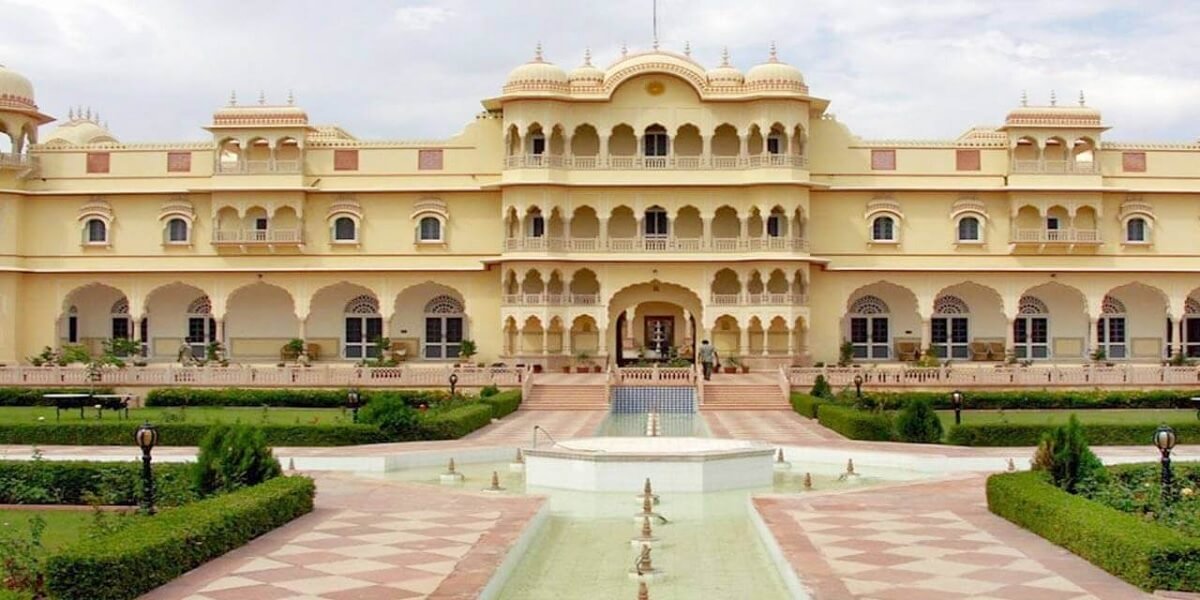
Nahargarh Fort was commissioned in 1734 by Maharaja Sawai Jai Singh II, the visionary founder of Jaipur. The original name of the fort was Sudershangarh, but it was later renamed Nahargarh, meaning “Abode of Tigers.” The reason for this change is rooted in legend. Locals believe that the spirit of a Rajput prince named Nahar Singh Bhomia haunted the construction site. Workers complained of mysterious disturbances until rituals were performed to appease his spirit. To honor him, the fort was renamed Nahargarh.
Strategically located on the Aravalli hills, Nahargarh formed a crucial part of Jaipur’s defense system. Along with Amer Fort to the north and Jaigarh Fort to the east, Nahargarh created a protective shield for the newly built capital. Unlike Amer, which was the residence of the royals, and Jaigarh, which stored weapons, Nahargarh served as a retreat and lookout fort. Its elevated position provided a commanding view of the plains below, making it ideal for spotting enemies from afar.
During the First War of Indian Independence in 1857, Nahargarh Fort sheltered European residents of Jaipur, offering them safety from the unrest. Later, under Maharaja Sawai Madho Singh II in the 19th century, additional structures such as the Madhavendra Bhawan were added, transforming the fort into a palace retreat.
Over time, Nahargarh became associated less with defense and more with leisure. Royals visited the fort for hunting expeditions, private gatherings, and summer retreats. The fort’s romantic aura and natural surroundings made it a favorite escape from city life.
Today, Nahargarh Fort symbolizes both Jaipur’s heritage and its living culture, as it continues to host visitors, artists, and couples seeking inspiration and relaxation.
Unlock More Tips on Continue Exploring Raj Mandir Cinema Jaipur
Architectural Design of Nahargarh Fort
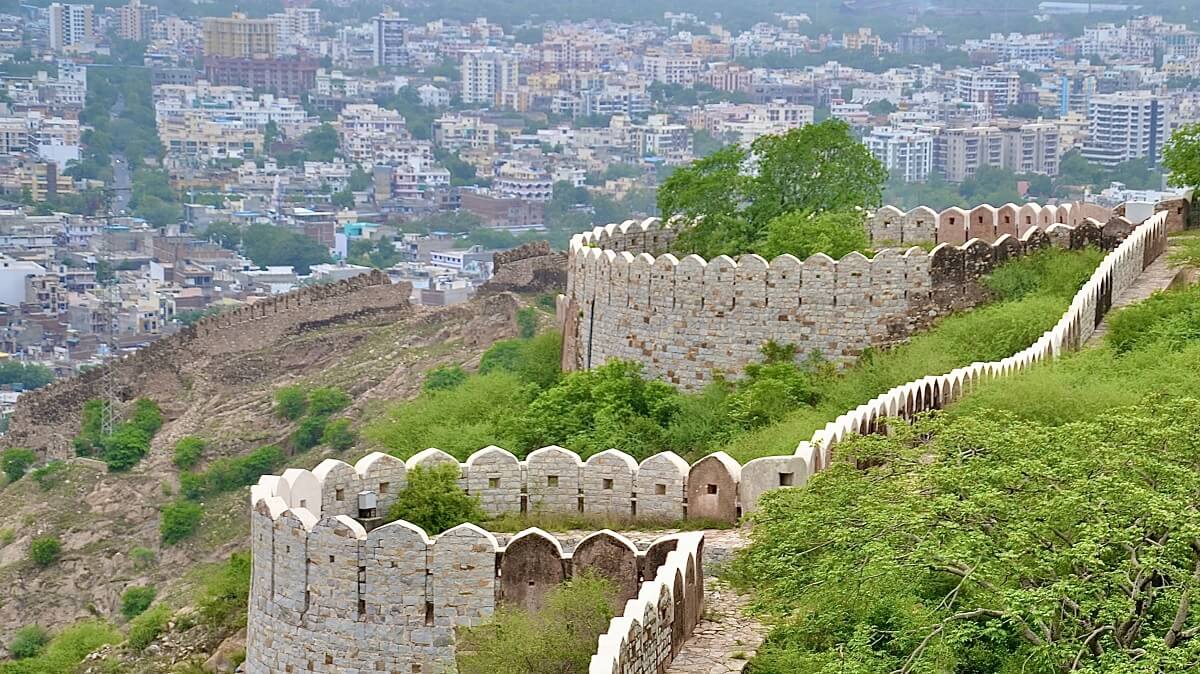
The architecture of Nahargarh Fort is a blend of Rajput defense planning and Mughal-inspired elegance, with later European influences. Built primarily from yellow sandstone and lime mortar, the fort stands in harmony with the rocky terrain of the Aravalli hills. Its walls stretch along the ridge, enclosing bastions, courtyards, palaces, and stepwells.
The fort’s layout includes high walls and watchtowers that once kept Jaipur secure. While not as grand as Amer Fort in terms of scale, Nahargarh was designed to be practical yet graceful. The bastions provided strategic lookout points, while the interiors showcased royal comfort.
The most remarkable architectural addition is the Madhavendra Bhawan, a palace built in the 19th century. Designed for the king and his queens, it displays intricate frescoes, floral patterns, and Indo-European motifs. Each suite includes separate living spaces, kitchens, and bathrooms, connected by long corridors. This reflects the thoughtful planning of Jaipur’s rulers.
One of Nahargarh’s most unique architectural features is its stepwell (baori). Unlike the symmetrical stepwells seen in other parts of Rajasthan, Nahargarh’s baori has an asymmetrical staircase layout, making it a photographer’s delight.
Terraces and rooftop sections of the fort offer wide panoramic views of Jaipur. The open courtyards, arched entrances, and domed pavilions reflect Mughal influences, while decorative frescoes show traces of European style.
Overall, Nahargarh’s architecture represents the fusion of functionality and aesthetics. It was not built to impress visiting dignitaries but rather to serve as a comfortable retreat and a lookout fort. Its simplicity, combined with artistic touches, makes Nahargarh a fascinating site for architecture enthusiasts.
Explore Related Insights For More Information Moti Dungri Ganesh Temple Jaipur
Madhavendra Bhawan – The Royal Palace Inside
At the heart of Nahargarh Fort lies Madhavendra Bhawan, built by Maharaja Sawai Madho Singh II in the late 19th century. This palace is the most ornate part of the fort and showcases the luxurious lifestyle of Jaipur’s royals.
The palace is divided into nine identical suites, each meant for one of the king’s queens. Each suite includes a bedroom, sitting area, kitchen, and bathroom, designed for privacy yet connected by corridors and courtyards. This equal treatment reflected the king’s intent to avoid jealousy among his queens.
The walls and ceilings of Madhavendra Bhawan are decorated with frescoes and murals, blending Indian floral patterns with European artistic styles. The pastel-colored designs, arches, and jharokhas (balconies) create an atmosphere of charm and elegance.
The king’s own suite is slightly larger and more decorated, located at one end of the palace. From here, he could easily visit each queen’s chamber. This design highlights the fort’s role as a retreat for leisure rather than military use.
Today, Madhavendra Bhawan is sometimes used as a venue for art exhibitions, cultural events, and photography sessions. Its symmetrical corridors and painted walls make it a favorite backdrop for films and pre-wedding shoots. Visitors enjoy wandering through its halls, imagining the lives of queens who once lived in such royal surroundings.
Exploring Madhavendra Bhawan gives you a glimpse into Jaipur’s blend of tradition and luxury, where heritage meets art.
Check the Complete Itinerary Details: Jaipur, Udaipur & Chittorgarh Tour – 5 Days Trip
Sunset Views from Nahargarh fort
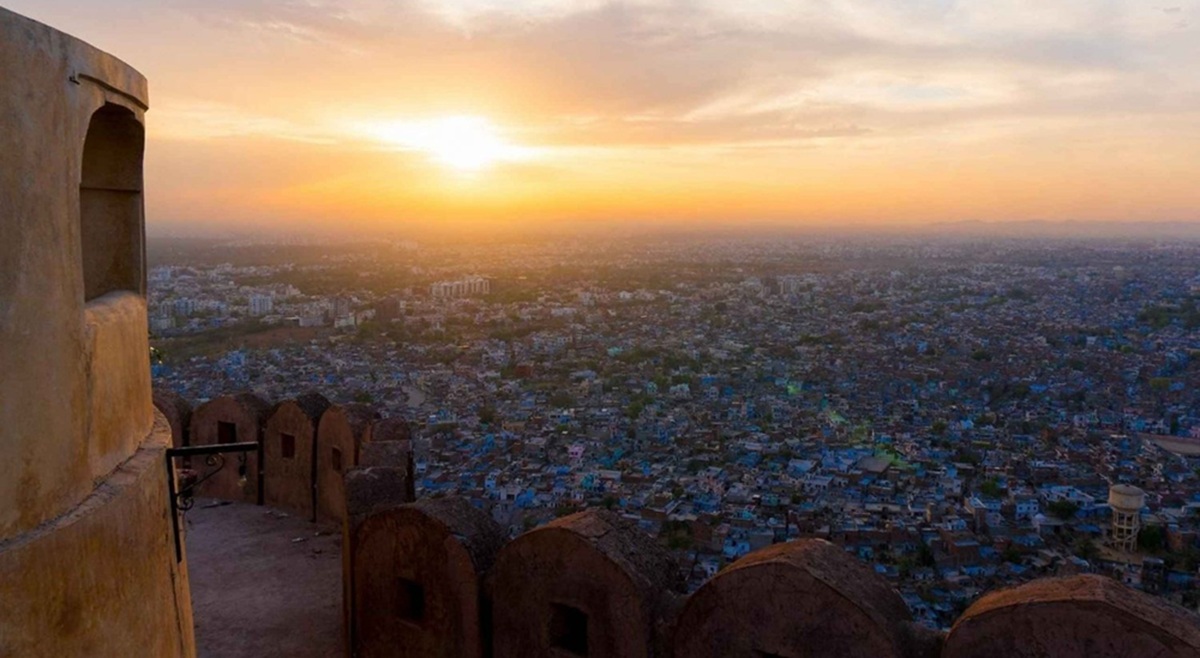
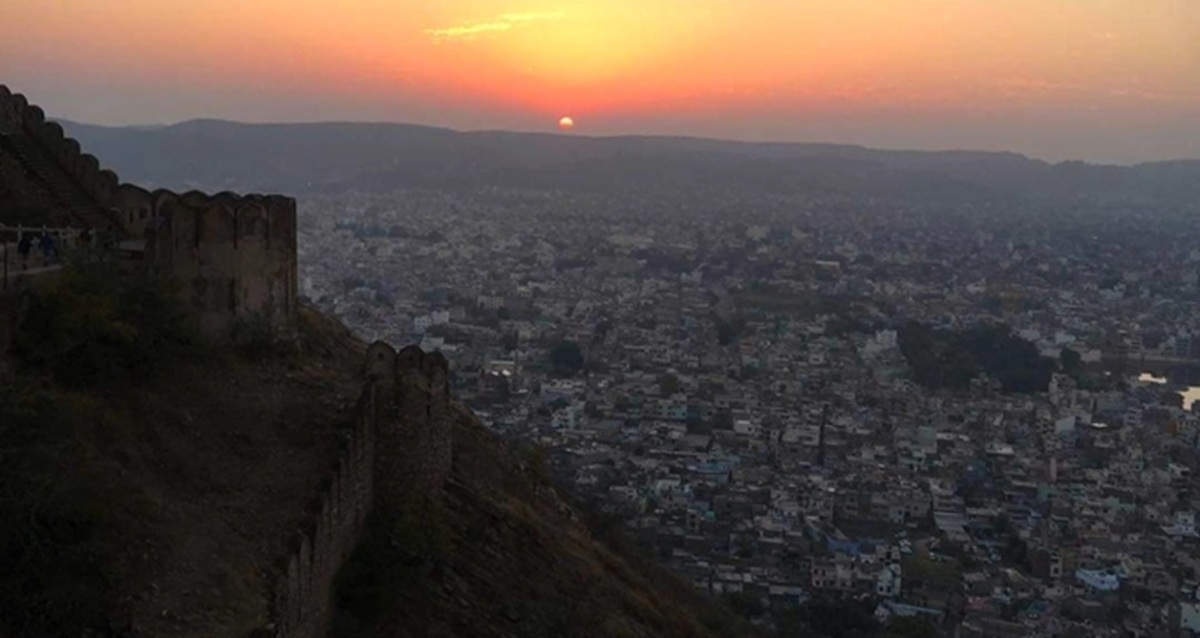
One of the most famous attractions at Nahargarh Fort is its breathtaking sunset view. Standing on the terrace or ramparts, you get an uninterrupted panoramic view of Jaipur city. As the sun sets, the Pink City slowly transforms into a golden and then sparkling jewel of lights.
The atmosphere at sunset is vibrant. Locals, tourists, couples, and photographers gather on the fort’s terrace to witness the evening spectacle. Street musicians sometimes play, and the buzz of chatter creates a lively yet relaxed environment.
For photographers, the golden hour is perfect. Wide-angle shots capture Jaipur’s grid-like layout, palaces, bazaars, and even Jal Mahal glistening in the Man Sagar Lake. After sunset, the view of Jaipur illuminated at night is equally mesmerizing.
To enjoy the best experience:
- Arrive at least 30–45 minutes before sunset to find a comfortable spot.
- Carry a water bottle and light snacks if needed.
- Use a tripod for long-exposure night shots.
- Stay back after sunset to see the city lights sparkle across the horizon.
Nahargarh has become one of the rthy spmost Instagram-woots in Jaipur, attracting young travelers and couples. For many, no trip to Jaipur feels complete without watching a sunset from Nahargarh Fort.
Discover More on This Topic Famous Temples in Jaipur – Top Spiritual Places to Visit
The Stepwell and Stepwell Café
The Stepwell (Baori) at Nahargarh is unlike any other in Rajasthan. Most stepwells, such as Panna Meena ka Kund, follow a symmetrical design. In contrast, Nahargarh’s stepwell features irregular, zigzagging staircases, creating a dramatic visual effect. Historically, it served as a water reservoir for the fort, ensuring supplies during sieges or retreats.
Today, the stepwell is a major photography hotspot. Its rugged geometry, combined with the fort’s backdrop, makes it popular among both professional and amateur photographers.
Beside the stepwell, you’ll find the Stepwell Café, one of Jaipur’s coolest hangout spots. This rooftop café offers panoramic views of the city and serves a mix of Indian and continental snacks, beverages, and light meals. It’s a favorite for young travelers, especially in the evenings.
Highlights of the Stepwell Café:
- Rooftop seating overlooking Jaipur.
- Tea, coffee, pizzas, and light bites.
- Relaxed vibe with occasional live music.
- Perfect for couples and friends to unwind.
Many visitors plan their Nahargarh trip around sunset + Stepwell Café, making it a relaxed and memorable outing. Spending an evening here, sipping coffee while watching the city glow, is an experience that combines heritage and modern leisure.
See the Full Itinerary for Your Trip: 5 Days Jaipur & Ranthambore Safari Itinerary
Other Things to Explore at Nahargarh
Beyond its palace, stepwell, and sunset views, Nahargarh offers several attractions:
- Wax Museum: Located inside the fort, the Nahargarh Wax Museum displays lifelike statues of Indian kings, queens, freedom fighters, and Bollywood stars.
- Sheesh Mahal: A “Mirror Palace” with beautifully decorated glass interiors, showcasing royal luxury. Entry is through a separate ticket.
- Jaipur Sculpture Park: A unique initiative that combines heritage with modern art. Contemporary sculptures are displayed in open courtyards and palace halls.
- Cycling and Trekking: Adventure seekers often ride bicycles or trek up the fort road. The uphill climb offers scenic views and makes for a great workout.
- Night views: Unlike many forts that close at sunset, Nahargarh remains open until 10 PM. This allows visitors to enjoy city-night photography and quiet evening walks.
Together, these experiences make Nahargarh more than a fort—it’s a living cultural space. Whether you’re into history, art, adventure, or leisure, Nahargarh caters to every kind of traveler.
Explore Related Insights Jaipur Monuments – Entry Fees, Timings & Tourist Info
Entry Fee and Timings
Visiting Nahargarh is easy and affordable. Here are the updated details:
- Entry Fee:
- Indians: ₹50 per person
- Foreign Tourists: ₹200 per person
- Students: ₹5 (with valid ID card)
- Wax Museum + Sheesh Mahal Combo Ticket: ₹350–₹500 depending on packages.
- Timings: 10:00 AM to 10:00 PM daily.
- Best Season: October to March, when weather is pleasant. Summers can be harsh, so evenings are preferable.
Evenings are the most popular time, especially from 4 PM onwards, as tourists gather to watch the sunset. Late evening visits are also recommended for those who enjoy night photography or wish to relax at the Stepwell Café.
Explore Day-by-Day Travel Itinerary: 4 Days Jaipur, Ajmer & Pushkar Tour Package
How to Reach Nahargarh Fort
Nahargarh Fort is about 15 kilometers from Jaipur city center. Reaching the fort is part of the adventure, as the road winds uphill through the Aravalli hills.
- By Road: Hire an auto-rickshaw or taxi from the city. Ola and Uber also operate in Jaipur.
- By Bike/Car Rental: Many travelers prefer renting a two-wheeler or self-drive car to enjoy the scenic ride.
- By Trekking/Cycling: Adventure lovers often trek or cycle up the fort road. The route is challenging but offers great views.
- Nearest Metro Station: Chandpole or Sindhi Camp, from where you can take a cab/auto to the fort.
The drive itself is enjoyable, offering glimpses of Jal Mahal and Man Sagar Lake. Sunset drives are particularly beautiful, with the road glowing in the golden light.
Travel Tips for visit Nahargarh Fort
To make the most of your visit, here are some practical tips:
- Visit in the evening for sunset and cooler weather.
- Carry a water bottle and light snacks.
- Wear comfortable shoes as exploring the palace and stepwell requires walking.
- If trekking, start early morning or late afternoon to avoid heat.
- Keep small cash handy for tickets and café purchases.
- Respect the heritage: avoid littering or damaging frescoes.
- Plan 2–3 hours minimum to explore fully, longer if staying for sunset and café.
- Combine your visit with Amer Fort and Jaigarh Fort for a complete Jaipur fort circuit.
See the Full Itinerary for Your Trip: 5 Days Jaipur & Ranthambore Safari Itinerary
Nearby Attractions
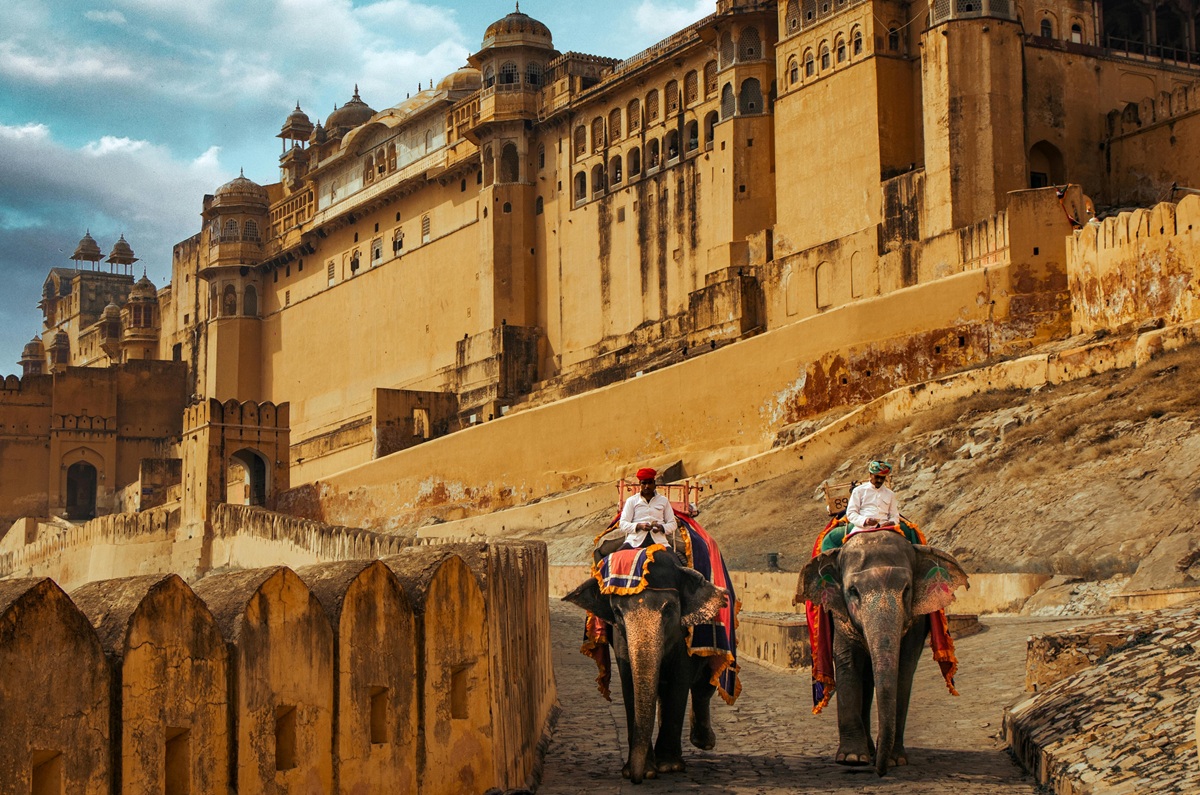
Nahargarh Fort is surrounded by some of Jaipur’s most famous landmarks:
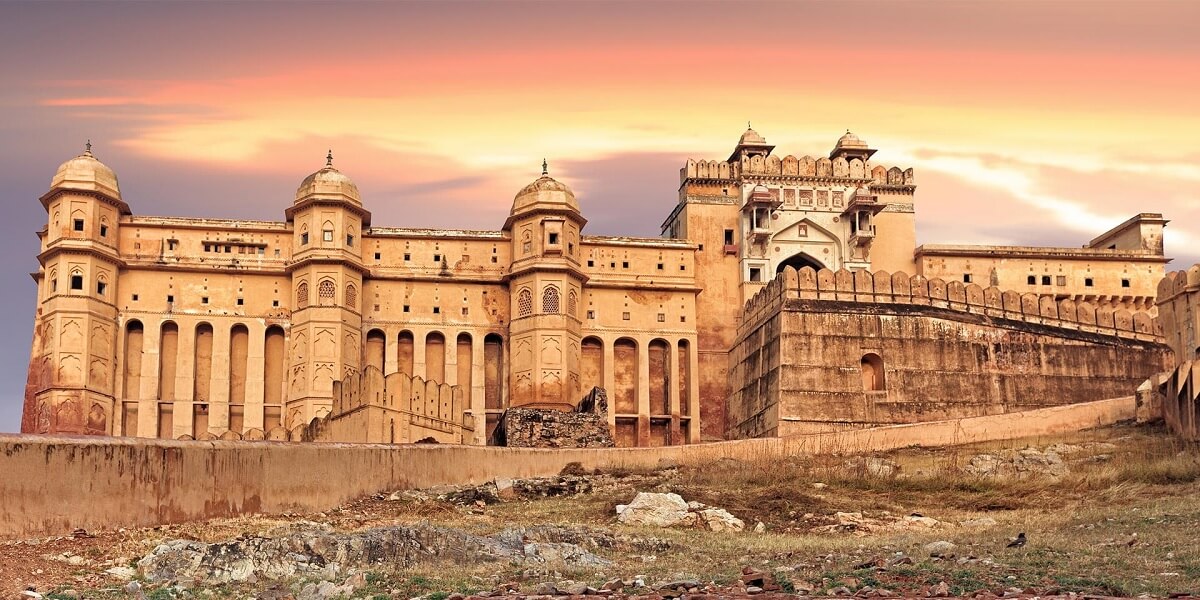
- Amer Fort (Amber Fort): A UNESCO site, known for Sheesh Mahal and elephant rides.
- Jaigarh Fort: Famous for Jaivana, the world’s largest cannon on wheels.
- Jal Mahal: A picturesque “Water Palace” in Man Sagar Lake, best viewed en route to Nahargarh.
- City Palace & Jantar Mantar: Located in the walled city, showcasing Jaipur’s royal legacy.
- Local Cafés: Rooftop cafés near Jal Mahal and Amer Road offer great food and views.
These attractions can be covered in a single day along with Nahargarh, creating a perfect heritage and leisure itinerary.
Conclusion
Nahargarh Fort is more than a military stronghold—it’s a place where history, romance, art, and leisure meet. From the haunted legends of its name to the beauty of Madhavendra Bhawan, from its unique stepwell to the modern Stepwell Café, Nahargarh is a destination that speaks to every traveler.
If you’re visiting Jaipur, make sure to plan an evening at Nahargarh. Watch the sun dip over the Pink City, explore the palace halls, relax with friends at the café, and soak in the heritage that has lived here for nearly 300 years.
A trip to Jaipur feels incomplete without the sunset at Nahargarh Fort—a memory that stays long after you leave the Pink City.
Continue Your Journey for visit Jaipur:
- Discover for Shopping Tripolia Bazaar Jaipur – Famous for Crafts & Bangles
- Must Visit Sisodia Rani Garden Jaipur – Heritage Murals & Travel Guide
- Galtaji Monkey Temple Jaipur – Timings & Visitor Guide
- Birla Mandir Jaipur – Marble Temple & Best Time to Visit
- Patrika Gate Jaipur – Instagram Spot & Visiting Hours
- Chokhi Dhani Jaipur – Cultural Village Shows & Food
- Govind Devji Temple Jaipur – Darshan Timings & Significance
- Jaipur to Ranthambore Travel Guide – Best Routes & Tips
- Best Things to Do in Jaipur with Kids – Family Fun Guide
- Cooking Classes in Jaipur – Learn Authentic Rajasthani Cuisine
- Jaipur Literature Festival 2025 – Venue, Dates & Highlights
- Hawa Mahal Jaipur – History, Entry Fees & Best Photo Spots
- Bapu Bazaar Jaipur – Shopping Guide, Things to Buy & Tips
- Johari Bazaar Jaipur – Jewelry Market, Gold Shops & Timings
- Chokhi Dhani Jaipur – Village Experience & Booking Tips
- Explore Neemrana Fort from Delhi – Start Your Journey Today!
- Experience Jaipur’s Highlights in One Day – Catch the Train from Delhi!