Choosing your first wildlife safari in India is exciting, but it can also feel overwhelming. Two of the country’s most iconic tiger reserves — Kanha National Park and Bandhavgarh National Park — consistently top traveler wish lists. Both promise thrilling tiger sightings and diverse wildlife experiences, yet each has its own personality, landscape, and strengths.
In this guide we compare the two parks in depth across all key criteria: wildlife sightings, landscapes, accessibility, accommodations, best times to visit, safari experiences, local culture, photography potential, conservation value, and traveler profile. By the end, you’ll clearly see which park suits your safari style.
Introduction
India protects more than 50 tiger reserves, but two names stand out: Kanha and Bandhavgarh. For first-time safari goers, these parks offer some of the best chances of spotting the elusive Bengal tiger in the wild. But they are very different places.
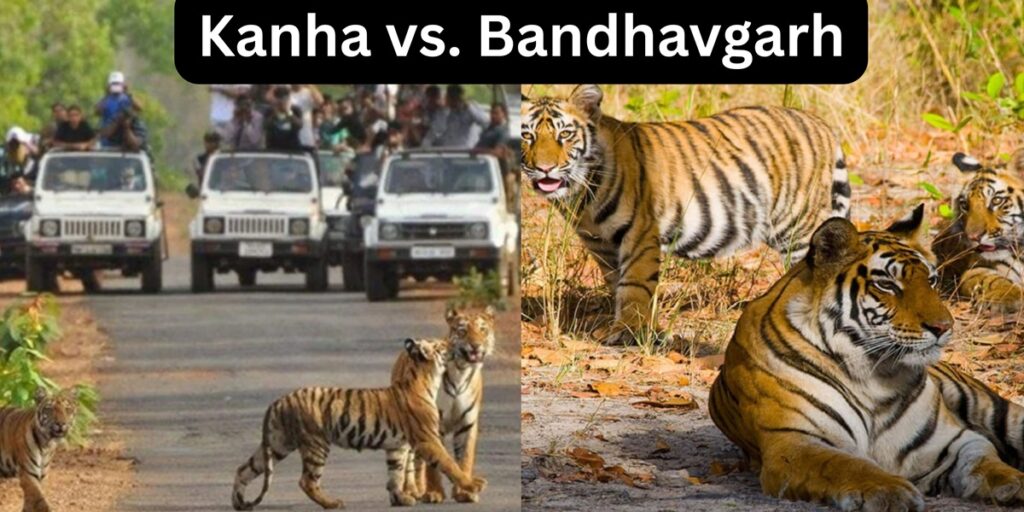
Kanha’s appeal lies in its lush forests, beautiful meadows, endemic barasingha (swamp deer), and a calmer, romantic feel. Bandhavgarh is famous for its high density of tigers, rocky hills, and dramatic fortress ruins overlooking the forest.
Deciding between them depends on what you want from your safari: raw tiger action, deep natural beauty, cultural context, accessibility, or a mix of experiences. 10 Days Best of Madhya Pradesh Tour
Why Visit a Tiger Safari in India
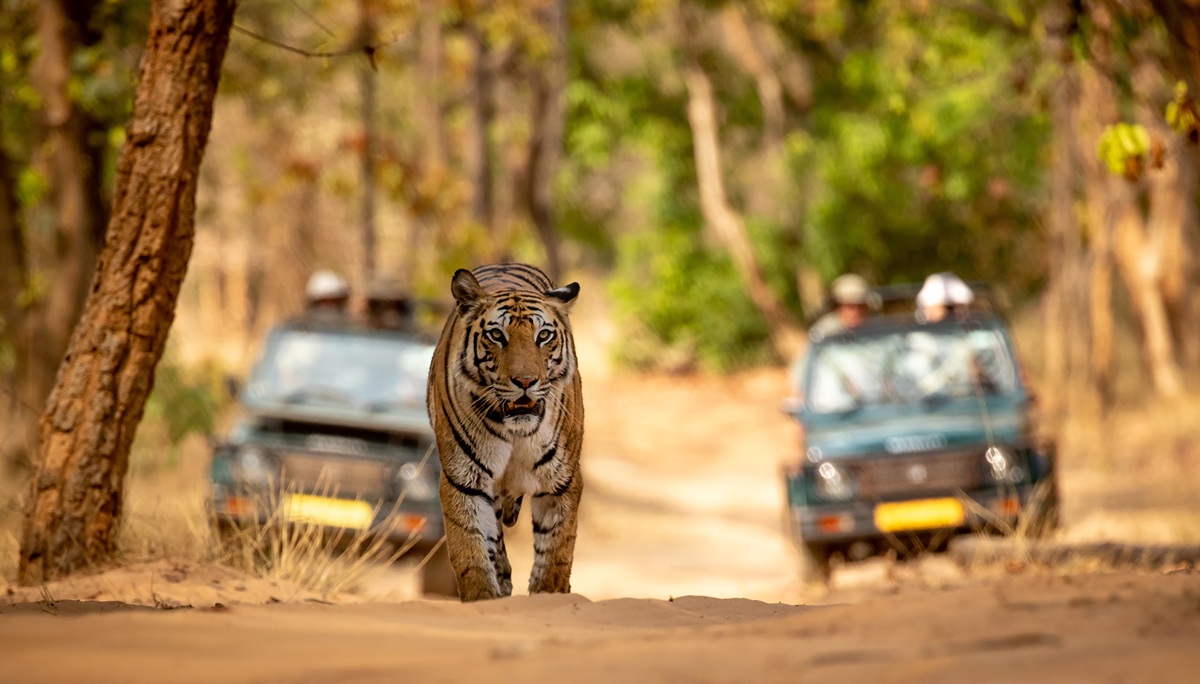
India is home to over 70% of the world’s wild tigers. A safari here isn’t just about ticking a checklist — it’s about witnessing a powerful predator in its native world, observing complex ecosystems, and understanding conservation in action. 8 Days Madhya Pradesh Package
A properly planned safari trip adds value by:
- Increasing your chances of wildlife sightings
- Supporting local communities
- Encouraging responsible tourism
- Letting you experience rural India’s heartland
Whether you’re a photographer, nature lover, or family traveler, Indian tiger reserves have something unforgettable to offer.
Quick Comparison: Kanha vs. Bandhavgarh
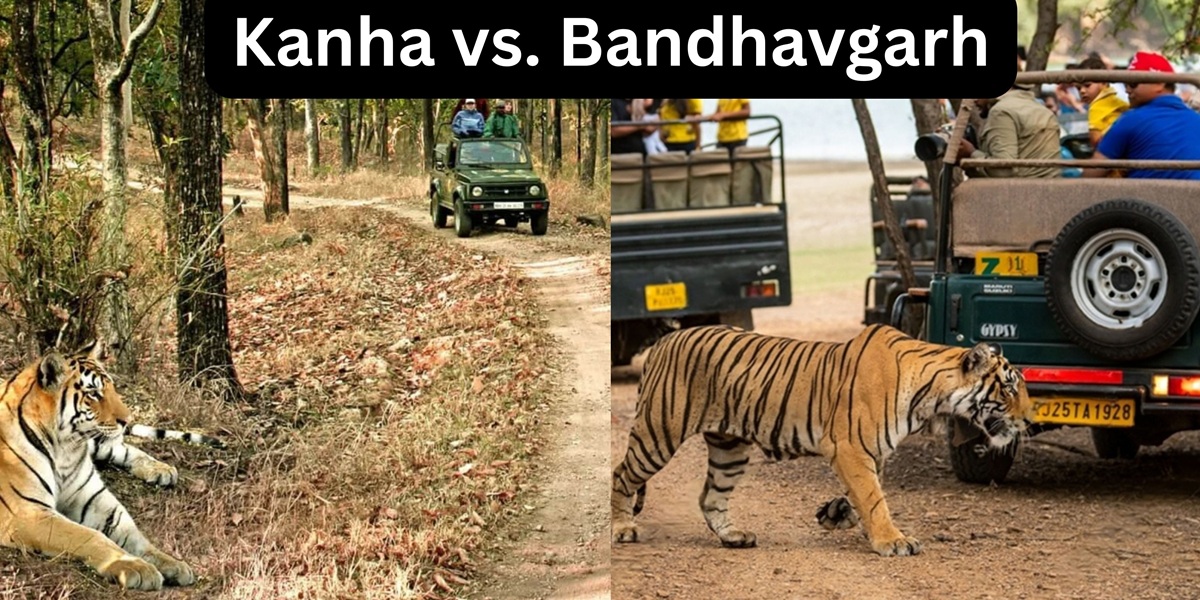
| Feature | Kanha National Park | Bandhavgarh National Park |
|---|---|---|
| Location | Madhya Pradesh | Madhya Pradesh |
| Tiger Density | Moderate to High | Very High |
| Signature Landscape | Meadows and Sal forests | Rocky hills and dense forest |
| Best For | Scenic beauty, endemic barasingha | Tiger sightings, dramatic terrain |
| Accessibility | Good | Excellent |
| Accommodations | Wide range | Wide range |
| Best Months | Nov–Jun | Oct–Jun |
| Ideal For | Nature lovers | Tiger chasers, photographers |
In-Depth Look at Kanha National Park
History and Conservation
Kanha National Park sits in central India’s Satpura hills and was established in 1955. It played a key role in Project Tiger, India’s flagship conservation initiative. Today it covers over 2,000 sq km of protected land and is divided into core and buffer zones.
Kanha’s conservation success is best exemplified by the revival of the barasingha (swamp deer), which was once on the brink of extinction here. The park’s management has also maintained balanced ecosystems that support tigers, leopards, wild dogs, sloth bears, and many herbivores.
Kanha embodies classic Indian wilderness — seasonal grasslands, deep forests, and winding streams. 10 Days Best of Madhya Pradesh Tour
Landscape and Ecosystems
The park’s terrain alternates between:
- Open meadows (called banjaras) — spectacular for sightings and photography
- Sal forests and bamboo groves — dense, green, and atmospheric
- Riverine valleys — the lifelines so animals congregate near water
This variety creates distinct microhabitats and allows animal movements that are less predictable — a plus for adventurers.
Wildlife You Can See
Kanha’s wildlife is diverse. Prime sightings include:
- Bengal tiger
- Barasingha (swamp deer) — a signature species
- Indian leopard
- Wild dog (dhole)
- Indian gaur
- Sloth bear
- Spotted deer and sambar
- Birdlife — woodpeckers, eagles, kingfishers, owls
You’ll often see herbivores grazing at dawn, followed by predators on the hunt — a dynamic experience.
Safari Experience in Kanha
Kanha offers both jeep safaris and canter safaris. Zones like Bamni, Hallon, and Kanha Core are popular.
- Safaris are usually in early morning and late afternoon
- Guides and trackers are skilled and help increase sighting chances
- Movement is quieter, and the forest opens into beautiful grassy breaks — great for photography
Because of the varied terrain, Kanha often feels more like exploring a wilderness than ticking off animal lists.
Accommodation Options
Around Kanha you’ll find:
- Eco-lodges and boutique resorts near buffer zones
- Luxury tents and safari camps with natural themes
- Mid-range resorts with good food and service
- Budget lodges in nearby towns
Many properties offer cultural interactions, nature walks, and village visits. 3 Nights / 4 Days Jabalpur-Bandhavgarh Tour
In-Depth Look at Bandhavgarh National Park
History and Conservation
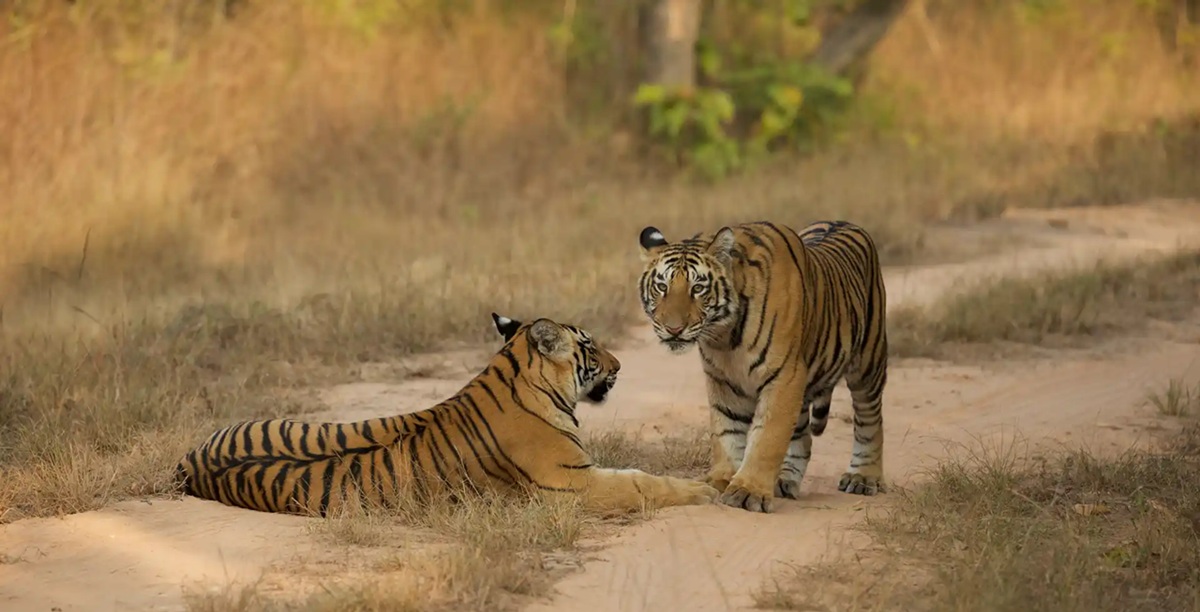
Bandhavgarh National Park is named after the ancient Bandhavgarh Fort, said to be linked with Ramayana legends. It was declared a tiger reserve in 1993. Covering about 1,600 sq km, the park’s core is rugged and rocky, with steep ridges and long forest glades.
Bandhavgarh became famous because of its high tiger density. Sightings here are often frequent, and individual tigers may be well-known across safari seasons.
The park’s management emphasizes habitat protection, anti-poaching patrols, and wildlife monitoring.
Landscape and Ecosystems
Unlike Kanha’s open grasslands, Bandhavgarh is:
- Hilly and rocky, with dramatic ridges
- Dense Sal forests
- Scrubland and riverbeds
The terrain benefits tiger movement and visibility — often from elevated vantage points. The park also has a rich historical backdrop with ancient ruins visible from some trails.
Wildlife You Can See
Bandhavgarh delivers strong sightings across species:
- Bengal tiger — high density
- Indian leopard
- Sloth bear
- Sambhar deer and spotted deer
- Wild boar
- Birdlife — peafowl, woodpeckers, hornbills
Tiger encounters can be remarkable here. Guides track based on known territories and recent movement patterns.
Safari Experience in Bandhavgarh
Bandhavgarh also offers jeep and canter safaris in zones like:
- Magadhi
- Kumki
- Bamera
- Baherakh
Highlights include:
- Frequent tiger sightings, sometimes multiple in a single safari
- Dramatic landscape photos with rocky ridges
- Easy movement between zones
The intensity and probability of big cat sightings here are a major draw for photographers. check India’s Popular Wildlife Sanctuaries and National Parks to Visit in December.
Accommodation Options
Around Bandhavgarh you’ll find:
- Luxury forest lodges with pools and spas
- Premium safari camps with themed decor
- Mid-range resorts near gate zones
- Budget guesthouses in nearby towns
Many lodges add cultural experiences like tribal dances, local cuisine, and nature walks.
6. Detailed Comparison
This section helps you judge each park against specific traveler priorities.
Tiger Sightings
Bandhavgarh generally offers a higher probability of tiger sightings due to the high density and concentrated core area. First-time travelers who want to maximize tiger sightings often lean here.
Kanha also offers excellent sightings, but wildlife movement is wider and more spread out. The experience feels more like real wilderness exploration.
Best for tiger sightings: Bandhavgarh
Other Wildlife
If you want to see a broader variety of species in picturesque settings, Kanha’s mix of grasslands and forests offers strong chances to see barasingha, wild dogs, and more varied birdlife.
Best for diverse wildlife and scenic views: Kanha
Accessibility and Travel
Both parks are in Madhya Pradesh, central India’s wildlife heartland. Bandhavgarh is usually a bit easier to access (especially from major train hubs like Umaria) and closer to some airports.
Kanha is well connected too, but often requires more transfer time.
Best for easiest travel: Bandhavgarh
Best Time to Visit
For both parks the dry winter season (Late October to June) is prime:
- Grass is low, water is concentrated → animals gather near water
- Clear skies and stable weather
Monsoon closes parks for regeneration and safety.
Peak months: November to March
Photography Opportunities
- Bandhavgarh offers dramatic backgrounds for big cats — stone outcrops and ridges make iconic frames.
- Kanha has sweeping grasslands, light play at dawn, and varied compositions across habitats.
Photographers prioritizing big cat drama may prefer Bandhavgarh; those seeking storytelling landscapes may prefer Kanha.
Solo vs. Group Travel
Both parks are good for solo travelers with guides. Bandhavgarh’s higher sighting rates help solo travelers feel rewarded. Kanha’s quieter trails suit introspective travelers.
Kid-Friendly
Both parks are kid-friendly, but curfews and safari discipline matter. Kanha’s wider open spaces make it easier for families wanting a less intense wildlife chase. Bandhavgarh’s structured sightings can be thrilling for kids who love animals.
Luxury vs. Budget
Both destinations have options across budgets. Luxury stays here and there, but Kanha tends to have more eco-lodge experiences while Bandhavgarh has more luxury resort choices close to safari gates.
Sample Itineraries
Here are two practical travel plans.
3-Day First-Time Safari Plan
Day 1: Arrive, check in, evening introduction walk
Day 2: Early safari + nature walk, afternoon safari
Day 3: Morning safari, depart
This works well in either park and gives three safari chances.
5-Day Immersive Wildlife Experience
Day 1: Arrival and village cultural visit
Day 2: Morning and afternoon safaris
Day 3: Optional birding or nature walk + afternoon safari
Day 4: Longer forest experience + photography session
Day 5: Final safari + departure
How to Book a Safari in India
Safaris should be booked through the official government system or trusted tour operators. Essentials include:
- Choosing date, zone, and vehicle type
- Paying fees in advance (quota systems fill up fast)
- Carrying ID and confirmations
- Arriving early at entry points
Experienced operators handle permits and preferences for you.
Packing List and Safari Tips
Packing List
- Neutral clothing (earth tones)
- Hat and sunglasses
- Binoculars
- Camera with telephoto lens
- Sunscreen and insect repellent
- Water bottle
- Light jacket for mornings
Safari Tips
- Be patient and quiet
- Follow guide instructions
- Avoid strong fragrances
- Keep camera ready
Final Recommendation – Who Should Choose Which?
Choose Kanha if you want:
- A varied wildlife experience beyond tigers
- Scenic landscapes and grasslands
- Eco-lodge style stays and cultural depth
- A slightly quieter safari feel
Choose Bandhavgarh if you want:
- The highest chance of tiger sightings
- Dramatic terrain with photographic backdrops
- Shorter travel time from major hubs
Both parks are outstanding. If your priority is tiger sightings and drama, go with Bandhavgarh. If you want diversity of wildlife and scenic wilderness, choose Kanha.
FAQs
Q: Which park is better for beginners?
A: Bandhavgarh often gives quicker rewards, but Kanha offers a fuller wilderness immersion.
Q: Can I see animals other than tigers?
A: Yes. Both parks have leopards, deer, bears, wild dogs, and rich birdlife.
Q: When should I book safaris?
A: As early as possible, especially in peak season (Nov–Mar).
Q: Are English-speaking guides available?
A: Yes, both parks have English-fluent guides.
Q: What is the ideal trip length?
A: 3 to 5 days gives a strong balance of sighting chances and relaxation.
Related Travel Blogs You’ll Enjoy:
- Plan Your Bandhavgarh Safari in December
- Compare Kaziranga vs Ranthambore December Safaris
- Find the Best Routes to Reach Kanha National Park
- Explore National Parks Open in December
- Discover Madhya Pradesh Attractions in April
- Plan Your Jim Corbett Safari Trip in May
- See the Best Wildlife Parks to Visit in December
- Explore Less Crowded Destinations in October