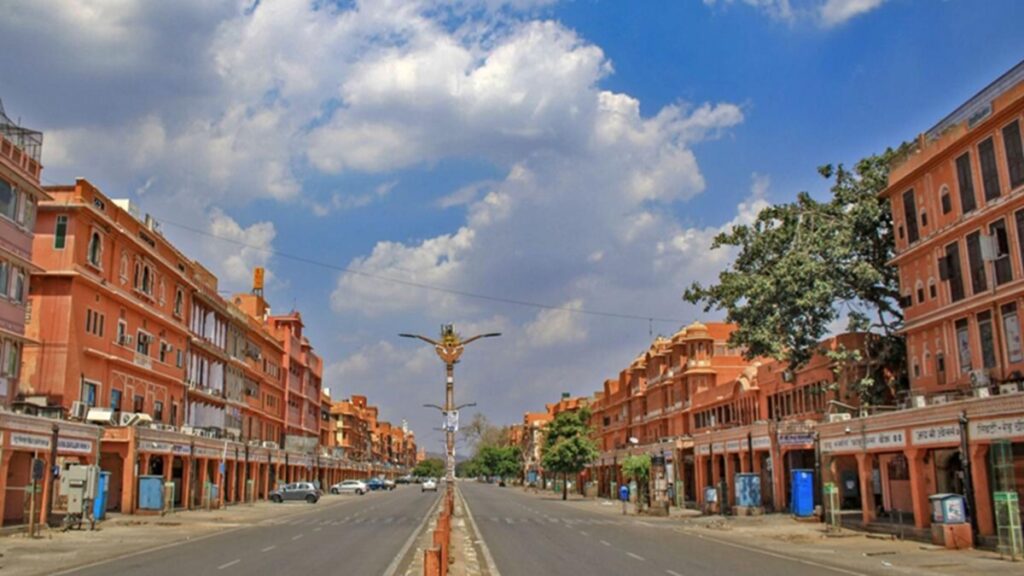
Jaipur, the Pink City, is world-famous for its palaces, forts, and colorful bazaars. Among these, Johari Bazaar shines the brightest—literally. Known as the “jewelers’ market,” this is where Jaipur’s legendary craftsmanship in gold, silver, diamonds, and gemstones comes alive. Located in the heart of the old walled city, Johari Bazaar is not just a shopping street but also a cultural landmark that has been at the center of Jaipur’s jewelry trade for centuries.
The name “Johari” comes from the Hindi word johari, meaning jeweler. For generations, Jaipur has been home to skilled artisans who specialized in gemstone cutting, polishing, and setting. Even today, Jaipur is one of the largest centers for gemstone trade in the world. Walking through Johari Bazaar, you’ll see rows of jewelry shops sparkling with traditional kundan, meenakari, jadau, and polki jewelry, alongside modern designs.
But Johari Bazaar is not just about jewelry. The market also sells sarees, lehengas, textiles, silverware, and handicrafts. Its pink-painted arches, bustling atmosphere, and traditional storefronts make it one of the most photogenic shopping streets in Jaipur.
In this guide, we’ll explore the history of Johari Bazaar, types of jewelry available, buying tips for gold and gems, famous shops, opening hours, festivals, and nearby attractions. Whether you are a serious buyer, a window shopper, or a traveler who loves to soak in local culture, Johari Bazaar promises an experience that blends heritage, artistry, and shopping excitement.
History and Significance of Johari Bazaar
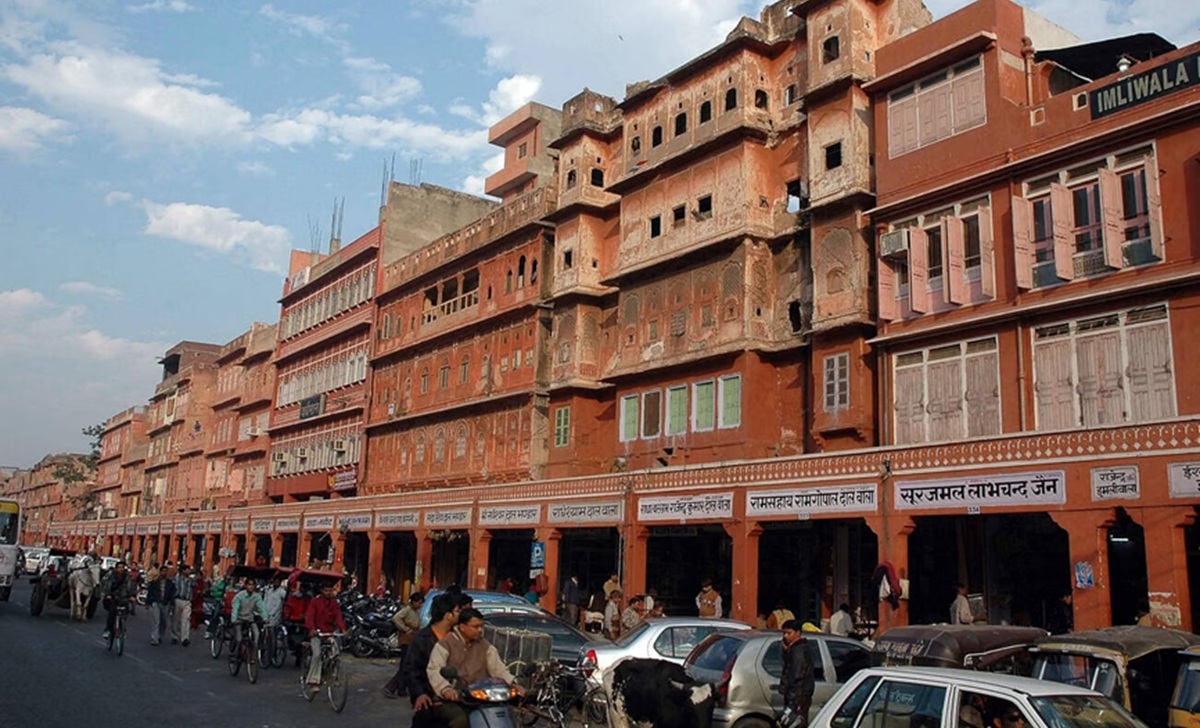
Johari Bazaar’s history dates back to the founding of Jaipur in 1727 by Maharaja Sawai Jai Singh II. As part of his city planning, markets were divided according to trade—Johari Bazaar was designated for jewelers and gemstone merchants. The king invited skilled craftsmen from across India to settle here, particularly those specializing in kundan and meenakari work, ensuring Jaipur became a hub of jewelry artistry.
Over the centuries, Johari Bazaar grew into one of India’s most important jewelry markets. The tradition of jadau jewelry—where gemstones are embedded in gold without prongs—flourished here, as did intricate meenakari (enamel work). The bazaar’s artisans supplied jewelry not only to Jaipur’s royals but also to Mughal emperors and later, to international buyers.
Today, Johari Bazaar retains its importance. Jaipur is known as the “Gemstone Capital of the World,” and much of that reputation is tied to this market. Visitors from around the globe come to Johari Bazaar to buy gems, gold, and traditional ornaments. Beyond commerce, the bazaar is also culturally significant—marriages in Jaipur often involve shopping trips here, as families buy bridal jewelry and wedding outfits.
Walking through Johari Bazaar, you are stepping into a living museum of Jaipur’s craft heritage, where centuries-old traditions continue to shine brightly.
Explore Also: Top 5 Temples in Jaipur for a Spiritual Visit
Top 10 Jewelry Items to Buy in Johari Bazaar Jaipur
Kundan Jewelry
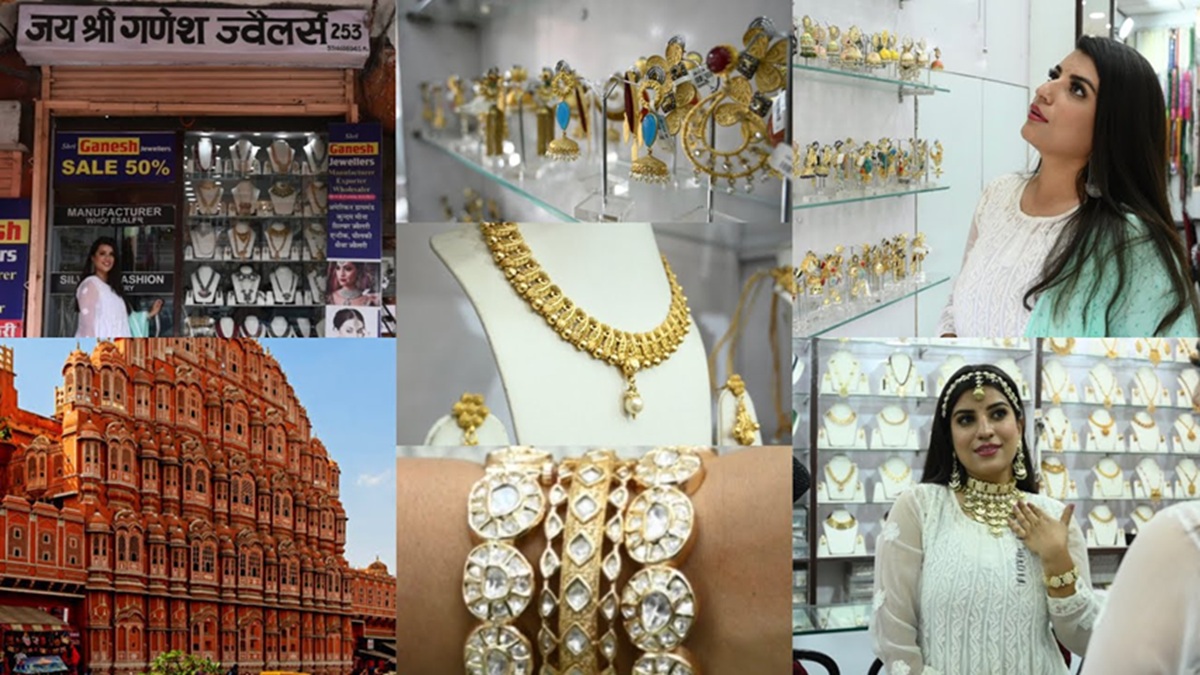
Kundan jewelry is the pride of Jaipur, and Johari Bazaar is its most trusted marketplace. This style involves setting gemstones into pure gold using a lac and foil technique, creating intricate patterns with a regal feel. Kundan necklaces, chokers, and earrings are often adorned with pearls and precious stones, making them a favorite for brides.
Prices vary widely depending on craftsmanship and materials used, but you’ll find everything from heavy bridal sets to lighter everyday pieces. Always check for authenticity certificates when buying Kundan, as genuine pieces are crafted by skilled artisans and hold long-lasting value.
Johari Bazaar’s long history with Kundan jewelry means you’re buying not just ornaments but a legacy.
Check out: Jaipur to Bikaner Tour – 3 Nights 4 Days Package
Polki Jewelry
Polki jewelry uses uncut natural diamonds, giving it a rustic and raw charm. Unlike polished diamonds, polki retains its natural shine, which makes it especially attractive for traditional Rajasthani bridal wear.
Johari Bazaar is famous for polki sets that include necklaces, earrings, maang tikkas, and bangles. The appeal lies in their earthy yet luxurious look, combining gold with raw diamonds in elaborate designs.
Prices are higher than regular jewelry due to the value of uncut diamonds, but the market has options for various budgets. Polki jewelry is a perfect choice if you want something traditional, glamorous, and deeply connected to Rajasthan’s royal heritage.
Meenakari Jewelry
Jaipur is globally recognized for its Meenakari work—enameling gold or silver with bright colors like red, green, and blue. Johari Bazaar houses many shops specializing in meenakari bangles, necklaces, and rings.
This art form was introduced to Jaipur by Mughal artisans and has thrived here for centuries. Designs range from heavy bridal ornaments to lightweight daily-wear pieces. The enamel not only adds color but also protects the jewelry, making it durable.
For tourists, meenakari jewelry is attractive because it’s vibrant, authentic, and unique to Jaipur. Even small meenakari earrings or pendants make affordable souvenirs.
Jadau Jewelry
Jadau jewelry is a labor-intensive style where artisans embed uncut diamonds, pearls, and precious stones directly into gold without prongs or modern tools. The result is a heavy, ornate look, often seen in Mughal and Rajasthani royal portraits.
Johari Bazaar is the best place to buy authentic jadau pieces, which are usually sold in high-end stores. While prices are significant, the craftsmanship and heritage value justify the investment.
Collectors and brides often choose jadau as heirloom pieces, passing them down through generations. If you want jewelry with history and prestige, jadau is unmatched.
Read: Rajasthan in September – Best Things to Do & Events
Gemstone Jewelry
Known as the Gemstone Capital of India, Jaipur supplies gems worldwide. Johari Bazaar is lined with shops selling rubies, sapphires, emeralds, amethysts, and more.
Here you can buy loose stones, set pieces, or custom-designed jewelry. Prices depend on size, cut, and clarity, but Jaipur offers better rates than many global markets. Always ask for certification to ensure authenticity.
Gemstone jewelry makes for versatile purchases—you can buy a single stone as a keepsake or invest in full necklaces and rings. Johari Bazaar’s variety makes it ideal for both serious collectors and casual buyers.
Read: 17 Famous Temples in Rajasthan You Must Visit
Bridal Jewelry Sets
For weddings, Johari Bazaar is a one-stop destination. Full bridal sets usually include necklaces, chokers, bangles, earrings, nose rings, and maang tikkas. Styles vary from kundan and polki to meenakari and gemstone-studded designs.
Local families often shop here weeks before a wedding, and international visitors also come to order custom bridal sets. Prices range widely, but the craftsmanship ensures long-lasting beauty.
Even if you’re not a bride, browsing bridal sets in Johari Bazaar offers a glimpse into Rajasthan’s wedding traditions and jewelry artistry at its finest.
Silver Ornaments
While gold dominates Johari Bazaar, silver jewelry is equally popular. Shops sell anklets, toe rings, bangles, earrings, and pendants at affordable prices. Oxidized silver jewelry, with its rustic look, is especially trendy among younger shoppers.
Silver items are lighter, budget-friendly, and easier to carry, making them perfect souvenirs. Some shops also sell silver idols and utensils, adding variety for those seeking traditional household items.
With hundreds of small shops specializing in silver, Johari Bazaar offers some of the best value and variety in Rajasthan.
Bangles and Accessories
Bangles are a big part of Indian tradition, and Johari Bazaar has entire lanes dedicated to them. From gold and silver bangles to meenakari and lac varieties, the choice is endless. Bridal bangle sets are often elaborate, combining different materials and colors.
Apart from bangles, the market also stocks accessories like maang tikkas, anklets, and hair ornaments. Prices vary from ₹100 for simple bangles to thousands for precious metal sets.
These items are not just fashion—they are cultural symbols, making them meaningful souvenirs for travelers.
Read Also: Rajasthan in August – Monsoon Destinations & Travel Tips
Modern and Fusion Jewelry
Johari Bazaar isn’t limited to tradition. Many shops now offer fusion jewelry that blends classic Rajasthani motifs with modern designs. Lightweight gold pendants, diamond rings, and minimalist gemstone bracelets appeal to younger buyers who want tradition with a contemporary twist.
This section of the market reflects Jaipur’s adaptability—preserving heritage while embracing modern trends. For international visitors, fusion jewelry offers versatile pieces that can be worn daily, unlike heavy bridal ornaments.
Imitation and Costume Jewelry
Not every visitor comes to Johari Bazaar to buy gold. Many tourists prefer imitation jewelry—affordable pieces that look like the real thing. These include kundan-style necklaces, meenakari earrings, and glass bangles.
Imitation jewelry is lightweight, inexpensive, and makes excellent gifts. Prices start at just ₹50–₹100, making it accessible for everyone.
Browsing imitation jewelry stalls is also a fun experience, as the designs are colorful and creative. For those on a budget, this is the easiest way to take home a slice of Jaipur’s jewelry tradition.
Apart from jewelry, shops also sell ornate boxes, idols, and decorative items made from silver and gold.
Every piece sold in Johari Bazaar reflects Jaipur’s centuries-old tradition of jewelry making. Whether you buy a heavy bridal necklace or a simple silver anklet, you are carrying home a piece of history.
Check out: Jaipur, Udaipur & Chittorgarh – 5 Days Rajasthan Tour
Buying Gold and Gemstones
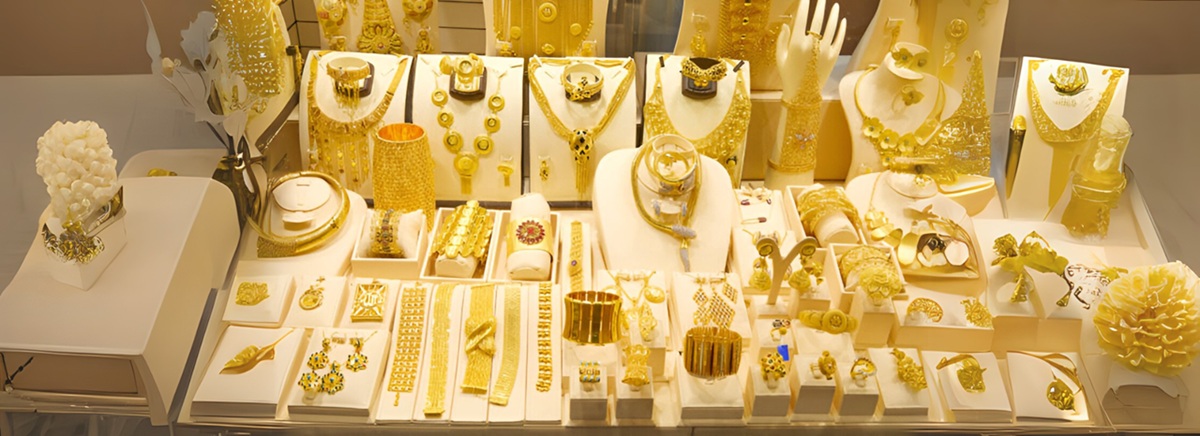
Buying jewelry in Johari Bazaar can be exciting but also overwhelming, especially for first-time visitors. Here are key things to know:
- Hallmarking: Always check for BIS (Bureau of Indian Standards) hallmark certification on gold jewelry. This guarantees purity.
- Gemstone Certificates: Precious gems like rubies, sapphires, and emeralds should come with authenticity certificates. Jaipur has many gem labs that issue reliable reports.
- Price Transparency: Gold prices are fixed daily according to international markets, but making charges vary. Always ask for the breakdown.
- Bargaining: While fixed-price jewelry stores exist, in smaller shops, bargaining is possible on making charges and gemstone prices.
- Trusted Shops: Opt for reputed showrooms or government-approved stores if making a high-value purchase.
Tourists often come to Johari Bazaar to buy gemstones, as Jaipur offers them at competitive rates compared to international markets. However, it’s important to buy from certified shops to avoid imitations.
Even if you’re not planning a big purchase, browsing the glittering displays is an experience in itself. The sparkle of gold and gems under the bazaar’s arches is something you won’t forget.
Check out: Jaipur with Ranthambore Safari – 5 Days Itinerary
Famous Shops in Johari Bazaar
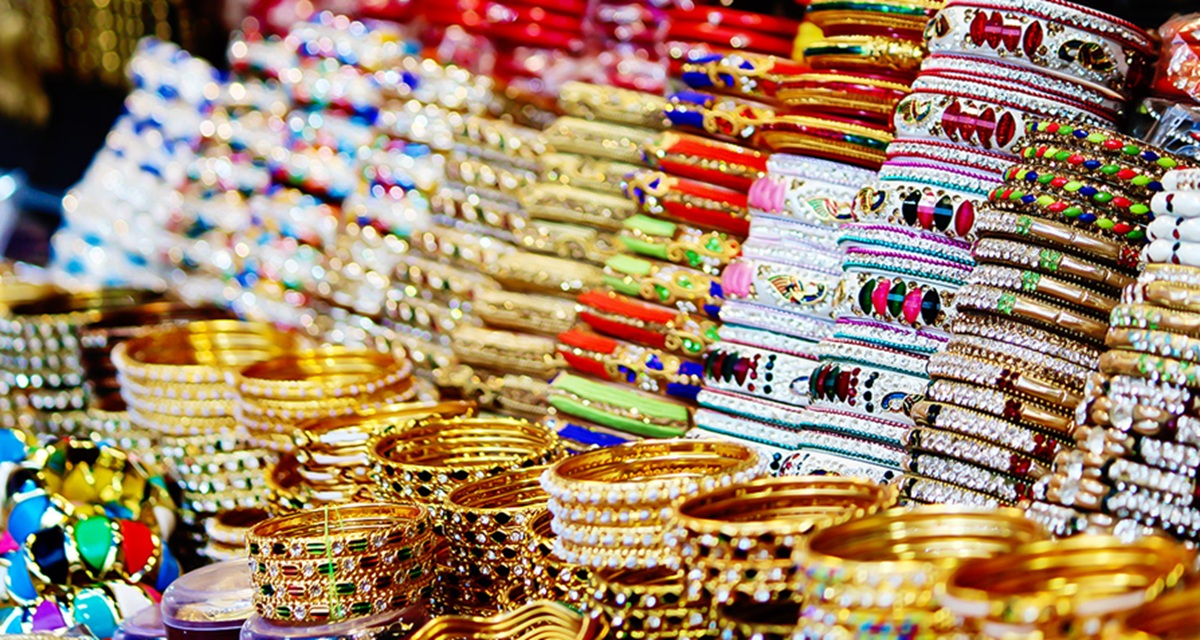
Johari Bazaar has hundreds of jewelry shops, ranging from small family-run outlets to large showrooms. Some of the most famous include:
- Kohinoor Jewelers: Renowned for traditional kundan and meenakari work.
- Birdhichand Ghanshyamdas Jewellers: A luxury showroom offering high-end designs.
- Gem Palace: Known worldwide for gemstone jewelry and antique collections.
- Raniwala 1881: Famous for polki and bridal jewelry.
- National Handloom Emporium: Though not a jeweler, it sells silver trinkets, textiles, and souvenirs.
These shops are trusted by both locals and international buyers. Some even export jewelry worldwide. Smaller shops also line the lanes, offering affordable silver ornaments and imitation jewelry for budget-conscious travelers.
The mix of heritage jewelers and street-side vendors ensures Johari Bazaar caters to all budgets. Whether you’re spending a few hundred rupees or lakhs, you’ll find something special here.
Sarees, Textiles, and Beyond
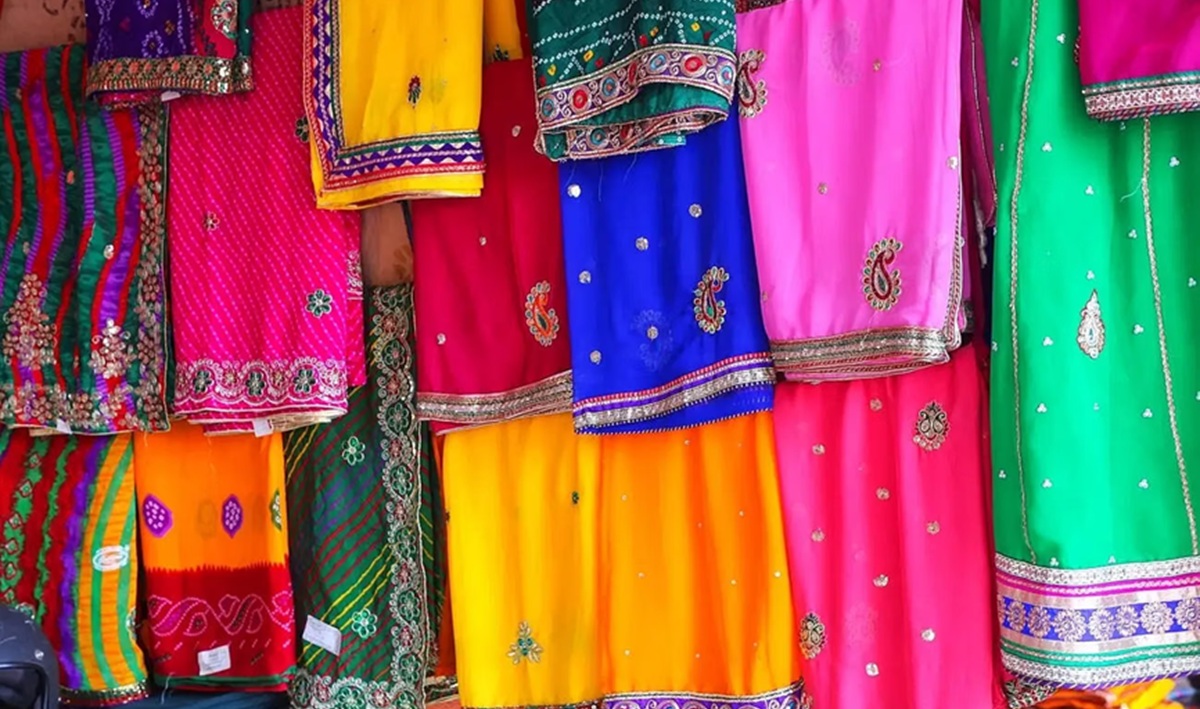
While jewelry dominates Johari Bazaar, the market is also famous for sarees, lehengas, and textiles. Shops here sell bandhej, leheriya, and block-printed fabrics, alongside heavy bridal wear. Many families in Jaipur shop at Johari Bazaar for weddings, purchasing both jewelry and outfits in one trip.
The bazaar is particularly known for Jaipuri sarees in cotton and silk, decorated with zari borders. Prices range from budget-friendly to premium, depending on material and craftsmanship. Bridal lehengas in vibrant colors and intricate embroidery are also available.
This mix of jewelry and textiles makes Johari Bazaar a one-stop wedding shopping destination, popular with locals and tourists alike.
Check out: Explore Jaipur, Ajmer & Pushkar – 4 Days Tour
Atmosphere and Shopping Experience
Shopping in Johari Bazaar is as much about the experience as it is about the purchases. The bazaar is laid out in Jaipur’s iconic grid system, with wide streets lined by arched pink buildings. Shops sparkle with displays, while street hawkers sell bangles, trinkets, and snacks outside.
The bazaar is busiest in the evenings, when both locals and tourists flock here. The air is filled with the glitter of jewelry, the chatter of bargaining, and the aroma of street food like kachoris and samosas. The lively energy makes Johari Bazaar a sensory delight.
Even if you don’t buy anything, a walk through the market offers a glimpse into Jaipur’s heritage and artistry. It’s one of the few places where you can experience living traditions of jewelry making, passed down through families for generations.
Timings and Best Time to Visit
Johari Bazaar is open every day from 10:00 AM to 11:00 PM. Mornings are quieter and ideal for serious buyers, while evenings are more vibrant for browsing.
The best months to visit are October to March, when Jaipur’s weather is pleasant. During festivals like Diwali, Teej, and Gangaur, the bazaar becomes even more colorful, with shops decorated and crowds adding festive energy.
Weekends are busier than weekdays, so plan accordingly. If you want to combine shopping with sightseeing, visit in the late afternoon, shop until sunset, and then enjoy street food or explore nearby Hawa Mahal illuminated at night.
Bargaining and Buying Tips

While gold and gemstone jewelry is usually sold at fixed prices, you can bargain on making charges, silver jewelry, and imitation ornaments.
Here are some tips:
- Compare prices at multiple shops before buying.
- Don’t rush—take time to examine quality.
- For gemstones, always ask for a certificate.
- Bargaining works better for souvenirs and small items than for hallmarked gold.
- Be polite and friendly—dealings in Jaipur are often as much about conversation as money.
By following these tips, you can ensure your Johari Bazaar shopping is both enjoyable and trustworthy.
Read: Chokhi Dhani Jaipur – Attractions & Activities
Nearby Attractions in Johari Bazar

Johari Bazaar is centrally located, making it easy to combine with sightseeing:
- Hawa Mahal (Palace of Winds): Just a short walk away.
- City Palace & Jantar Mantar: Located at Tripolia Gate, a few minutes’ drive.
- Bapu Bazaar & Tripolia Bazaar: Other iconic markets nearby.
- Albert Hall Museum: A 10-minute drive from the bazaar.
This makes Johari Bazaar a perfect stop on any Jaipur itinerary.
Travel Tips for Tourists
- Carry cash, as small shops may not accept cards.
- Dress modestly, especially if shopping for wedding jewelry.
- Be cautious with valuables in crowded areas.
- Visit with a guide if you plan to make expensive purchases.
- Allocate at least 3–4 hours for a full shopping experience.
Conclusion
Johari Bazaar is more than a market—it is the soul of Jaipur’s jewelry tradition. From dazzling kundan sets to affordable silver anklets, from bridal lehengas to gemstone treasures, it offers something for everyone. Walking through its arches, you’re not just shopping—you’re experiencing a heritage that has thrived for centuries.
For serious buyers, it’s a trusted hub of certified gold and gems. For casual travelers, it’s a place to browse, take photos, and enjoy Jaipur’s vibrant street life. Either way, Johari Bazaar is unmissable.
A trip to Jaipur is incomplete without a stroll through this sparkling jewel of a market, where tradition, artistry, and everyday life come together in the most colorful way.
Continue Your Journey Here:
- Elephant Festival Jaipur 2025 – Complete Guide & Highlights
- Best Ways to Reach Ranthambore from Jaipur
- Holi Festival 2025 Jaipur – Celebration & Traditions
- Top Temples to Visit in Jaipur
- Bapu Bazaar Jaipur Shopping – What to Buy & Tips
- Best Things to Do in Jaipur with Family & Kids
- Jaipur Monuments Guide – Entry Fees & Visitor Info
- Learn Rajasthani Cuisine – Cooking Classes in Jaipur
- Jaipur Literature Festival 2025 – Dates, Venue & Events
- Ranthambore Safari Booking – Tickets, Timings & Prices
- Ranthambore Fort Guide – History & Travel Tips
- Jhalana Leopard Safari Jaipur – Timings & Entry Fees
- Albert Hall Museum Jaipur – History & Visitor Guide
- Abhaneri Stepwell Rajasthan – History & Travel Guide
- Rajasthan Travel Guide – Attractions & Festival Celebrations
- Chand Baori Stepwell Abhaneri – Visitor Travel Guide
- Patrika Gate Jaipur – Instagram Spot & Travel Guide
- Birla Mandir Jaipur – Best Time, History & Travel Tips
- Govind Devji Temple Jaipur – Darshan Timings & Visitor Guide
- Galtaji Temple Jaipur – Monkey Temple History & Travel Guide
- Ready for a Day in Jaipur? Explore Car vs Train Options Now!
- Discover Neemrana Fort – Explore Tour from Delhi Now!
- See Jaipur’s Beauty in Just One Day – Travel by Train from Delhi!